


 English
 Español
 中文简体
Don't hesitate to send a message
The design and production comply with ISO8537. The plastic parts are moulded by ...
Making a medical device is a chain of tightly controlled steps: assembling components, handling materials, inspecting parts, packing the finished product. Each step affects whether the device is safe and reliable. A small slip on the line can mean a defective unit, a delayed shipment, or a round of extra inspections nobody planned for.
People are still central to this work. They bring hands-on experience, they solve problems on the spot, and they know what to do when something unexpected happens. But long shifts, repetitive tasks, intricate assembly steps, and tight schedules all raise the odds of a mistake. That's why more manufacturers are looking at automation to take some of the load.
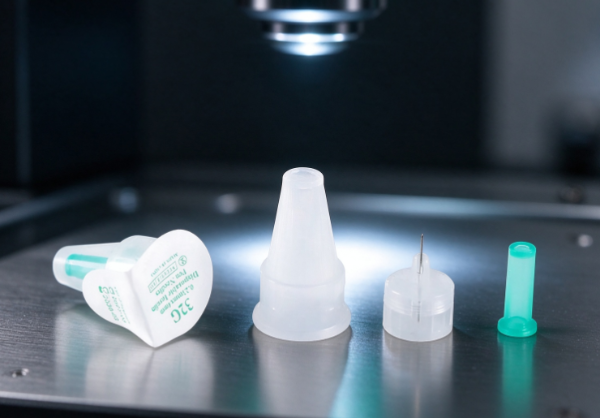
So, can automation cut down human error in this field? Yes, provided the systems are well designed, properly integrated, and kept in good working order. Automation makes steps more consistent, reduces how often people have to touch the product, and flags problems while production is still running. It doesn't remove every source of error, though. Human oversight, process management, and quality control still matter just as much.
Knowing where automation helps, and where it doesn't, makes it easier to decide which production improvements are worth the investment.
Human error is rarely a simple matter of carelessness or poor skill. More often it comes from the working environment: how complex the process is, how the equipment is designed, and how well information moves between production stages.
Medical device work involves detailed assembly procedures and strict handling rules. Workers may repeat nearly identical tasks for hours while staying alert the whole time. Fatigue and repetitive motion wear down concentration, and mistakes become more likely.
A few factors show up again and again.
1. Repetitive manual operations
Think of placing tiny components, joining parts, applying adhesive, or building up a product structure, over and over, shift after shift. Attention drifts. A part ends up in the wrong position, or a step gets skipped without anyone noticing.
2. Complex production procedures
Many devices have several components that must go together in a fixed order. Workers have to understand every step and follow the instructions exactly. When the procedure is hard to read or the information is poorly presented, errors creep in during assembly.
3. Inconsistent manual inspection
Visual inspection is the usual way to catch surface flaws and assembly problems. But results depend on lighting, on the inspector's experience, and on personal judgment. Small defects get missed, especially after hundreds of similar checks.
4. Material handling mistakes
A production floor holds many materials and components. Mixing up parts that look alike, grabbing the wrong component, or handling a material the wrong way can all disrupt the process.
5. Communication gaps
Engineering, assembly, inspection, and packaging often work as separate teams. If an updated instruction doesn't reach everyone, some workers will follow an outdated procedure or misread a requirement.
All of this points to one conclusion: telling workers to "pay closer attention" isn't enough. Manufacturers need production systems that make mistakes harder to make and catch problems before they reach finished products.
Automation takes repeated manual actions out of human hands and gives them to programmed equipment working under controlled conditions. The result is steadier movement, more accurate positioning, and operations that repeat the same way each time.
This matters most in medical device manufacturing, where small variations can change product quality.
Once a machine is correctly set up, it follows the production instructions without the dips in attention that come with repetitive manual work.
The table below shows where automation addresses specific kinds of error.
| Automation Function | Potential Human Error | How It Helps |
|---|---|---|
| Automated assembly | Incorrect component placement | Follows defined assembly steps |
| Robotic handling | Improper material positioning | Uses controlled movements |
| Automated inspection | Missed visual defects | Applies consistent inspection rules |
| Process monitoring | Failure to notice process changes | Tracks operating conditions |
| Automated labeling | Incorrect product identification | Uses controlled labeling procedures |
| Digital production records | Missing manual entries | Records production information automatically |
The biggest gain is consistency. Even with identical instructions, manual work differs from one person to the next and from one shift to the next. A machine repeats the same defined movements with far less variation.
Automation also cuts down on contact with components. That's valuable when a product needs controlled handling or when contamination is a concern.
Still, a machine is only as good as the process behind it. Faulty programming, wrong equipment settings, or poor maintenance can create new problems. Before relying on an automated process in routine production, manufacturers must verify that it really does what it's meant to do.
Not everything on the floor needs to be automated. Some tasks call for human judgment. Others, with repeated actions or inspection routines, suit machines well.
The best candidates have clear operating procedures, repeated actions, and quality requirements that can be defined.
Assembly is a major area where automation prevents manual mistakes. Medical devices often include small parts that must be connected, aligned, or fastened according to precise instructions.
By hand, assembly can suffer from uneven positioning, the wrong part being picked, or a missed step. Automated equipment carries out defined actions in a fixed sequence.
Robots can also take over components that need repeated positioning, since their movements can be programmed to follow the intended process exactly.
That doesn't mean a robot should do every assembly job. Some products have complicated structures or need flexible handling. In those cases, a mix of machine and human work is often more practical.
Inspection is another place where automation supports quality control.
Traditional visual checks depend heavily on each worker's attention and experience. Automated systems examine products against preset criteria and pick out visible irregularities.
Depending on the setup, they can look for:
This makes inspection more uniform and lightens the load of repeated visual checks.
Even so, inspection systems need suitable detection rules and regular verification. Some defects are hard for a machine to spot, particularly on complex shapes or when surface differences are subtle. When the result is unclear, a human reviewer is still the best option.
Handling errors hurt both quality and workflow. A worker might pick the wrong component, put material in the wrong place, or mix parts from different products.
Automated equipment moves materials between set production areas following established instructions. Robotic arms, conveyors, and automated storage systems all play a part.
When linked to a production management system, material information can be checked at several stages of manufacturing.
The outcome is less manual handling and a more orderly production environment.
Packaging is often seen as just the last step, yet mistakes here still affect product identification and handling.
A wrong label, a missing packaging component, or a badly arranged product can cause trouble in distribution or later use.
Automated packaging systems repeat their operations according to predefined procedures. Labeling equipment draws on controlled product data, which cuts down on manual entry errors.
These systems are especially handy for facilities that run several product types or packaging requirements side by side.
Robotics and artificial intelligence are becoming core parts of automation in medical device manufacturing. They do different jobs, but together they support consistency and better inspection.
Robots handle physical work: picking up components, moving materials, assembling parts, and repeating operations. They follow programmed instructions, so the variation caused by manual handling drops.
AI plays another role. It helps systems recognize patterns, process inspection data, and notice unusual conditions.
For instance, an AI-assisted inspection system can scan product images and mark visible differences for a closer look, so inspection teams can concentrate on the units most likely to have a problem.
Combined, the two open up several uses:
That said, AI shouldn't be treated as an independent decision-maker for every quality matter. How well it performs depends on the data used to develop it, the inspection criteria, and the conditions it works in.
Manufacturers need to validate AI-assisted systems and set clear procedures for reviewing uncertain results. Operators and quality teams stay responsible for interpreting findings and acting on production issues.
Cutting human error and keeping product quality high go hand in hand. In medical device manufacturing, quality control covers much more than how a finished product looks. It includes production procedures, component identification, inspection records, and process consistency.
Automation supports quality management by making production easier to monitor and document.
One key function is real-time process monitoring. Equipment gathers data during production and spots conditions that drift outside the required operating limits. Operators can then look into a problem before it affects a large batch.
Automation also supports traceability. Digital production systems record manufacturing activities, inspection results, and material movements. With those records, manufacturers can see how a product was made and pinpoint the stages that deserve a closer look.
The table below shows how automation supports different parts of quality control.
| Quality Control Area | Role of Automation | Expected Benefit |
|---|---|---|
| Process monitoring | Tracks production conditions | Helps identify unusual changes |
| Product inspection | Checks products against defined criteria | Supports consistent inspection |
| Component identification | Verifies material and product information | Reduces selection mistakes |
| Production records | Stores manufacturing information | Supports traceability |
| Packaging inspection | Checks labels and packaging conditions | Helps prevent packaging errors |
| Equipment monitoring | Tracks equipment operating conditions | Supports maintenance planning |
Documentation matters too. Medical device manufacturers must keep production records and show that their work follows established procedures.
Automated systems reduce how much data workers have to type in by hand. That limits recording errors and makes the information easier to review.
Even so, automated records are only worth something if the data is accurate and the system is well managed. Manufacturers still need access controls, review procedures, and sound data management practices.
Automation can remove certain human errors, but it also brings new responsibilities. Manufacturers have to weigh technical requirements, production conditions, workforce skills, and long-term operating needs.
A badly planned project can make operations more complicated rather than simpler.
Equipment integration
New equipment has to fit into existing production processes. Differences in interfaces, procedures, and material handling methods can make integration hard.
Before choosing a solution, manufacturers should understand their current workflow. That shows which tasks can be automated and where new equipment must connect to existing systems.
System validation
Automated equipment must perform its intended function. Manufacturers need to confirm that it follows production instructions, detects the relevant defects, and responds properly to abnormal conditions.
Validation matters most for processes that could affect product safety or quality. A machine isn't reliable just because it can repeat an operation.
Maintenance and equipment reliability
Automation only works if the equipment keeps running as expected. Mechanical wear, sensor faults, software bugs, or wrong settings can all disrupt production.
Regular inspection and maintenance catch potential problems early. Manufacturers also need clear procedures for handling failures and bringing systems back to normal operation.
Employee training
Automation changes what production workers do. They may need to run equipment, watch system status, review inspection results, and react to unexpected conditions.
Training should cover normal operation as well as likely system problems. Workers need to know when they can trust the machine and when they must step in.
Data security and system management
Connected equipment exchanges information across different systems, so access controls, data protection, and system maintenance become necessary.
Manufacturers should think through how production data is collected, stored, and accessed. Clear management procedures help prevent wrong data entry and unauthorized changes.
Automation often raises the worry that machines will take people's jobs. But medical device manufacturing includes plenty of work that depends on judgment, experience, and problem-solving.
Automation fits repetitive, clearly defined tasks best. People remain important wherever production needs flexible decisions, complex troubleshooting, or an assessment of unusual conditions.
An automated inspection system might flag a possible defect, for example, but a quality specialist still has to decide how serious it is and what to do next.
Likewise, a robot can repeat an assembly movement all day, while experienced technicians adjust the equipment, verify the process, and deal with surprises on the line.
This points toward a more collaborative production model.
| Production Activity | Automated System Role | Human Worker Role |
|---|---|---|
| Component assembly | Performs repeated movements | Handles complex assembly requirements |
| Visual inspection | Identifies potential defects | Reviews uncertain inspection results |
| Material handling | Moves components between workstations | Manages unusual handling situations |
| Process monitoring | Tracks operating conditions | Investigates abnormal conditions |
| Equipment maintenance | Provides operating information | Performs maintenance and troubleshooting |
| Quality management | Collects and organizes production records | Reviews results and manages quality decisions |
The nature of the work itself may change. Rather than spending most of the day on repetitive manual operations, employees can put more time into equipment supervision, process improvement, and quality management.
Getting there takes proper training and clearly assigned responsibilities. Workers must understand how the automated systems operate and how to respond when equipment misbehaves.
Even as automated technology spreads, people remain a necessary part of responsible medical device production.
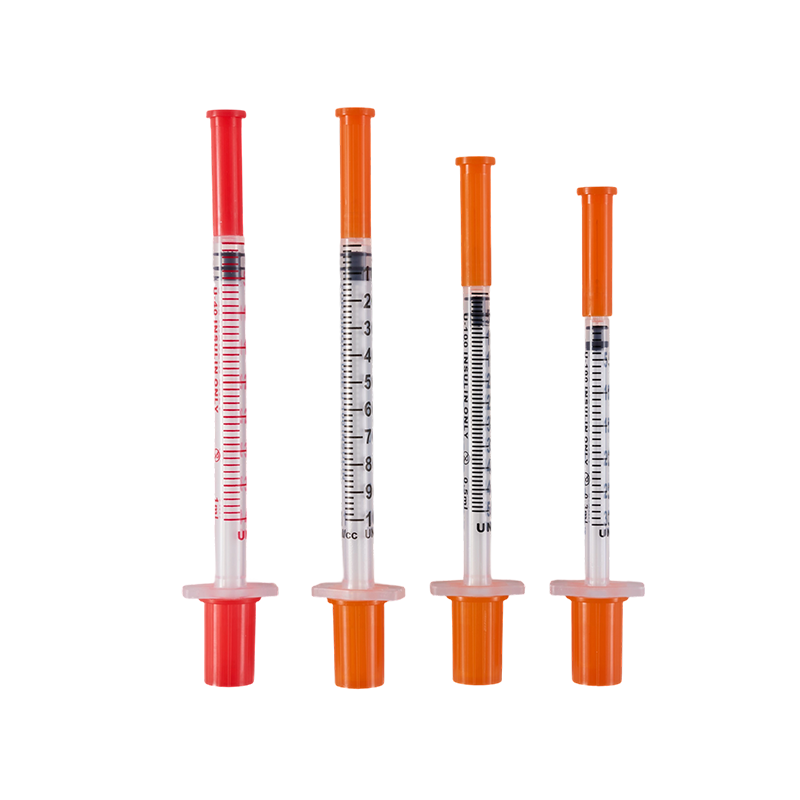
The design and production comply with ISO8537. The plastic parts are moulded by ...
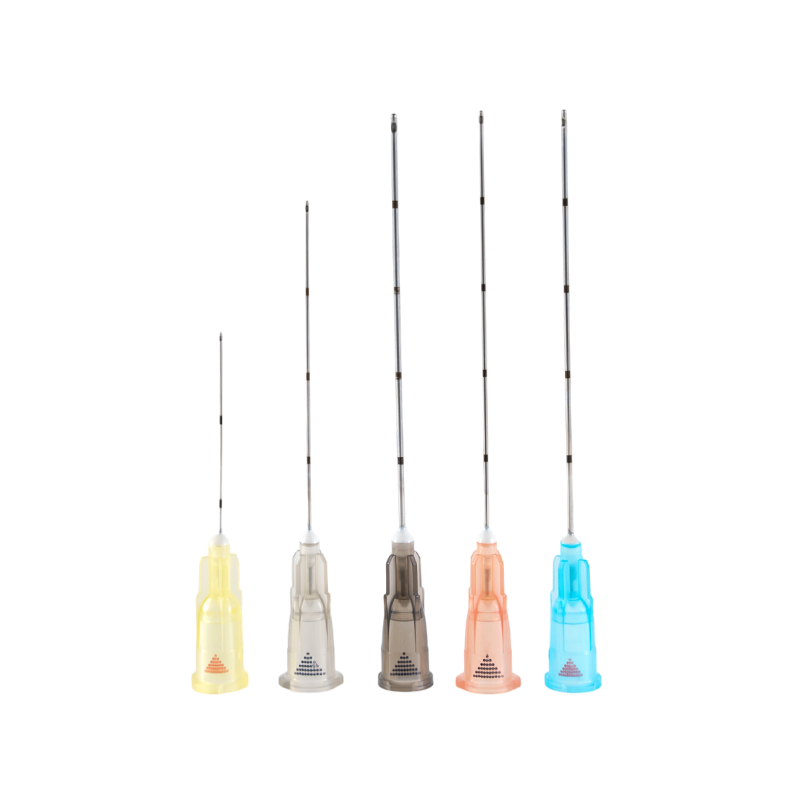
There are three kinds of the tip types, Sealed-circle with 2 side holes, sealed-...
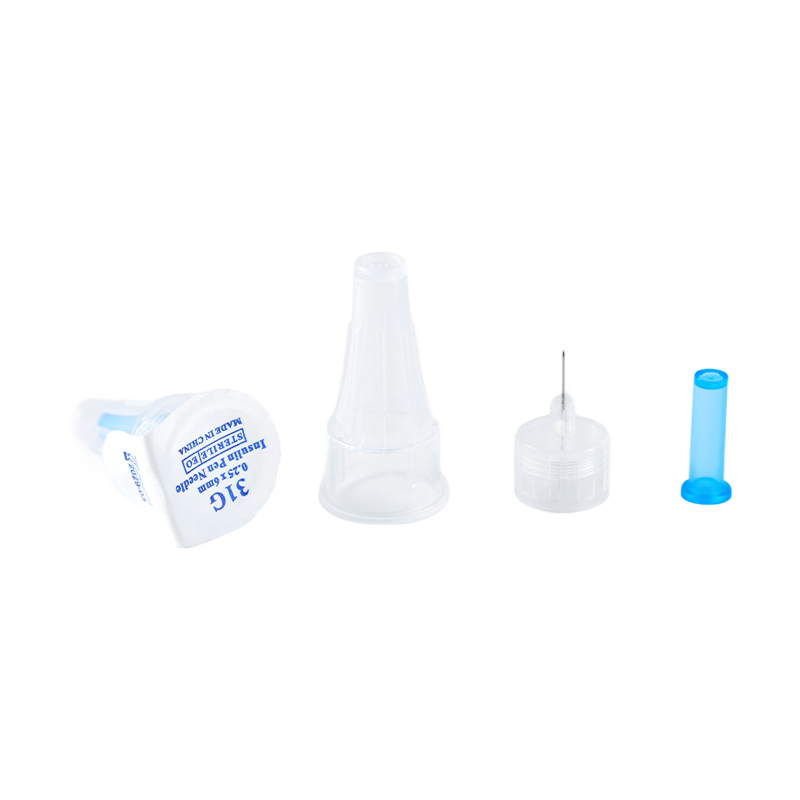
Assembling with insulin pen, for insulin hypodermic injection.The plastic parts ...
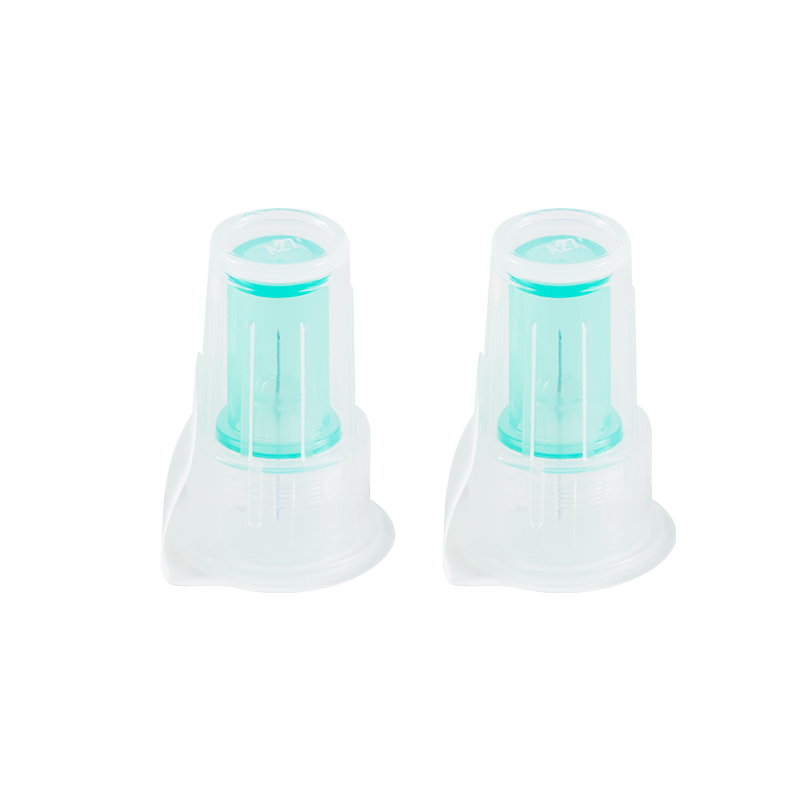
Used in conjunction with an insulin pen, it is used for subcutaneous injection o...

The cannula is made of high quality austenite stainless steel.All the components...
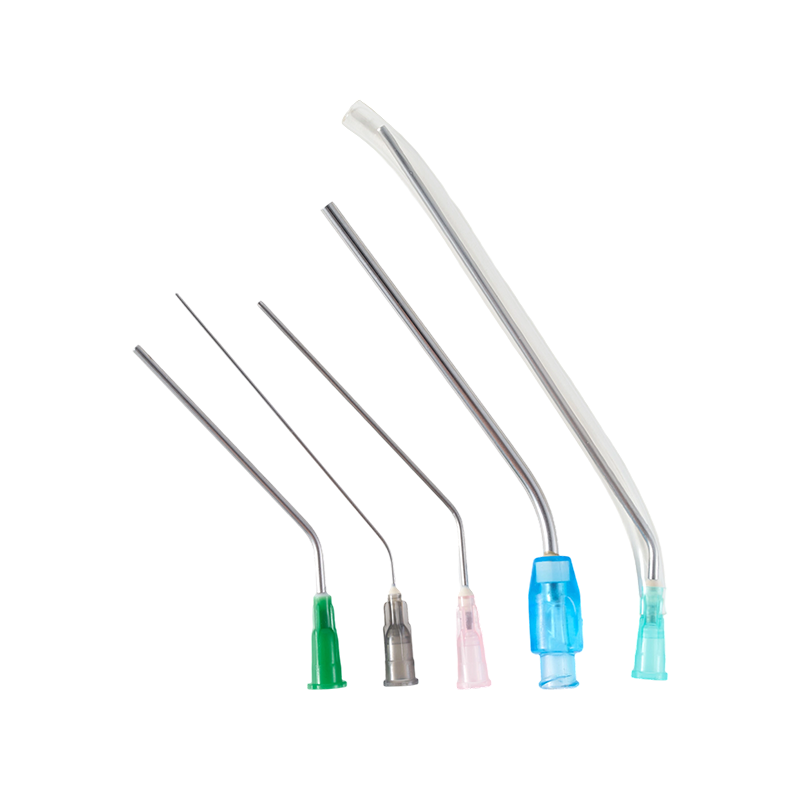
The material of the needle is Medical grade SUS304,which have great stiffness, t...
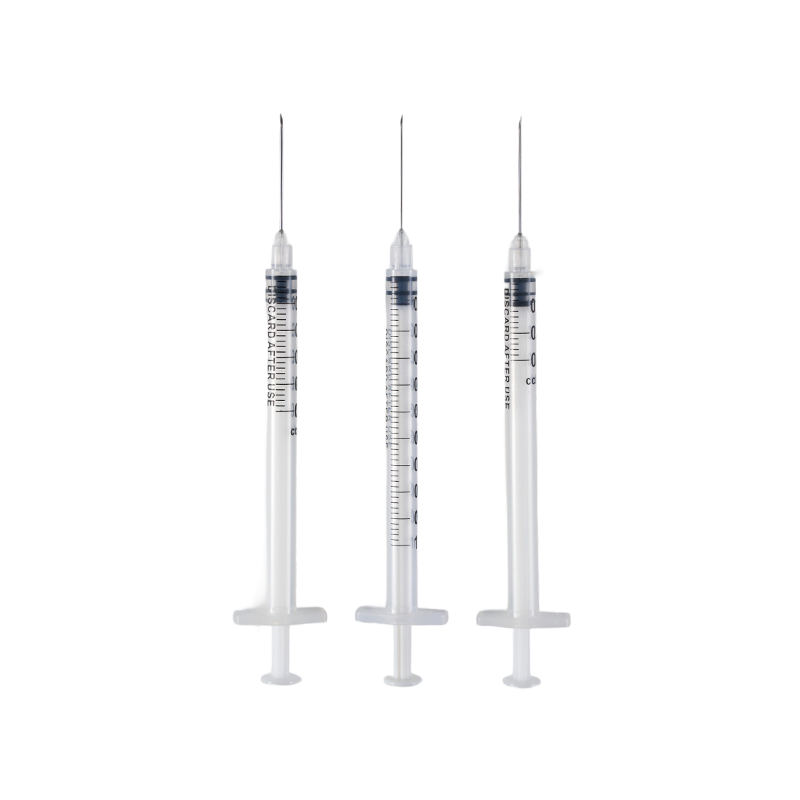
The barrel is made from high transparent polypropylene(PP),which have a bright a...
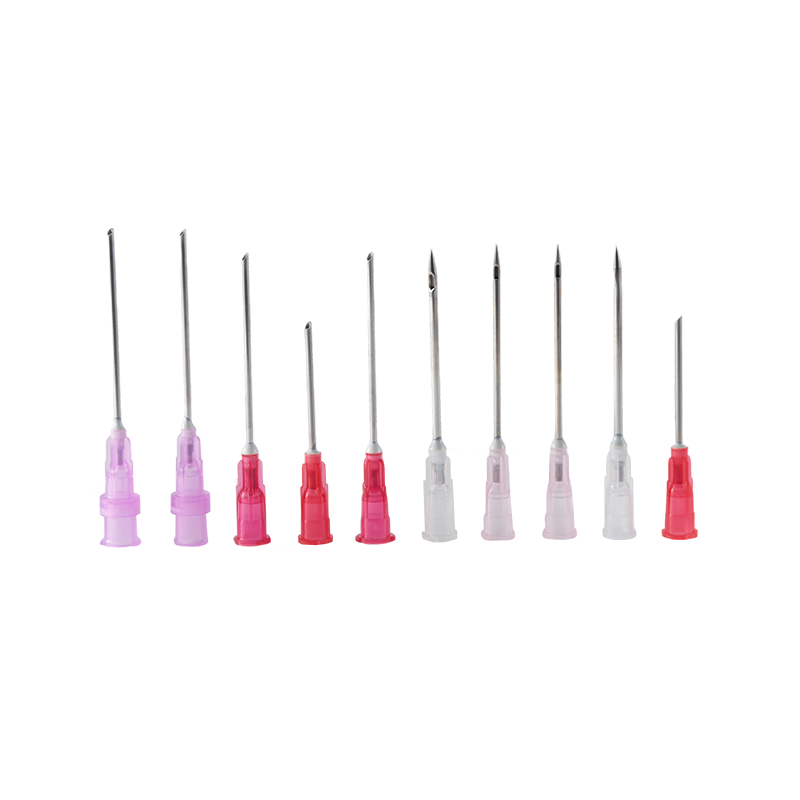
The cannula is made of high quality austenite stainless steel.The lancet tip is ...

Copyright© 2025 Zhejiang INI Medical Devices Co., Ltd.
Approval No:20150049
Medical Device Manufacturers
Disposable Medical Syringes Factory
