


 English
 Español
 中文简体
Don't hesitate to send a message
The design and production comply with ISO8537. The plastic parts are moulded by ...
Procedural needles play a big part in modern healthcare. Clinicians use them for tissue sampling, fluid collection, injections, drainage and other clinical tasks. They look simple, but making them takes careful material selection, shaping, assembly, inspection and sterilization.
Medical procedures keep diversifying, and the demands on procedural needles shift with them. Healthcare professionals need needles in different shapes, structures, lengths and connection designs. That puts fresh pressure on manufacturers and pushes them to rethink production methods.
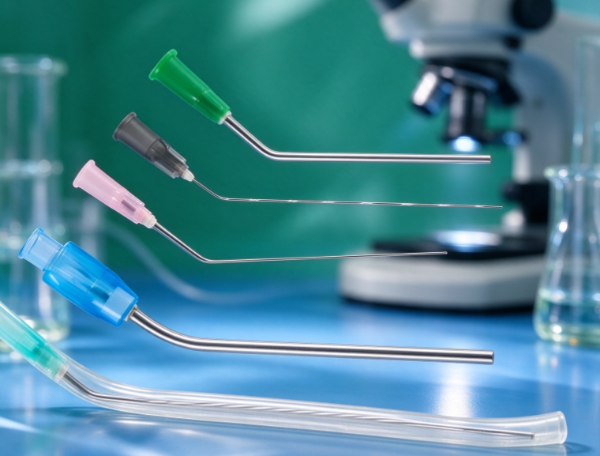
Traditional manufacturing laid the foundation for medical needle production. Progress in automation, precision processing, digital inspection and material handling now opens new options. These developments could reshape how procedural needles are designed, made and tested.
Could advanced manufacturing processes change procedural needle production? The answer takes more than new machines. Procedural Needles Manufacturer must also rethink how production stages fit together, how product consistency is held, and how each design responds to its medical application.
Procedural needles are built for specific medical tasks. Unlike general-purpose products, their structure often has to match one particular procedure. A tissue sampling needle differs in design from one for fluid collection or medication delivery.
This variety complicates production planning. Manufacturers must consider the needle body, tip structure, internal passage, connection components and surface condition. Each feature affects how the finished product performs in use.
Traditional methods handle many of these requirements, but they often split the work into separate operations. Material preparation, cutting, grinding, polishing, assembly and inspection may sit at different workstations. Without coordination between them, inconsistencies creep in across batches.
Improvement is therefore about more than speed. It means less unnecessary handling, steadier processes and easier control over product characteristics.
Product variation is another factor. Medical device manufacturers may build many needle designs for different applications. Frequent specification changes make scheduling and equipment adjustment harder.
Advanced methods can help by letting equipment run different operations with greater consistency. Automated systems also cut some manual tasks and support more organized workflows.
Not every production challenge needs advanced equipment, though. Some issues come from product design, material selection or operator training. Manufacturers should find the true source of a problem before choosing an improvement.
Automation is among the main forces reshaping medical device production. Machines carry out repeated operations with little manual involvement.
In needle manufacturing, automated equipment can handle material feeding, tube cutting, needle shaping, polishing, component assembly and product transfer. These operations need consistent movement and positioning, and automated systems keep the same sequence cycle after cycle.
One clear benefit is less variation from manual handling. When people perform repetitive tasks, small differences in positioning or movement affect the result. Machines follow programmed instructions and hold a steady operating pattern.
Automation also tightens the link between stages. Instead of carrying products by hand between workstations, manufacturers can connect equipment so components move through an organized process.
That means less handling and fewer chances to pick up outside contaminants.
Monitoring is another gain. Automated equipment collects data on operating conditions and flags unusual changes. When a process drifts outside its intended range, the system can alert operators to investigate.
Skilled workers are still needed, though. Operators prepare equipment, review production conditions, respond to alarms and maintain machinery. Technical staff must confirm that automated operations keep meeting product requirements.
The practical value depends on product range and volume. Highly repetitive operations gain from automated handling, while customized products still call for flexible equipment and closer operator involvement.
A balanced system usually pairs automated operations with human supervision.
A procedural needle's shape and surface condition shape its medical use. The tip must fit the application, and the needle body must keep a sound structure through production.
Precision processing gives manufacturers tighter control over these features.
Traditional grinding and cutting remain important. Improved equipment, however, removes material and positions parts more consistently. That helps manufacturers form tips with more controlled shapes and fewer surface irregularities.
The tip deserves special attention. Depending on the application, it needs a pointed, angled or specially shaped structure. A poorly formed tip affects tissue penetration and handling.
Precision grinding helps hold the intended geometry, and automated positioning cuts differences between individual products.
Surface finishing benefits too. Cutting and grinding leave small burrs, rough spots or metal particles, which must be dealt with before the needle moves on.
Polishing and deburring equipment improves surface condition. More controlled processing gives a consistent finish and reduces repeated manual correction.
The internal passage needs care as well. It must stay clear for the intended flow of fluids or other materials. Any blockage or internal irregularity affects function.
Precision processing should cover the whole needle structure and not just the visible tip.
These improvements support consistent design, but they don't guarantee medical suitability. Manufacturers still need proper inspection and testing to confirm the finished needle meets its requirements.
Inspection is essential in procedural needle manufacturing. Even small defects affect the safety, handling or function of a needle. As designs diversify, manufacturers need inspection methods that catch defects without slowing the whole line.
Traditional inspection relies on visual checks and manual measurements. Experienced workers examine the surface, tip shape, tube structure and connection components. This still works well, especially for unusual defects that need human judgment.
Manual inspection does suffer from fatigue, lighting and differences between individual inspectors. Repeated checks also get hard to manage when production involves many similar products.
Digital inspection offers another route. Cameras, optical equipment and image analysis software examine product features and pick out visible differences. They can check tip shapes, surface defects, alignment and other characteristics.
Automated visual inspection also helps with records. Digital systems organize information and make quality easier to review, so teams don't depend only on handwritten notes.
Some systems compare product images against predefined requirements. When an unusual feature turns up, the product is set aside for further examination.
The approach brings several practical benefits:
Digital inspection has limits. A camera can't evaluate every characteristic, especially internal structures or mechanical performance. Some defects need specialized testing.
Human supervision stays necessary. Workers review unusual results, maintain the equipment and confirm the inspection system works correctly.
For procedural needle manufacturers, digital inspection works best as support for an established quality management process and not as a replacement for every existing method.
Material development is another area with potential to change production. The material affects how a needle responds to shaping, grinding, polishing, cleaning and sterilization.
Stainless steel stays popular for its strength, corrosion resistance and fit with many medical applications. Different procedural requirements, however, push manufacturers to look harder at material properties.
A needle for a specialized procedure may need a particular mix of flexibility, strength and structural stability. The material must also stay appropriate for its intended contact environment.
Advanced material processing helps manufacturers control these traits. Better material preparation and forming methods support more consistent structures and fewer unwanted variations in production.
Surface treatments matter too. A needle's surface affects friction, cleanliness and handling. For some applications, manufacturers consider coatings or other surface modifications.
Silicone-based coatings, for example, appear on some medical needles to reduce friction on insertion. The coating must go on evenly and stay compatible with the underlying material and the intended medical use.
Other treatments target corrosion resistance or surface stability. Their fit depends on product design and applicable medical device requirements.
Material and surface treatment can't be judged apart. A treatment that works on one material may behave differently on another. Manufacturers must evaluate the full combination before changing production.
| Manufacturing Consideration | Possible Development Direction | Production Benefit |
|---|---|---|
| Metal materials | Improved material preparation and consistency | Supports stable needle structures |
| Surface treatment | More controlled coating processes | Helps maintain surface characteristics |
| Tube forming | Improved shaping and processing equipment | Supports consistent product dimensions |
| Cleaning | Automated cleaning and handling systems | Helps reduce unwanted residues |
| Component materials | Medical-grade material development | Supports product compatibility |
New materials and coatings need careful evaluation for biocompatibility, durability, chemical compatibility and sterilization suitability.
Manufacturers can't assume a material is right just because it processes conveniently. What counts is its performance in the finished medical device.
Medical procedures don't all call for the same needle. Applications need different tip structures, tube shapes, connection methods and supporting components.
That creates a need for flexible manufacturing.
Traditional lines are often built around specific product designs. Switching to another product type can mean adjusting equipment, replacing components and updating production instructions.
Such changes eat time, particularly when products have different structural requirements.
Flexible manufacturing systems aim to ease these transitions. Adjustable equipment, modular production stations and digital production instructions let manufacturers handle different designs within the same general environment.
A manufacturer might make several needle models with different tip configurations. Flexible grinding equipment adapts to changed processing instructions, while adjustable inspection systems examine different product features.
Modular equipment also makes layouts easier to adapt. When a design changes, manufacturers can modify selected workstations and avoid replacing an entire line.
This helps manufacturers who work with several medical device developers or healthcare equipment suppliers.
Customization touches several aspects:
Needle structure
Different procedures need different needle shapes and internal structures. Equipment must accommodate these differences without sacrificing consistency.
Connection components
Some needles must connect with particular instruments or collection systems. The hub and connecting structure have to match the intended equipment.
Surface characteristics
Certain applications need specific surface conditions. Manufacturers choose finishing and cleaning methods to match each design.
Packaging requirements
Products differ in their protective packaging needs. Packaging design should account for product shape, handling, sterilization and storage.
Flexible production doesn't mean one process makes every product. Each design still needs its own manufacturing instructions, inspection criteria and validation activities.
The goal is to make production changes easier to manage while keeping control over individual product requirements.
Advanced manufacturing opens new possibilities, but bringing in new equipment and methods is rarely simple.
Investment cost is a major hurdle. Automated lines, digital inspection equipment and specialized processing systems demand serious money. Manufacturers must ask whether the expected benefits justify it.
Compatibility is another worry. A factory may already run established machinery for tube preparation, grinding, assembly and packaging. New equipment has to work with these processes or force changes to the layout.
If machines can't communicate or pass products along smoothly, the hoped-for efficiency gains won't show up.
Training matters just as much. Workers used to traditional methods must learn to run automated systems, read digital inspection results and handle equipment problems.
That calls for hands-on training and clear operating procedures. Advanced equipment doesn't remove human responsibility. It changes the skills needed on the floor.
Process validation is also essential. A new method must be shown to produce products that consistently meet specifications.
For medical devices, a process change can affect safety and performance. Manufacturers may need to review material compatibility, manufacturing records, inspection methods and regulatory documentation before using the new process in routine production.
Data management adds another challenge. Digital systems collect information from many stages. It must be stored, protected and organized so it stays useful for quality reviews and traceability.
Cybersecurity and system reliability matter more as production equipment gets connected.
Some common implementation challenges:
| Challenge | Potential Effect | Manufacturing Response |
|---|---|---|
| Equipment investment | Increased production costs | Evaluate actual production needs |
| Equipment compatibility | Difficulties connecting production stages | Review existing equipment and workflows |
| Employee training | Operating errors during the transition | Provide practical training |
| Process validation | Delays before routine production | Establish clear validation procedures |
| Data management | Incomplete or inconsistent records | Improve information management |
| Equipment maintenance | Production interruptions | Establish maintenance procedures |
The move to advanced manufacturing is gradual. Manufacturers should assess their current production conditions and bring in changes according to real needs.
Smart manufacturing combines automation, digital monitoring, connected equipment and production data. Machines stop being independent units, and different stages share information.
For procedural needle manufacturers, this could change how production is organized and managed.
Connected equipment reports on operating conditions, production progress and machine performance. Managers use those records to see where delays happen and which operations need attention.
Predictive maintenance is another possibility. Equipment often shows wear before a major failure. By watching operating conditions, manufacturers spot unusual changes and schedule maintenance before a breakdown halts production.
This matters for needle grinding, cutting and polishing equipment, which depend on stable machinery. Worn tools or poorly maintained parts affect the quality of the finished needle.
Smart manufacturing also supports production planning. When orders involve different needle designs, digital systems help organize material availability, equipment schedules and production instructions.
Manufacturing data can also expose recurring quality problems. If similar defects keep appearing at one stage, manufacturers can examine the relevant equipment and process conditions.
That draws production and quality management closer together.
Collecting more information isn't the point, though. Data must be accurate, relevant and easy to interpret. Manufacturers also need clear procedures for responding when the system flags an unusual condition.
People remain important. Experienced staff know how materials behave, how equipment reacts to different operations and why certain defects occur. Digital systems support those decisions but don't replace professional judgment.
Equipment and workers may become more closely integrated. Machines handle repetitive operations and gather production data, while employees focus on process supervision, technical adjustments, product evaluation and maintenance.
For procedural needle manufacturers, this combination offers a practical way to handle increasingly varied product requirements.
As manufacturing methods evolve, facilities may put more weight on connected equipment, flexible processing, digital inspection and automated material handling. These changes affect how procedural needles move through the factory, from raw material preparation to final packaging.
The process will still have to meet the requirements of each medical application. Product design, material suitability, process validation, inspection, sterilization and packaging stay closely linked. Advanced equipment changes how these tasks are done, but every stage must keep supporting the safety and function of the finished needle.
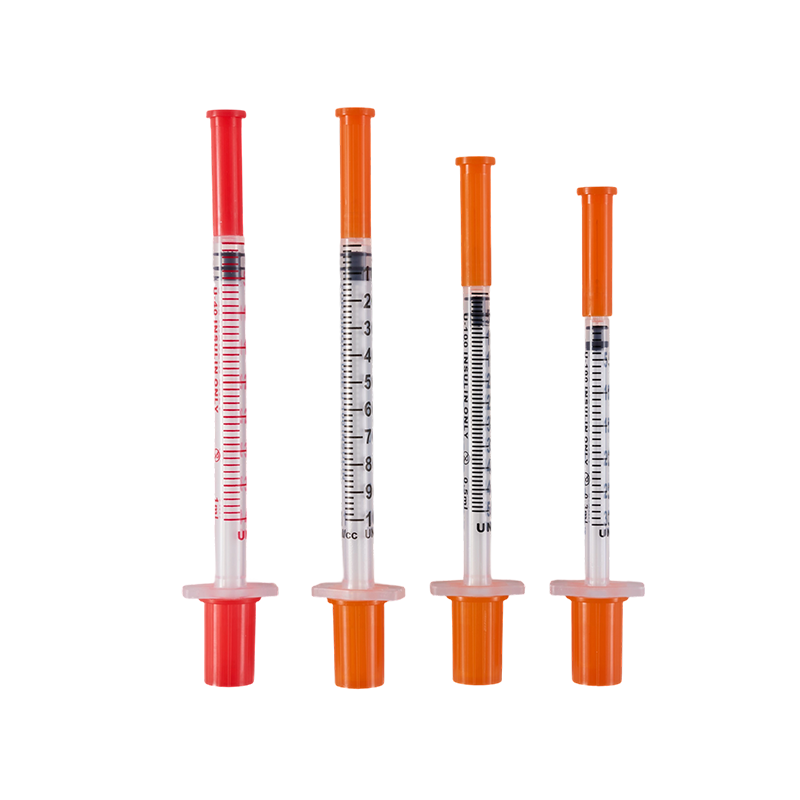
The design and production comply with ISO8537. The plastic parts are moulded by ...
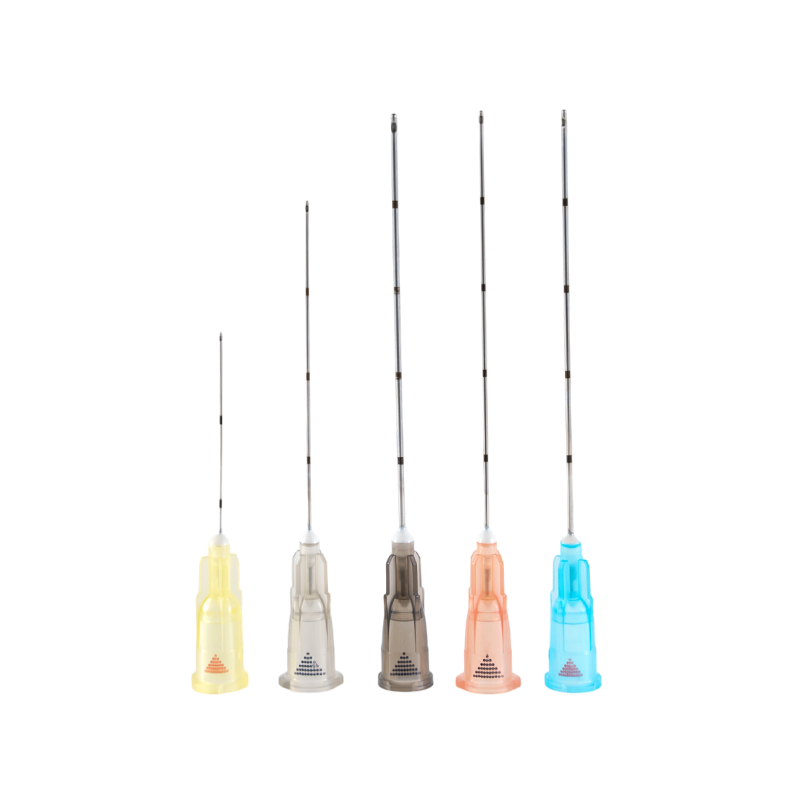
There are three kinds of the tip types, Sealed-circle with 2 side holes, sealed-...
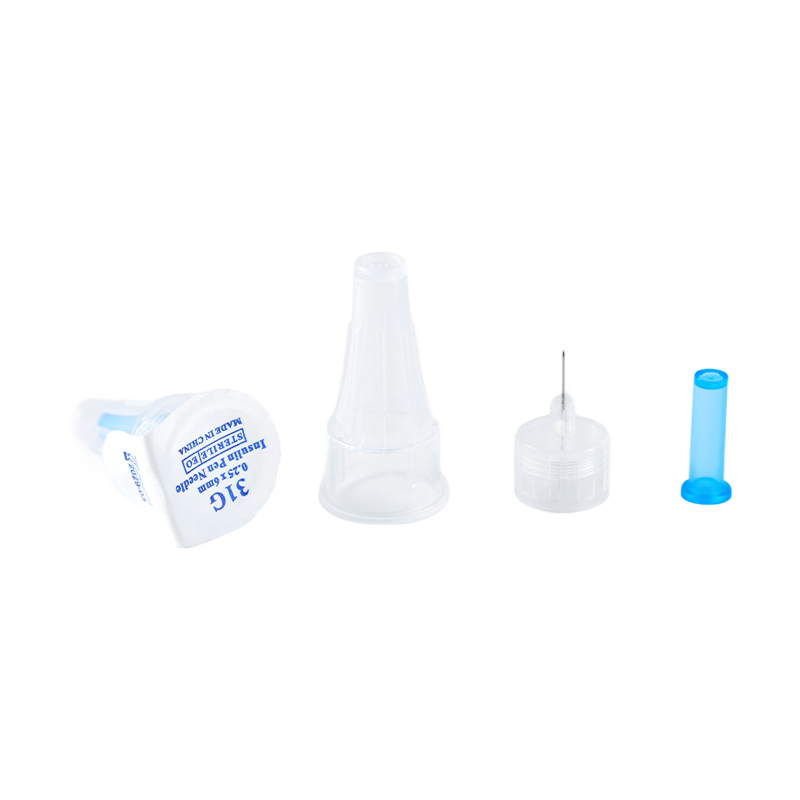
Assembling with insulin pen, for insulin hypodermic injection.The plastic parts ...
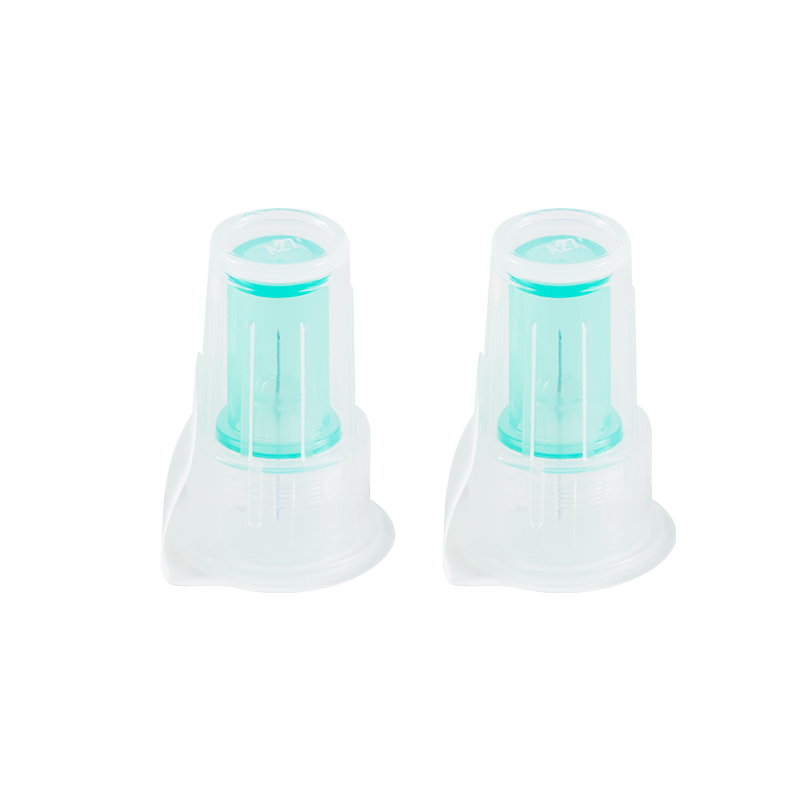
Used in conjunction with an insulin pen, it is used for subcutaneous injection o...
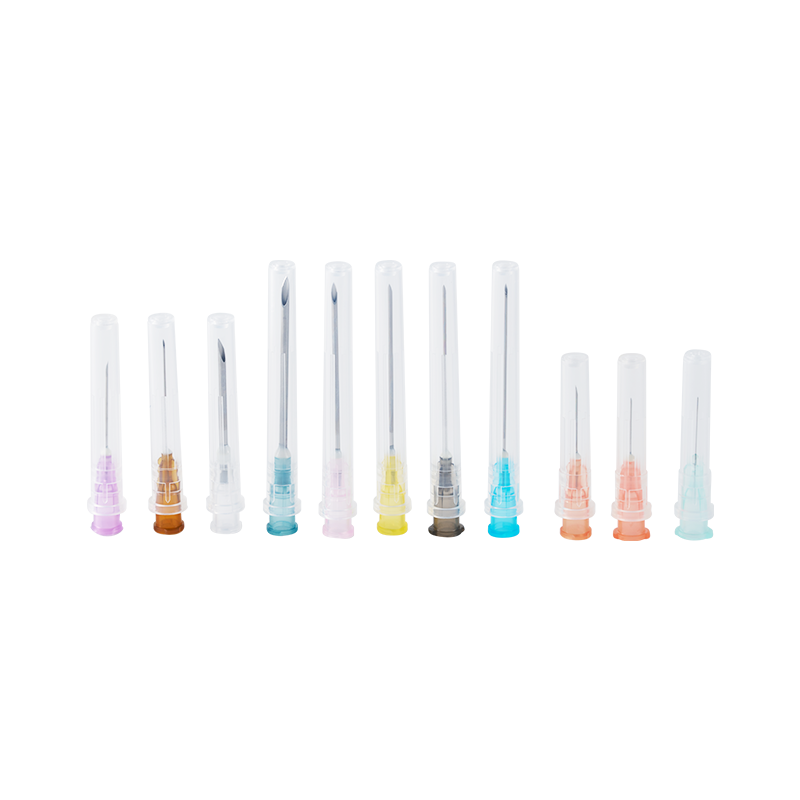
The cannula is made of high quality austenite stainless steel.All the components...
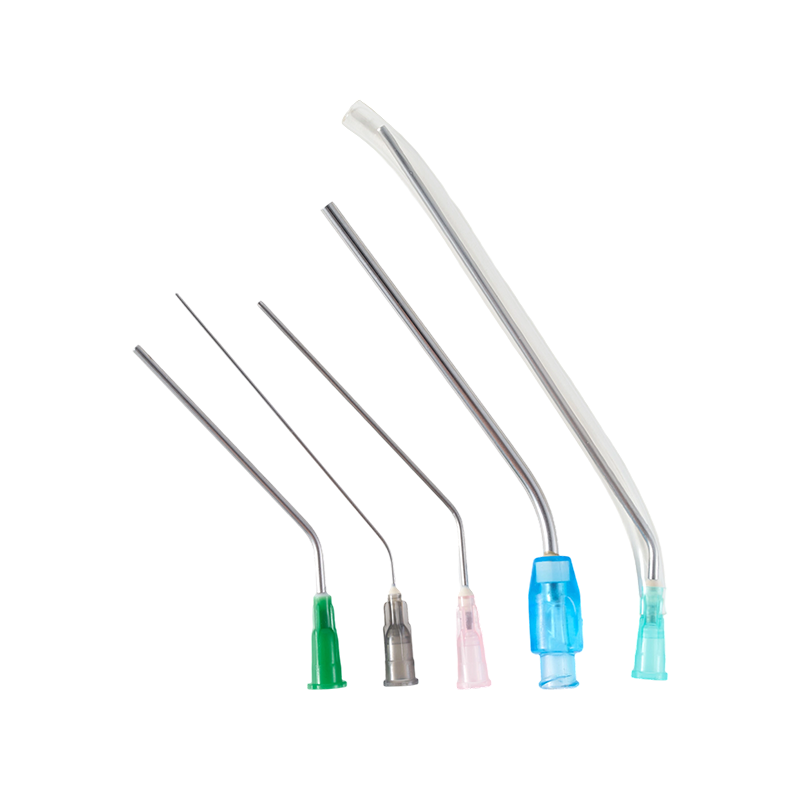
The material of the needle is Medical grade SUS304,which have great stiffness, t...
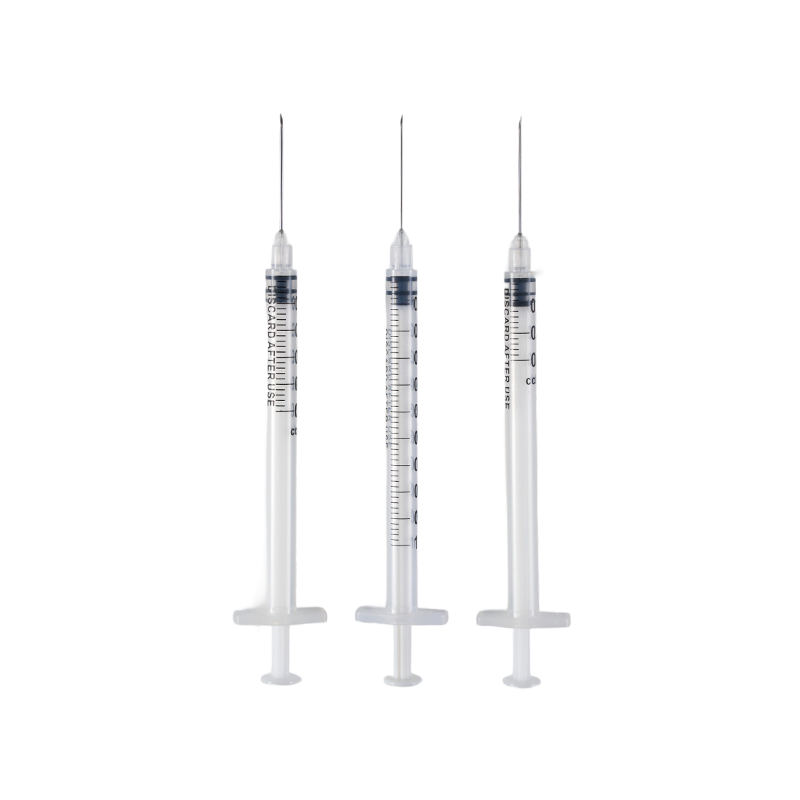
The barrel is made from high transparent polypropylene(PP),which have a bright a...
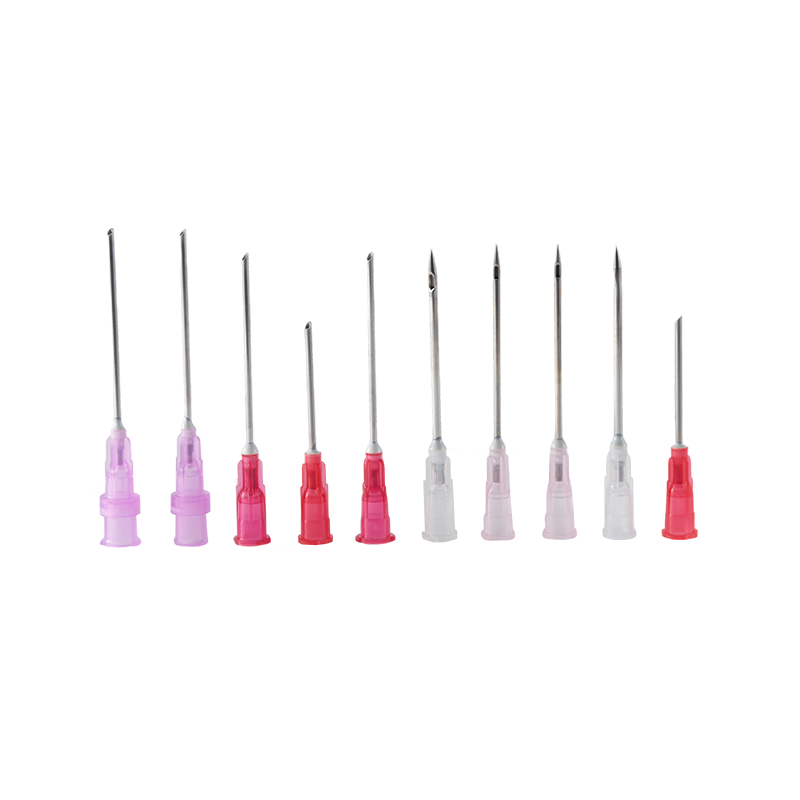
The cannula is made of high quality austenite stainless steel.The lancet tip is ...

Copyright© 2025 Zhejiang INI Medical Devices Co., Ltd.
Approval No:20150049
Medical Device Manufacturers
Disposable Medical Syringes Factory
