


 English
 Español
 中文简体
Don't hesitate to send a message
The design and production comply with ISO8537. The plastic parts are moulded by ...
Medical needles are essential tools in modern healthcare. They serve for injections, blood collection, vaccinations, treatments and laboratory work. A needle looks like a simple metal tube with a sharp point, yet making one takes several tightly controlled stages. Every part must meet specific requirements for safety, cleanliness, strength and ease of use.
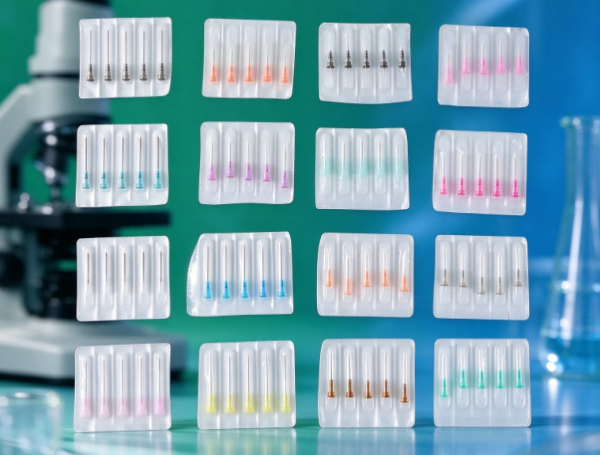
From choosing materials to shaping the tip, manufacturers have to think about how the finished product will perform in different medical situations. A tiny defect changes how a needle enters the skin, handles fluids or connects to other equipment. That makes production quality a core issue in medical device manufacturing.
Needle manufacturing is also more than metalwork. Cleaning, inspection, assembly and packaging all shape the final product. Different healthcare applications need different needle designs, so manufacturers must know the intended use before picking a production method.
How are medical needles made? Which materials are common? How do manufacturers create a sharp, smooth tip? Looking at these stages shows the work behind a widely used medical instrument.
Material selection is a key step. The material must be strong enough to hold its shape in use. It should also resist corrosion, stay clean and be safe for contact with the human body.
Stainless steel is the usual choice for medical needles. It combines strength, durability and corrosion resistance, which helps the product keep a stable structure during medical procedures.
The specific stainless steel depends on the application and needle design. Manufacturers look at how the material responds to shaping, cutting, polishing and cleaning. A material that is hard to process undermines production consistency.
Other parts of the needle assembly use different materials. Plastic is common in hubs, protective covers and connectors. These parts help users handle the needle and attach it to medical equipment.
A typical needle assembly includes:
| Material | Main Characteristics | Common Applications |
|---|---|---|
| Stainless steel | Strength, corrosion resistance, and structural stability | Needle tubes and sharp tips |
| Medical-grade plastic | Lightweight, adaptable, and easy to shape | Hubs, protective caps, and connectors |
| Silicone | Smooth surface and flexible properties | Lubricating coatings for certain needle products |
| Packaging materials | Help protect products from contamination | Individual sterile packaging |
Compatibility matters too. Components must work together without compromising the safety or intended function of the finished product.
The link between a metal needle tube and a plastic hub, for example, has to stay secure in use. A weak joint leaves the needle unstable or lets it separate from its support.
Manufacturers therefore judge each material by its role in the finished product. The aim is a needle assembly that fits its healthcare application.
Production usually starts with metal tubing. The tubing forms the needle's main body and provides the passage for liquid.
The starting material directly affects the finished product. Manufacturers need tubing with a consistent structure, a clean surface and the right mechanical properties.
Several operations prepare the tubes. Depending on the design, manufacturers use drawing, cutting, straightening and surface treatment.
Tube drawing shapes the metal into the required form. The material passes through a forming tool that changes its dimensions, which yields tubing for different needle applications.
After forming, tubing may need straightening. Even a slight bend changes the look and handling of a finished needle. Straightening keeps the shape consistent along the body.
Cutting comes next. Long tubing is divided into individual pieces to match the design. The cut edges need proper processing because rough edges cause trouble in later stages.
Surface condition needs attention as well. Dust, oil, metal particles and other residues stay on the tubing after processing, and they must be removed before the next operations.
The prepared tubing is then checked for visible defects and dimensional consistency. Manufacturers look for scratches, dents, uneven edges and other irregularities.
This stage lays the foundation for everything after it. Defects in the original tube often can't be fixed later. Careful preparation reduces production problems and supports consistent quality.
The tip is among the most important parts of the product. Its shape affects how the needle enters tissue and how much resistance it meets during insertion.
Manufacturers form the tip with specialized grinding and cutting processes. The exact shape depends on the medical application.
A common design has an angled point. This creates a sharp entry surface that penetrates tissue in use. Other designs use different tip structures for particular procedures.
Tip formation demands tight control. Remove too much material and the needle turns weak or misshapen. Remove too little and the tip lacks the needed sharpness.
The process must also avoid excess heat or damage to the surrounding metal. A poorly processed tip shows rough edges, an uneven surface or small metal particles.
After grinding, manufacturers often polish the tip. Polishing removes small irregularities left by earlier steps and smooths the transition between the point and the main tube.
Why does this matter?
A rough tip increases resistance during insertion and affects the surrounding tissue. A properly formed surface supports the needle's function and keeps performance consistent.
Applications call for different tip characteristics. Needles for injections have different design requirements from those for blood collection or specialized procedures.
Manufacturers must weigh tip geometry, material properties and intended use together. Design can't be separated from manufacturing, since every operation influences the final shape.
After the main shaping operations, the needle surface needs more work. This stage removes unwanted material, improves surface quality and prepares the product for later processing.
Metalworking leaves small particles, burrs and uneven spots on the needle. They aren't always visible to the naked eye, but they affect the final product.
Surface finishing deals with these issues. Depending on the process, it includes polishing, deburring, washing and other treatments.
Deburring removes sharp edges and small metal projections. This matters most around the tip and cut surfaces. Leftover burrs interfere with insertion or shed particles in use.
Polishing smooths the metal surface. A smooth surface moves through tissue more easily and has fewer irregular areas.
Cleaning is just as important. Equipment, cutting operations and handling leave behind oil, dust and other residues. They must be removed before the needle goes into assembly and sterilization.
Cleaning methods vary with materials and product design. The process must strip away contaminants without harming the needle or its components.
Cleaned products are then handled under controlled conditions to limit recontamination.
The two stages work hand in hand. Polishing can't replace proper cleaning, and cleaning can't fix an uneven metal surface. Both feed into the quality of the finished needle.
A medical needle isn't always a single metal part. Many products include a hub, a protective cover or other supporting components.
The hub joins the metal needle tube to a syringe or other medical device. It gives a stable point for handling and keeps the connection correct during use.
Plastic is the usual material for these parts. It can be formed into many shapes, so manufacturers can design structures that fit particular medical equipment.
Assembly begins with preparing the individual components. The metal tube and plastic hub must be compatible in shape and material, and their connection must stay stable through handling and use.
Depending on the design, manufacturers use mechanical fitting, bonding or other joining methods. The chosen process must not damage the needle tube or weaken the connection.
Alignment is another concern. The needle should sit correctly in the hub. Poor alignment makes the finished product hard to handle or to connect to other equipment.
Many needle products also get a protective cover. It prevents accidental contact with the sharp tip and reduces contamination risk before use.
During assembly, manufacturers check several things:
Assembly needs coordination between metal processing and plastic component production. Even when each part is made correctly, problems arise if the pieces don't fit together as intended.
That's why assembly inspection is a vital part of production.
Quality control runs through the whole manufacturing process. It is not limited to checking the finished product at the end of the line.
Each stage introduces its own kinds of defects. Material preparation affects the tube surface, grinding affects the point, and assembly can cause alignment problems.
Manufacturers use inspection procedures to catch these issues before products move on.
Visual inspection is one common method. Workers or inspection equipment look for scratches, discoloration, uneven surfaces, damaged tips and other visible defects.
Dimensional inspection matters too. The tube, tip and connecting components must match the design. Inconsistent dimensions hurt compatibility with medical equipment.
Mechanical testing evaluates strength and stability. Manufacturers might test whether the needle-to-hub connection withstands the forces of normal handling.
Other quality checks focus on these areas:
| Inspection Area | What Manufacturers Examine | Why It Matters |
|---|---|---|
| Material condition | Surface defects and material consistency | Supports structural reliability |
| Needle tip | Shape, sharpness, and surface finish | Influences tissue penetration |
| Tube structure | Straightness and visible damage | Supports stable handling |
| Hub connection | Attachment and alignment | Helps prevent component separation |
| Cleanliness | Residues and unwanted particles | Reduces contamination risks |
| Packaging | Sealing and package condition | Protects the product before use |
Quality management also covers production records and traceability. Manufacturers need to know where materials come from, which stages they pass through and how inspection results are recorded.
These records help locate the source of a problem when a product misses the required standard.
Medical needles touch the human body directly. Their manufacturing quality must be assessed against applicable medical device regulations and relevant standards.
Quality control isn't just about removing defective products. It also helps manufacturers spot repeated problems and improve their processes.
A medical needle must be clean before sterilization, but clean and sterile are different things.
Cleaning removes visible and invisible manufacturing residues. Sterilization is a separate process meant to eliminate viable microorganisms to the required level.
The sterilization method depends on the product materials, packaging and design. Manufacturers need a method that works for the complete product and not only the metal needle.
Common sterilization approaches include:
Not every needle can use every method. Material compatibility, product structure, packaging performance and regulatory requirements all shape the choice.
Packaging is the next critical stage. Individual sterile packaging protects the needle from contamination during storage, transport and handling.
The packaging material must keep its protective function while still letting healthcare professionals open the product easily.
Manufacturers also think about how a package behaves in transit. Pressure, friction, moisture and handling can all damage package integrity.
A damaged package compromises sterility. Packaging inspection is therefore an important part of production.
Labels carry useful information too. They identify the product type, intended use, sterilization status and other details required by regulations.
Sterilization and packaging are tightly linked. The sterilization process must work with the chosen packaging system, and the package must keep protecting the product afterward.
Not all medical needles serve the same purpose. Structures and manufacturing requirements change with the healthcare procedures they are used in.
Injection needles, blood collection needles, dental needles and specialized treatment needles share some basic stages. Their designs differ in length, tip shape, connection structure and material requirements.
Understanding these differences helps manufacturers pick suitable production methods.
Injection needles
Injection needles deliver medication into the body. The design must support controlled fluid delivery and proper tissue penetration.
Manufacturers focus on the tip, internal passage, surface finish and syringe connection. These features decide how the product performs during an injection.
Blood collection needles
Blood collection needles draw blood samples. Some connect to collection tubes or specialized holders.
Manufacturing must account for the connection structure and the intended collection system. The needle must stay stable in use and let collection work as designed.
Dental needles
Dental needles are used in dental procedures, including the delivery of local anesthetic. The design must suit dental equipment and the working conditions of oral treatment.
Manufacturers may need to consider how the needle connects to dental syringes, how it is handled and how the tip is shaped for the procedure.
Specialized medical needles
Some needles are developed for particular diagnostic or treatment applications. Their structural requirements can differ from standard injection needles.
Manufacturing depends on the intended use, the medical equipment involved and the relevant safety requirements.
The table below shows how application requirements shape product design and manufacturing.
| Needle Type | Main Healthcare Application | Manufacturing Considerations |
|---|---|---|
| Injection needle | Medication delivery | Tip formation, fluid passage, and syringe connection |
| Blood collection needle | Blood sampling | Connection structure and stable handling |
| Dental needle | Dental treatment | Equipment compatibility and needle design |
| Specialized needle | Specific diagnostic or treatment procedures | Application-specific structure and material selection |
Customization may be needed when medical equipment makers develop products for particular procedures. In those cases, Medical Needles Manufacturer must understand the complete application and not only the metal tube.
Product design, material selection, processing methods and inspection procedures should work together. A change in one component can alter the requirements of other production stages.
Medical needle manufacturing is a chain of connected operations: material preparation, tube shaping, tip grinding, surface finishing, assembly, inspection, sterilization and packaging. Each stage adds to the safety and intended function of the final product.
As healthcare keeps demanding different treatments and diagnostics, manufacturers must watch product design, material compatibility, process consistency and applicable quality requirements. These concerns shape how medical needles are developed and produced for healthcare settings.
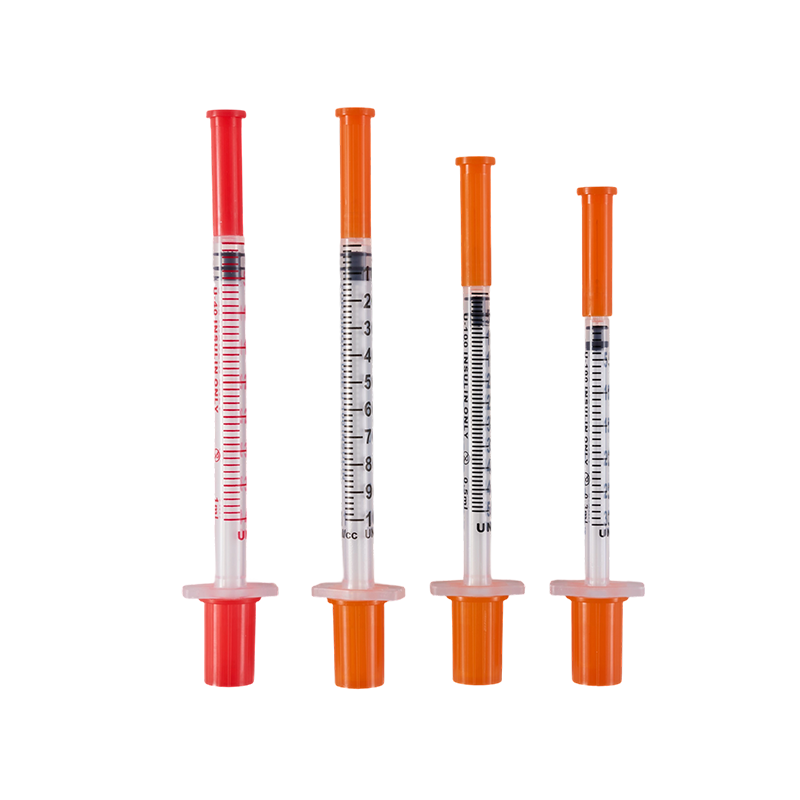
The design and production comply with ISO8537. The plastic parts are moulded by ...
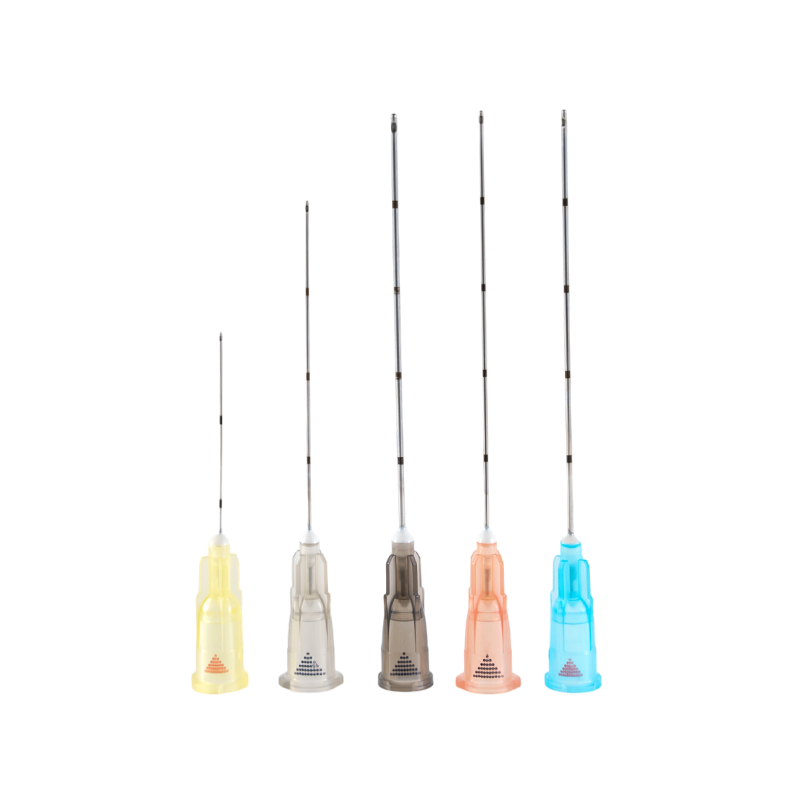
There are three kinds of the tip types, Sealed-circle with 2 side holes, sealed-...
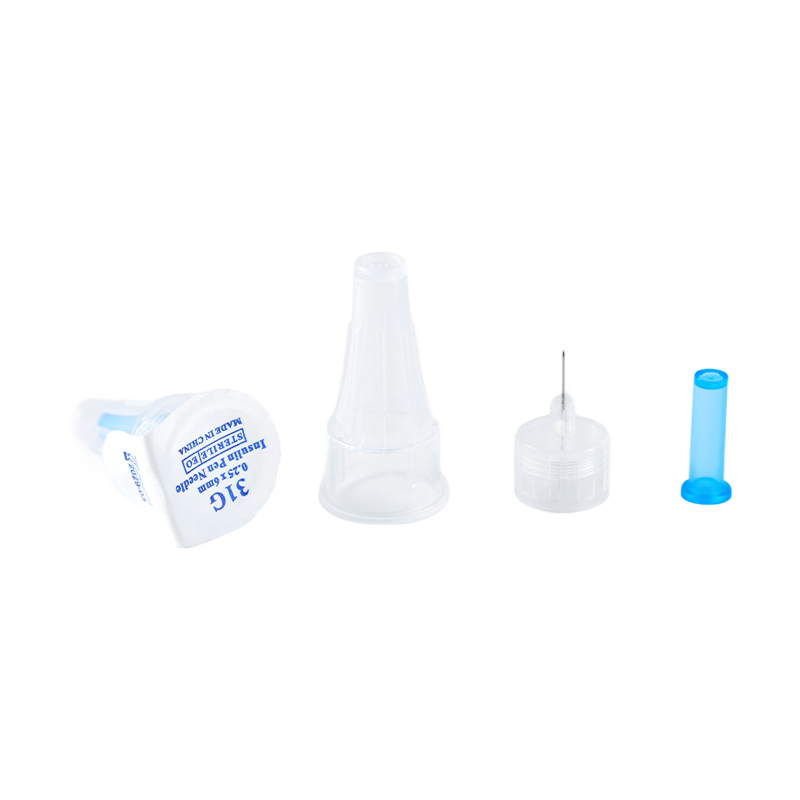
Assembling with insulin pen, for insulin hypodermic injection.The plastic parts ...
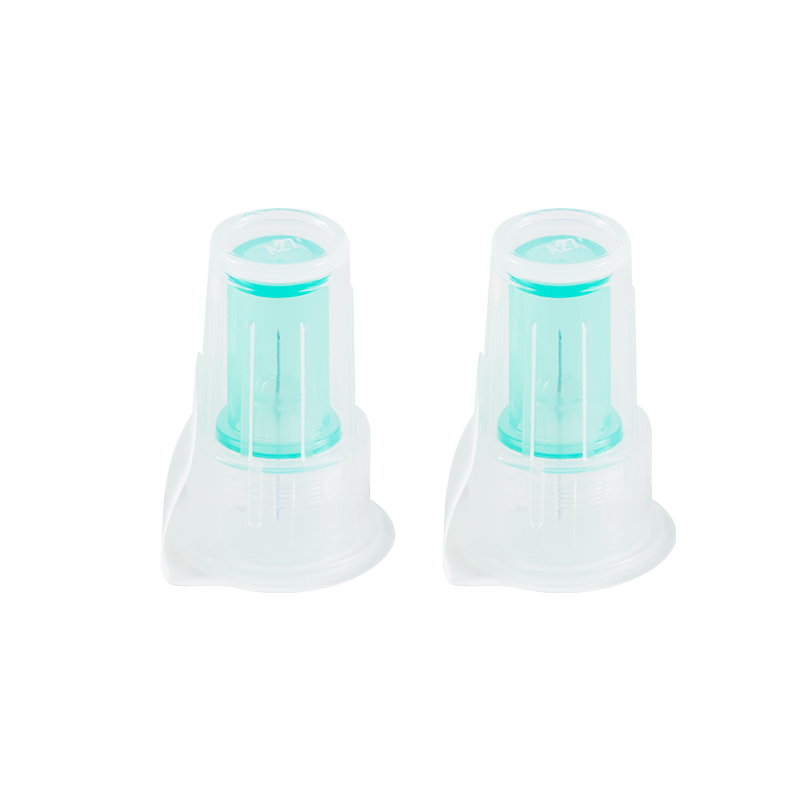
Used in conjunction with an insulin pen, it is used for subcutaneous injection o...
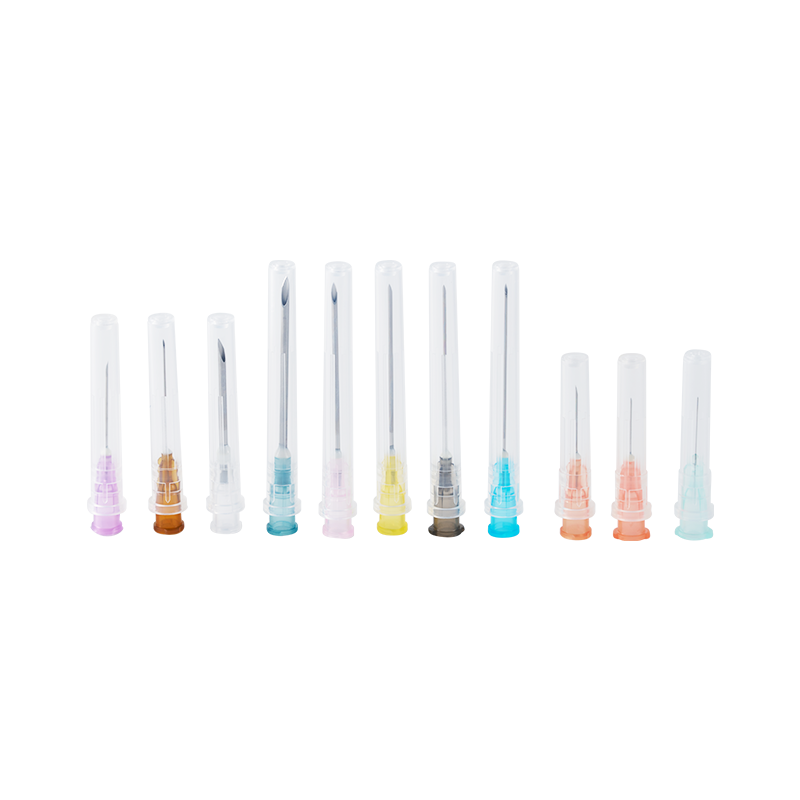
The cannula is made of high quality austenite stainless steel.All the components...
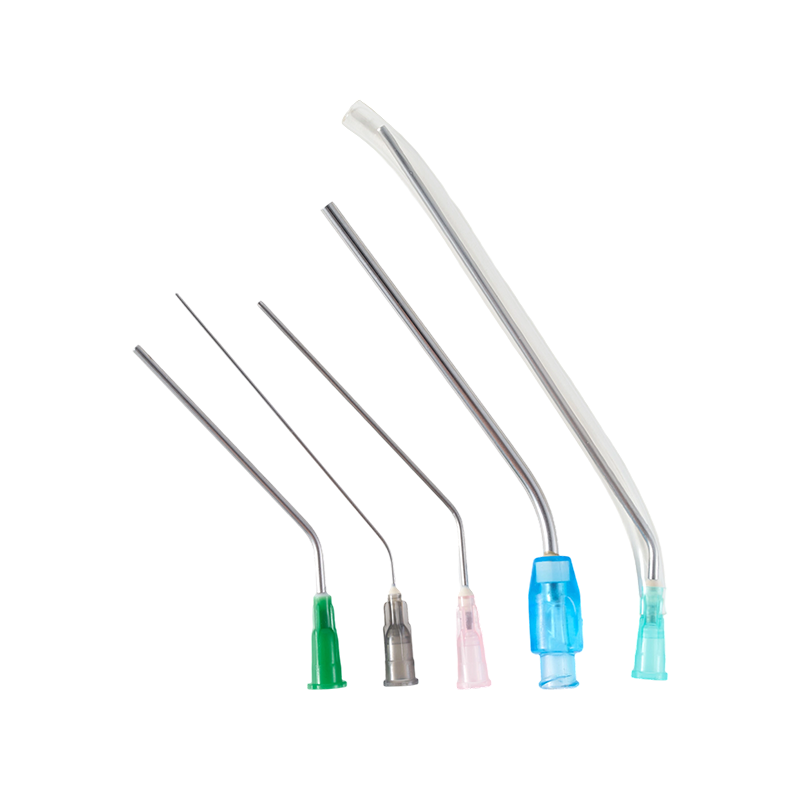
The material of the needle is Medical grade SUS304,which have great stiffness, t...
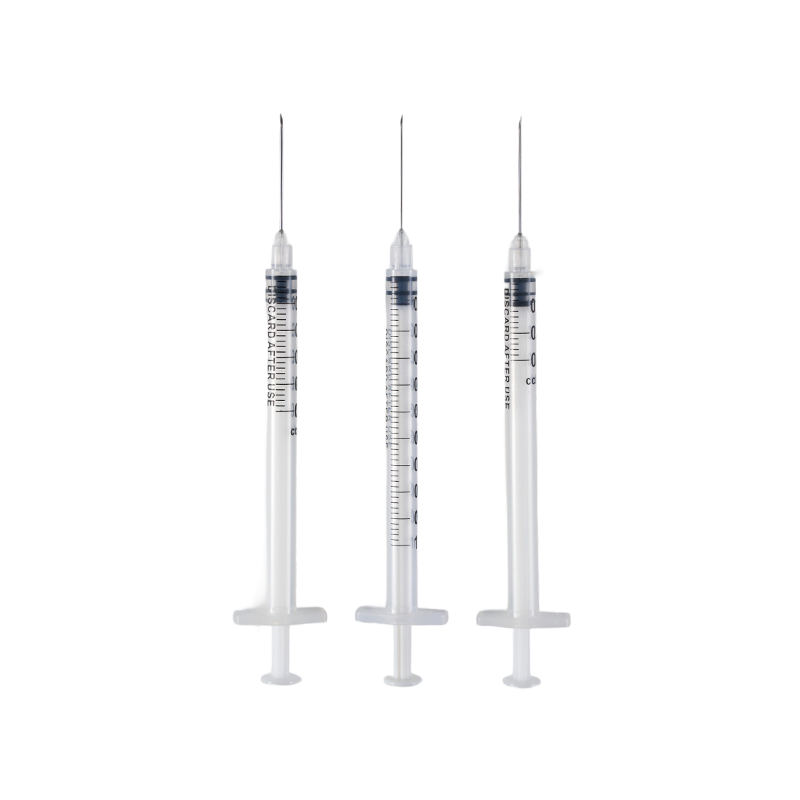
The barrel is made from high transparent polypropylene(PP),which have a bright a...
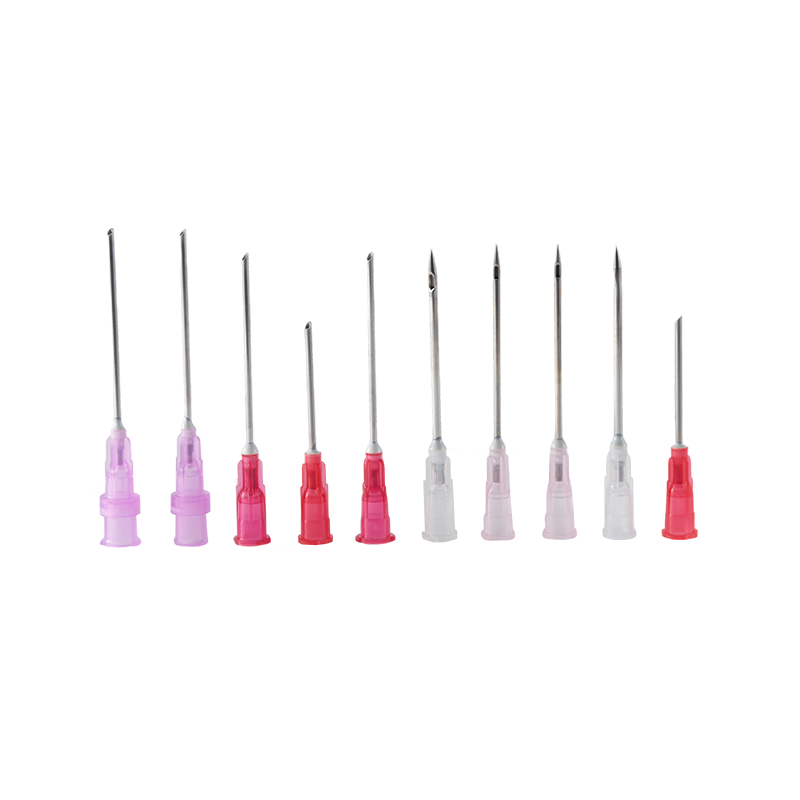
The cannula is made of high quality austenite stainless steel.The lancet tip is ...

Copyright© 2025 Zhejiang INI Medical Devices Co., Ltd.
Approval No:20150049
Medical Device Manufacturers
Disposable Medical Syringes Factory
