


 English
 Español
 中文简体
Don't hesitate to send a message
The design and production comply with ISO8537. The plastic parts are moulded by ...
A person with diabetes may use an insulin syringe several times a day, for years. Nobody thinks about the plunger or the markings on the barrel until something feels wrong. That is the standard a manufacturer has to meet. The product looks simple, but making one that works the same way every time takes tight control at every step, from the first batch of resin to the sealed pouch.
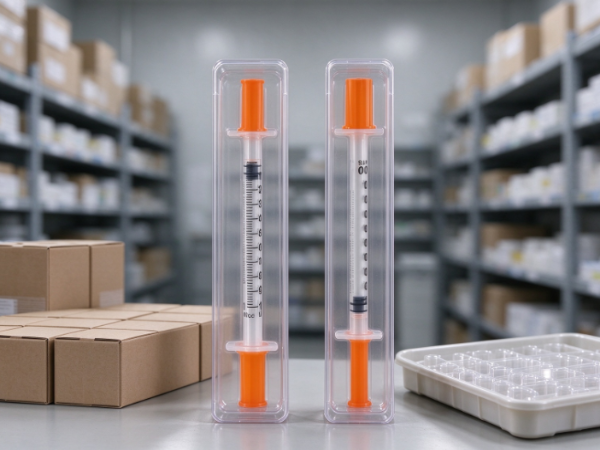
Speed isn't what makes a process reliable. What counts is whether each stage is organized so that the thousandth syringe behaves like the first. A slightly rough barrel, a plunger that sticks, or a needle that sits a little off-center can each turn a routine injection into a frustrating one.
Below, we walk through the process in order: why reliability matters, materials, production stages, consistency, inspection, sterilization and packaging, regulation, and how buyers can judge a supplier.
Insulin is dosed in small, precise amounts. The user has to read the barrel, draw the right volume, and inject smoothly. Each of those actions depends on how the syringe was made.
Consider what can go wrong:
These problems rarely show up in a single check at the end. They begin earlier, in materials, tooling, or assembly. That's why a dependable process builds control into every stage instead of relying on one final inspection.
Reliability also matters commercially. Distributors need batch after batch to look and perform alike. Healthcare providers need steady supply. A manufacturer that can show consistent practice earns trust that a low price alone never will.
Even a well-run line can't compensate for the wrong material. Each part of the syringe has a different job, so each needs different properties.
A sound material management system usually follows this sequence:
| Stage | Purpose | Key Considerations |
|---|---|---|
| Supplier selection | Find reliable sources | Qualifications and material documentation |
| Incoming inspection | Check before production | Appearance, identification, quality records |
| Storage | Keep materials in good condition | Cleanliness and protection |
| Batch identification | Enable traceability | Clear records and labeling |
| Material approval | Confirm suitability | Compatibility with product requirements |
One point deserves emphasis. Parts must be judged as a system. A barrel, plunger, and gasket may each pass inspection alone and still feel wrong when combined. Material choices should therefore be evaluated for how the finished syringe moves, not just for how each part looks on a bench.
Facilities differ in layout and equipment, but the sequence is broadly similar. Each stage feeds the next, so an early slip tends to appear later.
Because these steps are linked, monitoring the whole flow works better than watching only the last one. A flaw in material preparation might not appear until a functional test after assembly.
Checking finished syringes isn't enough. Consistency comes from clear procedures and steady monitoring during production.
Written operating procedures reduce differences between workers and shifts. When everyone knows exactly how a task is done, unusual results stand out sooner.
Equipment is just as important. Worn tooling can change the shape or surface of a component slightly, and those small changes add up. Regular checks and maintenance records help catch wear early and explain problems when they occur.
The working environment matters because syringes are medical devices. Production areas should be managed for cleanliness according to the product's requirements. Training matters too, and it shouldn't stop after onboarding. Periodic refreshers on handling, assembly, and hygiene keep standards from drifting.
Several practices work together here:
Change control deserves a mention. Switching a material supplier, adjusting a machine setting, or altering a method can affect the product in unexpected ways. Changes should be reviewed before they enter routine production.
Inspection catches defects in appearance, function, and safety, but it works best when it's planned around each component and the intended use.
Visual checks find obvious problems: cracks, deformation, contamination, or unclear markings on the barrel, and visible damage to the plunger or gasket.
Functional checks look at how the syringe behaves. Does the plunger move as designed? Do the connections stay secure? Does the assembly hold together in use?
Needle checks follow the applicable requirements for condition, attachment, and function.
| Inspection Area | What Is Evaluated | Why It Matters |
|---|---|---|
| Barrel appearance | Cracks, deformation, contamination, clarity | Product integrity and readability |
| Markings | Visibility and positioning | Accurate volume reading |
| Plunger movement | Smoothness and consistency | Ease of operation |
| Gasket condition | Surface and sealing suitability | Product integrity |
| Needle condition | Appearance, attachment, function | Intended use and patient safety |
| Assembly | Component fit and structure | Catching assembly defects |
| Packaging | Seal integrity, labeling, identification | Protection in storage and distribution |
Results should be recorded in a structured way. When a defect appears, the manufacturer needs to know which products are affected and whether other batches could be involved.
Visual checks have limits, too. Some characteristics can only be confirmed with specific functional tests, so inspection plans should connect to product risk assessment and the applicable device requirements.
A syringe sold as sterile has to stay sterile until the moment it's opened. Two processes make that possible, and both need control.
Sterilization must suit the product's materials and intended use, and it must be monitored and documented. Materials can react differently to sterilization conditions, which may change appearance, function, or integrity. Design, material choice, and method should be assessed together.
Packaging protects against contamination and physical damage during storage and transport. For sterile devices, the package must maintain its sterile barrier until use.
Points to watch include:
Packaging belongs in quality control as well. A perfectly made syringe in a damaged pouch can't be distributed. Records that link production, sterilization, packaging, and release also make it possible to trace a problem to its origin.
Insulin syringes are medical devices, so rules apply to how they're made and sold. Those rules differ by country and by product classification.
Compliance involves more than collecting certificates. It means organizing design, manufacturing control, quality management, labeling, and post-market responsibilities in a way that can be demonstrated. Manufacturers should identify requirements early, starting from the intended use and the target market.
Documentation is central. Typical records include:
Buyers should remember that a product accepted in one country may need extra documents or assessment elsewhere. Manufacturers shouldn't assume one set of papers covers every market, and buyers should verify certificates through the proper channels.
Good records also help internally. When responsibilities are clear and documentation is complete, investigating a problem is faster and easier.
A catalog and a price list show very little about how a syringe is made. A stronger evaluation looks at how the supplier handles production, quality, regulation, and supply.
Transparency is a good starting signal. A capable supplier can explain its process clearly and back it up with documents. Consistency matters as well, so ask about batch management and quality records. Responsiveness during the quoting stage also hints at how complaints will be handled later.
| Factor | Questions to Ask |
|---|---|
| Manufacturing capability | Are the facilities and procedures established and suitable? |
| Material management | How are materials selected, inspected, and stored? |
| Quality control | What checks occur during production and before release? |
| Sterilization | How is the process controlled and documented? |
| Packaging | How are packaging integrity and identification maintained? |
| Regulatory documents | Can they supply documents for your destination market? |
| Traceability | Can material and production data be traced if there's an issue? |
| Customer support | How are questions and complaints handled? |
Check that the product range fits your market too, since syringe designs, packaging formats, and documentation needs vary. Samples and documents help early screening, but they don't replace formal supplier qualification or regulatory checks.
Reliable insulin syringe manufacturing comes from coordination: careful materials, precise components, controlled assembly, thorough inspection, validated sterilization, protective packaging, and sound regulatory management. A weakness in any one of these can affect the whole. Insulin Syringe Manufacturers who keep their controls consistent, and explain them openly, are the ones best placed to meet the expectations of patients, providers, and international buyers.
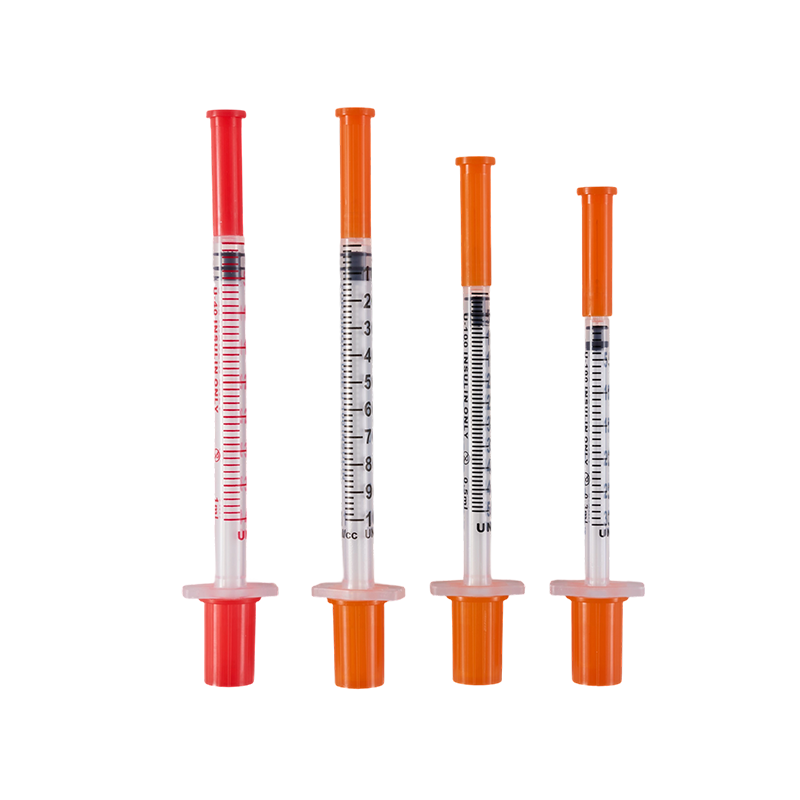
The design and production comply with ISO8537. The plastic parts are moulded by ...
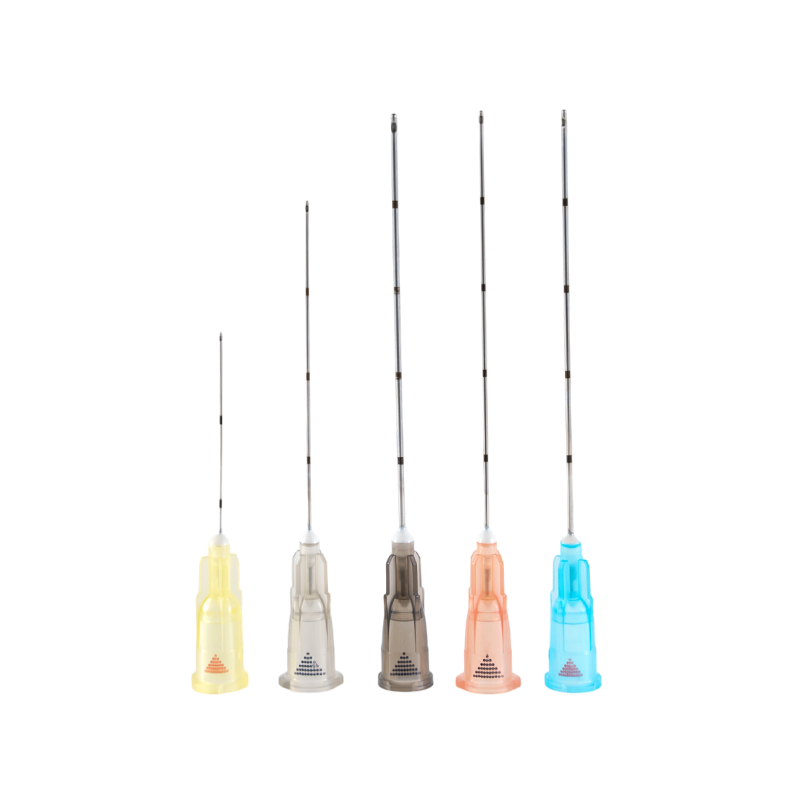
There are three kinds of the tip types, Sealed-circle with 2 side holes, sealed-...
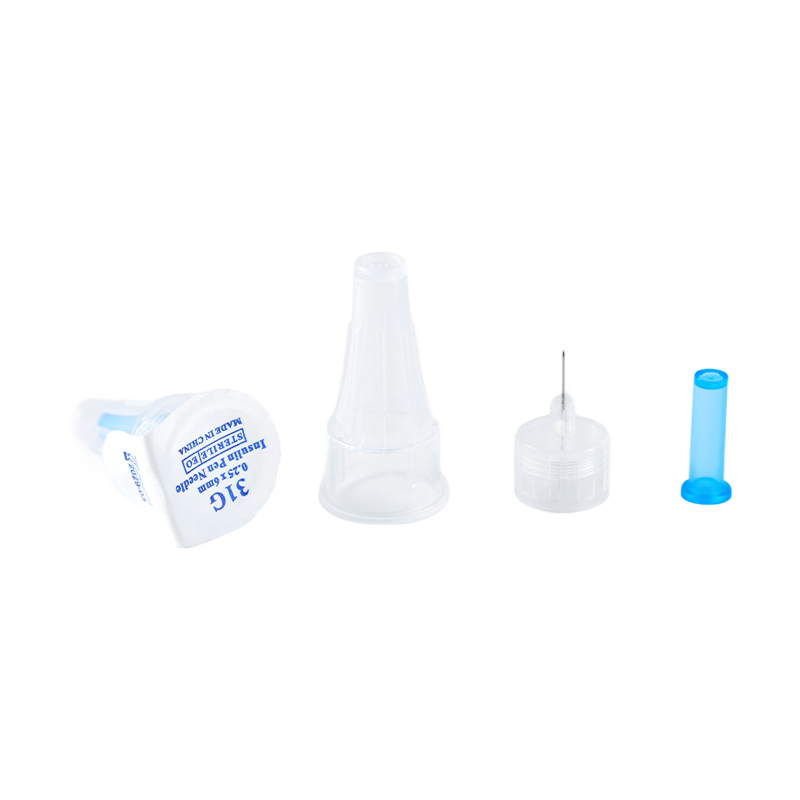
Assembling with insulin pen, for insulin hypodermic injection.The plastic parts ...
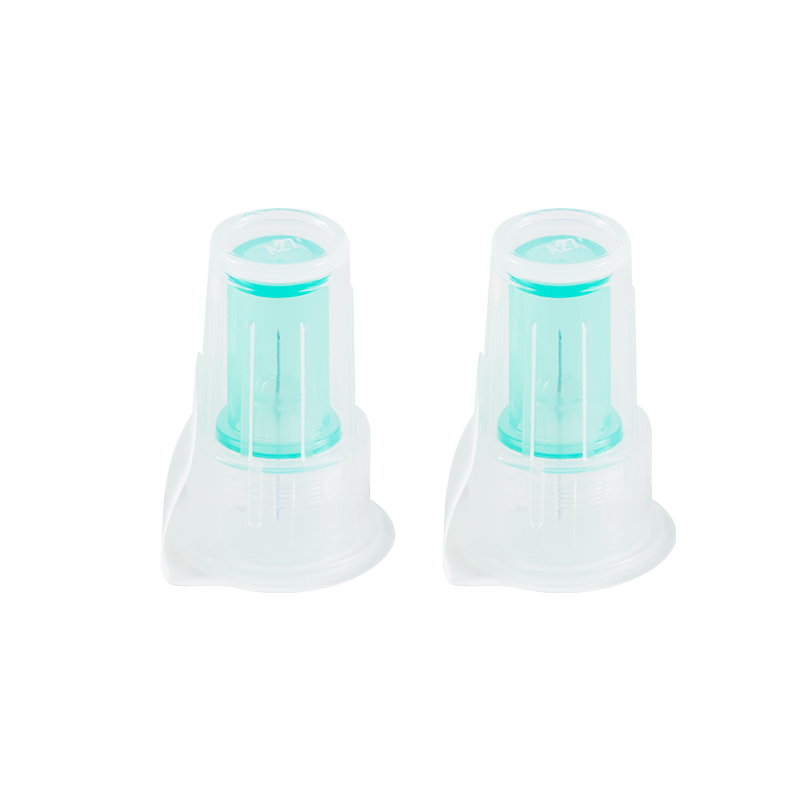
Used in conjunction with an insulin pen, it is used for subcutaneous injection o...
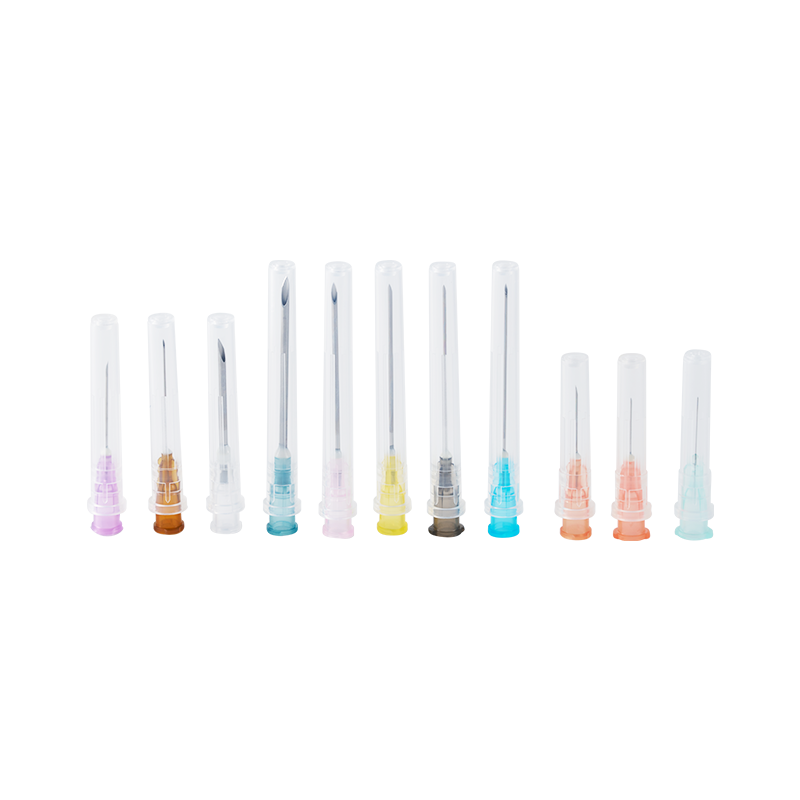
The cannula is made of high quality austenite stainless steel.All the components...
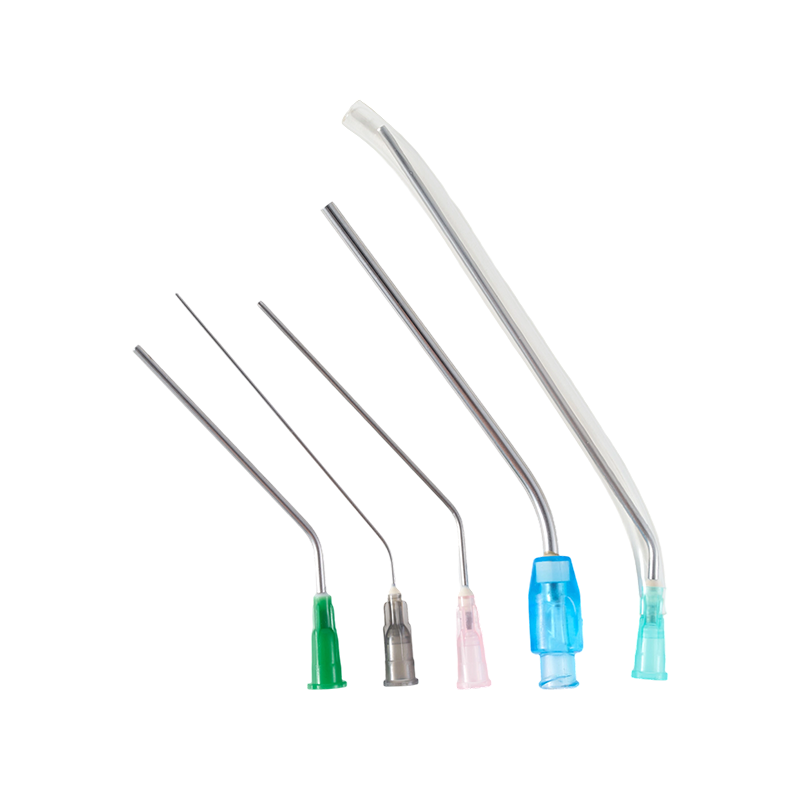
The material of the needle is Medical grade SUS304,which have great stiffness, t...
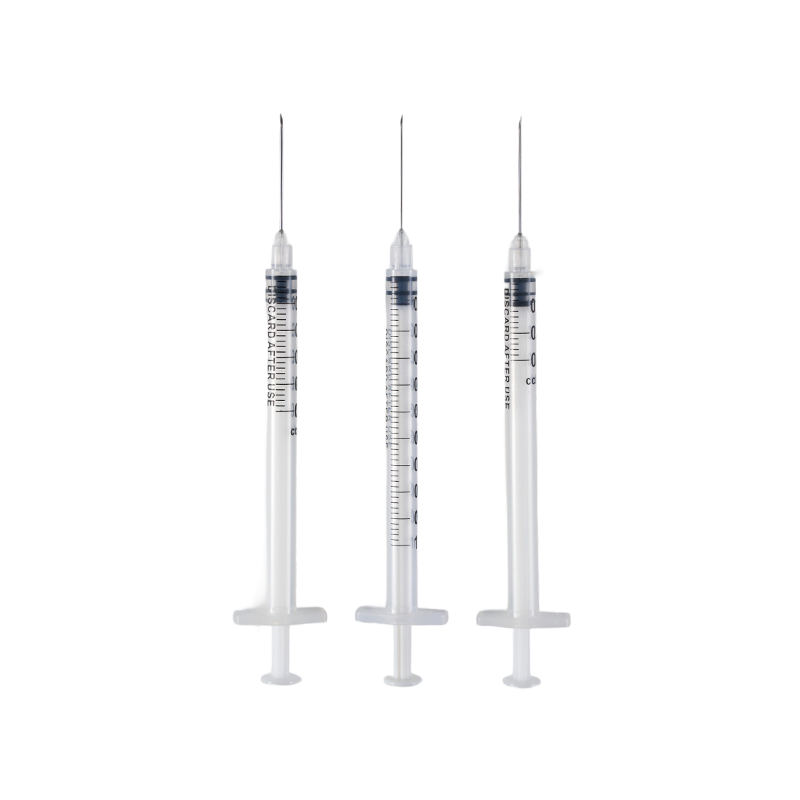
The barrel is made from high transparent polypropylene(PP),which have a bright a...
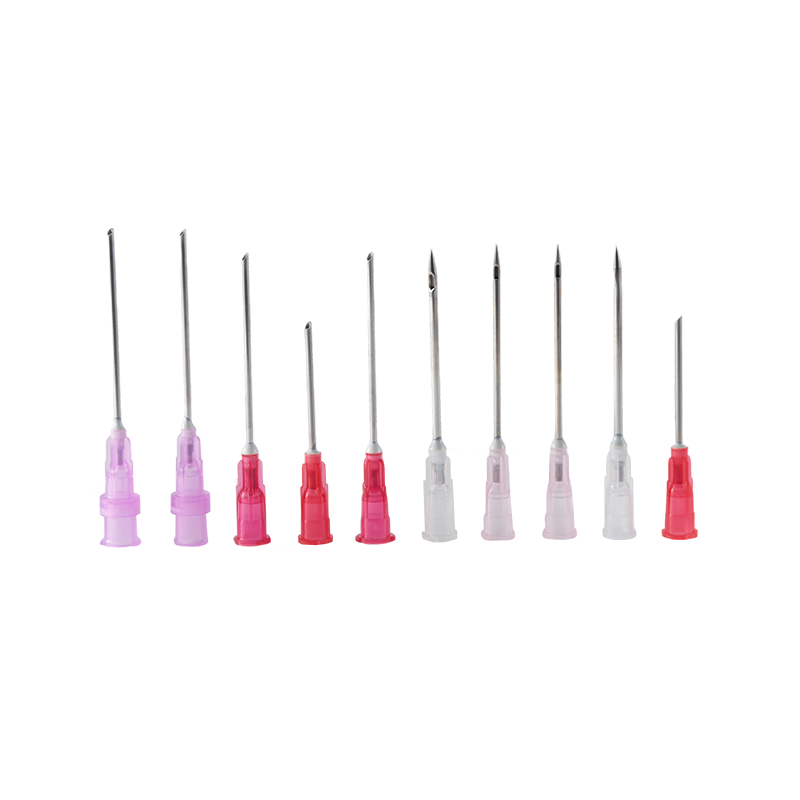
The cannula is made of high quality austenite stainless steel.The lancet tip is ...

Copyright© 2025 Zhejiang INI Medical Devices Co., Ltd.
Approval No:20150049
Medical Device Manufacturers
Disposable Medical Syringes Factory
