


 English
 Español
 中文简体
Don't hesitate to send a message
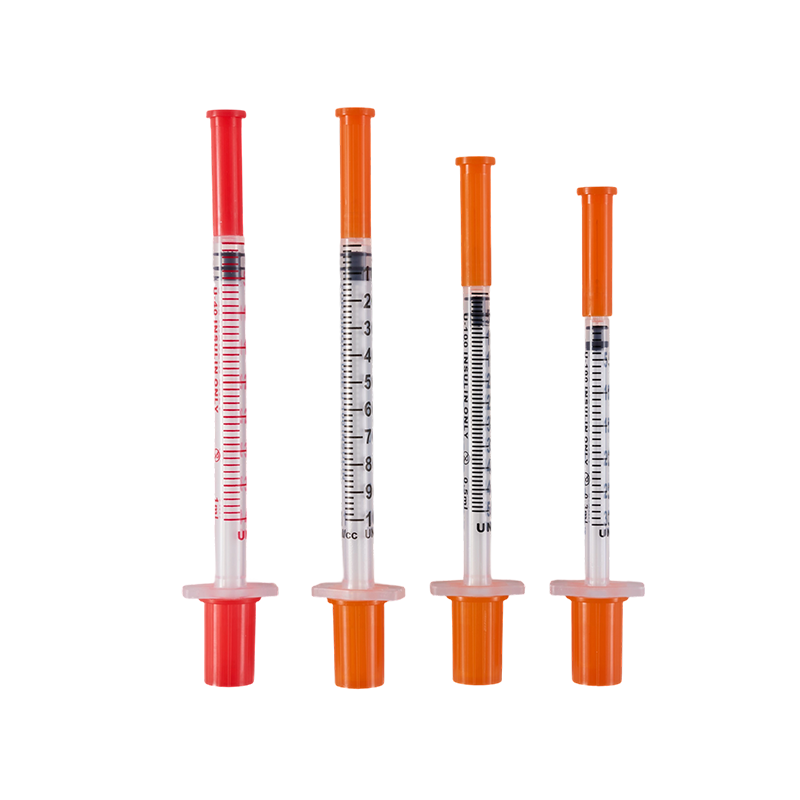
The design and production comply with ISO8537. The plastic parts are moulded by ...
Walk into almost any hospital ward and you'll find products that were probably made in China: gloves on a trolley, a box of syringes, a stack of dressings. Over the past two decades, the country has moved from being one supplier among many to a central node in the global disposables trade. Several things explain the shift. China has deep manufacturing capacity, a large domestic healthcare system, and an industrial network that reaches from plastics to textiles to packaging.
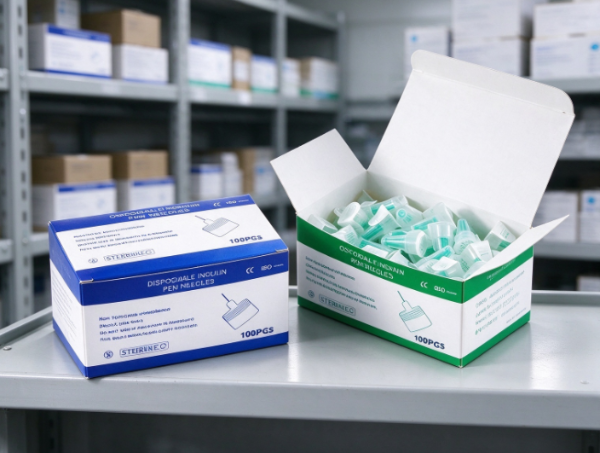
"Medical disposables" covers a lot of ground. It includes gloves, masks, gowns, syringes, infusion sets, wound dressings, and examination supplies. Most are single-use, and most look unremarkable. Yet a clinic can't run safely without them, and a shortage of even the cheapest item can slow a whole department.
Below, we cover why China holds this position, what it makes, how quality and supply chains work, and what overseas buyers should check before placing an order.
The short answer is that so many of the needed industries sit in the same country. A glove factory needs polymer materials. A gown maker needs nonwoven fabric. Both need cartons, labels, and sterile-barrier packaging. In China, a manufacturer can often find these suppliers within a few hours' drive, which makes ordering, sampling, and adjusting a product much quicker.
Home demand matters too. Hospitals, community clinics, laboratories, and nursing homes across the country use disposables every day. That steady volume keeps production lines busy and lets factories learn from many clinical uses before they ever export.
Variety is the third piece. A hospital buyer rarely wants one item. They want examination products, protective wear, wound care, and infusion supplies, ideally from as few suppliers as possible. Chinese manufacturers cover many of these categories, so a buyer can often consolidate orders instead of juggling a dozen vendors.
As a result, China isn't just selling single products any more. Many manufacturers now take part in longer healthcare supply relationships, with repeat orders, custom packaging, and ongoing technical communication.
| Product Category | Common Products | Main Applications |
|---|---|---|
| Protective supplies | Masks, gloves, gowns, shoe covers | Infection prevention and personal protection |
| Injection supplies | Syringes, needles, accessories | Medication delivery and clinical procedures |
| Wound care | Gauze, dressings, medical tape, wound pads | Cleaning and covering wounds |
| Examination supplies | Examination gloves, drapes, covers | Routine check-ups |
| Infusion supplies | Infusion sets, connectors, accessories | Fluid administration |
| Surgical disposables | Surgical drapes, procedure kits | Operating rooms |
| Patient care | Underpads, bed covers, hygiene products | Nursing and daily care |
The categories behave differently in the market. Protective products are bought in huge volumes, and buyers often compare them closely on comfort, fit, and consistency. Injection and infusion items are more tightly specified, so material suitability and product integrity carry more weight than price. Wound care sits somewhere between: a dressing for a minor graze and one for a slow-healing ulcer need very different absorbency and adhesion.
Patient care products are easy to overlook, but nursing homes, rehabilitation centers, and home-care services use them constantly. That steady demand keeps many mid-sized factories busy.
This range lets suppliers specialize. Some concentrate on one product family and refine it for years, rather than offering a thin catalog of everything.
Think of a protective gown. It needs nonwoven fabric, elastic cuffs, ties or tapes, and a pack that keeps it clean in transit. When all of those come from nearby suppliers, a design change doesn't mean waiting weeks for a part to arrive from overseas.
A close supply network also helps consistency. A factory that buys from the same material suppliers month after month can write tighter incoming-material specs and spot drift early. That makes inspection easier.
None of this guarantees quality, though. Proximity to suppliers doesn't replace checking them. A factory still has to verify what arrives at the dock.
Day to day, supply-chain management comes down to a handful of practical jobs: keeping materials in stock, getting components in on schedule, adjusting production when orders change, choosing packaging that survives storage, and arranging transport. Exporters add another layer of paperwork, including customs documents and destination-market labeling rules. Buyers who care about supply stability tend to favor factories that handle all of this calmly and predictably.
When a disposable fails, the cost goes beyond one item. A glove that tears during a procedure, or a pack with a compromised seal, disrupts staff and can affect patients. That's why quality checks need to run through production, not sit at the end of the line.
Material choice comes first. Gloves need the right stretch and barrier performance. Dressings must absorb well and sit gently on skin. Gowns need fabric that matches their stated protection level. A factory should have clear acceptance rules for incoming material, because poor input shows up in the finished product no matter how well the line runs.
During production, inspectors watch key steps and catch defects early, which saves both material and rework. Finished goods are then checked against the intended use: appearance, dimensions, seal integrity, and whatever else applies. Products sold as sterile also depend on controlled sterilization and packaging.
Records tie it all together. Batch numbers, inspection results, and product identification let a manufacturer trace a problem back to its source. For exporters, that traceability is part of earning a buyer's trust.
A hospital group in one country may want bulk examination gloves at a tight price. A distributor in another may need small-lot surgical kits with local-language labels. Chinese manufacturers who want to serve both have to listen, because the right product depends on the buyer's healthcare system and regulations.
Customization has grown out of that. Some buyers want a particular packaging format, a bundled kit, or a slightly different specification. Factories that can handle such requests without losing control of quality tend to win broader business.
End users influence design as well. Clinicians notice when a glove irritates skin or a pack is awkward to open in a hurry. Soft materials, clear labeling, and easy-open packaging may seem like small touches, but they affect purchasing decisions more than many people expect.
Documentation matters just as much. Buyers want certificates, inspection reports, and regulatory information they can actually use. Exporting well means supplying those papers clearly and on time.
Change is already underway, though unevenly. Automation suits repetitive tasks such as cutting, sealing, assembly, and packing, and it keeps procedures steady across long runs. It doesn't suit everything. Complex products, small volumes, or tricky materials can make machines hard to justify.
Digital systems are spreading too. Tracking orders, materials, and inspection data in one place gives managers a clearer view of what's happening on the floor. Camera-based inspection can flag certain defects faster than the human eye, although people still make the final call on borderline cases.
On the product side, manufacturers are testing new materials, easier-to-handle packaging, and processes that waste less. Not every factory will adopt all of these, since resources and products differ. But the direction is clear: better quality, steadier output, and closer attention to what customers expect.
Disposables exist to protect people from infection, and that purpose won't change. Yet single-use products create waste, and hospitals are under growing pressure to handle it responsibly.
Manufacturers can contribute in several ways. They can cut unnecessary material, simplify packaging, reduce production waste, and use energy more carefully. But medical products can't be treated like ordinary consumer goods. A "greener" material is no use if it compromises sterility, strength, or patient safety.
Waste handling raises its own limits. Used items may carry biological or hazardous material and must follow the applicable disposal rules. Recycling or reuse should never come at the expense of infection control.
Buyers have started asking suppliers about material sourcing, packaging choices, and waste practices. For manufacturers, that's a prompt to review their processes and make improvements that are practical, not just cosmetic.
Price is the first thing most buyers see and the least informative. A cheap product with mismatched materials or weak controls can cost far more in returns, delays, and lost trust. A better approach is to work through a short checklist:
A catalog won't tell you most of this. Direct conversation, document checks, and sample testing will.
China's position in the medical disposables market rests on its manufacturing ecosystem, its broad product range, and its growing role in international supply chains. Expectations around safety, quality, supply stability, technology, and environmental responsibility will keep rising, and the manufacturers who meet them openly are the ones most likely to keep their place.
The design and production comply with ISO8537. The plastic parts are moulded by ...
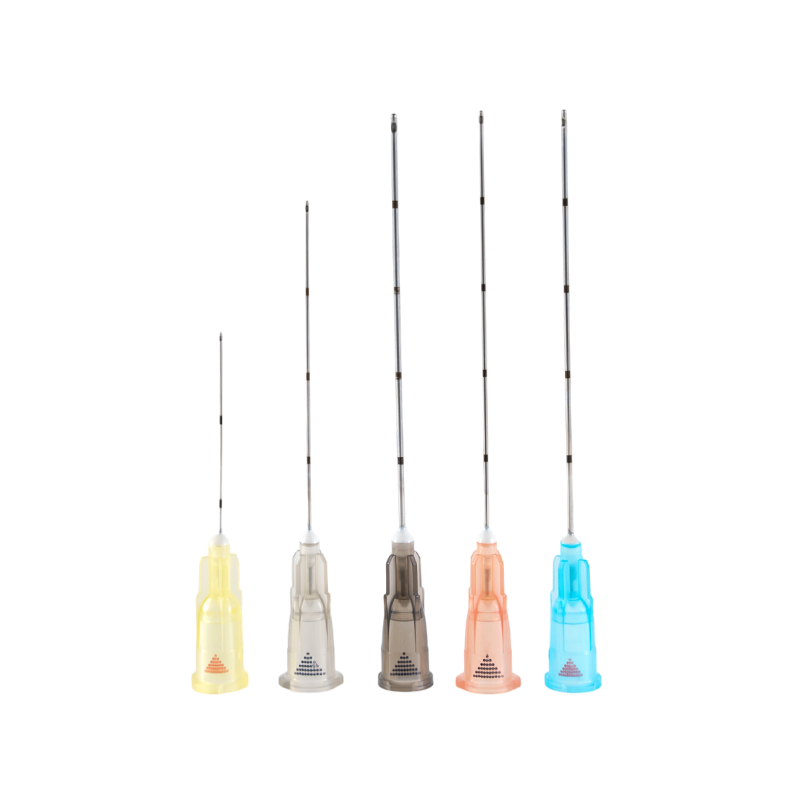
There are three kinds of the tip types, Sealed-circle with 2 side holes, sealed-...
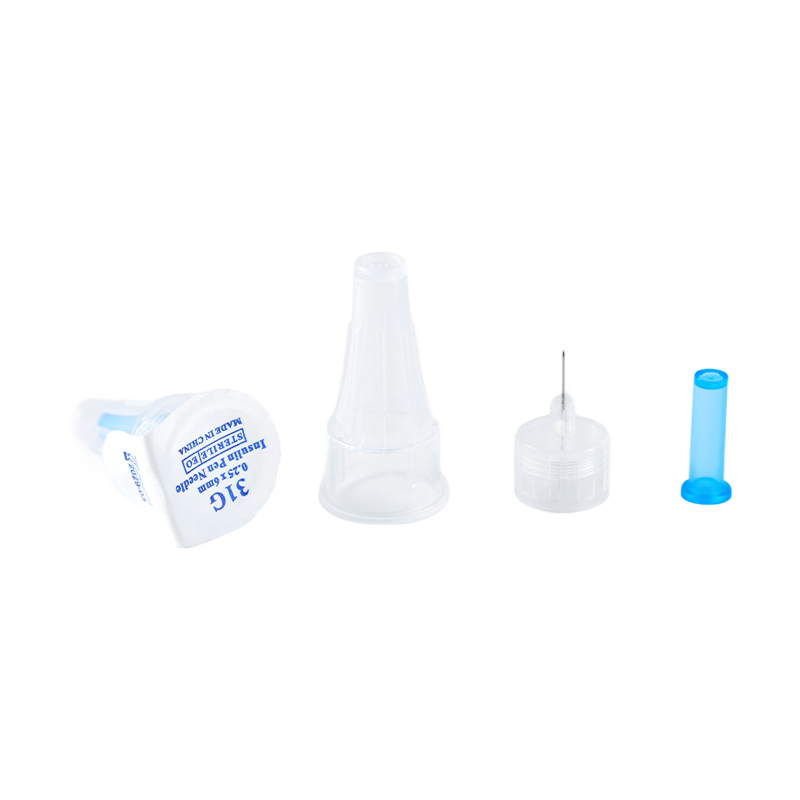
Assembling with insulin pen, for insulin hypodermic injection.The plastic parts ...
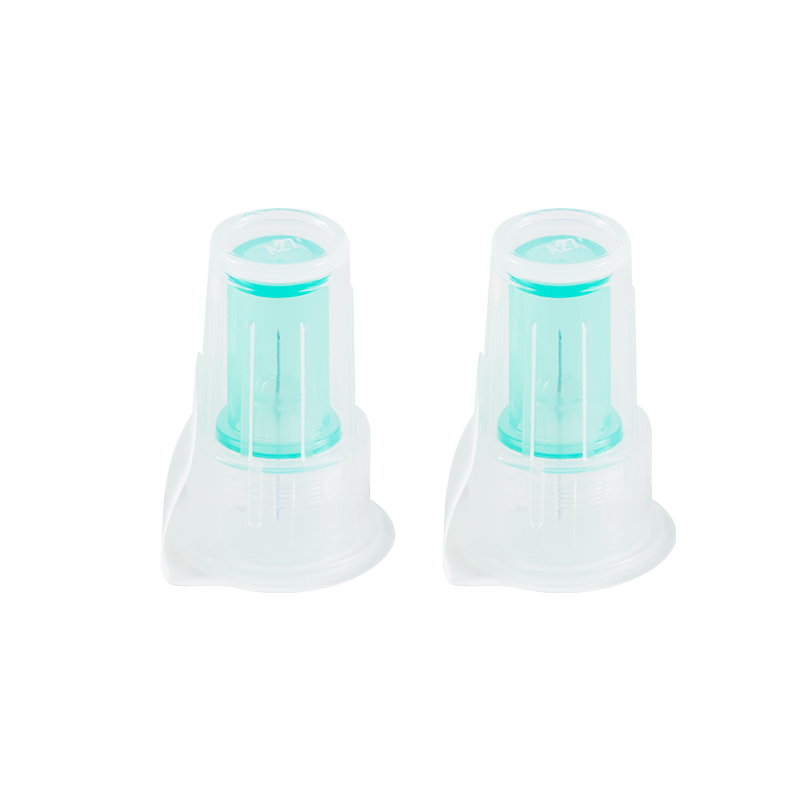
Used in conjunction with an insulin pen, it is used for subcutaneous injection o...
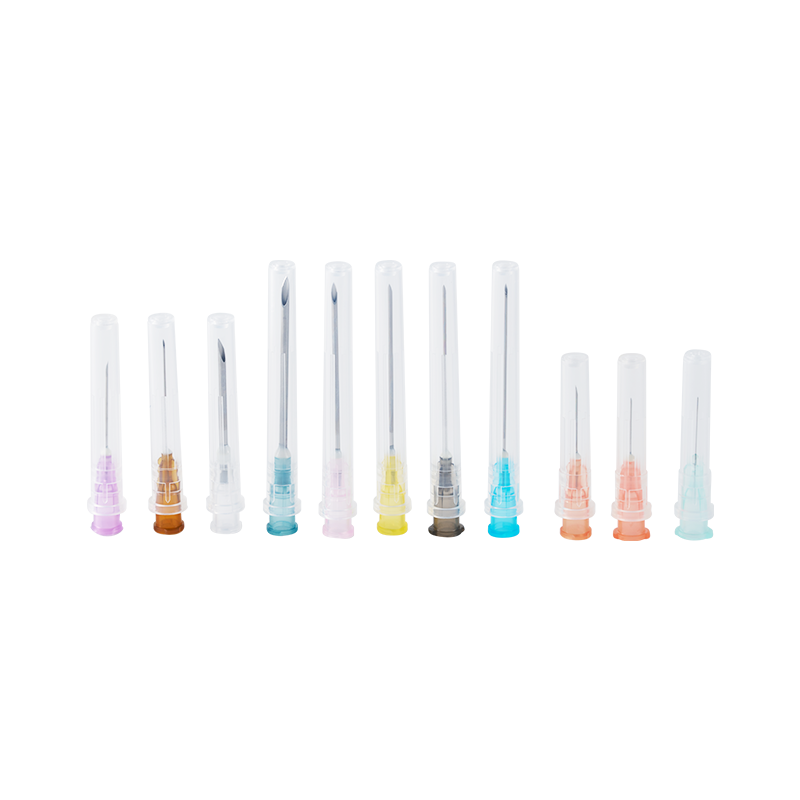
The cannula is made of high quality austenite stainless steel.All the components...
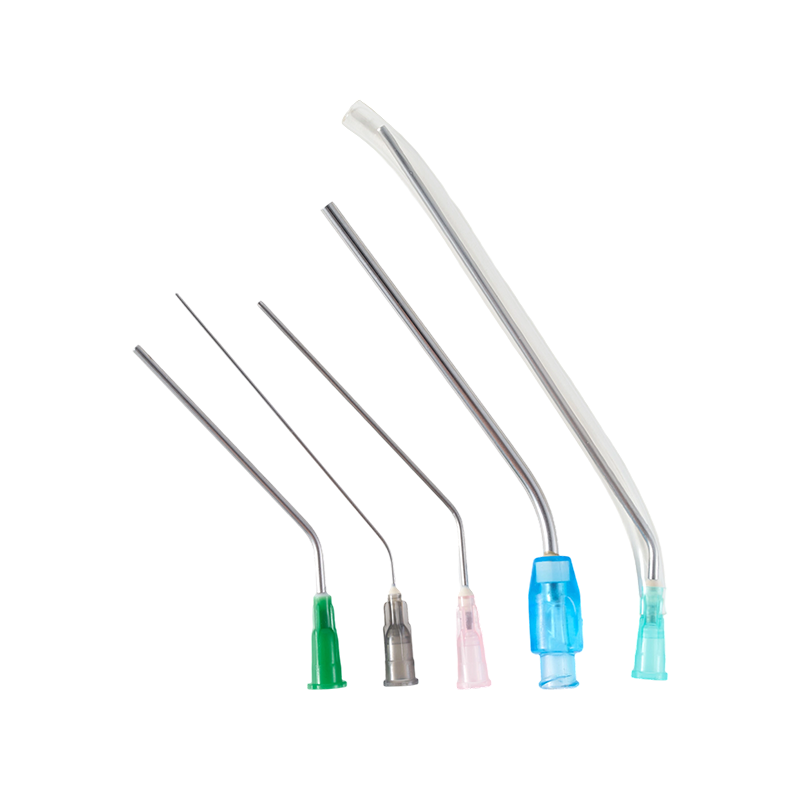
The material of the needle is Medical grade SUS304,which have great stiffness, t...
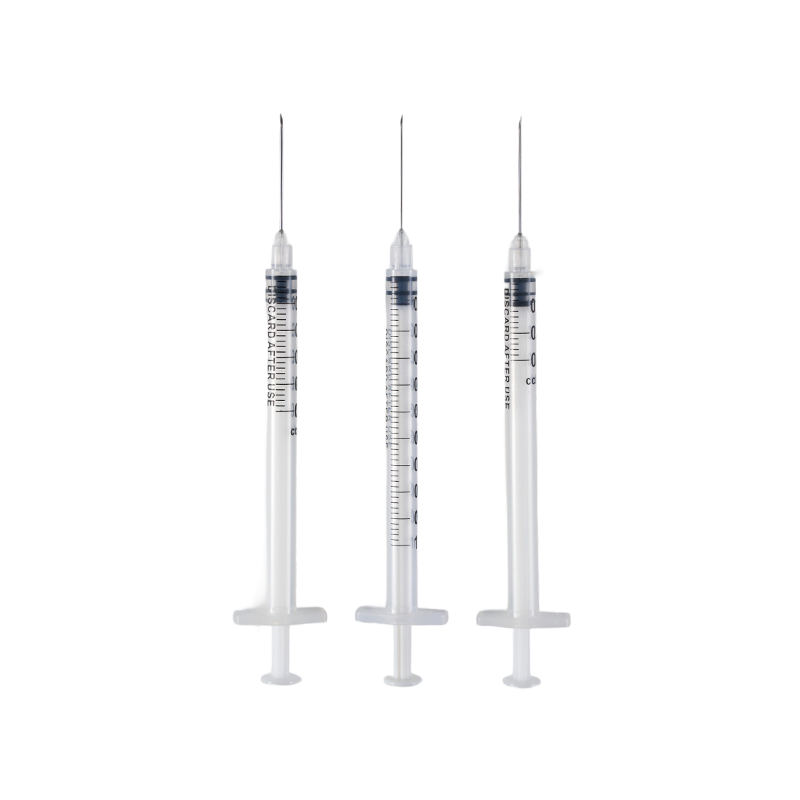
The barrel is made from high transparent polypropylene(PP),which have a bright a...
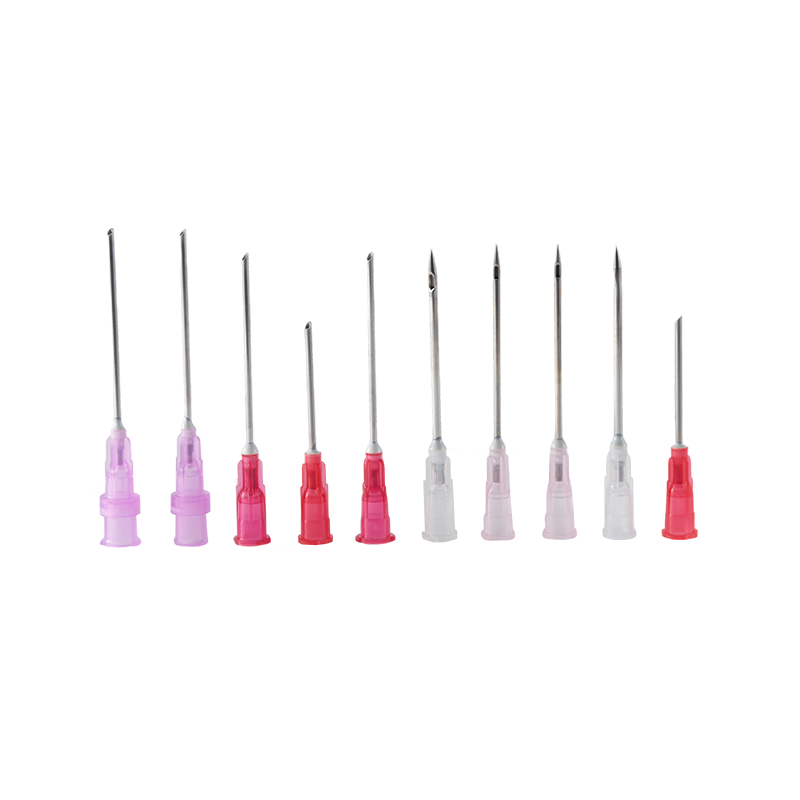
The cannula is made of high quality austenite stainless steel.The lancet tip is ...

Copyright© 2025 Zhejiang INI Medical Devices Co., Ltd.
Approval No:20150049
Medical Device Manufacturers
Disposable Medical Syringes Factory
