


 English
 Español
 中文简体
Don't hesitate to send a message
The design and production comply with ISO8537. The plastic parts are moulded by ...
Cannula Point Styles design looks like a small part of medical device development. Even a minor change affects how a product is made, inspected, packaged and used. The shape of the point, the transition between the tip and the shaft and the consistency of the finished edge all influence product requirements. These details matter because a cannula needle has to work as part of a specific medical device and serve its intended application.
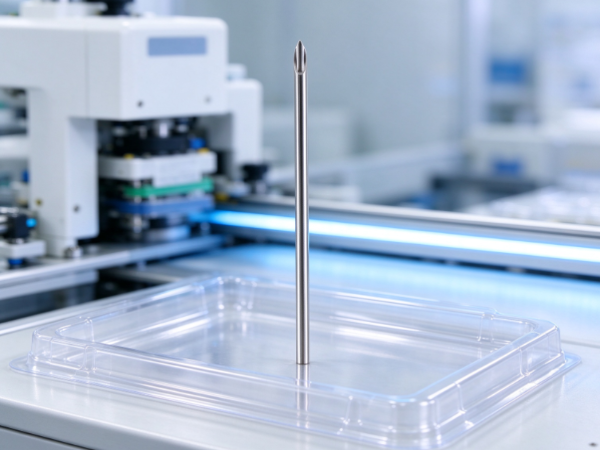
For manufacturers, a design adjustment is rarely an isolated decision. A change a customer requests touches material processing, assembly methods, inspection procedures or compatibility with other components. It also calls for updates to product drawings and quality records. What looks like a simple design improvement pulls in several teams across the production process.
Healthcare applications are growing more varied, and medical device companies pay closer attention to how product geometry relates to practical use. Cannula needle manufacturers need to understand these links before they make changes. Careful design review keeps the finished product within its defined requirements.
The point is one of the most recognizable features of a cannula needle. Its geometry affects how the device interacts with the material or tissue involved in its intended application. Different applications call for different point configurations, so manufacturers can't assume one design suits every product.
A cannula point is more than its visible outline. Its shape, edge formation, surface condition and relationship to the shaft all influence the finished device. Consider these features together. Don't evaluate them as separate details.
Changing the angle or profile of a point, for example, alters the way the tip interacts with its intended target. It also affects the manufacturing steps needed to create the shape consistently. If the design is part of a larger assembly, the change influences how the cannula needle fits with other components.
A design adjustment touches several product requirements:
These considerations are closely linked. A change that fixes one requirement creates a new issue elsewhere. Manufacturers need to evaluate the full effect of a design adjustment before calling it an improvement.
Small changes involve the point profile, edge shape, tip symmetry, surface finish or the transition between the point and the shaft. How much each feature matters depends on the intended application and the product specification.
A visual difference doesn't automatically mean performance has changed. Still, a change that looks minor on a drawing affects how the product is formed or inspected. That's why design decisions are assessed against defined requirements. Appearance alone is a poor judge.
A revised point profile changes the way the tip interacts with its intended target. It also alters the manufacturing sequence or the methods used to inspect the finished shape.
If a customer requests a different profile, the manufacturer needs to know why. The request relates to application suitability, compatibility with another component or a particular product specification. Knowing the purpose tells the design team which characteristics need closer evaluation.
The edge is another key part of point design. Its condition influences product handling and the way the device performs in its intended application. An inconsistent edge also creates inspection concerns.
Manufacturers therefore define acceptable edge characteristics and apply appropriate controls during production. A design revision calls for changes to process instructions or inspection criteria so the intended feature is produced consistently.
Surface finish influences both the appearance and the condition of the finished point. Surface irregularities signal a manufacturing issue that needs investigation. The acceptable condition depends on the product's design and relevant requirements.
When a design change affects the finishing process, manufacturers review whether the existing inspection approach still fits. The goal is a revised product that keeps meeting its approved specifications.
The area where the point meets the shaft matters too. A change in this transition affects the product's overall geometry or the way it's produced. If the cannula needle sits inside a larger assembly, the revised shape needs checking against the assembly requirements.
Even when the visible tip looks similar, a change elsewhere in the point structure affects how the complete component is manufactured. Reviewing the entire design keeps narrow decisions from missing related requirements.
Cannula point geometry is closely tied to the methods used to form, finish and inspect the product. A design that looks straightforward needs a different production approach once a particular edge, profile or surface condition changes.
Manufacturers build production processes around approved product requirements. Equipment settings, tooling, work instructions and inspection methods are chosen to support those requirements. When the design changes, the existing process may no longer produce the revised feature the same way.
Take a request to alter the point profile. The manufacturer reviews how the shape is formed, whether the finishing method still works and whether the inspection process can catch relevant defects. These checks show whether the change can go in without unacceptable variation.
The relationship between design and production shows up in several areas:
| Design change | Manufacturing consideration | Requirement to review |
|---|---|---|
| Revised point profile | Forming and finishing methods | Consistency with the approved geometry |
| Modified edge shape | Edge formation and inspection | Acceptable edge condition |
| Changed surface finish | Finishing process and handling | Surface quality requirements |
| Adjusted point-to-shaft transition | Tooling and component production | Dimensional and assembly compatibility |
| Updated material specification | Material preparation and processing | Material suitability and product consistency |
The table shows common relationships, not universal outcomes. One change touches only a single part of the process. Another needs a wider review.
Don't assume a previously validated process stays suitable after a design revision. The extent of the evaluation depends on the nature of the change, its potential risks and the product's established controls.
Inspection requirements rest on the characteristics that define an acceptable product. These include the shape of the point, surface condition, visible defects and other features named in the product specification.
When the design changes, inspection methods often change too. A method that suits one point profile doesn't give enough information about a revised shape. Inspection criteria also need clarifying so production staff can tell acceptable variation from a defect.
That doesn't mean every small adjustment demands a brand-new inspection system. The right response depends on the change and the existing controls. Manufacturers review whether current methods can still evaluate the revised product.
A useful design review identifies the characteristics the proposed change affects. If the revision concerns point geometry, the inspection plan covers the relevant aspects of that geometry. If the change affects the surface, the evaluation includes suitable surface-related checks.
Clear acceptance criteria let different teams apply the same standard. Without them, a product gets judged differently during development, routine production or customer evaluation.
A sample shows that a revised design can be produced. It doesn't establish that routine manufacturing stays consistent. Manufacturers need to think about how the approved design will be reproduced under normal production conditions.
That means reviewing the manufacturing process, inspection method and supporting records. Where appropriate, additional verification confirms that the revised product meets its requirements.
A design change touches product drawings, inspection instructions, manufacturing documents and other controlled records. Keeping these aligned cuts the risk of different teams working from different versions of the specification.
Document control matters most when a manufacturer supplies multiple customers or manages several product variations. Clear records show which design is approved and which requirements apply to each version.
A design adjustment carries safety and regulatory implications when it changes a product characteristic tied to its intended use. The level of concern depends on the specific design, the application and the potential consequences of the change.
For that reason, manufacturers assess design revisions through an appropriate risk management process. The review identifies what changed, which requirements are affected and whether extra evidence is needed to show the revised product still suits its intended use.
A change to the point profile, for example, calls for a review of the product's intended function and relevant performance requirements. If the adjustment also changes the manufacturing process, the review covers process control and inspection. If the product ships as part of a larger medical device, compatibility with the complete assembly needs attention too.
Regulatory responsibilities vary by product, classification and the markets supplied. Don't assume a minor physical change is exempt from formal review. Manufacturers follow the applicable change-control procedures and decide whether further verification, validation or documentation is necessary.
Several questions guide the review:
These questions support a structured evaluation. They don't replace product-specific risk assessment or the advice of qualified regulatory personnel where needed.
Design reviews matter most when a change is proposed, a production issue appears or a customer introduces a new application requirement. They also apply when a material, supplier, manufacturing method or related component changes in a way that affects the finished product.
Hold the review early enough to catch problems before the change enters routine production. Waiting until manufacturing has already shifted creates needless rework and complicates documentation.
Customer requests are a common reason to revisit a design. A buyer needs a different point profile for a particular device or application. The manufacturer should clarify the underlying need. The requested shape isn't always the only requirement.
Production observations also prompt a review. If inspection results show recurring variation, the team works out whether the issue comes from the design, tooling, material or manufacturing method. Changing the design without knowing the cause won't fix the underlying problem.
A practical review process includes these activities:
Match the depth of the review to the significance of the change. A limited adjustment needs a focused assessment. A change that touches several product characteristics needs a broader evaluation.
Product requirements are easier to manage when buyers and manufacturers share a clear picture of the intended application. A drawing alone doesn't explain why a particular point profile is required or which product characteristics are essential.
Buyers support development by providing clear specifications, explaining relevant use conditions and identifying compatibility requirements. They should separate mandatory requirements from design preferences. That helps manufacturers assess the request and spot conflicts before production work begins.
Manufacturers, in turn, explain the practical effects of proposed changes. If a requested profile affects production consistency, inspection or compatibility, raise the concern before the design is approved. Clear communication gives both parties a chance to consider alternatives that meet the intended need.
A shared review focuses on several areas:
Sample evaluation supports this process, but define the criteria before samples are assessed. Otherwise the two parties judge the same product against different expectations.
Communication continues after approval. If a later change affects the point geometry, material, production process or a related component, both parties follow the agreed change-control procedure. That keeps unreviewed adjustments out of the supply chain.
For a cannula needle manufacturer, collaboration isn't just customer service. It's part of turning application needs into a controlled product design. Clear requirements, documented decisions and appropriate evaluation make sure small design changes get the care they need.
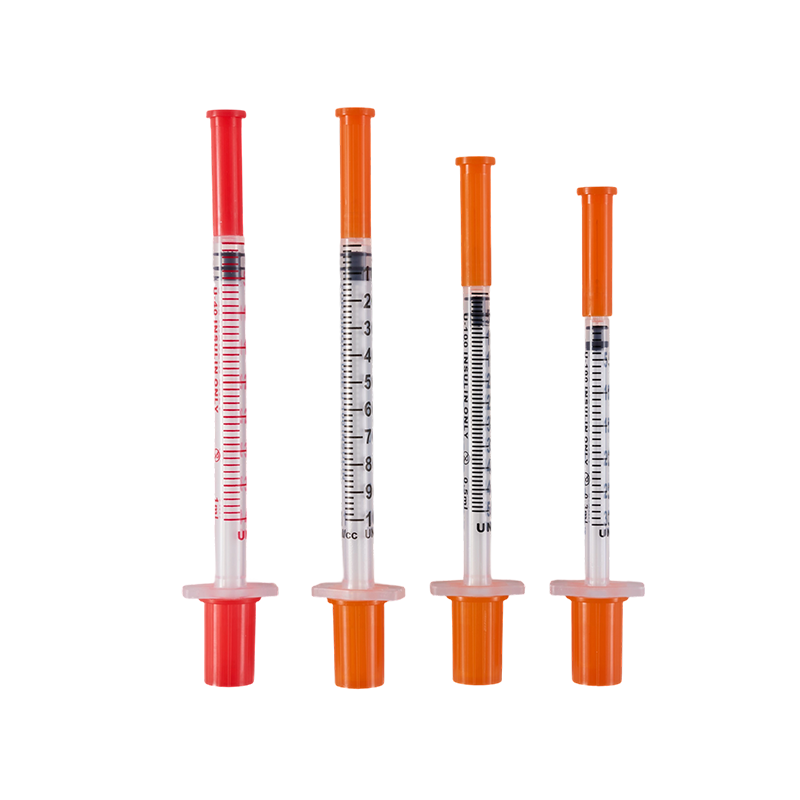
The design and production comply with ISO8537. The plastic parts are moulded by ...
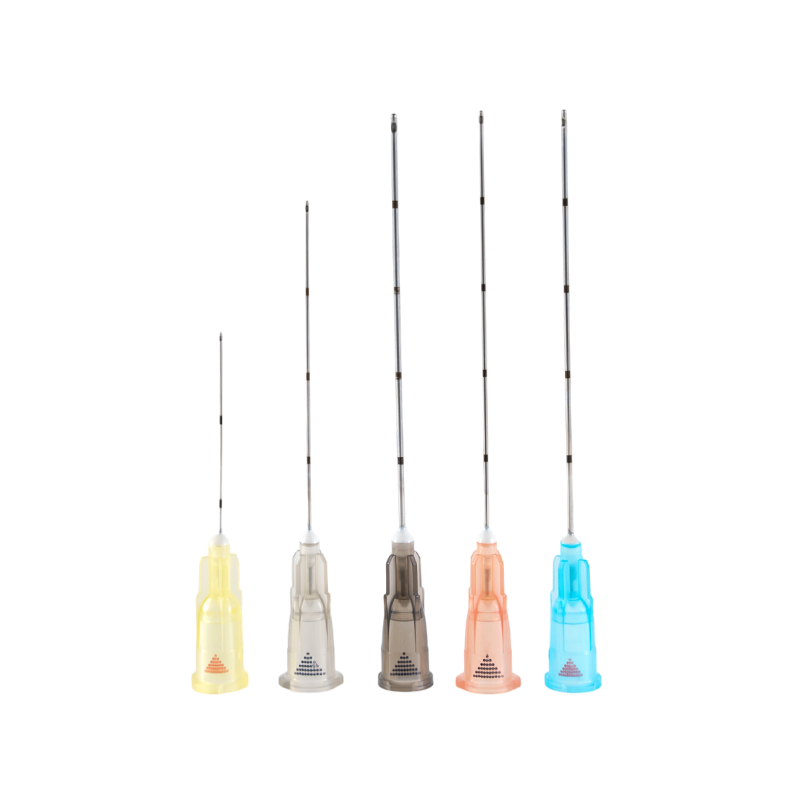
There are three kinds of the tip types, Sealed-circle with 2 side holes, sealed-...
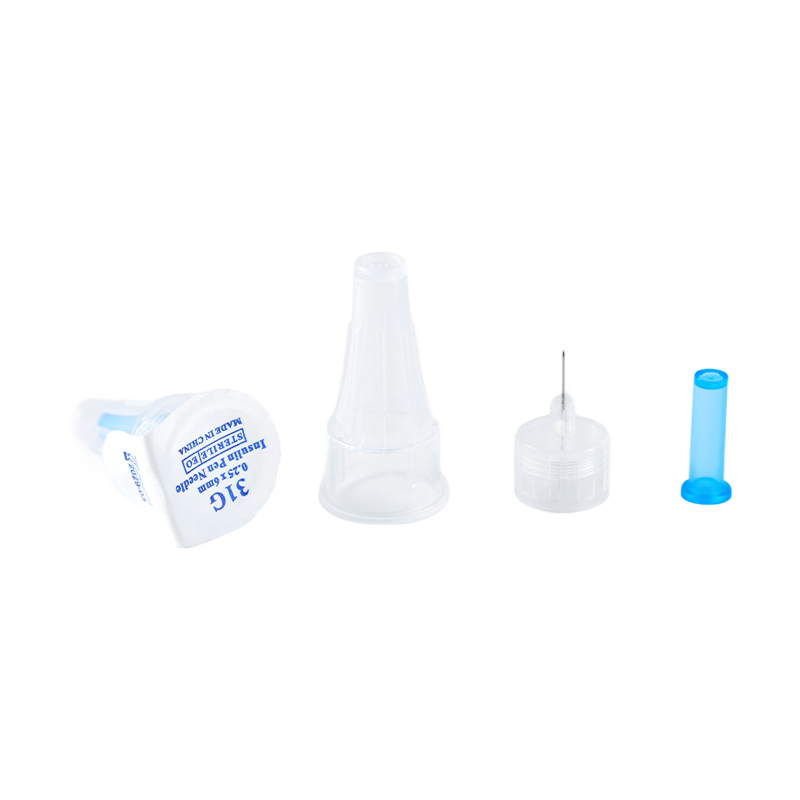
Assembling with insulin pen, for insulin hypodermic injection.The plastic parts ...
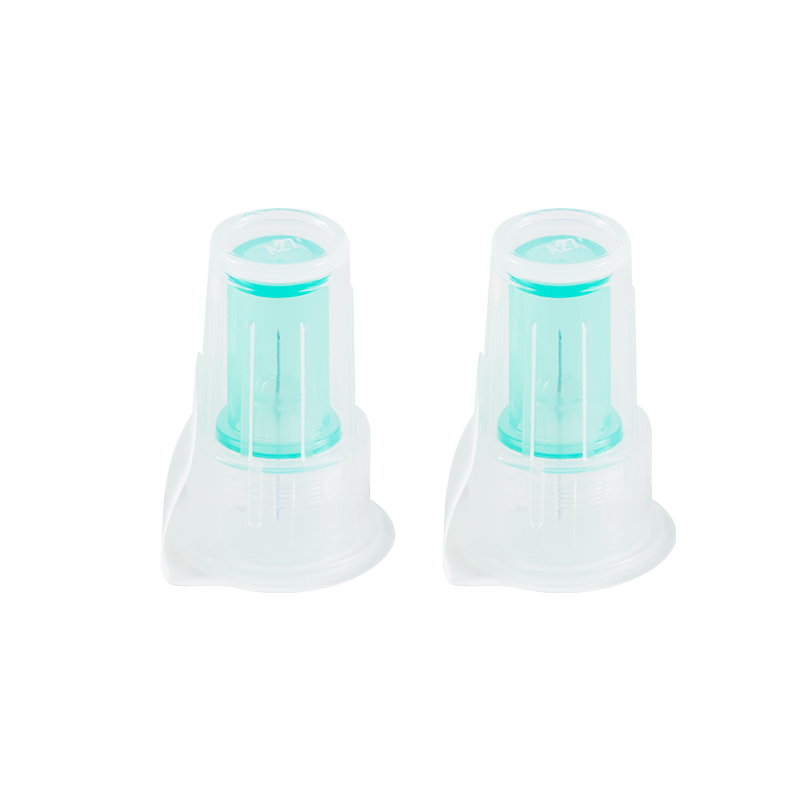
Used in conjunction with an insulin pen, it is used for subcutaneous injection o...
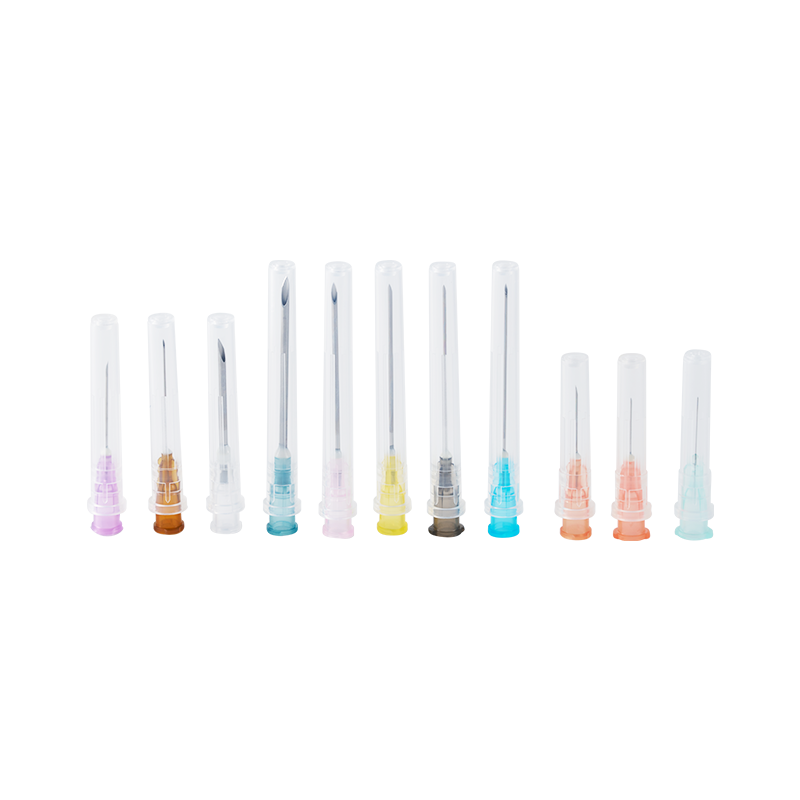
The cannula is made of high quality austenite stainless steel.All the components...
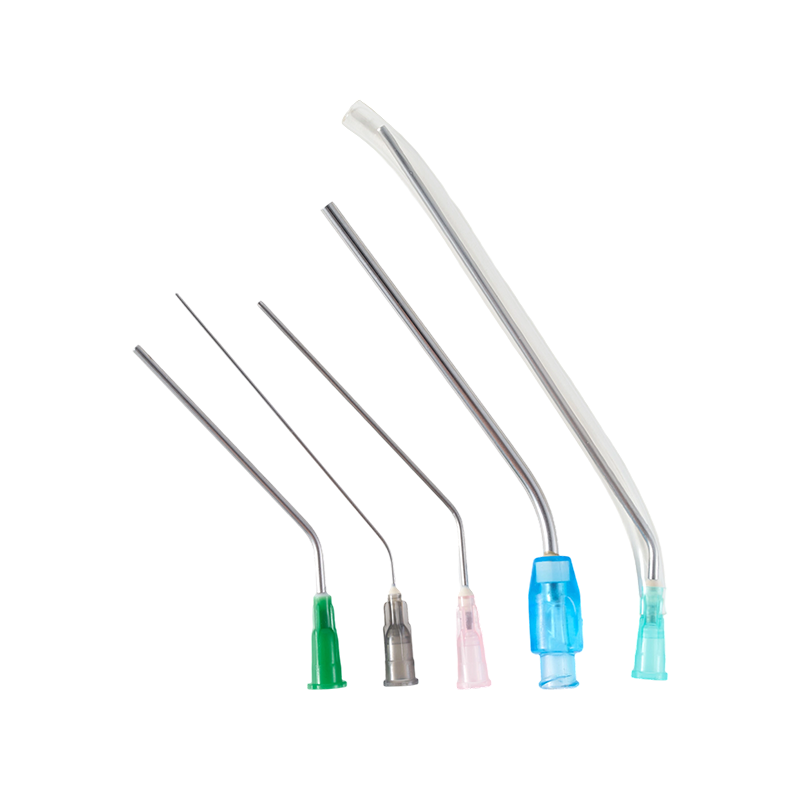
The material of the needle is Medical grade SUS304,which have great stiffness, t...
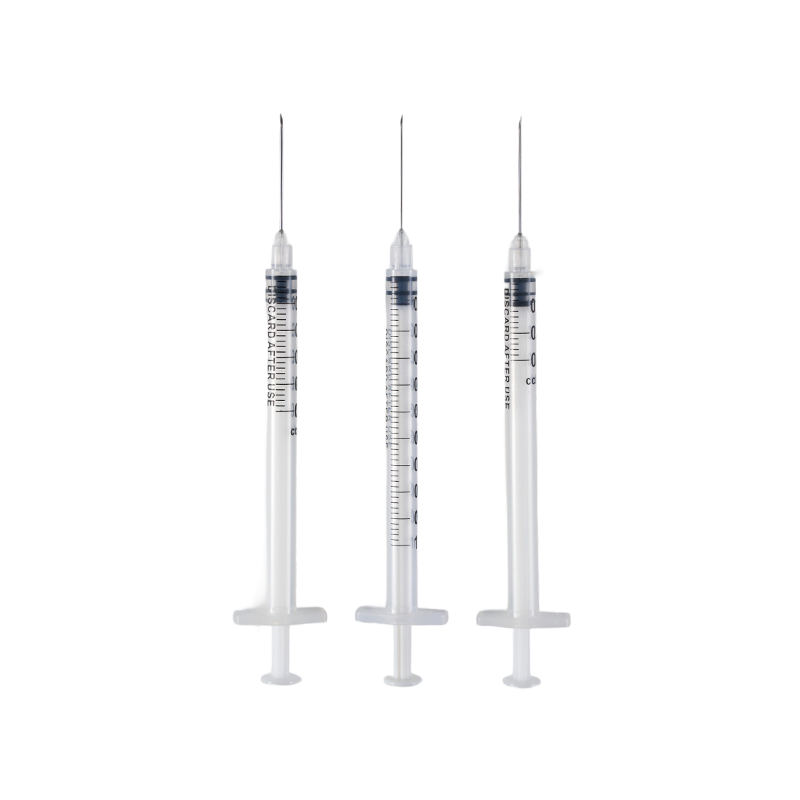
The barrel is made from high transparent polypropylene(PP),which have a bright a...
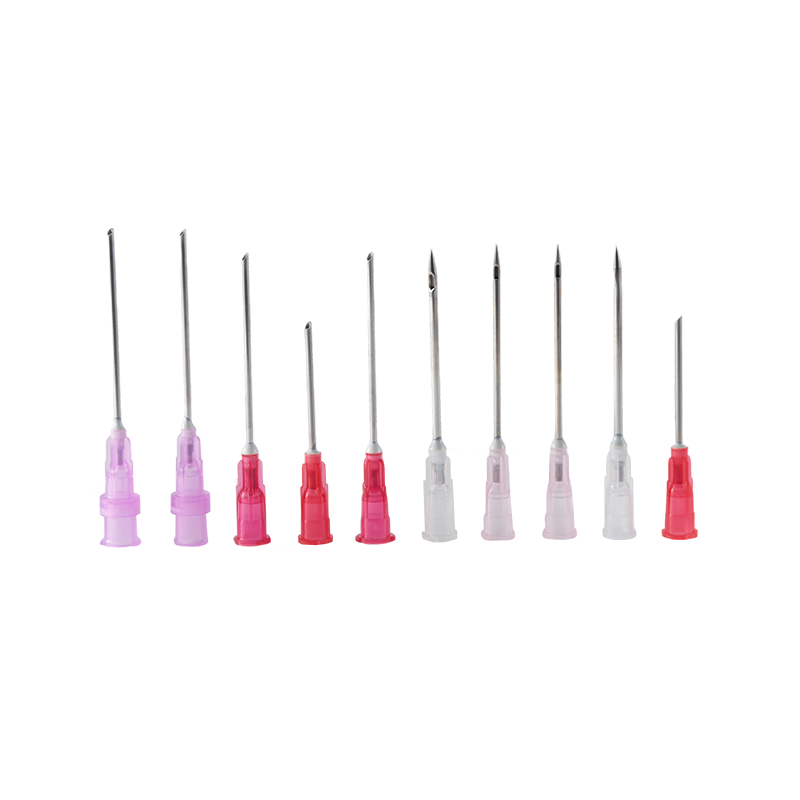
The cannula is made of high quality austenite stainless steel.The lancet tip is ...

Copyright© 2025 Zhejiang INI Medical Devices Co., Ltd.
Approval No:20150049
Medical Device Manufacturers
Disposable Medical Syringes Factory
