


 English
 Español
 中文简体
Don't hesitate to send a message
The design and production comply with ISO8537. The plastic parts are moulded by ...
Healthcare needs keep changing. Medical practices evolve, patient expectations shift and providers look for products that fit different clinical settings. Medical devices must support safe procedures, consistent handling and practical workflows. Cannula needles are part of this change. Their role in care pushes manufacturers to look harder at product design, material selection, quality management and the needs of different users.
For a cannula needle manufacturer , adapting means more than tweaking a product's shape or appearance. It takes a clear grasp of how medical professionals use these devices, how production choices affect consistency and how healthcare requirements shape purchasing decisions. Manufacturers also weigh supply chain stability, regulatory expectations and communication with medical device companies.
These shifts are changing how cannula needles are designed, produced, evaluated and supplied. Knowing the main areas of change explains how manufacturers respond to modern healthcare.
Healthcare services are becoming more varied. Hospitals, outpatient centers, specialist clinics and other care facilities run different workflows and have different product requirements. A device that suits one application is wrong for another. That creates demand for products built around specific uses, not one general requirement.
Patient care also puts more weight on comfort, usability and consistent clinical practice. Medical professionals need devices that are easy to handle within their intended applications. Procurement teams look at product suitability, documentation, availability and compatibility with the wider medical device system.
These factors shape the work of cannula needle manufacturers in several ways.
Manufacturers must answer these needs while keeping development aligned with applicable medical device requirements. Shifting market demand doesn't remove the need for careful validation, controlled production and proper quality documentation.
The market is moving toward an application-focused approach. Manufacturers need to understand what a customer orders, and also how the product fits its intended medical use.
Product design is one of the main ways manufacturers respond to changing healthcare requirements. Cannula needles serve different medical applications, and each intended use brings its own considerations. Design decisions influence handling, compatibility, manufacturing consistency and a device's suitability for a particular procedure.
Manufacturers increasingly look at the complete product experience. That covers how the device is held, how it connects with related components and whether the design supports the intended clinical workflow. All of this is balanced against applicable safety and performance requirements.
A general-purpose design doesn't address every clinical need. Some applications require a particular configuration. Others depend on compatibility with a larger medical device assembly. So manufacturers work with product developers and buyers to clarify intended uses before finalizing design requirements.
The process includes reviewing the physical structure, connection method, material choice and packaging needs. Clear requirements cut misunderstandings during development and help both parties judge whether a proposed design fits the application.
Handling matters to healthcare professionals who use medical devices in routine procedures. A design that's hard to grip or fit into a workflow creates practical problems. Manufacturers address this through shape, surface characteristics, connection features and the relationship between the cannula needle and its associated components.
Patient comfort needs careful thought as well. It depends on the intended procedure, the device design, the way it's used and other clinical factors. Manufacturers shouldn't treat comfort as a simple claim. They assess relevant design features through suitable testing and evaluation.
A requested design change looks small and still affects other parts of the product. Altering one component influences assembly, packaging, compatibility or manufacturing processes. Manufacturers need a controlled approach to reviewing these effects.
Design reviews, documented requirements, risk assessment and appropriate verification make sure changes serve a clear purpose. This lets manufacturers respond to customer needs without losing sight of product safety or consistency.
Material selection ties closely to product performance, manufacturing methods and the intended medical application. Manufacturers look beyond availability or purchase cost. They assess whether a material suits the product's intended contact, use conditions, processing methods and applicable regulatory requirements.
The exact considerations vary by product type. A material that works for one component is wrong for another. Its behavior during manufacturing, storage and use affects the finished device.
Several factors commonly drive material decisions.
| Material consideration | Why it matters |
|---|---|
| Intended use | Helps determine whether the material is appropriate for the device's medical application |
| Compatibility | Supports the intended relationship between the cannula needle and other device components |
| Manufacturing suitability | Influences forming, assembly, inspection, and production consistency |
| Biocompatibility | Helps assess whether relevant biological risks are acceptable for the intended contact |
| Packaging and storage | Helps establish whether the product can maintain its required condition before use |
| Regulatory requirements | Determines which material records, evaluations, and supporting documents may be needed |
Material decisions also shape communication between manufacturers and buyers. Procurement teams need information about material specifications, traceability and product documentation. Product developers need to understand how a material choice affects the overall design.
Treat a material change as a controlled product decision, not a simple purchasing adjustment. Manufacturers review the potential effects on the finished device and run suitable evaluations before the change enters routine production.
As healthcare applications grow more specialized, explaining material choices clearly helps manufacturers and customers decide with confidence.
Quality management stays central to medical device manufacturing. Healthcare providers depend on products that meet defined requirements. Medical device companies need suppliers who support consistent production and proper documentation.
For needle manufacturers, quality can't rest on checking finished products alone. It runs through the whole manufacturing process, from incoming materials to assembly, inspection, packaging and product release.
A structured quality system helps manufacturers spot problems, control changes and keep records that support traceability. It also sets a clear process for responding when a product or production step misses its established requirements.
Final inspection catches certain defects. It doesn't replace process control. If a production problem starts during material preparation or assembly, checking only the finished device won't explain why it happened.
Manufacturers cut this risk by defining production procedures, training staff, maintaining equipment and monitoring important process steps. Inspection methods should match the product's characteristics and intended requirements.
The aim isn't just to detect problems at the end. It's to build a production process where deviations are easier to spot and investigate.
Traceability links a finished product to relevant production records and material information. When a concern arises, these records support an investigation and help show which products or processes are affected.
Documentation matters when manufacturers supply medical device companies across different markets. Customers need records on product specifications, manufacturing controls, quality procedures and applicable compliance requirements.
Clear records make it easier to review product changes and discuss quality concerns. They also head off misunderstandings when several organizations take part in product development and supply.
Manufacturing changes involve materials, equipment, suppliers, production methods or packaging. Each change gets a review that fits its potential effect on the product.
A supplier substitution, for example, affects material properties or production behavior. A packaging adjustment influences product protection or the conditions needed to keep its intended state. Manufacturers assess these possibilities before approving a change.
This controlled approach balances operational flexibility with the consistency expected in medical device production.
Manufacturers are also looking at how automation and digital tools support production control. These technologies standardize repetitive activities, improve recordkeeping and make certain process variations easier to detect.
The value of automation depends on the product and the task. Some manufacturing steps benefit from automated assembly or inspection. Others still need trained personnel to judge details that a fixed process can't evaluate well.
In cannula needle production, technology supports several areas.
Automation doesn't remove the need for process validation, equipment maintenance or human oversight. An inspection system is useful only once it's shown to perform as intended. Digital records also need access controls, data integrity measures and procedures for handling errors.
Manufacturers must weigh the cost and complexity of new systems. Technology should answer a defined production need. Availability alone is a poor reason to adopt it.
A practical approach pairs suitable equipment with trained staff, documented procedures and ongoing review. That lets manufacturers use technology while keeping control over product quality.
Medical device requirements vary by market, product classification and intended use. Manufacturers that supply different regions must know which rules apply to their products and what evidence customers need. Regulatory planning is a key part of product development and ongoing production.
Cannula needle manufacturers address requirements on design control, risk management, material suitability, manufacturing conditions, labeling, packaging and traceability. The exact obligations depend on the product and the markets it serves.
A responsive manufacturer doesn't treat compliance as a task that starts just before a product hits the market. Regulatory considerations shape early design decisions and continue through the product life cycle.
Risk assessment helps manufacturers identify potential hazards tied to the device and its intended use. The review covers material-related concerns, product damage, assembly problems, misuse, packaging integrity and other factors relevant to the specific product.
Assess these risks in context. Not every consideration applies equally to every cannula needle, and a control that suits one design falls short for another.
Manufacturers use the findings to guide design decisions, set inspection requirements and decide what evidence is needed before production or distribution.
Product requirements shift when a design is revised, a supplier changes or a manufacturer enters a new market. Documentation has to reflect the approved product and its current manufacturing process.
That means reviewing specifications, production instructions, risk records, test evidence, labeling and other relevant documents. Clear version control makes sure staff and customers refer to the correct information.
Medical device companies often run their own supplier qualification procedures and have their own documentation requirements. Manufacturers support this work by explaining their processes clearly and answering reasonable requests for relevant records.
Compliance statements must stay accurate. A manufacturer shouldn't imply that a product is approved for a particular use or market unless the required status is established. Clear communication helps buyers judge whether a product and its supporting documentation meet their needs.
Healthcare products are often developed as part of larger systems. A cannula needle has to fit a particular assembly, packaging format or intended workflow. As a result, customers ask manufacturers to adapt a product to defined application requirements.
Customization covers product geometry, connection features, materials, packaging and other design elements. The scope depends on the product and the customer's needs. Not every requested adjustment is suitable, and changes must stay within appropriate safety and regulatory boundaries.
Successful customization starts with clear communication. Buyers explain the intended application, required interfaces, relevant restrictions and expected documentation. Manufacturers then assess whether the request is practical and flag issues that need further review.
A structured collaboration process often includes:
This approach cuts the chance of misunderstandings during development. It also gives both sides a shared basis for judging whether the product suits its intended application.
Supplier collaboration extends beyond design. Customers need updates about production planning, documentation, material availability or changes that affect supply. Manufacturers who communicate early help customers manage these issues with fewer surprises.
Don't confuse customization with unlimited flexibility. Each product change needs an appropriate review, and any claim about suitability needs relevant evidence behind it.
Supply chain reliability is now a major concern across medical device production. A shortage of a material or packaging component interrupts manufacturing. An unexpected supplier change needs extra evaluation and documentation.
Needle manufacturers balance purchasing costs, material availability, quality requirements and delivery commitments. These factors are linked. A sourcing decision that looks convenient in the short term creates extra work if the alternative material misses the product's established requirements.
Manufacturers respond by paying closer attention to supplier qualification, inventory planning and production scheduling. Visibility into important materials helps teams spot potential disruptions before they hit customer orders.
Supplier management includes reviewing the consistency of incoming materials, keeping proper records and setting up communication procedures for changes. Where suitable, manufacturers also assess alternative sources. Any replacement is evaluated against the product's requirements before it's introduced.
Production planning matters too. Customers have different order patterns, development schedules and replenishment needs. Manufacturers need to understand these differences when allocating capacity and arranging materials.
Clear communication is a practical part of supply chain management. If a delay or material issue occurs, early notice gives customers time to review their options. Accurate delivery information beats an unsupported promise.
For buyers, evaluating a cannula needle manufacturer means looking beyond the product itself. It also means understanding how the supplier handles sourcing, production changes, quality records and communication across the supply relationship.
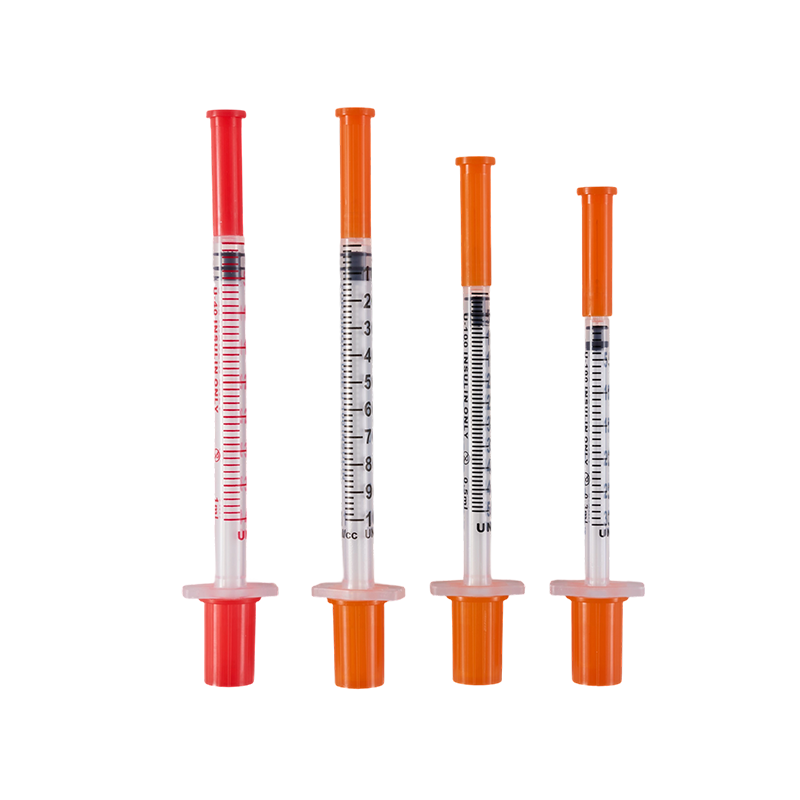
The design and production comply with ISO8537. The plastic parts are moulded by ...
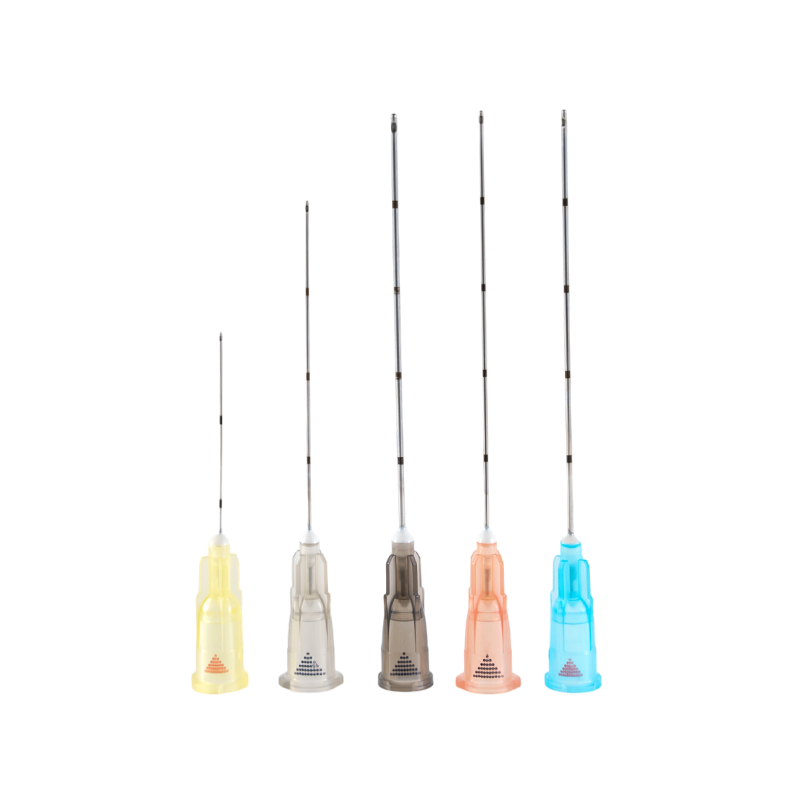
There are three kinds of the tip types, Sealed-circle with 2 side holes, sealed-...
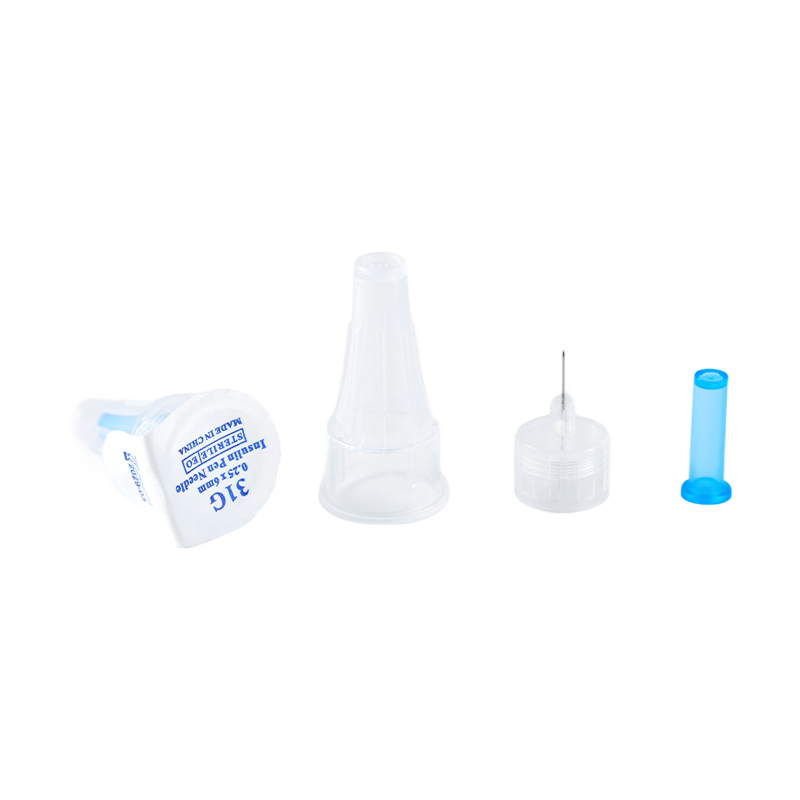
Assembling with insulin pen, for insulin hypodermic injection.The plastic parts ...
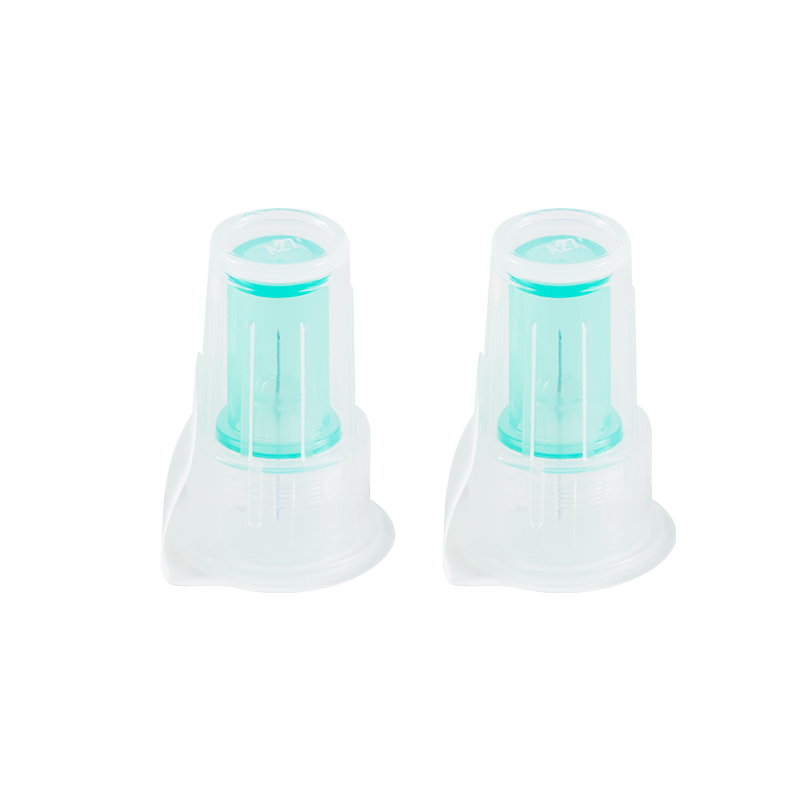
Used in conjunction with an insulin pen, it is used for subcutaneous injection o...
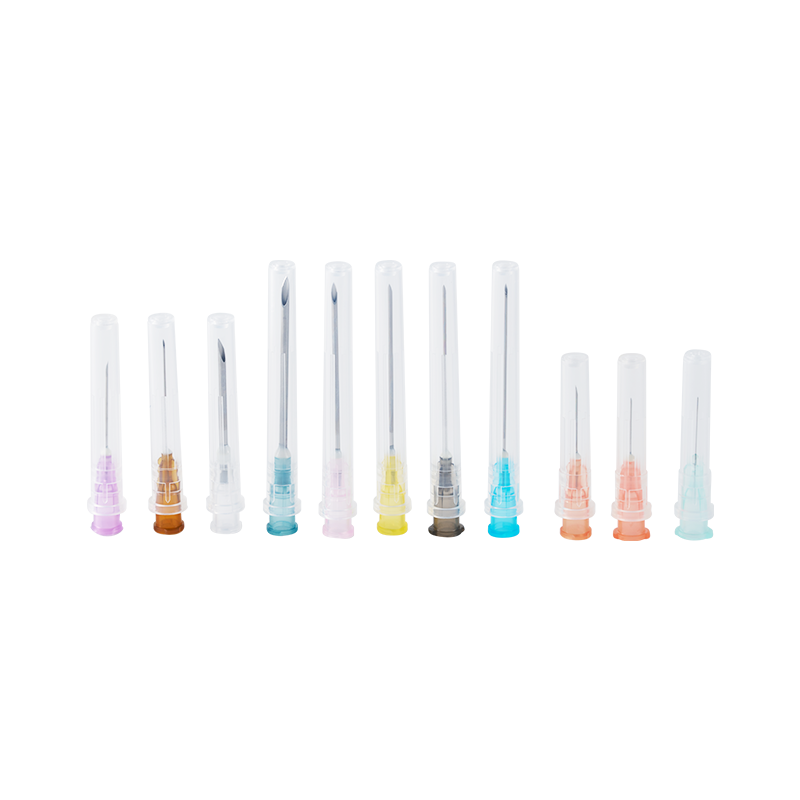
The cannula is made of high quality austenite stainless steel.All the components...
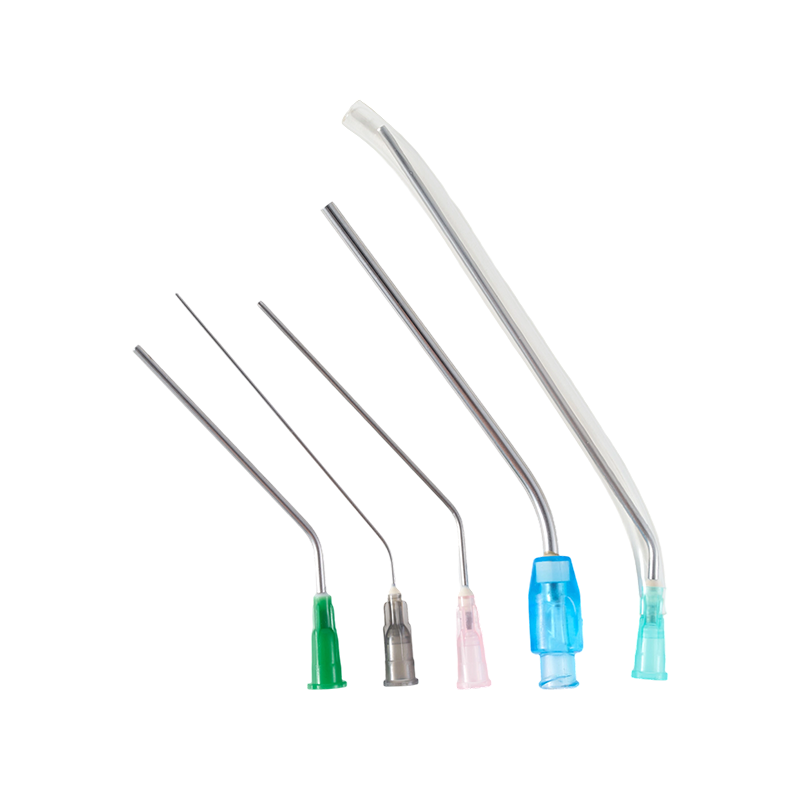
The material of the needle is Medical grade SUS304,which have great stiffness, t...
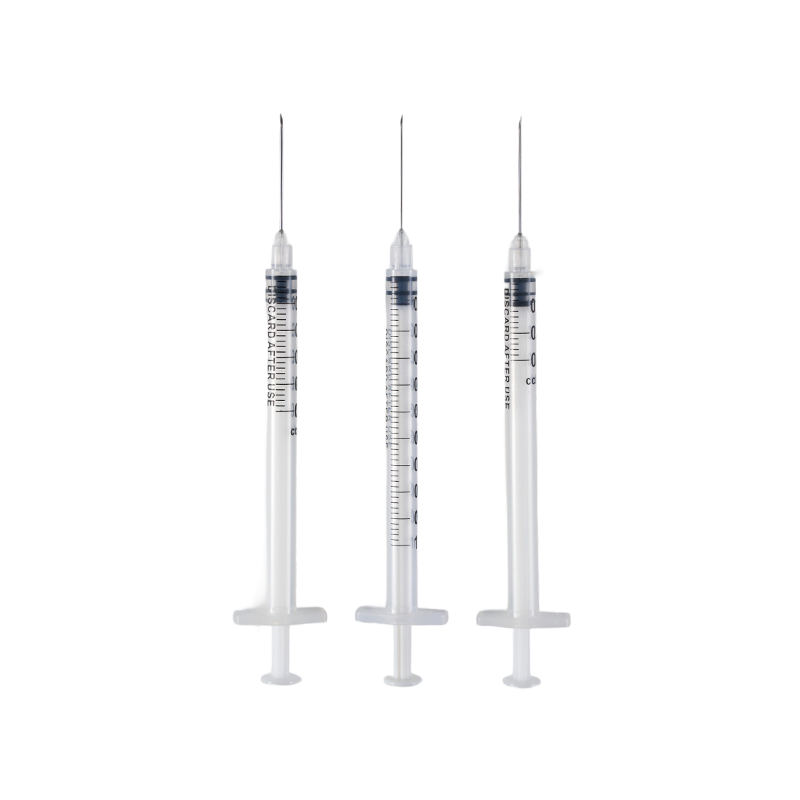
The barrel is made from high transparent polypropylene(PP),which have a bright a...
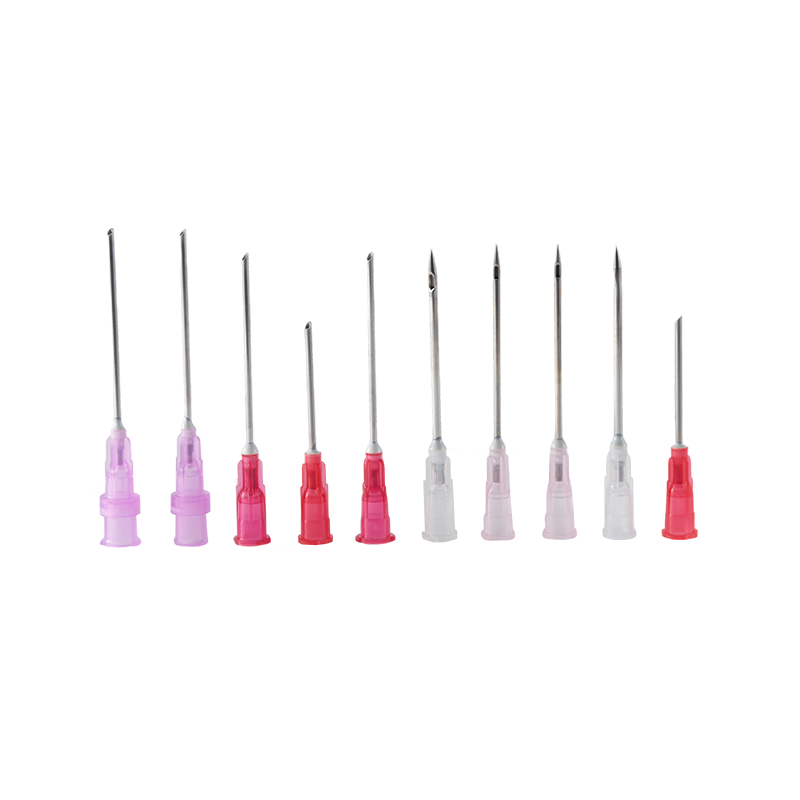
The cannula is made of high quality austenite stainless steel.The lancet tip is ...

Copyright© 2025 Zhejiang INI Medical Devices Co., Ltd.
Approval No:20150049
Medical Device Manufacturers
Disposable Medical Syringes Factory
