


 English
 Español
 中文简体
Don't hesitate to send a message
The design and production comply with ISO8537. The plastic parts are moulded by ...
Medical testing plays an important role in modern healthcare. A laboratory may use diagnostic reagents to examine a sample, while a clinic may rely on a rapid test to support a medical decision. Behind these products sits a manufacturing process that brings together materials, product design, controlled production, quality checks, packaging, and distribution.
Medical diagnostics manufacturing refers to the production of products used to detect, measure, or assess biological conditions and health-related indicators. These products include diagnostic test kits, reagents, sample collection devices, testing consumables, and certain instruments used in laboratories and healthcare settings.
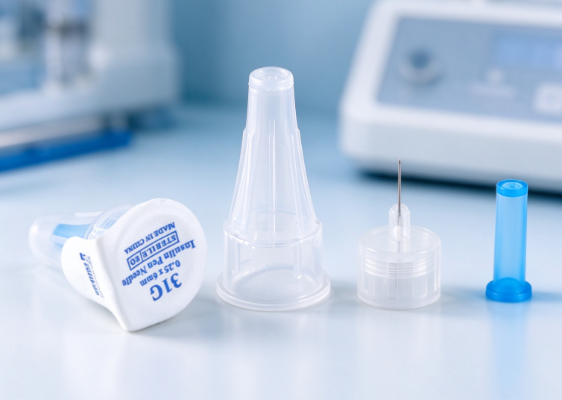
Although diagnostic products serve different purposes, they share a common need for consistent production and dependable performance. A problem with a material, an assembly step, or a package can affect how a product gets handled or used. Manufacturers must therefore manage more than just the physical production process. They also need to consider product requirements, quality records, storage conditions, and the needs of healthcare professionals who'll ultimately use the product.
Understanding how medical diagnostics manufacturing works helps explain the relationship between product development and the testing activities that take place in clinical settings. It also shows why manufacturing decisions can ripple into product availability, user experience, and confidence in diagnostic results.
Medical diagnostics manufacturing covers a broad range of activities. Its exact scope depends on the product, its intended use, and the manufacturer's role within the supply chain.
Some manufacturers produce diagnostic reagents and test kits. Others focus on sample collection products, laboratory consumables, or instruments used to process and examine samples. Certain businesses specialize in one product category, while others manage several related manufacturing activities at once.
The main product categories include:
These categories may overlap, worth noting. A diagnostic kit, for example, can contain reagents, collection accessories, and other components that need to work together as intended.
The manufacturing process also differs between product types. Producing a plastic sample container involves different activities than preparing a chemical reagent or assembling an electronic diagnostic instrument. That said, each process requires a clear understanding of the finished product, controlled production activities, and appropriate quality checks.
The distinction between manufacturing and diagnostic testing matters here too. Healthcare professionals and laboratories use diagnostic products to examine patient samples. Manufacturers produce the products that support those activities. They may conduct tests during development and production to assess product quality, but this isn't the same as performing a diagnostic examination for an individual patient.
This difference helps define the manufacturer's responsibilities and explains why production requirements vary quite a bit across the diagnostic industry.
Medical diagnostics manufacturing generally follows a series of connected activities, from defining product requirements to preparing finished goods for distribution. The details depend on the product, but the overall process can be understood through several common stages.
Product planning and design
Manufacturing starts with a clear understanding of what the product is intended to do and how it'll be used. Design teams consider the testing purpose, expected users, sample type, handling needs, and relevant product requirements.
A product intended for a professional laboratory may require different packaging and handling arrangements than a test designed for use in a clinic. These differences shape design decisions and how production gets organized.
Material and component sourcing
Once the product requirements are established, manufacturers identify suitable materials and components. These may include plastics, packaging materials, chemical ingredients, electronic parts, or other items required by the product design.
Suppliers need to provide materials that meet the manufacturer's defined requirements. Incoming checks and supporting documentation can help determine whether materials are suitable for use.
Production and assembly
The selected materials move into the appropriate manufacturing process. Depending on the product, this may involve mixing, filling, molding, assembly, or other controlled operations.
Each activity follows established instructions. Production teams need to understand how materials should be handled, which steps require closer monitoring, and what to do when an unexpected problem crops up.
Quality inspection and product evaluation
Manufacturers assess products at relevant stages of production. These checks may involve incoming materials, intermediate components, assembled products, or finished goods.
The purpose is catching problems before products move further through the supply chain. The type of evaluation depends on the product and the quality requirements that apply to it.
Packaging and release
After the required checks have been completed, products get packaged and prepared for release. Packaging must suit the product's intended use and help protect it during storage, handling, and transportation.
Products should only get released once the applicable acceptance and documentation requirements have been met.
These activities connect rather than operate in isolation. A change in product design may affect material selection, assembly instructions, inspection procedures, and packaging all at once. Manufacturers need to coordinate these decisions so changes don't create unexpected problems elsewhere in the process.
Materials and product design shape how diagnostic products get made, stored, transported, and used. A material that works well in one product may not suit another because the products may carry different chemical, physical, or handling requirements.
For diagnostic reagents, manufacturers must consider the properties of the ingredients and their compatibility with the intended testing process. Some materials may be sensitive to environmental conditions or interactions with packaging. These factors can affect product handling and storage requirements considerably.
Plastic components present a different set of considerations entirely. Sample containers, tubes, and other consumables need to suit their intended purpose. Their design may affect ease of handling, sample containment, compatibility with related equipment, and the risk of contamination during use.
Packaging also shapes product design. A test kit may contain several separate components that need to stay identifiable and protected until they're needed. The packaging should make the contents easy to recognize and handle while supporting the product's stated storage and use conditions.
Material selection isn't simply a purchasing decision, worth stressing. It needs to get considered alongside the product's intended use, manufacturing process, quality requirements, and expected distribution conditions.
Changes to a material or component may also call for further assessment. A substitute material could behave differently during production or affect the performance of the finished product. Manufacturers therefore need a controlled process for reviewing changes before introducing them into routine production.
Clear coordination between design teams, purchasing staff, suppliers, and production personnel helps keep these decisions aligned. It also cuts the risk of discovering material compatibility problems after manufacturing has already begun.
Quality management sits at the center of diagnostic manufacturing because a product has to perform according to its intended purpose. Appearance alone can't establish whether a diagnostic product is suitable for use. Manufacturers need appropriate checks and records to support their decisions about product quality.
The specific requirements depend on the type of product. A diagnostic reagent may require different evaluations than a sample collection device or a laboratory instrument. Quality procedures should reflect these differences rather than apply an identical approach to every product across the board.
Several activities commonly support quality management.
Incoming material checks: Manufacturers review supplied materials and components against established requirements. This can help identify unsuitable inputs before they enter production.
Production monitoring: Staff follow approved procedures and monitor relevant manufacturing activities. When a process doesn't proceed as expected, the issue needs assessment and resolution.
Finished product inspection: Products undergo checks appropriate to their intended use. For diagnostic products, evaluation may include confirming that relevant product characteristics and performance requirements have been met.
Documentation and traceability: Production records help connect materials, manufacturing activities, inspection results, and finished products. These records can support investigations when a quality concern arises.
Corrective action: When a problem turns up, manufacturers investigate its possible cause and determine what action is needed. Addressing the underlying issue can help prevent similar problems from recurring down the line.
Quality management also depends on people and communication. Employees need suitable training, clear instructions, and an understanding of their responsibilities. A written procedure only proves useful when it's actually followed and updated as necessary.
Suppliers form part of this quality system too. If a material changes or arrives with an unexpected issue, the manufacturer needs a way to assess the impact before deciding how to proceed.
For diagnostic products, quality control isn't limited to the final inspection area. It connects to design, purchasing, production, packaging, and product release all together. This broader approach helps manufacturers catch potential problems earlier and maintain consistency across production activities.
Medical diagnostic products may be subject to regulatory requirements that govern their design, production, performance, labeling, and market access. The applicable rules depend on the product category, its intended use, and the markets where it'll be supplied.
For manufacturers, regulatory compliance shapes decisions throughout the production process. It may affect the documentation required for materials, the controls applied to manufacturing activities, the evidence used to support product performance, and the information provided with the finished product.
Labeling offers an important example here. Product information may need to identify the intended use, handling instructions, storage conditions, limitations, and other details required by the relevant regulations. Incorrect or incomplete labeling can create problems even when the physical product has been manufactured correctly.
Documentation also helps establish how a product was developed and produced. Depending on the applicable requirements, manufacturers may need records covering design decisions, risk assessment, production controls, testing, and changes made to the product or process.
The regulatory position can differ between diagnostic reagents, in vitro diagnostic devices, sample collection products, and laboratory equipment. A manufacturer shouldn't assume that requirements for one category automatically apply to another.
Products supplied across multiple markets can introduce additional complexity. Requirements may differ, and manufacturers may need to coordinate documentation, labeling, and market-specific obligations simultaneously.
Working with regulatory specialists and maintaining clear internal responsibilities can help manufacturers manage these expectations. Buyers can also support the process by confirming that the products and documentation they purchase are appropriate for their intended use and destination market.
Regulatory compliance is therefore closely tied to manufacturing operations. It shapes how products get controlled and documented, rather than serving only as a final administrative step before distribution.
Automation is changing how some diagnostic products get manufactured. Equipment can perform repeatable tasks like dispensing, filling, labeling, packaging, and component handling. When appropriately selected and controlled, these systems can help production teams manage routine activities more consistently.
Automation doesn't remove the need for human oversight, though. Employees still need to review production information, maintain equipment, investigate unusual results, and ensure processes operate as intended. The level of automation suitable for a facility depends on its product range, production needs, and available resources.
Digital systems can also connect different parts of the manufacturing process. Production records, inventory information, quality documentation, and order management may get handled through linked systems. This can help teams identify missing information, track material use, and understand the status of production orders.
Traceability is one area where digital records prove genuinely useful. If a quality concern affects a particular batch or component, organized records can help identify related materials and manufacturing activities. The usefulness of these records depends on accurate data entry, suitable access controls, and consistent procedures.
Automation can also introduce new responsibilities, worth noting. Equipment requires maintenance, software needs appropriate management, and employees must understand how to respond when a system reports an error. A highly automated process still depends on suitable planning and quality controls behind the scenes.
Smaller manufacturers may choose to automate selected tasks rather than redesign an entire facility. The decision often depends on the type of product, production volume, process complexity, and the practical value of reducing manual handling.
The goal isn't automation for its own sake. Manufacturers need to assess whether a system actually supports the required process, improves control, and fits the organization's operational needs.
Medical diagnostics manufacturing depends on materials, production capacity, quality controls, and distribution arrangements working together smoothly. A disruption in one area can ripple into other parts of the process.
Material availability is a common concern. Diagnostic products may rely on specialized ingredients, components, or packaging materials that aren't easily replaced. When a supplier experiences a delay, the manufacturer may need to revise its production schedule or review alternative sources.
That said, an alternative material can't always get introduced immediately. The manufacturer may need to assess its suitability, review relevant documentation, and carry out appropriate checks before using it. These steps help avoid creating quality problems while responding to a supply interruption.
Demand changes can create another challenge entirely. Healthcare facilities may adjust purchasing patterns as testing needs change. Manufacturers must balance customer requirements with available production capacity, material stocks, and the time needed to prepare finished products.
Storage and transportation matter too. Some diagnostic products carry specific environmental requirements that must be maintained during handling and distribution. Manufacturers need to consider these requirements when selecting packaging, planning shipments, and working with logistics providers.
Communication across the supply chain can help reduce uncertainty. Suppliers need to inform manufacturers about material changes or delivery problems. Manufacturers need to share relevant information with distributors and customers when production or delivery plans get affected.
Inventory planning provides another form of support. Holding appropriate stocks of critical materials may help protect production from short-term interruptions, though inventory decisions must account for storage needs, product shelf life, cost, and the risk of materials becoming unsuitable for use over time.
Manufacturers also need to manage product changes carefully. Updates to design, materials, suppliers, or packaging may affect existing processes and documentation. A controlled review helps ensure changes get assessed before they influence routine production.
These challenges show why diagnostic manufacturing requires coordination beyond the production floor. Material sourcing, quality management, regulatory responsibilities, inventory planning, and customer communication all influence how finished products move through the healthcare supply chain.
For laboratories, healthcare organizations, distributors, and other purchasing teams, evaluating a diagnostic manufacturer involves more than reviewing a product catalog. The supplier needs to be suitable for the intended product, market, and purchasing arrangement.
Manufacturing capability is a useful starting point here. Buyers should establish whether the company produces the required product category and whether its processes match the product's intended use. A supplier that specializes in diagnostic reagents may not have the same capabilities as one that manufactures sample collection devices or laboratory instruments.
Quality management deserves close attention too. Buyers can ask about the manufacturer's procedures for inspecting incoming materials, monitoring production, handling nonconforming products, and maintaining relevant records. The purpose is understanding how quality gets managed throughout the process.
Regulatory suitability should also get checked carefully. The applicable product documentation, authorizations, and compliance information should match the destination market and intended use. Requirements should be verified for the specific product rather than assumed from the manufacturer's general business activities.
Supply continuity is another consideration worth exploring. Buyers may wish to understand how the manufacturer manages supplier relationships, responds to material shortages, and communicates changes that could affect availability. These discussions can help establish realistic expectations for ordering and replenishment.
Packaging, storage, and transportation arrangements should fit the product's needs. Where specific handling conditions apply, the buyer and manufacturer should clarify their respective responsibilities and how relevant information will get communicated.
Customer support can affect the working relationship as well. Clear responses to product questions, accessible documentation, and a defined process for addressing concerns can help buyers manage routine purchasing and unexpected issues alike.
The evaluation should reflect the actual requirements of the purchasing organization. A laboratory sourcing reagents may prioritize different factors than a distributor purchasing sample collection consumables. A structured review helps both parties understand those needs before regular supply even begins.
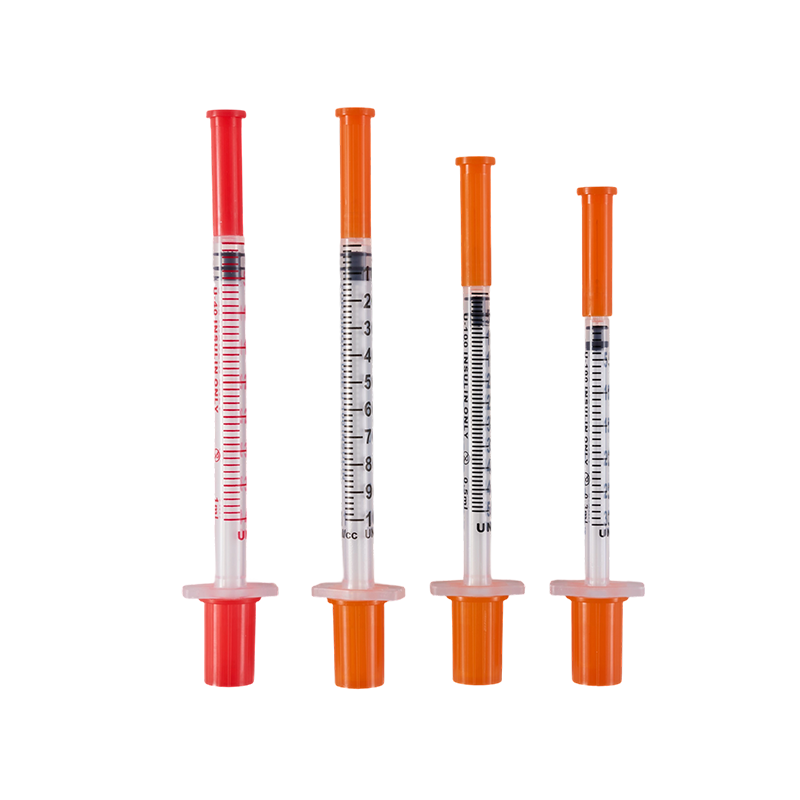
The design and production comply with ISO8537. The plastic parts are moulded by ...
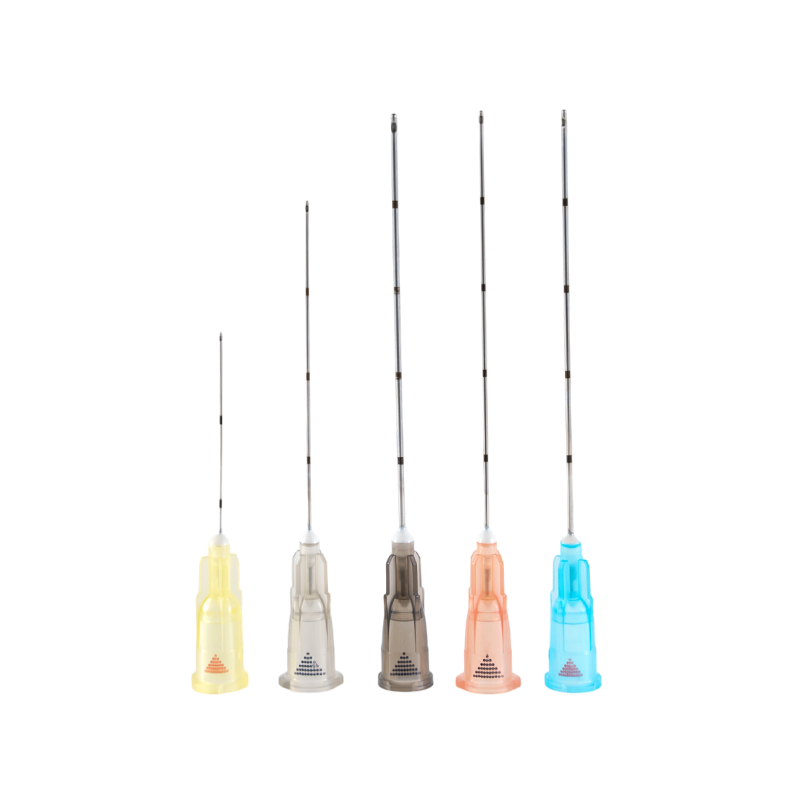
There are three kinds of the tip types, Sealed-circle with 2 side holes, sealed-...
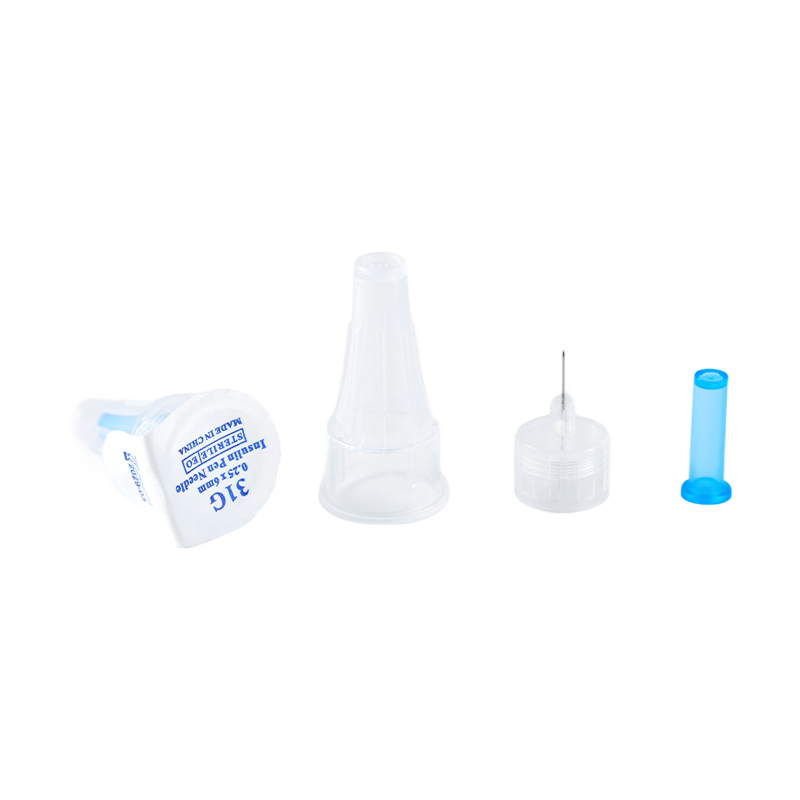
Assembling with insulin pen, for insulin hypodermic injection.The plastic parts ...

Used in conjunction with an insulin pen, it is used for subcutaneous injection o...

The cannula is made of high quality austenite stainless steel.All the components...
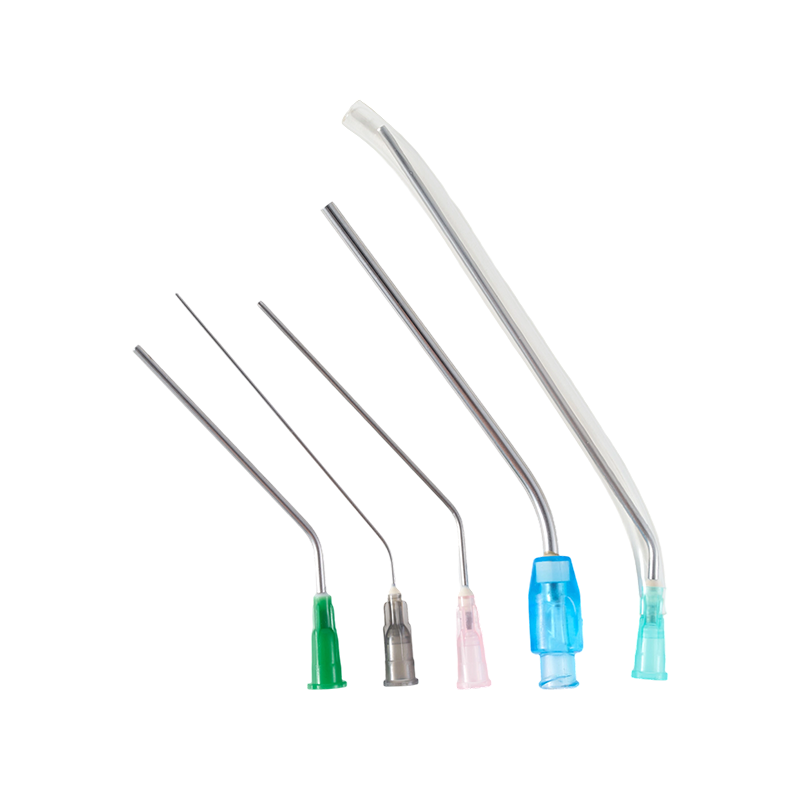
The material of the needle is Medical grade SUS304,which have great stiffness, t...
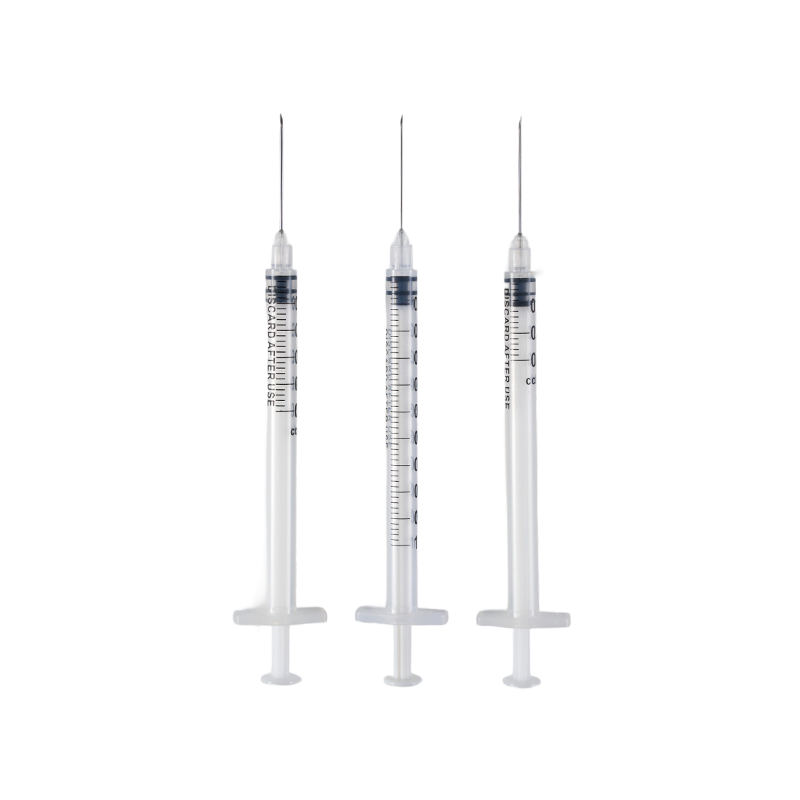
The barrel is made from high transparent polypropylene(PP),which have a bright a...
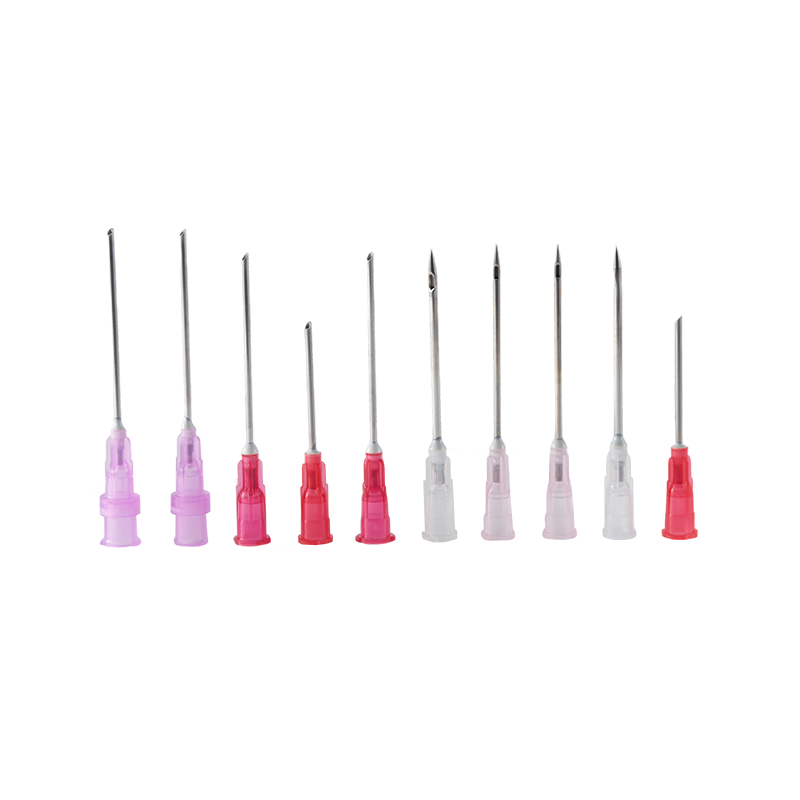
The cannula is made of high quality austenite stainless steel.The lancet tip is ...

Copyright© 2025 Zhejiang INI Medical Devices Co., Ltd.
Approval No:20150049
Medical Device Manufacturers
Disposable Medical Syringes Factory
