


 English
 Español
 中文简体
Don't hesitate to send a message
The design and production comply with ISO8537. The plastic parts are moulded by ...
Syringes are common medical products, but their journey from raw materials to healthcare facilities involves a whole network of businesses, production activities, and distribution channels. Behind every syringe sits a supply chain connecting material suppliers, component producers, manufacturers, quality teams, packaging providers, distributors, and medical users.
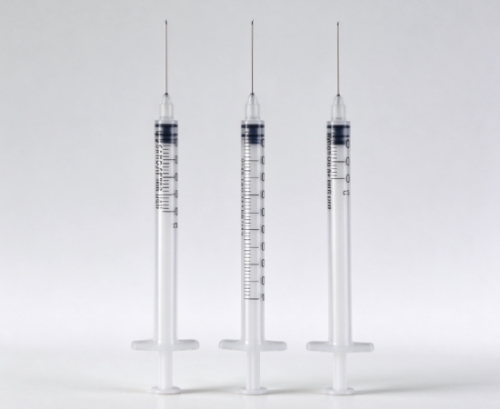
Within this network, syringe manufacturer occupy an important position. They turn supplied materials and components into finished medical products that can move through established distribution channels. Their responsibilities extend well beyond production, too. They coordinate with upstream suppliers, manage manufacturing processes, support product quality requirements, and respond to the needs of downstream customers.
Understanding where syringe manufacturers fit into the medical device supply chain helps healthcare providers, purchasing teams, distributors, and other industry participants grasp how these relationships actually work. It also explains why manufacturing decisions can ripple into product availability, delivery planning, and the stability of medical supply networks overall.
The medical device supply chain connects the businesses and organizations involved in producing and delivering medical products. The exact structure varies by product and market, sure, but the process generally starts with raw material sourcing and ends with delivery to the organization or professional that uses the device.
For syringes, the network may include several interconnected stages:
These stages don't always operate as separate businesses, worth noting. Some manufacturers produce components internally, while others purchase them from specialized suppliers instead. Certain companies also manage packaging, distribution, or other activities within the same organization.
Syringe manufacturers generally sit between the upstream supply of materials and components and the downstream distribution of finished medical products. They connect the industrial side of production with the practical needs of healthcare delivery.
Their position gives them visibility into several parts of the supply chain at once. They need to understand what suppliers can provide, what production teams can manufacture, and what customers expect to receive.
Upstream suppliers provide the materials and components needed to manufacture syringes. These inputs may include syringe barrels, plungers, seals, needles where applicable, protective caps, and packaging materials. The exact combination depends on the product design and intended application.
A syringe manufacturer has to coordinate these inputs so production can proceed as planned. A shortage of one required component may throw off an entire production schedule, even when other materials remain readily available.
Supplier relationships therefore have a direct effect on manufacturing continuity. Purchasing teams need to consider material availability, consistency, documentation, delivery arrangements, and the supplier's ability to meet relevant requirements. Price matters, sure, but it's only one part of the purchasing decision.
Material selection also shapes how products get manufactured and handled. Different materials may carry different processing characteristics, compatibility considerations, and packaging needs. Manufacturers need to account for these factors when selecting suppliers and planning production.
Communication becomes particularly important when a supplier changes a material, production method, or component design. Such changes may require review before the affected inputs can get used in finished products. Without clear communication, even a seemingly minor adjustment can create delays or extra work down the line.
Syringe manufacturers act as a coordination point between these upstream relationships and their own production activities. They translate material availability into manufacturing plans and communicate relevant requirements back to suppliers.
This position also makes supplier management an ongoing responsibility, not a one-time task. A dependable supply chain isn't built through purchasing alone. It relies on clear expectations, consistent communication, appropriate documentation, and a shared understanding of product requirements.
Production is the central activity that places syringe manufacturers within the medical device supply chain. They bring together materials, components, equipment, personnel, and established procedures to create finished products.
That said, manufacturing isn't simply a matter of assembling parts. Each stage needs to follow the applicable production and quality requirements. The manufacturer has to maintain control over material handling, assembly, inspection, packaging, and other activities relevant to the product.
Quality management ties closely into this responsibility. Products must meet their defined requirements before they get released into the distribution network. Manufacturing organizations typically establish procedures for checking materials, monitoring production, recording relevant information, and addressing problems that come up during processing.
When a defect or inconsistency turns up, the manufacturer may need to investigate its source. The issue could trace back to incoming materials, equipment, assembly practices, handling, or another part of the process entirely. Understanding the cause helps determine what corrective action makes sense.
Documentation also supports communication across the supply chain. Production records and product identification information can help businesses trace relevant manufacturing activities and investigate quality concerns. This information may become important when customers raise questions or when a product needs further assessment.
The manufacturer's responsibilities don't replace those of regulators, independent testing organizations, or healthcare providers, worth clarifying. Each participant plays a different role. The manufacturer remains responsible, though, for the production activities and quality controls assigned to its operations.
For distributors and purchasing teams, understanding this role can clarify why manufacturing capability and quality management deserve attention when evaluating a supplier. The relationship involves more than simply obtaining a finished product. It also involves confidence in how that product gets made and controlled.
Packaging is a critical part of the syringe supply chain because it helps protect products during storage, transportation, and handling. Depending on the product and its intended use, packaging may also support sterility maintenance, identification, and the communication of essential product information.
Syringe manufacturers must coordinate packaging materials and processes with the requirements that apply to their products. Packaging decisions can't get treated as a separate commercial detail when they affect product protection or compliance.
For products supplied as sterile medical devices, the relationship between manufacturing, sterilization, and packaging needs particular attention. The relevant processes must be appropriately controlled and validated where required. Manufacturers also need to consider whether packaging can maintain its intended protective function throughout the expected distribution and storage conditions.
Regulatory responsibilities vary by market, product classification, and the manufacturer's role. Applicable requirements may address product safety, quality systems, labeling, documentation, manufacturing controls, and market authorization. A manufacturer serving multiple markets may need to coordinate different regulatory expectations across its operations simultaneously.
These requirements shape how products move from production to distribution. Missing documentation, incorrect labeling, or unresolved compliance questions may delay a shipment even when the physical products are ready to go.
Clear coordination between manufacturing, packaging, regulatory, and distribution teams helps reduce these risks. It also helps downstream businesses understand which products they can purchase and distribute within their intended markets.
For buyers, it helps to clarify the manufacturer's responsibilities before entering a supply agreement. Questions about applicable regulatory status, product documentation, packaging arrangements, and change notification can help establish a clearer working relationship from the start.
Once finished syringes are ready for release, distributors and wholesalers help move them toward end users. These businesses may maintain inventories, consolidate orders, coordinate transportation, and supply customers across different locations.
Syringe manufacturers support this process by providing products that match agreed specifications, delivery arrangements, and documentation requirements. Their production planning affects how much inventory becomes available to downstream partners and when orders can actually get fulfilled.
Distributors often serve customers with quite different purchasing patterns. A hospital may require regular replenishment, while a smaller clinic may place orders according to its changing needs. Manufacturers need to consider these differences when working with distribution partners, particularly when demand fluctuates.
Healthcare providers depend on downstream suppliers for access to the products needed for routine operations. If a manufacturer experiences a material shortage or production interruption, the effect may extend well beyond its own facilities. Distributors may have less stock available, and healthcare organizations may need to adjust purchasing plans as a result.
This doesn't mean every manufacturing delay leads to a shortage, to be clear. Inventory policies, alternative supply arrangements, transportation options, and the availability of other qualified suppliers can all shape the outcome.
Communication helps manage these uncertainties. Manufacturers can work with distributors to share appropriate information about production schedules, order changes, and expected availability. Distributors, in turn, can provide feedback about customer demand and emerging purchasing concerns.
Healthcare providers also contribute valuable information through their purchasing decisions and product feedback. Their observations may help manufacturers and distributors identify recurring concerns related to packaging, product handling, or supply continuity.
The result is a connected relationship where manufacturing decisions influence distribution planning, while downstream demand helps shape production priorities in turn.
Supply chain disruptions can hit syringe manufacturers at several points. Raw material shortages, component delivery delays, transportation problems, changes in supplier capacity, and unexpected increases in demand may all interfere with planned production.
Because syringe production depends on coordinated inputs, a disruption involving one essential material can affect the availability of finished products. Manufacturers may need to adjust schedules, review inventory, communicate with customers, or identify alternative sources.
Switching suppliers isn't always a simple fix, though. Replacement materials or components may require technical review, quality assessment, documentation, and other checks before they can get introduced into production. These activities help ensure a supply problem doesn't create a separate product quality issue on top of everything else.
Manufacturers can address some risks through supplier diversification, appropriate inventory planning, ongoing supplier assessment, and clearer contingency arrangements. The suitable approach depends on the product, the stability of material availability, storage considerations, and the cost of maintaining additional inventory.
Collaboration with distributors matters here too. Information about stock levels, customer orders, and expected demand can help manufacturers spot potential pressure on supply before it turns into a larger problem.
Demand forecasting gets particularly tricky when purchasing patterns shift quickly. An increase in healthcare activity may raise demand for certain syringe types, while changes in treatment practices or purchasing policies may shift demand in another direction entirely. Manufacturers need to interpret these signals carefully rather than relying entirely on historical order patterns.
Supply chain resilience also depends on transparency. When manufacturers, suppliers, and distributors communicate early about possible delays, they have more room to explore workable alternatives. Delayed communication can leave downstream customers with fewer options when it matters most.
Disruptions can't always get prevented, true, but preparation and cooperation can help limit their impact on production and product availability.
Buyers often compare suppliers based on product availability, commercial terms, and delivery arrangements. These factors matter, sure, but a broader assessment can provide a clearer picture of how a manufacturer fits into the supply chain overall.
Several areas deserve attention:
Manufacturing capability: Buyers should understand whether the manufacturer produces the required syringe types and can support the expected purchasing pattern. Product range alone doesn't establish whether a supplier suits a particular requirement.
Quality management: Information about manufacturing controls, inspection procedures, documentation, and the handling of quality concerns can help buyers understand how products get managed throughout production.
Regulatory suitability: The relevant product and manufacturer requirements should get reviewed for the intended market. Buyers should confirm that the documentation and regulatory status applicable to their purchasing arrangements are actually in place.
Supplier stability: Material sourcing practices, contingency planning, and communication with upstream suppliers can influence a manufacturer's ability to maintain production.
Delivery coordination: Buyers should discuss order planning, lead-time expectations, shipment arrangements, and how changes in availability will get communicated.
Traceability and support: Clear product identification, accessible documentation, and an established process for handling customer questions can support ongoing supply chain management.
These considerations interconnect, worth stressing. A manufacturer may offer suitable products but still prove difficult to work with if communication stays unclear or delivery planning doesn't match the buyer's needs. Likewise, a smooth purchasing process can't compensate for unresolved product compliance concerns.
The purpose of supplier evaluation is understanding how well a manufacturer can meet the buyer's actual requirements. A structured assessment helps purchasing teams look beyond individual orders and consider the broader relationship at play.
The role of syringe manufacturers keeps developing as healthcare purchasing, production management, and distribution practices change. Manufacturers are increasingly expected to coordinate information across multiple business functions rather than focus only on physical production.
Digital systems can support this coordination by connecting purchasing records, inventory information, production planning, quality documentation, and order management. When information stays accurate and accessible to the appropriate teams, businesses can spot delays earlier and respond with greater clarity.
Product traceability is another important area here. Clear records can help manufacturers and downstream partners identify relevant product batches, investigate quality concerns, and support appropriate follow-up actions. The value of traceability depends on the quality of the underlying records and how effectively information gets shared among authorized participants.
Sustainability is also shaping discussions across medical product supply chains. Manufacturers may need to consider material use, packaging choices, production waste, and the practical requirements of safe medical product handling. Any changes still need to stay consistent with applicable safety, quality, and regulatory obligations.
Customization can introduce further coordination needs too. Some buyers may require specific packaging arrangements, labeling, or product configurations. Manufacturers must assess whether these requests fit their production capabilities and the requirements governing the finished product.
At the same time, standardization remains important for maintaining consistency and simplifying procurement. Manufacturers often need to balance customer-specific requirements against controlled production processes.
These developments place syringe manufacturers in a position that extends well beyond the factory floor. They connect material sourcing, controlled production, product documentation, and downstream supply planning. Their ability to coordinate these activities shapes how effectively finished syringes move through the medical device supply chain and reach the organizations that depend on them.
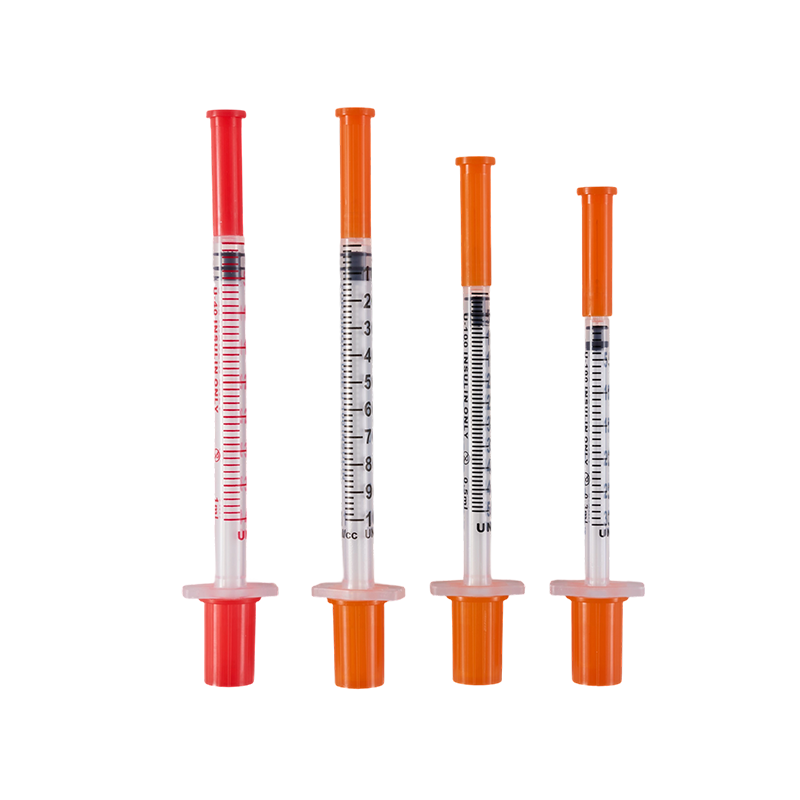
The design and production comply with ISO8537. The plastic parts are moulded by ...
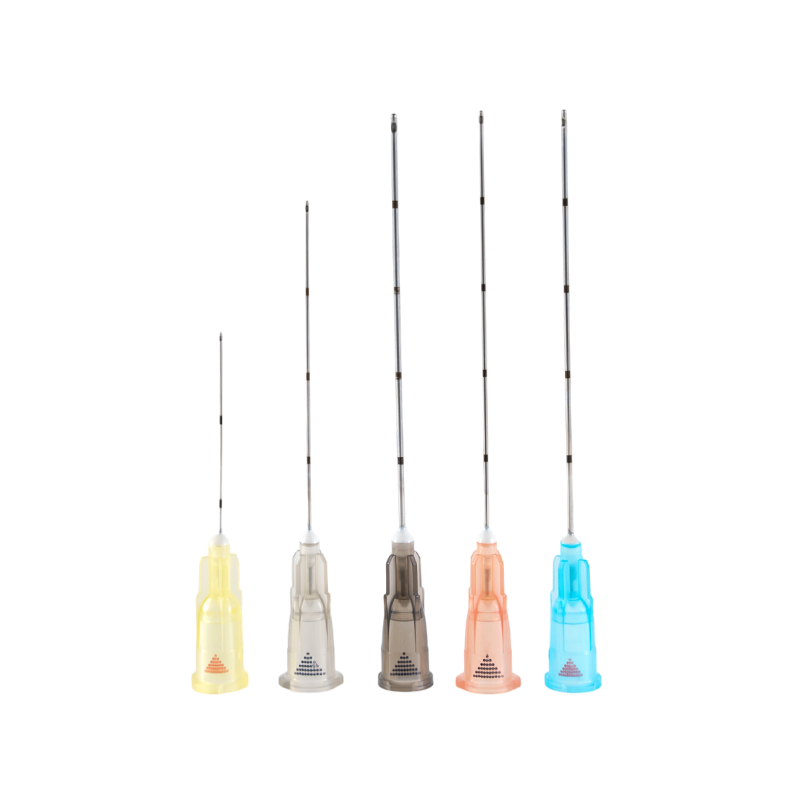
There are three kinds of the tip types, Sealed-circle with 2 side holes, sealed-...
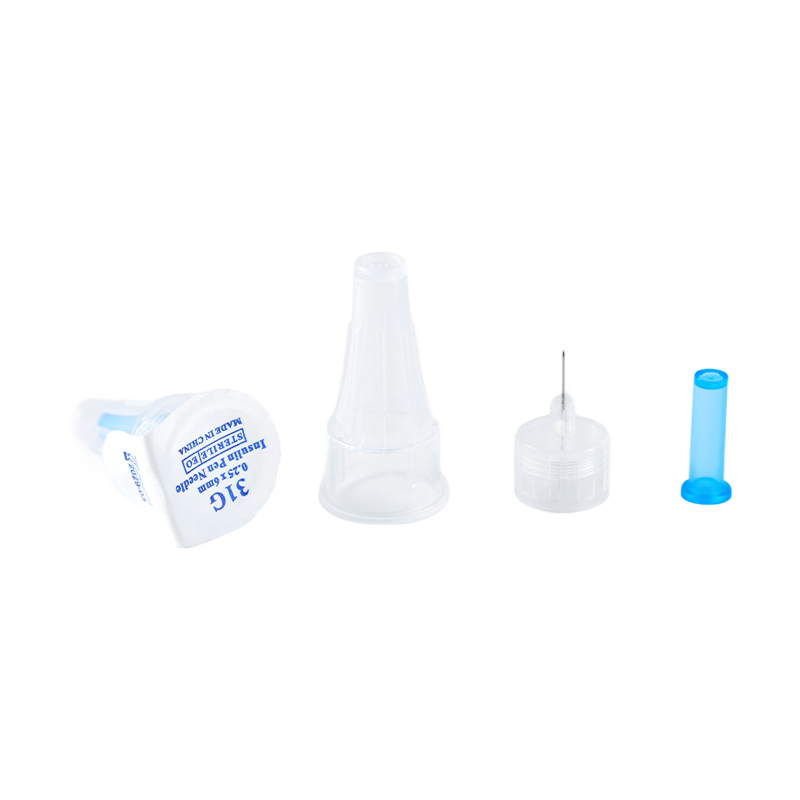
Assembling with insulin pen, for insulin hypodermic injection.The plastic parts ...
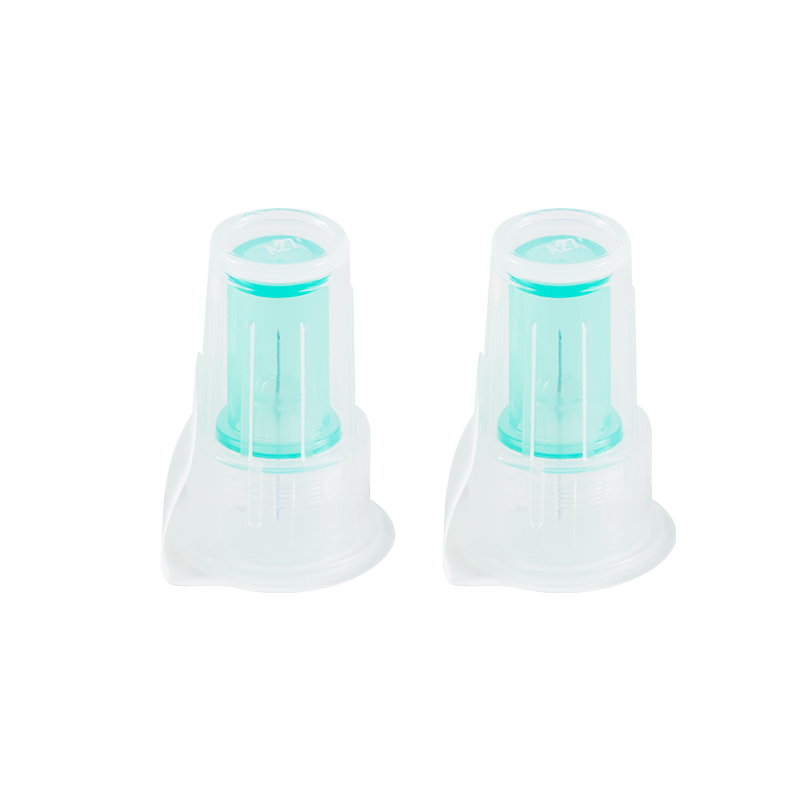
Used in conjunction with an insulin pen, it is used for subcutaneous injection o...
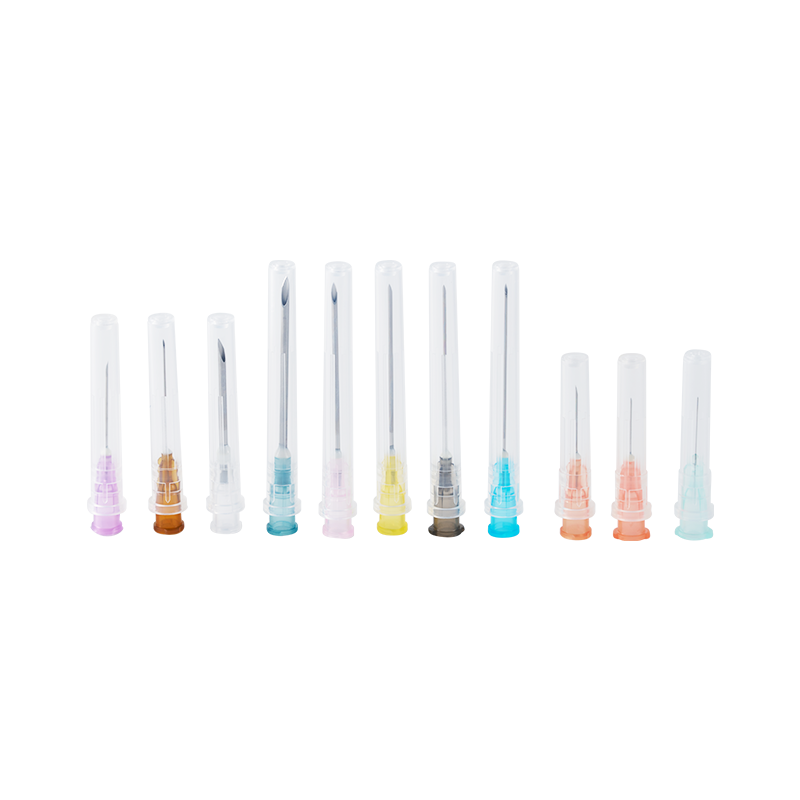
The cannula is made of high quality austenite stainless steel.All the components...
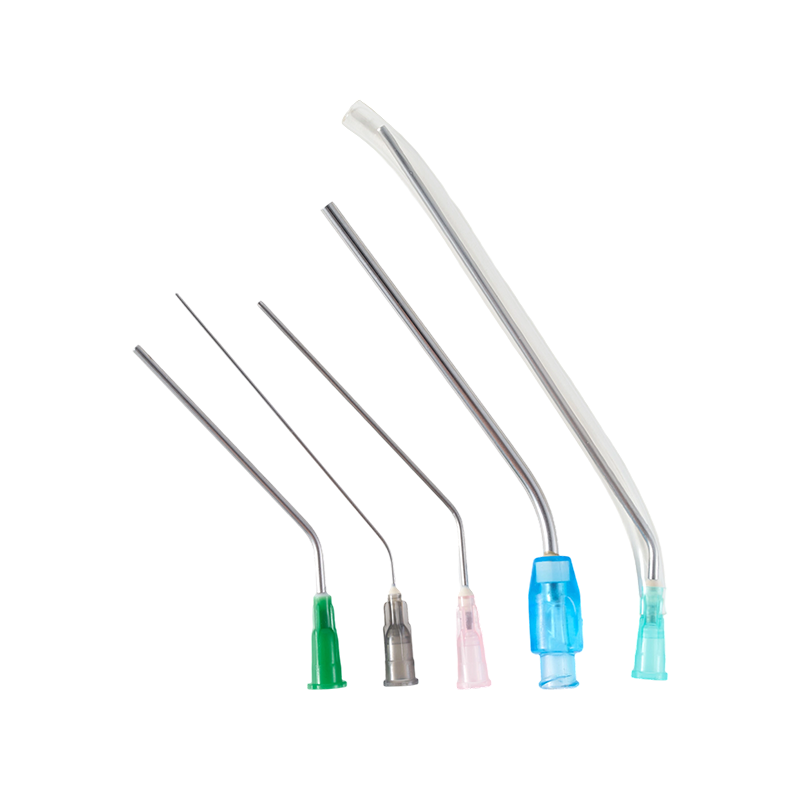
The material of the needle is Medical grade SUS304,which have great stiffness, t...
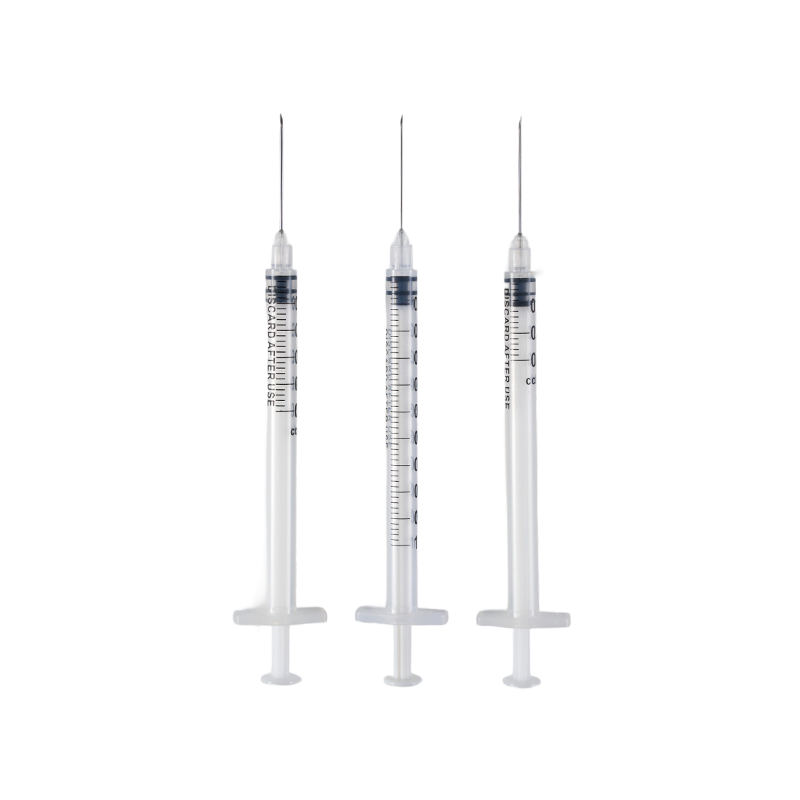
The barrel is made from high transparent polypropylene(PP),which have a bright a...
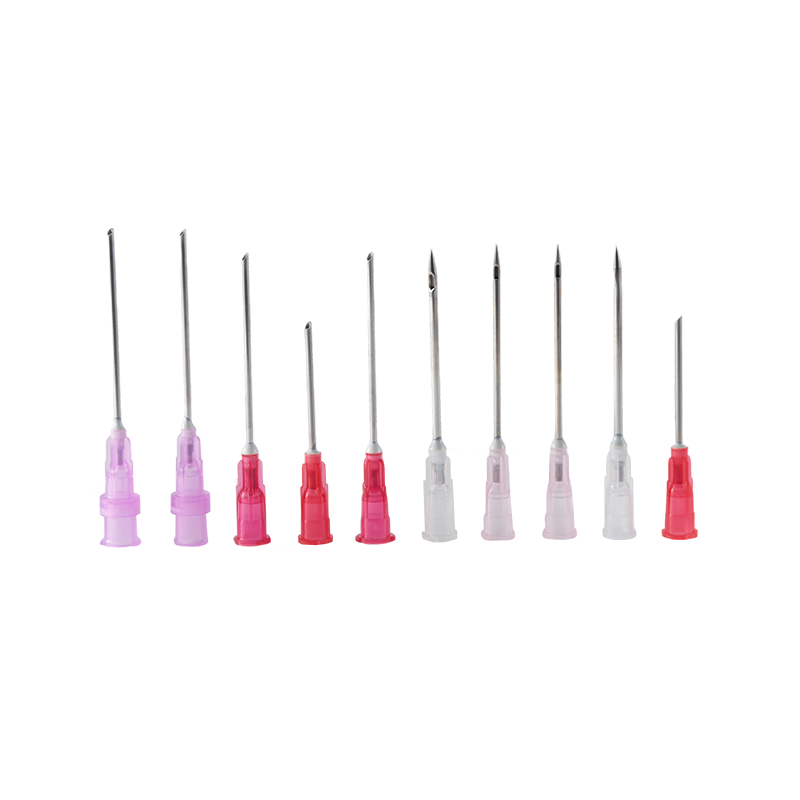
The cannula is made of high quality austenite stainless steel.The lancet tip is ...

Copyright© 2025 Zhejiang INI Medical Devices Co., Ltd.
Approval No:20150049
Medical Device Manufacturers
Disposable Medical Syringes Factory
