


 English
 Español
 中文简体
Don't hesitate to send a message
The design and production comply with ISO8537. The plastic parts are moulded by ...
Medical device manufacturing in China covers a wide range of products, from disposable medical supplies to complex equipment used in hospitals and diagnostic facilities. Each product category has its own production requirements. Some products involve repeated assembly tasks, while others require careful handling, detailed inspection, and strict control over manufacturing conditions. As these needs continue to evolve, automation is becoming an important subject for manufacturers seeking to improve production processes.
Automation can change how medical devices are assembled, inspected, packaged, and tracked. It can also influence how factories organize workers, manage materials, and respond to customer orders. However, introducing automated equipment does not automatically solve every production problem. Medical device manufacturers must consider product design, quality requirements, production flexibility, and regulatory obligations before deciding which tasks should be automated.
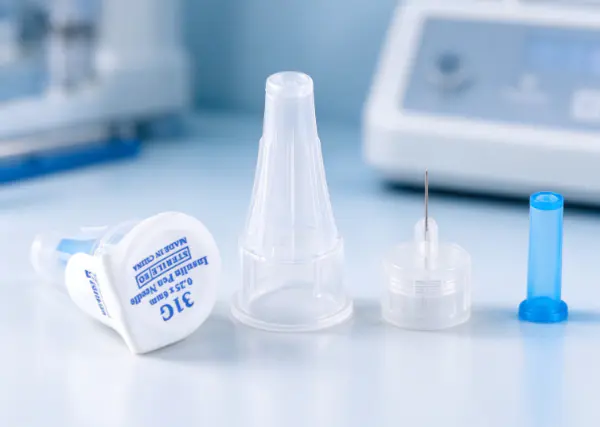
For manufacturers in China, the question is not simply whether automation can replace manual work. It is how automated processes can support reliable production while allowing people to manage tasks that require judgment, experience, and careful decision-making. Understanding this relationship helps explain why automation is becoming part of the wider discussion about medical device manufacturing.
At its core, automation lets machines and production systems handle repeated tasks without someone standing there doing it by hand every time. In medical device factories, that might mean component feeding, assembly, inspection, labeling, packaging — the specifics vary a lot depending on the product and what the manufacturer actually needs.
Some facilities only automate a single stage. Workers still prep materials, load parts, check finished products, and move goods between stations by hand. Other lines link several operations together, letting products flow through a more connected sequence with far fewer manual handoffs.
This shift changes how factory floors get laid out, too. Older setups often rely on workers physically moving products from one station to the next. An automated line, by contrast, can tie several steps together into one continuous process — cutting down on unnecessary handling and making it easier to actually track where a product is at any given moment.
Repetitive work is where automation tends to shine. Give a machine a clearly defined sequence, and it'll run that same sequence cycle after cycle without drifting — assuming it's set up right, maintained properly, and someone's keeping an eye on it.
That said, medical device production is anything but uniform. What works beautifully for one product might be a nightmare to apply to another. Size, shape, material, how parts fit together, inspection needs — all of this shapes what equipment actually makes sense. So manufacturers really do need to look at each production stage on its own terms rather than assuming a whole factory can run the same playbook everywhere.
For China's medical device sector specifically, automation opens up real opportunities to organize production more sensibly. But how much value it actually delivers comes down to whether the equipment genuinely fits the products being made and the quality standards those products have to meet.
Plenty of tasks in medical device production involve the same movements over and over, or handling that needs to stay controlled, or routine checks that repeat endlessly. These are exactly the kinds of tasks automation tends to suit — as long as the process is well-defined and the equipment can actually deliver reliably.
| Manufacturing task | How automation may help | Important consideration |
|---|---|---|
| Component feeding | Moves parts into the production process in an organized manner | Components must be supplied in a suitable position and condition |
| Product assembly | Performs repeated assembly steps | Product design and component fit affect process suitability |
| Visual inspection | Identifies certain visible defects through machine-based checks | Inspection methods must match the defects being assessed |
| Labeling | Applies product labels in a controlled sequence | Label information and placement require verification |
| Packaging | Supports repeated packing and sealing operations | Packaging must protect the product and meet applicable requirements |
| Product identification | Records or reads product information during production | Information must remain accurate and traceable |
| Material movement | Transfers components or finished goods between work areas | Movement systems must fit the factory layout and product handling needs |
Assembly is probably the clearest case for automation. Plenty of medical devices have components that need joining in exactly the same sequence every single time, and machines are genuinely good at that — positioning parts, executing the same movements, cutting down on manual handling along the way.
Inspection is another area worth a closer look. Human inspectors, however skilled, naturally lose some sharpness doing the same repetitive check hour after hour. Automated inspection can hold that attention level steady, checking selected features under consistent conditions and logging results in a way that makes reviewing issues later a lot easier.
Still, automated inspection isn't a cure-all. A machine only catches what its inspection method was actually built and validated to catch. Anything that calls for genuine judgment, unusual handling, or a totally different inspection approach probably still needs a person looking at it.
Packaging falls into a similar bucket. Medical devices often need packaging that protects the product, supports identification, and — where it matters — keeps things sterile. Automated packaging equipment handles the repetitive parts well, but the packaging process itself still has to suit whatever specific device it's protecting.
The real test is simple: can automation actually perform the task in a way that's controlled and verifiable? Before bringing in new equipment, manufacturers should really look hard at how complex the task is, how it touches product quality, and what it'll take to keep that equipment running properly.
Quality control sits at the heart of medical device manufacturing — products have to meet whatever standards their intended use demands, and manufacturers need processes that catch and manage defects before they go anywhere. Automation can genuinely help here, mostly by making certain operations more consistent and generating records that explain what actually happened during a production run.
Manual work has its weak points — fatigue sets in, people work slightly differently from one another, workload shifts affect output. A machine running a well-defined task doesn't carry those same variables. It'll follow the same assembly sequence or check the same feature under the same conditions, run after run.
That doesn't mean automated production is some guarantee of quality, though. Equipment can be set up wrong. Components can arrive in bad shape. Inspection systems can simply miss things they weren't built to catch. Quality really comes down to the whole manufacturing picture — materials, equipment upkeep, how well staff are trained, how nonconforming products get handled.
A few practices help tie automation back into solid quality management.
Before trusting an automated process, manufacturers need actual evidence it does what it's supposed to under real production conditions. That means checking whether the equipment delivers expected results, and whether shifts in materials, settings, or conditions could throw things off.
Automated systems run on mechanical, electrical, and control parts that all need to keep working properly. Regular maintenance catches wear, misalignment, and other issues before they become production problems — and maintenance records come in handy later if something does go wrong.
Inspection methods should match the actual risks and traits of the product. Automated checks make sense for visible defects, component positioning, specific assembly conditions. Other characteristics might need additional testing or a human set of eyes.
Production systems can log manufacturing steps, inspection outcomes, product identification — all useful when tracing a problem back to its source batch or process. But those digital records only help if the underlying information is accurate, complete, and properly managed in the first place.
Manufacturers in China supplying both domestic and export markets also have to factor in whatever quality and regulatory requirements apply to their specific products. Automation should back up those obligations, not stand in for a quality management system that still needs to exist underneath it.
Automation decisions usually start well before anyone installs a machine. Product design itself often determines whether a task is even easy to automate, whether parts can be handled consistently, and how equipment ends up getting arranged on the floor.
A device with clearly defined components and a repeatable assembly sequence tends to automate a lot more smoothly than something requiring constant adjustment or delicate hand-tuning. Even small variations — component shape, surface finish, how flexible a material is — can throw off how a machine grips and positions parts.
Design shapes inspection too. If an important feature sits somewhere hard to access, or just can't be seen clearly during assembly, an automated inspection system is going to struggle with it. That might mean rethinking the product structure, the inspection method, or how the equipment itself is arranged.
Design changes bring their own complications. A factory might already have equipment dialed in for an existing product. Change that product's dimensions, materials, or assembly needs, and suddenly new fixtures, revised instructions, or fresh validation become necessary.
This is exactly why manufacturers benefit from thinking about production early in development — designers, manufacturing engineers, quality teams, equipment specialists all weighing in on whether a proposed design can actually be assembled and inspected under controlled conditions.
None of this means every medical device should be designed purely around what's easy to automate. Plenty of products carry clinical or functional requirements that limit how much design flexibility exists. The real goal is catching manufacturing challenges early and figuring out which production methods actually work — without compromising what the device is supposed to do.
For manufacturers in China juggling custom orders or multiple product lines, this link between product development and production planning matters a lot. A setup that works perfectly on one line might need a completely different approach once it's adapted for something else.
People tend to picture automation as giant production lines cranking out the same product endlessly. But flexibility matters just as much in this industry. Customer needs shift, product portfolios change, and factories often need to pivot between related products without missing a beat.
A highly specialized line handles its one defined task efficiently enough, but adapting it when the product changes can get messy — new fixtures, equipment tweaks, revised software, fresh validation, all of which eats into production planning and the time needed to get back up and running.
Flexible automation tries to get ahead of some of these limits. Equipment built with product changes in mind might let manufacturers tweak settings or swap fixtures without tearing down the whole process. Modular workstations help too, making it easier to reshuffle certain operations as needed.
Flexibility still has limits, though. A machine built to handle a handful of similar components probably won't cope well with products that look and assemble completely differently. Manufacturers need a clear sense of what changes the equipment can actually absorb versus what demands real engineering work.
A blended approach often makes the most sense — automated equipment handling the repeatable assembly or inspection work, while people manage product changeovers, material prep, trickier handling, and process review. That balance between repeatability and adaptability tends to serve factories well in practice.
Production volume and order patterns matter here too. Steady demand for a consistent design makes a dedicated automated line worthwhile. Smaller batches or products that change often usually call for something more flexible — a workstation that can adapt rather than a fixed, specialized setup.
Ultimately, the right call depends on how product variety, process complexity, equipment capability, and production planning all intersect. Automation can support flexibility, sure — but it doesn't conjure flexibility out of nowhere on its own.
Automation genuinely can reshape manufacturing — but getting there takes real planning, and equipment cost is honestly just one piece of that puzzle. Manufacturers also have to weigh process compatibility, workforce skills, facility realities, and the ongoing support that keeps everything running.
Automated equipment comes with costs well beyond the purchase price — installation, integration, maintenance, training, adjusting the rest of production to fit around it. Looking only at sticker price misses most of the real financial picture.
How much value that investment actually delivers also hinges on usage frequency. Equipment built for one narrow task might not pay for itself if demand is thin or the product keeps changing.
Most factories already have established equipment and workflows running. Bringing in something new can ripple through material flow, workstation layout, inspection setups, and handling procedures. Even equipment that works perfectly on its own can cause delays if it doesn't integrate cleanly with everything around it.
That's why reviewing the whole process before installation matters so much. The new equipment has to actually fit the existing workflow, and staff need clear guidance for normal operation, interruptions, and product changeovers alike.
Automation shifts what employees spend their time doing. Less hands-on repetitive assembly, more equipment operation, inspection review, maintenance coordination, production monitoring.
That shift demands real training — understanding how the equipment actually works, recognizing when something's off, knowing when to stop a process and flag it for review. Technical support matters too, especially when problems need specialized troubleshooting.
Medical device manufacturers simply can't make production changes in a vacuum — any change has implications for product quality and compliance. Depending on the device and the specific change, new validation, documentation, or regulatory review might become necessary.
Export-focused manufacturers carry an extra layer here, since destination markets bring their own requirements. Automation doesn't erase any of these obligations — production records still have to hold up against whatever quality system applies.
Automated systems need ongoing care, full stop. Wear and tear, sensor glitches, component failures, software hiccups — any of these can halt production. Factories need an actual maintenance plan, spare parts on hand, and people capable of diagnosing problems when they crop up.
All of this points to one conclusion: automation deserves treatment as a full manufacturing project, not just an equipment purchase. Getting it right takes input from production, engineering, quality, purchasing, and management all pulling in the same direction.
A solid automation strategy starts with pinning down the actual production problem. Where does repeated work, inconsistent handling, inspection pressure, or awkward material movement cause real friction? That's the starting point for figuring out whether automation can actually fix it — and what else in the process might need to change alongside it.
A structured evaluation tends to help organize that thinking.
It's worth avoiding the trap of picking equipment based purely on how automated it sounds. A complex system can rack up unnecessary cost if the actual task is simple. Sometimes a smaller, targeted workstation handles the real need better than an elaborate integrated line.
Supplier evaluation matters here too. Equipment suppliers should be able to walk through the system's intended functions, operating requirements, maintenance needs, and limitations clearly. Manufacturers need to confirm the proposed solution genuinely fits their actual process and can be supported over the long haul.
Through all of this, the strategy needs to stay tethered to product quality. Any production change — however small — needs evaluating against its effect on the device, its packaging, its inspection process, and whatever regulatory requirements apply.
As automation becomes more routine, people remain genuinely essential to how medical devices get made. Machines handle defined tasks well, but someone still has to set the requirements, judge unusual situations, interpret what's happening, and make calls that go beyond routine operation.
Production staff operate equipment, prep materials, watch over workstations, and step in when a process drifts outside expected conditions. Quality personnel dig into inspection results, investigate defects, and decide whether products actually meet the standards they're held to. Engineers tweak equipment, chase down process issues, and support changes to product design or manufacturing methods.
As factories lean more into automated systems, these roles tend to get more specialized. Workers need training in equipment operation, basic fault spotting, digital record handling, quality procedures — and manufacturers really should plan for that development right alongside their equipment investment, not as an afterthought.
Human review matters most when a defect could touch patient safety. An automated system might flag something, sure, but it still takes qualified people following established procedures to evaluate that finding and decide what happens next.
Communication between teams matters just as much. Equipment operators need to know when to actually stop a process. Maintenance staff need visibility into equipment behavior. Quality teams need access to the production records that matter. Clear lines of responsibility keep automation working as part of the bigger system rather than operating in isolation.
For medical device manufacturers in China, exactly how people and automated equipment work together will keep depending on what they make and how they make it. Automation can take repetitive work off people's plates and bring more order to production — but trained employees stay firmly in charge of oversight, problem-solving, and the quality calls machines just aren't built to make on their own.
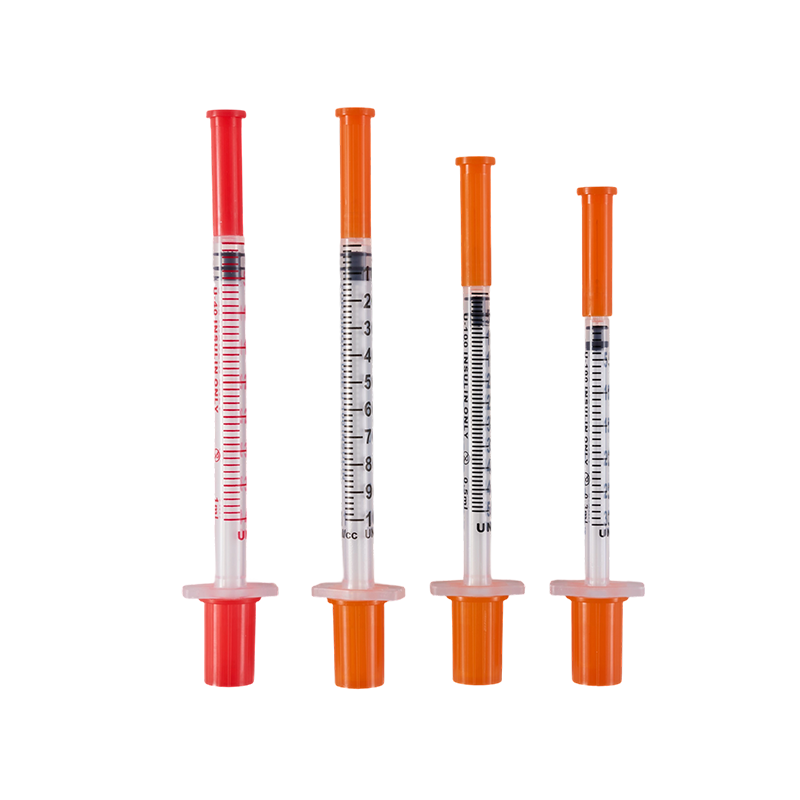
The design and production comply with ISO8537. The plastic parts are moulded by ...
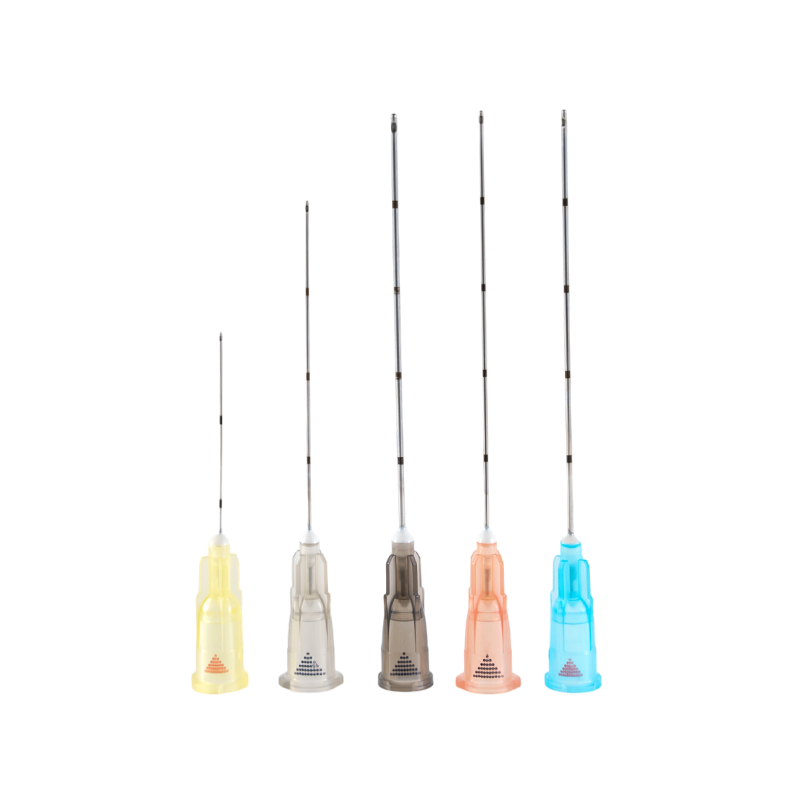
There are three kinds of the tip types, Sealed-circle with 2 side holes, sealed-...
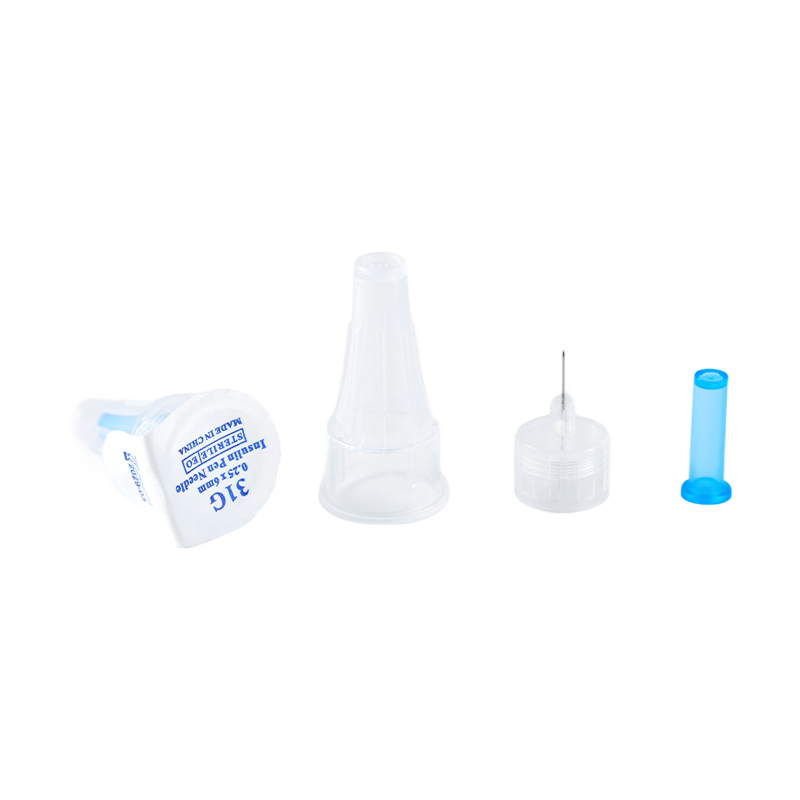
Assembling with insulin pen, for insulin hypodermic injection.The plastic parts ...
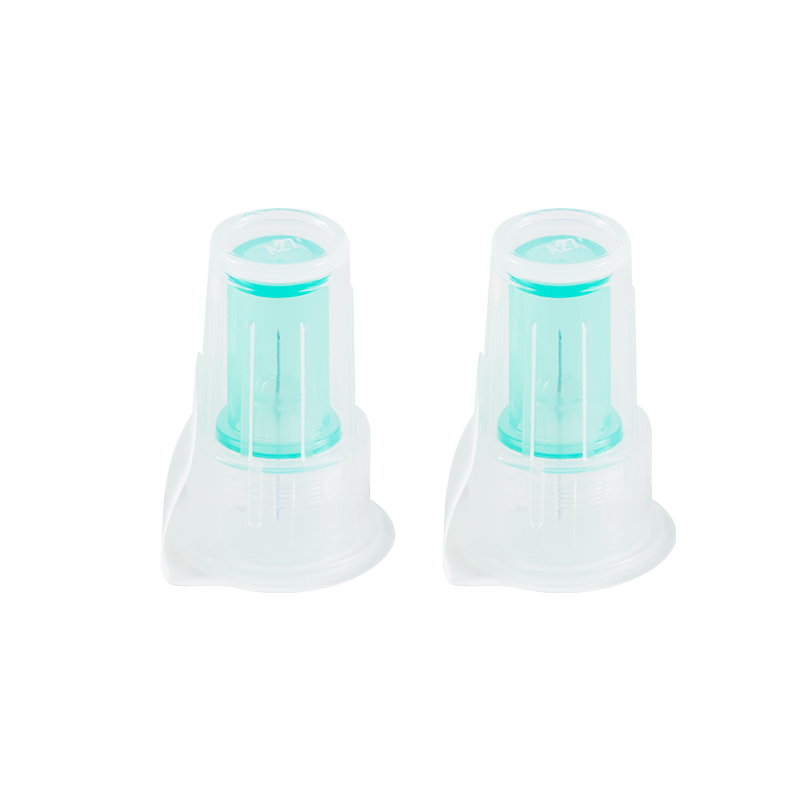
Used in conjunction with an insulin pen, it is used for subcutaneous injection o...

The cannula is made of high quality austenite stainless steel.All the components...
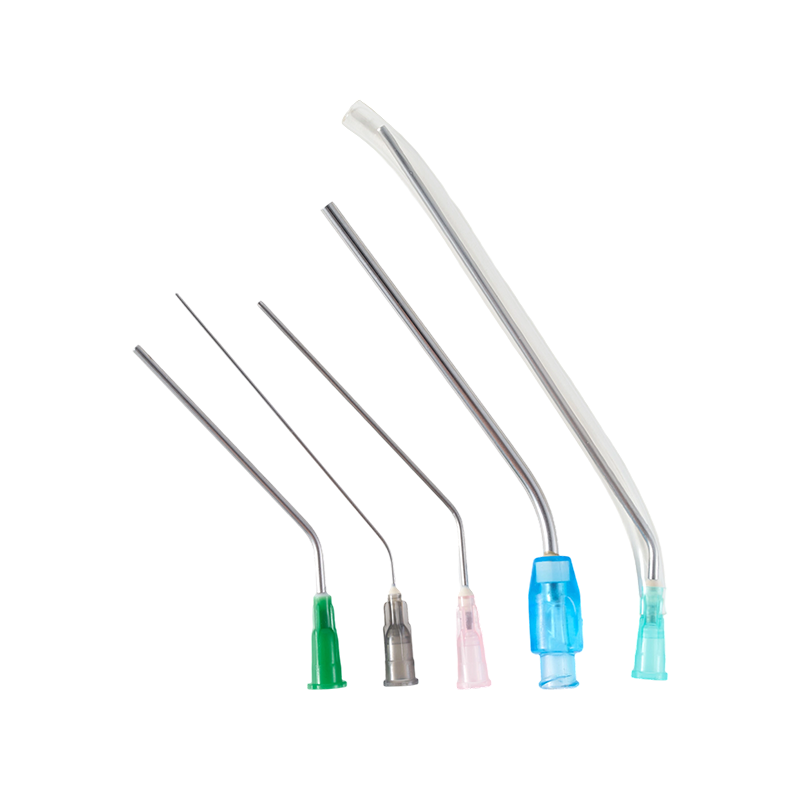
The material of the needle is Medical grade SUS304,which have great stiffness, t...
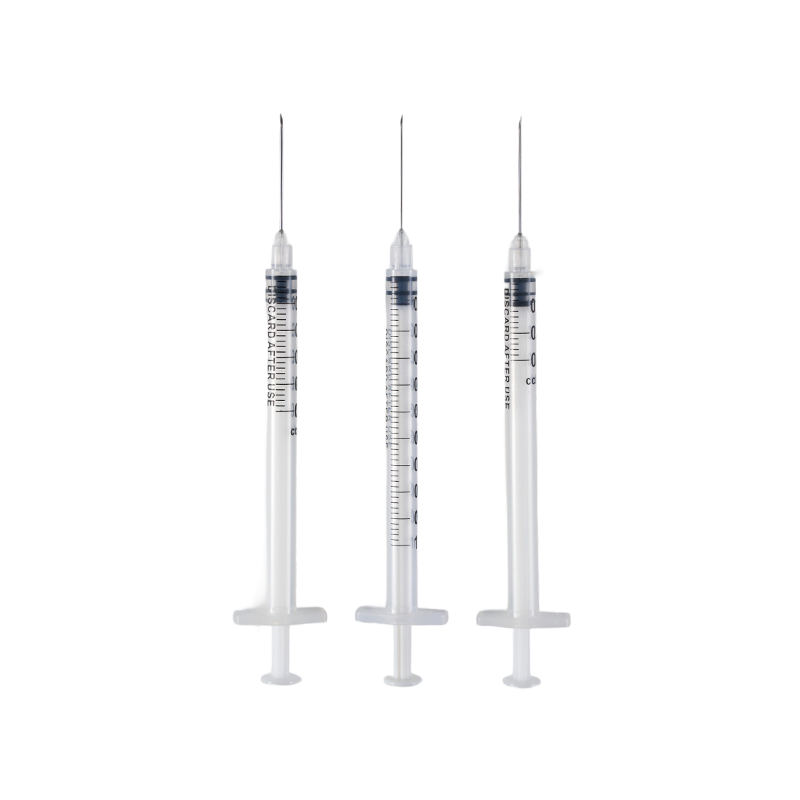
The barrel is made from high transparent polypropylene(PP),which have a bright a...
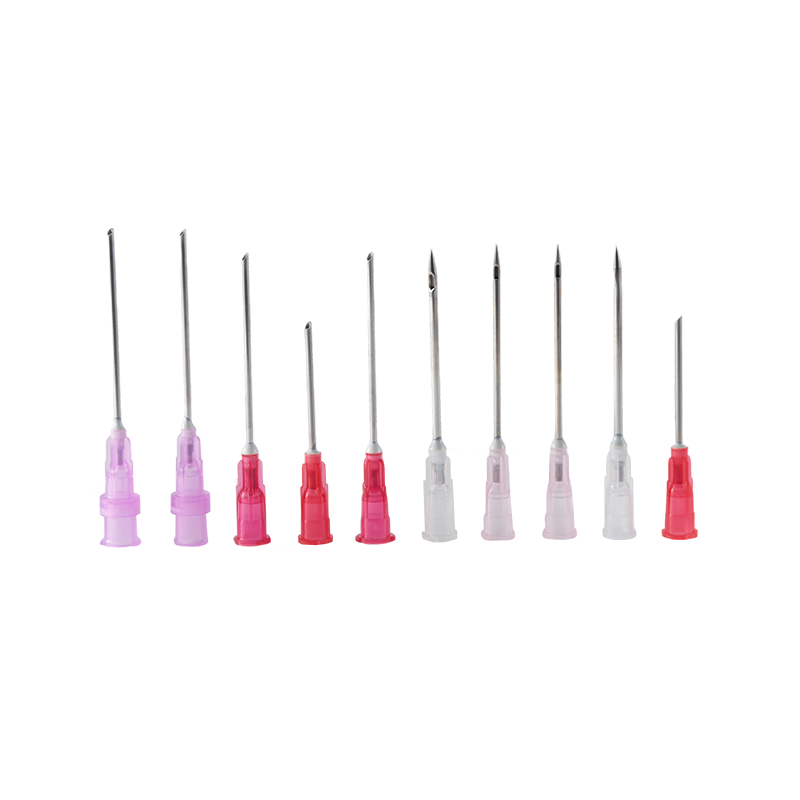
The cannula is made of high quality austenite stainless steel.The lancet tip is ...

Copyright© 2025 Zhejiang INI Medical Devices Co., Ltd.
Approval No:20150049
Medical Device Manufacturers
Disposable Medical Syringes Factory
