


 English
 Español
 中文简体
Don't hesitate to send a message
The design and production comply with ISO8537. The plastic parts are moulded by ...
Walk into any hospital supply room and you'll find shelves of injection syringes that look nearly identical at first glance. But that similarity in appearance hides real differences in design, capacity, needle compatibility, and handling requirements — differences that determine whether a given syringe actually fits a specific clinical task.
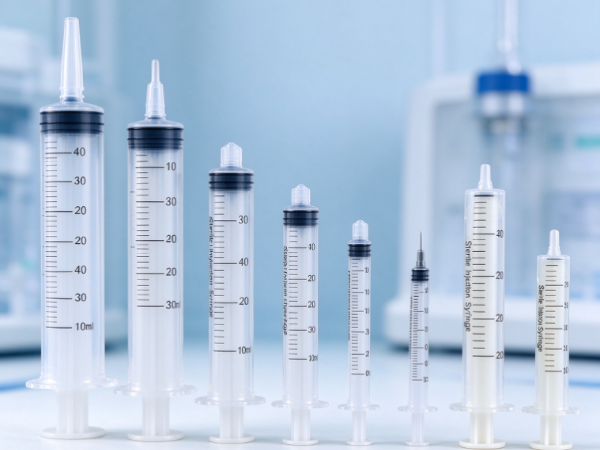
The real question isn't whether a sterile syringe belongs in a medical setting generally. It's whether this particular syringe, with its particular design, matches what a specific procedure actually needs. Healthcare professionals weigh the substance being injected, the delivery method required, the patient's situation, and whatever safety standards apply before reaching for a syringe.
For manufacturers and purchasing teams, this variety isn't just a clinical detail — it shapes how products get developed and supplied in the first place. Knowing how sterile syringes function across different healthcare settings gives buyers a sharper eye for evaluation and gives manufacturers a clearer sense of what the market actually demands.
A sterile injection syringe needs to deliver its contents while holding up the conditions that use requires. That's a lot more involved than just looking the part. The syringe has to fit the procedure, suit the substance going into it, and work the way clinicians are actually going to use it.
Different procedures pull in different directions here. A syringe meant for administering a prescribed medication doesn't necessarily share requirements with one meant for preparing that medication beforehand. Small details — plunger movement, markings, how it connects to other components — end up mattering a lot more in practice than they might seem on paper.
Sterility sits at the center of all this. Once a syringe carries a sterile label, everything about how it's made, packaged, and handled has to follow through on that promise. Packaging needs to keep contamination out through storage and shipping. And the moment packaging looks compromised, or sterility becomes a question mark, that syringe is out — no second-guessing.
What matters most about a syringe shifts depending on what it's for. One facility might care most about how easy the markings are to read; another might prioritize connection compatibility or how finely they can control delivery. Both clinical staff and purchasing teams end up weighing these same factors, just from different angles.
None of this means a sterile syringe works for just any injection task. Labeling, instructions, and the specific demands of the procedure should drive the choice — not the assumption that similar-looking syringes are interchangeable. Clinical protocols exist precisely because that assumption fails often enough to matter.
Sterile syringes turn up across a surprisingly broad swath of healthcare settings, and what they're asked to do shifts depending on the service, the substance, and who's handling them.
Hospital departments pull syringes for all kinds of reasons — routine medication, dose preparation, procedures that call for controlled delivery. A general ward and a specialized unit rarely need the exact same product, simply because what happens in each is genuinely different.
Take a general medical ward: it mostly needs syringes for everyday medication rounds. A specialized department down the hall might need something built for a particular procedure entirely. The point is picking based on what's actually being done, not grabbing whatever falls under a broad category label.
Outpatient settings lean on sterile syringes too, during consultations and ongoing treatment. What they need tends to track with the kinds of procedures they run and what's sitting in their supply cabinets.
Storage and prep routines matter a lot here. Staff have to pick the right product, check the packaging hasn't been compromised, and follow whatever the manufacturer specifies. Clear labeling saves a lot of confusion when multiple products serve different purposes.
Emergency care doesn't wait around, and priorities shift fast. Teams need injection supplies ready to go, clearly identified, and matched to whatever treatment is unfolding.
Even under pressure, though, the syringe still has to fit the substance and the delivery method at hand. Speed doesn't excuse skipping familiarity with the product or cutting corners on protocol.
Some facilities run narrower, more specific services, and their syringe needs follow suit — shaped by the treatment itself, the substance prescribed, and whatever other equipment comes into play.
All of this adds up to one practical takeaway: healthcare organizations really do need to look hard at what they're actually doing clinically before deciding what to stock.
A single product category can stretch across many uses, but that doesn't mean every syringe fits every job. Selection starts with the application, then works backward to the features that application actually requires.
| Medical application | Main selection considerations | Why suitability matters |
|---|---|---|
| Routine medication administration | Intended route, required delivery volume, and product compatibility | Helps match the syringe to the prescribed procedure |
| Medication preparation | Clear markings, handling requirements, and compatibility with other components | Supports accurate preparation and organized workflow |
| Vaccination services | Applicable product instructions, prescribed use, and needle compatibility where relevant | Helps ensure the product matches the vaccination procedure |
| Specialized clinical procedures | Procedure-specific requirements and approved product use | Avoids treating general-purpose products as suitable for every task |
| Laboratory-related medical preparation | Intended use, substance compatibility, and contamination controls | Helps maintain appropriate handling conditions |
| Emergency medical care | Product identification, availability, and compatibility with the intended procedure | Supports timely access to suitable supplies |
What this table really drives home is that appearance tells you almost nothing. Two syringes might look practically identical on a shelf and still differ completely in intended purpose, connection style, or what substances they're built to handle.
The substance itself carries real weight too. Whatever the syringe and its parts are made from needs to actually suit what's going inside it — this isn't something to guess at, it's something manufacturer instructions and clinical standards should spell out.
Route of administration works the same way. Just because a syringe suits one route doesn't mean it transfers to another. The same logic holds for specialized procedures — a syringe that's perfectly fine for routine medication might fall short of what a specific regulated procedure demands.
Manufacturers can make this whole process easier by writing clear, specific product descriptions and intended-use information. Buyers, for their part, owe it to themselves to actually read that information before anything goes on a purchasing list.
Design choices that seem small on paper tend to show their weight once a syringe is in a clinician's hands day after day, procedure after procedure.
Clear markings help someone identify the right volume at a glance — which matters a lot during prep and administration, especially when similar-looking products sit side by side. Markings need to stay legible under whatever conditions the syringe actually gets used in.
The plunger does the real work — drawing in, pushing out. How it moves should match what the product's actually meant to do. A plunger that fights the user mid-procedure causes real problems; one that moves predictably makes the whole task easier to manage.
That said, there's no single "right" plunger feel across every application. Manufacturers have to think through how a syringe will actually be handled, rather than assuming one design covers every clinical scenario.
Some procedures need the syringe to link up with another piece of equipment, and that connection has to actually match what it's connecting to. Similar dimensions on paper aren't enough of a reason to assume compatibility.
Compatibility runs deeper than fittings, too — materials and components need to suit the substance being handled, which is exactly what product documentation should clarify.
Barrel shape, finger rests, plunger design — all of it affects how a syringe sits in someone's hand. And clinicians are often working with gloves on, moving fast in a busy environment. A design that stays visible and predictable under those conditions tends to fit more naturally into real clinical work.
None of this replaces training or clinical judgment, though. Good ergonomics still require the right product, the right instructions, and solid infection prevention habits layered on top.
Sterility isn't a side consideration for these products — it's close to the whole point. The syringe has to stay protected from contamination right up until use, and packaging carries most of that burden through storage and distribution.
Packaging requirements shift depending on the product and its intended use. What matters is that the packaging actually suits the product and the validated process behind its sterile state, while still letting users identify it and open it the way the manufacturer intended.
A few things are worth keeping in mind here:
A damaged package is a problem even if the syringe inside looks totally fine. Same goes the other way — an expired product doesn't become usable just because the box looks untouched.
Packaging decisions ripple out into distribution planning too. Manufacturers and suppliers have to think through how products get packed, shipped, stored, and handed off to healthcare buyers. Packaging that makes identification easy and protects the sterile barrier cuts down on handling mistakes all along that chain.
Manufacturers have to keep intended use in view through every stage of development and production — not just at the final inspection. A syringe built for one medical application needs to actually meet the standards that application calls for, and that's a much bigger job than eyeballing the finished product.
Materials need to suit whatever they'll contact, and fit together as a working design. Barrel, plunger, seal — how these parts relate to each other shapes handling, compatibility, and overall performance. None of this should rest on assumptions carried over from a similar past product; it needs its own evaluation.
Consistency comes from controlled processes and clear instructions, full stop. Manufacturers need eyes on relevant production stages, catching problems before they become shipped defects — assembly checks, visual inspection, functional testing, packaging review, all of it.
Exactly which checks matter depends on the specific product and quality system in play. Different syringes carry different production demands, so quality procedures need to track the product's actual intended use and regulatory obligations rather than following one generic checklist.
Sterile syringes need both a sterilization process and a packaging system that actually work together to support sterile status through the product's whole shelf life. Which approach makes sense depends on the design, materials, and packaging involved — there's no universal method that fits everything.
Sterilization isn't a standalone step tucked away in the process somewhere. It connects directly to material choices, packaging, and how the product gets handled afterward, and manufacturers need to treat it that way.
Inspection catches defects and inconsistencies before products ever leave the facility. Documentation backs that up — giving traceability and something concrete to review if a quality issue surfaces down the line.
For buyers, how a manufacturer handles quality management says a lot during supplier evaluation. Worth asking about certifications, documentation, quality procedures, and whatever evidence actually backs up intended-use claims — and worth checking those claims against current, up-to-date documents rather than taking them at face value.
Together, these practices let manufacturers handle real differences between product types while still holding a consistent line on quality.
Sourcing starts with knowing exactly what the syringe needs to do. What works for one department might miss the mark entirely for another, so defining requirements has to come before comparing suppliers or flipping through catalogs.
A practical checklist can help organize that process:
Price obviously plays into the decision somewhere, but it shouldn't crowd out an actual review of suitability and documentation. A cheaper syringe doesn't become appropriate for a procedure just because it's cheaper.
Talking directly with suppliers helps too. Buyers should spell out intended use clearly and ask pointed questions about compatibility, packaging, and documentation. That gives manufacturers a real shot at telling buyers whether an existing product actually fits, or whether something needs further evaluation.
And where a product falls under regulated medical use, buyers need to check the actual requirements for that market directly — product descriptions alone rarely tell the whole regulatory story.
Healthcare keeps shifting, and syringe requirements will keep shifting right along with it — usability, packaging, materials, production methods, supply management, all of it open to change as clinical workflows and purchasing patterns evolve.
Manufacturers may find themselves responding to calls for clearer labeling, packaging that fits new storage setups, or designs built around specific emerging procedures. Healthcare organizations, meanwhile, seem to be leaning harder into traceability, inventory tracking, and consistent documentation as priorities.
Automation has a role to play in production too — handling repetitive assembly work, supporting inspection routines. But automation by itself doesn't prove a product is suitable or guarantee quality. That still comes down to proper validation, ongoing monitoring, and solid quality management underneath it all.
Sustainability conversations are creeping into packaging and material decisions as well. Any change here still has to answer to the product's intended use, sterility needs, material compatibility, and whatever regulations apply. Cutting packaging waste is a fine goal, but not at the cost of the sterile barrier or the safety standards the device has to meet.
For healthcare providers, the question stays pretty simple at its core: does the product on hand actually fit what the procedure needs. For manufacturers, the harder job is translating those needs into a design backed by real testing, documentation, and production control.
Sterile injection syringes can genuinely serve a wide range of medical applications — but only when design, intended use, and handling requirements line up properly. That suitability rests on the procedure, the substance, product compatibility, sterility, and the regulatory requirements in play. Careful selection on the clinical side, paired with informed evaluation on the purchasing side, is what actually keeps the right syringe in the right hands.
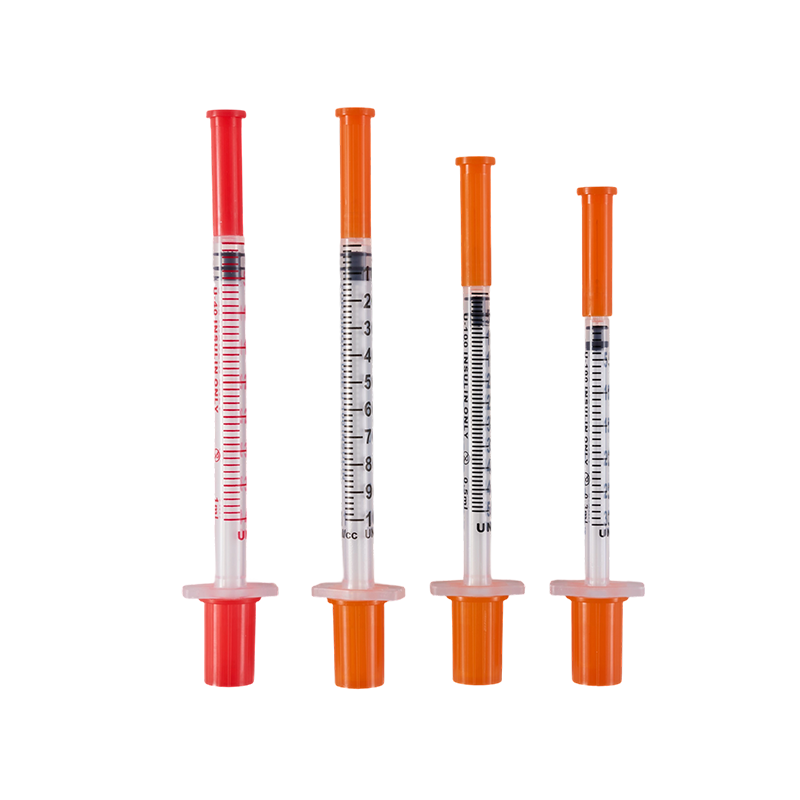
The design and production comply with ISO8537. The plastic parts are moulded by ...
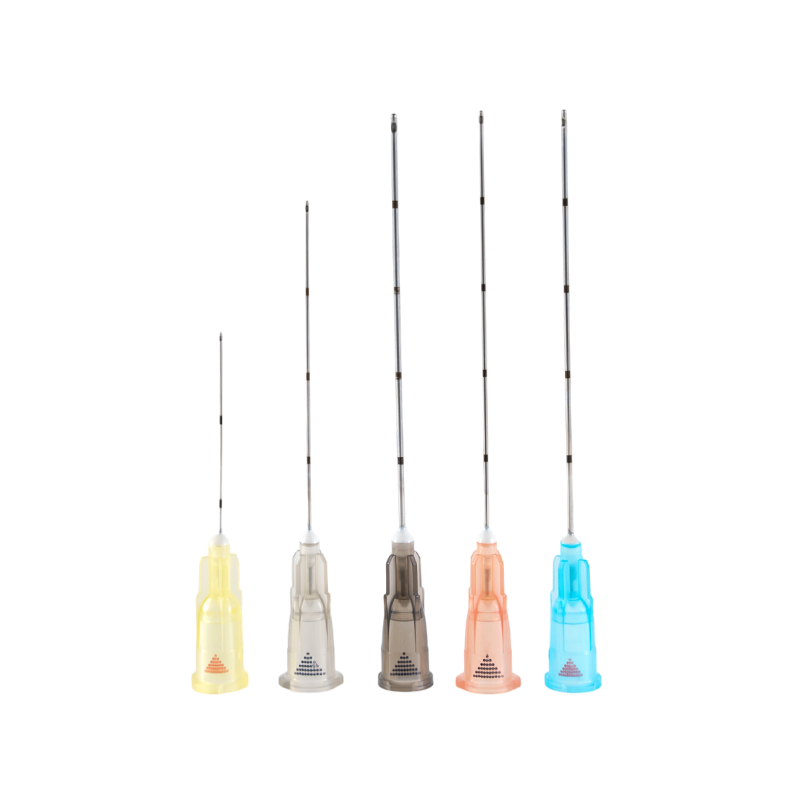
There are three kinds of the tip types, Sealed-circle with 2 side holes, sealed-...
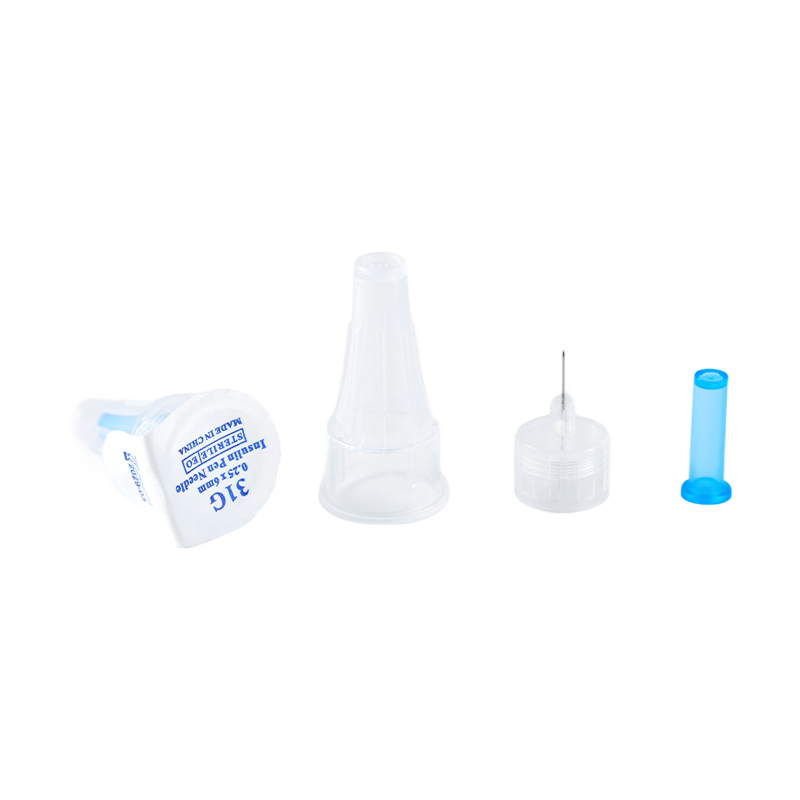
Assembling with insulin pen, for insulin hypodermic injection.The plastic parts ...
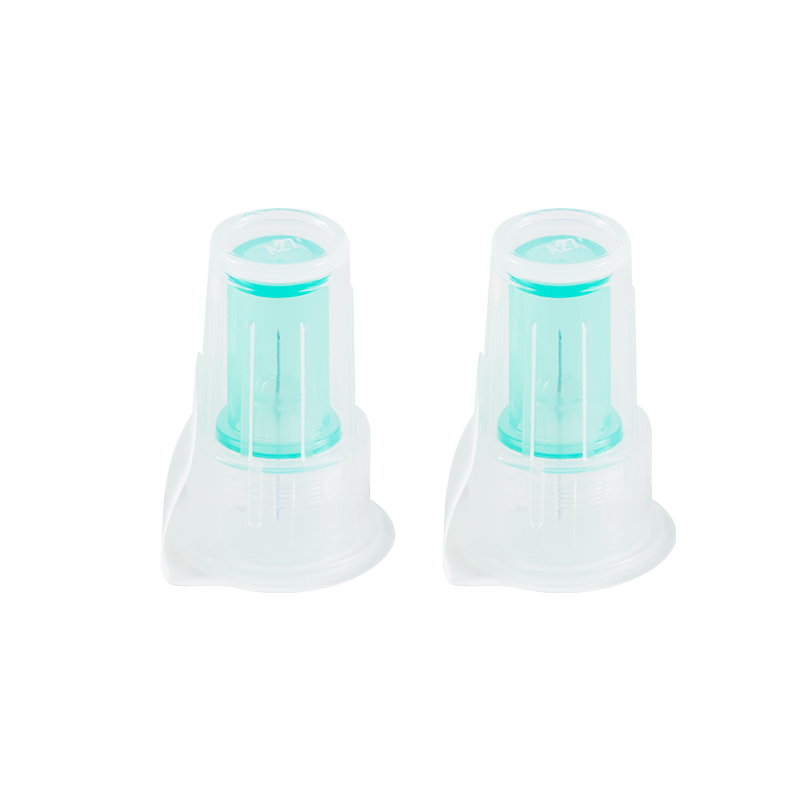
Used in conjunction with an insulin pen, it is used for subcutaneous injection o...
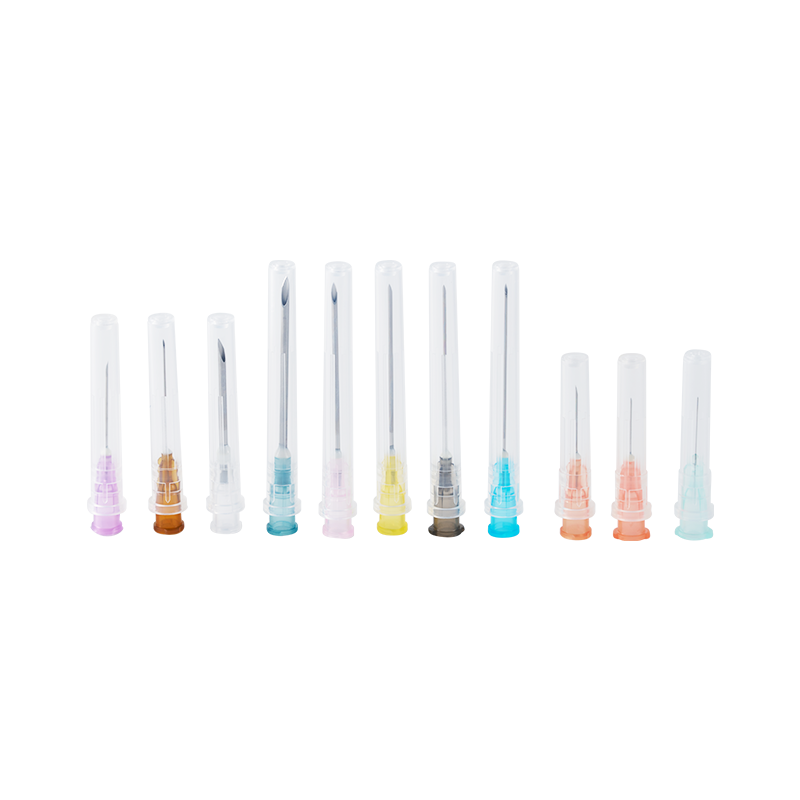
The cannula is made of high quality austenite stainless steel.All the components...
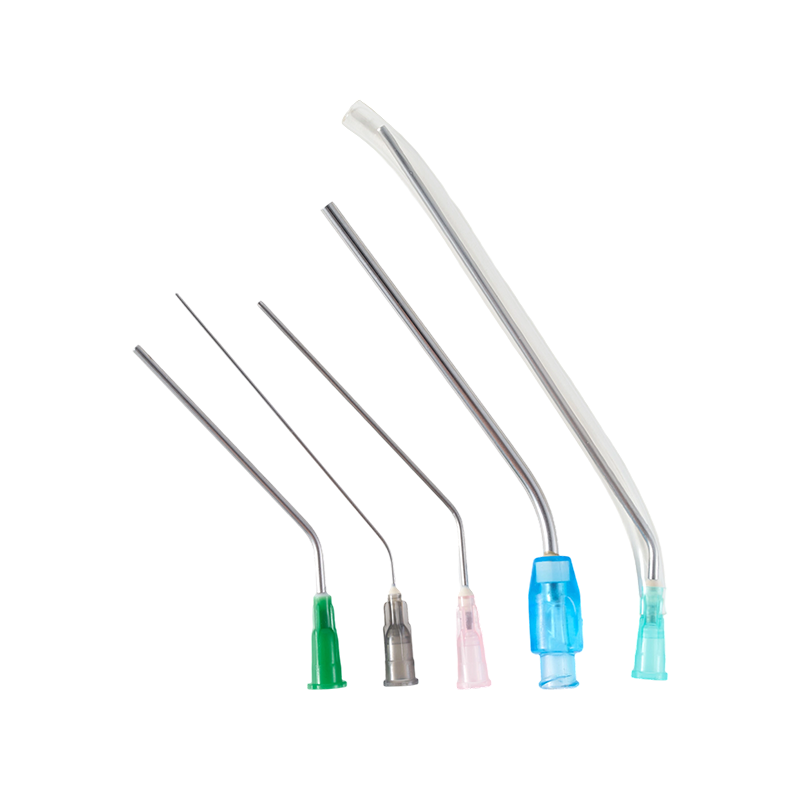
The material of the needle is Medical grade SUS304,which have great stiffness, t...
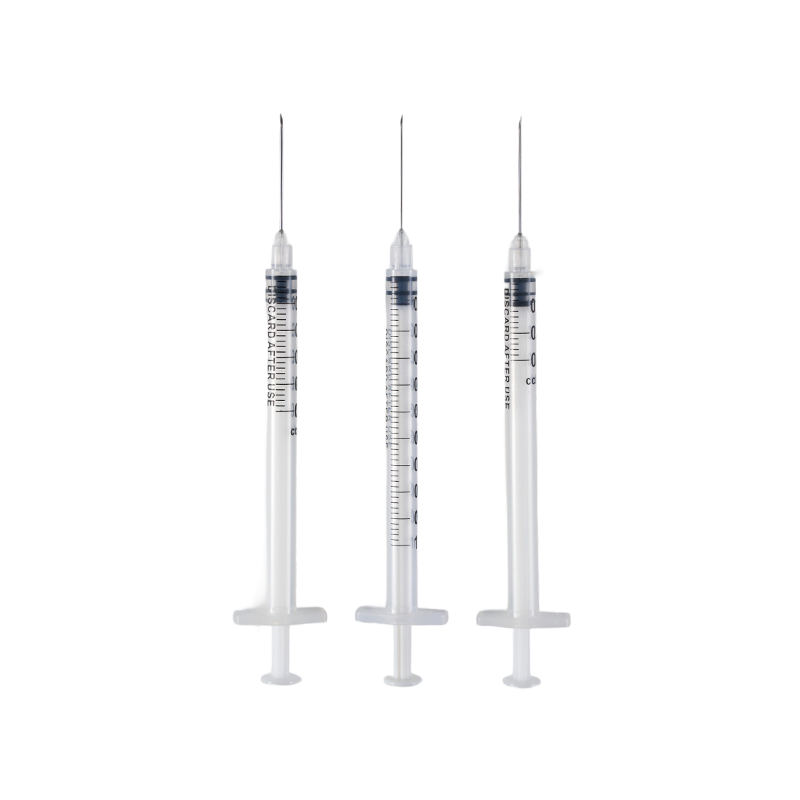
The barrel is made from high transparent polypropylene(PP),which have a bright a...
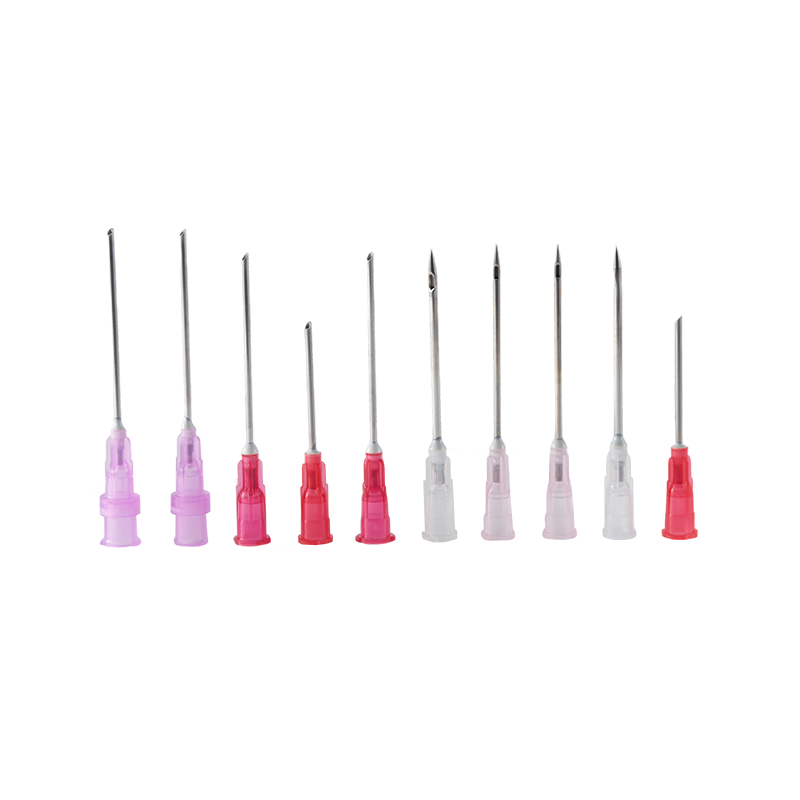
The cannula is made of high quality austenite stainless steel.The lancet tip is ...

Copyright© 2025 Zhejiang INI Medical Devices Co., Ltd.
Approval No:20150049
Medical Device Manufacturers
Disposable Medical Syringes Factory
