


 English
 Español
 中文简体
中文简体Don't hesitate to send a message
The design and production comply with ISO8537. The plastic parts are moulded by ...
Choosing a medical product manufacturer is rarely a simple purchasing decision. A syringe needle may look like a small item, but it can become part of a much larger healthcare supply process. Buyers need to consider not only the product itself, but also how the manufacturer handles production, communication, packaging, quality management, and customer requirements.
For distributors, medical supply companies, healthcare organizations, and other industry buyers, the choice of a Syringe Needle Manufacturer can affect daily purchasing work. A supplier may offer products that appear similar, yet the way those products are developed, produced, documented, and supplied can differ.
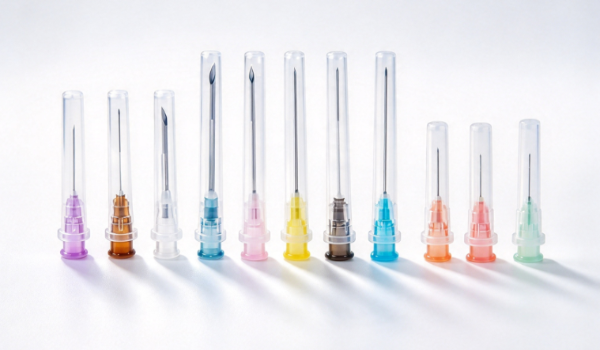
This makes evaluation an important part of medical sourcing. Buyers need clear information before placing an order. They also need to understand whether a manufacturer can respond to the intended application rather than simply provide a general product category.
A practical evaluation does not have to be complicated. By looking at several connected areas, buyers can gain a clearer picture of whether a Syringe Needle Manufacturer fits their business needs.
A Syringe Needle Manufacturer is more than a company that produces a finished medical item. Its role can include product development, material selection, manufacturing, inspection, packaging, documentation, and communication with customers.
The exact scope of these activities can vary from one manufacturer to another. Some companies may focus on standard products, while others may work with customers that have specific application or packaging requirements.
This is why buyers should understand what a manufacturer actually does before comparing suppliers. A company may describe itself as a manufacturer, but the purchasing team still needs to understand which parts of the production process are handled directly and which may involve other parties.
Product knowledge is also worth considering. A manufacturer that understands how its products are used can usually communicate more clearly about product selection. This does not mean a supplier should make medical claims. It means the company should be able to explain its products in relation to their intended use.
Buyers can begin with a few simple questions:
These questions create a useful starting point without making the purchasing process unnecessarily complicated.
Product suitability should remain at the center of the evaluation. A syringe needle is purchased for a particular purpose, so the product needs to correspond with that intended application.
Buyers should avoid judging a manufacturer only by its product name or general category. Two products may appear similar in a catalog while being intended for different uses. Clear product information can help buyers understand these differences.
The intended healthcare setting also matters. A product used within one type of medical workflow may have different requirements from one used in another setting. Buyers therefore need to describe their application clearly when communicating with a manufacturer.
A useful evaluation can look at the relationship between the buyer's needs and the manufacturer's product offering.
| Buyer Consideration | What to Review |
|---|---|
| Intended use | Whether the product corresponds with the planned application |
| Product range | Whether the manufacturer offers suitable product categories |
| Product information | Whether descriptions are clear and easy to understand |
| Packaging | Whether packaging fits the buyer's handling and storage practices |
| Customer requirements | Whether the manufacturer can discuss application-related needs |
| Documentation | Whether relevant product information can be provided clearly |
| Supply process | Whether ordering and communication are practical for the buyer |
This approach keeps the evaluation focused on actual requirements. It also reduces the risk of choosing a supplier simply because its catalog looks broad.
Manufacturing capability is closely related to supply reliability. Buyers need to understand whether a manufacturer has an organized production process that can support the products being offered.
This does not mean that buyers need to understand every detail of manufacturing. In many cases, a general understanding is more useful. Buyers can ask how products are produced, how production is organized, and how the company manages product consistency.
The way a manufacturer responds to these questions can provide useful information. Clear answers may indicate that the company has a defined approach to production and customer communication.
Buyers can also ask whether the manufacturer has experience with the type of product they are sourcing. Experience alone should not be treated as a guarantee, but it can help buyers understand whether the company is familiar with similar product requirements.
Production capability becomes especially relevant when a buyer has ongoing supply needs. A one-time purchase and a continuing supply relationship may involve different expectations.
For regular purchasing, buyers may want to understand:
These points can help buyers look beyond the appearance of a finished product and understand the manufacturing side of the relationship.
Quality management is another important part of supplier evaluation. Medical products need to be handled carefully throughout production and supply. Buyers should therefore look for clear information about how a manufacturer manages product quality.
The purpose of this review is not to collect impressive-sounding claims. It is to understand how the manufacturer approaches quality in everyday production.
Buyers can ask about inspection procedures, product checks, documentation, and how the company responds when a product-related issue is identified. The answers should be understandable and relevant to the products being considered.
Documentation can also provide useful insight. Clear records and product information can make communication easier between manufacturers, distributors, and purchasing teams.
A buyer may want to consider the following questions:
A useful supplier evaluation should focus on evidence and communication rather than broad promotional language. Buyers can then make decisions based on information that relates directly to their purchasing needs.
A suitable syringe needle still needs to reach the customer in a form that fits the intended supply process. Packaging therefore deserves attention during manufacturer evaluation.
Medical supply buyers may handle products through warehouses, distribution centers, clinics, or other organized storage environments. Packaging needs to support identification, handling, and storage according to the buyer's own procedures.
The manufacturer should be able to explain how products are packaged and what information is provided on the packaging. Buyers may also need to discuss labeling requirements or other product identification needs.
Supply communication matters as well. A manufacturer can produce a suitable product, but purchasing becomes difficult if product information, order communication, or packaging details are unclear.
This is particularly important for distributors. A distributor may need to pass product information from the manufacturer to other customers. Clear and consistent information can make that process easier.
When reviewing a manufacturer, buyers can therefore consider three connected areas:
These areas may not receive as much attention as the product itself, but they can influence the practical side of a long-term purchasing relationship.
Communication is often underestimated during supplier selection. A buyer may compare several manufacturers based on product information, but the quality of communication can become much more noticeable after cooperation begins.
A good purchasing discussion should allow both sides to explain requirements clearly. Buyers should be able to ask questions without receiving vague answers. Manufacturers should also be able to explain what they can and cannot provide.
This is particularly relevant when a buyer has requirements that are not covered by a standard catalog. Instead of assuming that every request can be accepted, a responsible manufacturer should review the requirement and provide a clear response.
Communication can be evaluated before an order is placed. Buyers can observe whether the manufacturer:
The purpose is not to find a supplier that simply says yes to every request. A clear and realistic answer can be more useful than an overly broad promise.
For medical product sourcing, accurate communication can help prevent misunderstandings between purchasing teams and manufacturers. It also gives both parties a better understanding of the actual requirements.
Samples can give buyers a more practical way to examine a product before entering into a larger supply relationship. They allow the purchasing team to look at the product and its packaging rather than relying entirely on a written description.
The evaluation should remain connected to the intended application. Buyers can compare the sample with the product information provided by the manufacturer and check whether the two match.
Packaging can also be reviewed at this stage. Product identification, presentation, and handling can be considered together with the physical product.
Documentation is another useful source of information. Buyers may request relevant product documents and compare them with the information already discussed. If different materials contain unclear or inconsistent descriptions, the buyer can ask the manufacturer for clarification before moving forward.
A sample review can therefore cover several areas:
A sample is not a substitute for a complete supplier assessment. It is one part of the process. Used together with product information and communication, it can give buyers a more practical basis for comparison.
A supplier that appears suitable for one order may not necessarily be the right fit for an ongoing business relationship. Buyers with continuing medical supply needs should consider how the manufacturer could support future purchasing requirements.
Long-term sourcing can involve changes in demand, product selection, packaging needs, documentation, and internal purchasing procedures. The manufacturer should have a communication process that allows these matters to be discussed when they arise.
Buyers can also consider whether the manufacturer understands the difference between a single request and a continuing supply relationship. A long-term partnership often requires more than product availability. It requires organized communication and a shared understanding of product requirements.
This is where supplier evaluation becomes more than a comparison of product catalogs.
A buyer may ask:
These questions can help buyers assess the relationship from a broader business perspective.
For companies sourcing syringe needles, the goal is not simply to locate a manufacturer that offers a particular product. The more useful approach is to understand how the manufacturer connects product development, production, quality management, packaging, communication, and supply with the buyer's actual needs.
A careful evaluation gives purchasing teams more information to work with. It also gives manufacturers an opportunity to explain how their products and production processes fit different healthcare supply requirements.
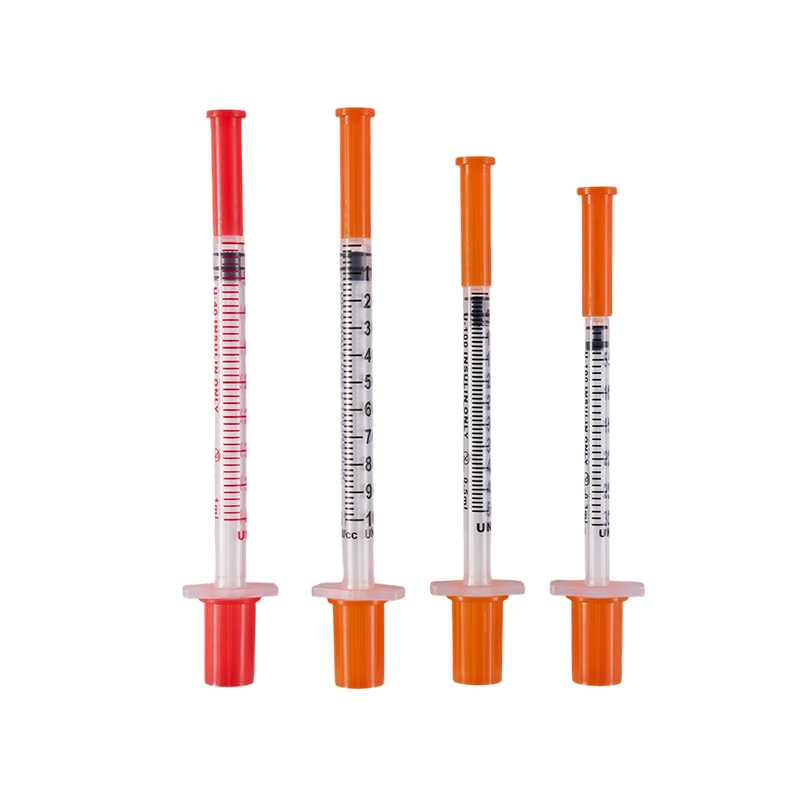
The design and production comply with ISO8537. The plastic parts are moulded by ...
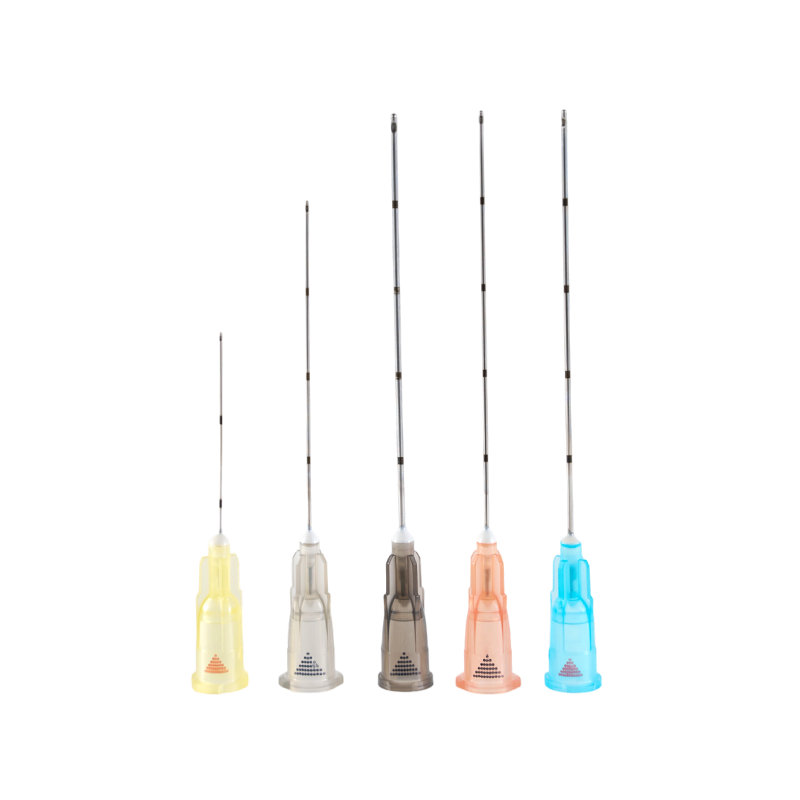
There are three kinds of the tip types, Sealed-circle with 2 side holes, sealed-...
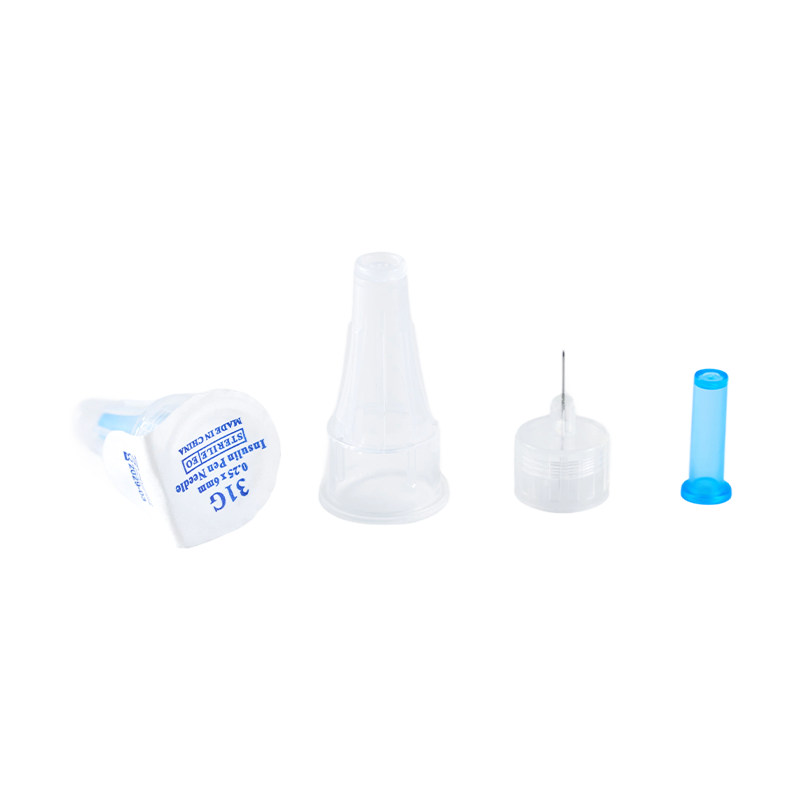
Assembling with insulin pen, for insulin hypodermic injection.The plastic parts ...
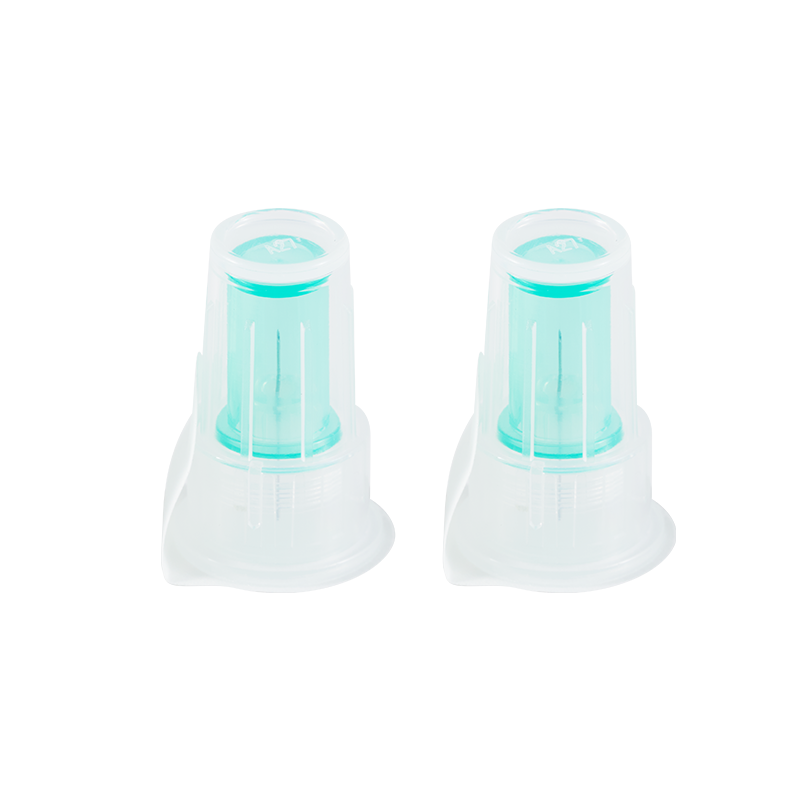
Used in conjunction with an insulin pen, it is used for subcutaneous injection o...

The cannula is made of high quality austenite stainless steel.All the components...
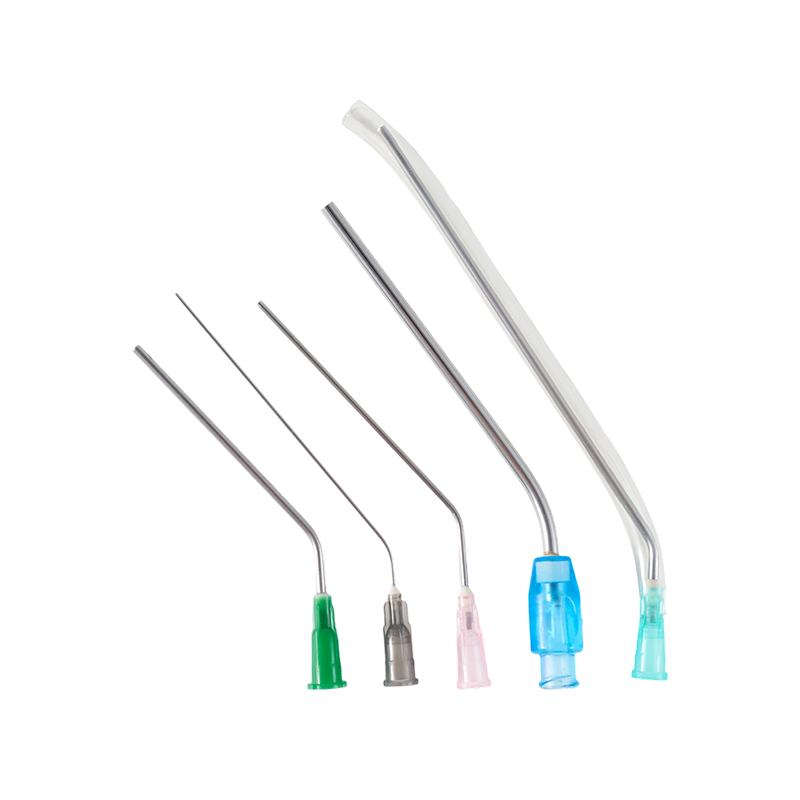
The material of the needle is Medical grade SUS304,which have great stiffness, t...

The barrel is made from high transparent polypropylene(PP),which have a bright a...

The cannula is made of high quality austenite stainless steel.The lancet tip is ...

Copyright© 2025 Zhejiang INI Medical Devices Co., Ltd.
Approval No:20150049
Medical Device Manufacturers
Disposable Medical Syringes Factory
