


 English
 Español
 中文简体
中文简体Don't hesitate to send a message
The design and production comply with ISO8537. The plastic parts are moulded by ...
Medical care involves many products that may seem simple but have an important place in everyday work. A Disposable Injection Syringe is one of them. It is used in many healthcare situations where medication or another prescribed substance needs to be delivered through injection.
The role of the syringe is closely connected with routine medical work. Healthcare professionals need products that can be prepared, handled, and used as part of an organized procedure. A disposable design also fits healthcare practices where a product is intended for single use.
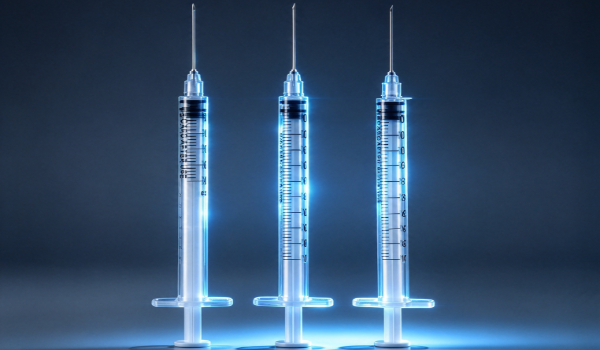
Although the syringe itself is a familiar medical item, its place in healthcare is connected with several factors. These include handling, preparation, storage, packaging, intended use, and supply management. The needs of a hospital may also differ from those of a clinic, care center, or other healthcare setting.
For medical product buyers and suppliers, understanding these differences can make product selection more practical. It also helps explain why disposable injection syringes continue to be part of everyday medical care.
A disposable injection syringe is designed for use during an injection procedure. Its basic role is to help a healthcare professional prepare and deliver a substance according to the relevant medical procedure.
The product can become part of several stages of routine work. It may be taken from its packaging, prepared for use, handled by a trained professional, and then managed after the procedure. Each stage needs to fit the working environment.
The simple appearance of a syringe does not mean that every product is intended for the same purpose. Different medical applications can require different product choices. The intended use, handling requirements, and healthcare environment all matter.
For this reason, a Disposable Injection Syringe is better viewed as part of a wider medical workflow rather than as an isolated product. Its value comes from how it fits into the procedure for which it is intended.
Single-use design is closely associated with the way disposable medical products are handled. A product intended for one procedure can move through a straightforward workflow from packaging to use and subsequent disposal.
This approach can make product management easier for healthcare workers. There is less need to consider how a used syringe might be prepared for another procedure. Instead, the product is handled according to the relevant single-use practice and disposal requirements.
Single-use products can also support clear separation between unused and used medical supplies. This matters in busy healthcare environments where many procedures may take place during the same working period.
The purpose of a disposable syringe is not simply to offer convenience. Its design needs to correspond with the medical procedure, the intended application, and the handling practices of the facility using it.
For buyers, this means that disposable status should be considered together with other product characteristics. A suitable choice depends on the actual application rather than on the disposable feature alone.
Healthcare work often follows an organized routine. Supplies need to be available when required. Products must also be easy for authorized personnel to identify and handle.
A disposable injection syringe can fit into this workflow without requiring a separate process for repeated use. A healthcare professional can select the appropriate product, prepare it according to the procedure, perform the injection, and handle the used item in line with facility practices.
This can be particularly relevant in environments where many different medical supplies are managed at the same time. Clear packaging and organized storage can help staff identify products before use.
The surrounding workflow matters as much as the syringe itself. A product may be suitable for a particular procedure, but it still needs to arrive in appropriate packaging, remain properly stored, and be available when needed.
| Healthcare Workflow | Role of the Disposable Injection Syringe |
|---|---|
| Product preparation | Provides a designated item for the intended injection procedure |
| Medical procedure | Supports the delivery stage of the procedure |
| Product handling | Allows staff to manage an item intended for single use |
| Supply management | Can be stored and organized with other disposable medical supplies |
| Post-use handling | Enters the facility's established disposal process |
This relationship between product and workflow is important for medical supply buyers. Purchasing decisions are often influenced by how easily a product can fit into existing working practices.
Product selection should begin with the intended medical application. A syringe used for one type of procedure may not necessarily be appropriate for another. Healthcare organizations therefore need to consider the actual purpose before making a purchasing decision.
Handling is another consideration. Medical staff work in environments where preparation needs to be clear and orderly. A product should fit the normal practices of the people who will use it.
Packaging can also influence purchasing decisions. Medical products are commonly managed in controlled storage areas, so packaging should support identification, storage, and handling requirements.
Suppliers may also need to consider consistency across their product range. Healthcare organizations may purchase several types of injection supplies for different applications. Clear product descriptions can make communication between buyers and suppliers easier.
Some useful questions include:
These questions can help move product selection away from simple price comparison. The focus becomes whether the product is appropriate for its intended role.
Disposable injection syringes can be found across different parts of the healthcare sector. Hospitals may use them as part of routine clinical work. Clinics can also require injection supplies for scheduled procedures.
Other healthcare environments may have their own requirements. The way a syringe is selected and managed can depend on the type of service provided, the people using the product, and the procedures performed at the facility.
Medical supply distributors also play a role in making these products available. They may serve healthcare organizations with different purchasing needs. Their customers can include larger institutions as well as smaller medical facilities.
The wide range of healthcare environments means that one product description may not answer every purchasing question. Buyers need information that connects the product with its intended application.
A supplier that understands this point can communicate more clearly with customers. Instead of describing a syringe only as a general medical product, the discussion can focus on its intended use, handling characteristics, packaging, and place within a healthcare workflow.
Manufacturers and suppliers have an important role in product communication. Healthcare buyers need clear information when comparing medical supplies. Ambiguous descriptions can make the purchasing process more difficult.
Product information should explain the intended use in direct language. It should also make clear whether a product is designed for single use and identify the relevant product category without making unsupported claims.
Packaging information is another area that deserves attention. Buyers often need to understand how products are presented and managed before they reach the point of use.
A clear supply relationship also depends on communication. Customers may have questions about product types, available options, packaging arrangements, or suitability for particular applications. Suppliers should provide factual information rather than relying on broad promotional statements.
This approach is particularly useful in the medical products industry. Healthcare organizations need to make purchasing decisions based on their own requirements. Clear information gives them a better basis for that process.
Manufacturers can also pay attention to the practical experience of users. Product development does not only involve the physical item. Packaging, labeling, storage, handling, and communication can all influence how a disposable syringe fits into daily work.
Healthcare practices continue to develop. Different facilities may adjust their workflows as patient needs, staffing arrangements, storage systems, and purchasing processes change.
Disposable injection syringes need to remain compatible with these practical needs. This does not necessarily mean adding unnecessary features. In many cases, useful development can come from better attention to handling, packaging, product identification, and application-specific requirements.
Medical supply purchasing is also becoming more focused on the relationship between products and workflows. Buyers may look beyond the basic function of an item and consider how it fits into storage, preparation, use, and post-use management.
This creates opportunities for manufacturers to listen more closely to healthcare professionals and purchasing teams. Feedback from actual working environments can help identify areas where product design or packaging may be improved.
For suppliers, the same shift can influence how products are presented. A detailed understanding of customer needs can make product communication more useful and reduce confusion during purchasing.
The disposable injection syringe may remain a familiar medical product, but its role is connected to a larger system. It sits within a process that includes manufacturing, packaging, distribution, storage, clinical preparation, medical use, and disposal.
Choosing a supplier involves more than checking whether a particular syringe is available. Medical buyers often need a reliable source of product information and clear communication throughout the purchasing process.
A supplier should be able to explain the intended application of its products in straightforward terms. Information about packaging, product categories, and available options should also be easy to understand.
Buyers can consider several areas when communicating with potential suppliers:
The relationship between buyer and supplier can have a direct effect on the purchasing experience. A clear discussion of requirements can help both sides understand what is needed before an order is placed.
For this reason, the Disposable Injection Syringe should not be considered only as a small medical supply item. It represents one part of a broader chain connecting manufacturers, suppliers, healthcare facilities, professionals, and patients.
As healthcare environments continue to manage large numbers of disposable supplies, practical product information becomes increasingly relevant. A syringe must have a defined purpose, fit the intended procedure, and move through the healthcare workflow in a clear and manageable way.
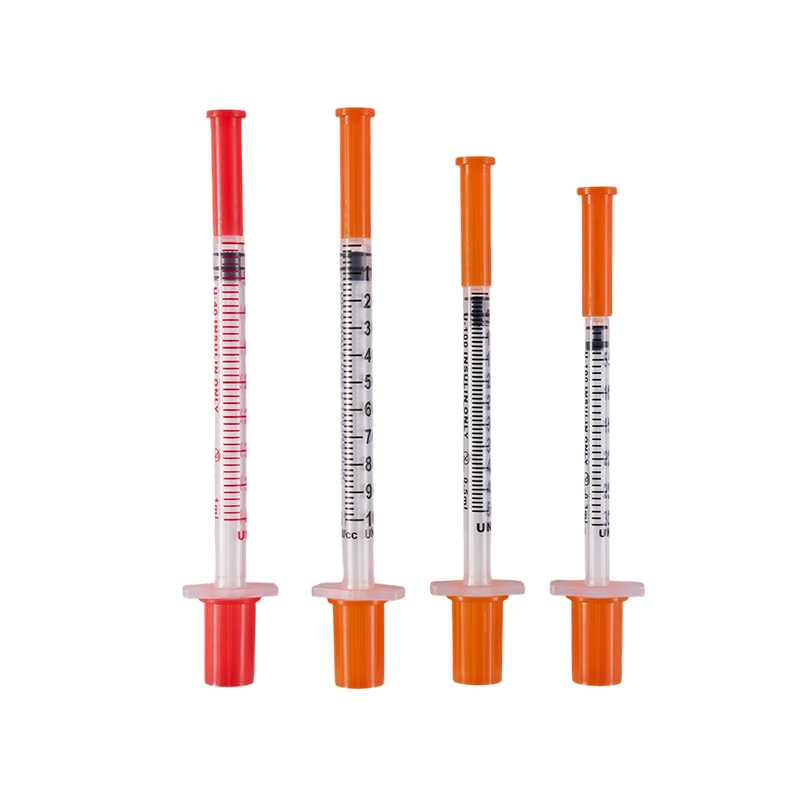
The design and production comply with ISO8537. The plastic parts are moulded by ...
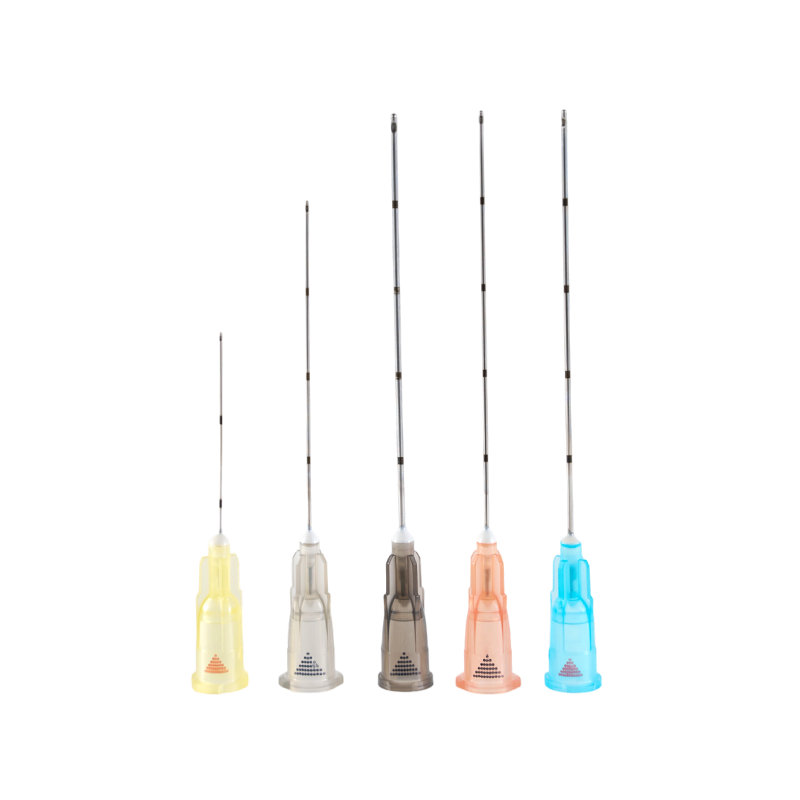
There are three kinds of the tip types, Sealed-circle with 2 side holes, sealed-...
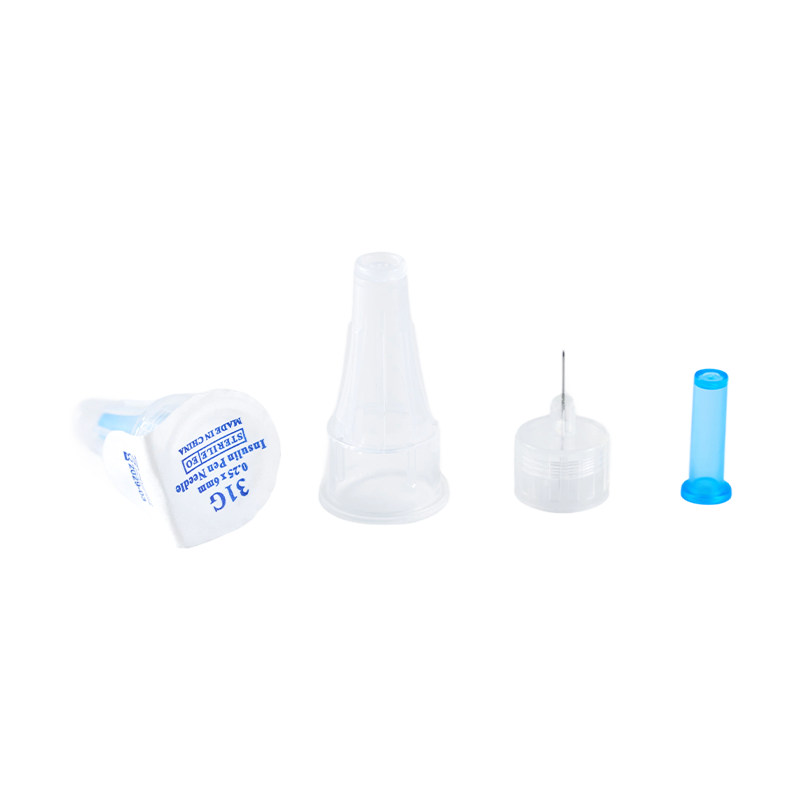
Assembling with insulin pen, for insulin hypodermic injection.The plastic parts ...
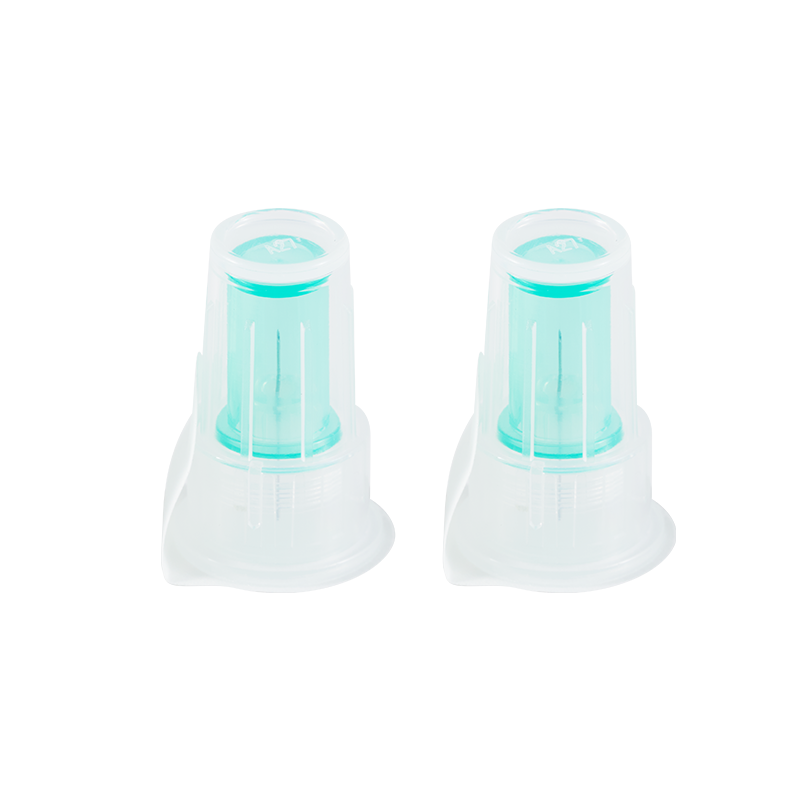
Used in conjunction with an insulin pen, it is used for subcutaneous injection o...
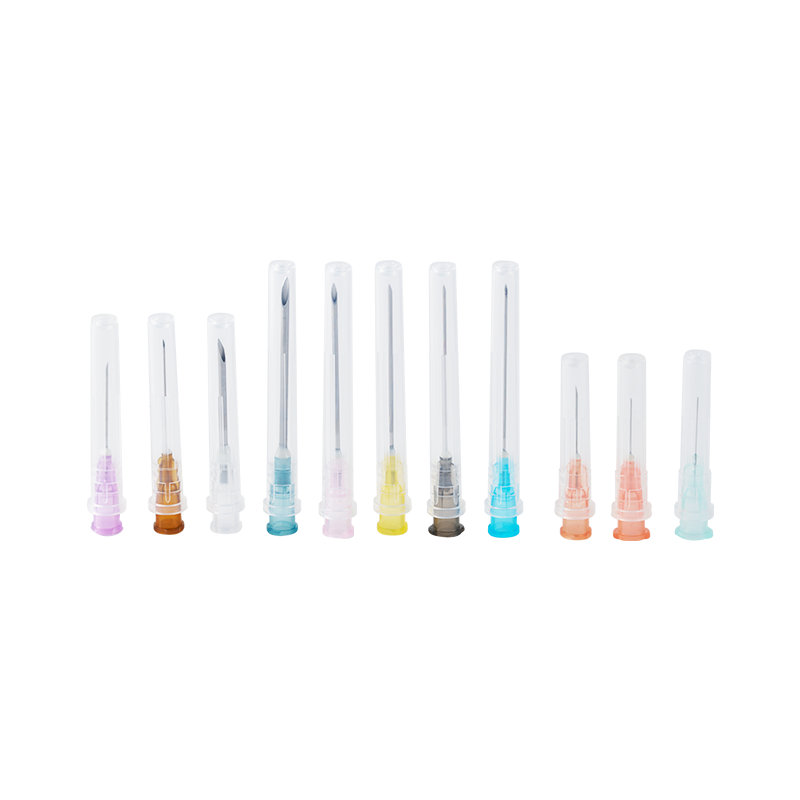
The cannula is made of high quality austenite stainless steel.All the components...
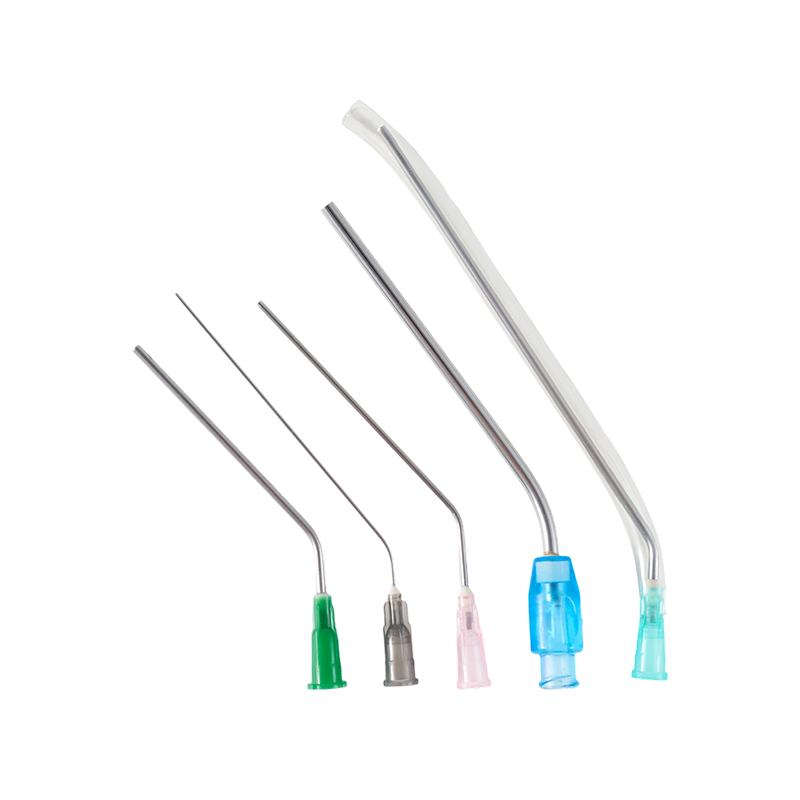
The material of the needle is Medical grade SUS304,which have great stiffness, t...
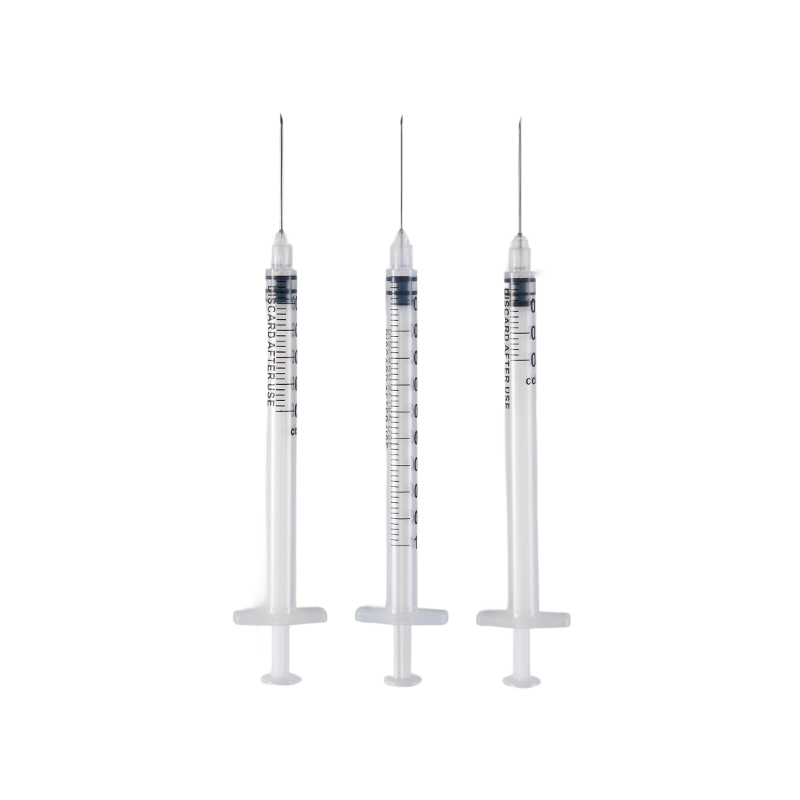
The barrel is made from high transparent polypropylene(PP),which have a bright a...

The cannula is made of high quality austenite stainless steel.The lancet tip is ...

Copyright© 2025 Zhejiang INI Medical Devices Co., Ltd.
Approval No:20150049
Medical Device Manufacturers
Disposable Medical Syringes Factory
