


 English
 Español
 中文简体
中文简体Don't hesitate to send a message
The design and production comply with ISO8537. The plastic parts are moulded by ...
A medical device may look simple when it reaches a hospital, clinic, laboratory, or other healthcare setting. Behind that finished product, however, there can be many stages of preparation and production.
A Medical Device Factory is involved in turning product requirements into physical medical products. Its work can include material preparation, component production, assembly, inspection, packaging, and production management.
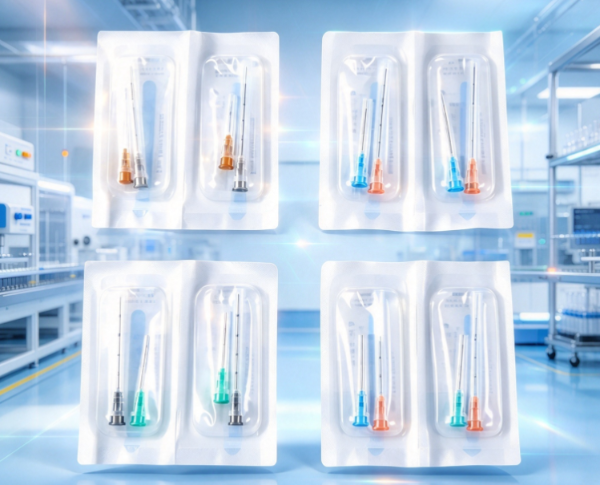
The exact work depends on the type of medical device being made. A disposable product may follow a different production route from a reusable device. A small medical component may also require a different process from a complete product.
For buyers, understanding what happens inside a Medical Device Factory can make supplier communication easier. It can also help companies evaluate whether a factory is suitable for a particular project.
The role of a factory is not limited to making products. It can connect product design with actual manufacturing needs. It can also help organize different stages so that the final product matches the agreed requirements.
The basic role of a Factory is to manufacture medical products according to defined product requirements.
That work can involve several connected activities. Materials need to be prepared. Components may need to be produced or purchased. Parts then move through assembly, inspection, packaging, and storage.
Some factories focus on particular types of medical products. Others handle several product categories. Their production methods may also differ depending on the product structure.
A factory may support activities such as:
These activities are connected. A problem in one stage can affect another stage later in the process.
For example, a component needs to match the product design before it enters assembly. The assembled product then needs to move into inspection and packaging in an organized way.
This makes factory management an important part of medical device manufacturing.
| Factory Activity | Main Purpose |
|---|---|
| Material preparation | Organize materials for production |
| Component production | Create parts used in medical products |
| Assembly | Bring components together |
| Inspection | Check products against requirements |
| Packaging | Prepare products for handling and distribution |
| Labeling | Provide product information |
| Production planning | Organize manufacturing activities |
| Custom production | Adjust products for specific requirements |
The exact combination depends on the factory and the medical products it produces.
A product design may begin as a drawing, sample, concept, or set of requirements. A factory needs to translate that information into a practical manufacturing process.
This is where manufacturing experience becomes useful.
A design may look straightforward on paper, but production can reveal details that are not obvious during the design stage. Components need to fit together. Materials need to move through the production process. Workers and equipment need to interact with the product in an organized way.
The factory can review the product requirements and determine how the production process should be arranged.
For a new medical product, this may involve several stages.
This connection between design and production can be particularly important for customized medical products.
A design needs to work not only as a drawing but also as a repeatable manufacturing product.
Many medical devices are made from several individual parts.
Some components may be produced inside the factory. Others may come from approved material or component suppliers. The factory then needs to organize these parts before they enter assembly.
Component quality and consistency can affect the next production stage. If a part does not match the agreed product design, assembly may become more difficult.
This is why component management is an important part of factory operations.
A Medical Device Factory may produce items such as plastic parts, metal components, molded pieces, small fastening parts, or other product-specific components.
The factory also needs to keep track of how these parts move through production.
Good organization can help prevent materials from being mixed or used in the wrong product. Clear product identification is useful when a facility handles several similar medical devices.
Component management is also connected to purchasing. A factory may need to coordinate with different material suppliers while keeping the final product consistent.
For buyers, this means it can be useful to ask how a factory manages both internally produced parts and externally sourced components.
The answer can reveal how well the factory understands the complete production process.
Assembly brings individual components together to create a finished or semi-finished medical product.
The process can be simple or involve several stages. A product may require components to be positioned, connected, fixed, or checked before moving to the next stage.
A factory organizes these activities around the product design.
Some assembly tasks may be performed manually. Others may use automated equipment. Many production environments use a combination of both.
Manual work can be useful when a task requires observation or adjustment. Automated equipment can support repeated actions that follow a stable sequence.
The appropriate balance depends on the product.
Medical device assembly also requires attention to the working environment. Products need to be handled in a way that fits their intended use and manufacturing requirements.
The factory may organize different work areas for component preparation, assembly, inspection, and packaging. This can help maintain a clear movement path for products.
Assembly is therefore not just about putting parts together. It is part of a larger production system.
Inspection is closely connected to manufacturing.
A Medical Device Factory needs to check products during production and after important manufacturing stages. The exact inspection process depends on the product.
Some checks may focus on appearance. Others may involve product assembly, component placement, labeling, packaging, or other agreed requirements.
Inspection can be performed at different points in the production process.
Checking only the finished product may not be enough for every manufacturing workflow. A factory may also review materials and components before they are used.
This approach can help identify issues earlier in the process.
Automated inspection can support some repetitive checking activities. Human inspection also remains useful for tasks that require observation and judgment.
The two approaches can work together.
For example, equipment may identify a product that does not match a defined requirement. An operator can then review the result and determine what action is needed.
This combination can make inspection part of the production workflow rather than treating it as a separate activity at the end.
For buyers, it is useful to understand what the factory checks and where those checks take place.
Clear inspection procedures can also help maintain consistency when products are manufactured repeatedly.
Packaging is another important part of medical device manufacturing.
A finished medical product needs suitable packaging before it moves into storage, transportation, or distribution. Packaging can also provide product information and support product identification.
The packaging process may include product placement, package preparation, labeling, sealing, inspection, and other activities depending on the product.
For some medical devices, packaging is closely connected with the production process. The product may move directly from assembly or inspection into packaging.
A factory needs to consider this flow when organizing its production area.
Packaging can also affect how easily products are handled after leaving the factory. Clear labeling and organized packaging can help distributors and other buyers manage inventory.
When a company has several similar products, packaging becomes even more important for product identification.
A Medical Device Factory may therefore work with buyers to confirm packaging requirements before regular production begins.
| Packaging Consideration | Why It Matters |
|---|---|
| Product placement | Helps keep products organized |
| Package design | Needs to fit the product |
| Labeling | Provides important product information |
| Product identification | Helps distinguish related products |
| Handling | Supports storage and movement |
| Inspection | Helps confirm packaging requirements |
The packaging process should fit the product rather than being added as an afterthought.
Not every medical device is produced from a standard design.
Some buyers need a product adapted to a particular application. They may require changes to the product shape, components, appearance, packaging, or assembly process.
A Medical Device Factory with custom manufacturing experience can work with these requirements.
Custom production often begins with communication. The buyer provides drawings, samples, product descriptions, or other information. The factory reviews the requirements and considers how they can be translated into production.
Samples can be useful during this stage. They give the buyer an opportunity to review the product before regular production.
The development process may involve adjustments. A component may need to be changed. A product shape may need refinement. Packaging may also need to be reviewed.
These changes are easier to manage when the buyer and factory communicate clearly.
Custom manufacturing also requires the factory to maintain the agreed product design once regular production begins.
For this reason, buyers should look beyond whether a factory simply accepts custom orders. They should consider how the factory communicates during development and how it manages the product after approval.
A custom product needs a clear path from an idea to a repeatable manufacturing process.
Choosing a factory involves more than checking whether it can produce a particular product.
Buyers need to consider whether the factory fits the actual needs of the project.
Product range is one factor. A factory may specialize in specific medical products while another may work across several categories.
Manufacturing capability is another consideration. Buyers may want to understand whether the factory handles component production, assembly, inspection, packaging, or a combination of these activities.
Communication also matters.
Product requirements can change during development. Questions may arise about materials, design, packaging, or production. A factory that communicates clearly can make these discussions easier to manage.
Buyers can review several areas before choosing a manufacturing partner:
| Buyer Concern | What to Review |
|---|---|
| Product experience | Whether the factory understands the relevant product category |
| Manufacturing scope | Which production stages are handled |
| Custom production | Whether specific product requirements can be discussed |
| Assembly | How the factory organizes product assembly |
| Inspection | How product requirements are checked |
| Packaging | Whether packaging needs can be supported |
| Communication | How product information and changes are managed |
| Repeat production | How agreed requirements are maintained |
The right questions depend on the project.
A buyer developing a new medical product may need more support during design and sampling. A company purchasing an established product may focus more on regular production, packaging, and order communication.
The factory's role can change with the project as well. It may act as a manufacturing partner during product development and later become part of the regular supply process.
Understanding this wider role can help buyers look at medical device manufacturing as a complete process rather than a simple purchase of finished products.
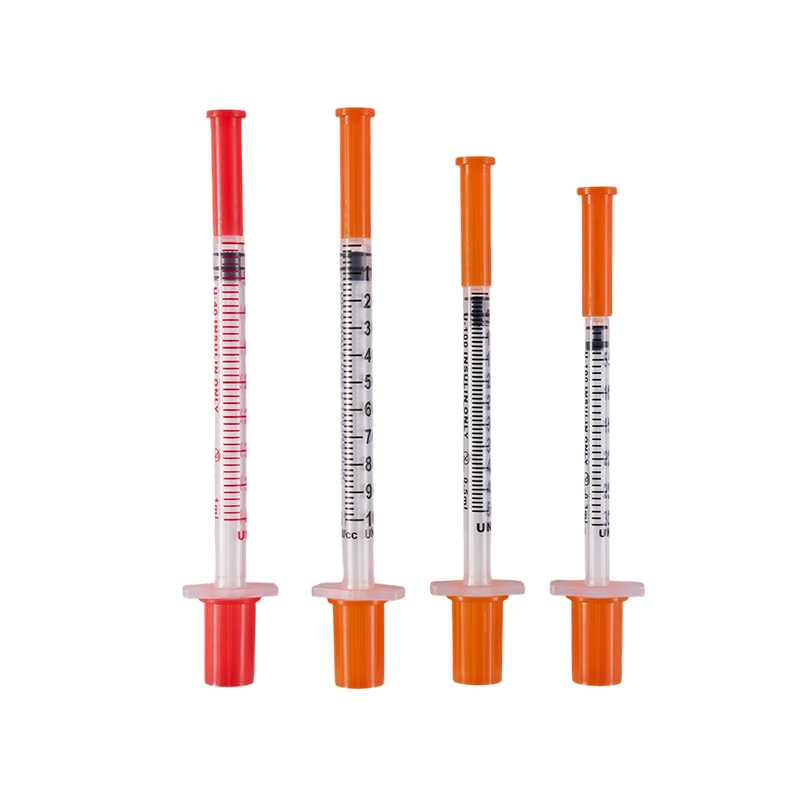
The design and production comply with ISO8537. The plastic parts are moulded by ...
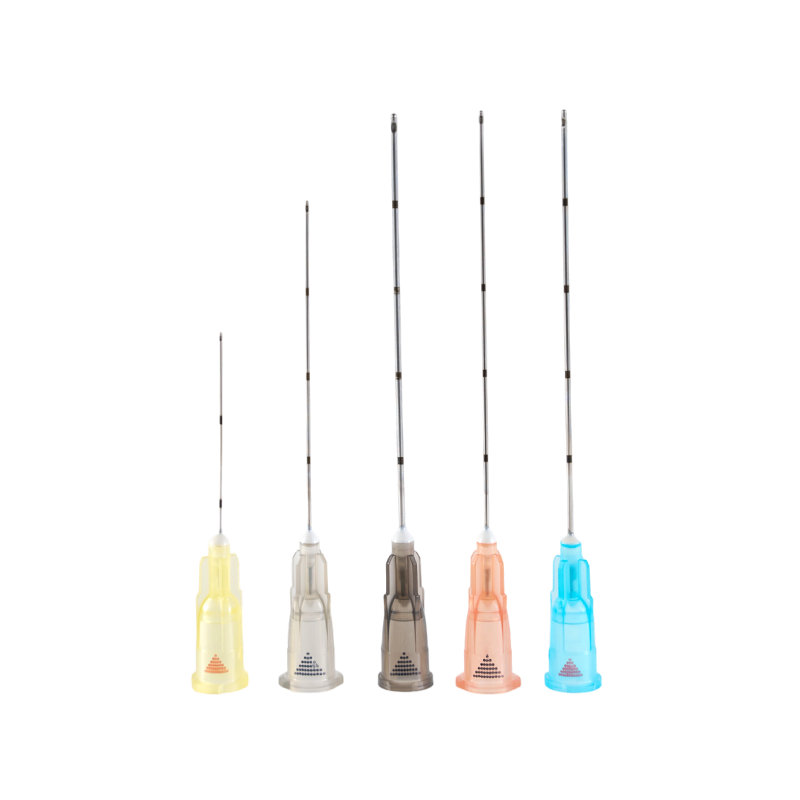
There are three kinds of the tip types, Sealed-circle with 2 side holes, sealed-...
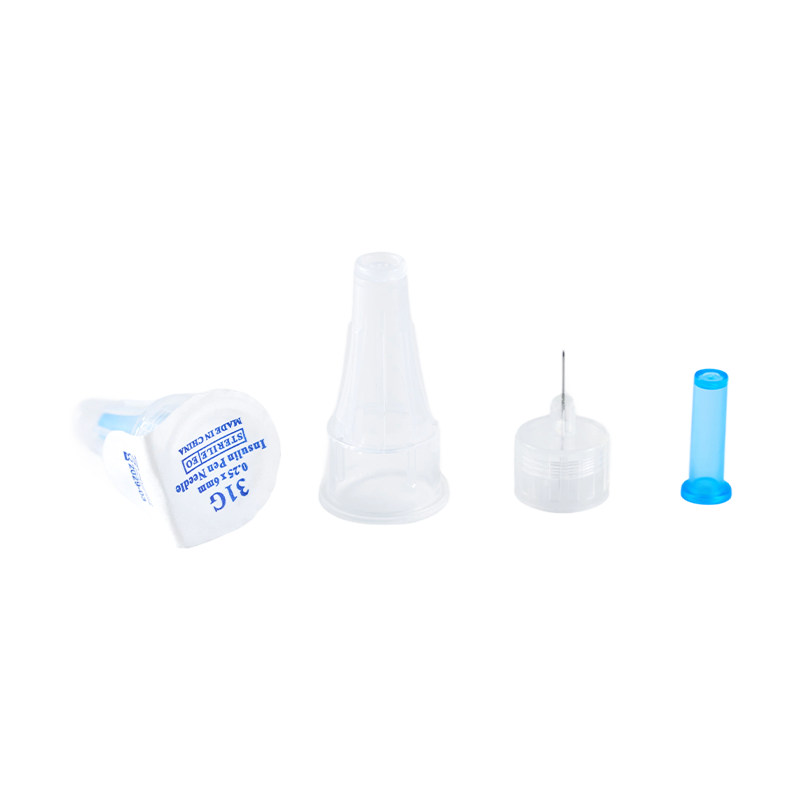
Assembling with insulin pen, for insulin hypodermic injection.The plastic parts ...
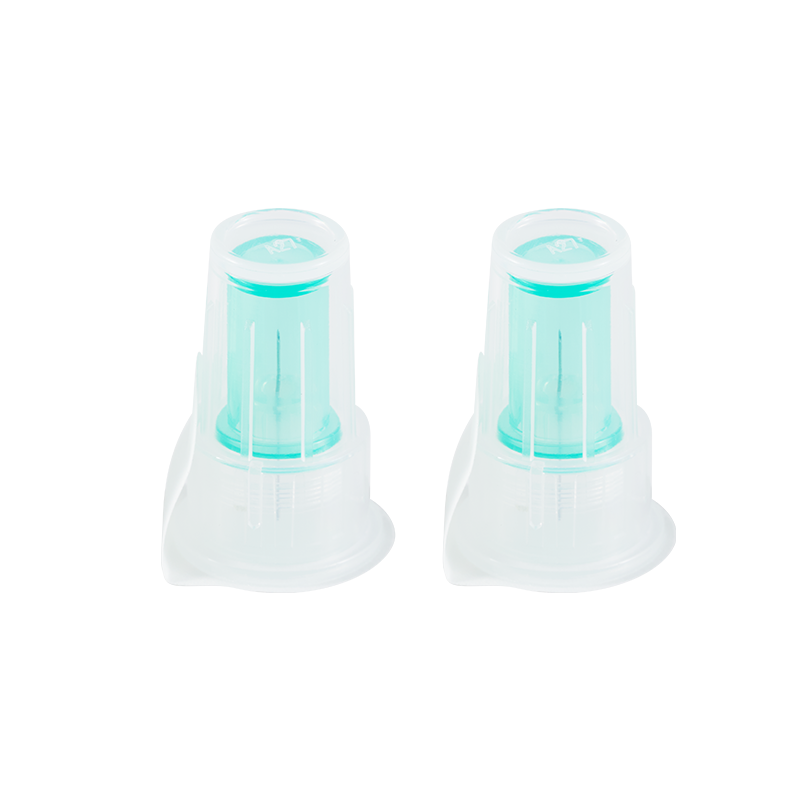
Used in conjunction with an insulin pen, it is used for subcutaneous injection o...
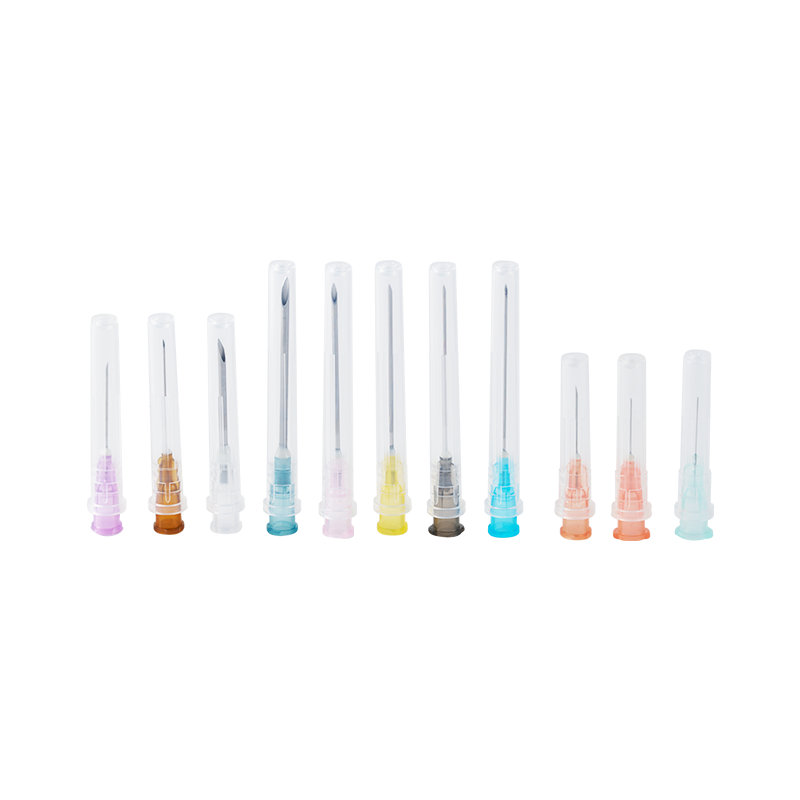
The cannula is made of high quality austenite stainless steel.All the components...
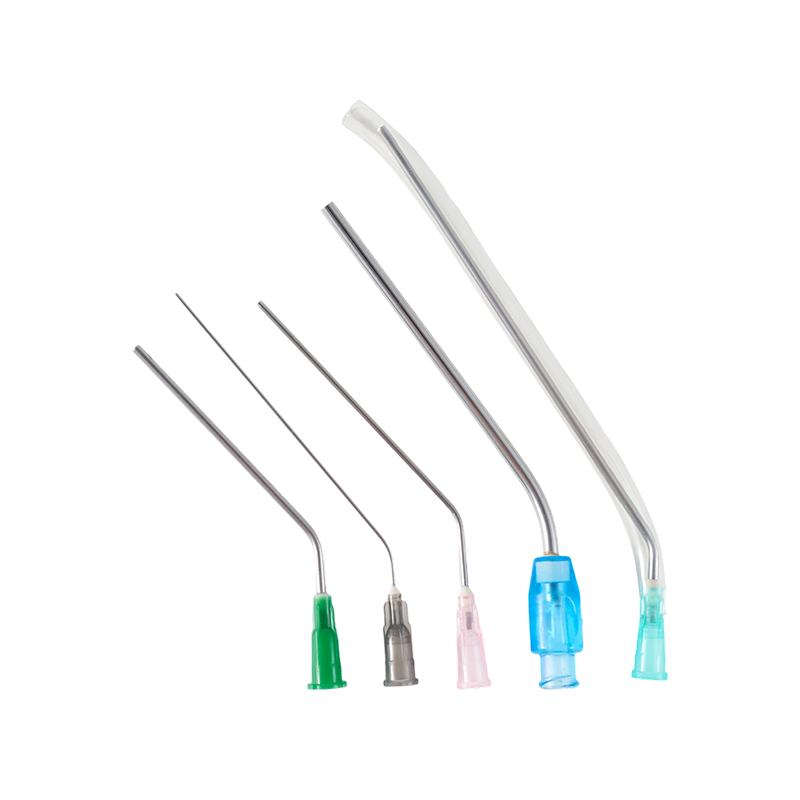
The material of the needle is Medical grade SUS304,which have great stiffness, t...
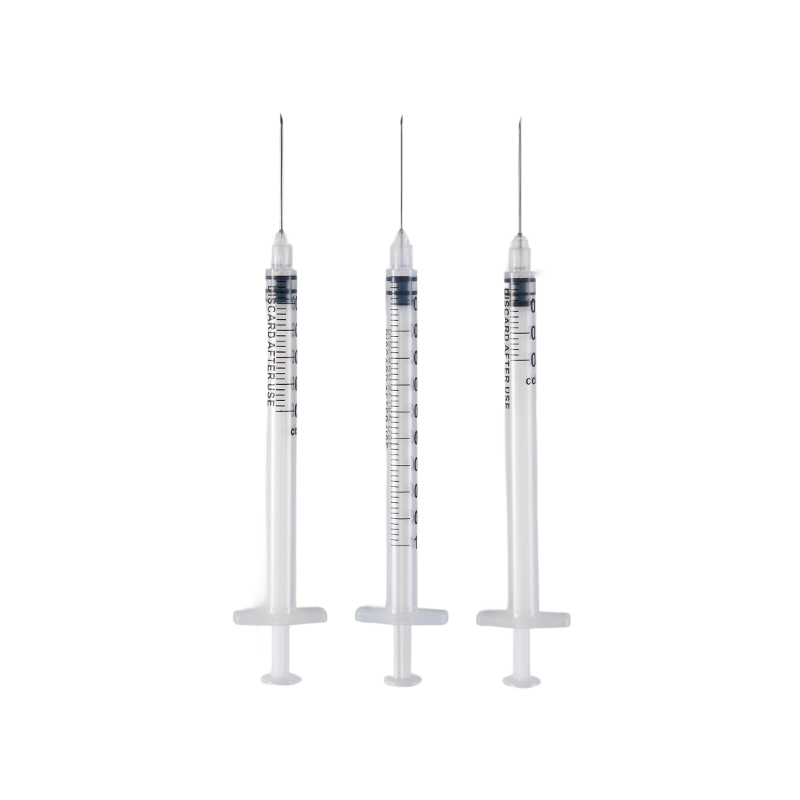
The barrel is made from high transparent polypropylene(PP),which have a bright a...

The cannula is made of high quality austenite stainless steel.The lancet tip is ...

Copyright© 2025 Zhejiang INI Medical Devices Co., Ltd.
Approval No:20150049
Medical Device Manufacturers
Disposable Medical Syringes Factory
