


 English
 Español
 中文简体
中文简体Don't hesitate to send a message
The design and production comply with ISO8537. The plastic parts are moulded by ...
Medical products often need to balance function, usability, appearance, and production needs. Even a small product such as an insulin syringe can involve several design decisions before it reaches a medical setting.
Colored Insulin Syringes are one example. Their color can make the product visually different from a standard design, but color is only one part of the purchasing decision. The syringe still needs to fit its intended application and work naturally within the surrounding process.

For buyers, the choice may involve product design, visual identification, material considerations, handling, packaging, manufacturing consistency, and supplier communication.
Different users may also have different priorities. A medical product manufacturer may focus on production and packaging. A distributor may pay closer attention to product appearance and storage. A healthcare organization may consider how easily products can be identified and handled.
This means there is no single factor that defines a suitable Colored Insulin Syringe. The better approach is to look at the complete product and how it fits into the intended use.
The purchasing process usually starts with a simple question: what is the syringe expected to do?
An insulin syringe is a functional medical product. Its basic purpose needs to remain clear even when the design includes a color element. Buyers should therefore consider the intended use before focusing on appearance.
The product may be used in a specific medical workflow, supplied as part of a larger product range, or selected to create visual differences between related products. Each situation can influence the purchasing requirements.
A useful starting point is to divide the decision into several areas.
| Consideration | Why It Matters |
|---|---|
| Intended application | Helps match the syringe with its planned use |
| Product design | Influences handling and overall appearance |
| Color | Supports visual differentiation |
| Material | Should suit the intended product environment |
| Packaging | Affects storage, handling, and product presentation |
| Manufacturing consistency | Helps maintain the same product characteristics |
| Supplier support | Makes communication and repeat purchasing easier |
Looking at these factors together can prevent the purchasing decision from becoming too focused on one visual feature.
Color may attract attention, but it should work as part of the overall product design.
Color can serve a practical purpose in medical product design.
When several products look similar, a visible difference can make them easier to distinguish. This may be useful during storage, handling, packaging, or product organization.
Colored Insulin Syringes can provide an additional visual element without changing the basic purpose of the syringe. The color may be applied to a selected part of the product, depending on the design.
For manufacturers, color can also be connected with product organization. A company may have several related products and want them to have different visual identities.
However, color should not be treated as a substitute for product information. Labels, packaging, product descriptions, and other identification methods still have their own roles.
The selected color should also fit the overall product design. A color that appears suitable in a product image may look different under actual working conditions or within different packaging.
This is why buyers should review the actual product or a suitable sample when color is an important part of the purchasing decision.
A syringe is more than a colored appearance. Its shape, structure, and overall design influence how it is handled and incorporated into a medical product workflow.
Buyers should consider whether the design matches the intended application. The product should be easy to identify and handle in the setting where it will be used.
The relationship between the syringe and its packaging is also worth considering. A product may look different when placed inside a package or stored with other medical items.
For manufacturers, product design can also affect production and assembly. If a Colored Insulin Syringe is part of a larger product range, the design needs to remain consistent with the company's product organization.
Small visual changes can matter when a product is sold under a particular product family. Buyers may therefore want to consider how the syringe fits with other medical products rather than examining it on its own.
Design discussions are particularly important for customized products. A buyer may have a specific appearance in mind, while the supplier may need to determine how that appearance can be incorporated into regular production.
Clear communication at this stage can help both sides develop a shared understanding of the final product.
Material is another important consideration when choosing insulin syringes.
Medical products come into contact with different environments and may be handled in different ways. The material used in a syringe should therefore be considered in relation to its intended application and product requirements.
Different materials can influence the appearance and feel of a product. They may also affect how the syringe fits within the wider manufacturing and packaging process.
For buyers, the material discussion should not be separated from the rest of the product. A material may appear suitable in isolation but may not fit the requirements of a particular design or production workflow.
Suppliers can help explain available material choices and their practical differences. Buyers can then consider those options based on the intended application.
The same approach applies when selecting a colored design. The color should be compatible with the overall product and should remain visually suitable throughout normal handling and packaging.
A clear material discussion can also help when a company plans to purchase the same product repeatedly. Once the product requirements are established, consistent communication becomes easier.
Visual identification is one reason manufacturers may consider colored medical products.
A product that has a distinct appearance can be easier to recognize among similar items. This may help with storage and product organization, especially when a facility handles several types of medical supplies.
Colored Insulin Syringes can become part of this visual organization.
For example, a manufacturer may use different visual designs across a product range. This can help workers distinguish products during handling. The same visual distinction may also continue into packaging and distribution.
Still, identification should not rely on color alone.
Medical products need clear product information. Packaging, labeling, and written instructions remain important. Color can work alongside these elements rather than replacing them.
The choice of color should also be practical. Buyers may want to consider whether the color is easy to distinguish in the intended environment and whether it remains clear when products are stored together.
This is particularly relevant when a company develops several syringe products. A consistent visual approach can make the product range easier to organize.
The goal is not simply to make a syringe colorful. The goal is to make the visual design useful within the product's actual environment.
A product may be designed well, but repeat production also matters.
When a company purchases Colored Insulin Syringes for ongoing use, it usually expects the products to remain consistent from one order to another. Changes in appearance or product characteristics can create unnecessary difficulties during packaging, distribution, and product management.
Manufacturing consistency includes more than color. The overall product should remain aligned with the agreed design.
This is why supplier evaluation can be an important part of the purchasing process.
Buyers may want to understand how a supplier manages production, inspection, material handling, packaging, and product records. Clear production procedures can help reduce differences between production batches.
For colored products, visual consistency deserves particular attention. A buyer may need the product appearance to match an established product range or packaging design.
Sample review can be useful before regular purchasing begins. It gives both parties an opportunity to confirm that the product appearance and design match the intended requirements.
Once the product enters regular production, clear records can also help maintain continuity.
This does not mean every buyer needs the same supplier management process. The appropriate level depends on the product and its role in the medical supply chain.
Packaging is easy to overlook when choosing a syringe, yet it can influence how the product is handled.
Colored Insulin Syringes may be stored, transported, displayed, or supplied in different packaging formats. The packaging should fit the product and support the intended handling process.
Product identification is also connected to packaging. If the syringe has a specific color, the package may need to present that product clearly.
For manufacturers and distributors, packaging can also affect inventory management. Clear product information can make it easier to distinguish related products during storage.
Several questions can help buyers review the packaging:
Packaging design should work together with the syringe rather than being considered as a separate issue.
A well-organized package can also support smoother movement through distribution and storage. This becomes increasingly useful when a company handles several related medical products.
The supplier can influence many parts of the buying experience.
For standard products, buyers may mainly need stable communication and regular supply. For customized Colored Insulin Syringes, the supplier may need to discuss design details, color choices, samples, packaging, and production requirements.
A supplier with experience in medical product manufacturing can make these discussions easier to organize.
Buyers should look at how clearly a supplier communicates. Product information should be easy to understand. Questions should receive clear responses. Changes should be recorded rather than relying only on informal conversations.
Manufacturing capability is another area worth reviewing. A supplier may provide standard products, custom products, or both. The right option depends on the buyer's requirements.
For companies planning repeat purchases, it can also be useful to understand how the supplier handles ongoing orders. Consistent product information and clear communication can make future purchasing more straightforward.
A simple supplier review can include:
| Supplier Factor | What Buyers Can Review |
|---|---|
| Medical manufacturing experience | Familiarity with medical product requirements |
| Product range | Availability of related syringe designs |
| Customization | Ability to discuss specific product needs |
| Sample support | Opportunity to review products before regular orders |
| Production management | Approach to maintaining product consistency |
| Packaging | Options for product handling and presentation |
| Communication | Clarity during development and purchasing |
| Repeat orders | Ability to maintain agreed product requirements |
The purchasing decision can then be based on the complete supply relationship rather than a single product feature.
It can.
A syringe used in one setting may have different purchasing priorities from a syringe supplied through another channel.
For example, a medical product manufacturer may focus heavily on compatibility with its own production and packaging process. A distributor may pay more attention to product presentation, storage, and product range organization.
A healthcare buyer may be more concerned with practical handling and clear identification.
These differences mean that buyers should define the intended application before comparing products.
The same Colored Insulin Syringe may be viewed differently by different users. One buyer may value color mainly for product differentiation. Another may consider it part of a broader product design.
Customization can also change the discussion. If the buyer needs a particular appearance or product arrangement, supplier communication becomes more important.
The most useful purchasing process is therefore built around the actual application.
Instead of asking only, "Which syringe should we buy?", buyers can ask:
These questions can make product comparison more practical and help purchasing teams focus on the factors that matter to their own workflow.
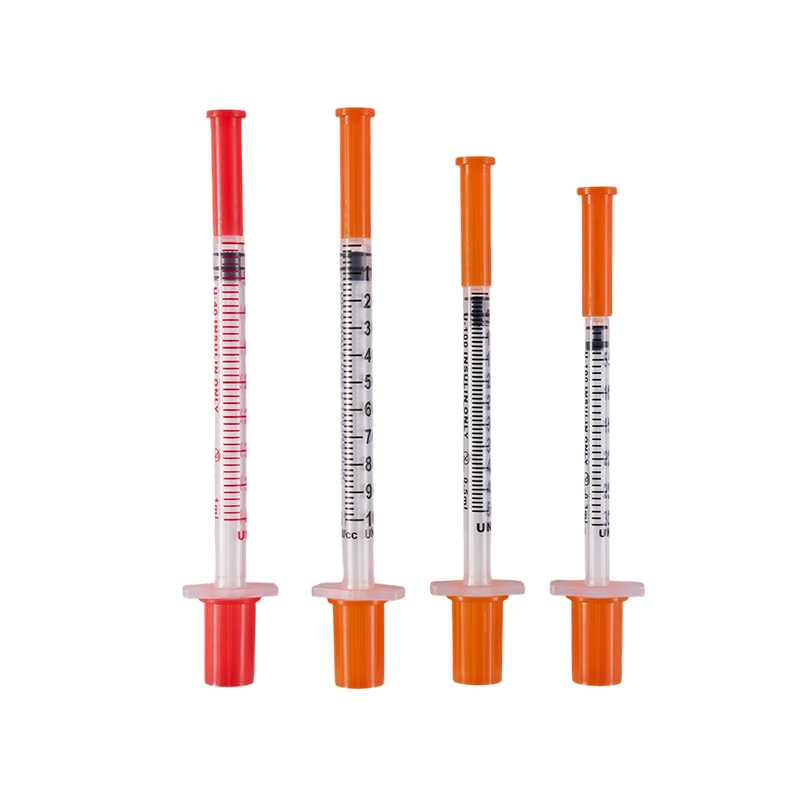
The design and production comply with ISO8537. The plastic parts are moulded by ...
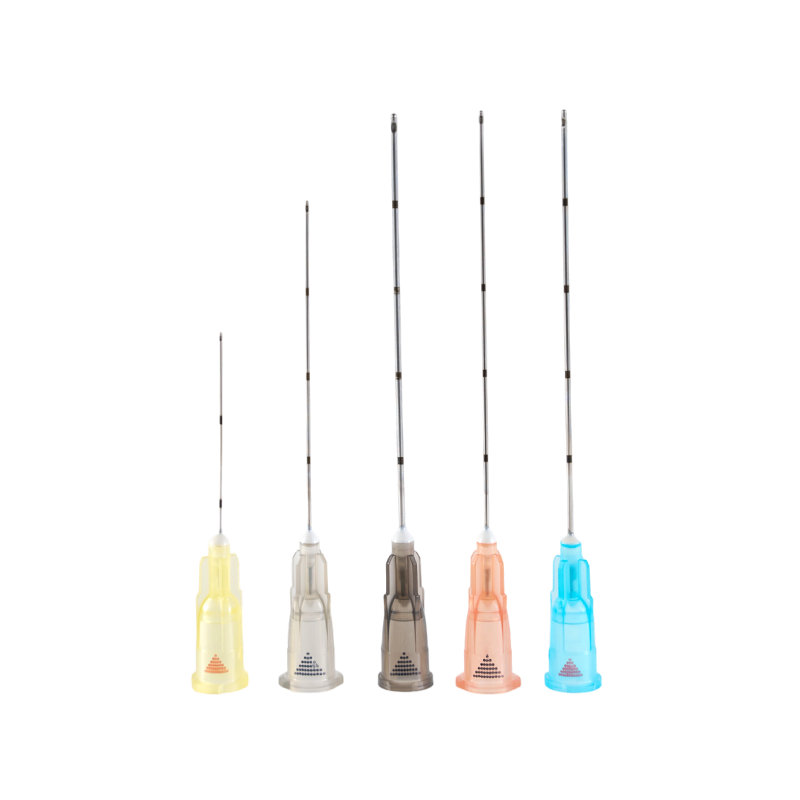
There are three kinds of the tip types, Sealed-circle with 2 side holes, sealed-...
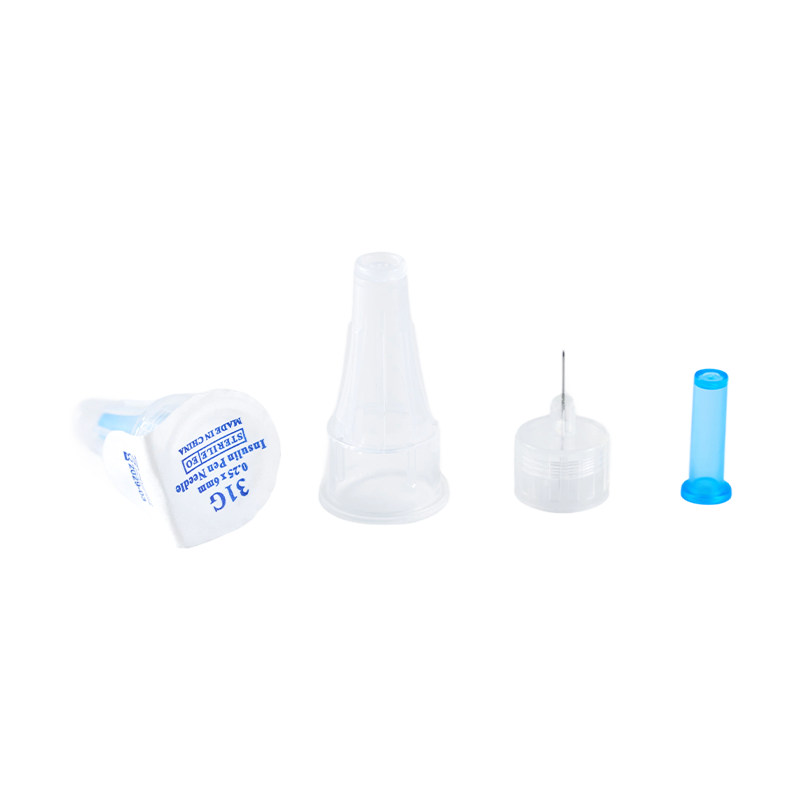
Assembling with insulin pen, for insulin hypodermic injection.The plastic parts ...
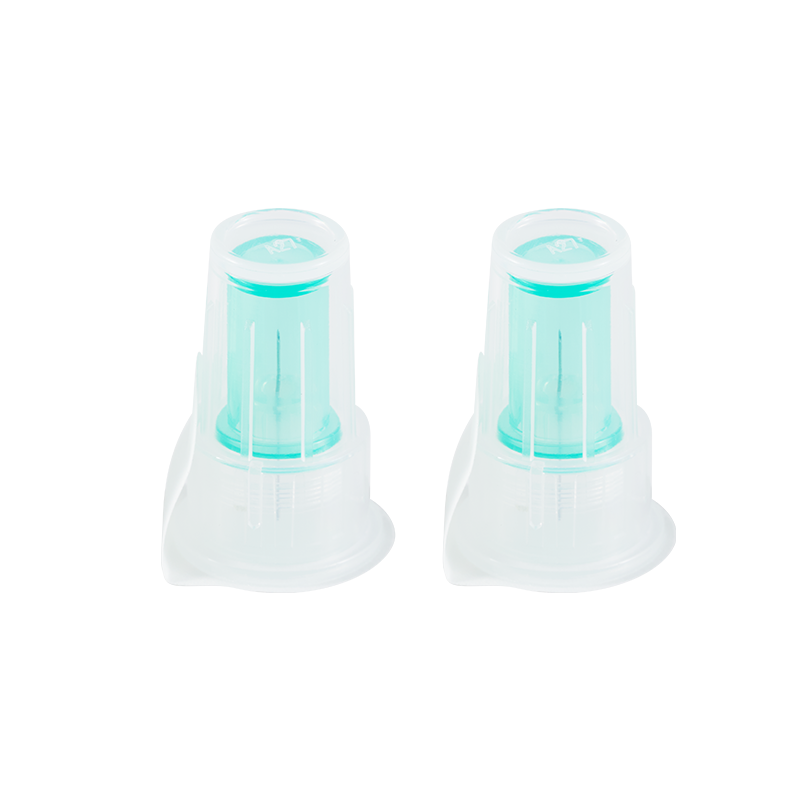
Used in conjunction with an insulin pen, it is used for subcutaneous injection o...
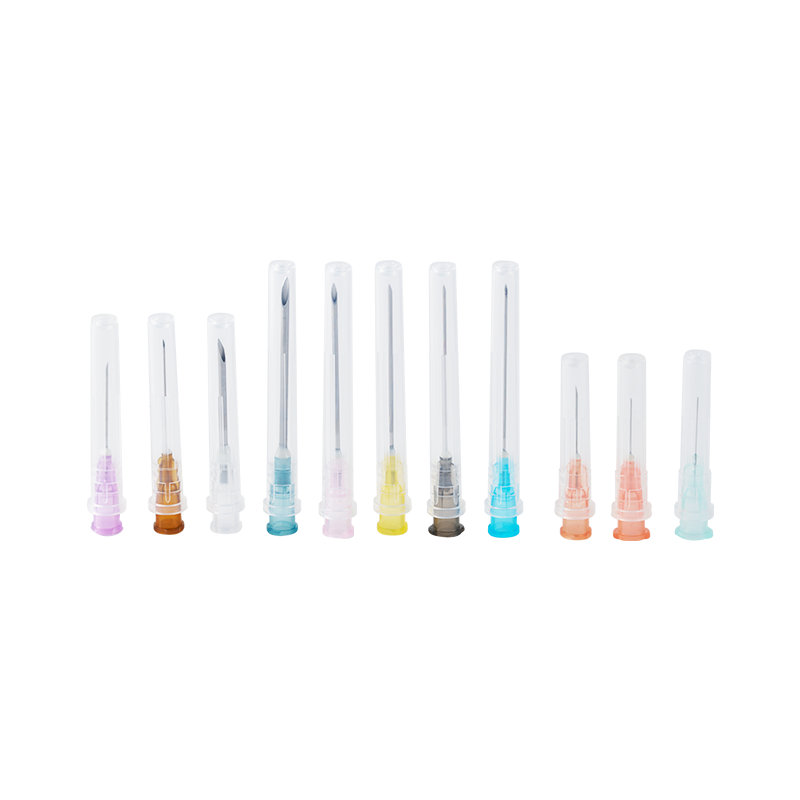
The cannula is made of high quality austenite stainless steel.All the components...
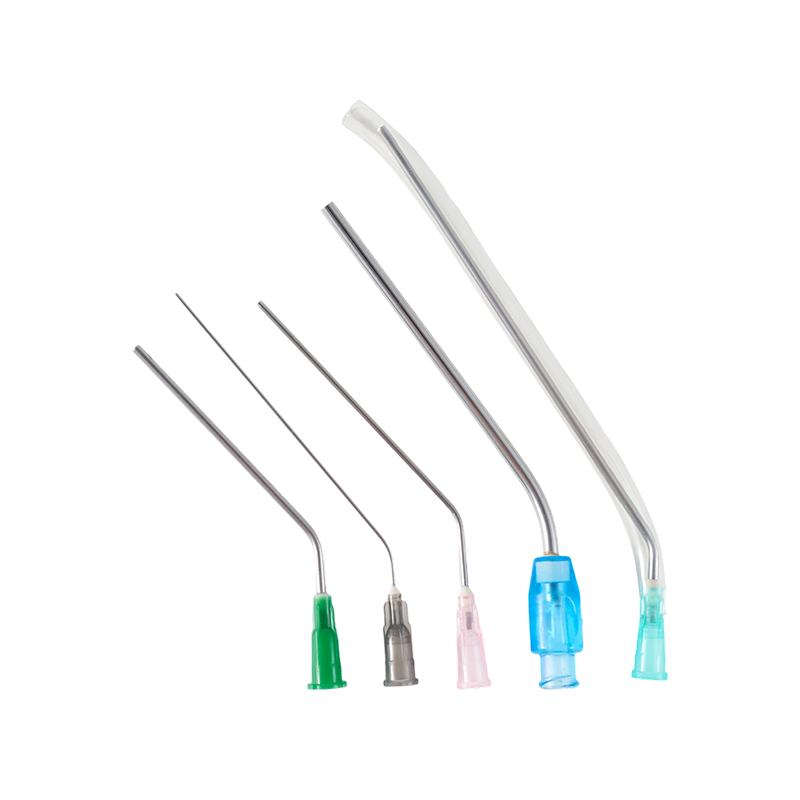
The material of the needle is Medical grade SUS304,which have great stiffness, t...

The barrel is made from high transparent polypropylene(PP),which have a bright a...

The cannula is made of high quality austenite stainless steel.The lancet tip is ...

Copyright© 2025 Zhejiang INI Medical Devices Co., Ltd.
Approval No:20150049
Medical Device Manufacturers
Disposable Medical Syringes Factory
