


 English
 Español
 中文简体
中文简体Don't hesitate to send a message
The design and production comply with ISO8537. The plastic parts are moulded by ...
Disposable medical devices may look simple when they reach a hospital, clinic, laboratory, or other healthcare setting. A product may be used for a short period and then discarded. That does not mean its manufacturing process is simple.
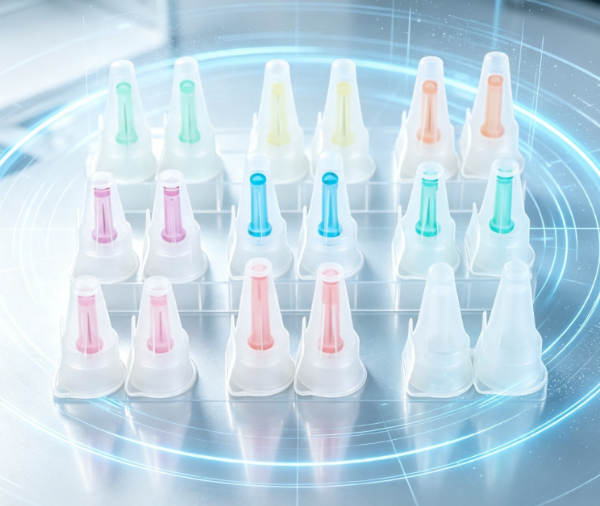
Behind a disposable medical device is a chain of activities. Materials need to be prepared. Components may need to be assembled. Products may need to be inspected, handled, identified, and packaged. Each stage has a role in creating the finished product.
Manufacturing connects these stages.
For a Disposable Medical Device Manufacturer, production is not only about making individual products. It is also about creating a repeatable process that can support the intended use of the device.
This makes manufacturing an important part of product development and supply.
The production process can influence how components come together, how products move between stages, and how the finished device is prepared for delivery. It can also affect how manufacturers manage different product designs and respond to customer requirements.
As demand for disposable healthcare products continues across different markets, manufacturers are paying more attention to how production processes are organized. Automation, material handling, inspection, assembly, and packaging are increasingly considered as connected parts of the manufacturing workflow.
Manufacturing gives a product a path from an idea or design to a finished device.
A medical device may contain several parts even when the final product appears uncomplicated. Those parts need to be prepared and brought together in an organized way.
Production therefore involves more than assembly.
It may include:
These activities can take place at different points in the production process. The way they are connected can influence the overall workflow.
For example, if components are not properly prepared before assembly, workers may need to stop and organize materials during production. If finished products are not transferred efficiently, the packaging stage may become separated from manufacturing.
Manufacturing planning helps address these connections.
| Manufacturing Activity | Main Purpose | Relationship With Production |
|---|---|---|
| Material preparation | Organizes materials and components | Supports production entry |
| Component feeding | Brings parts into the working area | Supports assembly |
| Assembly | Combines product components | Creates the finished device |
| Inspection | Checks the product condition | Supports production review |
| Handling | Moves products between stages | Connects work areas |
| Packaging | Prepares products for further handling | Links production with distribution |
The exact process differs according to the product.
A medical device does not need to follow one universal production model. Different products have different structures and manufacturing needs.
What remains important is the connection between the individual stages.
Product design and manufacturing are closely connected.
A design may look suitable on paper, but the manufacturing process still needs to turn that design into a physical product. Components need to be available. Assembly needs to be practical. Products need to move through production without creating unnecessary complications.
This is why manufacturers may become involved in product development discussions.
A Disposable Medical Device Supplier can provide useful production feedback when buyers are developing or modifying a product. The discussion may cover component structure, assembly sequence, material handling, inspection, and packaging.
This does not mean manufacturing should dictate every design decision.
Instead, design and production can inform each other.
For example, a product with several separate components may require more assembly activities than a product with fewer parts. A design change may also affect how components are fed into production or how the finished product is packaged.
These relationships can be considered during the development stage.
A simple planning approach can involve three questions:
The answers can help manufacturers and buyers understand whether the product design fits the intended production process.
This is particularly relevant for custom Disposable Medical Devices, where production requirements may differ from existing products.
Assembly connects individual components into a finished medical device.
For disposable products, this stage can involve repeated activities. Components may need to be positioned, joined, transferred, or prepared for the next production stage.
When production volumes increase, repeating these activities manually can become demanding.
This is one reason why manufacturers consider automation.
Medical Automation Equipment can support selected assembly activities and connect them with feeding, handling, and inspection processes.
The role of automation does not have to be the same in every factory.
One manufacturer may automate a particular assembly activity. Another may connect several stages into a broader automated workflow.
The important point is that assembly should not be viewed as an isolated operation.
Consider the following flow:
Component preparation → Feeding → Assembly → Inspection → Handling → Packaging
Each stage supports the next.
If components are not available, assembly cannot continue. If assembly is completed but products cannot move toward inspection, the workflow becomes interrupted. If inspection and packaging are separated by unnecessary handling, additional work may be created.
Manufacturing planning brings these activities together.
For a Disposable Medical Device Manufacturer, this connected approach can make it easier to identify where manual work is useful and where automation may support repeated operations.
Materials are another important part of medical device production.
A material is not selected only because it can become part of the finished product. Manufacturers also need to consider how that material fits into production.
It may need to be handled, formed, assembled, inspected, and packaged.
The relationship between material and manufacturing can therefore be considered from several angles.
| Material Consideration | Manufacturing Question |
|---|---|
| Product structure | How does the material fit into the device? |
| Handling | How can components be moved through production? |
| Assembly | How does the material work with other components? |
| Product appearance | Can the finished product be checked clearly? |
| Packaging | How does the product fit into its packaging process? |
| Storage | How should the finished product be handled before distribution? |
These questions can be particularly useful during product development.
A change in material may affect other parts of the production process. It could influence component handling or assembly methods. It may also require changes in packaging or inspection.
This is why material decisions and manufacturing decisions often need to be discussed together.
For buyers working with a Disposable Medical Device Manufacturer, providing clear product and material information can help the manufacturer understand the intended production process.
Good communication at this stage can reduce misunderstandings later.
Inspection is closely connected with manufacturing because a finished product needs to be reviewed as part of the production process.
The purpose of inspection can vary.
Depending on the product, manufacturers may check whether components are present, whether assembly has been completed properly, or whether the finished device meets the agreed production requirements.
The important point is that inspection can be integrated into the production workflow.
Instead of treating inspection as an activity that happens completely after manufacturing, a factory may place checks at suitable points throughout production.
For example:
Assembly → Inspection → Product handling
This creates a direct relationship between making the product and checking it.
Medical Automation Equipment can also support this connection. Automated equipment may transfer products toward inspection or help organize products after they have been checked.
This can make product movement easier to manage.
Inspection also provides manufacturers with information about the production process. If similar issues appear repeatedly, the production team may review the related manufacturing stage.
This creates a feedback relationship.
Production → Inspection → Review → Process adjustment
Such a workflow allows manufacturing teams to look at production as an ongoing process rather than a series of unrelated tasks.
For medical devices, this approach can be useful because many products are produced through repeated manufacturing activities.
Packaging is often seen as a separate activity, but it is closely linked to disposable medical device production.
Once a device has been assembled and checked, it needs to be prepared for handling, storage, and distribution.
This creates another connection in the manufacturing workflow.
A product may move from assembly to inspection and then toward packaging. If the packaging process is not considered during production planning, finished products may need to be collected and moved manually between different areas.
A connected workflow can make this transition more organized.
Packaging requirements can also influence product design.
The size, shape, components, and handling characteristics of a disposable device may affect how it is placed into its packaging. Packaging materials and labeling activities may also need to fit into the wider production process.
For this reason, buyers and manufacturers can discuss packaging at an early stage.
| Production Area | Packaging Connection |
|---|---|
| Product assembly | Determines the finished product form |
| Inspection | Provides a point for product checking |
| Product handling | Moves products toward packaging |
| Identification | Connects product information with packaging |
| Packaging | Prepares products for storage and distribution |
This broader view helps manufacturers avoid treating packaging as an isolated final task.
Instead, it becomes another part of the production chain.
Automation is becoming part of many manufacturing discussions because it can connect repeated production activities.
For Disposable Medical Device Manufacturers, automation may support feeding, assembly, inspection, handling, or packaging.
The level of automation can vary.
Some production lines may contain automated equipment at only one stage. Others may connect several automated operations.
The decision depends on the product and the manufacturing process.
Automation can be particularly useful when a production task is repeated frequently. It can also help organize the movement of products between different stages.
A connected automation workflow might include:
Workers can remain involved throughout the workflow.
They may prepare materials, supervise production, review products, manage exceptions, or handle tasks that require human attention.
This creates a relationship between automation and human work.
The purpose is not necessarily to remove people from manufacturing. It can be to give production teams a more organized way to manage repeated activities.
For a factory considering Medical Automation Equipment, looking at the complete production flow can be more useful than focusing on one machine alone.
Manufacturing capability is an important part of supplier evaluation.
A buyer may begin with the finished product, but understanding the production process can provide a broader view of the supplier's role.
Several areas can be discussed during supplier communication:
A supplier does not simply provide a finished device.
Depending on the project, a Disposable Medical Device Manufacturer may participate in product development, production planning, assembly, inspection, packaging, and other manufacturing activities.
This makes communication particularly important.
Buyers should clearly explain what the product is intended to achieve and what production needs are involved. Manufacturers can then discuss how those requirements fit into their existing workflow.
For custom projects, this conversation may be even more important.
A product that is new to a factory may require different production arrangements from an established device. Components may need to be organized differently. Assembly may involve additional stages. Packaging may also require a different workflow.
Clear information allows both sides to discuss these issues before production begins.
Manufacturing, in this sense, becomes the connection between product requirements and practical production.
It brings together design, materials, assembly, inspection, automation, handling, and packaging.
For disposable medical devices, that connection can shape how a product moves from a production concept to a finished device ready for the next stage of its supply chain.
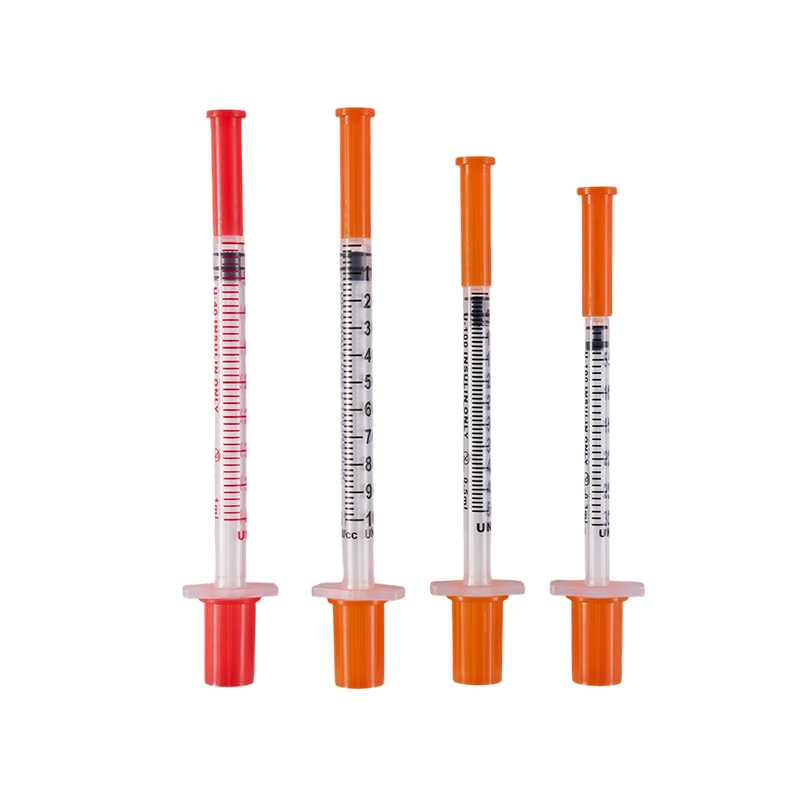
The design and production comply with ISO8537. The plastic parts are moulded by ...
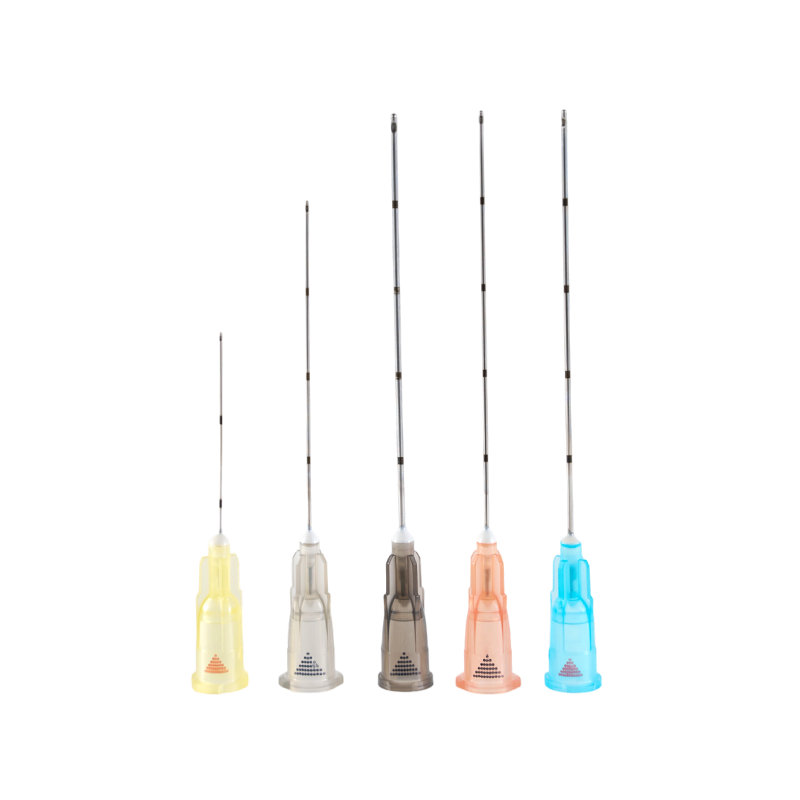
There are three kinds of the tip types, Sealed-circle with 2 side holes, sealed-...
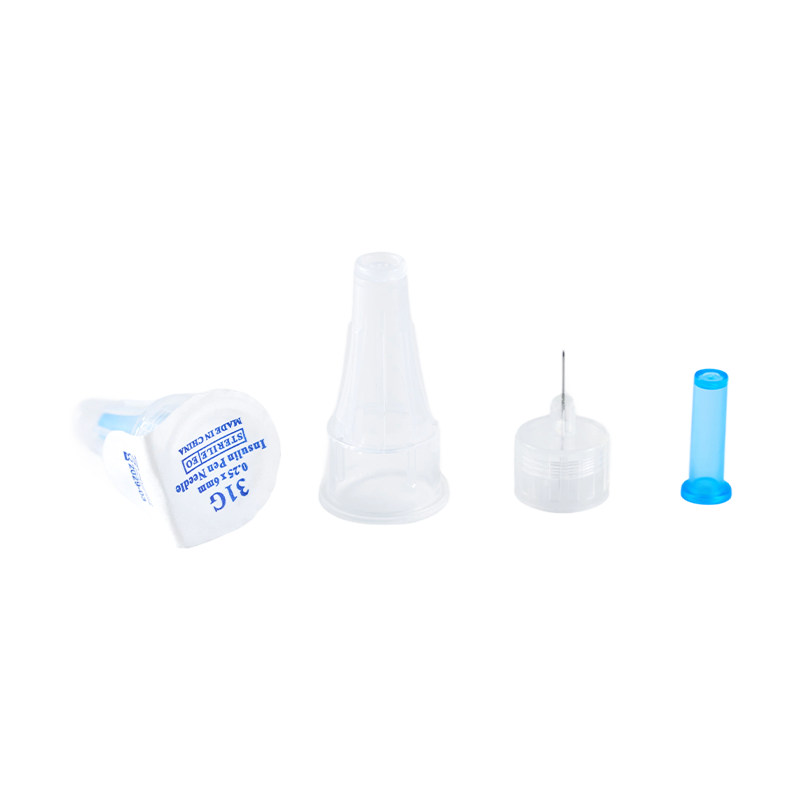
Assembling with insulin pen, for insulin hypodermic injection.The plastic parts ...
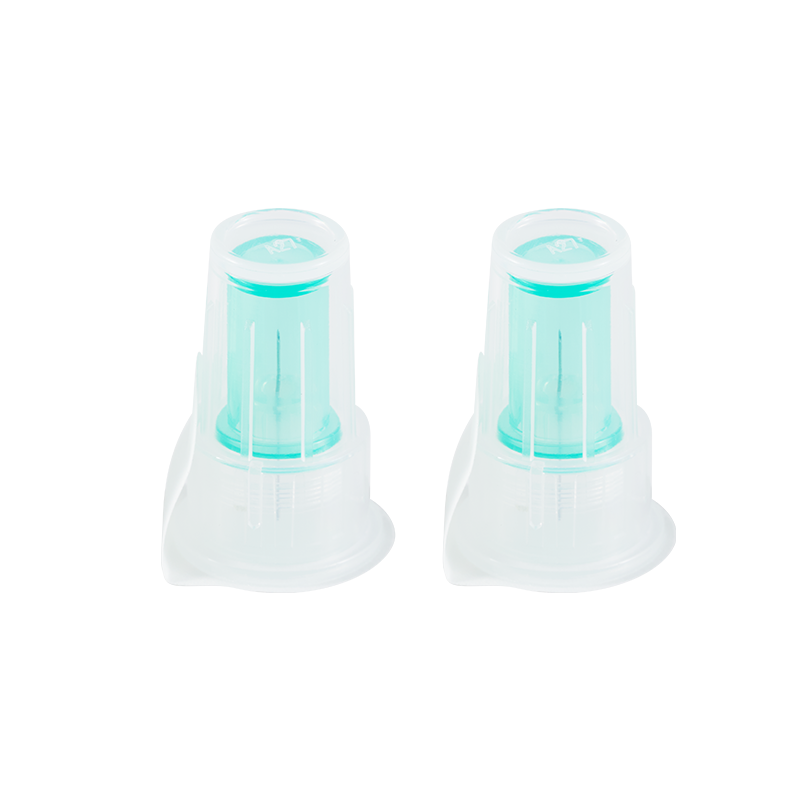
Used in conjunction with an insulin pen, it is used for subcutaneous injection o...
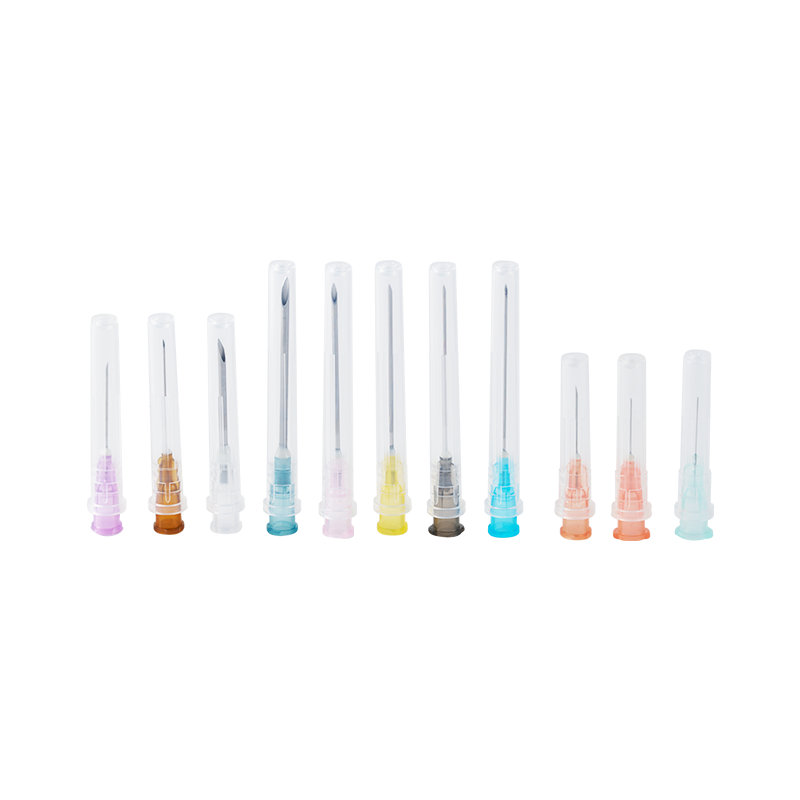
The cannula is made of high quality austenite stainless steel.All the components...
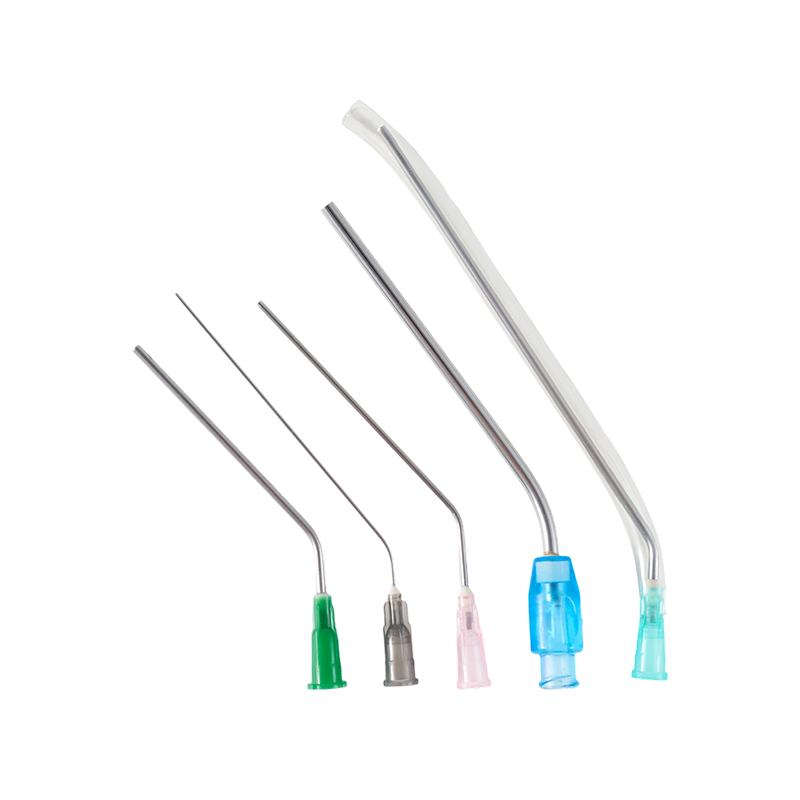
The material of the needle is Medical grade SUS304,which have great stiffness, t...
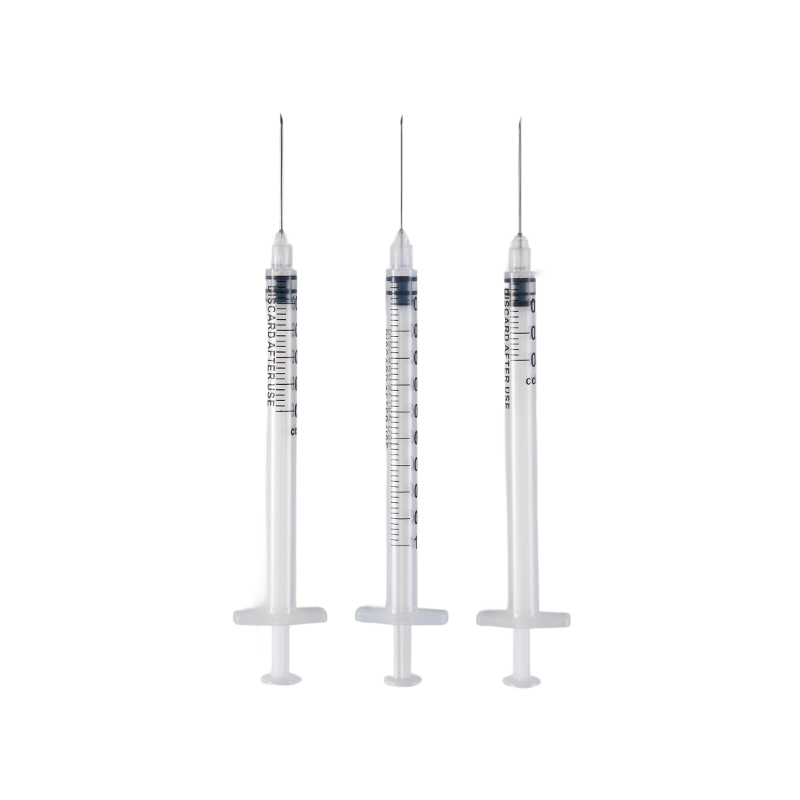
The barrel is made from high transparent polypropylene(PP),which have a bright a...

The cannula is made of high quality austenite stainless steel.The lancet tip is ...

Copyright© 2025 Zhejiang INI Medical Devices Co., Ltd.
Approval No:20150049
Medical Device Manufacturers
Disposable Medical Syringes Factory
