


 English
 Español
 中文简体
中文简体Don't hesitate to send a message
The design and production comply with ISO8537. The plastic parts are moulded by ...
Medical device production involves more than making a finished product. Before a medical device reaches packaging and distribution, it may pass through material preparation, component feeding, assembly, inspection, handling, labeling, and other production activities.
As these activities become more connected, manufacturers are paying greater attention to how work moves from one stage to another. This has increased interest in Medical Automation as part of modern production planning.
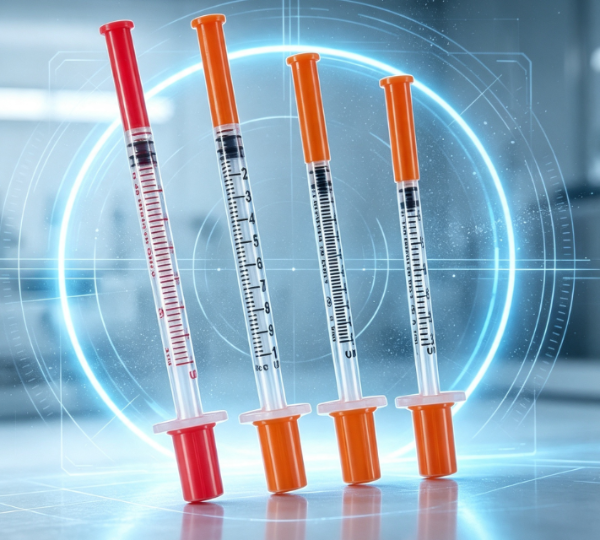
In China Medical Device manufacturing, automation can be used in different ways. Some factories may automate individual assembly tasks. Others may connect several production stages into one organized workflow. The level of automation depends on the product, manufacturing process, production goals, and practical needs of the factory.
The main idea is simple. Automation helps equipment, materials, products, and workers work together in a more organized way.
For manufacturers, this can change how a production line is planned. Instead of looking at each machine as a separate unit, they can consider how different stages interact.
Medical device manufacturing often includes repetitive activities. Components may need to be placed, assembled, transferred, checked, and packaged in a particular order.
When these tasks are handled entirely by hand, production teams may spend considerable time moving materials between work areas. Workers may also need to repeat the same actions throughout the day.
Automation provides another approach.
Medical Automation Equipment can take over suitable repetitive activities while workers remain involved in tasks that require observation, adjustment, or decision-making.
This does not mean that every medical product needs a fully automated production line. In many cases, manufacturers may introduce automation into selected stages.
For example, a production process could include:
Automation can connect these activities without requiring every stage to operate independently.
This makes Medical Automation relevant not only to machine operation but also to overall workflow planning.
A medical device production line may contain several different operations. Each one has its own purpose, but the connection between them can have a significant effect on the workflow.
Medical Automation can help create a more continuous path for products and components.
Consider a product that requires several parts to be assembled together. Before assembly begins, components need to be available and properly positioned. After assembly, the product may need to move to inspection.
If each stage is separated, workers may need to collect parts, carry products, and arrange them for the next activity.
An automated system can help reduce some of these gaps.
| Production Stage | Possible Role of Automation | Connection |
|---|---|---|
| Material preparation | Organizing components | Feeds materials into production |
| Component feeding | Moving parts toward assembly | Supports continuous assembly |
| Product assembly | Supporting repeated assembly tasks | Transfers products onward |
| Inspection | Checking products during production | Directs products toward the next stage |
| Product handling | Moving finished or semi-finished products | Links production areas |
| Packaging preparation | Organizing products for packaging | Connects manufacturing with packaging |
The exact arrangement varies from one China Medical Device factory to another.
Some manufacturers may automate only assembly. Others may combine feeding, assembly, inspection, and handling within a broader production system.
The purpose is not to make every process identical. It is to create a practical connection between the activities that already exist.
Assembly is an important area for Medical Automation.
Many medical products contain multiple components. These components may need to come together in a specific sequence. Repeated assembly work can require careful coordination between materials, equipment, and workers.
Automation can support this process by organizing how components reach the assembly area and how assembled products move afterward.
For a China Medical Device Manufacturer, this can also change the way production teams think about workflow.
Instead of focusing only on the assembly action itself, manufacturers can examine what happens before and after assembly.
A typical workflow might look like:
Component preparation → Part feeding → Assembly → Product transfer → Inspection → Packaging
Each stage has a clear relationship with the next.
When automation is introduced, these connections can become easier to organize. Feeding equipment may work alongside assembly equipment. Handling systems may move products between assembly and inspection. Inspection activities can then become part of the same production flow.
This approach may also help reduce unnecessary product movement.
However, automation does not remove the need for human involvement. Workers may still supervise production, manage materials, review products, adjust workflows, or handle situations that require judgment.
The relationship between people and equipment remains an important part of medical manufacturing.
Inspection is closely connected with production because a product often needs to be checked after an assembly activity or another manufacturing step.
When inspection is performed far away from the production stage, products may need to be collected and transported manually. This can make the workflow less direct.
Medical Automation can bring inspection closer to production.
For example, an automated process may transfer an assembled product toward an inspection area. After the product is checked, it can continue through the workflow or be separated for further handling.
This creates a simple connection between manufacturing and inspection.
Product handling also plays an important role.
Medical products may move through several areas before packaging. If products are repeatedly picked up and moved by hand, the production process may contain unnecessary interruptions.
Automated handling can help organize these movements.
| Activity | Manual Workflow Challenge | Automation Opportunity |
|---|---|---|
| Component feeding | Repeated material movement | Organized component supply |
| Product transfer | Products moved between areas | Automated product movement |
| Inspection transfer | Products collected for checking | Direct connection with inspection |
| Product sorting | Manual separation | Organized product direction |
| Packaging preparation | Finished products gathered manually | Structured transfer to packaging |
The goal is not simply to reduce human activity.
A better-organized workflow can allow workers to spend more time on activities where human attention is useful.
For manufacturers, this can make automation part of a broader production strategy rather than a standalone machine purchase.
China Medical Device production covers a wide range of products and manufacturing activities. Different factories may have very different production structures.
A manufacturer producing simple medical consumables may have a different automation requirement from one producing more complex medical devices.
This creates a need for flexible automation planning.
A China Medical Device Supplier or manufacturer may work with customers who have different product designs, production processes, and packaging requirements. Automation equipment therefore needs to fit the actual workflow rather than follow a single standard arrangement.
Several factors can influence this decision:
Looking at these factors together can help manufacturers understand where automation may have a practical role.
A production line should not be automated simply because automation is available.
The more useful question is how automation can solve a specific production need.
For example, if material feeding creates repeated interruptions, automation may focus on feeding. If product transfer creates unnecessary manual work, handling equipment may be more appropriate.
This process-based approach can help manufacturers make more focused decisions.
Automation can influence production planning long before equipment enters a factory.
When a manufacturer plans a new China Medical Device production line, the team may need to think about how materials enter the workflow, where assembly takes place, how products are inspected, and where packaging begins.
These decisions are connected.
A change in one stage may affect another.
Suppose an assembly process is changed. The material feeding process may also need to change. Product transfer may require adjustment. Inspection may need to move closer to assembly. Packaging preparation may also be affected.
This is why automation planning works better when the entire workflow is considered.
| Planning Question | Why It Matters |
|---|---|
| How do materials enter production? | Helps determine feeding needs |
| Where does assembly take place? | Defines the main working area |
| How do products leave assembly? | Supports transfer planning |
| Where does inspection occur? | Connects checking with production |
| How are products handled afterward? | Helps organize downstream activities |
| How does packaging connect to production? | Creates a clearer end-to-end workflow |
This approach can also make communication between manufacturers and equipment suppliers easier.
Instead of discussing a machine in isolation, both sides can discuss the complete production process.
The conversation can cover the product, materials, assembly activities, inspection, handling, packaging, and possible changes in the future.
Flexibility is becoming an important consideration for manufacturers that handle different products.
A production line may not always remain dedicated to one product. Product designs can change. New product versions may be introduced. Production requirements may also develop over time.
This can create challenges for fixed production arrangements.
Medical Automation can provide support when equipment is planned with flexibility in mind.
For example, a manufacturer may use automation for a particular assembly activity while keeping other parts of the process adaptable. Another manufacturer may connect automated feeding and handling with a more traditional assembly process.
There is no single approach that fits every China Medical Device factory.
A practical automation plan may include different levels of equipment involvement:
These approaches can exist within the same factory.
The choice depends on the product and manufacturing process.
Flexibility also relates to communication. Manufacturers need to explain their current production needs clearly to a Medical Automation Equipment Manufacturer or Supplier. If future changes are expected, discussing them during planning can help both sides understand how the equipment should fit into the production environment.
For buyers sourcing Medical Automation for China Medical Device production, the conversation should extend beyond equipment appearance or individual functions.
The supplier needs to understand what the equipment is expected to do within the production process.
Useful discussion areas can include:
Good communication can prevent a common problem in automation projects: solving one production task without considering the stages around it.
A Medical Automation Equipment Supplier that understands the wider workflow can discuss equipment within the context of the manufacturing process.
For buyers, this makes the sourcing process more focused.
It also helps create a clearer connection between product design, production planning, equipment selection, and daily manufacturing work.
In China Medical Device production, automation is therefore not limited to individual machines. Its role can extend across the production line, linking materials, workers, equipment, inspection, handling, and packaging into a more organized manufacturing workflow.
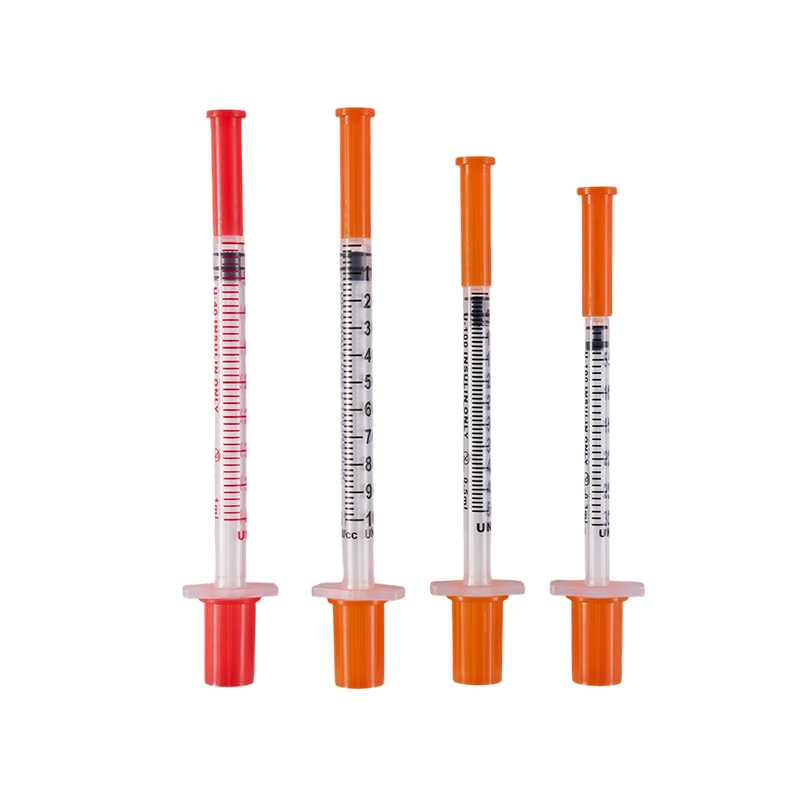
The design and production comply with ISO8537. The plastic parts are moulded by ...
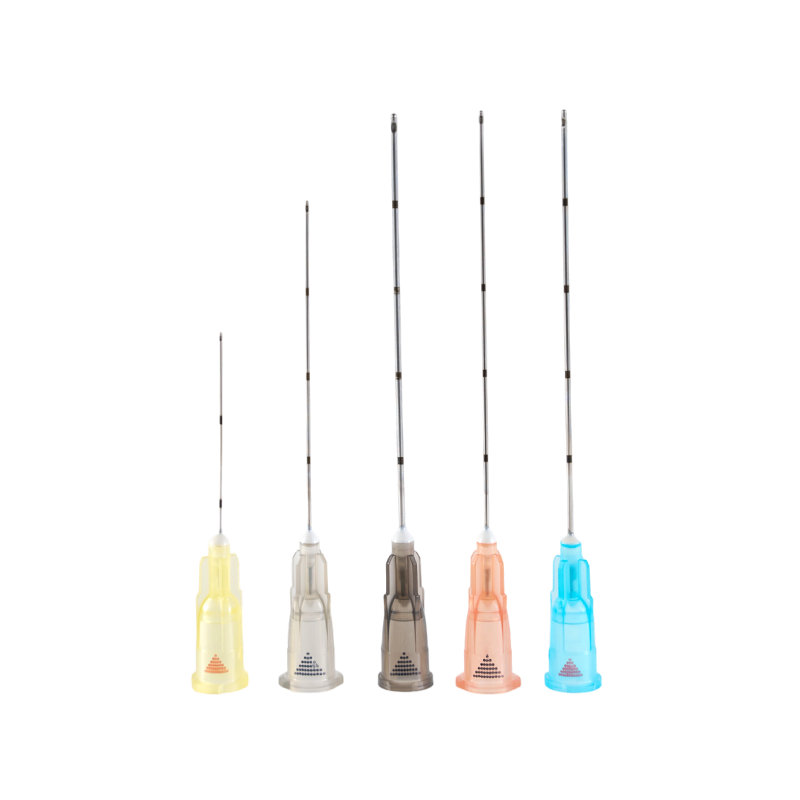
There are three kinds of the tip types, Sealed-circle with 2 side holes, sealed-...
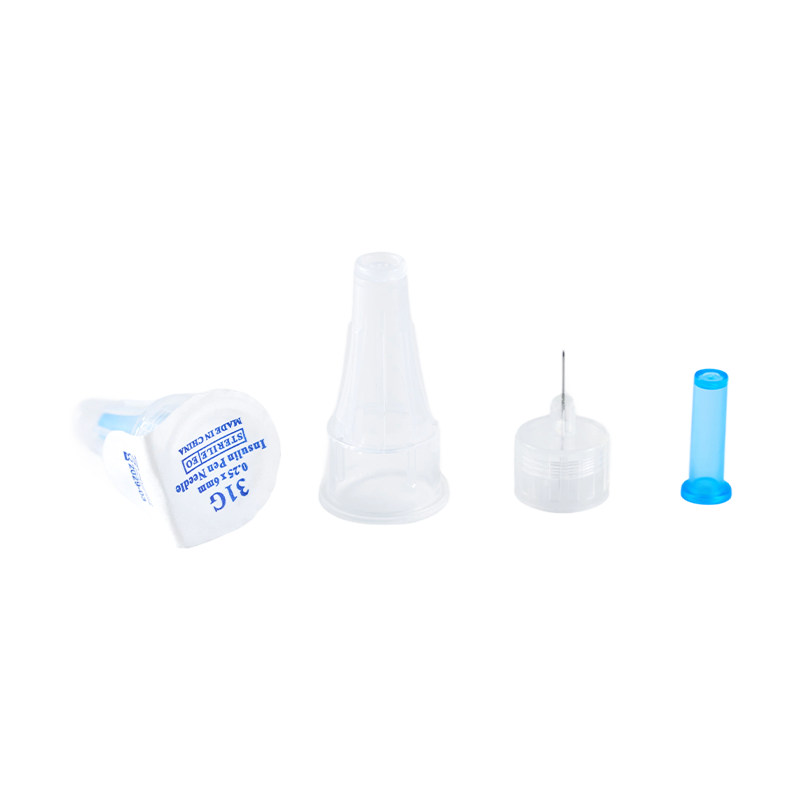
Assembling with insulin pen, for insulin hypodermic injection.The plastic parts ...
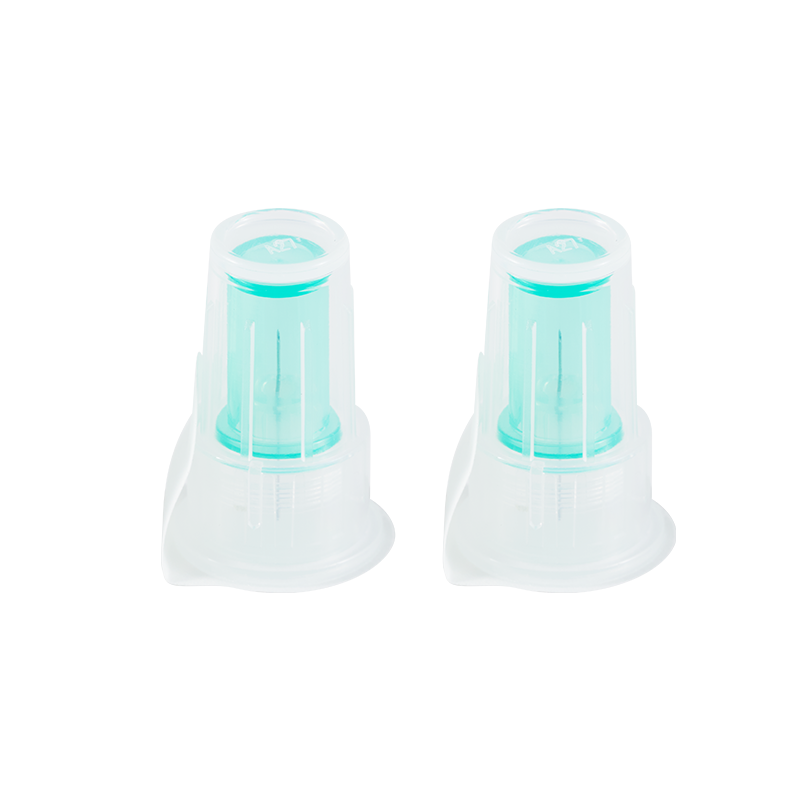
Used in conjunction with an insulin pen, it is used for subcutaneous injection o...

The cannula is made of high quality austenite stainless steel.All the components...
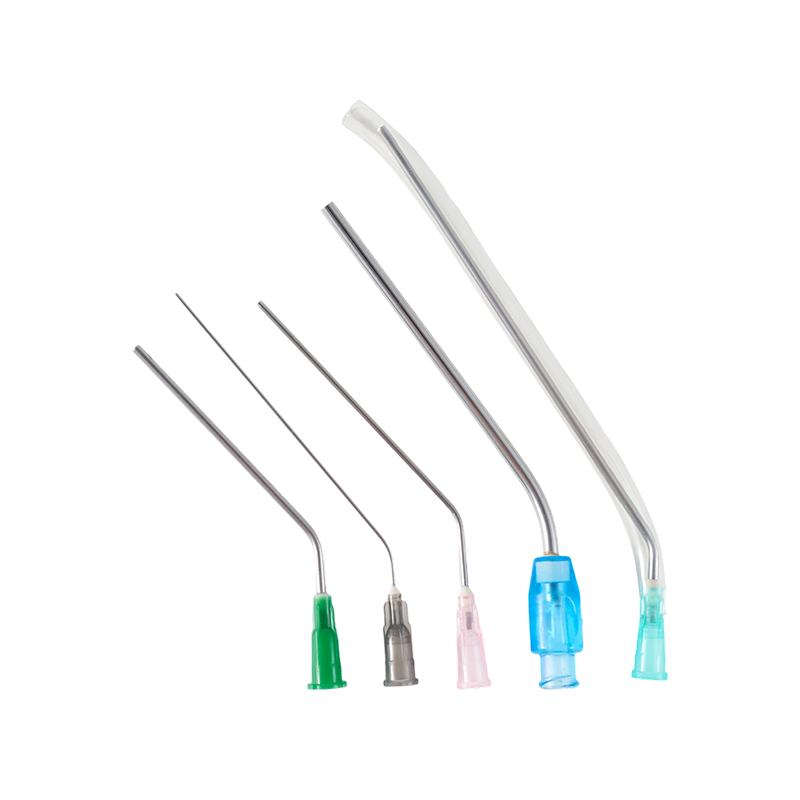
The material of the needle is Medical grade SUS304,which have great stiffness, t...
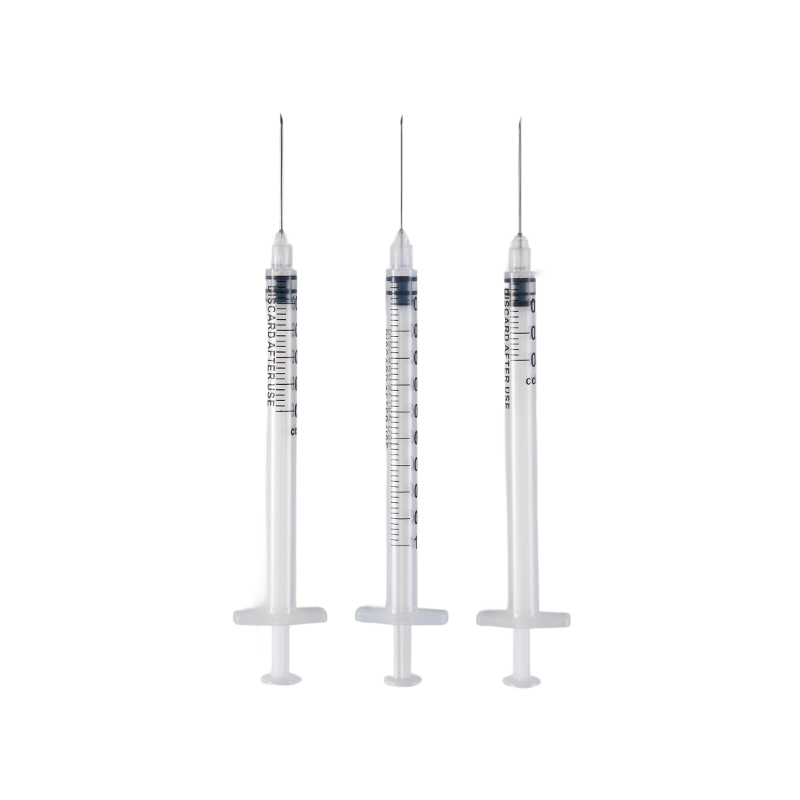
The barrel is made from high transparent polypropylene(PP),which have a bright a...

The cannula is made of high quality austenite stainless steel.The lancet tip is ...

Copyright© 2025 Zhejiang INI Medical Devices Co., Ltd.
Approval No:20150049
Medical Device Manufacturers
Disposable Medical Syringes Factory
