


 English
 Español
 中文简体
中文简体Don't hesitate to send a message
The design and production comply with ISO8537. The plastic parts are moulded by ...
A sterile injection syringe may look like a small and familiar medical product. Its appearance is usually simple. Several components come together to create a product that is easy to recognize.
Behind that simple appearance, however, there is a connected production process.
A syringe moves through several stages before it becomes a finished medical consumable. Components need to be prepared. Parts need to be assembled. The finished product needs to be checked. Packaging needs to protect the product during storage and handling.These activities are not completely separate.
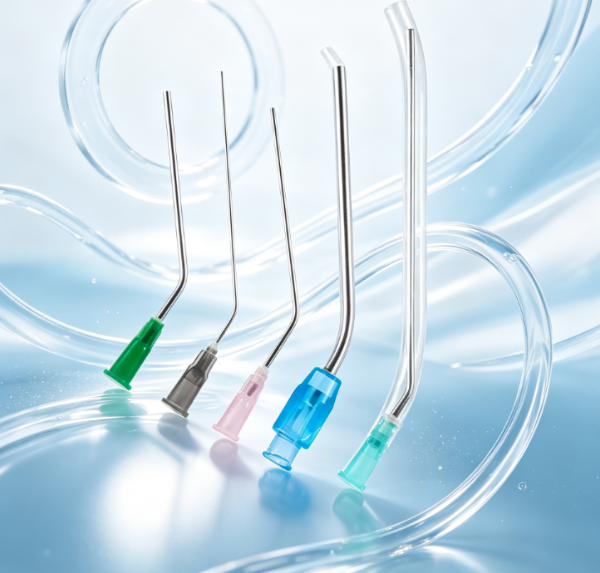
A change during assembly can affect inspection. An inspection result may lead manufacturers to review an earlier production step. Packaging also needs to match the condition of the finished syringe.
This connection is becoming an important way to look at Sterile Injection Syringe Production. Instead of treating assembly, inspection, and packaging as independent tasks, manufacturers can view them as parts of one organized production flow.
The main purpose of assembly is to bring individual components together into a finished syringe. Inspection checks whether the assembled product follows the intended requirements. Packaging then helps protect and organize that product.
Each stage depends on the condition created by the previous stage.
If a component is not properly positioned during assembly, the issue may become visible during inspection. If the inspection process identifies repeated problems, the manufacturer may need to look back at assembly activities.
Packaging has a similar connection.
A finished syringe may pass production checks, but it still needs suitable protection after leaving the assembly area. Packaging should support the condition of the product during storage, handling, and transportation.
The relationship can be viewed in a simple way:
| Production Stage | Main Role | Connection With the Next Stage |
|---|---|---|
| Assembly | Brings components together | Creates the finished product for inspection |
| Inspection | Checks product condition | Provides information about production quality |
| Packaging | Protects and organizes products | Prepares products for storage and shipment |
This approach changes how manufacturers may organize their production floor. Instead of asking whether each individual stage is working, they can also ask whether the stages work well together.
That broader view can help reduce gaps between production activities.
Assembly is where separate components become a complete syringe. This makes it an important point in the production process.
The components may include the barrel, plunger, stopper, protective parts, and other pieces. Each has its own role. They need to come together in the intended arrangement.
Assembly requires consistency. Workers and production equipment need to follow an organized process so that similar products are produced in a similar way.
This does not mean that every assembly task needs to look exactly the same. Different syringe designs may require different production arrangements. What matters is that the selected process fits the product.
Several areas can receive attention during assembly:
An organized assembly process also makes later inspection easier. When the production sequence is clear, inspection teams have a clearer understanding of what they are checking.
This is one reason assembly should not be considered simply as a mechanical activity. It creates the condition that inspection will later evaluate.
Inspection provides a closer look at the finished product.
It can identify visible issues, incorrect assembly, damaged components, or other conditions that do not match the intended product requirements.
However, inspection has another role. It can provide information about the production process.
Suppose a particular issue appears repeatedly. The manufacturer may need to ask why it is happening. The answer may involve a component, an assembly activity, equipment condition, worker operation, or material handling.
This makes inspection more useful than simply separating acceptable and unsuitable products.
A practical inspection process may consider different points:
| Inspection Focus | What Manufacturers May Review |
|---|---|
| Components | Condition and appearance |
| Assembly | Position and connection of parts |
| Finished Syringe | Overall product condition |
| Product Movement | Whether the assembled product behaves as intended |
| Packaging | Protection and organization |
| Identification | Whether products and packages are correctly matched |
Inspection can take place during production as well as after assembly. Earlier checks can give manufacturers an opportunity to respond before a larger number of products move through the process.
This also creates a feedback relationship.
Assembly → Inspection → Production Review
When inspection identifies an issue, manufacturers can use that information to examine the related production activity. The result may be a change in worker instructions, material handling, equipment checks, or assembly procedures.
In this way, inspection becomes part of production management rather than a separate activity at the end.
Packaging often receives attention near the end of the manufacturing process. Yet its role begins with understanding the product itself.
A sterile injection syringe needs protection after production. It may be stored before use, moved between locations, or handled by different people.
Packaging needs to help maintain the product's intended condition throughout these activities.
This is why packaging design and production planning are connected.
The packaging process may need to consider:
A packaging process that does not match the product can create unnecessary problems. The package may need to accommodate the shape and arrangement of the syringe. It also needs to provide suitable protection without creating unnecessary handling difficulties.
The relationship between packaging and inspection matters as well.
Products should be checked before they are packed. At the same time, the packaging process itself may provide another opportunity to identify problems. A damaged package, incorrect product arrangement, or mismatched identification can create an issue even when the syringe itself has passed an earlier inspection.
Quality management therefore continues into the packaging area.
Inspection and packaging are often positioned next to each other in the production flow. This makes their connection practical as well as conceptual.
A finished syringe may move from an inspection area to a packaging station. Information about the product needs to move with it.
This can include product identification, production records, inspection results, and packaging requirements.
Clear organization can reduce the possibility of products being mixed or handled incorrectly.
Manufacturers may use several approaches to connect the two stages:
These practices may appear simple. Their value comes from consistency.
A production system can become difficult to manage when information stops at one stage. If the inspection team identifies a problem but the packaging area does not have the relevant information, the production process becomes less connected.
Good communication helps close that gap.
Automation has become part of many medical consumable manufacturing environments. It can help organize repeated assembly, inspection, and packaging activities.
Automated equipment may move products between different stages. It may also help perform repeated operations in a consistent manner.
The important point is not automation by itself. The bigger issue is how different activities are connected.
An automated assembly station may produce a steady flow of products. If inspection is unable to keep up with that flow, a gap can appear. If packaging is not properly organized, another gap may develop later.
This means manufacturers need to consider the complete workflow.
| Production Need | Connected Activity |
|---|---|
| Component Preparation | Supplies suitable parts for assembly |
| Assembly | Creates completed syringes |
| Inspection | Reviews product condition |
| Sorting | Separates products based on inspection results |
| Packaging | Protects and organizes suitable products |
| Storage | Maintains product organization before shipment |
Automation can support these connections when the production process has been planned around them.
Workers still have an important role. They may monitor equipment, review inspection results, manage materials, handle unusual conditions, and maintain production organization.
The result is a production environment where people and equipment support the same workflow.
Quality is not created at a single point. It develops through many connected activities.
For sterile injection syringe production, manufacturers may need to consider the condition of materials, component consistency, assembly, inspection, packaging, and storage as one chain.
A problem in one area can affect another area.
For example, a component issue can influence assembly. Assembly can affect the result of inspection. Inspection determines which products move toward packaging. Packaging influences how the finished product is protected afterward.
This creates several areas that manufacturers can monitor:
| Quality Area | Related Production Activity |
|---|---|
| Material Condition | Incoming material management |
| Component Consistency | Component production |
| Assembly Condition | Syringe assembly |
| Product Inspection | Quality checking |
| Packaging Condition | Packaging process |
| Product Identification | Handling and storage |
| Production Records | Process management |
The purpose is not to add unnecessary steps. It is to make existing activities work together.
When manufacturers understand these relationships, they can also respond more quickly when a problem appears. Instead of looking only at the final product, they can trace the issue through the production process.
That can make quality management more practical.
Buyers looking for sterile injection syringes may naturally focus on the finished product. Product appearance, packaging, documentation, and supplier communication are all visible parts of the purchasing process.
Yet the manufacturing approach behind the product can provide additional information.
A buyer may want to understand how the manufacturer handles assembly, inspection, and packaging as connected activities.
Useful questions may include:
These questions can help buyers understand the supplier's production structure without relying only on product descriptions.
Communication is also important.
A manufacturer that can clearly explain how a syringe moves from component preparation through assembly, inspection, packaging, and storage gives buyers a clearer view of the production process.
For Sterile Injection Syringe manufacturers, this connected approach can also influence internal cooperation. Production workers, inspection personnel, packaging teams, warehouse staff, and quality personnel all interact with the same product at different points.
When these activities are organized as parts of one process, the boundaries between departments become less important than the condition of the product as it moves forward.
The syringe may be small, but its production journey involves many decisions. Assembly creates the product. Inspection checks its condition. Packaging protects and organizes it. Each stage depends on what happens before and affects what comes next.
That connection is becoming an important part of how sterile injection syringe production can be organized, monitored, and managed.
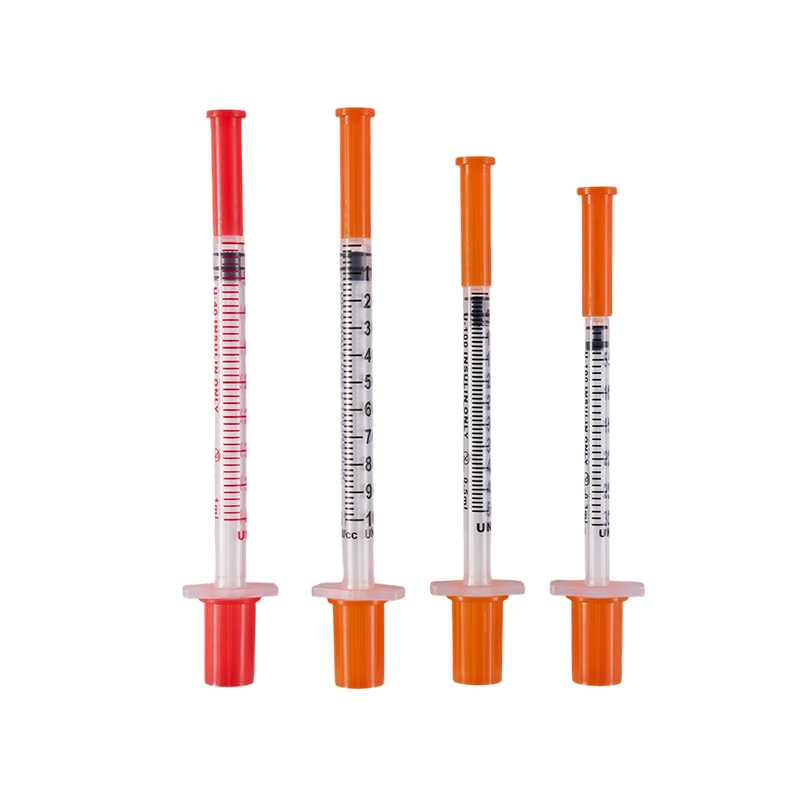
The design and production comply with ISO8537. The plastic parts are moulded by ...
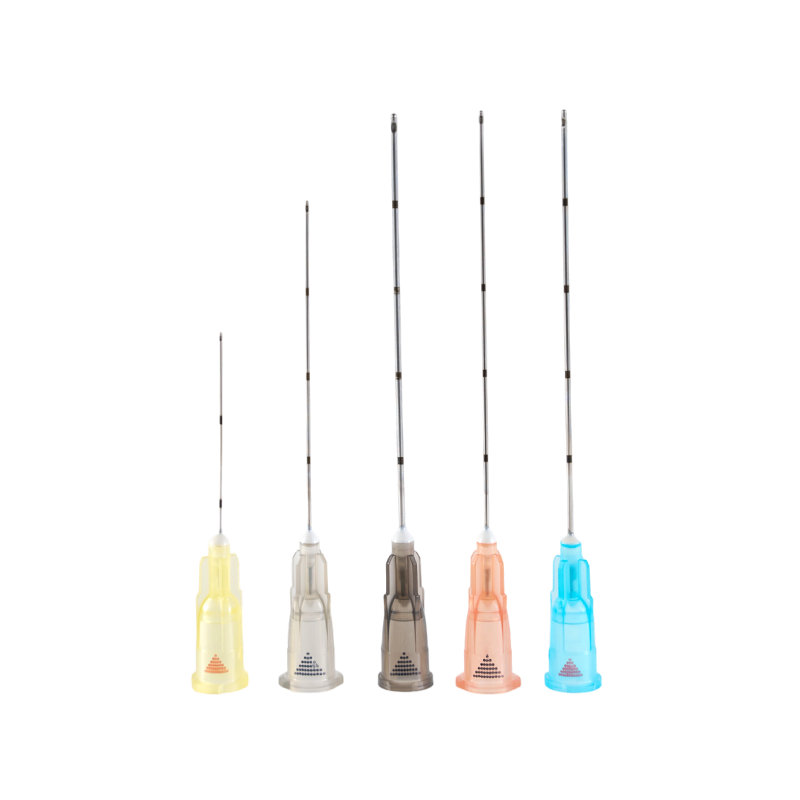
There are three kinds of the tip types, Sealed-circle with 2 side holes, sealed-...
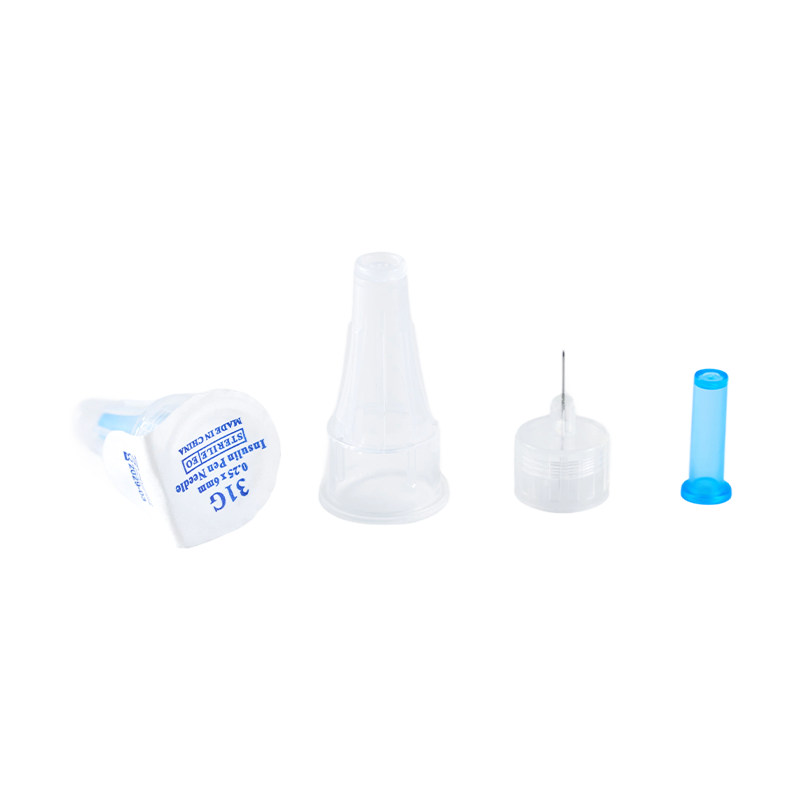
Assembling with insulin pen, for insulin hypodermic injection.The plastic parts ...
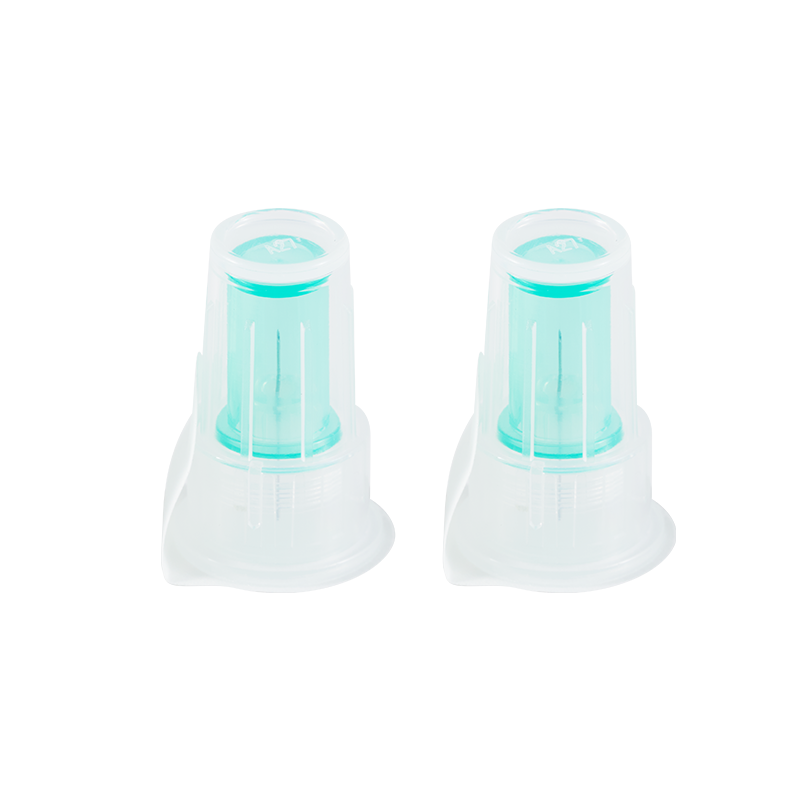
Used in conjunction with an insulin pen, it is used for subcutaneous injection o...
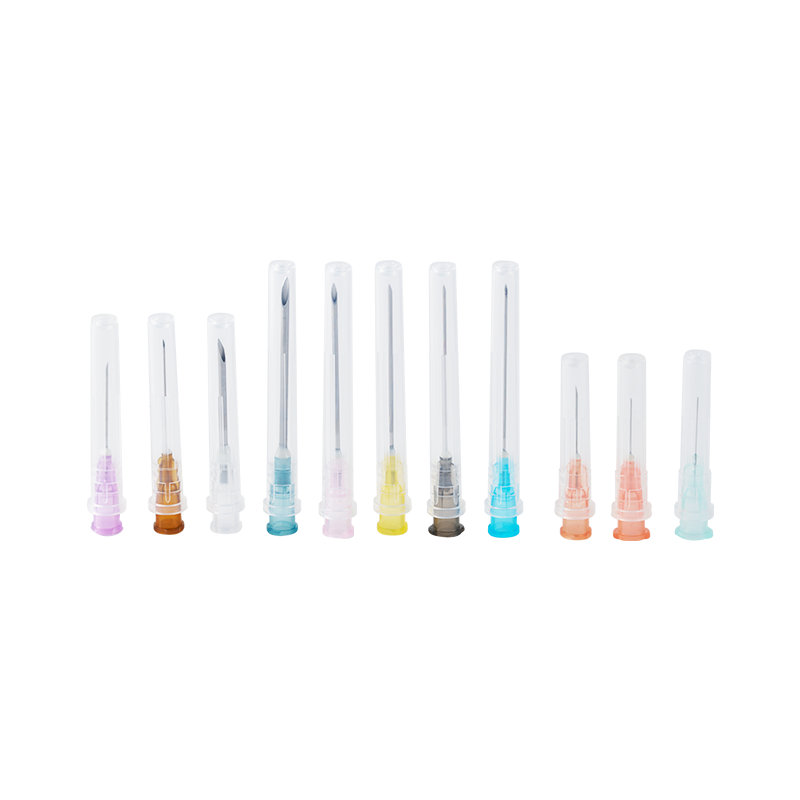
The cannula is made of high quality austenite stainless steel.All the components...
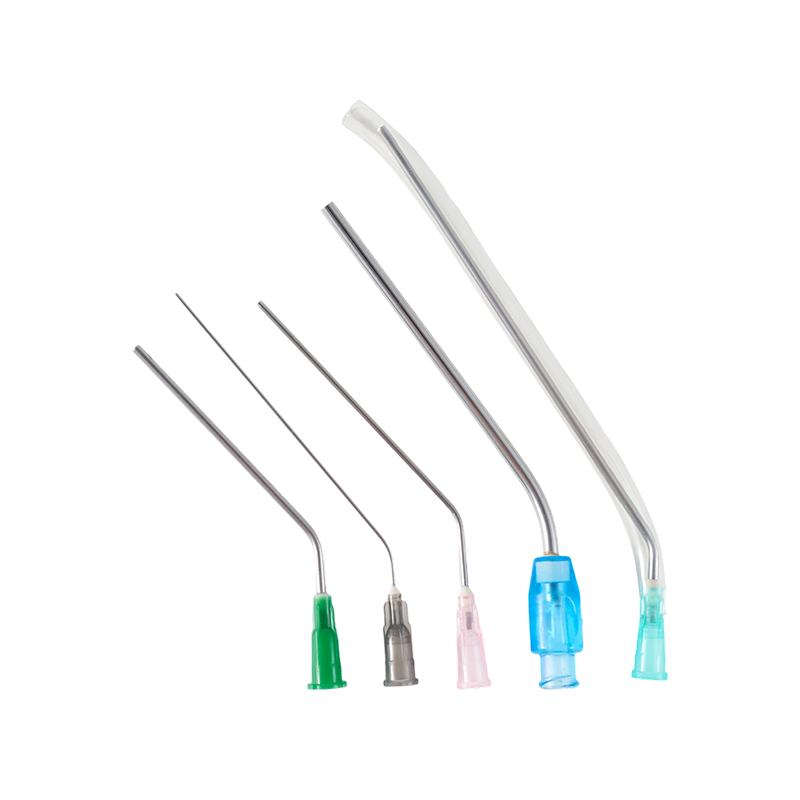
The material of the needle is Medical grade SUS304,which have great stiffness, t...
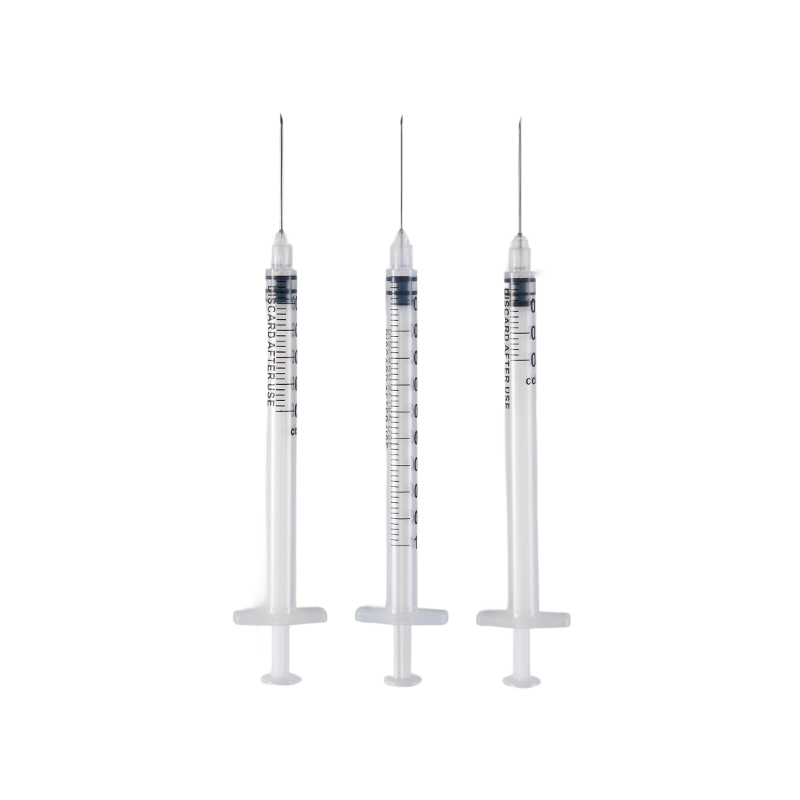
The barrel is made from high transparent polypropylene(PP),which have a bright a...

The cannula is made of high quality austenite stainless steel.The lancet tip is ...

Copyright© 2025 Zhejiang INI Medical Devices Co., Ltd.
Approval No:20150049
Medical Device Manufacturers
Disposable Medical Syringes Factory
