


 English
 Español
 中文简体
中文简体Don't hesitate to send a message
The design and production comply with ISO8537. The plastic parts are moulded by ...
A syringe may look like a small and familiar medical product. Its shape is simple. Its use is also easy to understand. Yet producing an insulin syringe involves many details that need to work together.
For manufacturers, product quality does not begin when a finished syringe leaves the production line. It starts much earlier. Material selection, component production, assembly, inspection, packaging, and storage can all affect the final product.
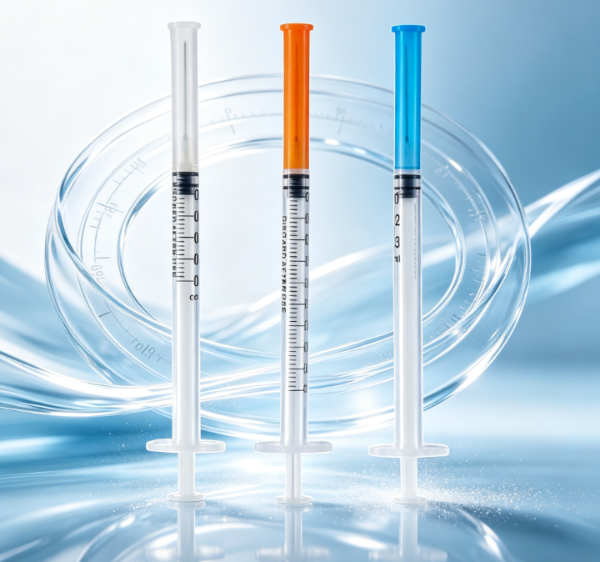
This is why China Insulin Syringe Manufacturers are paying attention to the complete production process rather than viewing quality as a single inspection step. A finished product represents many connected decisions made throughout manufacturing.
For buyers, this broader approach is worth understanding. When looking at an insulin syringe supplier, the visible product is only part of the picture. The way a manufacturer organizes production can also tell buyers how quality is managed.
Insulin syringes are medical consumables designed for a specific purpose. Users expect the product to be consistent from one unit to another. Small differences in production can affect how the product feels, fits together, or performs during normal use.
This makes consistency an important part of manufacturing. A manufacturer needs to control the process so that each production batch follows the same basic requirements.
Quality also has a direct connection with user confidence. Healthcare products are handled differently from ordinary consumer goods. Buyers need to know that the products they receive have been produced under an organized process.
For China Insulin Syringe Manufacturers, this means quality management can involve several areas at the same time.
| Production Area | Quality Consideration |
|---|---|
| Material Selection | Suitability for the intended product |
| Component Production | Consistent shape and condition |
| Assembly | Proper connection between components |
| Inspection | Identification of visible or functional issues |
| Packaging | Protection during handling and storage |
| Storage | Suitable conditions before shipment |
Looking at these areas together gives a clearer picture of product quality. A manufacturer may have a well-made syringe, but the overall process still needs to support the condition of that product until it reaches the buyer.
Material choice is an important part of insulin syringe production. Different components may have different roles, so they may not require the same material.
The barrel, plunger, stopper, protective parts, and other components need to work together. Materials must suit their intended use and remain appropriate during production, packaging, and storage.
Manufacturers therefore need to consider more than appearance when choosing materials. The material should fit the purpose of the component. It should also work well with the surrounding parts.
For example, a syringe component may need to maintain its shape during assembly. Another part may need to provide a suitable connection with a neighboring component. A sealing part may have a different role again.
This is why material selection is connected with product design.
A practical material review may consider:
Material selection may happen before assembly begins, but its influence continues through the rest of production. This is one reason manufacturers need to consider the entire product rather than treating each component separately.
An insulin syringe is made from several connected parts. Those parts may be produced separately, but the finished syringe needs to function as one product.
Assembly is therefore an important stage in quality management.
A well-organized assembly process helps manufacturers maintain consistency between components. It also provides opportunities to identify problems before the finished product moves further through production.
The relationship between parts matters here. A component may look acceptable on its own but still create an issue if it does not connect properly with another part.
This makes assembly more than simply putting pieces together.
Manufacturers may pay attention to areas such as:
Automation can also have a role in this process. Automated equipment can help organize repeated production activities and reduce unnecessary variation between manual operations.
However, equipment alone does not define product quality. The production process still needs appropriate checks and human oversight. Workers may need to monitor equipment, review production conditions, handle unusual situations, and respond when a problem is identified.
The relationship between people and production equipment is therefore an important part of a modern manufacturing environment.
Inspection provides a way to check whether the product follows the intended requirements.
For insulin syringe manufacturers, inspection can take place at different points instead of waiting until the very end. Checking materials and components earlier can help identify problems before they become part of a finished product.
This approach can make quality management more organized.
| Inspection Stage | Main Focus |
|---|---|
| Incoming Materials | Condition and suitability |
| Components | Shape, appearance, and consistency |
| Assembly | Connection and positioning |
| Finished Products | Overall product condition |
| Packaging | Product protection and presentation |
| Before Shipment | Order and product verification |
Visual inspection can identify obvious issues. Functional checks can provide another way to review whether the assembled product behaves as intended.
The purpose is not simply to find defective products. Inspection can also provide information about the manufacturing process itself.
If the same type of issue appears repeatedly, the manufacturer may need to examine the related production step. The problem could be connected with materials, equipment, assembly, worker operation, or process organization.
This turns inspection into part of continuous production management.
For buyers, the important point is that quality control is not necessarily limited to the final product. A manufacturer that considers multiple stages has more opportunities to identify and address production problems.
Packaging is sometimes viewed as a separate activity because it happens after manufacturing. In reality, it is closely connected with product quality.
An insulin syringe needs to remain in suitable condition after production. During storage, transportation, and handling, the product can encounter different conditions.
Packaging provides a layer of protection. It can help keep the product organized and reduce unnecessary contact during handling.
The packaging process also needs to match the product itself. Different packaging formats may serve different purchasing and distribution needs.
A manufacturer may therefore consider:
Packaging also has an important relationship with production records and order management. The correct product needs to be packed and identified properly before it moves to the next stage.
For medical consumables, this type of organization can matter as much as the physical packaging itself.
A syringe that leaves the production area in suitable condition still needs to reach the buyer in a controlled manner. Quality management therefore extends beyond assembly.
Product quality is closely connected with how a factory organizes its daily work.
A production environment may contain material storage areas, component production equipment, assembly stations, inspection points, packaging areas, and finished product storage. These activities need to fit together.
When production responsibilities are clearly organized, workers can understand what needs to happen at each stage. Materials can move through the process in a more controlled way. Inspection results can also be connected with the relevant production activity.
This is particularly important when manufacturers handle different orders or product variations.
Good production management can involve several simple practices:
These activities may not be visible in a finished syringe. Yet they can influence how consistently that syringe is produced.
This is why buyers looking at China Insulin Syringe Manufacturers may want to understand factory organization as well as the product itself.
Price is naturally part of purchasing decisions. However, it does not provide a complete picture of a medical consumable supplier.
Buyers may also want to examine how a manufacturer manages quality from material sourcing to shipment.
Several questions can help create a clearer picture.
| Buyer Question | Why It Matters |
|---|---|
| How are materials selected? | Helps buyers understand the foundation of the product |
| How are components checked? | Shows how manufacturers monitor production quality |
| How is assembly organized? | Indicates how different parts are brought together |
| How are finished products inspected? | Provides insight into final product control |
| How is packaging handled? | Relates to protection and storage |
| How are production issues managed? | Shows how problems are identified and addressed |
| How are workers trained? | Connects people with daily quality activities |
| How is production information recorded? | Supports organized manufacturing management |
These questions do not replace a formal supplier assessment. They simply help buyers understand the manufacturer's approach.
It can also be useful to look at whether the manufacturer communicates clearly. Medical consumable purchasing often involves detailed product information. A supplier should be able to explain its production process in a way that buyers can understand.
Clear communication can make cooperation easier, especially when buyers have requirements related to packaging, product configuration, documentation, or delivery.
Automation is becoming part of many medical consumable production environments. For insulin syringe manufacturers, it can support repeated production tasks and help create a more organized workflow.
Automated equipment can handle certain operations in a consistent manner. This can reduce reliance on repetitive manual work and allow workers to focus more closely on monitoring, inspection, equipment management, and other activities.
The value of automation, however, depends on how it is used.
A production line still needs suitable materials. Equipment still needs to be maintained. Workers still need to understand the process. Inspection remains important.
Automation can therefore be viewed as one part of a larger quality system.
The relationship can be understood in a simple way:
Material → Component Production → Assembly → Inspection → Packaging → Storage → Shipment
Each stage affects the next. If a problem appears early, it may influence later activities. If a problem is discovered during inspection, manufacturers may need to trace it back to an earlier stage.
This connected approach gives manufacturers more ways to manage quality.
For China Insulin Syringe Manufacturers, the broader trend is not simply about producing more syringes. It is about creating a production process in which materials, people, equipment, inspection, packaging, and management support the same quality requirements.
That approach also changes the way buyers look at suppliers. Instead of focusing only on the finished syringe, they can examine how the product comes into existence.
The manufacturing process tells part of the story. The way a factory selects materials, organizes assembly, manages inspections, handles packaging, trains workers, and responds to production issues can provide a much clearer view of its approach to product quality.
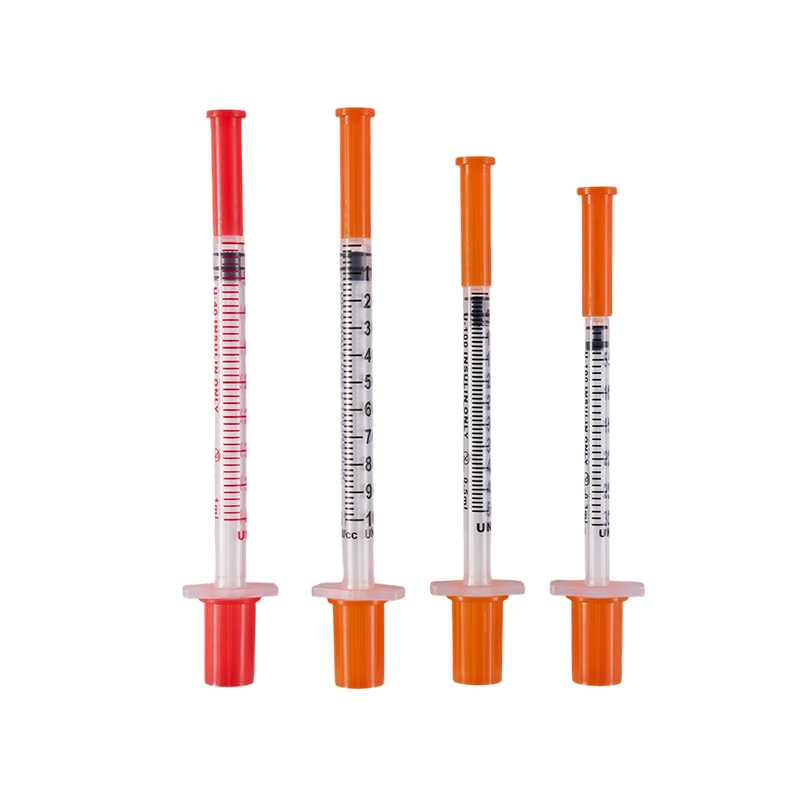
The design and production comply with ISO8537. The plastic parts are moulded by ...
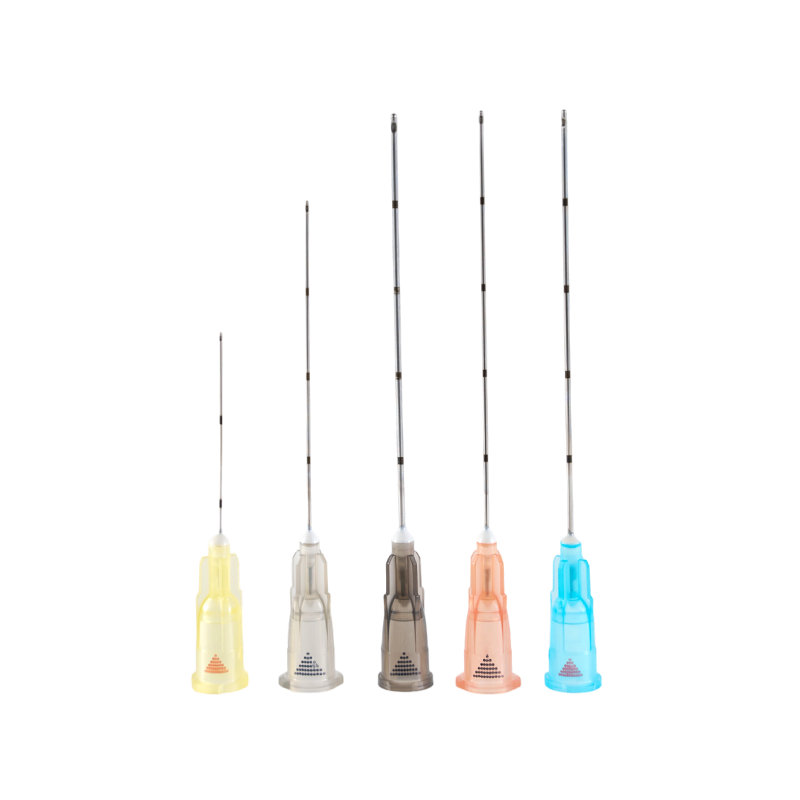
There are three kinds of the tip types, Sealed-circle with 2 side holes, sealed-...
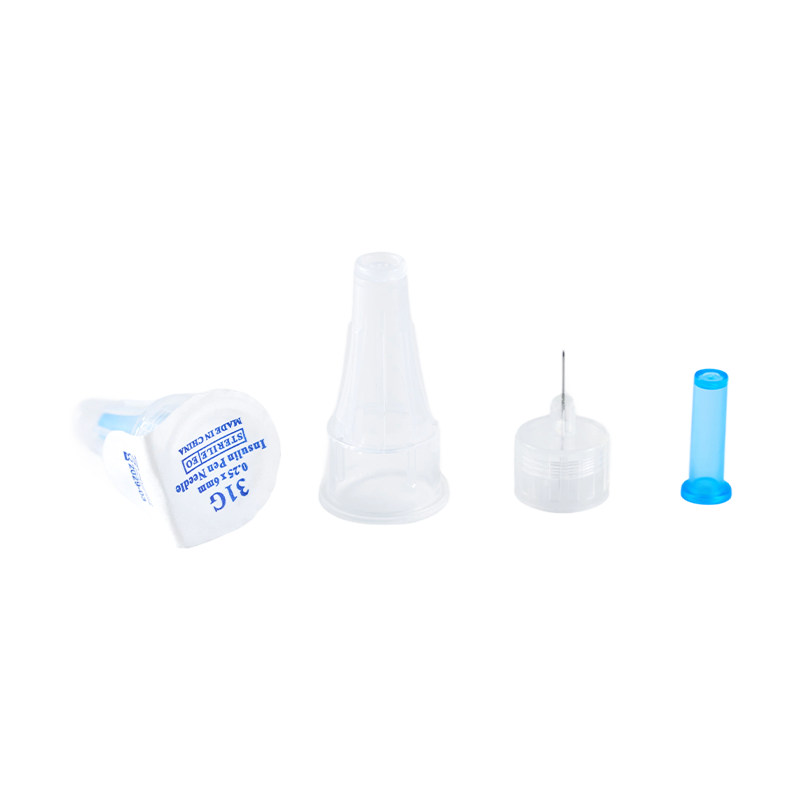
Assembling with insulin pen, for insulin hypodermic injection.The plastic parts ...
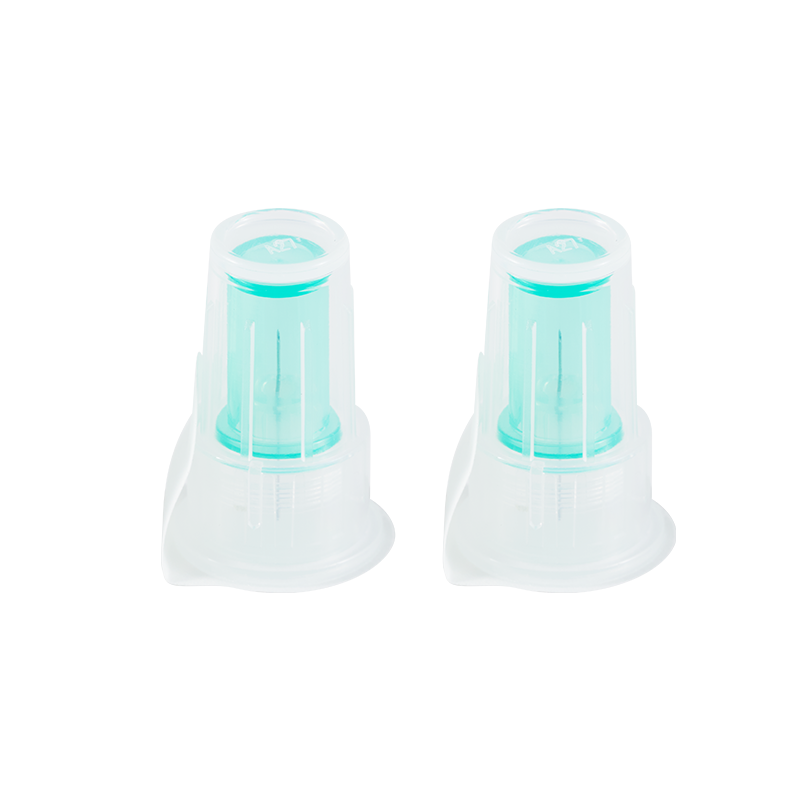
Used in conjunction with an insulin pen, it is used for subcutaneous injection o...
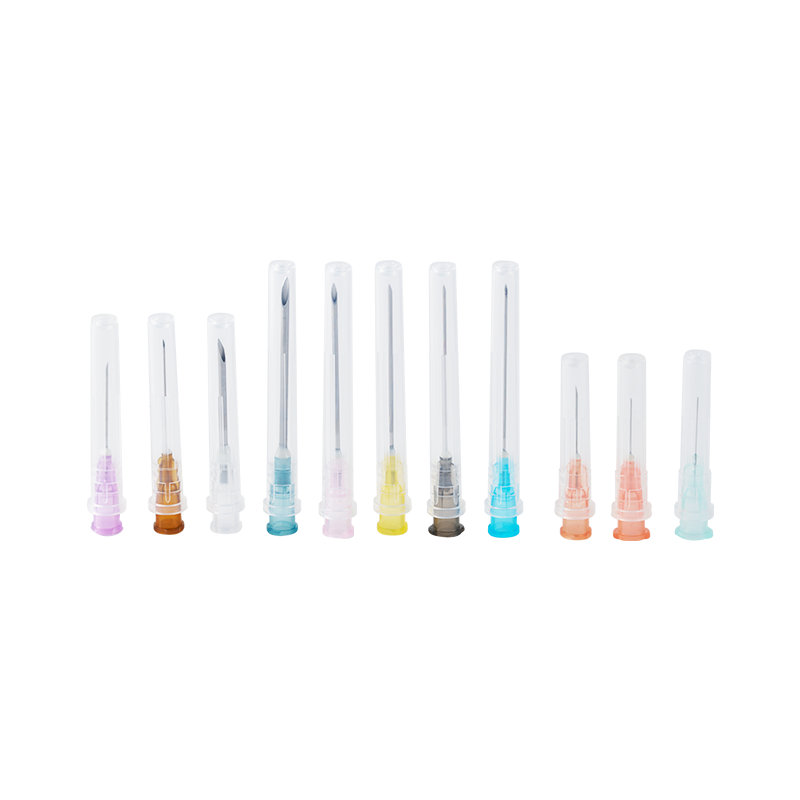
The cannula is made of high quality austenite stainless steel.All the components...
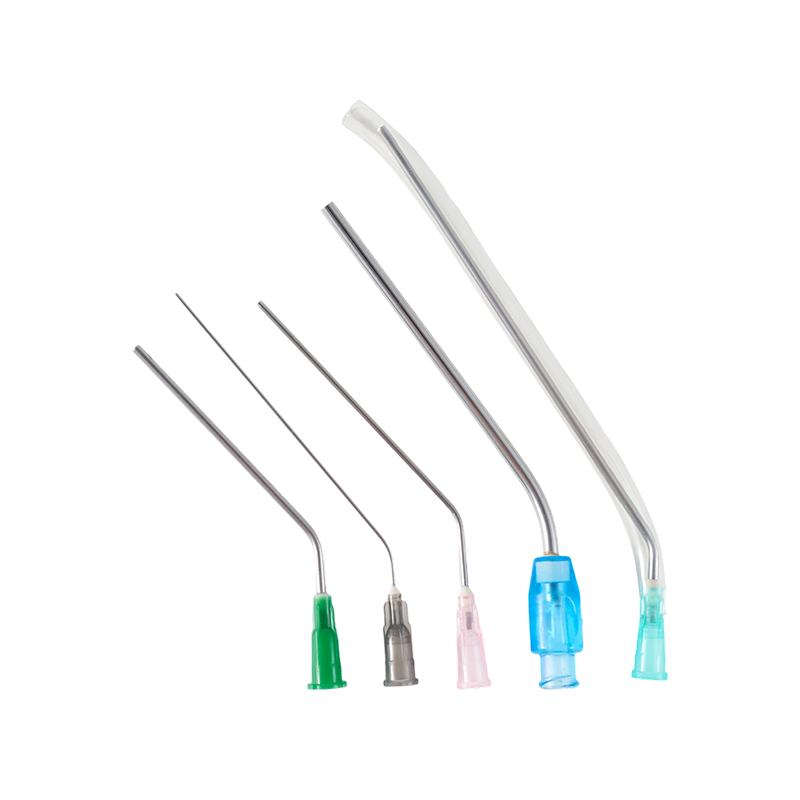
The material of the needle is Medical grade SUS304,which have great stiffness, t...
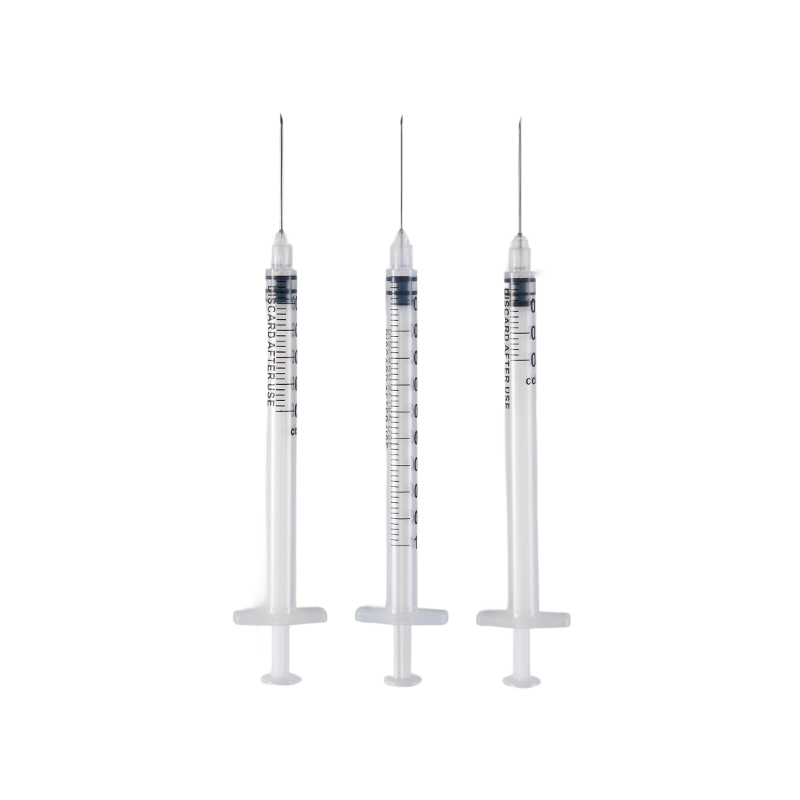
The barrel is made from high transparent polypropylene(PP),which have a bright a...

The cannula is made of high quality austenite stainless steel.The lancet tip is ...

Copyright© 2025 Zhejiang INI Medical Devices Co., Ltd.
Approval No:20150049
Medical Device Manufacturers
Disposable Medical Syringes Factory
