


 English
 Español
 中文简体
中文简体Don't hesitate to send a message
The design and production comply with ISO8537. The plastic parts are moulded by ...
Disposable syringes are small medical products, but their role reaches across many parts of healthcare. They can be found in hospitals, clinics, laboratories, pharmacies, community health facilities, and home care settings. In many cases, they are used only for a short procedure and then discarded.
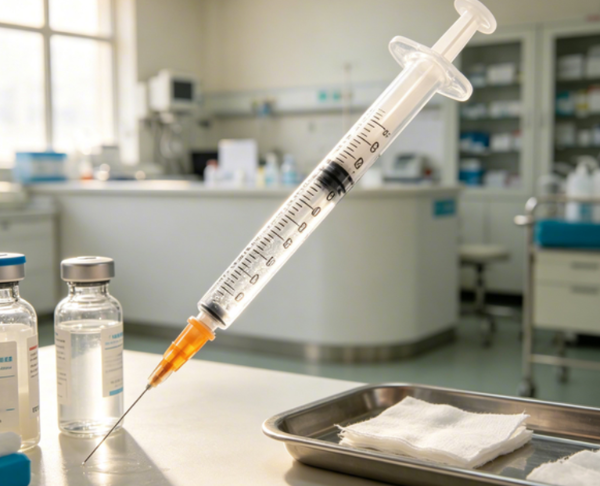
The basic purpose of a syringe is simple. It provides a way to draw up, hold, and deliver liquid. Depending on the application, the liquid may be medication, a vaccine, or another substance intended for medical use. Some syringes can also be used to withdraw fluid from the body. The U.S. Food and Drug Administration describes syringes as devices used to inject medication or withdraw fluid from the body.
The widespread use of disposable syringes is closely connected with infection prevention. A new syringe can be supplied for a new procedure, reducing the risks associated with reuse when proper injection practices are followed. This makes the product an important part of routine medical work.
The most familiar use of a disposable syringe is medication administration. A healthcare professional may use one to introduce medicine into the body through an injection. The exact use depends on the medication, the patient's condition, and the instructions provided by the healthcare professional.
Injections are used in many areas of healthcare. They may support treatment, disease prevention, or other clinical procedures. The World Health Organization notes that injections are among the common procedures used in healthcare and can involve medicines, vaccines, blood products, fluids, and other treatments.
Disposable syringes are also used when medication needs to be prepared immediately before administration. In these situations, the syringe provides a practical way to move the prepared liquid from its container to the patient.
The basic applications can be grouped into several areas:
| Application Area | Common Use of Disposable Syringes |
|---|---|
| Hospitals and clinics | Medication administration and routine clinical procedures |
| Vaccination services | Vaccine administration with appropriate injection devices |
| Home healthcare | Patient-administered or caregiver-assisted medication |
| Diabetes care | Insulin administration with suitable syringes |
| Dental care | Injection of local anesthetic with appropriate equipment |
| Laboratory work | Handling or transferring liquids in certain procedures |
| Animal healthcare | Medication administration for animals |
| Specialty medical care | Different injection-based treatments under professional guidance |
This wide range of applications helps explain why disposable syringes remain a familiar product across the healthcare supply chain.
Hospitals and clinics are among the most visible users of disposable syringes. Nurses, doctors, and other trained healthcare professionals may use them during routine treatment. Their applications can range from administering prescribed medicines to supporting procedures that require fluid to be introduced or removed.
A syringe is often part of a larger process rather than an isolated product. It may be used together with a needle, medication container, tubing, or another medical device. The syringe provides the basic mechanism for moving liquid, while other components support the particular procedure.
Different departments can have different needs. General treatment areas may use syringes for routine medication. Emergency care may require them as part of rapid treatment. Specialized departments can also use syringes in procedures where controlled handling of medication or other fluids is needed.
The working environment also affects how syringes are selected and handled. Hospitals need products that fit their procedures, staff practices, storage systems, and infection-control requirements. This is one reason disposable syringe manufacturing includes different product configurations for different medical applications.
Vaccination is another major application area for injection devices. Vaccines are administered through injection in many immunization programs, so suitable syringes are an important part of the vaccination process.
However, not every disposable syringe is automatically suitable for every vaccination program. The World Health Organization specifically recommends appropriate auto-disable syringes for vaccine administration and reconstitution in immunization programs. These devices are designed to prevent reuse.
This distinction matters for disposable syringe manufacturers , distributors, and healthcare buyers. A syringe intended for general medication administration may not have the same role as a device designed for immunization. Product selection needs to follow the requirements of the intended application and the applicable healthcare system.
Vaccination can also take place in different settings. Healthcare workers may administer vaccines in hospitals, clinics, community facilities, outreach locations, and other organized healthcare environments. As a result, injection equipment needs to fit both routine services and more mobile forms of healthcare delivery.
Safe handling continues after the injection. Used syringes and needles are considered sharps and should be placed in suitable disposal containers. Proper disposal helps protect healthcare workers, patients, waste handlers, and members of the public from accidental injuries.
Diabetes care is another familiar setting for disposable syringes. Some people use a needle and syringe to administer insulin, although other delivery systems are also available. The FDA notes that insulin can be administered with a needle and syringe as well as with other types of devices.
For users who rely on syringes, the product becomes part of a regular healthcare routine. The syringe needs to be compatible with the intended medication and used according to professional instructions.
This application also shows why ease of handling matters. A syringe may be used by a healthcare professional in a clinical setting or by a patient or caregiver at home. The surrounding environment is different, but the need for appropriate use remains.
Home healthcare has become an important part of the broader medical consumables market. People may manage certain treatments outside hospitals when their healthcare plans allow it. FDA guidance identifies needles and syringes among sharps that may be used at home, at work, or while traveling to manage health conditions.
For manufacturers and suppliers, this means disposable syringes are not limited to institutional buyers. They can also be part of home-care product channels and healthcare support systems.
Dental treatment is another area where syringes have an established role. During some dental procedures, syringes and needles are used to deliver local anesthetic or other medication.
The dental environment has its own requirements. Equipment comes into close contact with the patient and is handled within a setting where infection prevention is particularly important. Single-use injection equipment can therefore form part of the infection-control approach used during dental treatment.
It is useful to distinguish these injection syringes from other dental dispensers. The FDA explains that multiple-use dental dispensers may deliver materials such as adhesives, composites, impression materials, or root canal materials. These products are different from disposable hypodermic syringes used for injections.
This distinction is important when discussing the disposable syringe market. The word "syringe" can describe several types of devices, but their intended applications are not necessarily the same.
Dental clinics therefore represent a specialized application area within the wider syringe industry. Manufacturers need to understand the intended procedure rather than treating all syringes as interchangeable products.
Healthcare does not always take place inside a hospital. Some treatments are managed at home under professional guidance. In these situations, disposable syringes can become part of the patient's regular care routine.
Home use may involve medication administration for chronic conditions or other treatments that require injections. A caregiver may also assist a patient when the patient cannot safely manage the procedure alone.
The home setting creates practical considerations that are different from those in a hospital. Storage, handling, disposal, packaging, and user instructions all become important. The product may be handled by someone who does not work in healthcare every day.
This is why clear instructions and appropriate packaging matter across the disposable syringe supply chain. The FDA also advises that used needles and syringes should be disposed of immediately in suitable sharps containers rather than being left loose in household waste.
For suppliers, the home healthcare segment highlights the importance of designing products around their intended users and applications. A syringe used in a clinical environment and one supplied for home care may share a basic structure, while the surrounding packaging and instructions can differ.
Medical laboratories are another area where syringe-like products can be encountered, although their use differs from patient injection. Laboratory workers may use syringes for handling, transferring, or preparing liquids during certain procedures.
The key point is that not every syringe found in a healthcare facility is intended to inject a patient. Some are part of sample preparation or other laboratory activities. Their suitability depends on the specific procedure and the materials being handled.
Laboratory applications can also create different purchasing requirements. A laboratory may care about compatibility with its workflow, ease of handling, cleanliness, packaging, and whether the product is intended for a particular task.
This broader use demonstrates why the disposable syringe industry covers more than one market segment. Healthcare suppliers may serve hospitals, clinics, laboratories, pharmacies, and other organizations, with each group looking for products suited to its own work.
At the same time, product descriptions need to remain clear. A syringe designed for laboratory handling should not be presented as interchangeable with a medical injection device unless its intended use and regulatory status support that application.
Disposable syringes are also used in veterinary settings. Animals may require medication delivered by injection, and veterinary professionals use suitable syringes and needles for these procedures.
The basic function remains familiar. A syringe allows a liquid medication to be drawn up and administered as part of a treatment. However, animal healthcare has its own procedures and handling requirements.
Veterinary clinics may treat animals of very different sizes and species. The choice of equipment therefore depends on the treatment, animal, medication, and instructions provided by the veterinary professional.
The FDA also recognizes that needles and syringes may be used at home to manage medical conditions in pets. This creates another connection between professional healthcare and home care.
For the disposable syringe industry, veterinary use represents a separate application pathway. It demonstrates how a basic medical consumable can support both human and animal healthcare while still requiring careful attention to intended use.
For buyers, understanding where a syringe will be used is more useful than looking only at its general appearance. Two syringes may look similar while being intended for different procedures.
The application should guide the purchasing process. Buyers can begin by identifying the type of healthcare activity, the medication or fluid involved, the intended user, and the required handling process. Regulatory and institutional requirements should also be considered.
A simple application-based approach can help:
This approach is also useful for manufacturers and distributors. Knowing the application helps them organize product ranges and communicate more clearly with healthcare buyers.
Disposable syringes may appear to be simple consumables, but their applications are varied. Hospitals use them as part of everyday patient care. Vaccination programs rely on suitable injection devices. Diabetes care can involve syringes in both clinical and home settings. Dental and veterinary practices have their own injection needs, while laboratories may use syringe-based products for handling liquids.
The common thread is the need to match the product with its intended use and to handle single-use injection equipment safely. As healthcare continues to combine hospital treatment, outpatient services, community care, and home-based support, disposable syringes remain connected to many different parts of the medical supply chain.
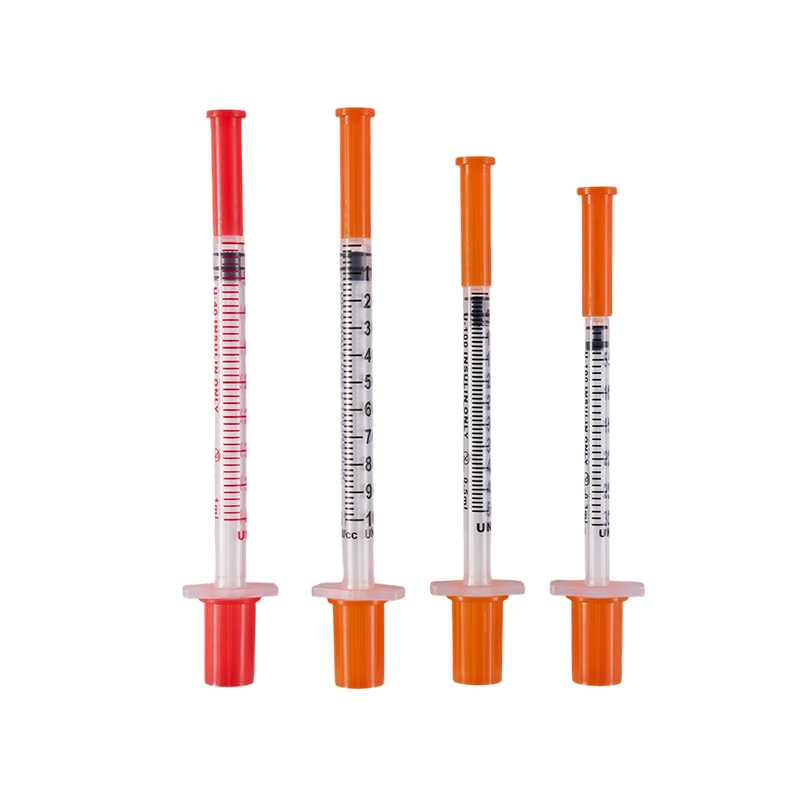
The design and production comply with ISO8537. The plastic parts are moulded by ...
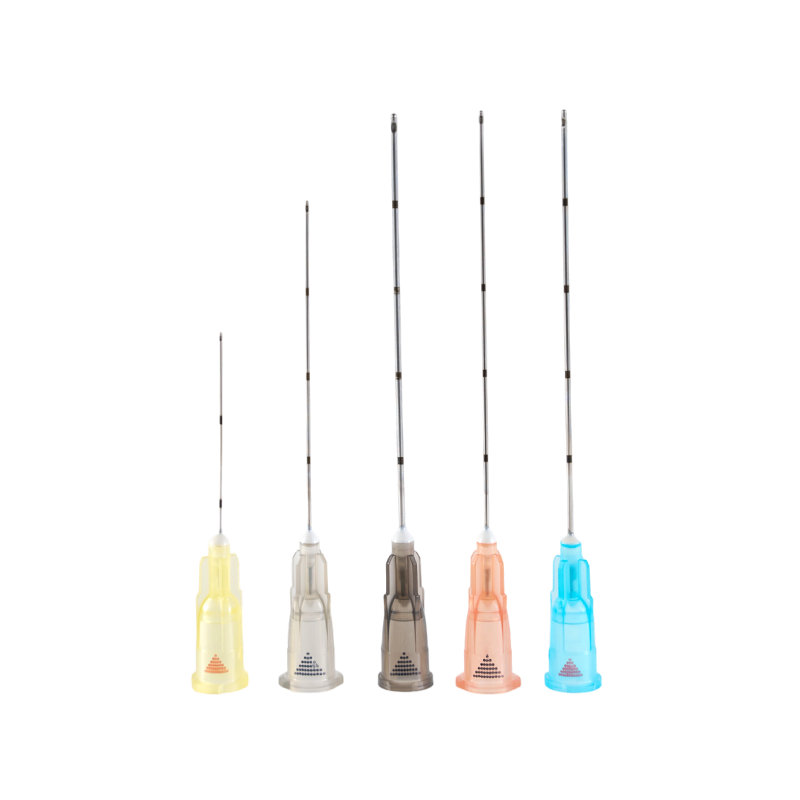
There are three kinds of the tip types, Sealed-circle with 2 side holes, sealed-...
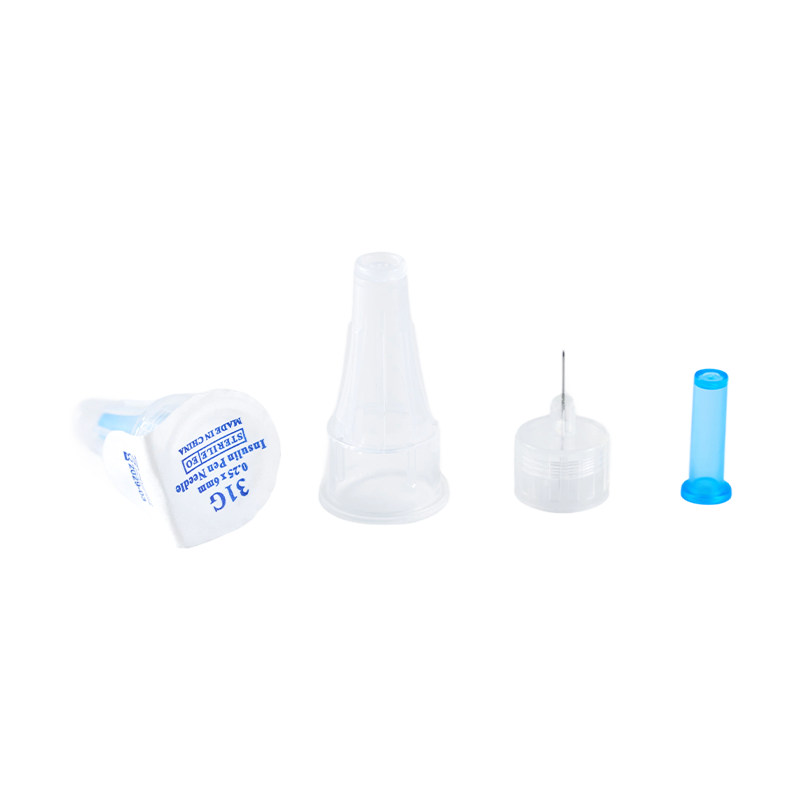
Assembling with insulin pen, for insulin hypodermic injection.The plastic parts ...
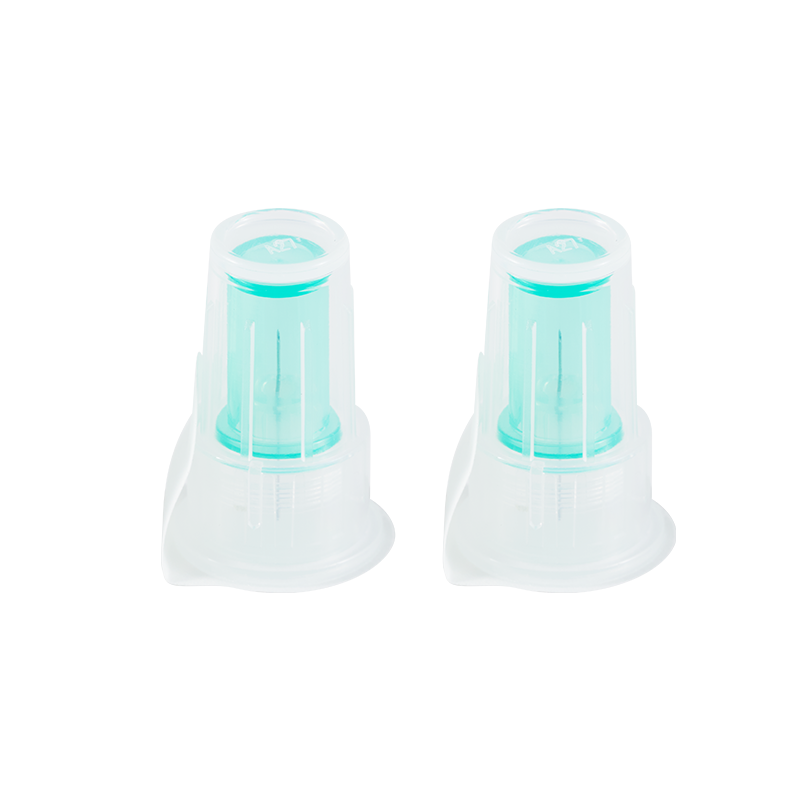
Used in conjunction with an insulin pen, it is used for subcutaneous injection o...
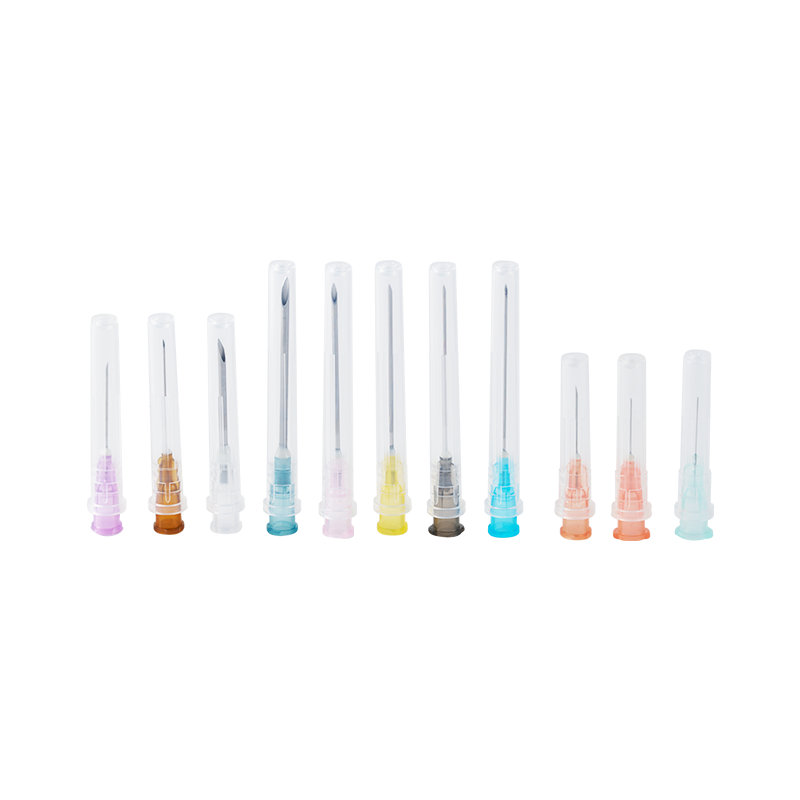
The cannula is made of high quality austenite stainless steel.All the components...
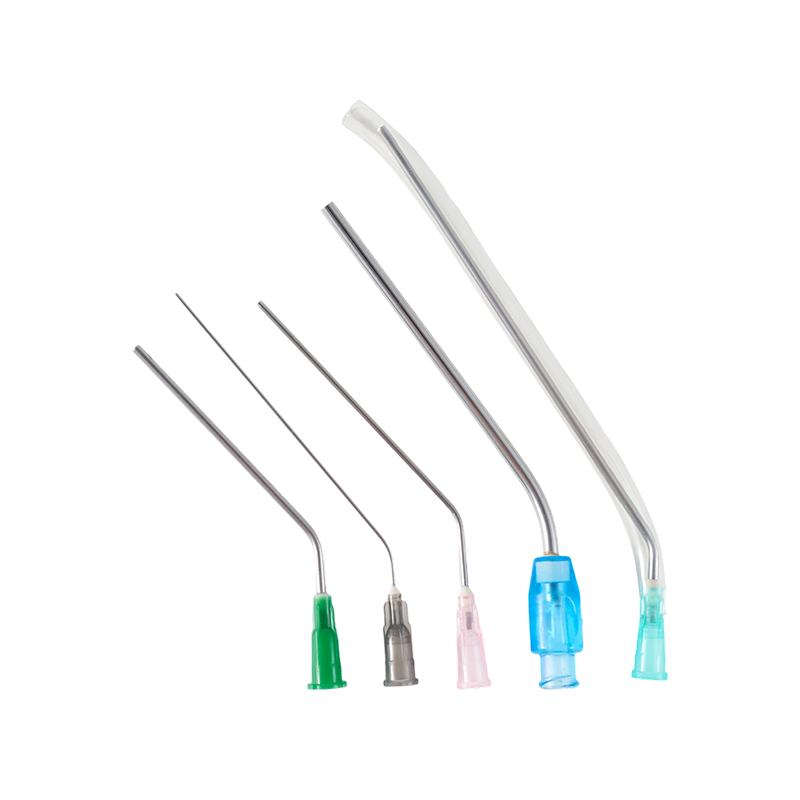
The material of the needle is Medical grade SUS304,which have great stiffness, t...
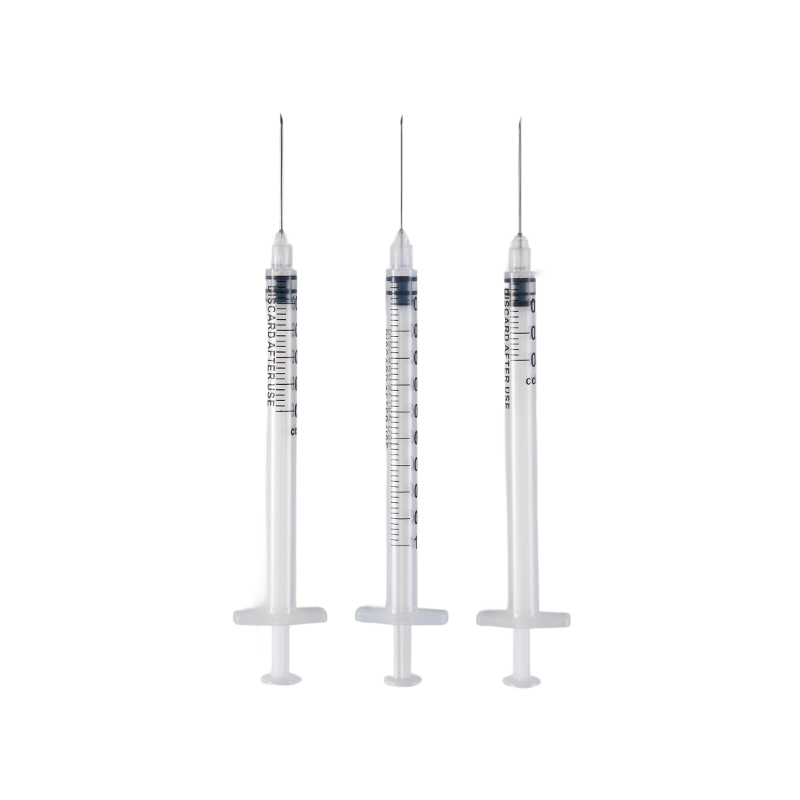
The barrel is made from high transparent polypropylene(PP),which have a bright a...
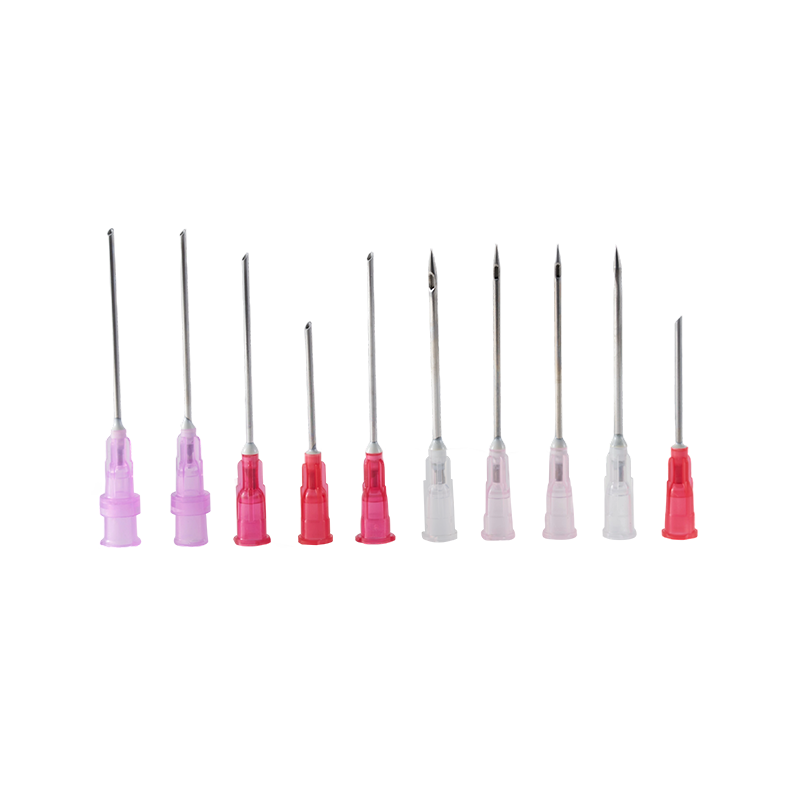
The cannula is made of high quality austenite stainless steel.The lancet tip is ...

Copyright© 2025 Zhejiang INI Medical Devices Co., Ltd.
Approval No:20150049
Medical Device Manufacturers
Disposable Medical Syringes Factory
