


 English
 Español
 中文简体
中文简体Don't hesitate to send a message
The design and production comply with ISO8537. The plastic parts are moulded by ...
Medical tubing may look like a simple metal tube, but its production can involve a carefully organized series of steps. When the tube is used to make a medical needle, cannula, catheter component, or another small medical device part, the shape and condition of the tubing can affect how the finished product is made.
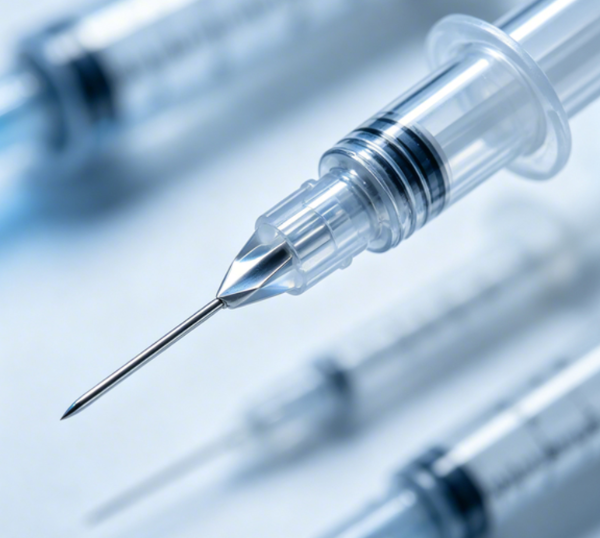
This is where hypodermic tubing suppliers become an important part of the medical manufacturing chain. They do not simply provide a piece of metal. They prepare the material, form the tube, refine its shape, process the surface, cut it when required, and check the finished product before shipment.
Hypodermic tubing is commonly associated with small-diameter medical tubing, particularly tubing used in needle and cannula production. Stainless steel is widely used for these applications, although the suitable material depends on the intended product and its use. Suppliers may provide standard tubing or work with customers on customized forms and further processing.
So, how do hypodermic tubing suppliers manufacture medical tubing?
Material preparation is an important part of medical tubing production. The material needs to match the intended application before the forming process begins.
Stainless steel is widely used for hypodermic tubing because it can provide a combination of strength, corrosion resistance, and suitable surface characteristics. Different medical products may require different material choices, so suppliers normally consider the final use when preparing the tubing.
The starting material can also influence the manufacturing process. For welded and drawn tubing, suppliers commonly begin with flat metal strip. The strip is prepared so it can be formed into a tubular shape before further processing.
Material handling also matters. Clean storage and controlled preparation help reduce the chance of unwanted material problems entering the production process.
For medical applications, the material is more than a basic raw material. It becomes part of a product that may later be used in a needle, catheter, cannula, or another medical device. This makes material selection closely connected with the later stages of manufacturing.
Once the material has been prepared, the flat strip needs to become a tubular structure.
The strip is gradually formed into a round shape. The edges come together to create the basic tube. A joining process is then used to connect the edges along the length of the material.
This creates what is commonly known as welded tubing. The tube is not yet in its final condition. It still needs additional processing to achieve the characteristics required for hypodermic applications.
The welding stage needs to be controlled carefully. A poorly formed joint can create problems later in the manufacturing process. For this reason, suppliers pay attention to the condition of the tube as it moves from forming into the next stage.
After welding, the tube can look relatively simple. However, the manufacturing process is not finished. The next stage plays an important role in refining the tube.
Suppliers may use welded and drawn production methods because drawing can further shape the tube and improve the relationship between its inner and outer surfaces. Industry sources describe hypodermic tubing as commonly being produced by forming stainless steel strip into a tube, welding the seam, and then drawing the tube to its required form.
Drawing is one of the key stages in hypodermic tubing production.
During this process, the tube passes through a forming tool that gradually reduces and refines its shape. An internal support may also be used to help control the inside of the tube.
The purpose is not simply to make the tube smaller. Drawing helps create a more controlled relationship between the inside and outside of the tubing. It can also help improve the surface condition and consistency of the finished tube.
For medical applications, the inside of the tube deserves particular attention. A clean and controlled internal surface can be important when the tubing becomes part of a needle or another product through which material must pass.
The drawing process can be repeated as needed for the required product design. Each stage helps move the tubing closer to its final form.
| Production Stage | Main Purpose |
|---|---|
| Material Preparation | Prepares the metal for tube production |
| Forming | Changes flat material into a tubular shape |
| Welding | Joins the formed edges |
| Drawing | Refines the tube shape and dimensions |
| Surface Processing | Improves the condition of selected surfaces |
| Cutting | Creates usable tube sections |
| Deburring | Removes unwanted sharp edges |
| Inspection | Checks the finished tubing |
| Packaging | Protects the tubing during handling and delivery |
Drawing also changes the physical condition of the metal. The tube becomes more suitable for applications where a small tubular component needs to maintain its form during later processing.
For this reason, hypodermic tubing suppliers often treat drawing as a central part of their manufacturing process rather than simply a sizing operation.
A medical tube has two important surfaces. There is the outside surface that interacts with other components, and there is the inside surface that forms the opening through the tube.
Both need to be considered during production.
The outside surface can affect how the tube fits into a medical assembly. The inside surface can influence how the tube interacts with fluids or other materials. If the tube later becomes part of a needle or cannula, the condition of these surfaces becomes especially relevant.
Manufacturers therefore use forming and drawing processes to keep the tube shape controlled. Internal supports can help guide the inside surface during drawing, while external forming tools help control the outside.
Surface finishing may also be used when the application requires additional processing. Some suppliers provide polishing or other finishing services as part of their tubing production and fabrication capabilities.
The important point is that medical tubing is not judged only by its appearance. The inner and outer surfaces both need to suit the later manufacturing process.
This is especially useful when a customer plans to cut the tubing into needle components. A tube that is easy to process can help make later assembly more organized.
Long lengths of tubing are not always delivered in the form required by a medical device manufacturer. Many applications need shorter sections.
Cutting is therefore another important service offered by hypodermic tubing suppliers.
The tubing can be cut into sections that match the customer's manufacturing process. These sections may later become needle tubes, cannulas, or other small medical components.
Cutting needs to be handled carefully because the end of the tube becomes part of the finished component. An uneven or damaged edge may create additional work during later processing.
This is why suppliers may combine cutting with deburring. Deburring removes unwanted material or sharp edges created during cutting. It helps prepare the tube for the next manufacturing stage.
Some suppliers also provide cleaning after cutting and other fabrication services. These additional steps can reduce the amount of preparation required by the medical device manufacturer.
For buyers, this creates a practical difference between simply purchasing raw tubing and purchasing tubing that has already been prepared for production.
Hypodermic tubing is often used as a starting material for medical needles and cannulas. The supplier may provide the tube as a basic material, or it may be processed further before delivery.
A needle manufacturer may need tubing that has already been cut and prepared. In other cases, the tubing may move directly into another production process where the needle point, hub connection, or other features are created.
The basic tube therefore acts as a foundation for a larger product.
| Medical Product Area | Possible Role of Hypodermic Tubing |
|---|---|
| Hypodermic Needles | Provides the tubular needle body |
| Cannulas | Forms part of the tubular medical component |
| Catheter Components | Supports selected catheter structures |
| Sampling Devices | Provides a small passage for sample handling |
| Drug Delivery Products | Can form part of a fluid path |
| Surgical Components | May serve as a small tubular component |
| Diagnostic Devices | Can be incorporated into selected medical assemblies |
The final processing depends on the product. Some applications may require bending. Others may require shaping, joining, polishing, or additional surface treatment.
This is why many suppliers now offer more than basic tubing. They may also provide cutting, forming, finishing, cleaning, and other fabrication services. Medical tubing manufacturers describe these additional processes as part of their support for needle, cannula, catheter, and other medical device components.
Inspection takes place throughout the manufacturing process rather than only at the end.
Suppliers may check the material before production begins. They can also inspect the tube after forming, welding, drawing, cutting, and finishing.
The goal is to identify problems before the tubing reaches the next stage.
Several areas may receive attention:
Quality checks are particularly important because hypodermic tubing often becomes a component rather than a finished medical product. A problem in the tubing can create additional difficulties for the manufacturer that uses it.
Traceability can also form part of supplier quality management. Some tubing manufacturers maintain records that connect finished material with its source material and production lot.
This gives medical device manufacturers another way to manage incoming materials and production records.
Not every medical device uses the same tube.
A customer may need a particular tube shape, surface condition, material, length, or finishing process. This is where customization becomes important.
Some suppliers offer custom tubing rather than limiting production to standard products. Custom work can involve changes to the tube's form, processing method, cutting arrangement, or surface treatment.
The process normally begins with understanding how the tube will be used. A supplier needs to know whether the tubing will become a needle, cannula, catheter component, sampling device, or another medical part.
This information helps determine how the tubing should be processed.
Customization can also continue after the basic tube has been produced. Suppliers may provide cutting, deburring, bending, forming, polishing, cleaning, or other secondary operations depending on the application.
For medical device manufacturers, this can simplify sourcing. Instead of receiving unfinished tubing and arranging every additional process separately, they may be able to purchase a more prepared component.
The production relationship can therefore move beyond a simple supplier-buyer transaction. A tubing supplier can become part of the manufacturing chain by helping prepare a tube for its next production stage.
Medical tubing production needs to balance material selection, forming, surface condition, cutting, cleanliness, and inspection.
No single step determines the usefulness of the finished tube. The stages work together.
A tube may have the right material but still require additional surface processing. It may have a suitable shape but need careful cutting before it can enter needle production. It may be correctly formed but require inspection before being released for shipment.
This is why established production workflows usually connect several activities:
The exact sequence can change depending on the product. Some tubes may need additional forming. Others may go directly from drawing to cutting and inspection.
Packaging also deserves attention. Medical tubing can be small and easy to damage during handling. Appropriate packaging helps protect the product and keeps prepared tubing organized during storage and transportation.
The final goal is to provide tubing that fits naturally into the customer's next manufacturing step.
For hypodermic tubing suppliers, manufacturing is therefore not simply about producing a small metal tube. It is about creating a controlled starting component for another medical product. The quality of the material, tube structure, surface, cut ends, and final handling can all influence how easily that component moves into needle, cannula, catheter, diagnostic, or other medical device production.
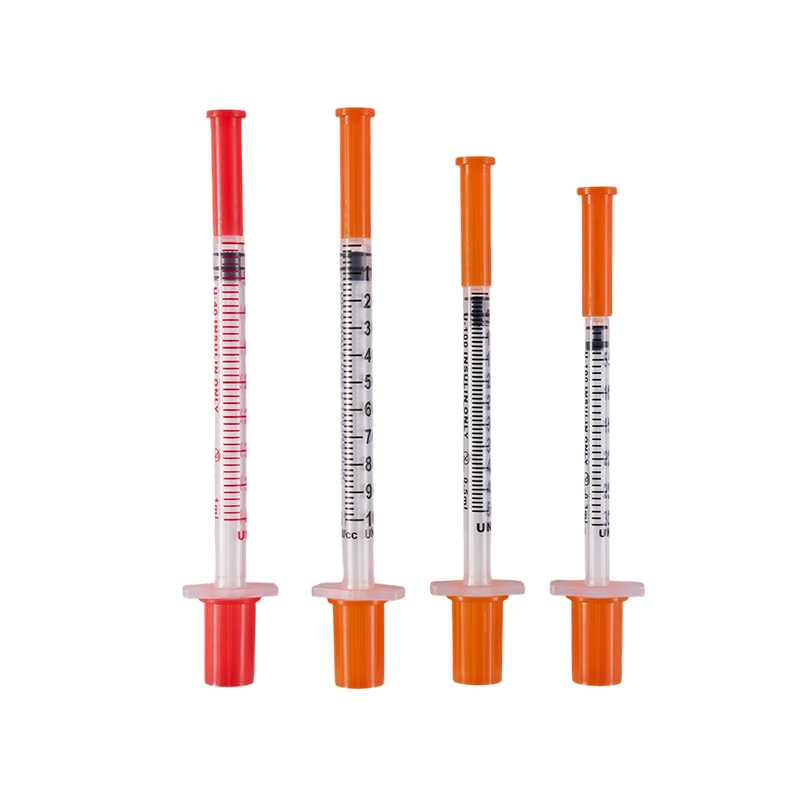
The design and production comply with ISO8537. The plastic parts are moulded by ...
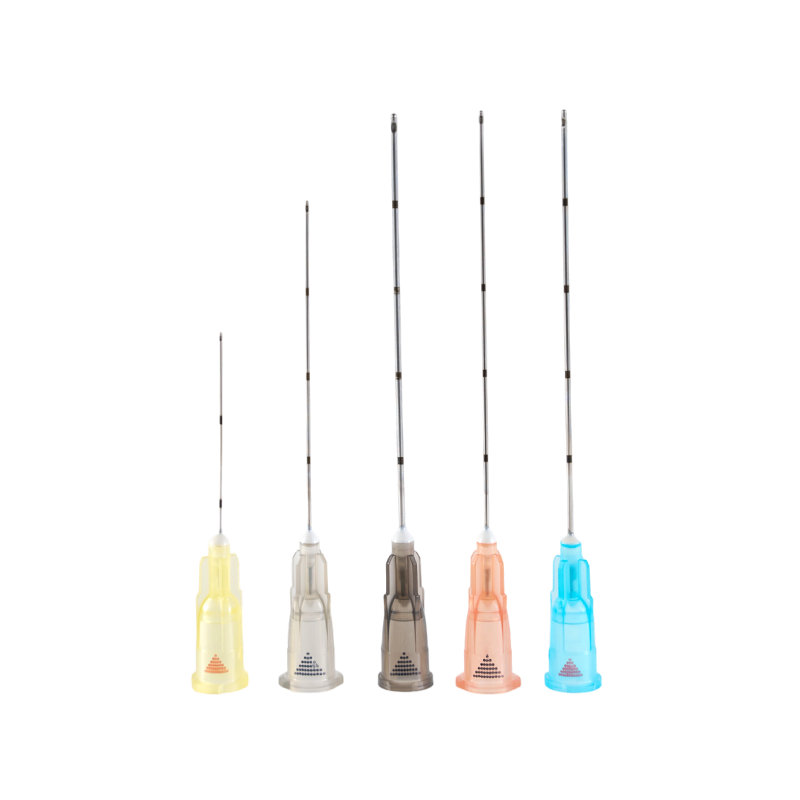
There are three kinds of the tip types, Sealed-circle with 2 side holes, sealed-...
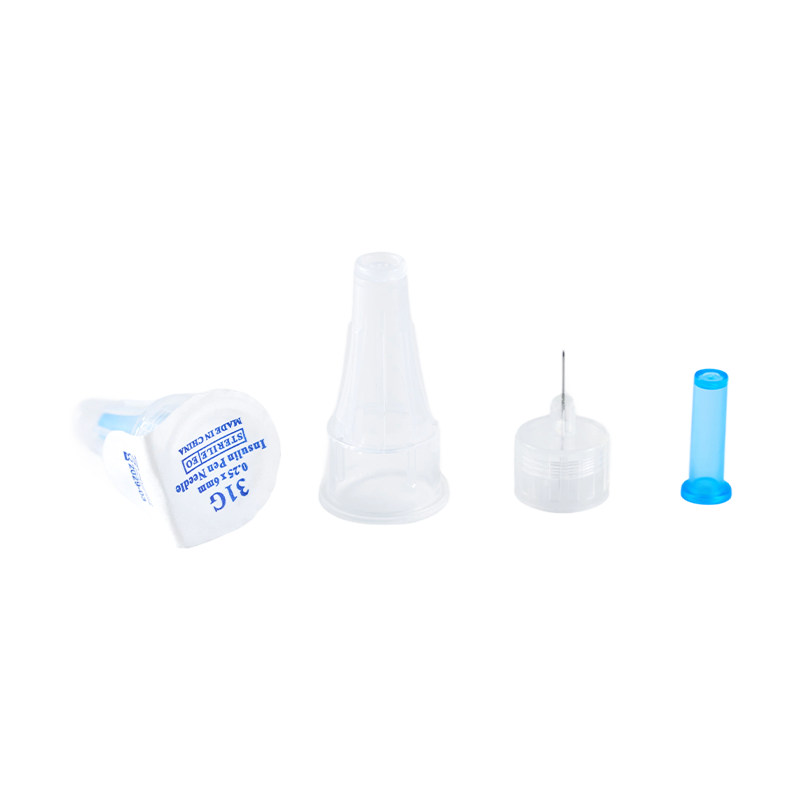
Assembling with insulin pen, for insulin hypodermic injection.The plastic parts ...
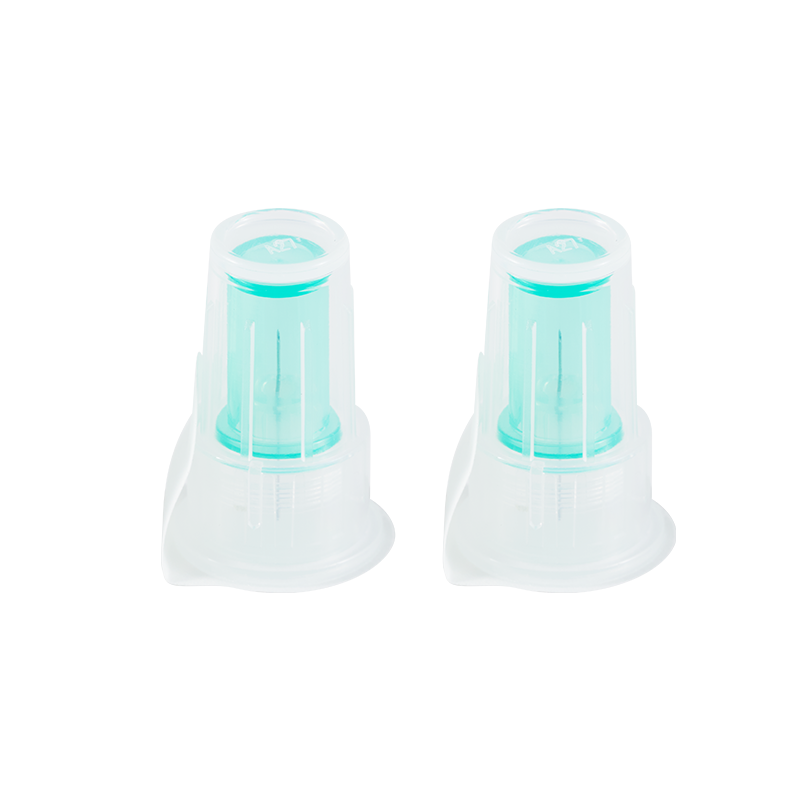
Used in conjunction with an insulin pen, it is used for subcutaneous injection o...
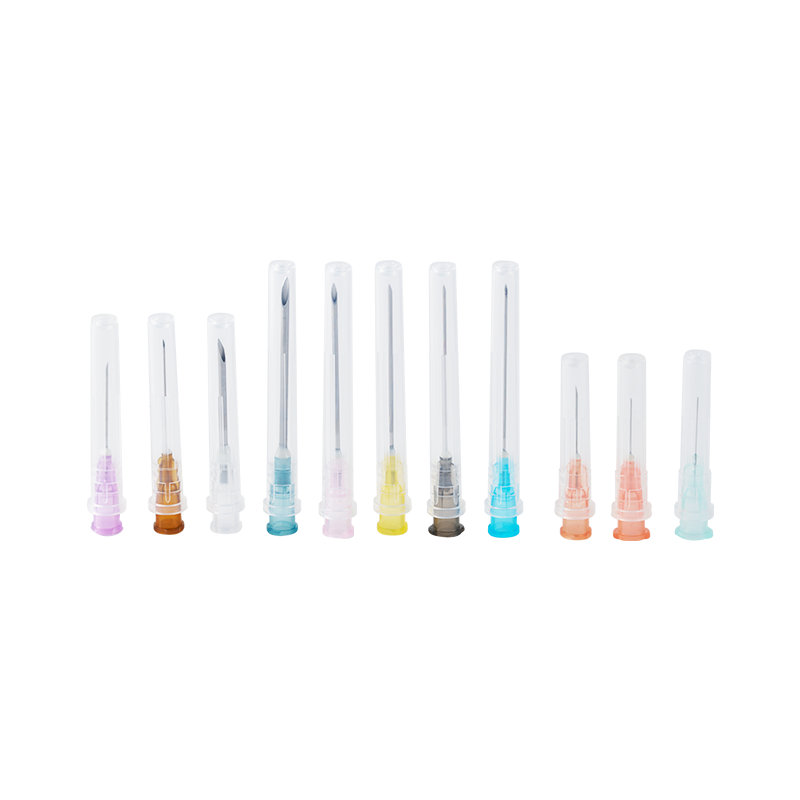
The cannula is made of high quality austenite stainless steel.All the components...
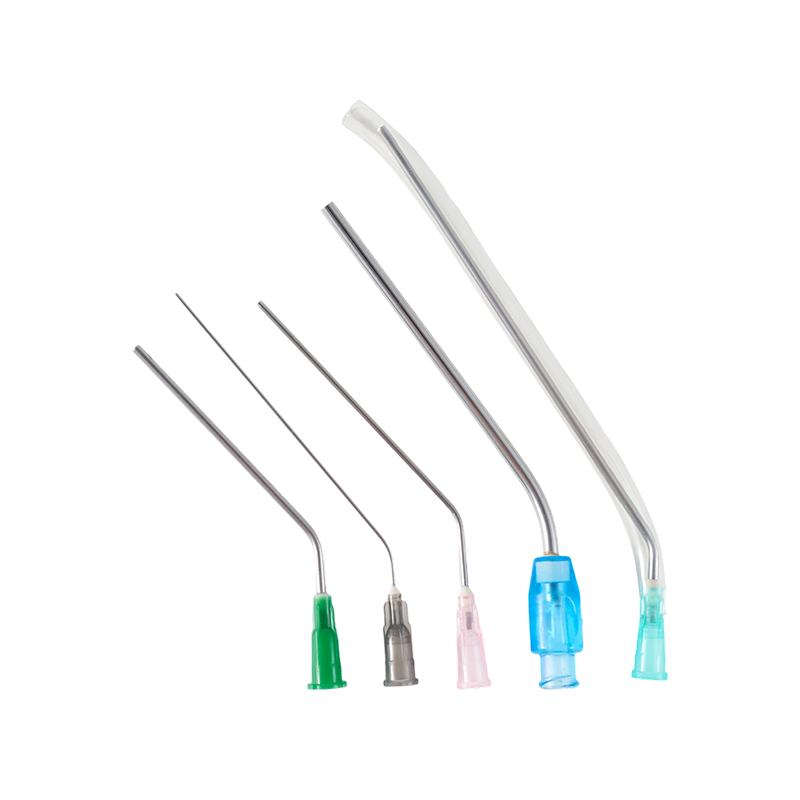
The material of the needle is Medical grade SUS304,which have great stiffness, t...
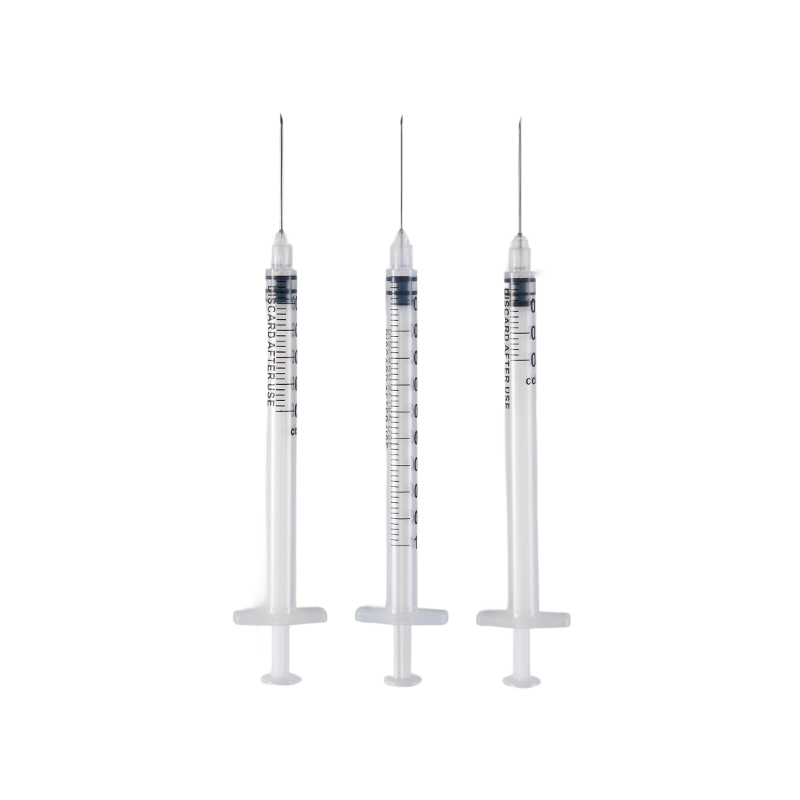
The barrel is made from high transparent polypropylene(PP),which have a bright a...

The cannula is made of high quality austenite stainless steel.The lancet tip is ...

Copyright© 2025 Zhejiang INI Medical Devices Co., Ltd.
Approval No:20150049
Medical Device Manufacturers
Disposable Medical Syringes Factory
