


 English
 Español
 中文简体
中文简体Don't hesitate to send a message
The design and production comply with ISO8537. The plastic parts are moulded by ...
Choosing an Insulin Syringe Supplier is not simply a purchasing decision. For healthcare companies, distributors, and medical product developers, the supplier can influence how smoothly a product moves from planning to delivery.
Insulin syringes are used in a setting where product handling matters. The people using them may have different levels of experience. Some products may be supplied through healthcare facilities, while others may be intended for home use. These differences create different expectations for product design, packaging, communication, and supply.

A supplier that understands these differences can provide more useful support during purchasing and product development.
Buyers are also looking beyond the product itself. They may want to understand how a supplier handles material selection, production planning, quality checks, packaging, documentation, and changes in demand. These areas can affect the relationship long after an order has been placed.
The role of a Syringe Supplier is therefore becoming broader. Product supply remains important, but the way a supplier communicates and responds to application needs can also shape the buying experience.
Different users may interact with insulin syringes in different ways. A healthcare professional may use them as part of a routine care process. A home user may need a product that is easy to understand and handle.
The supplier should understand the intended application before discussing product options. This helps buyers avoid selecting a product based only on appearance or general availability.
Application knowledge can cover several areas:
These questions create a more complete picture of the purchasing requirement.
An Insulin Syringe Supplier does not replace the medical or regulatory teams responsible for product decisions. Its role is to provide manufacturing and product information that helps buyers make informed choices.
A supplier that asks about the application can also identify requirements that may otherwise be missed.
Quality is an important part of medical product purchasing. Buyers need confidence that products are manufactured and handled according to the requirements agreed during development and supply.
This does not mean focusing on one isolated inspection point. A broader view can be more useful.
Buyers may review how the supplier manages:
Material control
The supplier should be able to explain how materials are selected and managed for the intended product.
Production consistency
The manufacturing process should be organized so that products can be produced in a controlled manner.
Product inspection
Appropriate checks should be part of the manufacturing process.
Packaging control
Finished products should be protected and organized for later handling.
Documentation
Buyers may need clear product and manufacturing information for their own records and processes.
A supplier should also be willing to discuss how quality concerns are handled when they arise.
Open communication is useful here. Buyers should not have to rely only on general claims. They can ask practical questions about inspection, production records, material handling, and product changes.
| Buyer Concern | What to Ask the Supplier | Why It Matters |
|---|---|---|
| Material | How are suitable materials selected? | Helps connect materials with product requirements |
| Production | How is manufacturing organized? | Supports consistent production planning |
| Inspection | What product checks are included? | Helps buyers understand quality practices |
| Packaging | How are finished products protected? | Supports safe handling through later stages |
| Documentation | What product information can be provided? | Helps with purchasing and internal records |
| Changes | How are product changes communicated? | Reduces unexpected purchasing issues |
| Complaints | How are quality concerns handled? | Supports clearer supplier cooperation |
| Communication | Who handles technical and product questions? | Makes daily coordination easier |
Material selection can influence many aspects of an insulin syringe. The material needs to suit the intended product structure and use.
Buyers may not need to choose materials alone. A capable Syringe Supplier can provide information about available material options and explain how different choices may affect manufacturing.
The discussion may include the relationship between the material and:
A material choice that works well for one product may not be appropriate for another. This is why application information should be shared before final decisions are made.
Buyers can ask suppliers to explain the reasoning behind a proposed material rather than simply asking which material is available.
This creates a more useful purchasing conversation.
Material selection can also become important when a buyer wants to modify an existing product. A change in product structure may require another look at the material. The supplier's manufacturing experience can help identify areas that deserve review.
Medical product development rarely stays completely unchanged. A design may be adjusted after a prototype review. Packaging may be revised. A component may need to fit another product differently.
These changes can affect manufacturing.
Syringe Supplier should have a clear way to discuss development adjustments. Buyers can look at how the supplier responds when a design changes instead of judging the supplier only by its ability to produce an existing product.
A flexible supplier relationship may involve:
Design discussion → Material review → Sample development → Product feedback → Manufacturing planning → Production adjustment
This does not mean that every requested change can be accepted. Some changes may require additional review.
What matters is that the supplier can explain what needs to be considered.
A useful supplier should be able to communicate whether a proposed change affects components, production, assembly, packaging, or other parts of the product.
This type of communication can save time during development.
Packaging can be easy to overlook when buyers focus heavily on the syringe itself.
Yet packaging affects how a medical product is stored, transported, identified, and handled. A product can be well designed but still create difficulties if the packaging does not fit the supply process.
Buyers may discuss packaging questions with the Insulin Syringe Supplier early in the purchasing process.
Consider these areas:
Packaging can also influence production planning. Changes in product shape or component arrangement may require packaging adjustments.
A supplier that can discuss both product manufacturing and packaging provides buyers with a broader view of the supply process.
Manufacturing capability is more than having production equipment. Buyers may want to understand whether a supplier can manage the complete process in an organized way.
This can include product development, material preparation, component production, assembly, inspection, packaging, and communication.
The following questions can help buyers structure a supplier review:
The goal is not to find a supplier that promises everything. A more useful approach is to understand what the supplier can actually support.
Clear boundaries can be valuable. If a supplier explains what it can do and where additional review is needed, buyers have a clearer basis for planning.
This is particularly important for medical products because changes may affect several stages of the product lifecycle.
Price naturally matters in purchasing. However, it is only one part of the supplier relationship.
A lower quoted price may not provide much value if communication is slow, product information is unclear, packaging creates problems, or design changes are difficult to manage.
Buyers can consider a wider group of factors.
| Supplier Evaluation Area | Buyer Question |
|---|---|
| Product Fit | Does the product match the intended application? |
| Manufacturing | Can the supplier support the required production process? |
| Material | Can the supplier explain its material choices? |
| Quality | Are inspection and quality practices clearly communicated? |
| Development | Can the supplier support samples and design discussions? |
| Packaging | Can packaging requirements be addressed? |
| Communication | Are product questions handled clearly? |
| Flexibility | Can the supplier respond to reasonable product changes? |
| Supply Planning | Can the supplier communicate about production and delivery arrangements? |
| Long-Term Cooperation | Is there a clear process for handling future changes? |
This approach does not mean ignoring cost. It means placing cost within the larger purchasing picture.
A supplier with clear communication and practical manufacturing support may reduce some of the uncertainty that appears during product development and ongoing supply.
Supplier selection is often handled by a purchasing team, but other departments may have useful questions.
Product development teams may want to understand design options. Quality teams may focus on inspection and documentation. Packaging teams may review how products are prepared for storage and distribution.
Different perspectives can help buyers build a more complete supplier profile.
A supplier discussion can therefore include several areas:
Purchasing team:
Focuses on supply arrangements, communication, and commercial requirements.
Product team:
Looks at design, materials, components, and development support.
Quality team:
Reviews quality practices, inspection, and documentation.
Packaging team:
Considers product protection, identification, and handling.
Operations team:
Looks at production planning and coordination.
The supplier should be able to communicate with these different roles without creating unnecessary confusion.
Good communication does not require complicated language. Clear answers to practical questions are often more useful.
For buyers, the central question is not only whether an Insulin Syringe Supplier can provide syringes. It is whether the supplier can understand the intended application and support the product through the stages that matter to the buyer.
Application knowledge, material discussion, product design, manufacturing capability, packaging, quality practices, and communication all form part of that relationship.
As healthcare products continue to serve different users and settings, supplier selection can become less about a single purchasing decision and more about how well two organizations can coordinate around a specific product need.
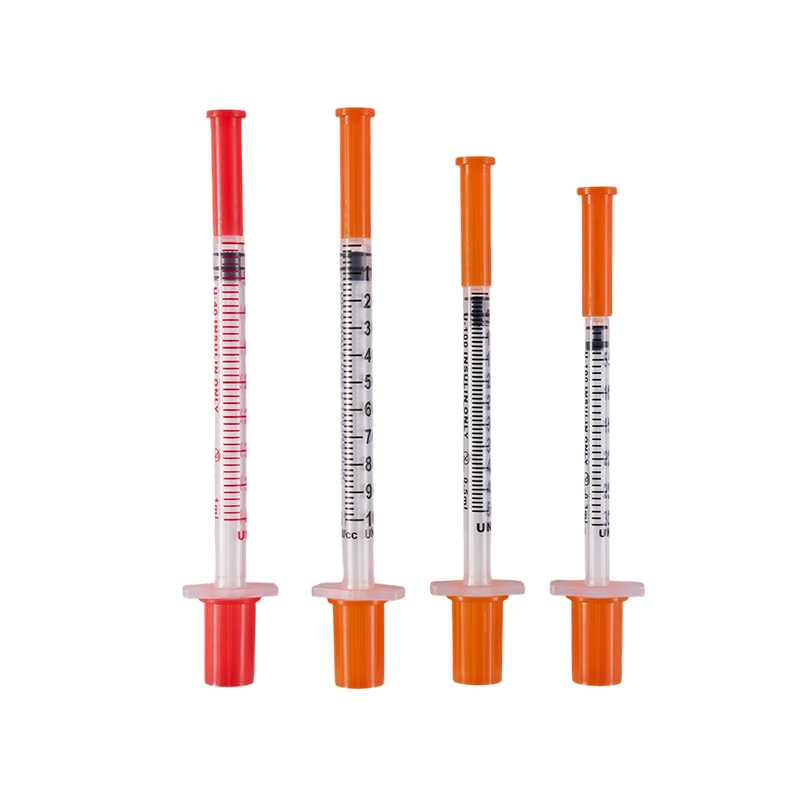
The design and production comply with ISO8537. The plastic parts are moulded by ...
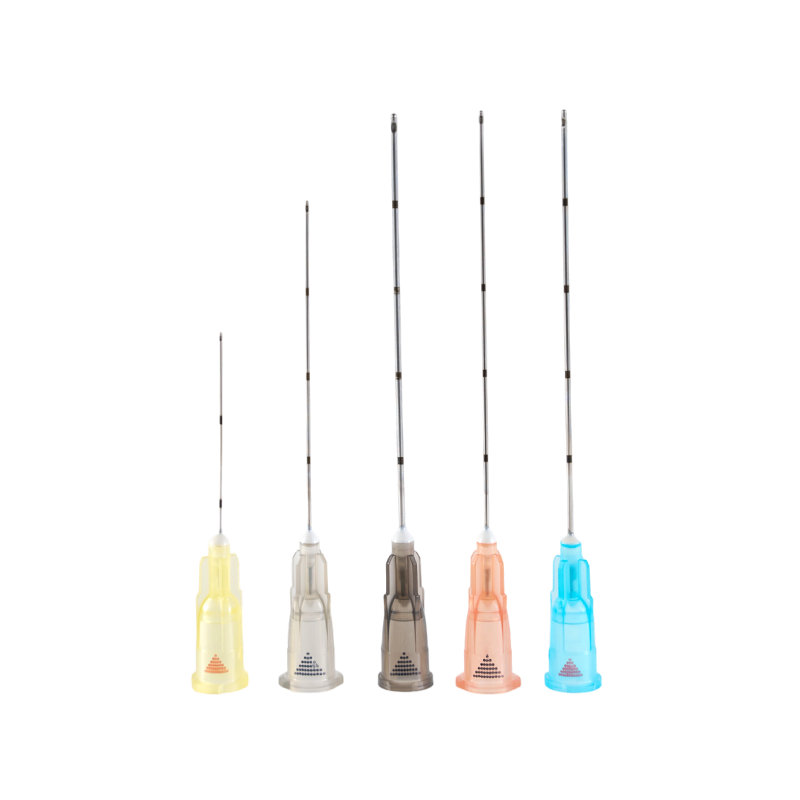
There are three kinds of the tip types, Sealed-circle with 2 side holes, sealed-...
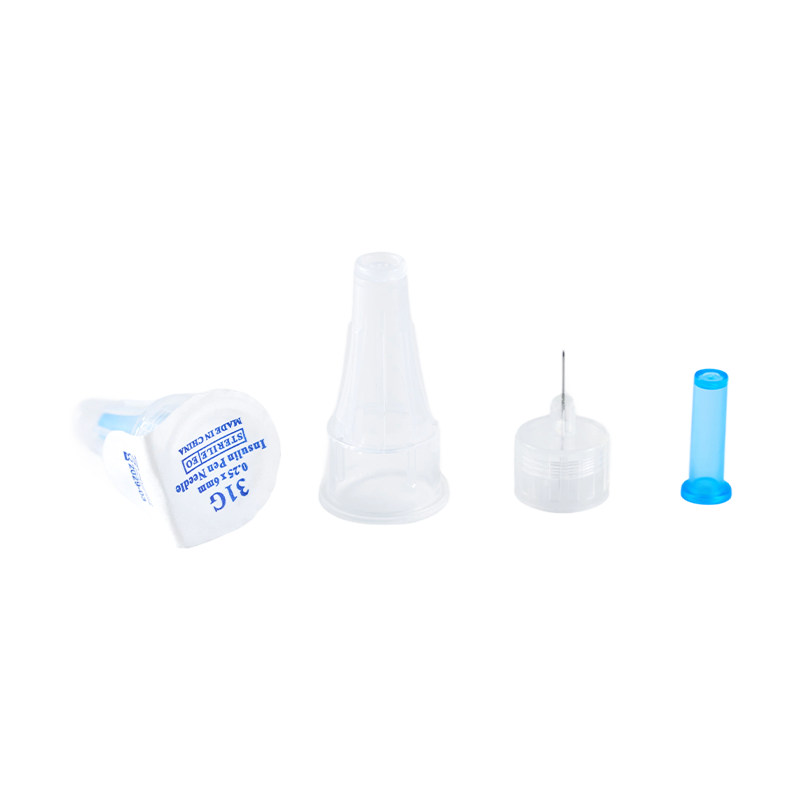
Assembling with insulin pen, for insulin hypodermic injection.The plastic parts ...
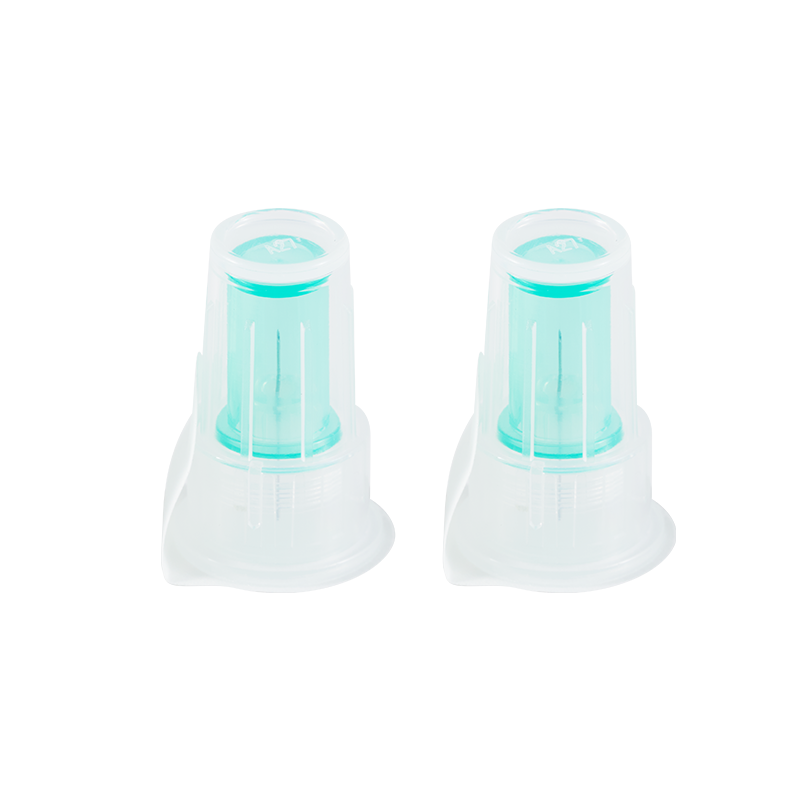
Used in conjunction with an insulin pen, it is used for subcutaneous injection o...
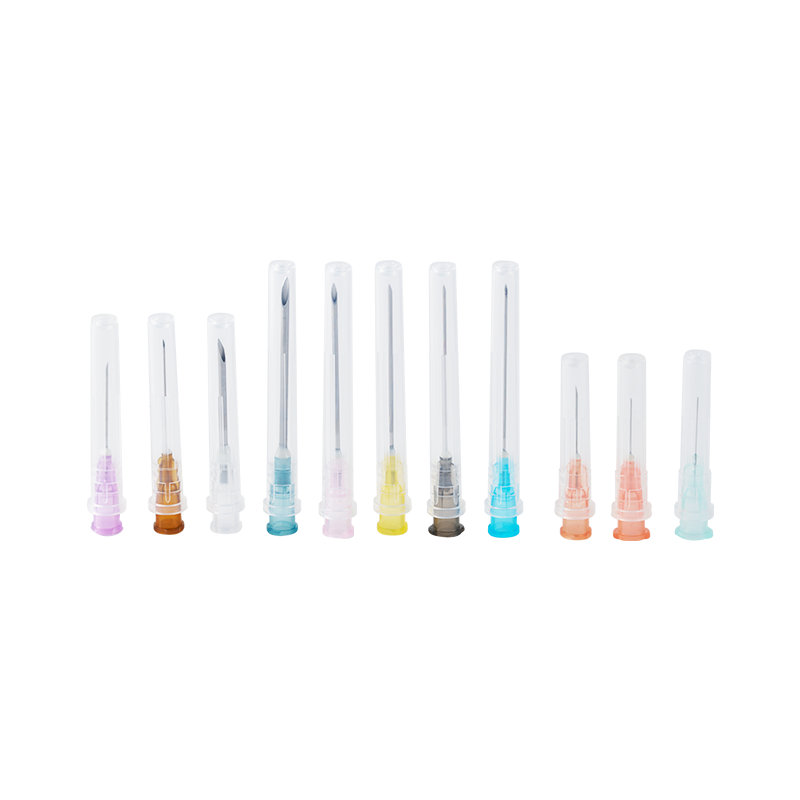
The cannula is made of high quality austenite stainless steel.All the components...
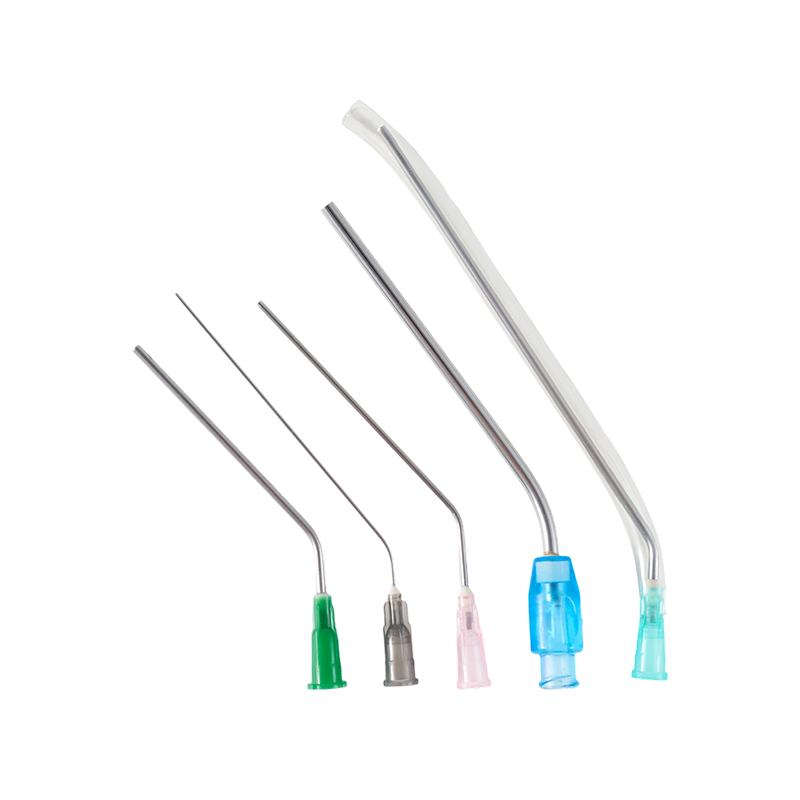
The material of the needle is Medical grade SUS304,which have great stiffness, t...
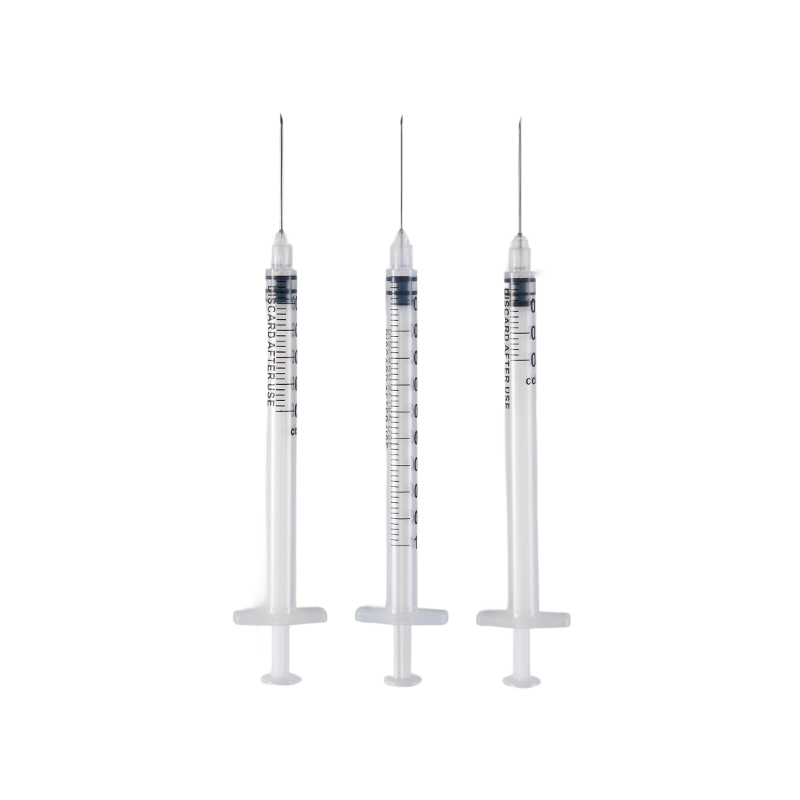
The barrel is made from high transparent polypropylene(PP),which have a bright a...

The cannula is made of high quality austenite stainless steel.The lancet tip is ...

Copyright© 2025 Zhejiang INI Medical Devices Co., Ltd.
Approval No:20150049
Medical Device Manufacturers
Disposable Medical Syringes Factory
