


 English
 Español
 中文简体
中文简体Don't hesitate to send a message
The design and production comply with ISO8537. The plastic parts are moulded by ...
Choosing an injection needle supplier is not simply a purchasing decision. For medical manufacturers, the supplier can become part of a wider production and quality management process.
Injection needles are small components, but their role in a finished medical product can make supplier selection more involved. Buyers may need to consider product consistency, manufacturing organization, quality management, communication, customization, delivery coordination, and the supplier's ability to support changing requirements.
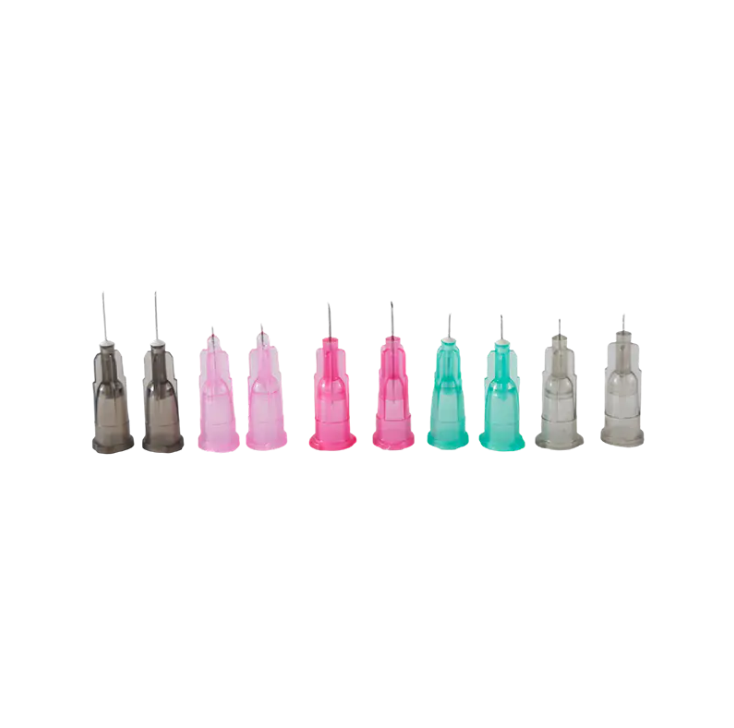
The term Injection Needle Supplier can cover businesses with very different capabilities. Some may focus on standard products. Others may support more customized requirements or work closely with medical manufacturers during product development.
This makes the selection process worth examining from several angles.
A suitable supplier should not only provide the requested product. It should also fit the buyer's production process and communication needs.
The basic capability is product supply.
A supplier needs to understand what the buyer requires and provide products that match the agreed specifications and application.
However, supply is only one part of the relationship.
Medical manufacturers may also need support with product selection, production coordination, quality checks, packaging arrangements, and order management.
A useful way to view supplier capabilities is to divide them into several areas.
| Supplier Capability | Why It Matters |
|---|---|
| Product Manufacturing | Supports consistent product supply |
| Quality Management | Helps maintain an organized production process |
| Product Flexibility | Supports different customer requirements |
| Production Capacity | Helps coordinate ongoing orders |
| Communication | Reduces misunderstandings during cooperation |
| Packaging Management | Supports product handling and delivery |
| Technical Support | Helps address product-related questions |
| Order Coordination | Makes purchasing easier to manage |
The importance of each area depends on the buyer.
A company purchasing a standard product may focus on supply consistency.
A manufacturer developing a new medical product may need closer communication and greater flexibility.
An Injection Needle Supplier needs a reliable manufacturing process behind its products.
The supplier should understand its own production flow. It should know how raw materials, components, processing, inspection, and packaging are connected.
This does not mean buyers need to understand every production detail.
They should, however, have confidence that the supplier has a structured way to manage manufacturing.
A supplier with clear production organization can respond more effectively when a customer asks about product availability, changes, or production arrangements.
Manufacturing capability can also affect consistency.
When the same product is ordered repeatedly, buyers generally expect the product to remain consistent with the agreed requirements.
A supplier should therefore have appropriate controls throughout production.
This includes material handling, production operations, inspection, and product storage.
The goal is not simply to make a product.
The goal is to maintain a repeatable production process.
Quality management is closely connected with medical product manufacturing.
An injection needle supplier should have a clear process for checking its products.
Quality should not be treated as an activity that happens only after manufacturing is finished.
It can be considered throughout the production process.
Materials need to be managed properly.
Production activities need to follow defined procedures.
Products need to be inspected.
Issues should be identified and handled appropriately.
Documentation can also support communication between the supplier and customer.
For buyers, useful questions may include:
These questions can provide a clearer picture than simply asking whether a supplier has a quality system.
The important point is how that system works in daily production.
Medical manufacturers do not always purchase identical products.
Different applications may require different needle designs, packaging arrangements, or product configurations.
This makes flexibility an important supplier capability.
A supplier that can support different requirements may be easier to work with when product needs change.
However, flexibility should not be confused with unlimited customization.
A buyer should understand what the supplier can realistically provide.
For example, a supplier may be able to adjust product arrangements but may not support every possible design.
Clear communication helps define these boundaries.
A good purchasing discussion can cover:
This allows both sides to understand what is realistic before production begins.
It can also reduce unnecessary changes later.
Supplier communication is sometimes underestimated.
A product can meet expectations, but poor communication can still create problems.
Medical manufacturing often involves detailed product requirements.
Small misunderstandings can affect production planning.
A responsive supplier should be able to understand customer questions and provide clear answers.
Communication matters at several stages.
During the initial inquiry, the supplier needs to understand the customer's requirements.
During product development, both sides may need to discuss changes.
During production, the buyer may need updates about order progress.
After delivery, questions may arise about packaging, product handling, or future orders.
This creates a long communication chain.
| Communication Stage | Supplier Role |
|---|---|
| Initial Inquiry | Understand customer requirements |
| Product Discussion | Clarify product and application needs |
| Order Confirmation | Confirm agreed production details |
| Manufacturing | Coordinate production information |
| Delivery | Provide relevant shipping and packaging information |
| After-Sales | Respond to product-related questions |
Clear communication does not require complicated language.
Simple and direct information can be more useful.
The buyer should know what the supplier can provide, what information is needed, and what happens when requirements change.
It can.
Medical manufacturers may experience changes in demand or product planning.
A supplier needs to be able to communicate about these changes.
Production flexibility can involve more than manufacturing equipment.
It can also include scheduling, material preparation, product changes, packaging, and order coordination.
For example, a buyer may need to adjust an order because of a change in its own production schedule.
The supplier's ability to discuss the situation and provide realistic options can make a difference.
This is especially relevant when the supplier relationship is expected to continue over a longer period.
A supplier does not need to promise that every change can be accommodated.
A more useful approach is to explain what can be adjusted and under what conditions.
This creates clearer expectations.
The role of an Injection Needle Supplier can begin before mass production.
Some manufacturers involve suppliers during product development.
This can be useful when a new product requires specific components.
The supplier may provide information about available product structures, manufacturing options, packaging approaches, or design considerations.
Early communication can help manufacturers understand whether a proposed product is practical to produce.
It can also help identify potential issues before they become part of the manufacturing process.
For example, a product designer may focus on the function of an injection needle.
A manufacturing team may also need to consider how the component will be handled, assembled, inspected, and packaged.
A supplier with relevant manufacturing experience can contribute to this discussion.
The supplier does not replace the manufacturer's product development team.
Instead, it becomes another source of production information.
This can make the relationship more collaborative.
A supplier may have a suitable product, but buyers also need predictable order coordination.
Production planning depends on materials arriving when they are needed.
This makes supply communication important.
An Injection Needle Supplier should have a clear process for handling orders.
This can include order confirmation, production planning, packaging, shipment coordination, and communication when circumstances change.
Supply coordination becomes more important when the buyer relies on regular deliveries.
A supplier should be able to communicate about production schedules in a practical way.
This does not mean promising unlimited availability.
It means providing realistic information.
The buyer can then plan its own manufacturing activities more effectively.
| Supply Area | What Buyers Can Evaluate |
|---|---|
| Order Handling | Is the ordering process clear? |
| Production Planning | Can the supplier coordinate production needs? |
| Packaging | Is the product prepared appropriately for delivery? |
| Delivery Communication | Are changes communicated clearly? |
| Repeat Orders | Can the supplier manage ongoing requirements? |
| Requirement Changes | Can the supplier discuss adjustments realistically? |
Good supply coordination reduces uncertainty.
It also makes the supplier relationship easier to manage.
There is no single supplier profile that fits every medical manufacturer.
A company purchasing standard injection needles may have different priorities from a manufacturer developing a customized medical product.
A practical comparison can focus on several areas.
Manufacturing capability shows whether the supplier has an organized production process.
Quality management indicates how the supplier approaches consistency and inspection.
Product flexibility shows whether different requirements can be supported.
Communication reveals how easily both sides can exchange information.
Production coordination helps buyers understand whether ongoing orders can be managed.
Product development support may matter when the supplier is involved early in a new project.
A comparison table can make these factors easier to review.
| Evaluation Area | Questions Buyers Can Ask |
|---|---|
| Manufacturing | Does the supplier have an organized production process? |
| Quality | How are products inspected and controlled? |
| Flexibility | Can the supplier support different requirements? |
| Communication | Are questions answered clearly and promptly? |
| Development Support | Can the supplier discuss product design needs? |
| Supply Coordination | Can orders and production plans be coordinated? |
| Packaging | Does the packaging approach match the buyer's needs? |
| Long-Term Cooperation | Can the supplier adapt as requirements change? |
The most suitable Injection Needle Supplier is therefore not necessarily the one with the longest product list.
The more important question is whether the supplier's capabilities match the buyer's actual needs.
A medical manufacturer may need a supplier that can communicate clearly, maintain an organized manufacturing process, manage quality, support appropriate product variations, and coordinate orders over time.
When these capabilities work together, the supplier becomes part of a broader manufacturing relationship rather than simply a source of injection needles.
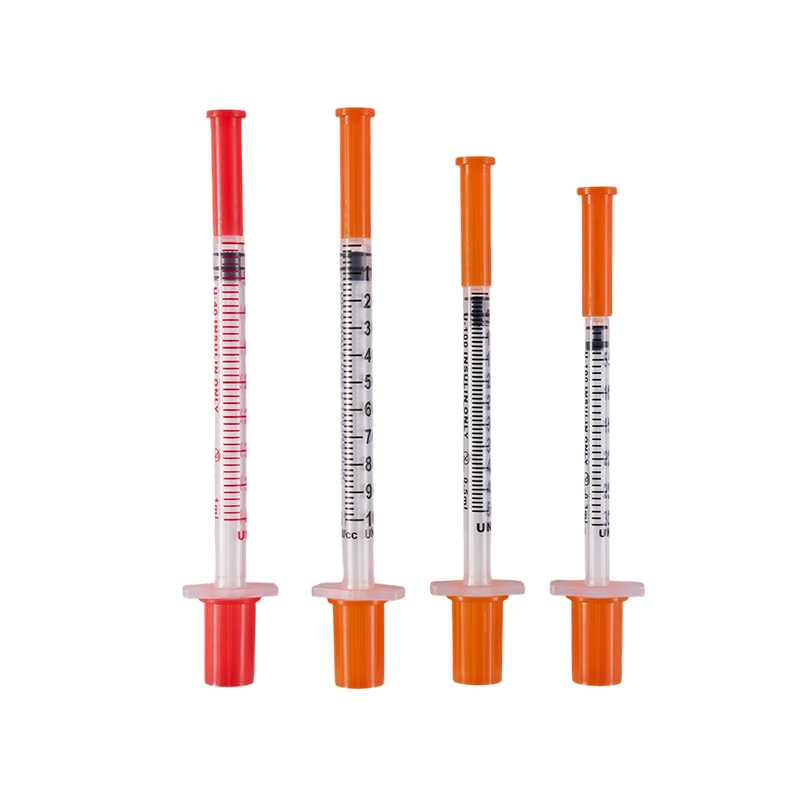
The design and production comply with ISO8537. The plastic parts are moulded by ...
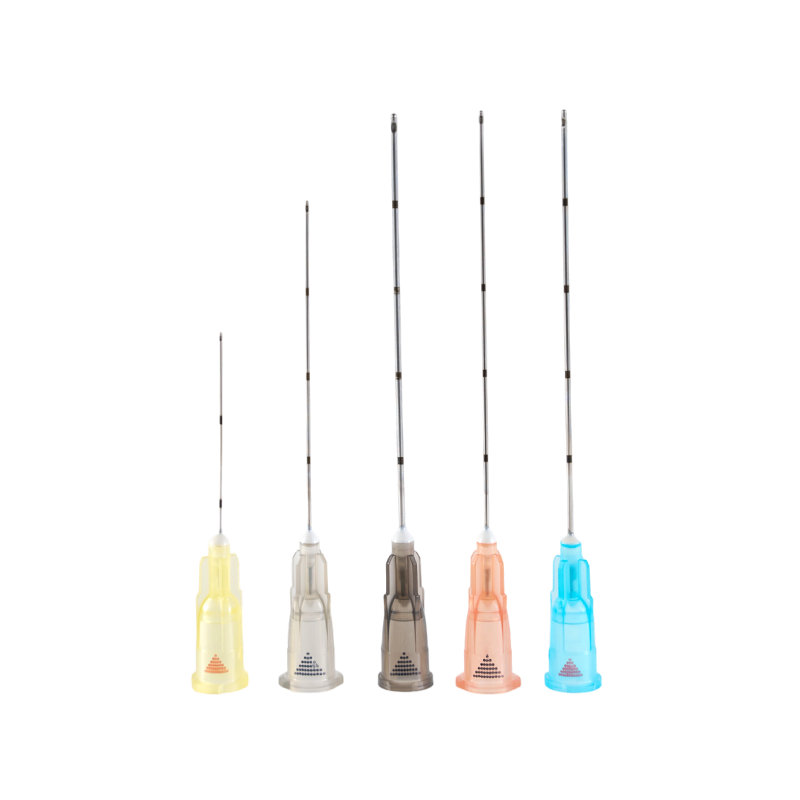
There are three kinds of the tip types, Sealed-circle with 2 side holes, sealed-...
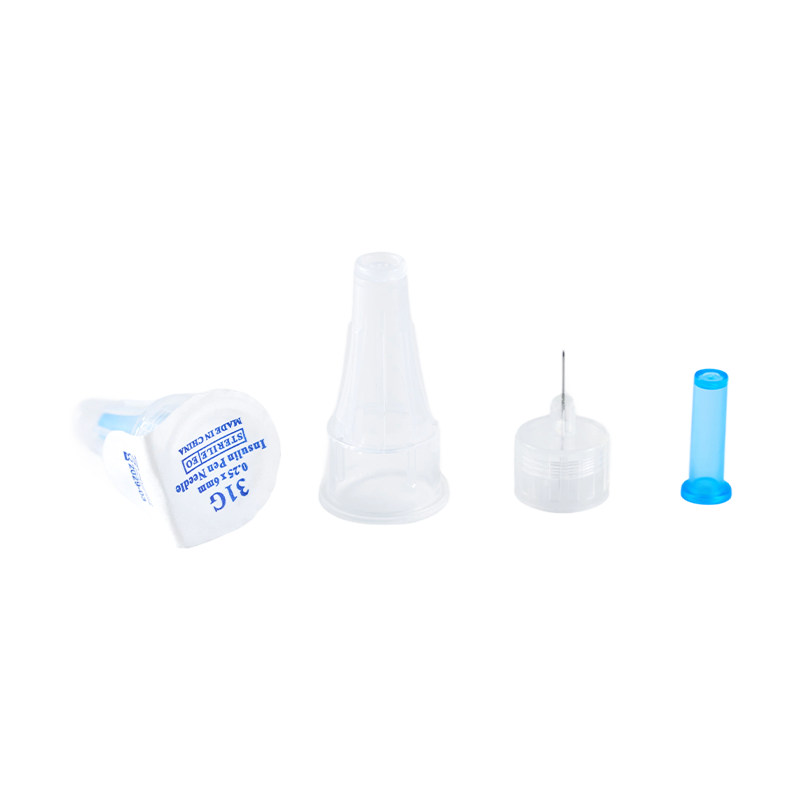
Assembling with insulin pen, for insulin hypodermic injection.The plastic parts ...
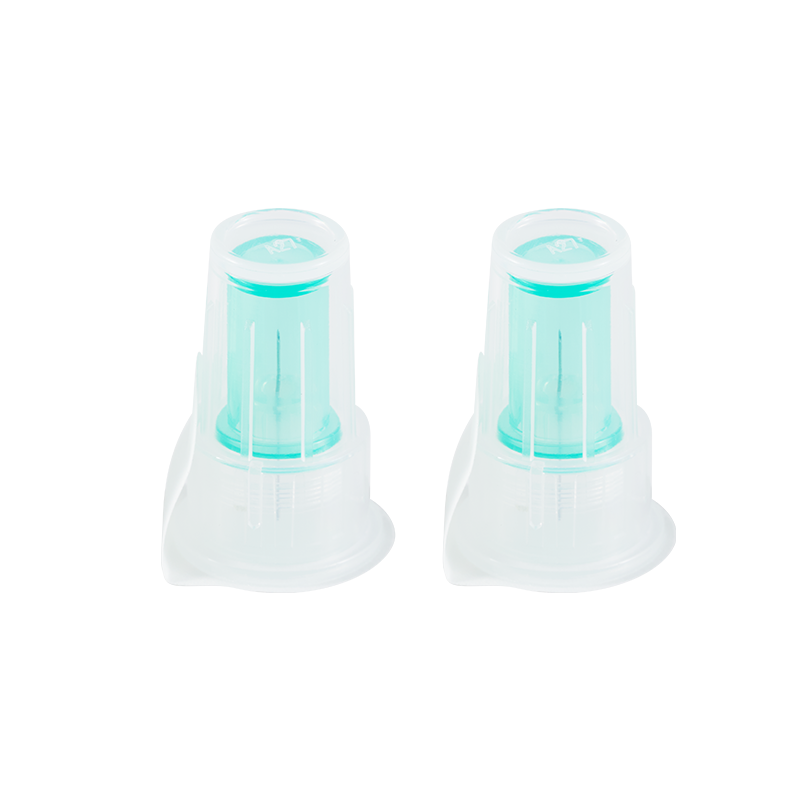
Used in conjunction with an insulin pen, it is used for subcutaneous injection o...
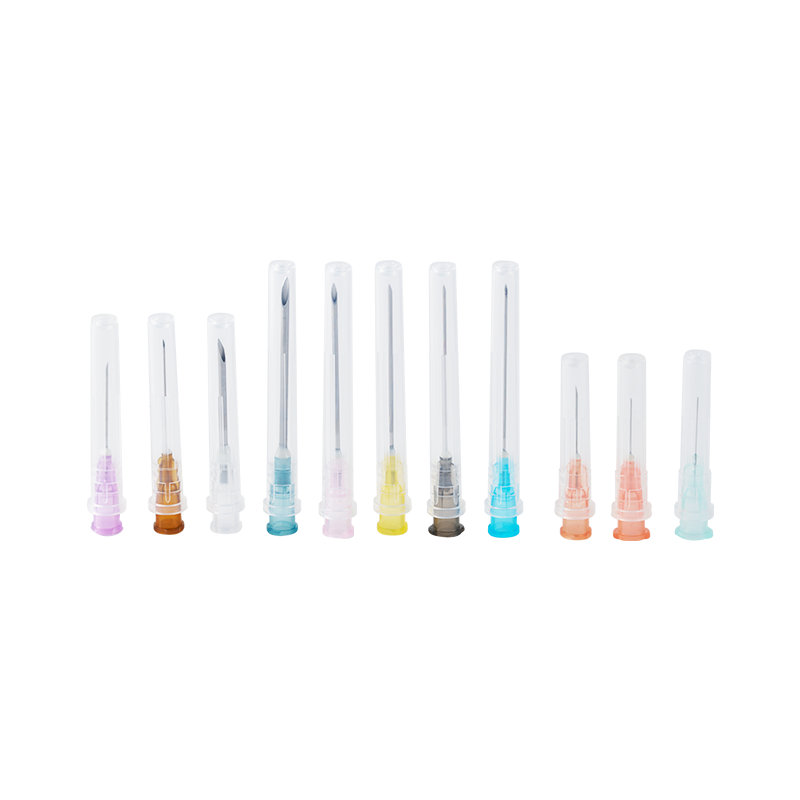
The cannula is made of high quality austenite stainless steel.All the components...
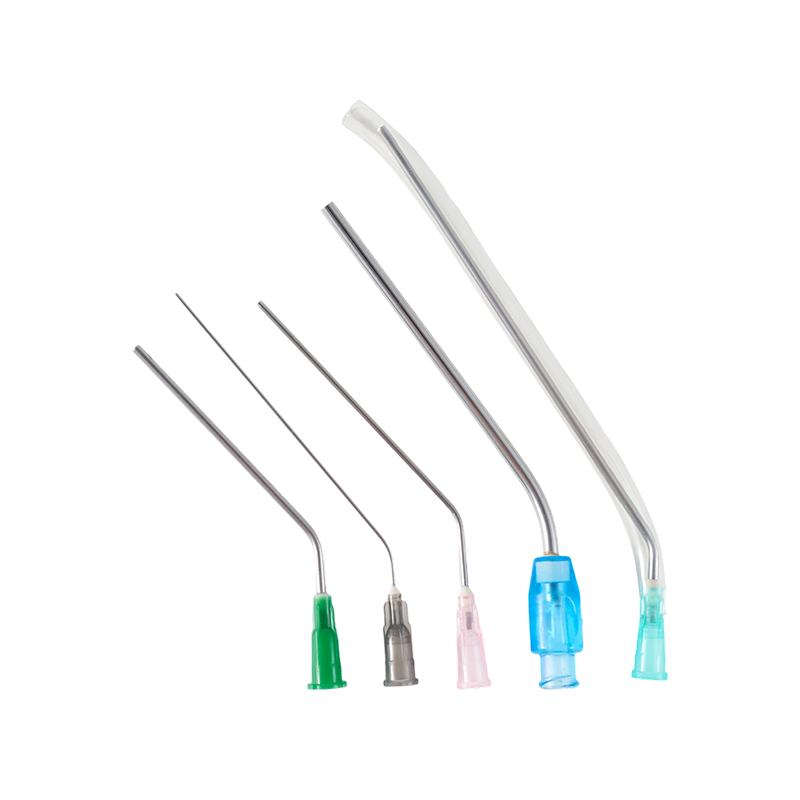
The material of the needle is Medical grade SUS304,which have great stiffness, t...
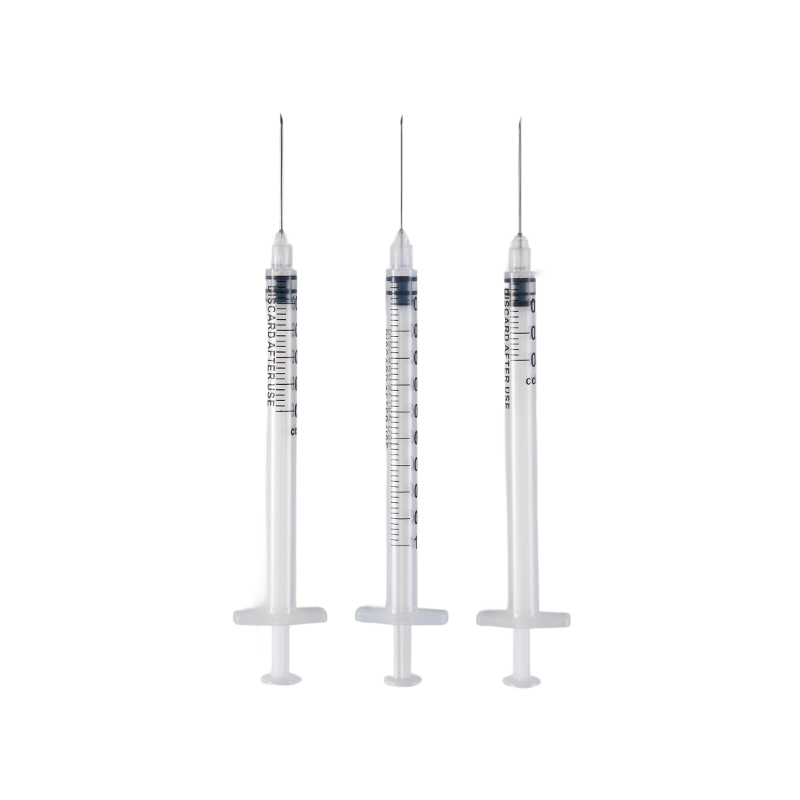
The barrel is made from high transparent polypropylene(PP),which have a bright a...

The cannula is made of high quality austenite stainless steel.The lancet tip is ...

Copyright© 2025 Zhejiang INI Medical Devices Co., Ltd.
Approval No:20150049
Medical Device Manufacturers
Disposable Medical Syringes Factory
