


 English
 Español
 中文简体
中文简体Don't hesitate to send a message
The design and production comply with ISO8537. The plastic parts are moulded by ...
Plastic syringes are used in many parts of healthcare. They may look similar at a glance, but the needs behind them can be quite different.
A syringe used for routine medical care may have different design priorities from one intended for laboratory work, drug delivery, or home healthcare. The user, application, material, packaging method, and handling process can all influence how a product is developed.
This creates an interesting challenge for Plastic Syringe Manufacturers. They need to produce products with a consistent manufacturing approach while responding to different application requirements.
The answer is not simply making more syringe shapes. Adaptation can happen through material selection, component design, product structure, manufacturing planning, packaging, and communication with customers.
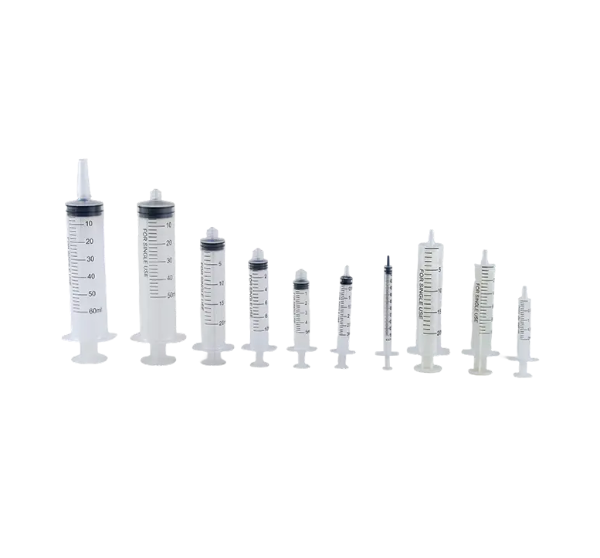
Medical product development is also becoming more closely connected with user needs. Healthcare workers may look for easy handling. Patients may value clear product identification. Laboratories may have different expectations for sample handling. Manufacturers therefore need to understand the application before deciding how a plastic syringe should be produced.
This shift gives Plastic Syringe Manufacturers a broader role. They are not only producing plastic components. They are also working with product developers to connect manufacturing choices with practical medical requirements.
A syringe is a simple-looking medical product, but its application can vary considerably. The intended user and task can influence the product structure.
A healthcare professional may need a syringe that is easy to identify and handle during routine work. A laboratory may use a syringe as part of a controlled sample-handling process. A home healthcare product may need a form that is easier for a non-professional user to understand.
These differences can affect several parts of product development:
For manufacturers, understanding these factors can make product development more application-focused.
A standard design can be useful for many situations, but it does not automatically fit every medical need. Adaptation allows manufacturers to respond to differences without losing control of the overall production process.
Material selection is an important part of plastic syringe development. Different applications can place different expectations on the finished product.
A manufacturer may need to consider the type of fluid involved, the expected handling conditions, the intended storage environment, and the way the syringe will be used.
This means that material selection should not happen in isolation. Product designers and manufacturers can discuss the intended application together.
| Medical Application | Common Product Consideration | Possible Manufacturing Focus |
|---|---|---|
| Routine Healthcare | Practical handling | Suitable structure and material selection |
| Drug Delivery | Controlled product use | Application-oriented component design |
| Laboratory Work | Organized sample handling | Clear and practical product structure |
| Home Healthcare | Simple user interaction | Comfortable and understandable design |
| Diagnostic Products | Product identification | Clear component organization |
| Medical Disposable Products | Single-use product requirements | Practical production and packaging |
| Clinical Equipment | Integration with other devices | Component compatibility and assembly |
| Medical Storage | Product protection | Suitable container and packaging design |
Manufacturers may work with several plastic options depending on the intended application. The choice should be based on the product requirements rather than a general assumption that one material is suitable for everything.
Material decisions can also affect appearance, handling, production, and packaging. A change made for one reason may influence another part of the product.
This is why communication during development matters.
The person holding a syringe is part of the design discussion.
Medical professionals often work in busy environments. They may need to identify and handle products quickly. Home users may have less experience with medical equipment. Laboratory personnel may work with products as part of a broader sample-handling routine.
These situations create different design questions.
Plastic Syringe Manufacturers can work with product developers to consider how the product will be handled in its intended environment.
A user-focused design review may examine:
Grip and handling
Is the shape practical for the intended user?
Identification
Can users distinguish important product information easily?
Component relationship
Do the parts fit together in a clear and practical way?
Product visibility
Does the product allow users to observe relevant information during use?
Storage and preparation
Can the product be stored and prepared in a suitable manner?
The manufacturer does not determine medical use on behalf of healthcare professionals. Instead, manufacturing experience can help product teams understand what is realistic to produce.
This cooperation can be valuable when a syringe is being developed for a particular group of users.
A syringe is not always treated as one single piece during development. It may involve several components that need to work together.
Syringe Manufacturers can review these relationships during product development. The shape of one component may influence the assembly of another. A housing or barrel may need to connect naturally with another part. A protective element may need to fit the finished structure.
Component development can therefore focus on more than individual parts.
Manufacturers may consider:
This approach can help product teams identify potential changes earlier.
A small adjustment to a component may make assembly more straightforward. A different arrangement may make the finished product easier to handle. A change in the outer structure may also influence packaging.
The important point is that these decisions are connected.
A drawing can explain a product, but a physical prototype can reveal details that are difficult to see on a screen.
A prototype allows product developers to handle the syringe and examine its shape. They can look at how the components fit together and whether the product feels appropriate for its intended use.
Manufacturers can support this stage by helping create physical samples based on the proposed design.
The development process may follow a flexible path:
Product Idea → Design Review → Prototype → Application Feedback → Design Adjustment → Production Planning
This process gives manufacturers and product teams an opportunity to discuss practical concerns before larger production begins.
A prototype can raise questions such as:
Not every prototype will move directly into production. That is part of the development process.
The value of prototyping lies in finding useful information early. It gives manufacturers and customers something physical to discuss rather than relying only on design drawings.
Different medical products can require different production approaches. A manufacturer may produce a familiar syringe structure for one application while supporting a customized design for another.
Production planning needs to consider the product itself. It also needs to consider how changes in design affect manufacturing.
For example, a new component shape may require a different production arrangement. A change in assembly may influence how parts are handled. A packaging change may require adjustments further down the production process.
This makes communication between design and manufacturing important.
| Production Area | Possible Manufacturer Response | Development Benefit |
|---|---|---|
| Product Design | Review the proposed structure | Helps connect design with production |
| Material Selection | Discuss suitable material options | Supports application-focused development |
| Component Production | Produce selected plastic parts | Turns design concepts into physical products |
| Assembly | Review relationships between parts | Supports practical product construction |
| Packaging | Consider finished product protection | Helps prepare products for later handling |
| Production Changes | Discuss adjustments with the design team | Allows development to remain flexible |
| Product Inspection | Review finished components | Supports consistent production practices |
| Supplier Communication | Maintain contact with the product team | Helps reduce misunderstandings during development |
Manufacturing flexibility does not mean changing every product for every customer. It means having a process that can respond when the application genuinely requires a different approach.
This can be particularly useful for medical companies developing new products or modifying existing ones.
Packaging is sometimes considered a separate stage from product design. In practice, the two are connected.
A syringe needs to reach its intended user in a suitable condition. The package may need to protect the product, support identification, and fit the expected storage and handling process.
Plastic Syringe Manufacturers can consider packaging requirements while developing the product rather than waiting until the end.
The discussion can include:
These questions can influence the physical design.
For example, a product with an unusual shape may need a different packaging arrangement. A multi-component product may require careful organization so that parts remain identifiable.
Packaging should not dictate every design decision. It is one part of the broader product development process.
When manufacturers and product teams discuss packaging earlier, potential conflicts can be identified before production is established.
Medical product development often involves several teams. Designers understand the intended product. Healthcare professionals understand practical use. Purchasing teams consider supply needs. Manufacturers understand production.
When these groups communicate clearly, development decisions can become easier to coordinate.
Plastic Syringe Manufacturers can contribute manufacturing knowledge without replacing the role of medical or product development teams.
A useful supplier discussion may include questions such as:
These questions create a clearer development path.
For buyers, choosing a Plastic Syringe Manufacturer is therefore not only about whether the supplier can produce plastic syringes. It can also be useful to consider how well the manufacturer communicates, handles design changes, discusses materials, supports prototypes, and understands the intended application.
The relationship can become especially valuable when a product is still evolving.
As medical applications continue to differ across clinical care, laboratories, home healthcare, diagnostic equipment, drug delivery, and disposable medical products, Plastic Syringe Manufacturers need to look beyond a single standard product concept.
Adaptation can happen through material choices, product structure, component relationships, prototype development, packaging, and production planning. Each decision connects back to the intended use.
The question is no longer simply how to manufacture a plastic syringe. It is how manufacturing can respond to the particular medical need behind the product.
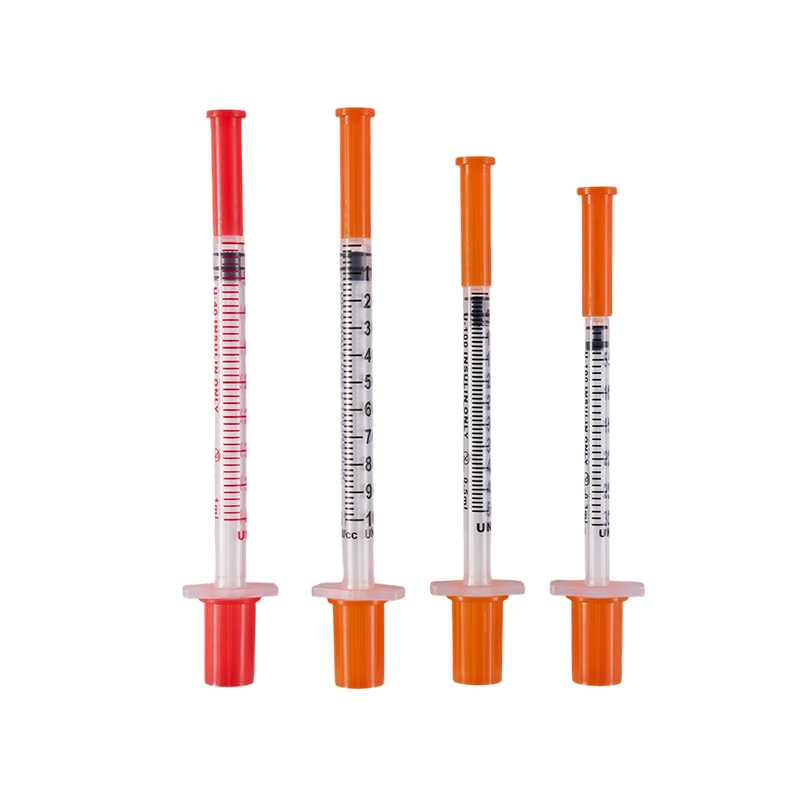
The design and production comply with ISO8537. The plastic parts are moulded by ...
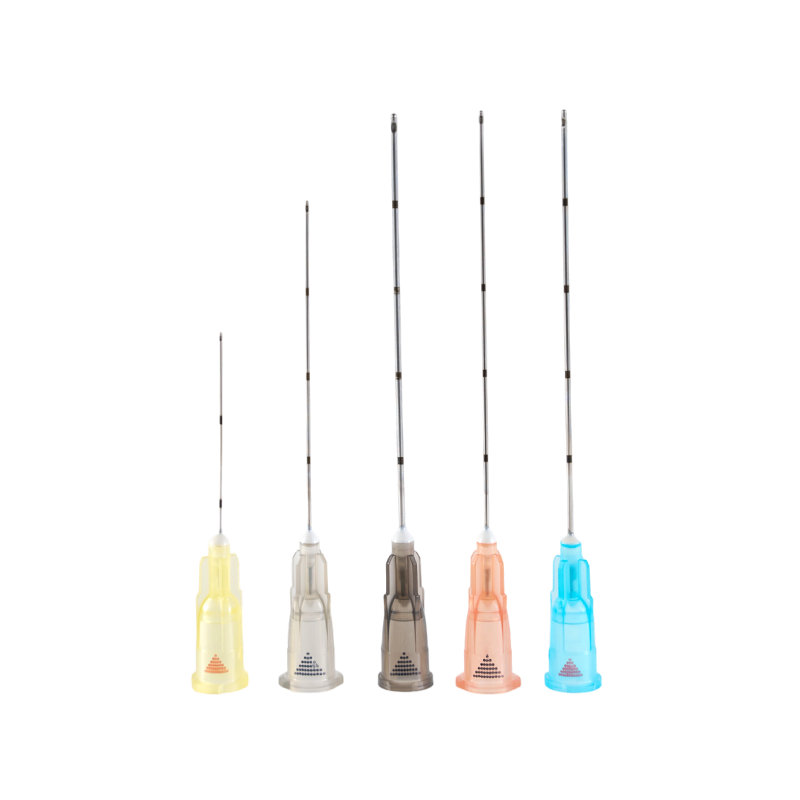
There are three kinds of the tip types, Sealed-circle with 2 side holes, sealed-...
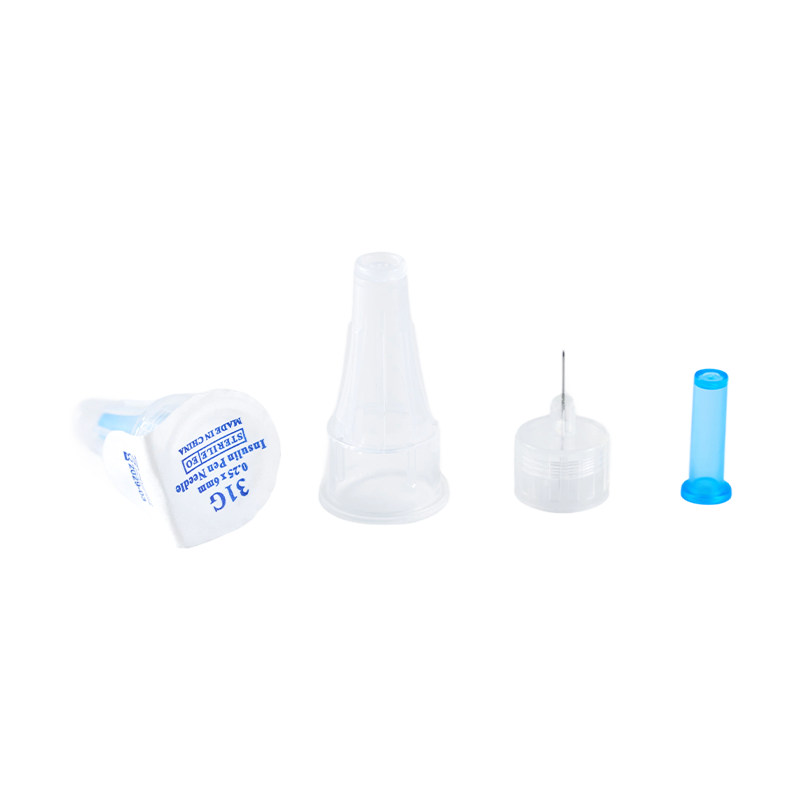
Assembling with insulin pen, for insulin hypodermic injection.The plastic parts ...
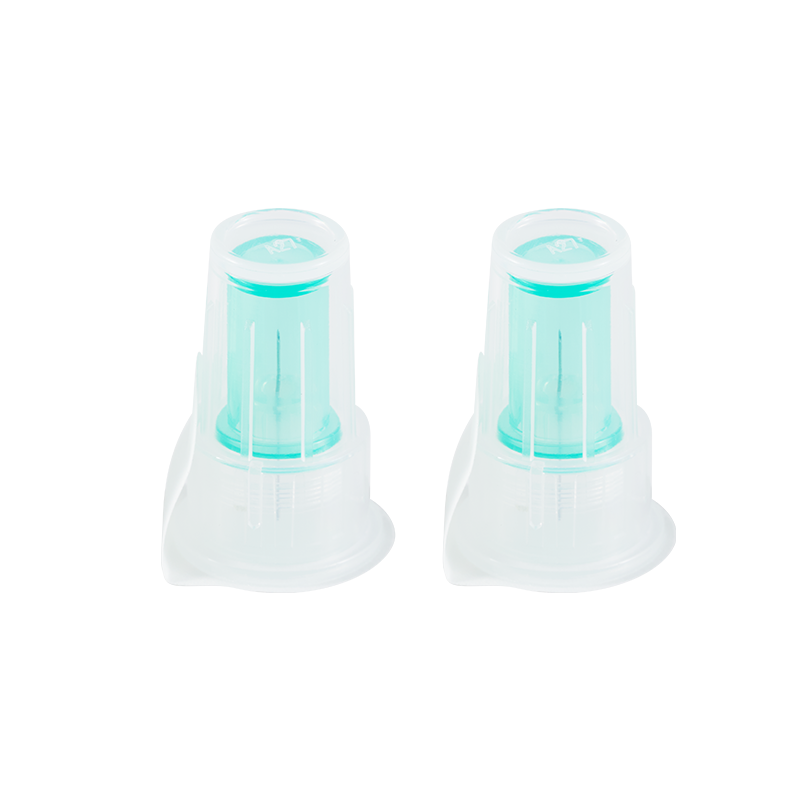
Used in conjunction with an insulin pen, it is used for subcutaneous injection o...
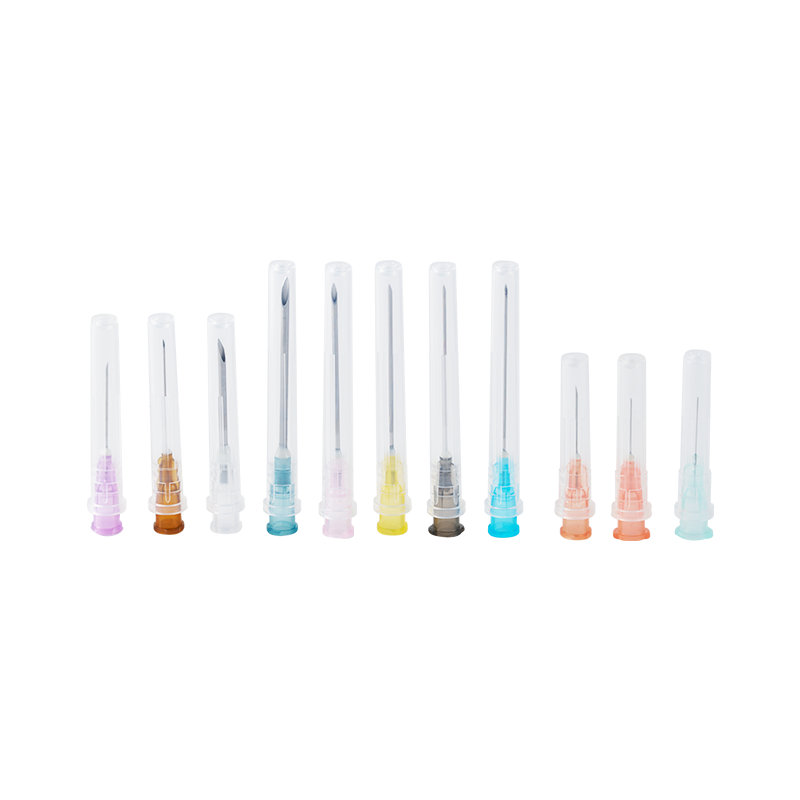
The cannula is made of high quality austenite stainless steel.All the components...
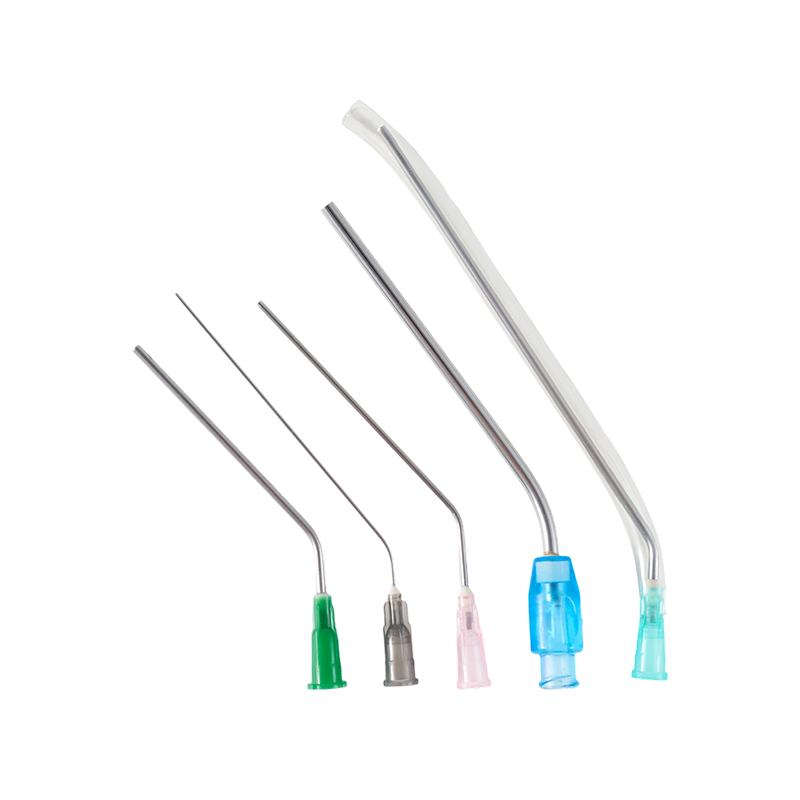
The material of the needle is Medical grade SUS304,which have great stiffness, t...
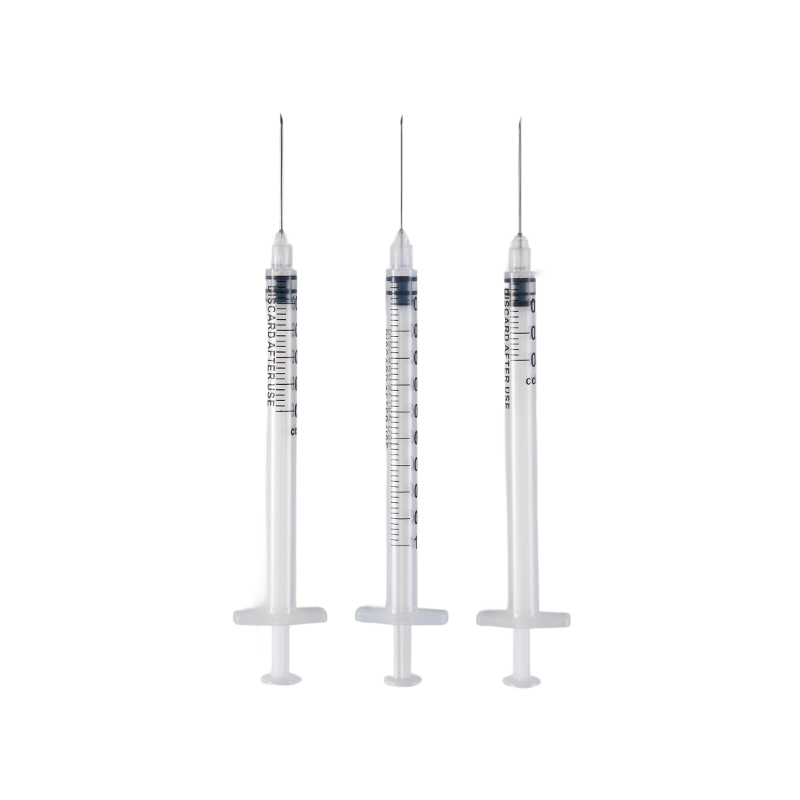
The barrel is made from high transparent polypropylene(PP),which have a bright a...

The cannula is made of high quality austenite stainless steel.The lancet tip is ...

Copyright© 2025 Zhejiang INI Medical Devices Co., Ltd.
Approval No:20150049
Medical Device Manufacturers
Disposable Medical Syringes Factory
