


 English
 Español
 中文简体
中文简体Don't hesitate to send a message
The design and production comply with ISO8537. The plastic parts are moulded by ...
Disposable plastic syringes might look simple from the outside. Inside a manufacturing facility, however, their production genuinely involves a sequence of connected activities. Plastic components genuinely need to get formed. Parts genuinely need to get handled and assembled. Products genuinely need to get checked. Finished items then genuinely move toward packaging and other production stages.
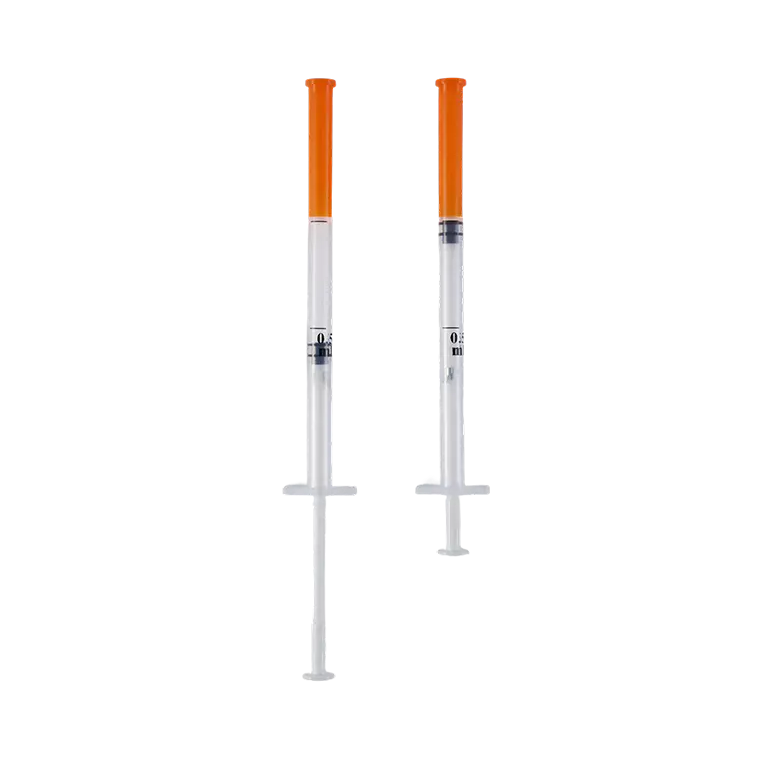
As medical manufacturing keeps adopting automation, more of these activities can genuinely get handled by dedicated equipment.
This genuinely doesn't mean every step needs to become fully automatic. Some operations might benefit from machine control, while others still genuinely require human oversight. The practical approach is genuinely identifying repetitive tasks that follow a clear pattern and determining where automation can support the overall workflow.
For Disposable Plastic Syringe Manufacturing , this can genuinely involve several areas, from component production to assembly, inspection, sorting, and material transfer.
Automation can be introduced at different points in syringe production.
The exact arrangement depends on product design, factory organization, equipment capabilities, and production requirements. A manufacturing line may combine automated and manual activities rather than relying on one approach for every task.
Common areas for automation include:
The relationship between these stages is important.
If components are produced automatically but then moved manually between every stage, some of the benefits of automation may be limited.
A more connected production process can allow materials to move from one activity to another with less unnecessary handling.
| Production Area | Possible Automation Role |
|---|---|
| Component Production | Supports repeatable production of plastic parts |
| Component Feeding | Moves parts into the assembly process |
| Positioning | Places components in an intended orientation |
| Assembly | Connects related components |
| Inspection | Supports checks during or after production |
| Sorting | Separates products according to defined conditions |
| Transfer | Moves products between manufacturing stages |
| Packaging Handling | Organizes products for subsequent packaging |
The most suitable automation level depends on the actual manufacturing process.
Plastic components form an important part of disposable syringe manufacturing.
The barrel, plunger, and other plastic parts need to be produced in a controlled and repeatable way. Automated equipment can help organize material handling and forming activities.
Once a plastic component has been produced, it may need to be transferred to another stage.
This is where automation can extend beyond the forming process.
A production system can be designed to move components from one activity to the next. This reduces the need for workers to manually collect and transfer every individual part.
Automation can also help organize component flow.
Parts can be directed toward designated production areas. This makes the manufacturing process easier to monitor.
However, automated plastic component production still depends on the design of the product.
A component with a simple shape may be easier to handle automatically. Small or more complex parts may require a different approach.
Manufacturers therefore need to consider automation during product development rather than treating it as something added after the product is already designed.
Yes.
Component feeding is one of the most natural areas for automation.
Syringe production involves small components that need to arrive at the right production station in an appropriate orientation. Manual handling of these parts can be repetitive.
Automated feeding equipment can organize components and direct them toward the next stage.
Positioning is closely related.
A part may need to face a particular direction before it can be assembled. A machine can guide or position the component according to the production sequence.
This can create a more predictable workflow.
For example, a simplified automated sequence may look like this:
Component Supply → Feeding → Positioning → Assembly → Inspection → Transfer
The exact process will vary.
The main advantage is that the production line has a defined path.
Workers do not need to manually move every component between each step.
This can reduce repetitive handling and allow employees to focus on monitoring the system and managing production conditions.
Assembly is another important area.
A disposable plastic syringe may contain several components that need to be connected or fitted together.
When assembly is performed manually, workers repeat similar movements throughout the production process.
Automated assembly equipment can take responsibility for selected actions.
The machine may bring components together, position them, and complete a defined assembly step before moving the product forward.
The exact process depends on the syringe design.
A product with a different component arrangement may require a different assembly sequence.
This makes equipment flexibility important.
Manufacturers should not simply ask whether a machine can assemble a syringe.
They should ask whether the equipment matches their particular product design.
Useful questions include:
These questions can help manufacturers understand the practical role of automation.
Automation is not limited to assembly.
Inspection can also be integrated into the manufacturing process.
A syringe needs to meet defined product requirements. Manufacturers may therefore check the presence, position, appearance, or assembly condition of different components.
Some checks can be supported by automated systems.
For example, equipment may identify whether a component is present or whether a product differs from an expected condition.
The exact inspection approach depends on the product and production requirements.
Automation can make inspection part of the manufacturing flow rather than a completely separate activity.
A simplified process could look like:
Assembly → Inspection → Sorting → Transfer
Products that meet the required conditions can continue through the production process.
Products that require attention can be separated for further review.
This approach can help production teams identify issues earlier.
It can also make the manufacturing process easier to track.
Human inspection remains important.
Automated inspection systems work according to their defined conditions. Workers may still need to review unusual situations or investigate production changes.
The combination of equipment and human judgment can provide a practical balance.
Sorting is another repetitive activity that can be suitable for automation.
After assembly or inspection, products may need to move to different locations.
Manual sorting can take time when products are handled repeatedly.
Automated equipment can direct products according to defined production conditions.
Product transfer can also be automated.
Instead of having workers carry components between production stations, equipment can move them through the intended route.
This creates a more connected workflow.
| Activity | Manual Approach | Automated Approach |
|---|---|---|
| Component Feeding | Workers repeatedly supply parts | Equipment organizes part supply |
| Positioning | Workers place components | Equipment guides component position |
| Assembly | Workers repeat assembly actions | Equipment performs selected assembly steps |
| Inspection | Workers perform checks | Equipment can support selected checks |
| Sorting | Workers separate products | Equipment can direct products |
| Transfer | Workers move products | Equipment can coordinate movement |
Automation does not necessarily eliminate people from these activities.
Workers may still oversee the process and respond when the system identifies a condition that needs attention.
Automation can make production more organized, but flexibility needs careful consideration.
Disposable syringe manufacturers may produce different product configurations.
Changes in component design can affect feeding, positioning, assembly, and inspection.
A machine designed around one fixed configuration may have limited usefulness when production needs change.
Flexible equipment can offer more options.
Manufacturers may be able to adjust certain production areas to accommodate related products.
This can be useful when a factory needs to manage several product designs.
However, flexibility should have a clear purpose.
Too much complexity can make equipment harder to operate and maintain.
Manufacturers need to balance flexibility with simplicity.
A useful way to think about it is:
Stable product range → consistent automation
Several related products → adjustable automation
Frequent product changes → greater production flexibility
This approach can help manufacturers choose equipment based on actual production needs rather than general expectations.
Not necessarily.
Automation works well for tasks that are repetitive, predictable, and suitable for machine handling.
Other activities may benefit from human involvement.
For example, production planning requires judgment. Equipment maintenance may require experienced workers. Unusual product conditions may also need human evaluation.
A factory does not need to choose between completely manual production and completely automated production.
A mixed approach can be more practical.
Manufacturers can automate the repetitive parts while keeping people involved in tasks that require flexibility and decision-making.
This can also make the transition to automation easier.
Instead of changing an entire production line at once, a manufacturer can identify one area where automation has a clear purpose.
The result can then be reviewed before expanding automation to other stages.
This process-based approach allows manufacturers to understand how equipment affects workers, materials, production flow, and quality management.
Automation decisions should begin with the product and the manufacturing process.
A machine should not be selected simply because it can perform an automated action.
The equipment needs to fit the complete workflow.
Several questions can help guide the decision.
Product Design
Does the product have a stable structure?
Are the components suitable for automated handling?
Will the product design change frequently?
Production Flow
Which tasks create the most repetitive work?
Where do components wait between production stages?
Could automated transfer create a smoother process?
Assembly
Which components need to be connected?
Can the assembly sequence be clearly defined?
Can the equipment support the required product arrangement?
Inspection
Which product conditions need to be checked?
Can some inspections be integrated into production?
Where should manual inspection remain?
Maintenance
Can workers access the equipment easily?
Are routine maintenance activities clearly defined?
Can operators identify common production problems?
Workforce
What will workers do after repetitive tasks are automated?
Will additional training be needed?
Can employees monitor the equipment effectively?
| Decision Area | Questions to Ask |
|---|---|
| Product Design | Is the product suitable for automated handling? |
| Component Handling | Can parts be fed and positioned consistently? |
| Assembly | Which operations are suitable for automation? |
| Inspection | Which checks can be supported by equipment? |
| Transfer | Can products move smoothly between stages? |
| Flexibility | Can related product designs be accommodated? |
| Maintenance | Can the production team manage routine equipment care? |
| Workforce | How will employee responsibilities change? |
Automation in Disposable Plastic Syringe Manufacturing is therefore broader than simply installing an assembly machine.
It can involve a series of connected activities.
Plastic components can be produced and transferred automatically. Small parts can be fed and positioned. Assembly operations can be organized into a defined sequence. Inspection and sorting can be integrated into the production flow. Products can then move toward packaging or subsequent processing with less repetitive manual handling.
The most practical automation strategy is usually built around the actual product and factory workflow.
When manufacturers understand which activities are repetitive, which require human judgment, and where different stages connect, they can make clearer decisions about where automation belongs in disposable plastic syringe manufacturing.
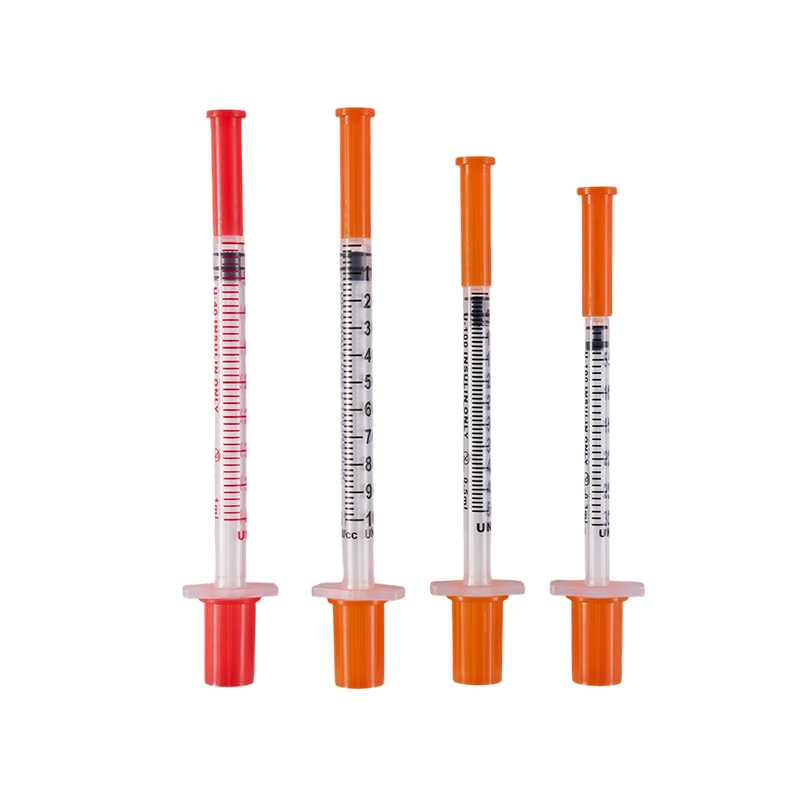
The design and production comply with ISO8537. The plastic parts are moulded by ...
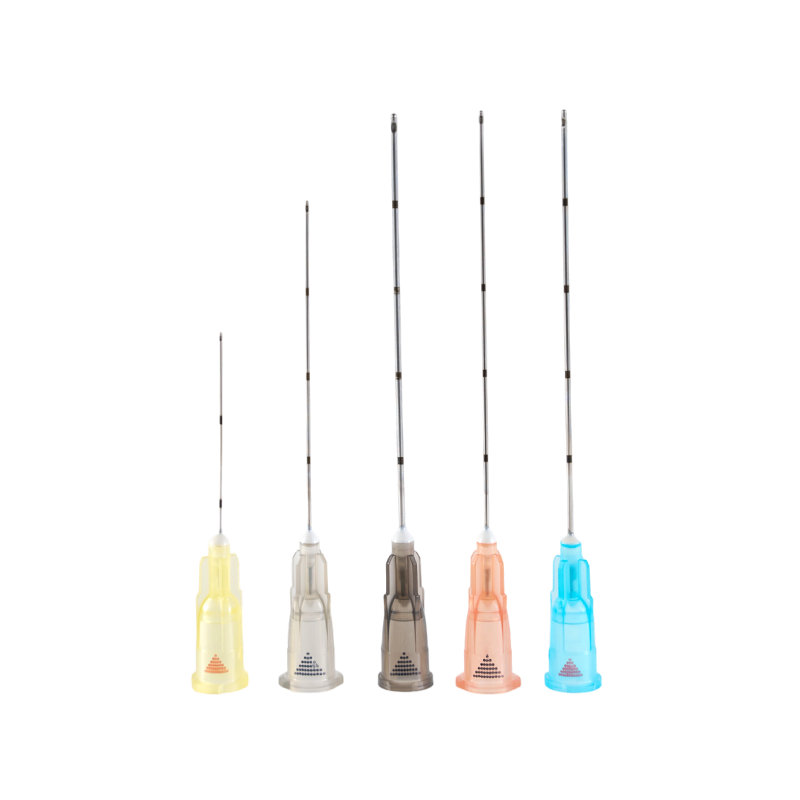
There are three kinds of the tip types, Sealed-circle with 2 side holes, sealed-...
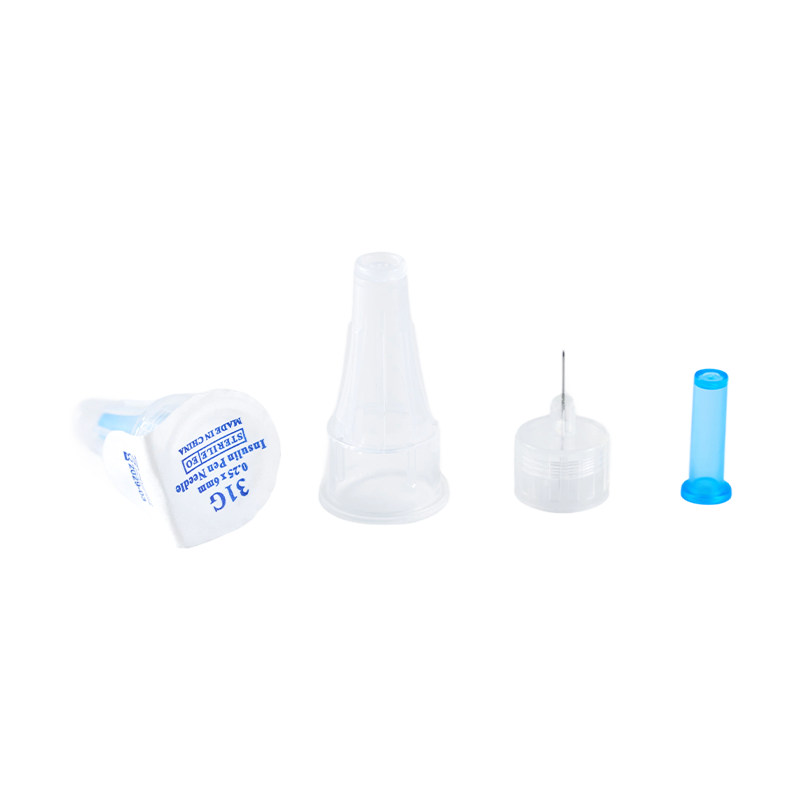
Assembling with insulin pen, for insulin hypodermic injection.The plastic parts ...
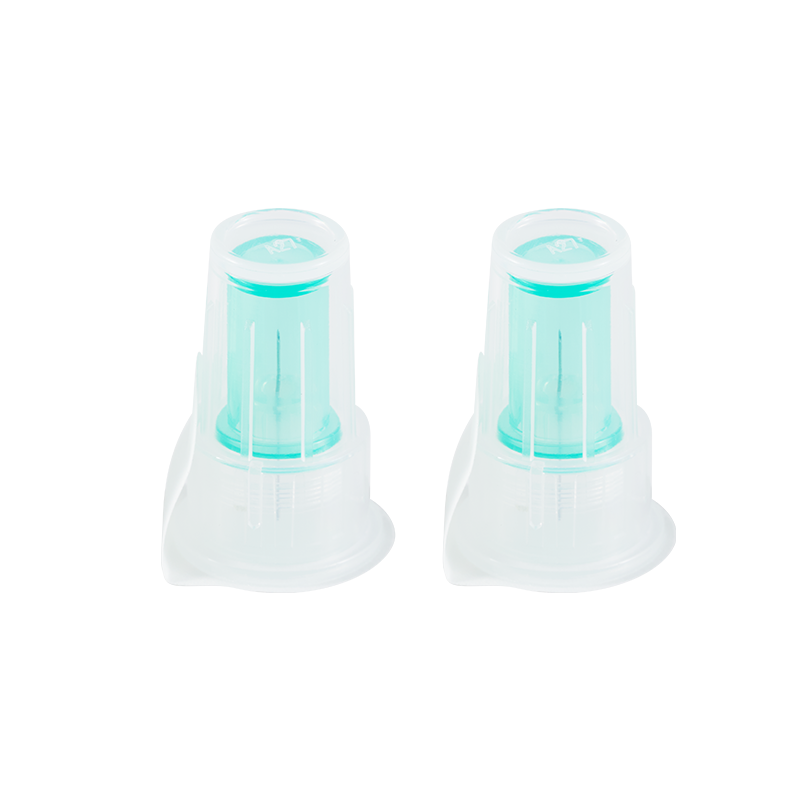
Used in conjunction with an insulin pen, it is used for subcutaneous injection o...
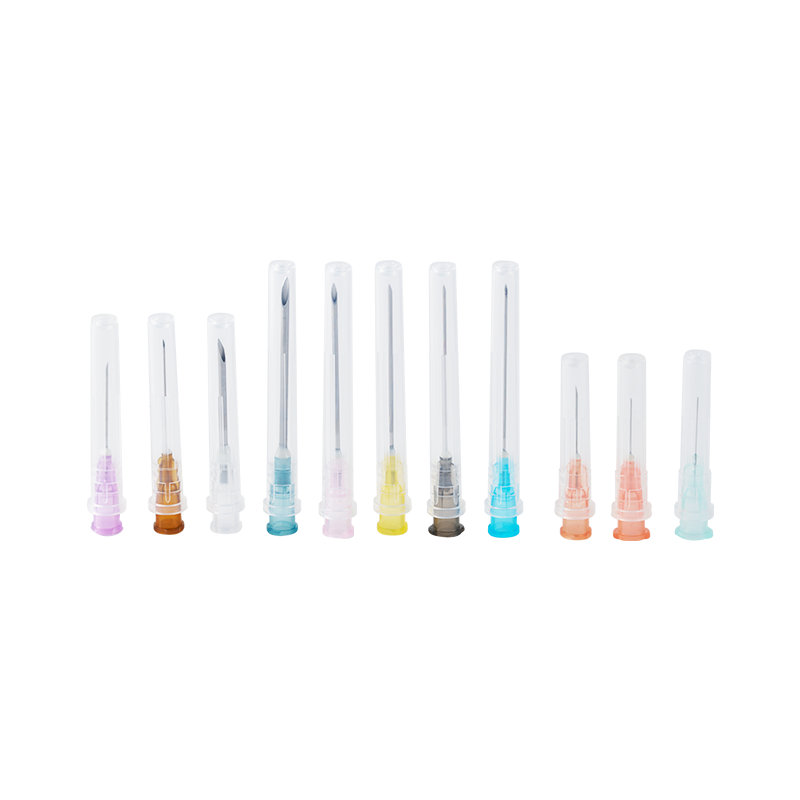
The cannula is made of high quality austenite stainless steel.All the components...
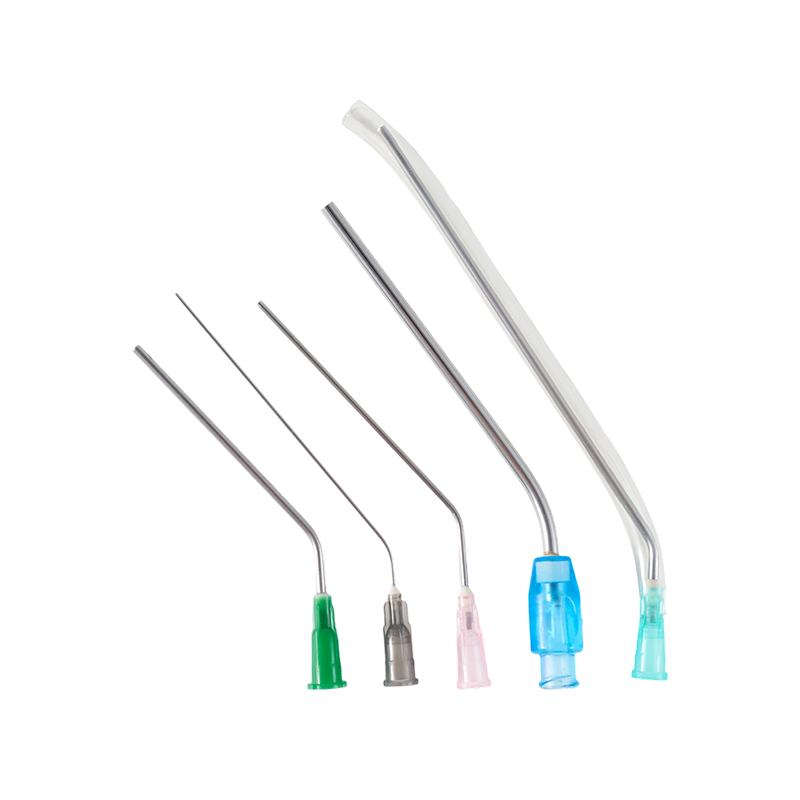
The material of the needle is Medical grade SUS304,which have great stiffness, t...
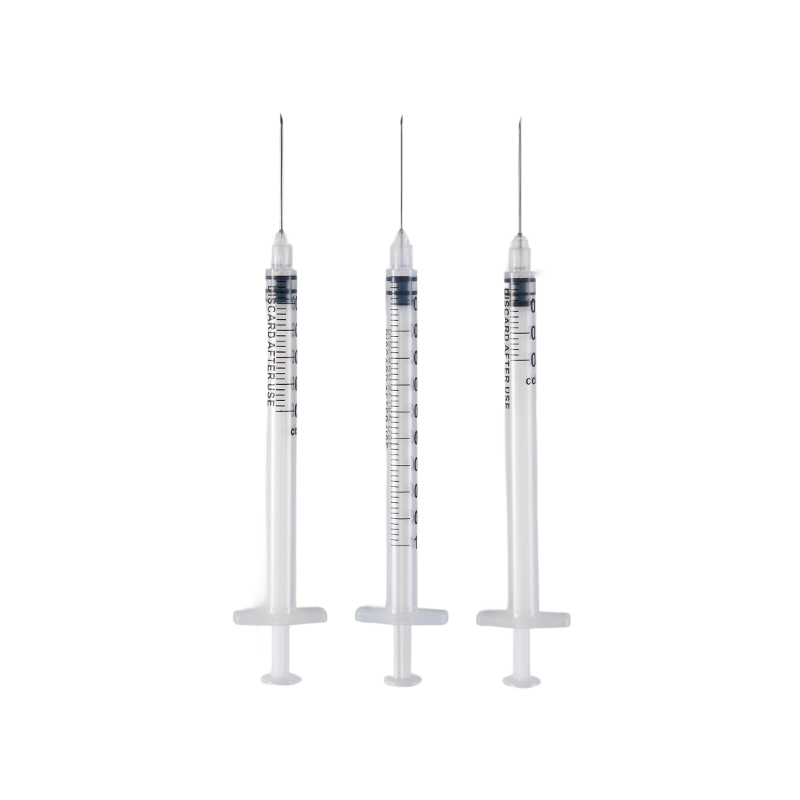
The barrel is made from high transparent polypropylene(PP),which have a bright a...
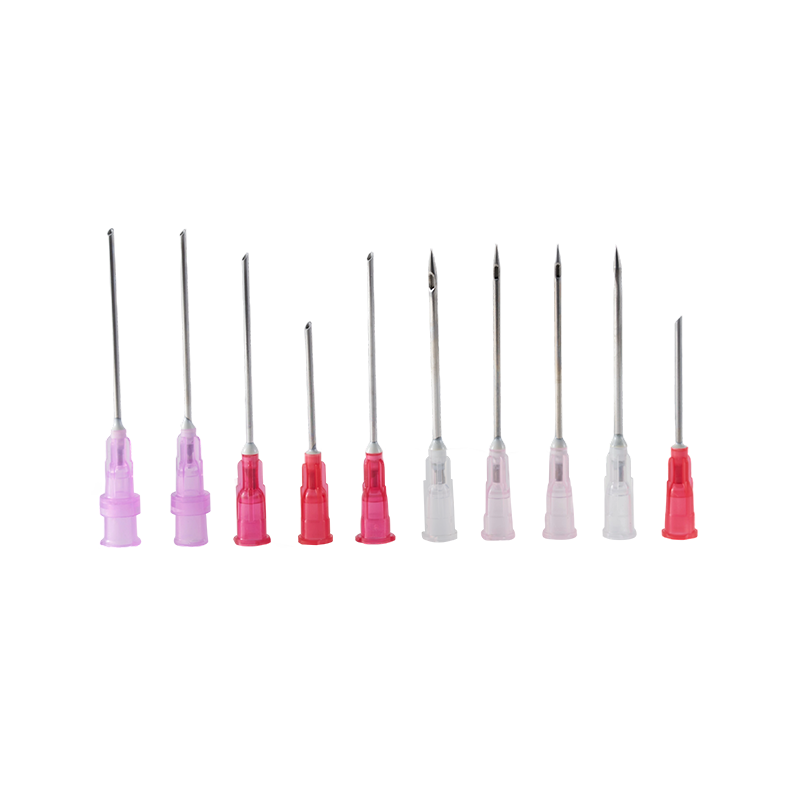
The cannula is made of high quality austenite stainless steel.The lancet tip is ...

Copyright© 2025 Zhejiang INI Medical Devices Co., Ltd.
Approval No:20150049
Medical Device Manufacturers
Disposable Medical Syringes Factory
