


 English
 Español
 中文简体
中文简体Don't hesitate to send a message
The design and production comply with ISO8537. The plastic parts are moulded by ...
Syringes are familiar tools in healthcare. They are used to hold and move medicines and other liquids during different medical procedures. Although disposable and reusable syringes may look similar at a glance, their intended handling is quite different.
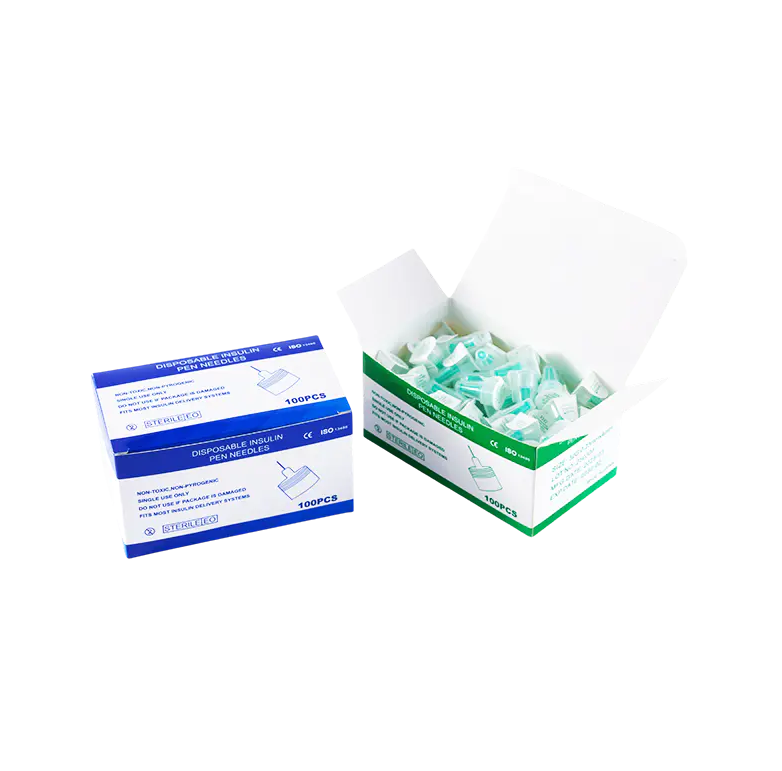
A disposable medicine syringe is designed for single use. After it has been used, it is handled as medical waste according to the requirements of the healthcare setting.
A reusable syringe is designed for repeated use when the product and procedure allow it. After use, it must go through the required cleaning and sterilization process before it can be used again.
This difference affects more than the syringe itself. It can influence daily workflows, infection prevention practices, storage, purchasing, staff responsibilities, and waste handling.
As healthcare facilities continue to review their equipment choices, understanding the distinction between medicine syringes and reusable syringes can help buyers and medical teams make decisions that fit their intended applications.
The most important difference is how the syringe is intended to be handled after use.
Disposable medicine syringes are manufactured for one-time use. Once the intended procedure has been completed, the syringe should not be treated as an ordinary item that can simply be cleaned and used again.
Reusable syringes are designed around a different workflow. They are collected after use and processed according to the relevant instructions before another use is considered.
| Aspect | Disposable Medicine Syringe | Reusable Syringe |
|---|---|---|
| Intended use | Single use | Repeated use when permitted |
| After use | Sent for appropriate medical waste handling | Collected for required cleaning and sterilization |
| Workflow | Use and disposal | Use, processing, inspection, and reuse |
| Storage | Stored before use in suitable conditions | Requires organization before and after processing |
| Staff involvement | Focuses on correct use and disposal | Includes additional handling and processing steps |
| Procurement | Requires continued supply | Requires a suitable reuse and processing system |
The distinction is not simply about whether a syringe can physically be used more than once.
The intended design and instructions matter. A product intended for single use should not be converted into a reusable product through an informal cleaning process.
This is an important point for healthcare organizations. Product appearance alone does not determine whether a syringe is suitable for repeated use.
Disposable medicine syringes can fit naturally into workflows where single-use equipment is preferred or required.
The process is relatively straightforward. The syringe is taken from its appropriate packaging, used for the intended procedure, and then placed into the correct waste stream after use.
There is no need to create a separate workflow for returning the syringe for cleaning and preparation.
This can make disposable products useful in busy healthcare environments where staff need clear and organized procedures.
A single-use approach can also reduce the number of steps between one procedure and the next. Staff do not need to treat a used disposable syringe as equipment that will return to service.
However, disposable does not mean that handling requirements disappear. Used syringes still need to be managed carefully. They may present risks after use, particularly when a needle is attached.
Healthcare facilities therefore need appropriate procedures for collection and disposal.
The convenience of single-use equipment depends on the whole workflow. Storage, supply management, staff training, and waste handling remain important parts of the process.
The difference becomes clearer when looking at what happens after a procedure.
With a disposable medicine syringe, the workflow generally moves from preparation to use and then to disposal.
With a reusable syringe, another cycle begins after use. The equipment needs to be collected, cleaned, sterilized, checked, and prepared for future use according to the product instructions and applicable healthcare procedures.
This creates different responsibilities for healthcare teams.
A simplified comparison looks like this:
Disposable workflow
Reusable workflow
The additional processing involved with reusable equipment means that the facility needs a suitable system to support it.
This is why the choice between disposable and reusable syringes should not be based only on the product itself. The surrounding healthcare environment also matters.
Infection prevention is an important consideration when deciding how medical equipment should be handled.
A disposable medicine syringe is intended to avoid the need for processing between uses. It is used once and then removed from the workflow.
A reusable syringe introduces additional steps. Cleaning and sterilization must be carried out correctly before the syringe can return to use.
The difference creates different responsibilities.
For disposable products, healthcare workers need to prevent inappropriate reuse and manage used items correctly.
For reusable products, the facility needs a reliable process for cleaning, sterilization, inspection, storage, and preparation.
A failure in either workflow can create problems.
This is why healthcare organizations generally follow established procedures rather than making individual decisions about reuse. The product instructions and applicable medical requirements should guide how equipment is handled.
The choice may also depend on the specific application. A syringe suitable for one healthcare task may not be appropriate for another.
The intended use should therefore remain at the center of the decision.
In some settings, disposable syringes can simplify equipment handling because the syringe does not need to return to service after use.
The staff member does not need to send the used product through a cleaning and sterilization cycle. This can make the workflow easier to organize.
There are still practical considerations.
A facility needs to keep an appropriate supply available. Storage areas need to be organized. Packaging needs to remain suitable before use. Used products need to enter the correct waste handling process.
A disposable system can therefore move effort from equipment processing toward purchasing, inventory management, and waste management.
Reusable syringes distribute the workload differently.
Instead of relying on a continuous supply of new syringes, a facility needs a system that can process used equipment safely and consistently.
Neither approach should be viewed in isolation. The more useful question is whether the chosen system fits the healthcare facility's workflow.
Procurement teams may notice significant differences between the two approaches.
Disposable medicine syringes require regular purchasing because each used product leaves the active equipment pool.
Reusable syringes can remain in circulation when they are suitable for repeated use. However, the facility must support the processing system required to return them to service.
This means procurement decisions can involve different questions.
For disposable products, buyers may focus on:
For reusable products, buyers may need to consider:
This distinction can be important for medical institutions purchasing equipment for different departments.
A procurement decision is not simply a comparison between two product types. It is also a comparison between two ways of organizing equipment use.
The purchase price of a syringe does not tell the whole story.
Disposable medicine syringes are purchased repeatedly. Each use creates another demand for replacement stock.
Reusable syringes may be used again when the product is intended for that purpose, but they require additional processing between uses.
That processing can involve staff time, cleaning materials, sterilization resources, inspection, storage, and workflow management.
A healthcare facility therefore needs to look at the complete process rather than focusing on the initial product price.
For disposable syringes, the broader picture includes supply and waste handling.
For reusable syringes, the broader picture includes processing and equipment management.
The right approach depends on the facility and the intended application.
It is also important not to treat reusable equipment as automatically more economical or disposable equipment as automatically more costly. The actual situation depends on how the products are used and how the healthcare facility manages its resources.
Healthcare buyers can approach the decision by looking at several practical areas.
Intended application
The intended medical procedure should guide product selection. A syringe should be suitable for the task described by its manufacturer.
Infection prevention
The facility should consider which workflow can be managed appropriately within its existing infection prevention procedures.
Staff responsibilities
Disposable and reusable products place different demands on healthcare workers. Reusable equipment requires additional processing steps.
Storage
Both options need appropriate storage before use. Reusable systems may also require organized storage after processing.
Supply management
Disposable products need continued replacement. Reusable products depend more heavily on a functioning processing cycle.
Waste handling
Disposable syringes generate used medical equipment that must be handled through the appropriate waste process.
Product information
Manufacturers provide information about intended use, handling, and other relevant considerations. Buyers should review this information before selecting a product.
Facility capabilities
A reusable system only makes sense when the healthcare facility can support the required processing and quality controls.
These factors can help procurement teams move beyond a simple disposable-versus-reusable comparison.
Disposable Syringe Suppliers serve healthcare environments with different requirements. Some products are designed around single-use applications, while others are intended for specific reuse situations.
For disposable medicine syringe manufacturers, attention may focus on consistent production, packaging, product information, and supply organization.
For reusable products, the design also needs to support the intended cleaning and sterilization process.
Manufacturers therefore need to communicate clearly about how their products are intended to be used.
Clear product information can help healthcare buyers avoid assumptions. It can also support better communication between purchasing teams and clinical departments.
For medical device procurement, the relationship between manufacturer information and facility procedures is important. A product should be selected based on its intended use rather than appearance or informal assumptions about how it could be handled.
This becomes especially relevant when a healthcare organization manages several types of syringes at the same time.
Clear labeling, organized storage, and staff awareness can help prevent products with different handling requirements from being confused.
The difference between disposable medicine syringes and reusable syringes is therefore more than a matter of material or appearance. It represents two different approaches to healthcare equipment management.
Disposable products move through a single-use workflow and then into appropriate waste handling. Reusable products return to service through a controlled cleaning, sterilization, inspection, and storage process when their intended use allows it.
For healthcare facilities, the choice is closely connected with application, infection prevention, staff workflow, supply management, and equipment processing capabilities.
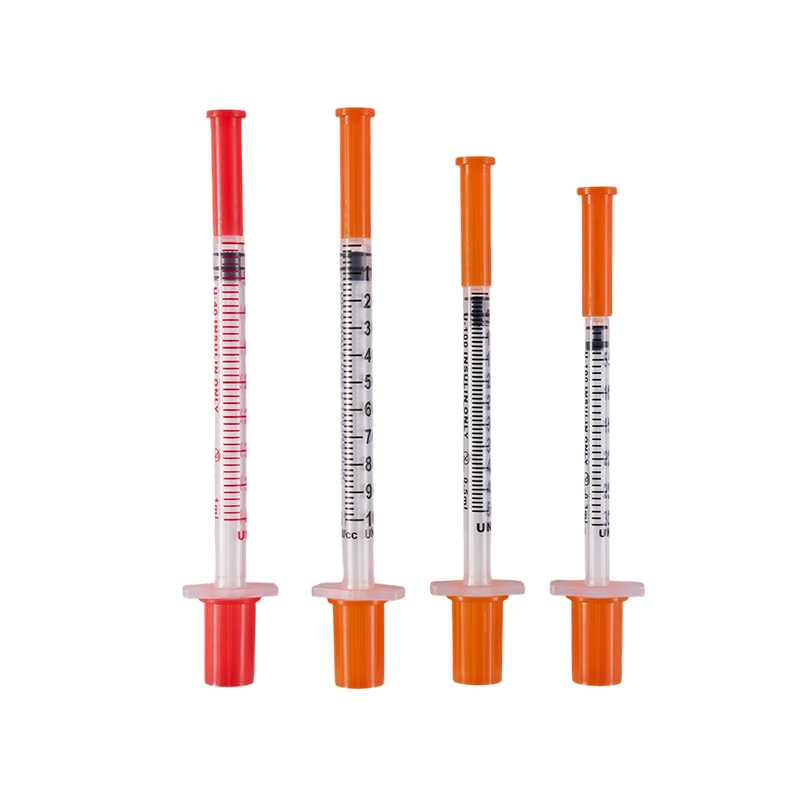
The design and production comply with ISO8537. The plastic parts are moulded by ...
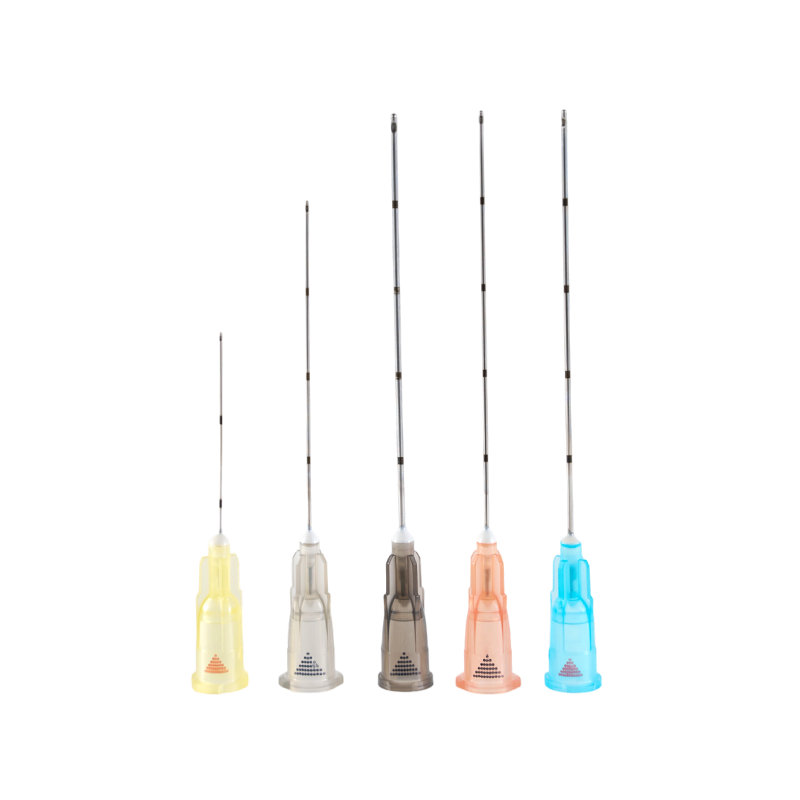
There are three kinds of the tip types, Sealed-circle with 2 side holes, sealed-...
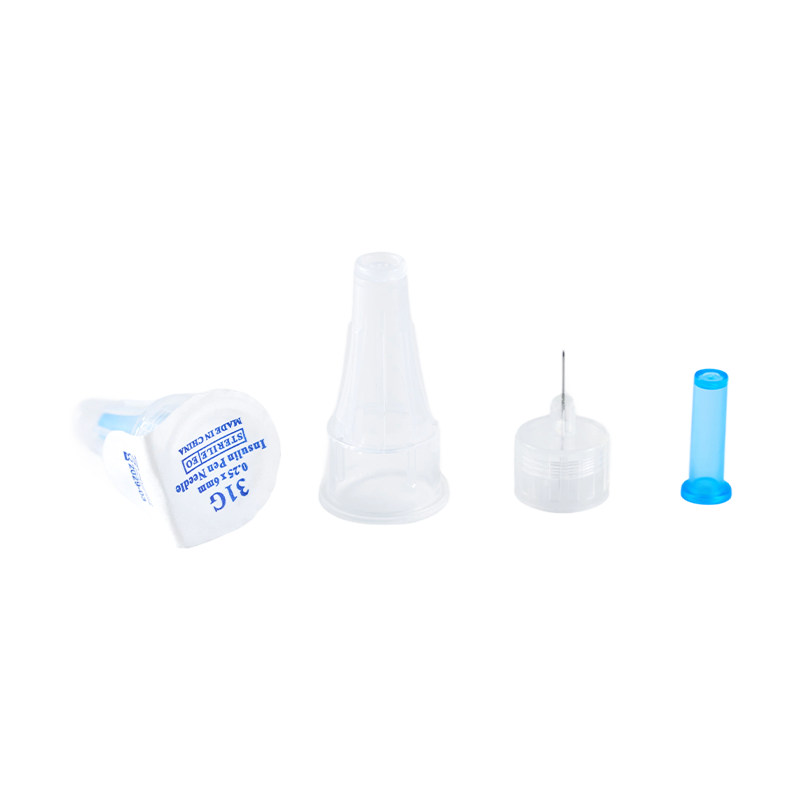
Assembling with insulin pen, for insulin hypodermic injection.The plastic parts ...
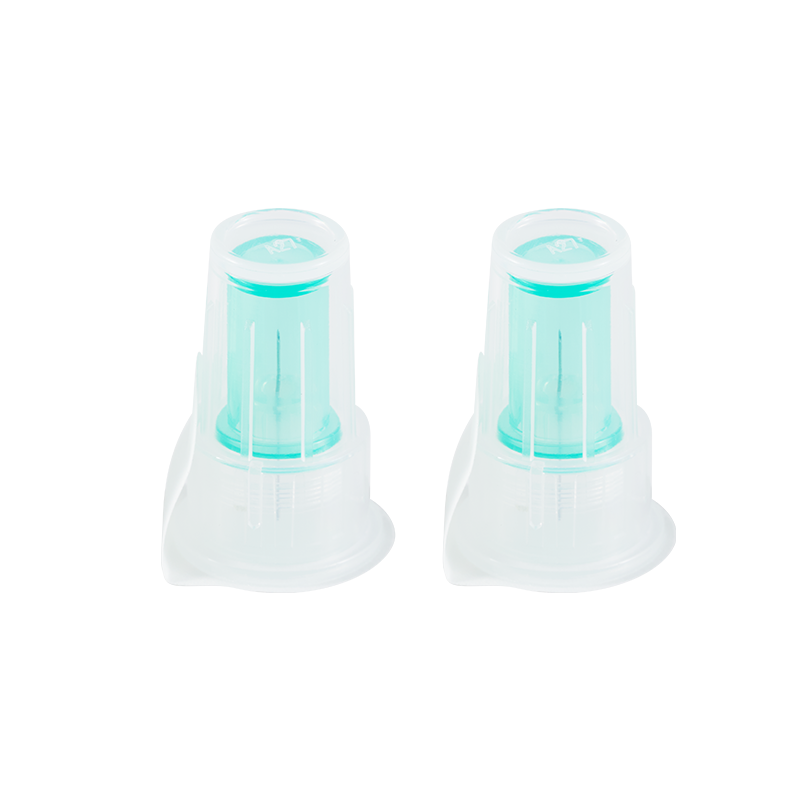
Used in conjunction with an insulin pen, it is used for subcutaneous injection o...
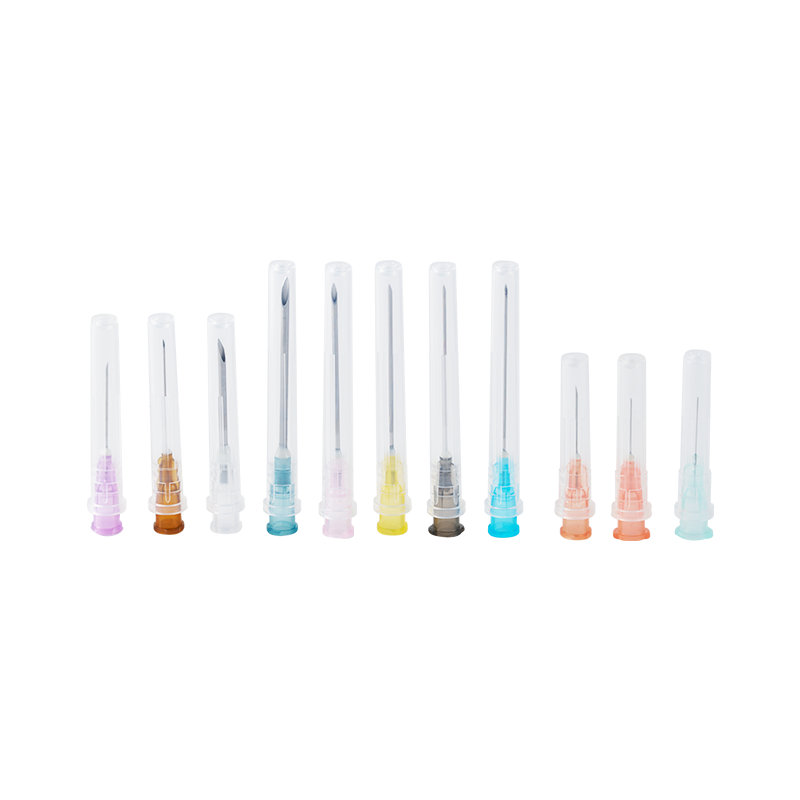
The cannula is made of high quality austenite stainless steel.All the components...
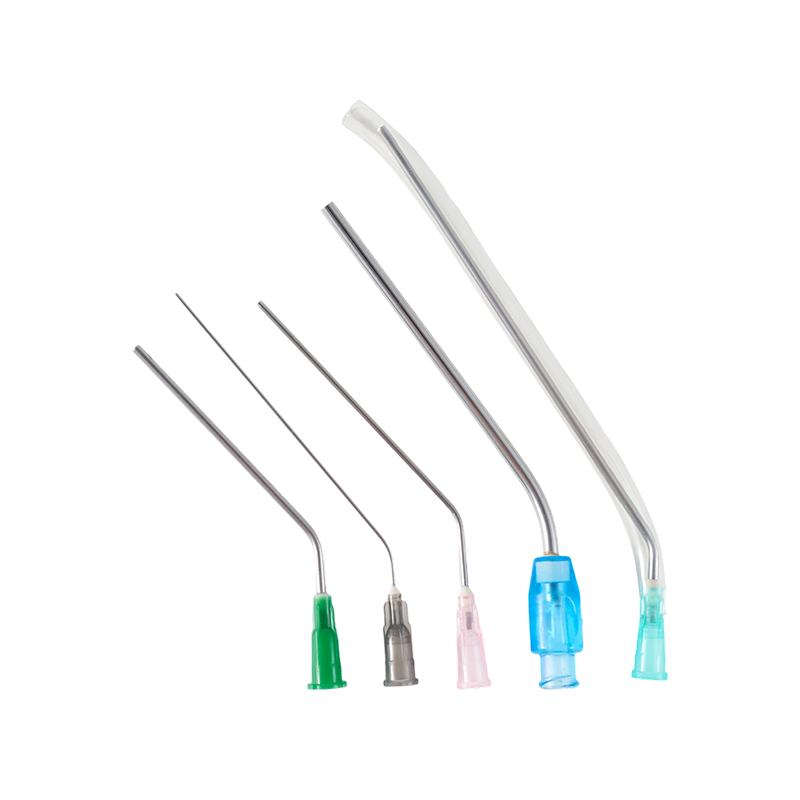
The material of the needle is Medical grade SUS304,which have great stiffness, t...
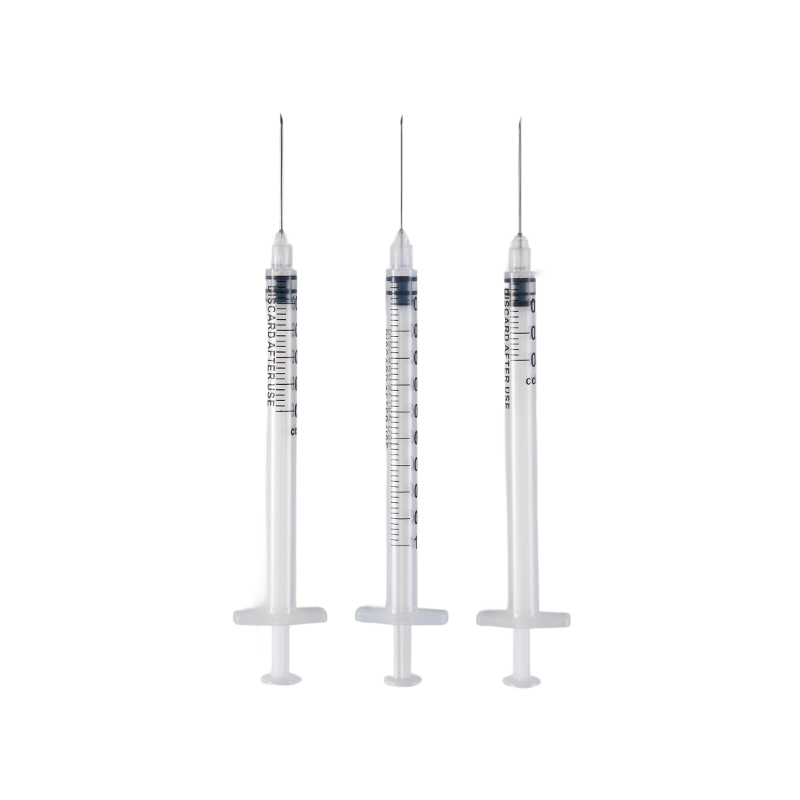
The barrel is made from high transparent polypropylene(PP),which have a bright a...
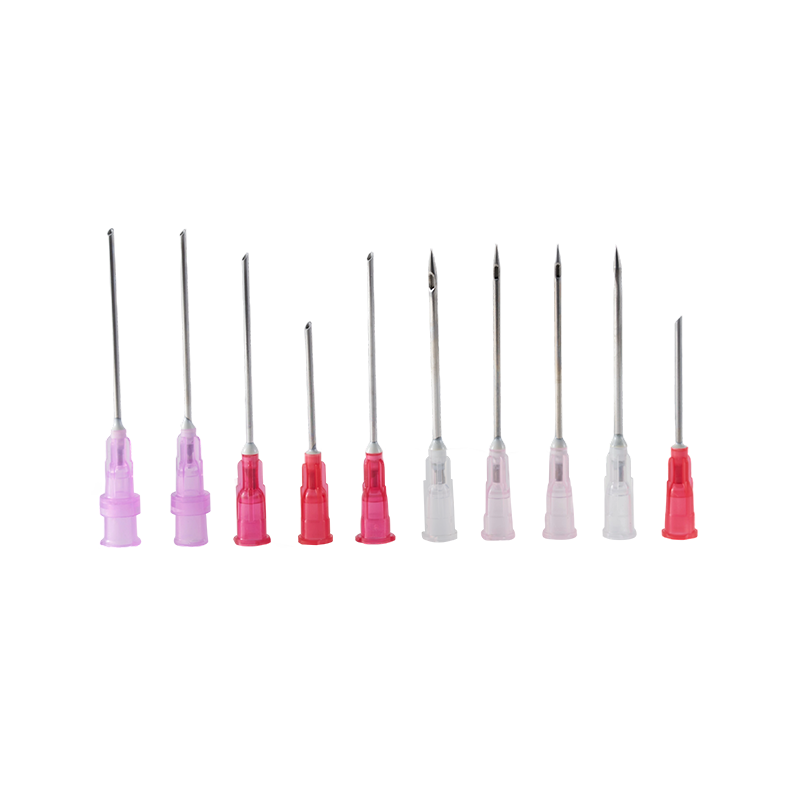
The cannula is made of high quality austenite stainless steel.The lancet tip is ...

Copyright© 2025 Zhejiang INI Medical Devices Co., Ltd.
Approval No:20150049
Medical Device Manufacturers
Disposable Medical Syringes Factory
