


 English
 Español
 中文简体
中文简体Don't hesitate to send a message
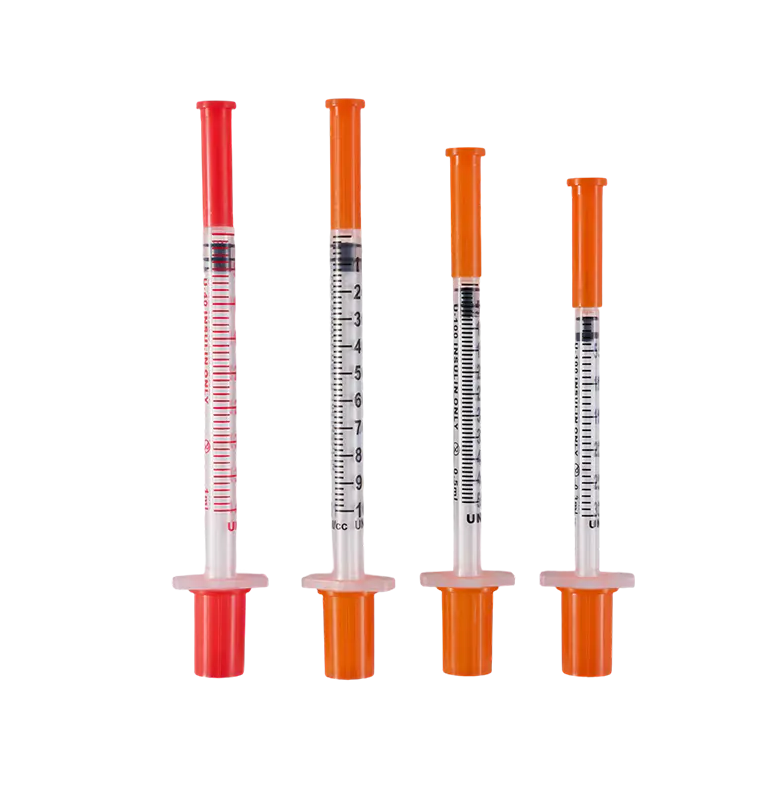
The design and production comply with ISO8537. The plastic parts are moulded by ...
A syringe and a needle often get lumped together as one familiar medical tool in people's minds. In reality, they're genuinely separate components doing genuinely different jobs. The syringe provides a way to hold and move liquid around. The needle carves out a narrow pathway that liquid can actually pass through.
Their functions genuinely tie together closely, though. A syringe alone can't handle every injection task on its own. A needle alone can't draw or push liquid the same way a syringe does. When the two components get properly matched up, they form a genuinely practical system for a huge range of medical and healthcare applications.
This relationship has also genuinely turned compatibility into an important consideration for healthcare providers, medical device buyers, and syringe needle manufacturers alike. The connection between the two parts genuinely needs weighing alongside the intended use, handling method, and product instructions.
Understanding how these components actually work together genuinely makes the whole design and selection process a lot easier to wrap your head around.
A syringe is built to hold and move liquid. Its main body carves out space for the liquid, while the moving part lets the user draw liquid into the syringe or push it back out.
The needle plays a genuinely different role here. It provides a small passage that liquid can travel through. Its shape and design let it get used for specific medical tasks.
The two components, then, genuinely split the work between them.
| Component | Main Role | Relationship with the Other Component |
|---|---|---|
| Syringe | Holds and moves liquid | Provides liquid movement toward or away from the needle |
| Needle | Provides a passage for liquid | Connects with the syringe and allows liquid to pass through |
| Connection Area | Joins the components | Helps keep the syringe and needle properly connected during use |
This division may seem simple, but it is central to how the system works.
When the moving part of a syringe is pulled, liquid can enter through the connected needle. When it is pushed, liquid can travel in the opposite direction through the same pathway.
The process depends on a continuous connection between the syringe and needle.
That is why compatibility matters. A syringe and needle are not simply two unrelated medical products placed together. Their connection, intended application, and handling requirements all influence how they function as a combined unit.
The movement of liquid genuinely comes down to the action of the syringe's moving component.
When the user pulls the moving part backward, space genuinely opens up inside the syringe. Liquid can then travel through the needle and into the syringe body.
When the moving part gets pushed forward, that available space genuinely shrinks. The liquid gets directed back out through the needle.
The needle, in other words, acts as the route between the syringe and the surrounding environment.
This creates a genuinely simple sequence:
The actual handling process genuinely depends on the specific medical application and product instructions at hand. The basic relationship, though, stays pretty consistent throughout.
The syringe controls liquid movement. The needle provides the pathway.
That's also exactly why the connection area deserves real attention. If the components don't fit together properly, the whole system might not work as intended. A suitable connection genuinely helps maintain a continuous pathway during handling.
Compatibility is an important consideration because syringes and needles are made as separate components that need to function together.
The connection must be appropriate for the intended products. The needle should remain properly attached during normal use. The syringe should also provide the expected liquid movement for the application.
Compatibility can involve several considerations.
Connection
The syringe and needle need a suitable connection method. Different products may use different connection designs, so users should follow the relevant product instructions rather than assuming that all combinations are interchangeable.
Intended use
A needle selected for one application may not be suitable for another. The choice should reflect the intended medical task.
Handling
The combined system should be practical to handle. The user needs to be able to control the syringe while keeping the needle properly positioned.
Product instructions
Medical devices should be used according to their instructions. Product information can explain which components are compatible and how they should be handled.
For healthcare organizations and buyers, checking compatibility before procurement can help avoid problems later. This is particularly relevant when syringes and needles are sourced separately.
A proper connection genuinely lets the syringe and needle behave as one working system while still holding onto their separate functions.
The syringe provides control over liquid movement. The needle provides the external pathway.
During liquid withdrawal, the connection genuinely lets liquid move from the surrounding source through the needle and into the syringe.
During liquid delivery, that movement reverses. The syringe pushes liquid back through the needle.
The connection also genuinely needs to stay stable throughout handling. Unnecessary movement between the components can make the whole procedure a lot more difficult to manage.
That's exactly why syringe needle manufacturers pay such close attention to the relationship between the two components when designing and producing medical devices.
The needle isn't simply some accessory tacked on at the end of the process, either. Its connection with the syringe is genuinely part of the overall design from the start.
For medical device buyers, that means looking at the complete combination rather than evaluating each component in total isolation.
A syringe might have genuinely suitable characteristics all on its own. A needle might also look suitable standing alone. The real question is whether the selected products are actually intended to work together.
The relationship between a syringe and needle can change depending on the intended application.
Medical procedures do not all require the same type of equipment. Different tasks may involve different approaches to liquid handling, needle selection, and connection requirements.
For example, a healthcare setting may need products for routine injection tasks, medication preparation, or other procedures. Each use can create different requirements.
The selection process can therefore be viewed as a combination of questions:
The answer should come from the intended application and relevant product information rather than from appearance alone.
A needle that looks similar to another product may have a different intended purpose. Likewise, syringes that appear similar may not be designed for the same combination of components.
This is one reason product information matters in medical device procurement.
Manufacturers play an important role in making sure their products are designed and described clearly.
Syringe needle manufacturers may produce needles for use with particular syringe systems or connection approaches. Their product information can help buyers understand intended applications and compatibility.
Manufacturing quality also matters because the syringe and needle need to work together consistently.
For manufacturers, attention can extend across several areas:
| Manufacturing Consideration | Why It Matters |
|---|---|
| Connection Design | Helps the needle and syringe work together |
| Product Consistency | Supports predictable handling |
| Material Selection | Relates to the intended product application |
| Inspection | Helps identify unsuitable products |
| Product Information | Helps users understand intended use and compatibility |
| Packaging | Supports appropriate handling before use |
Clear information is particularly useful for buyers who source components separately.
A procurement team may compare different Syringe And Needle Producer based not only on product availability but also on how clearly the manufacturer explains compatibility, intended use, handling, and quality controls.
This can make supplier evaluation more practical.
Purchasing the two components separately can provide flexibility, but it also requires careful checking.
Buyers should avoid assuming that any syringe can be paired with any needle. The connection and intended use should be verified through product information.
The procurement process can include a few practical steps.
Check the intended application.
The products should correspond to the medical task for which they are being purchased.
Review compatibility information.
Manufacturer documentation can help determine whether a syringe and needle are designed to work together.
Consider the connection.
The physical connection between the components should be suitable for the selected products.
Review handling requirements.
The combination should be appropriate for the intended procedure and user environment.
Consider supply consistency.
For healthcare organizations, regular availability of compatible components can matter when planning procurement.
Check applicable requirements.
Medical devices are subject to different regulatory requirements depending on the market and intended use. Buyers should check the relevant local requirements and product documentation.
This approach shifts attention from buying individual items to building a suitable combination.
A syringe and needle can appear compatible simply because they can be connected. Physical fit, however, is only one part of the relationship.
The components also need to suit the intended use and handling process.
A connection that seems acceptable during a basic inspection may not provide the expected experience during actual use. The user may need reliable control of liquid movement and stable handling throughout the procedure.
This makes the connection part of the wider product system.
For manufacturers, it means that syringe needles need to be considered in relation to the syringes with which they are intended to work. For buyers, it means that product selection should include more than a visual comparison.
The relationship between the two components can also influence storage, packaging, procurement, and workflow decisions. When a healthcare organization purchases large quantities of syringes and needles, compatibility becomes part of routine supply planning.
A clear understanding of the connection can therefore help different groups make more informed decisions.
Syringes and needles may be small medical devices, but their roles are closely linked. The syringe provides controlled liquid movement. The needle provides the pathway. Their connection brings these functions together for the intended application.
As healthcare settings continue to pay attention to product compatibility, safe handling, quality management, and procurement clarity, understanding this basic relationship remains useful for manufacturers, buyers, and healthcare professionals.
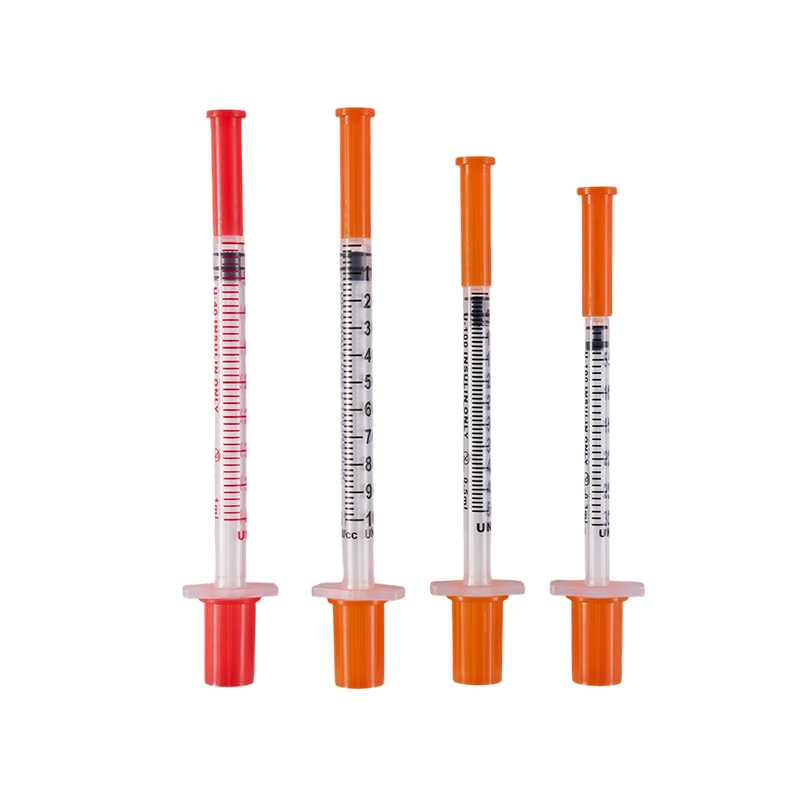
The design and production comply with ISO8537. The plastic parts are moulded by ...
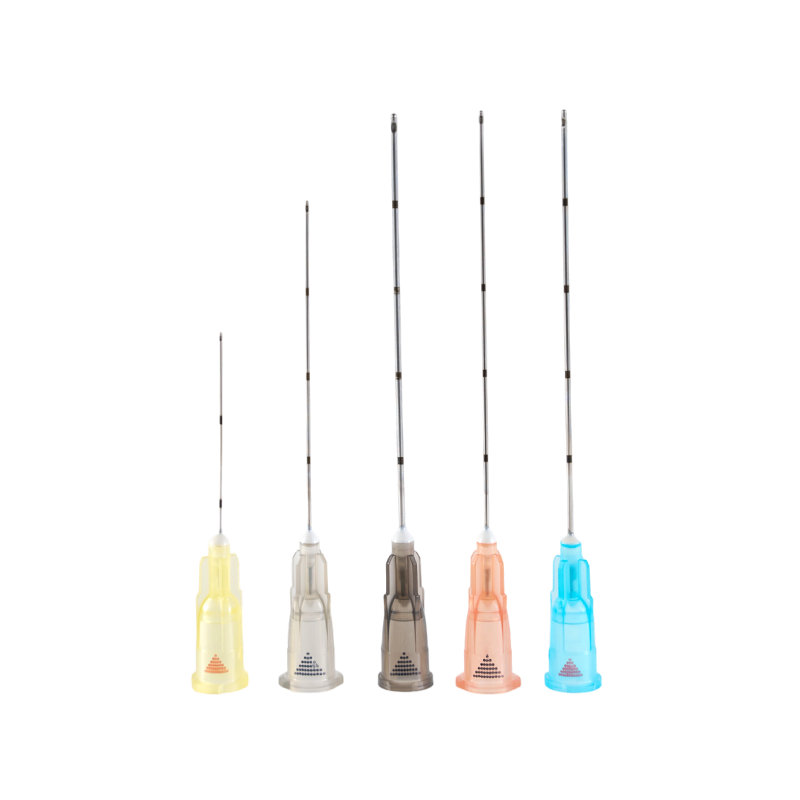
There are three kinds of the tip types, Sealed-circle with 2 side holes, sealed-...
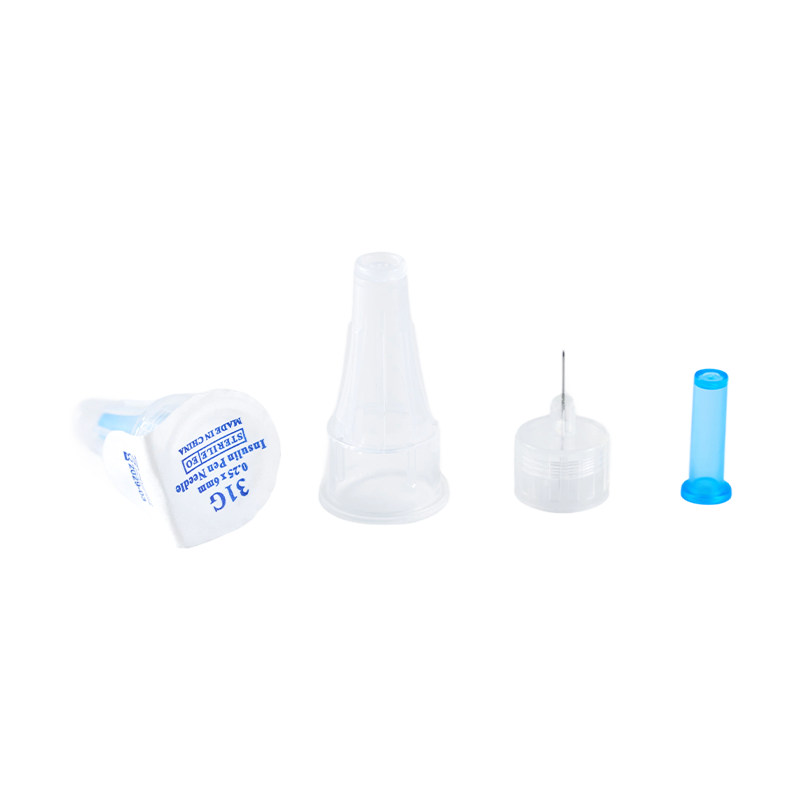
Assembling with insulin pen, for insulin hypodermic injection.The plastic parts ...
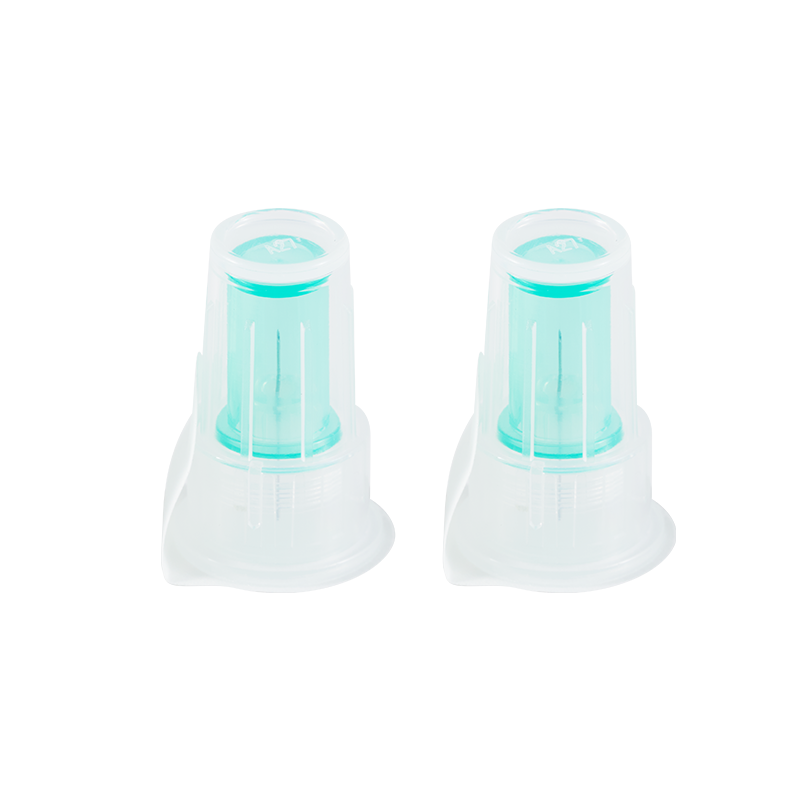
Used in conjunction with an insulin pen, it is used for subcutaneous injection o...
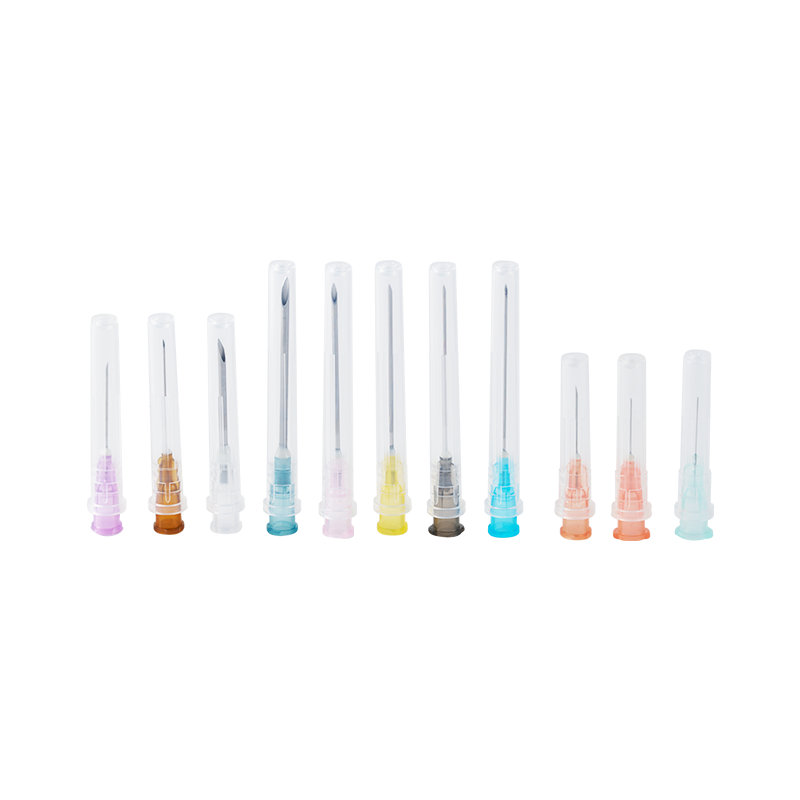
The cannula is made of high quality austenite stainless steel.All the components...
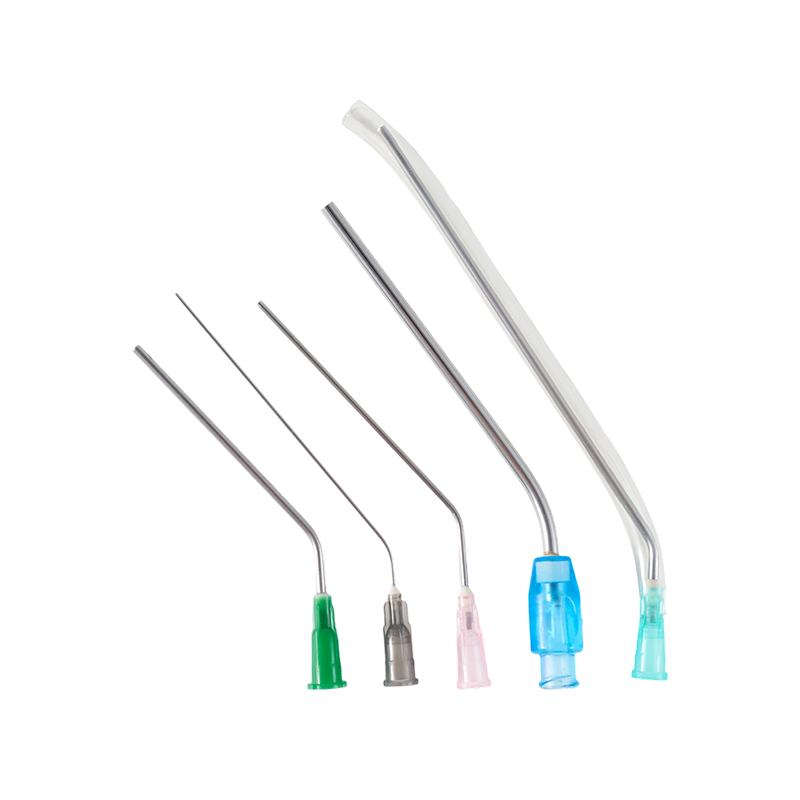
The material of the needle is Medical grade SUS304,which have great stiffness, t...
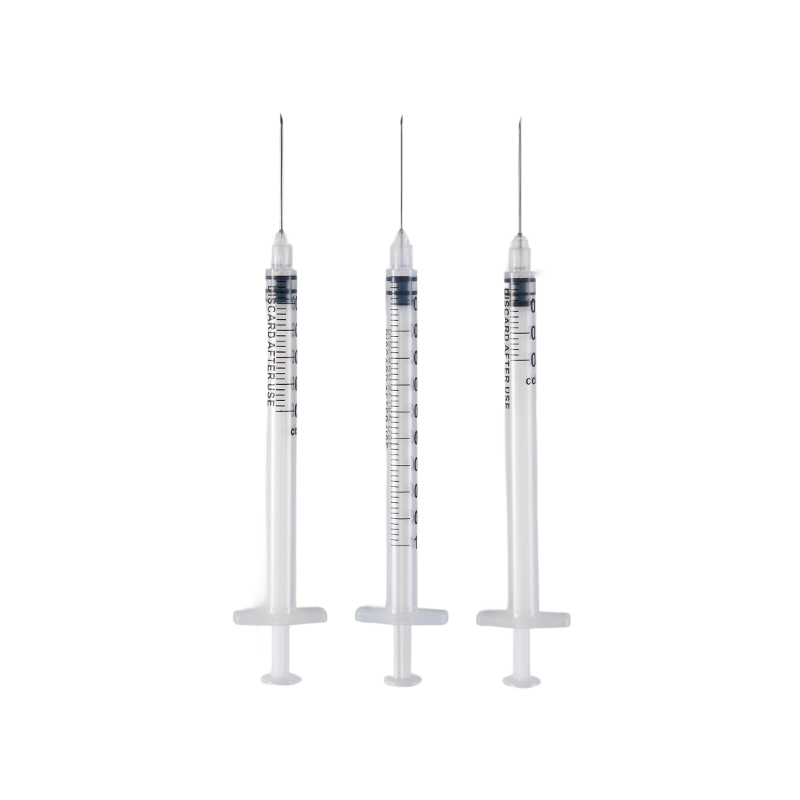
The barrel is made from high transparent polypropylene(PP),which have a bright a...

The cannula is made of high quality austenite stainless steel.The lancet tip is ...

Copyright© 2025 Zhejiang INI Medical Devices Co., Ltd.
Approval No:20150049
Medical Device Manufacturers
Disposable Medical Syringes Factory
