


 English
 Español
 中文简体
中文简体Don't hesitate to send a message
The design and production comply with ISO8537. The plastic parts are moulded by ...
Disposable injection syringe manufacturer is not produced in a single visible step. The process feels more like a continuous movement where materials slowly shift from one form to another until they become a ready-to-pack medical product. Even though the final item looks simple, the path behind it is carefully arranged and closely managed.
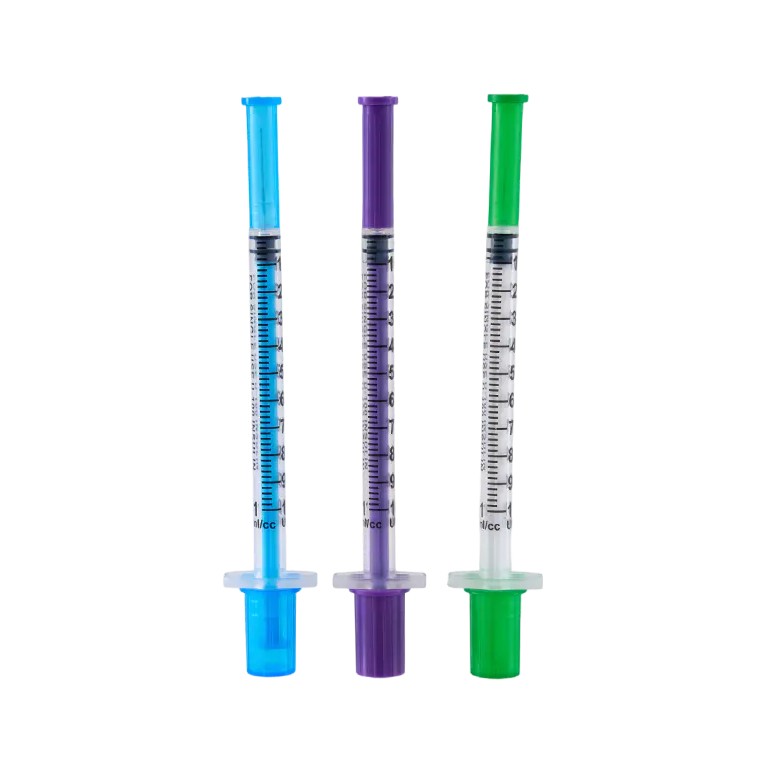
The workflow usually follows a steady direction. Materials enter the facility, pass through shaping and assembly, move into checking stages, and finally reach packaging. Each section connects with the next, and small changes in one stage can affect the later steps in a subtle way.
What makes this type of production interesting is not just the machinery or environment, but the way every stage depends on consistency. Nothing is rushed in isolation. Each part waits for the previous step to settle before moving forward.
Below is a closer look at how the full process typically unfolds in real manufacturing settings.
At the beginning, there is no visible product yet. What exists is preparation, timing, and coordination. Production lines are arranged before any material is even introduced. Equipment is positioned, movement paths are cleared, and working zones are separated so that each activity has its own space.
This early stage often looks quiet, but it carries a lot of responsibility. If the setup is not stable, later steps tend to feel uneven or interrupted. So the focus stays on readiness rather than speed.
Materials are also planned in advance. Instead of being brought in randomly, they are scheduled to match production flow. Storage areas are organized so that incoming materials do not mix with partially processed or finished items.
Workers usually follow defined movement paths inside the facility. This helps avoid unnecessary contact between different zones. Even the way people enter and leave areas is part of the workflow design.
There is also attention given to environmental stability. Air circulation, temperature balance, and cleanliness routines are checked before production begins. These factors may seem secondary, but they influence how smoothly materials behave later in the process.
So at the start, the workflow is less about making syringes and more about preparing a stable environment where production can happen without interruption.
Once raw materials arrive, they go through a receiving stage that focuses on confirmation and organization. At this point, materials are not yet part of production. They are only prepared to become part of it.
After arrival, they are placed into controlled storage areas. These spaces are designed to keep conditions stable and prevent unnecessary exposure. Materials are usually kept in sealed or protected form until they are needed.
Before entering production, materials often pass through a short preparation phase. This step helps them reach a stable condition suitable for shaping. It is not a dramatic transformation, but rather a quiet adjustment phase that improves consistency.
Handling during this stage is intentionally limited. The fewer the transfers, the lower the chance of variation. Movement is kept simple, usually in direct paths from storage to production entry points.
A simple view of this stage can be described like this:
| Stage | What it focuses on |
|---|---|
| Receiving | Confirming material arrival and condition |
| Storage | Keeping materials stable before use |
| Preparation | Adjusting materials for production flow |
| Transfer | Moving materials into processing areas |
Each step supports the next one, but none of them rush the material forward. It is more like guiding than pushing.
By the time materials reach the production line, they are already shaped by this preparation phase, even though no physical change has happened yet.
Molding is the point where materials begin to take shape. This stage is often seen as the moment where raw input becomes something closer to a product component.
The process is carried out in a repeated cycle. Materials are introduced, shaped, and then released as uniform parts. The equipment used in this stage works in a steady rhythm rather than sudden bursts.
What matters most here is consistency. Syringe components must look and behave the same across batches, so the shaping process is carefully monitored. Small variations are not ignored, because they can affect later assembly.
After shaping, components do not immediately move forward. They pass through a short settling period. This allows their structure to stabilize and reduces the chance of deformation during handling.
The molding area is usually arranged in a way that separates input and output paths. Materials go in one direction, while finished components move out through another. This avoids confusion and keeps flow steady.
Workers in this stage focus more on observation than direct intervention. The system is designed to run continuously, with adjustments made only when necessary.
Molding is not just about forming shape. It is about creating repeatable structure that can support everything that comes after it.
After basic molding, individual syringe parts begin to take clearer form. These parts are not yet assembled, but they already carry specific functions.
Each component is produced with its own shaping route. This separation helps maintain clarity in design and function. The barrel, plunger, and supporting elements are not treated the same, even though they belong to one final product.
The barrel needs to remain uniform and clear in shape. The plunger must match its internal space closely. If either one drifts slightly out of alignment, assembly later becomes less smooth.
During forming, components are handled with care to avoid surface marks or pressure distortion. They are placed in organized carriers, not left loose or mixed.
There is also a strong focus on movement behavior. Even before assembly, parts are checked for how they might interact with each other. It is easier to correct small differences at this stage than later.
This stage tends to feel repetitive, but that repetition is intentional. It helps ensure that every part coming out of production behaves in a predictable way.
Component forming is less about individual pieces and more about preparing a group of parts that will eventually work together without resistance.
Assembly brings all previously formed components together. This stage is where the syringe begins to look like a complete object rather than separate pieces.
The process is organized in steps, but not in a rigid or mechanical way. Components arrive in a steady flow and are placed into position carefully. The aim is not forceful fitting, but natural alignment.
The barrel and plunger connection is especially important. These two parts must move smoothly against each other. If the fit is too tight or too loose, it can affect the overall behavior of the syringe.
Assembly stations are usually divided by function. One station may focus on positioning, another on alignment, and another on final fitting. This separation helps reduce confusion and keeps the flow clear.
During assembly, there is continuous attention to movement quality. Parts are tested through simple motion to see if they interact properly. If something feels off, it is corrected before moving forward.
Nothing in this stage is rushed in isolation. Each assembled unit is treated as part of a continuous stream, not a standalone item.
By the end of assembly, the syringe is structurally complete, but still needs refinement before it can move further.
After assembly, syringes go through a stage focused on smoothness and usability. At this point, the structure is already formed, so attention shifts to how the parts behave together.
Surface condition matters more than it might seem. Even small irregularities can affect movement between components. So the focus is on ensuring that interaction between barrel and plunger remains steady.
This stage is not about adding new parts. It is about adjusting and refining what is already there. Movement is tested repeatedly in a controlled way to confirm stability.
Syringes are handled in a way that avoids unnecessary contact. They are placed in trays or carriers that keep them separated from external surfaces. This helps maintain consistency in finish.
Environmental stability also plays a role here. Clean airflow and limited handling help prevent small particles from affecting surface behavior.
The refinement stage is often subtle. There are no dramatic changes, only gradual improvements that bring the product closer to stable performance.
It acts like a quiet transition between assembly and final verification.
Quality control is not limited to a single point. Instead, it appears at multiple stages of the workflow, almost like a repeated checkpoint system.
At early stages, checks focus on material behavior and consistency. Later, attention shifts to shape, alignment, and movement. By the time products are assembled, the focus becomes overall interaction and stability.
Inspections are carried out in different ways. Some are visual, while others involve simple functional observation. The goal is not complexity, but clarity.
A general overview of focus areas can be seen below:
| Focus area | What is observed |
|---|---|
| Material consistency | Stability before shaping |
| Component shape | Uniform structure |
| Assembly fit | Alignment between parts |
| Movement behavior | Smooth interaction |
What makes this system effective is repetition. Instead of relying on one final check, multiple smaller checks happen along the way.
This reduces pressure on any single stage and allows adjustments to be made earlier rather than later.
Quality control also feeds back into production. If a pattern appears, earlier stages can be adjusted to improve overall flow.
The final stage is where syringes are prepared for storage and distribution. Even though the product is already complete, this stage still plays an important role in ensuring readiness.
Cleaning is carried out in a controlled setting. The purpose is not to change the product, but to remove any small traces that may have appeared during handling.
After cleaning, syringes are arranged in a specific order for packaging. This arrangement helps maintain consistency during sealing and storage preparation.
Packaging is done in a structured flow. Products are grouped, placed into protective layers, and sealed to maintain stability during movement and storage.
Handling becomes very limited at this stage. Once packaging begins, contact is reduced to avoid unnecessary disturbance.
Movement between packaging steps is smooth and continuous. There is no sudden change in direction or handling style. Everything follows a steady progression toward final storage.
At the end of this stage, syringes are no longer individual components or assemblies. They become packaged units ready for distribution channels, completing the manufacturing flow in a quiet and controlled way.
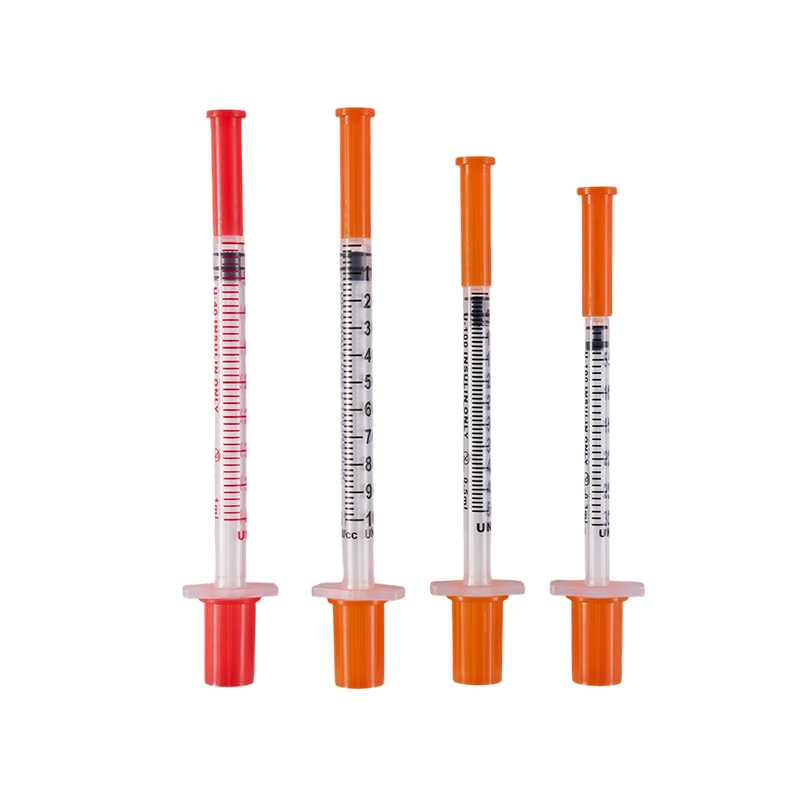
The design and production comply with ISO8537. The plastic parts are moulded by ...
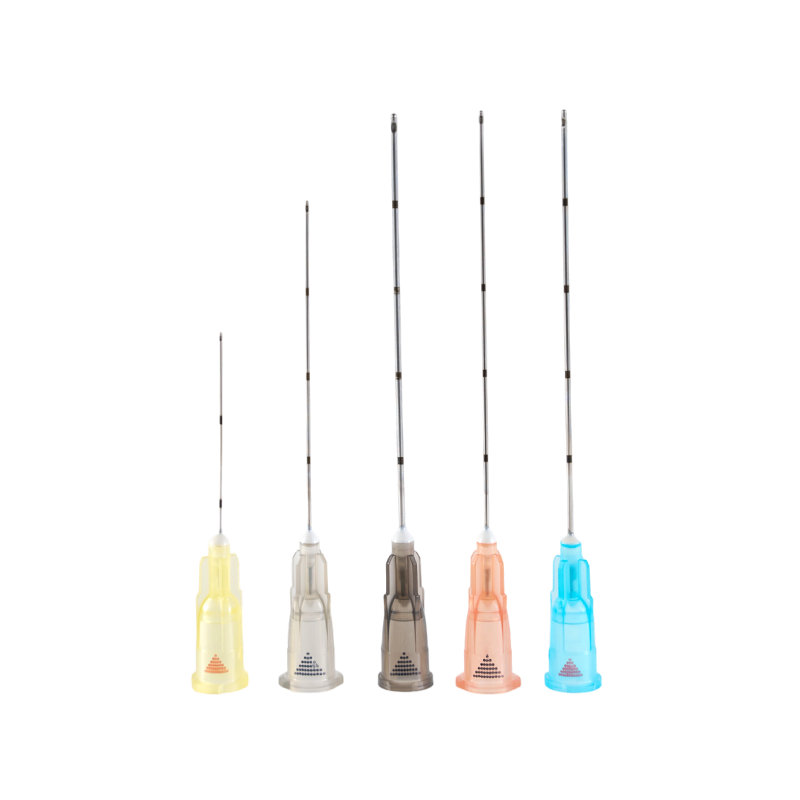
There are three kinds of the tip types, Sealed-circle with 2 side holes, sealed-...
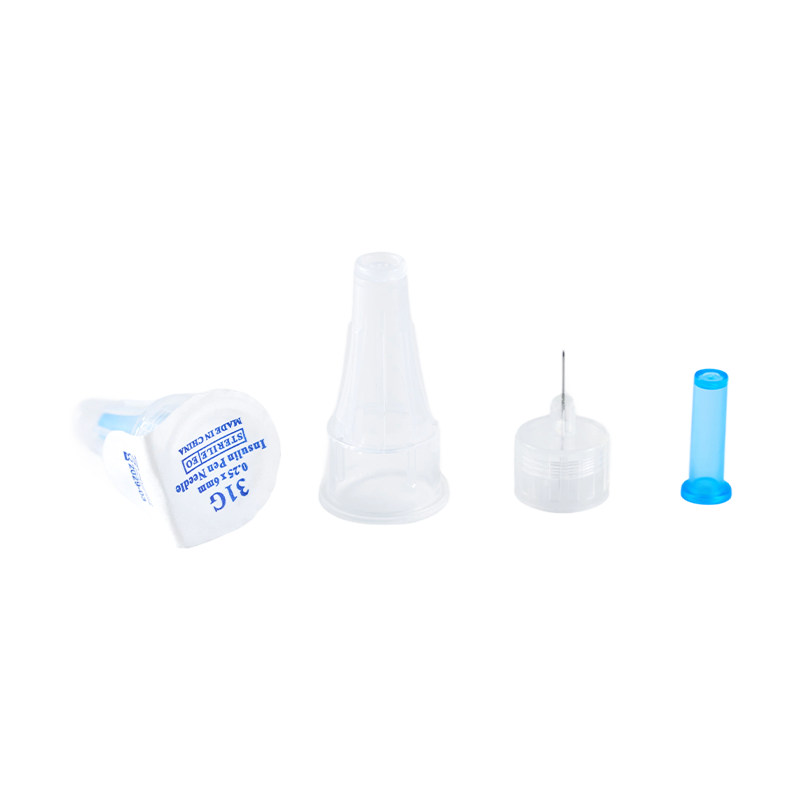
Assembling with insulin pen, for insulin hypodermic injection.The plastic parts ...
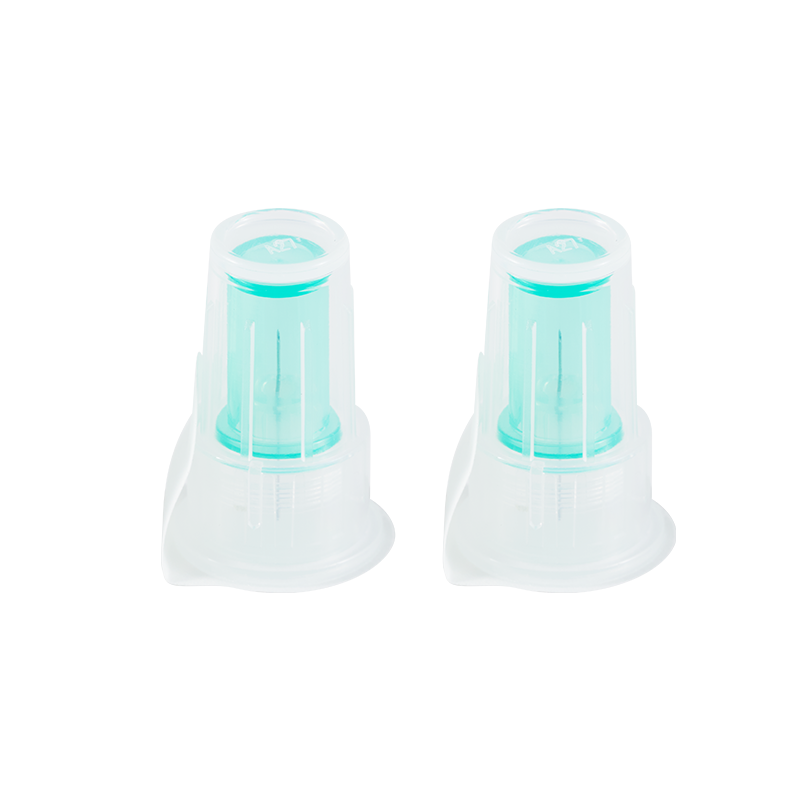
Used in conjunction with an insulin pen, it is used for subcutaneous injection o...
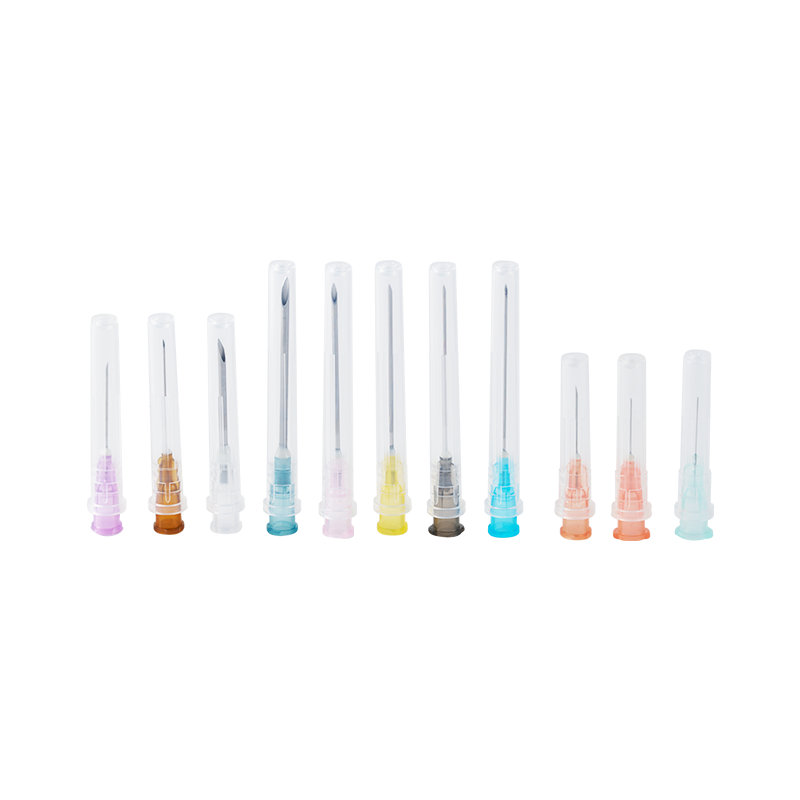
The cannula is made of high quality austenite stainless steel.All the components...
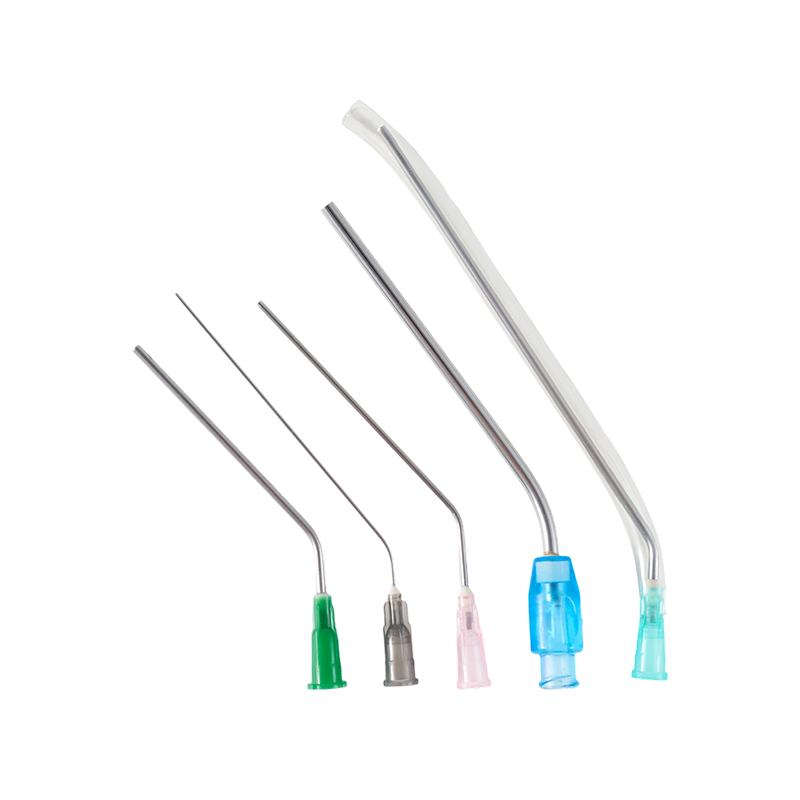
The material of the needle is Medical grade SUS304,which have great stiffness, t...
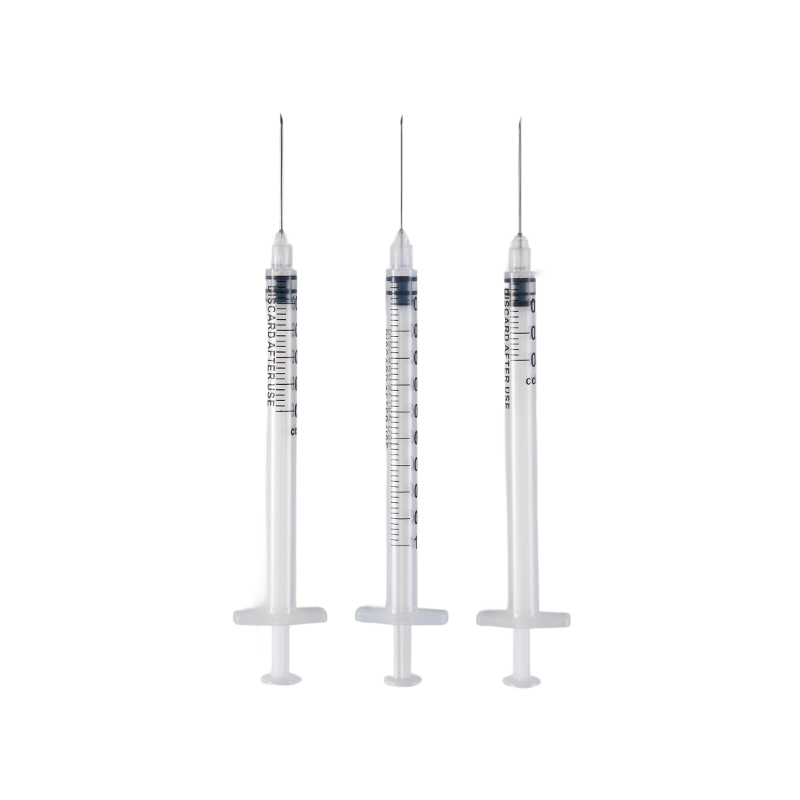
The barrel is made from high transparent polypropylene(PP),which have a bright a...
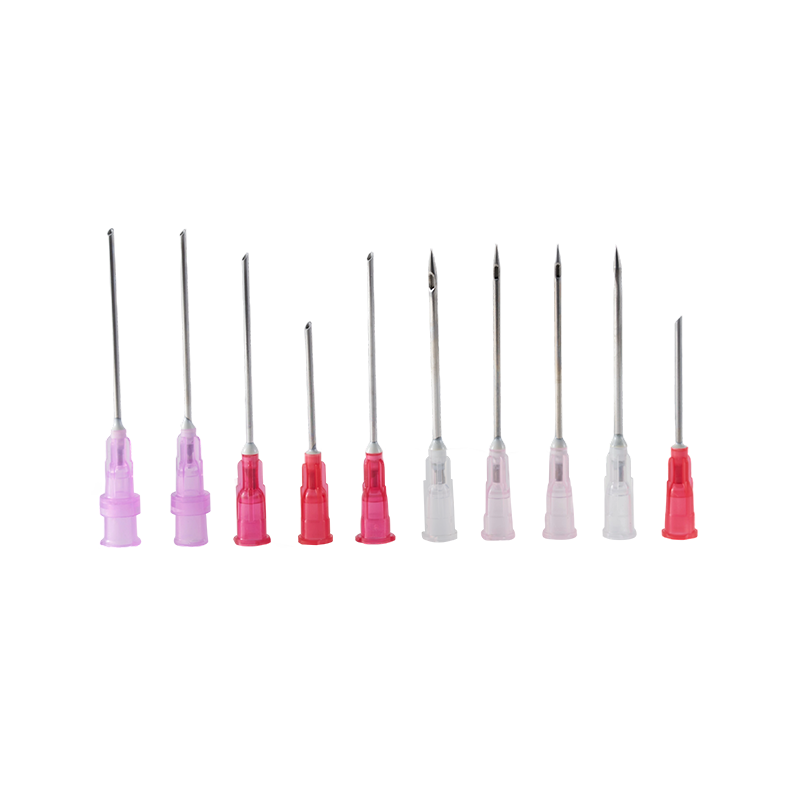
The cannula is made of high quality austenite stainless steel.The lancet tip is ...

Copyright© 2025 Zhejiang INI Medical Devices Co., Ltd.
Approval No:20150049
Medical Device Manufacturers
Disposable Medical Syringes Factory
