


 English
 Español
 中文简体
中文简体Don't hesitate to send a message
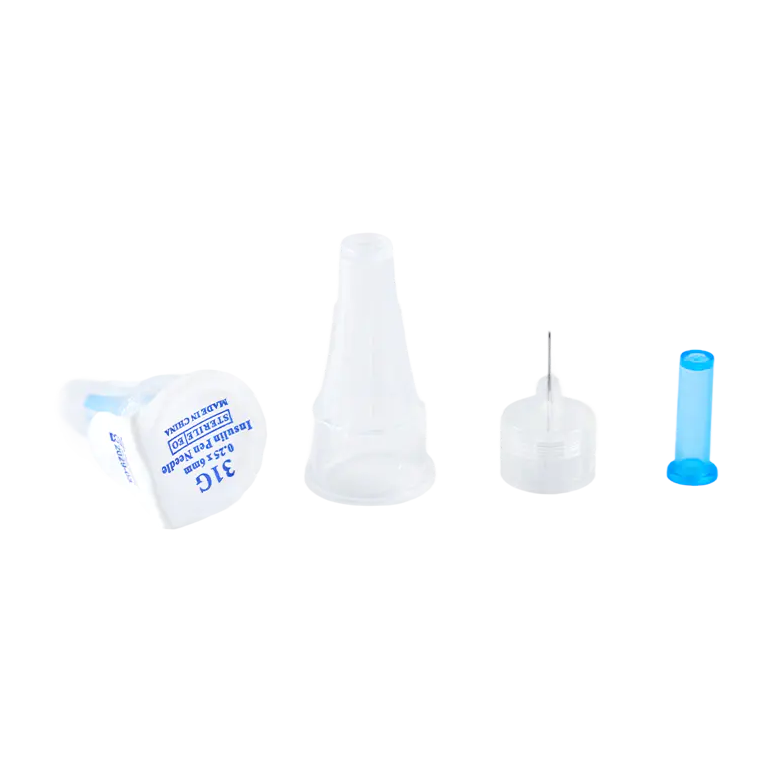
The design and production comply with ISO8537. The plastic parts are moulded by ...
Medical Disposables Factory sit in a space where demand never stays completely still. Hospitals, clinics, emergency care units, and community health services all depend on a steady flow of single-use products. When usage habits shift, the factory side has to adjust without slowing everything down.
What makes this environment interesting is not only the volume of production, but the rhythm behind it. Some periods feel stable. Others require quick internal changes. The ability to respond without breaking the flow has become an important part of modern operations.
Healthcare demand changes for many quiet reasons. Patient numbers rise or fall. Care practices evolve. Some items become more frequently used while others stay steady for long periods.
Factories respond by adjusting internal focus rather than rebuilding everything. A production line may stay in place, but attention within that line shifts.
It is less about redesigning the system and more about moving weight inside the system.
When demand changes, factories usually look at:
These adjustments help keep production aligned with real usage patterns.
Flexibility helps factories avoid disruption when demand changes suddenly. In healthcare supply, delays can create pressure downstream, so reaction time matters.
A flexible system does not rely on a single fixed path. Instead, it allows different product flows to pass through shared structures.
This often shows up in practical ways such as:
The goal is simple. Keep the system stable, but leave room for movement.
When demand increases for certain products, factories do not usually stop everything and restart. That approach would break continuity.
Instead, they adjust gradually. Small changes are introduced across the system.
For example:
These changes happen step by step. The structure stays intact while the internal balance shifts.
This kind of adjustment helps avoid sudden pressure on any single part of the system.
Workflow design plays a quiet but central role in adaptation. If the workflow is too rigid, even small changes can create delays. If it is too loose, control becomes difficult.
Medical disposables factories often organize production into connected stages. Each stage passes work forward without long interruptions.
A common structure includes:
When demand shifts, changes are made inside these stages rather than replacing them entirely.
This keeps the system recognizable and easier to manage during transitions.
When production needs start to change, you usually notice it first through material flow. More orders mean you need more raw materials coming in. When things slow down, you have to reduce supply accordingly.
Most manufacturers don't like making sudden big jumps in material usage. They'd rather make small, gradual tweaks to keep everything balanced between supply and demand.
This usually involves things like:
When material supply stays steady, it's much easier for the factory to adapt to shifting production requirements without chaos.
Stability is one of the main concerns during any adjustment period. Even small disruptions can affect overall output if they spread across stages.
To maintain stability, factories often rely on gradual transitions rather than direct shifts.
Common approaches include:
Stability does not mean everything stays the same. It means changes happen in a controlled and predictable way.
Automation really helps when demand starts to change. It cuts down on variation in repetitive work, so when you need to adjust something, it's much easier to keep things under control.
It supports things like:
That said, automation isn't a magic fix on its own. It still needs solid planning and real-time watching. People are still essential — especially for catching those small details and shifts that machines can't fully understand by themselves.
Quality needs to stay solid even when production is shifting. The point is to make changes without letting them mess up the consistency of the products.
Factories usually don't change the quality standards. Instead, they shift their focus and pay extra attention in certain areas. This often means:
When adjustments are done carefully and step by step, quality can stay reliable even as the production pattern changes.
Packaging is the last stop before products leave the factory, so it has to keep up with whatever's happening in production.
If the output suddenly goes up or down, the packaging side needs to react fast. If it doesn't, products start backing up and the whole system gets jammed.
That's why flexible packaging setups are so useful. They can:
When packaging adapts well, the entire production process feels smoother and more balanced.
Even in highly organized factories, people remain essential. Their role shifts depending on production conditions.
Workers often:
Experience becomes important here. People who understand how the system behaves can notice small changes before they become larger issues.
This helps maintain continuity during adjustment periods.
Rapid changes in demand can create temporary pressure inside the system. Even well-organized factories need time to adjust.
Some common challenges include:
These issues are usually not permanent. They are managed through gradual correction rather than immediate overhaul.
Small adjustments over time help bring the system back into balance.
Long-term stability depends on preparation as much as response. Factories that plan ahead can handle change more smoothly.
This includes:
With these foundations, short-term demand changes become easier to absorb.
The system does not need to react from zero each time. It already has room for adjustment.
Adaptation is not a single action. It is an ongoing process built into daily operation.
Medical disposables factories do not remain fixed while demand changes around them. Instead, they adjust gradually, keeping structure while shifting focus.
The result is a production environment that stays steady while still responding to real-world needs. The system moves, but it does so in a controlled and measured way.
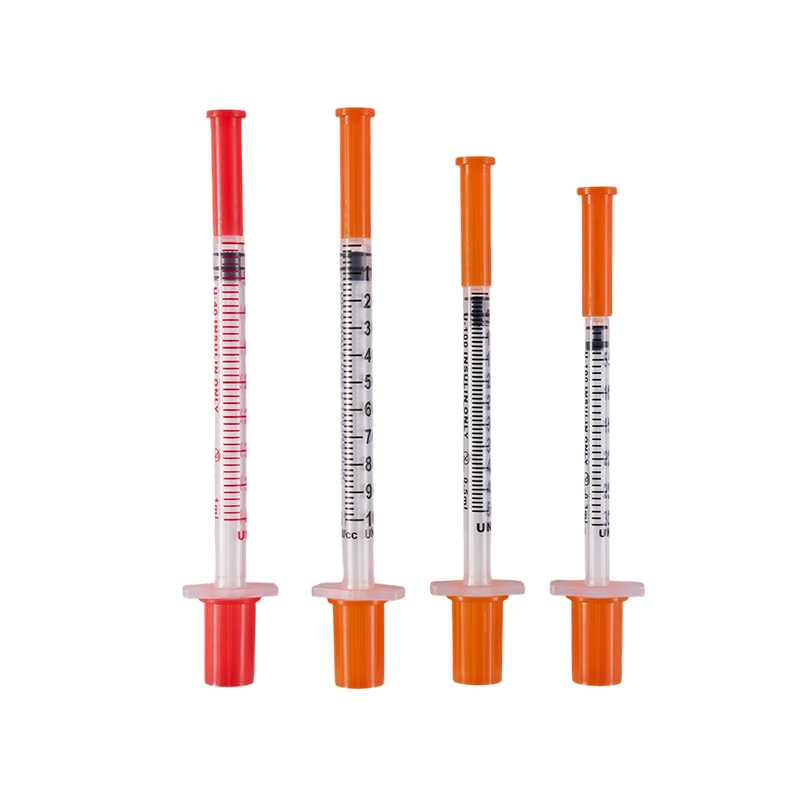
The design and production comply with ISO8537. The plastic parts are moulded by ...
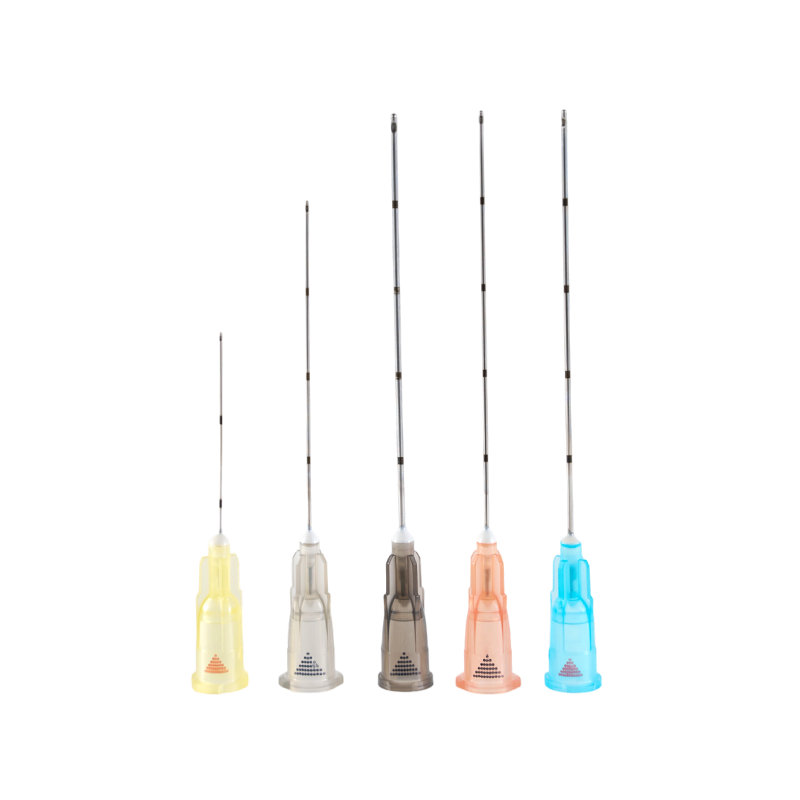
There are three kinds of the tip types, Sealed-circle with 2 side holes, sealed-...
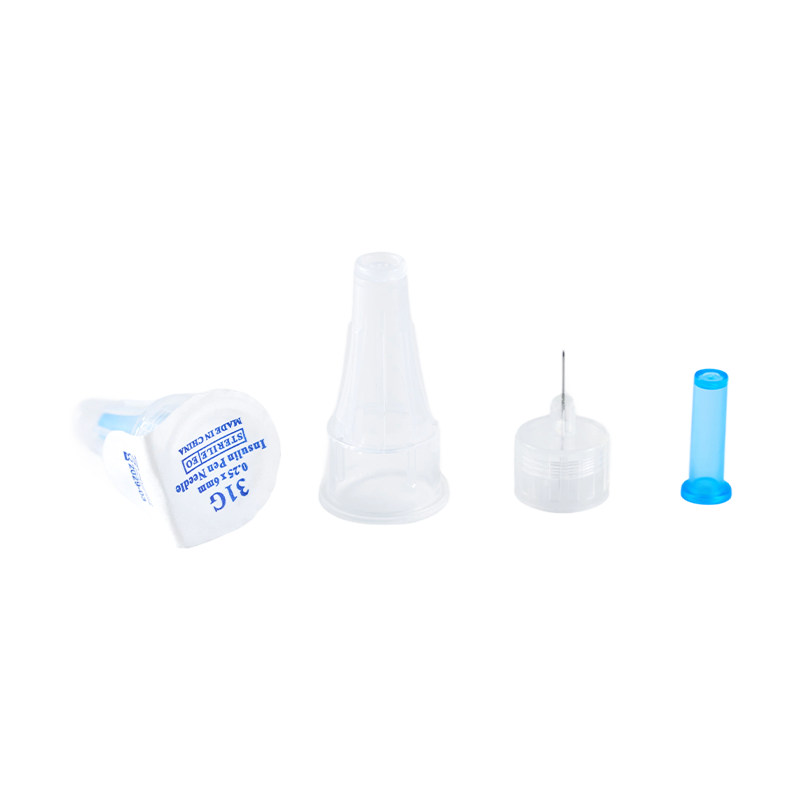
Assembling with insulin pen, for insulin hypodermic injection.The plastic parts ...
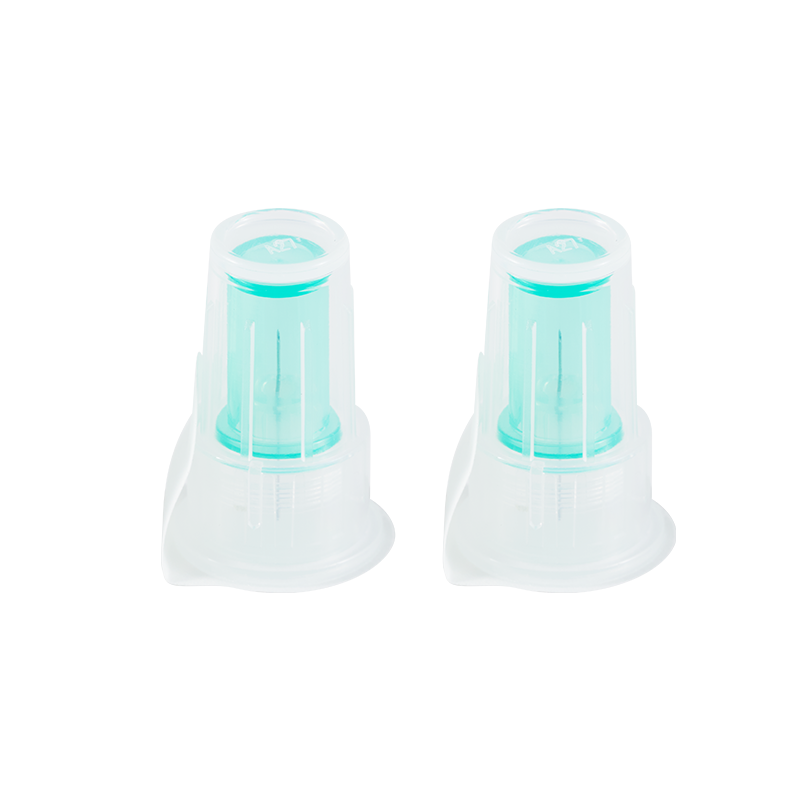
Used in conjunction with an insulin pen, it is used for subcutaneous injection o...

The cannula is made of high quality austenite stainless steel.All the components...
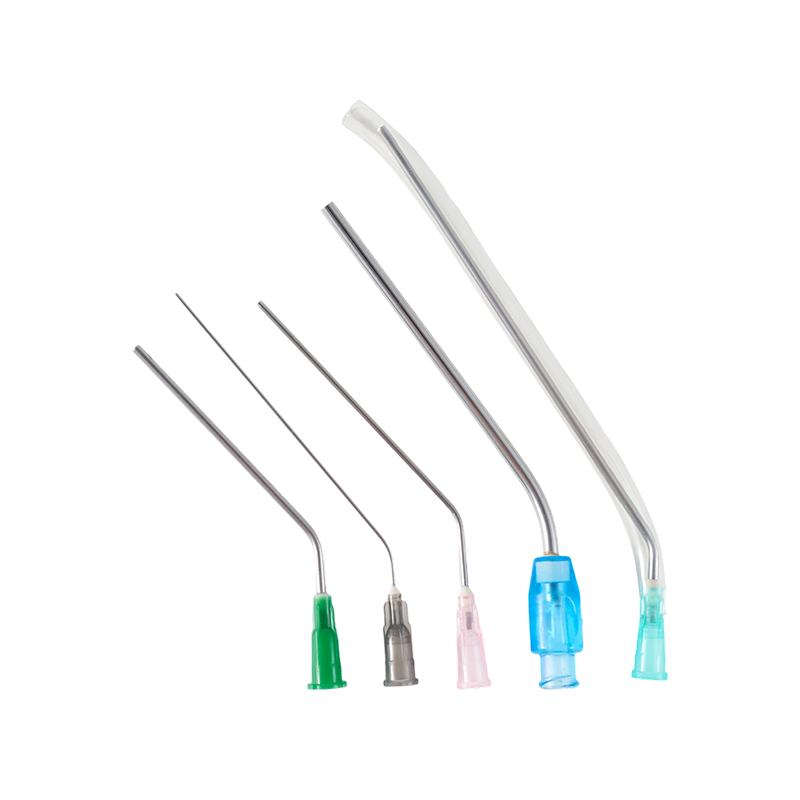
The material of the needle is Medical grade SUS304,which have great stiffness, t...
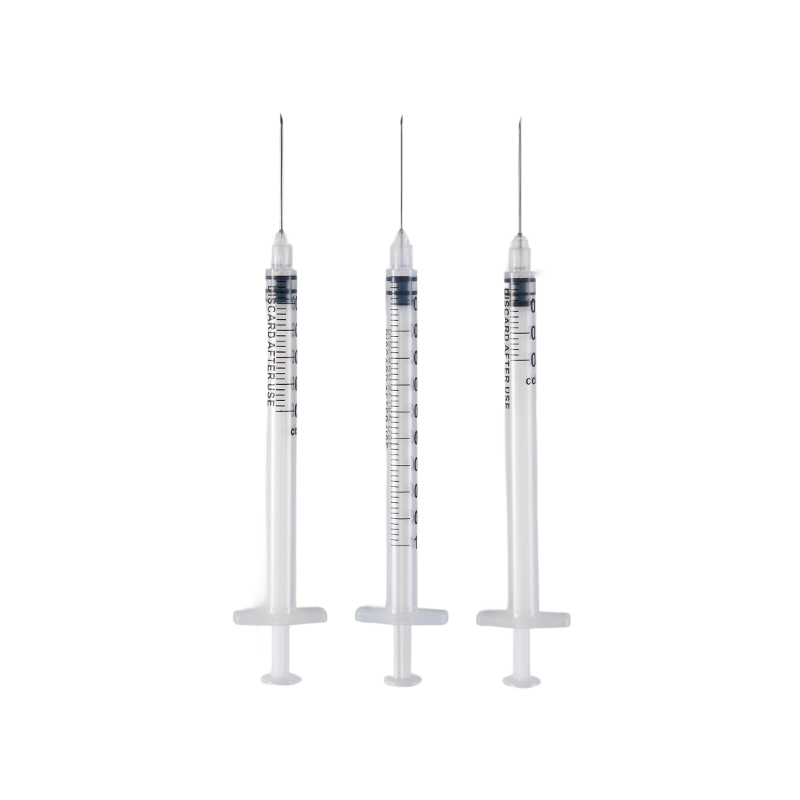
The barrel is made from high transparent polypropylene(PP),which have a bright a...

The cannula is made of high quality austenite stainless steel.The lancet tip is ...

Copyright© 2025 Zhejiang INI Medical Devices Co., Ltd.
Approval No:20150049
Medical Device Manufacturers
Disposable Medical Syringes Factory
