


 English
 Español
 中文简体
中文简体Don't hesitate to send a message
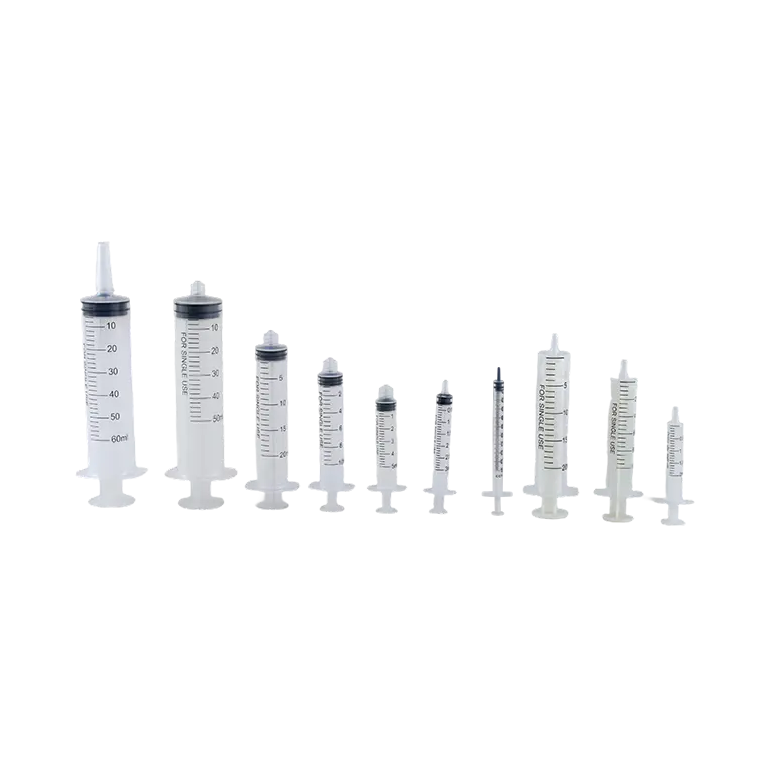
The design and production comply with ISO8537. The plastic parts are moulded by ...
Modern healthcare often appears to be centered on hospitals, doctors, and visible medical procedures. But behind that surface, there is a quiet industrial layer that keeps everything moving. One of the less noticed parts of this layer involves hypodermic tubing suppliers .
They are not part of clinical scenes. They are also not directly connected to patients. Yet their work influences how medical devices are made, how smoothly they move through production, and how consistently they reach healthcare environments.
The material they handle is small in scale, but its role spreads across many types of medical equipment. Because of this, the supply side becomes part of the broader healthcare stability system.
In daily healthcare work, tools are expected to perform in a predictable way. There is little room for variation. A small change in how a component behaves can affect how a device performs.
Hypodermic tubing is used inside systems that guide or control movement within medical tools. It helps maintain structure where precision matters.
What makes it important is not visibility, but repetition. The same result must be achievable again and again under similar conditions. That expectation places pressure on the material side of healthcare manufacturing.
When tubing behaves consistently, medical devices built around it can operate with fewer adjustments. This creates a smoother working environment in clinics and hospitals.
It is easy to think of suppliers as simple transport points, but their role is more layered than that.
Hypodermic suppliers sit between material production and medical device manufacturing. They manage how material moves, how it is stored, and how it is delivered into production systems.
In practice, their work often involves:
None of these steps are visible to patients. Still, they shape whether medical manufacturing runs smoothly or faces interruptions.
Factories making medical goods follow fixed scheduled production plans. Raw materials need to arrive on a regular schedule that fits the factory's output pace.
When incoming materials arrive unevenly, it throws off all production scheduling. Minor hold-ups can create cascading issues for the whole plant.
Tubing suppliers fill a critical role here. Their job isn't just shipping raw materials; they coordinate delivery timelines to match how much the factory needs to produce each day.
If deliveries line up perfectly with production schedules, assembly lines won't require constant last-minute changes. Teams stick to set workflows, cutting down overall operational pressure.
Consistency is not only about material quality. It also includes availability, handling, and timing.
In healthcare manufacturing, inconsistency creates uncertainty. And uncertainty tends to slow down decision-making.
Suppliers work within this expectation by keeping supply conditions stable over time. This includes predictable delivery cycles and controlled handling across distribution points.
Consistency matters because:
Even if the end user never sees the tubing itself, its stability influences what they experience through medical devices.
Although the material is small, its application range is wide.
It appears in multiple healthcare-related manufacturing areas, such as:
Each use case is different, but they all depend on controlled and predictable performance.
This shared requirement is what links these applications back to tubing supply systems.
Material flow in healthcare manufacturing is not just movement from one place to another. It is a sequence that supports timing, planning, and production continuity.
Hypodermic tubing suppliers help maintain this flow by organizing distribution in a way that matches real demand patterns.
When flow is smooth, manufacturers can operate with fewer interruptions. When flow becomes uneven, production schedules may need adjustment.
In many cases, the stability of supply flow is more important than the volume itself.
Supply systems rarely remain static. They shift according to demand, logistics conditions, and production cycles.
One common challenge is variation in demand. Healthcare-related manufacturing can increase or slow down depending on broader conditions.
Another challenge comes from coordination. Materials often move through multiple stages before reaching manufacturers, and each stage needs alignment.
Storage conditions also play a role. Materials must remain stable while waiting for distribution or processing.
Suppliers deal with these factors by adjusting movement patterns and maintaining coordination across different points in the chain.
Instead of thinking of supply as a single action, it is easier to see it as a connected chain.
| Stage in flow | What happens | Effect on system |
|---|---|---|
| Material movement | Supply is organized and moved forward | Keeps production active |
| Timing control | Delivery is aligned with demand | Reduces waiting time |
| Handling process | Material is stored and managed | Maintains usability |
| System coordination | Multiple points are linked together | Keeps flow stable |
Each stage supports the next, and none of them works in isolation.
Medical device reliability often depends on how stable the input materials are during production.
Hypodermic suppliers contribute to this indirectly. When they maintain steady supply conditions, manufacturers can build devices with fewer fluctuations in input quality.
This does not mean the supplier defines the final product. Instead, they help maintain conditions where consistent production is possible.
Over time, this stability supports more predictable device performance in healthcare environments.
In supply chain operations, accessibility means manufacturers can get the exact materials they need right when production requires them. In the medical manufacturing industry, any delay in material access will drag down the entire production progress.
Even if materials are in stock somewhere in the supply system, poor access efficiency will still hinder production plans. Hypodermic suppliers solve this problem by keeping their distribution networks smooth and flexible to respond to production demands in a timely manner. This effectively prevents long production shutdowns and bridges the gap between production planning and actual execution.
Modern healthcare is a complete interconnected system covering raw material supply, product manufacturing, logistics distribution and clinical application. Every link is closely interdependent and cannot work independently.
Hypodermic tubing suppliers occupy a key middle position in this industrial chain. They link upstream raw material producers with downstream medical device manufacturing factories. Their work interacts with multiple parts of the entire healthcare supply system rather than functioning alone.
For this reason, even minor mistakes or coordination failures in the supply link will generate chain reactions, causing disruptions that spread through multiple stages of medical production and service.
Timing affects how smoothly materials move through the system. Even when supply is available, late delivery can disrupt production planning.
Suppliers manage timing by organizing movement between storage and manufacturing points.
Good timing reduces uncertainty and helps maintain rhythm in production environments.
It also allows the system to respond more naturally to shifts in demand.
Healthcare manufacturing is gradually becoming more interconnected. As systems expand, coordination becomes more important than isolated supply actions.
Hypodermic tubing suppliers are adapting to this environment by focusing more on stability and flow control rather than simple distribution.
Their role continues to sit behind the visible side of healthcare, but its influence remains embedded in how medical devices are produced and supplied.
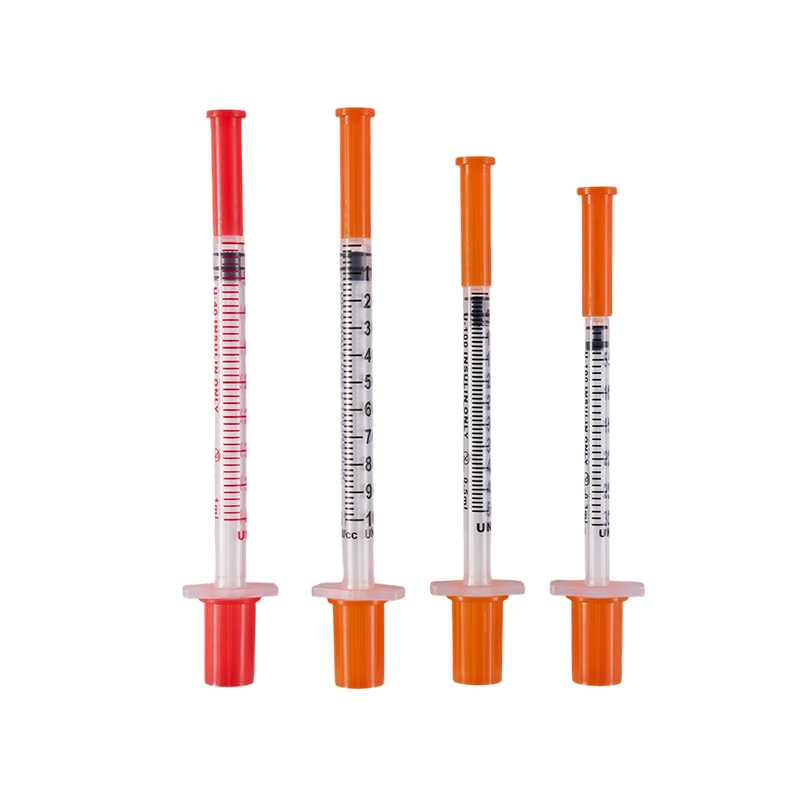
The design and production comply with ISO8537. The plastic parts are moulded by ...
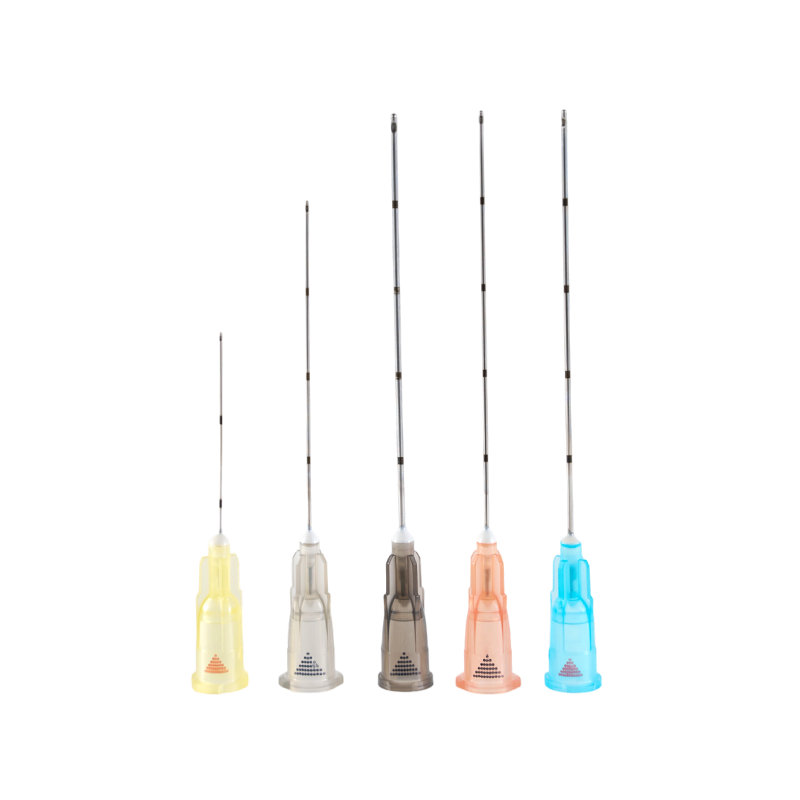
There are three kinds of the tip types, Sealed-circle with 2 side holes, sealed-...
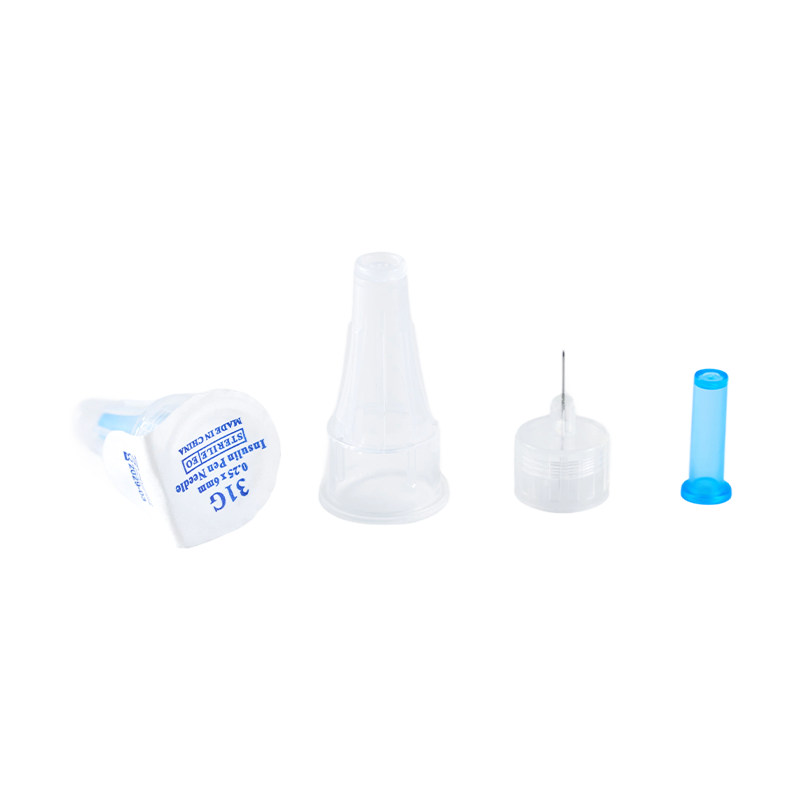
Assembling with insulin pen, for insulin hypodermic injection.The plastic parts ...
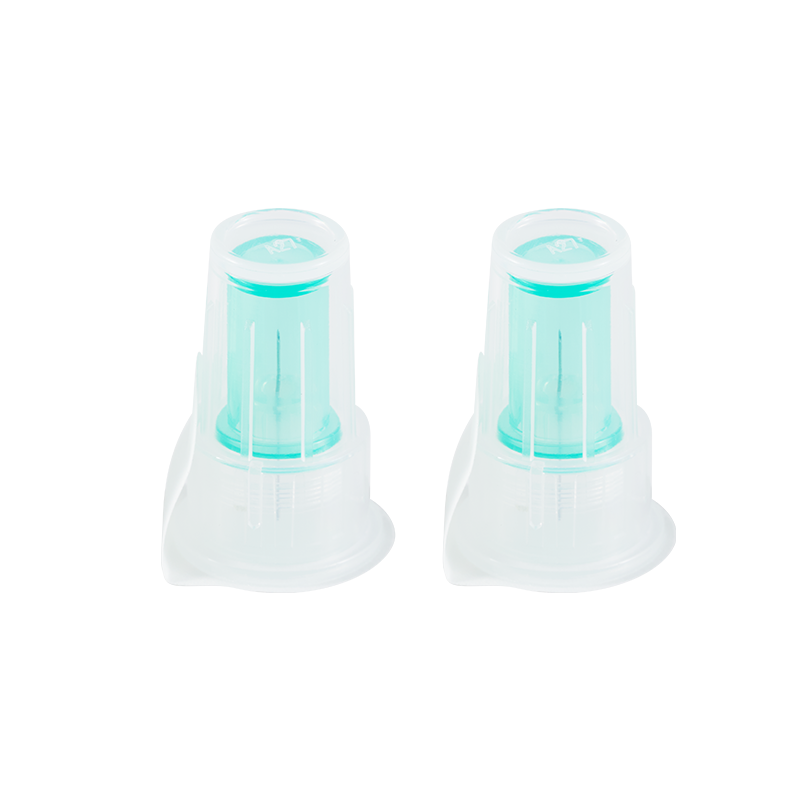
Used in conjunction with an insulin pen, it is used for subcutaneous injection o...

The cannula is made of high quality austenite stainless steel.All the components...
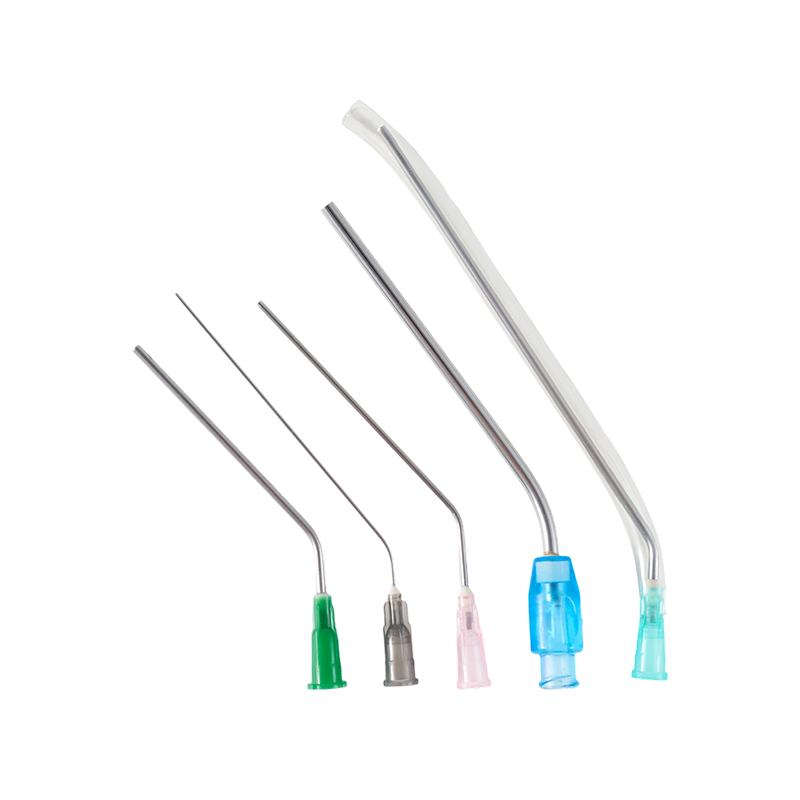
The material of the needle is Medical grade SUS304,which have great stiffness, t...
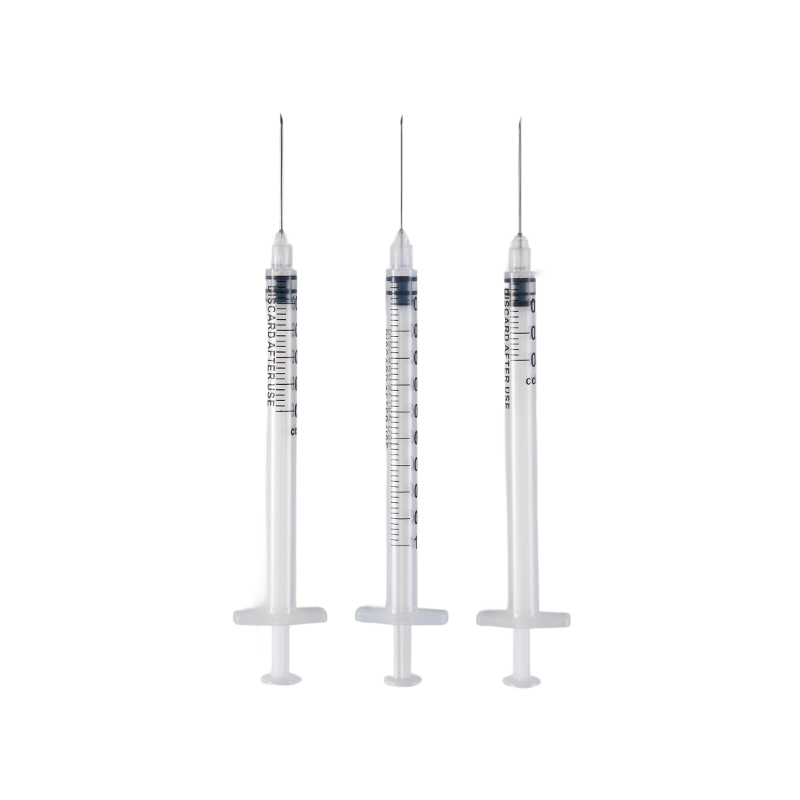
The barrel is made from high transparent polypropylene(PP),which have a bright a...

The cannula is made of high quality austenite stainless steel.The lancet tip is ...

Copyright© 2025 Zhejiang INI Medical Devices Co., Ltd.
Approval No:20150049
Medical Device Manufacturers
Disposable Medical Syringes Factory
