


 English
 Español
 中文简体
中文简体Don't hesitate to send a message
The design and production comply with ISO8537. The plastic parts are moulded by ...
Medical safety is often associated with clinical procedures, clean environments, and careful handling of patients. But behind these visible parts, there is a quieter system working in the background. Supplies move through different stages before they reach hospitals and clinics. Disposable syringe supplier sit inside this system, linking production and real-world medical use.
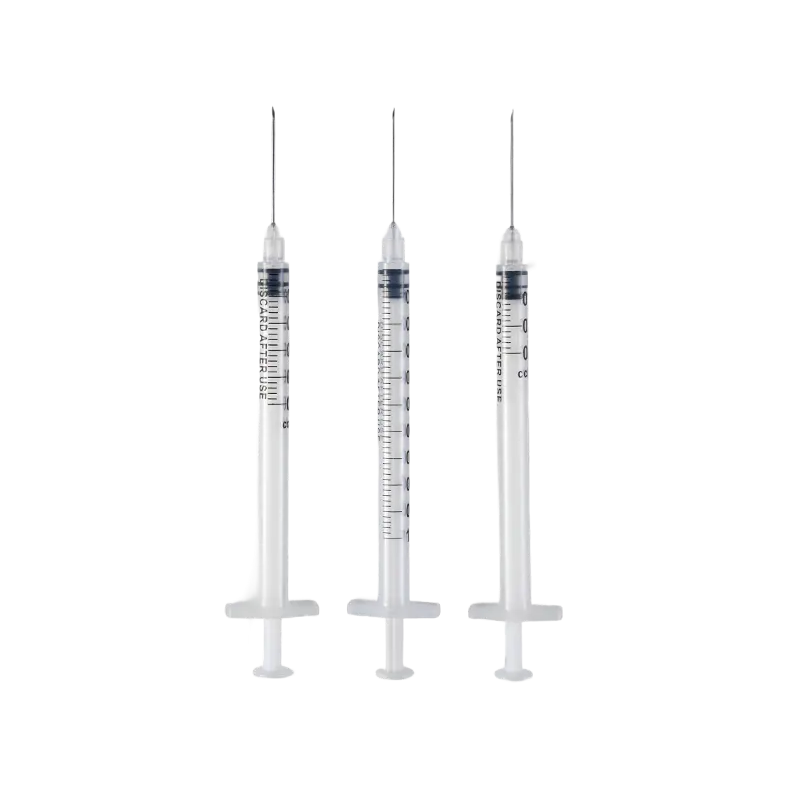
Their role is not always noticed directly. Still, it influences how smoothly daily healthcare work can continue, especially in fast-paced environments where timing and availability matter.
Medical safety mainly comes from cutting down avoidable risks during regular treatment, and single-use medical supplies are an easy yet effective solution.
Disposable syringes are made to be used only once and discarded right after. This stops the same equipment from being used on multiple patients, making daily medical procedures much safer.
This logic is straightforward, yet every hospital and clinic relies heavily on it. It follows a basic rule: each patient gets brand new injection tools.
Consistent stock of these syringes also matters a lot. If medical facilities run short, staff will struggle to carry out their daily work properly.
A disposable syringe supplier works as a connection point between production and healthcare facilities. The role is not limited to moving products from one place to another.
It involves maintaining flow. It also involves making sure supplies are available when and where they are needed.
In real healthcare settings, demand does not stay constant. Some periods require more frequent use of medical tools. Other times are quieter but still require readiness.
Suppliers help keep this balance stable by managing distribution and coordinating supply movement across different locations.
This support allows medical staff to focus more on patient care instead of supply concerns.
Consistent stock of medical gear directly shapes how clinics and hospitals run. When necessary tools are always in stock, medical staff can carry out all standard procedures without delays.
If supplies run low or deliveries are inconsistent, even simple routine work gets slowed down, forcing medical teams to make awkward adjustments. Staff already deal with heavy workloads, and shortages add extra unnecessary stress.
Disposable syringe manufacturers and distributors ease this worry by keeping their delivery networks efficient and ready to respond to demand changes.
It's not just about sending products out; deliveries need to line up with how much medical facilities actually use day by day.
Stopping the spread of infection is a core part of safe medical practice. The main aim is to cut down unsafe cross-contact between patients, surfaces and reused medical equipment.
Single-use disposable syringes are a big help here—each one gets thrown away after a single injection, never reused on another person.
Still, this whole infection control method only works if there are enough syringes on hand. Shortages put medical centers under heavy operational pressure.
Suppliers work behind the scenes to prevent this risk. Steady, reliable stock stops clinics from having to reuse tools or find unsafe substitute items.
In the end, the full supply chain acts as an unseen foundation for overall medical safety standards.
Disposable syringes are used across many areas of healthcare. Their application is not limited to one type of facility or procedure.
Common usage environments include:
Each setting has different usage patterns. Some require continuous supply throughout the day. Others depend on scheduled demand.
Despite these differences, the need for reliable availability remains consistent.
Medical readiness depends on how quickly and reliably supplies can be accessed.
Distribution systems managed by suppliers help maintain this readiness. Instead of one-time large deliveries, supply often moves in repeated cycles that match usage behavior.
This helps healthcare facilities maintain a steady level of readiness without excessive storage pressure.
When distribution is well coordinated, healthcare teams can operate with fewer interruptions and more predictable workflows.
Unstable supply flow can create small but noticeable disruptions in healthcare environments.
These may include delayed procedures, increased workload pressure, or temporary adjustments in how materials are used.
Even when situations are managed internally, additional strain is placed on staff and systems.
Disposable syringe manufacturers help reduce this risk by maintaining consistent movement of supplies through different stages of the chain.
The aim is to keep availability aligned with real demand rather than reacting too late.
Before reaching healthcare facilities, medical supplies pass through multiple handling and storage points.
Each stage requires attention to condition and organization. Items must remain suitable for use throughout the process.
Suppliers contribute by managing how products are stored, moved, and prepared for distribution.
Careful handling helps reduce the chance of damage during transport and keeps supplies ready for immediate use once they arrive.
This part of the process is not always visible, but it supports overall safety outcomes.
| Area of Focus | Practical Activity | Impact on Healthcare Use |
|---|---|---|
| Supply coordination | Organizing product movement | Stable availability |
| Distribution timing | Matching demand cycles | Reduced delays |
| Storage handling | Maintaining product condition | Reliable usability |
| Network support | Linking supply points | Continuous access |
These responsibilities work together rather than separately. Each part supports the next step in the supply chain.
Accessibility here refers to how quickly medical staff can grab the tools they need during regular shifts.
Clinics and wards stay busy every minute, and waiting around for supplies slows everything down. Even standard injections rely on having syringes right on hand.
Companies that supply disposable syringes set up reliable delivery routes to guarantee easy access.
This lets medical staff carry out patient care without hitting stops caused by stock shortages.
Today's medical centers do not work alone. All hospitals and clinics link together through shared supply systems to keep daily care running.
Disposable syringe vendors serve as a stable backbone within these systems.
They bridge factory production and actual daily use at hospitals, doctor's offices and other care locations.
This work never takes center stage, yet it keeps the whole medical system operating without hiccups.
Medical supply chains face various strains based on how facilities consume supplies over time.
A major issue is unbalanced demand between different sites; some clinics burn through syringes much faster than others.
Timing creates another hurdle. Deliveries must arrive exactly when stock runs low, as late shipments disrupt all patient workflows.
Suppliers fix these issues by tweaking delivery schedules and tracking usage trends to match stock levels to real local needs.
Medical safety is often seen only in treatment rooms. In reality, it extends beyond clinical procedures.
It includes supply availability, distribution timing, storage handling, and network coordination.
Disposable syringe suppliers operate within this broader system. Their role supports the background conditions that allow safe medical work to continue.
Without stable supply systems, even well-organized clinical environments would face more uncertainty.
Healthcare needs continue to shift over time. Demand patterns change, and systems adapt accordingly.
Despite these changes, one requirement remains steady: reliable access to essential medical tools.
Disposable syringe suppliers continue to focus on maintaining consistency and smooth distribution flow.
Their role remains closely tied to supporting everyday medical safety through steady supply movement and accessible distribution networks.
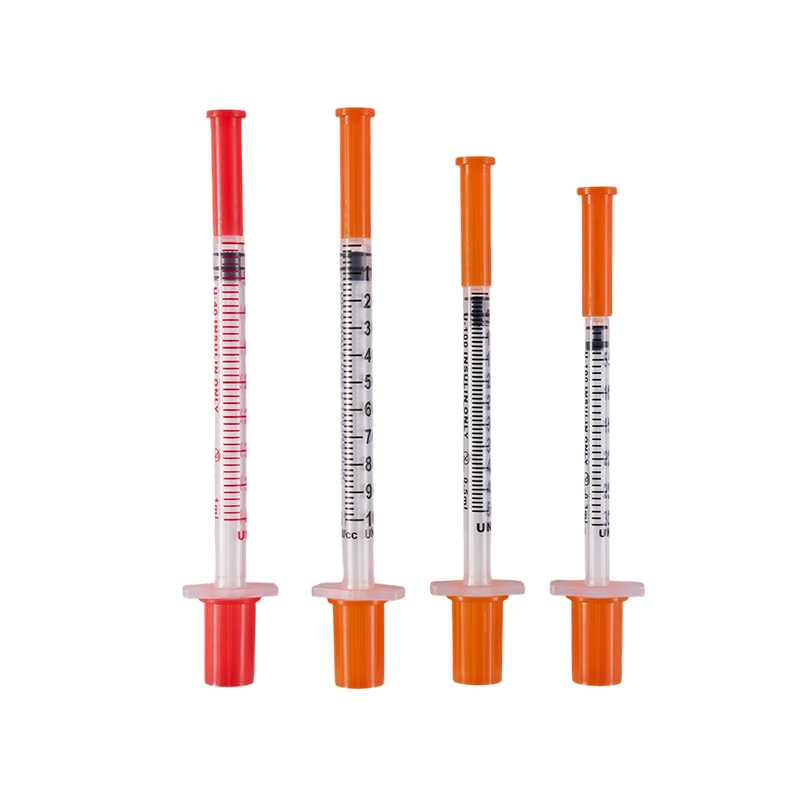
The design and production comply with ISO8537. The plastic parts are moulded by ...
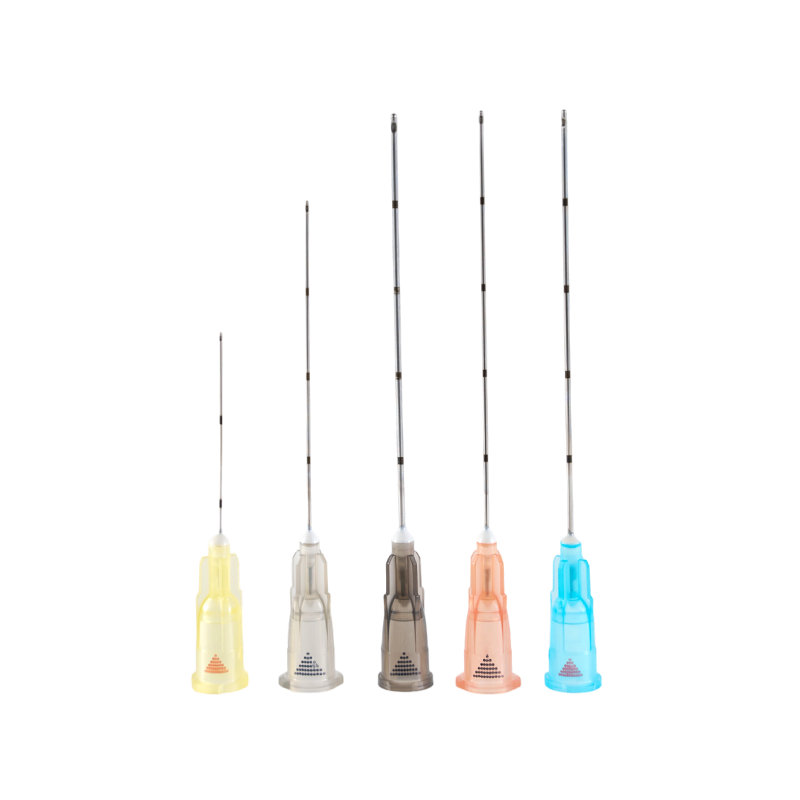
There are three kinds of the tip types, Sealed-circle with 2 side holes, sealed-...
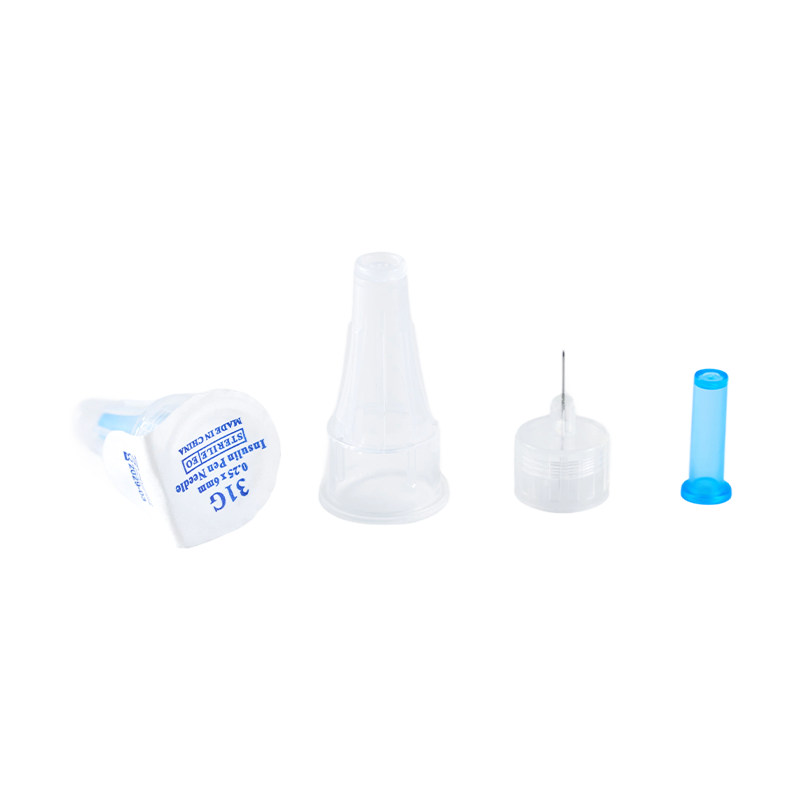
Assembling with insulin pen, for insulin hypodermic injection.The plastic parts ...
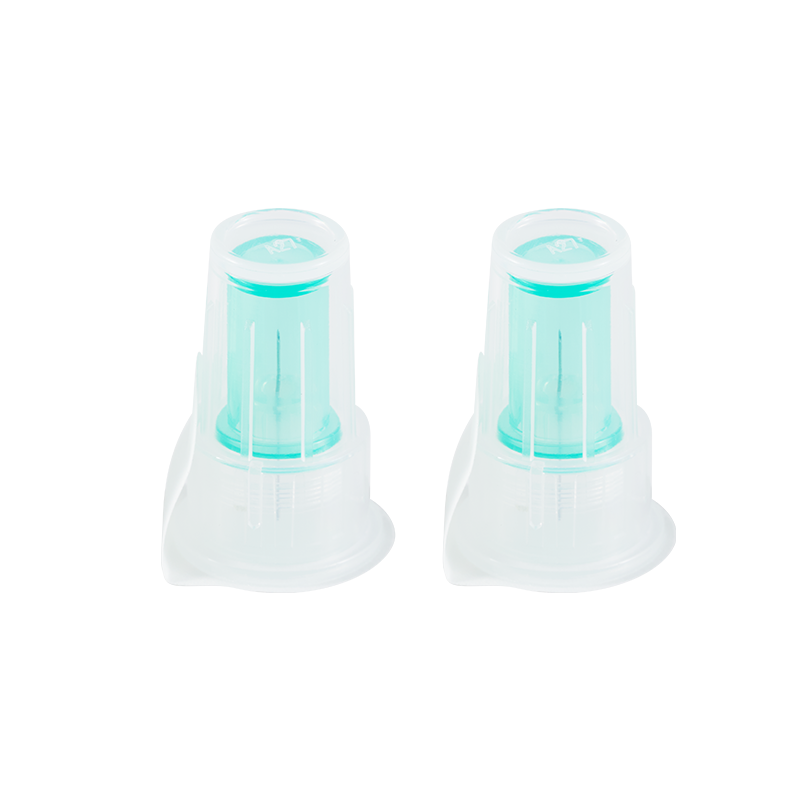
Used in conjunction with an insulin pen, it is used for subcutaneous injection o...
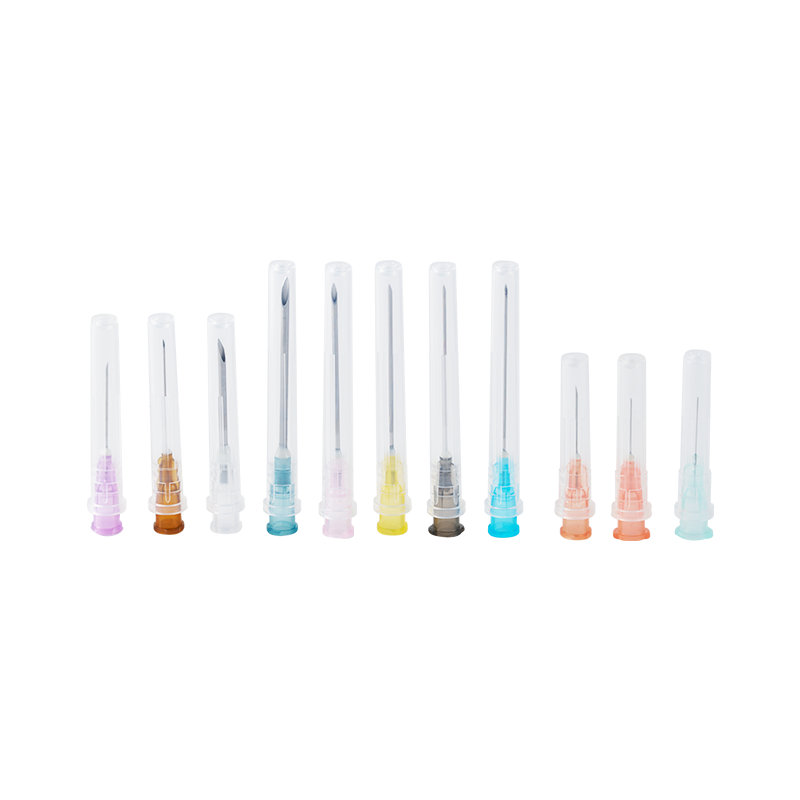
The cannula is made of high quality austenite stainless steel.All the components...
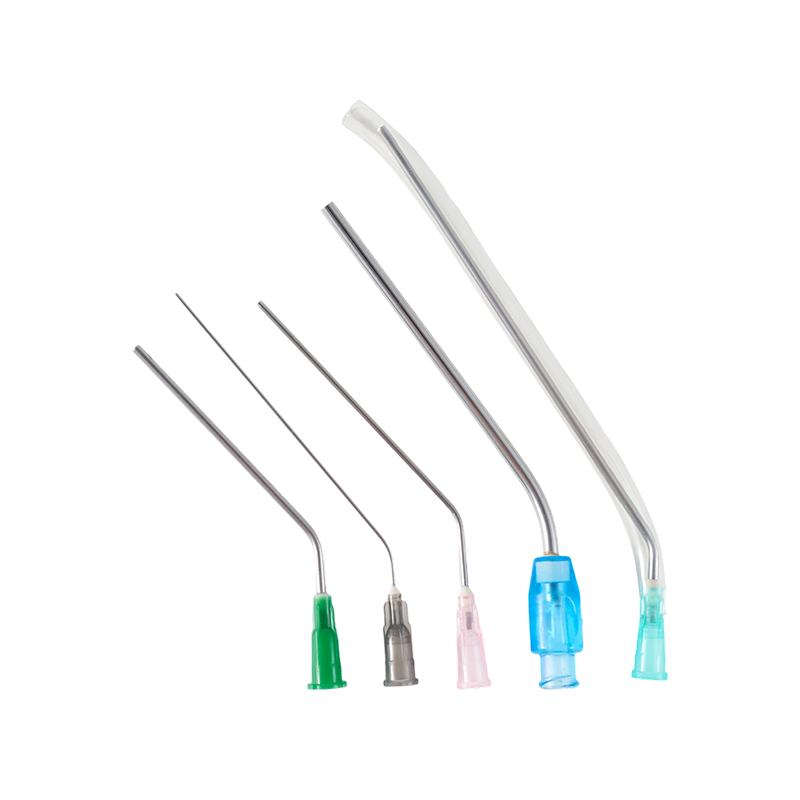
The material of the needle is Medical grade SUS304,which have great stiffness, t...
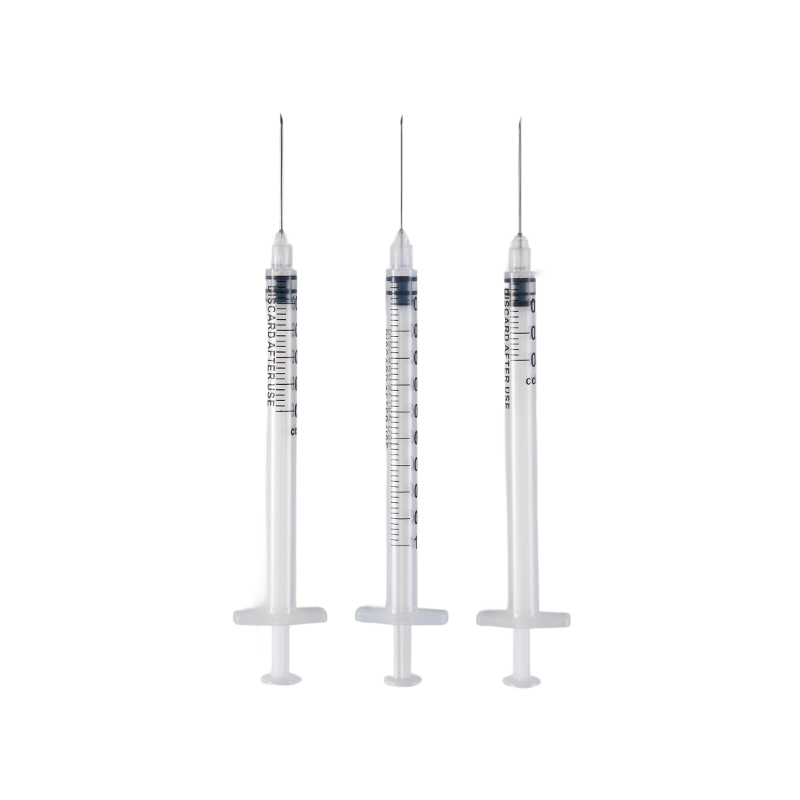
The barrel is made from high transparent polypropylene(PP),which have a bright a...

The cannula is made of high quality austenite stainless steel.The lancet tip is ...

Copyright© 2025 Zhejiang INI Medical Devices Co., Ltd.
Approval No:20150049
Medical Device Manufacturers
Disposable Medical Syringes Factory
