


 English
 Español
 中文简体
中文简体Don't hesitate to send a message
The design and production comply with ISO8537. The plastic parts are moulded by ...
Precision inside a hypodermic needle factory is often described in simple terms: clean output, stable shape, consistent performance. But the reality behind it is more layered. The visible result is only the final frame of a much longer process.
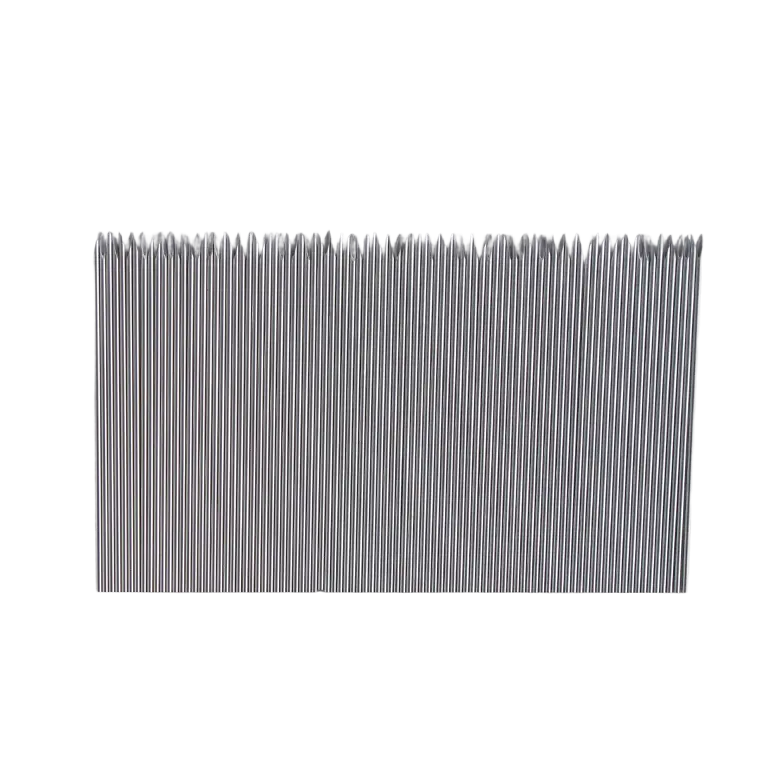
In daily production settings, precision is not controlled by one single element. It is shaped by many small influences that appear quietly, often without drawing attention. Some are environmental. Some come from handling habits. Others come from timing, perception, or even the way materials settle when no one is watching closely.
A production environment may look stable from the outside. Controlled lighting, enclosed systems, and regulated airflow all suggest consistency. Yet inside that space, small shifts still exist.
Air movement is one of them. It does not need to be strong. Even a mild and repeated flow change can influence how lightweight parts settle during processing. Over time, these small movements can create slight differences in alignment.
Temperature variation is another quiet factor. Not a large shift, but a small imbalance between areas of the same room. One section may feel slightly different from another. Materials respond to these differences in subtle ways.
Humidity adds another layer. It can affect surface interaction without being directly visible. A slightly different moisture level may change how smoothly parts move against each other during contact stages.
Lighting also plays an indirect role. Not in shaping the material, but in shaping human judgment. A small change in brightness can influence how operators perceive edges or alignment.
These changes rarely act alone. They overlap. They build a background condition that quietly affects precision.
At first glance, materials may appear uniform. Similar shape, similar texture, similar behavior. But under repeated processing, differences begin to show.
Some material sections react slightly faster under shaping pressure. Others respond more slowly. These differences are not dramatic, but they matter when consistency is required.
Surface response during contact is another subtle factor. When materials meet tools or surfaces, friction is not always identical. A slight variation can shift positioning by a very small margin.
Internal structure also plays a role. Even when materials are prepared under the same conditions, tiny variations inside the structure can exist. These variations may not be visible, but they influence stability after shaping.
There is also a slow adjustment effect. After processing, materials may gradually settle into a slightly different form than expected. This movement is small, but in precision work, small matters.
Equipment is often considered stable, but stability does not mean absolute consistency. Over time, subtle changes appear.
Contact points between tools and materials may shift slightly after repeated use. The change is not obvious, but it influences how force is applied.
Alignment can also drift in very small ways. Not enough to stop production, but enough to influence fine detail.
Motion rhythm is another hidden factor. When machinery repeats cycles over long periods, slight variations in movement can appear. These variations may affect how evenly pressure is distributed.
Even maintenance timing can influence behavior. A small delay or adjustment in maintenance schedule may change how smoothly parts interact.
Equipment is not isolated. It interacts continuously with materials and environment. Precision depends on how stable this interaction remains.
Even in structured environments, human involvement remains present. What matters most are not large actions, but small ones repeated many times.
Hand movement differences between operators can create variation. A slight change in angle or speed may influence alignment during delicate steps.
Timing is another subtle factor. A fraction of delay or early action can shift how materials settle during transition stages.
Observation also plays a role. When checking fine details, perception can vary depending on lighting, angle, and focus. Two people may see slightly different results in the same moment.
Even pause time between actions can influence outcome. A short hesitation may allow materials to settle differently before the next step.
These are not mistakes. They are natural variations in human behavior. The challenge is not removing them completely, but understanding how they fit into the system.
Production flow is often viewed as a sequence of steps. But in reality, it behaves more like a continuous chain where timing matters.
If one step completes slightly earlier or later, the next stage may respond differently. This creates a ripple effect through the process.
Transition points are especially sensitive. When materials move from one condition to another, even a short exposure difference can influence behavior.
Waiting periods between steps also matter. A small change in resting time can affect stability before the next operation begins.
Parallel activities in nearby areas may also influence each other indirectly. Changes in movement or airflow in one zone may slightly affect another.
Flow is not only about structure. It is also about rhythm.
Every contact between material and surface creates a small interaction. These interactions repeat many times during production.
Pressure distribution during contact is rarely perfectly uniform. Even small differences can influence alignment.
Surface cleanliness is another factor. Tiny residues, even if not visible, may affect smoothness of movement.
Repeated contact over time can create subtle wear patterns on tools or surfaces. These patterns change how materials behave during later cycles.
Temperature differences between contacting surfaces may also influence response. A small difference can affect how materials settle during interaction.
Precision is shaped not by one contact, but by many repeated ones across the entire process.
The table below summarizes common hidden factors and how they quietly influence precision inside a hypodermic needle factory:
| Hidden Factor | Subtle Influence on Precision | How It Appears in Practice |
|---|---|---|
| Air movement | Slight shift in positioning stability | Minor alignment variation during handling |
| Temperature variation | Changes in material response speed | Small differences in surface smoothness |
| Humidity level | Affects surface interaction behavior | Subtle change in contact consistency |
| Equipment drift | Gradual shift in alignment over time | Slight variation in repeated output |
| Human micro-actions | Small handling and timing differences | Inconsistent positioning during steps |
| Process timing | Ripple effect between stages | Variation across production sequence |
| Surface contact wear | Changes interaction behavior | Gradual shift in movement smoothness |
| Storage condition | Slow structural adjustment over time | Slight deformation or stress variation |
Measurement is expected to bring clarity. But even checking processes carry small variations.
Human observation may differ slightly depending on viewing angle or focus. This can influence judgment during inspection.
Instrument placement is another factor. A slight shift in position can change readings in subtle ways.
Timing also affects results. Conditions may shift slightly between measurements, especially in active environments.
Even repeated checking does not always produce identical outcomes. Small environmental changes continue to influence results.
Measurement reduces uncertainty, but it does not completely remove variation.
After production, products continue to respond to their environment. Storage is not a neutral stage.
Stacking pressure can slowly affect shape stability. Even light differences in load distribution may create gradual change.
Temperature shifts in storage areas can influence long-term material behavior. These changes are slow but continuous.
Movement during transport also matters. Small vibrations may slightly adjust alignment over time.
Position during storage can affect how stress is distributed within the product. Different orientations may lead to different outcomes.
These effects often appear later, not immediately. That delay makes them easy to overlook.
Precision inside a hypodermic needle factory is not shaped by one factor. It is the result of many small influences working together. Environment, materials, equipment behavior, human actions, process flow, surface interaction, measurement, and storage all contribute in their own quiet way. Each one may look minor alone, but together they define the final level of consistency.
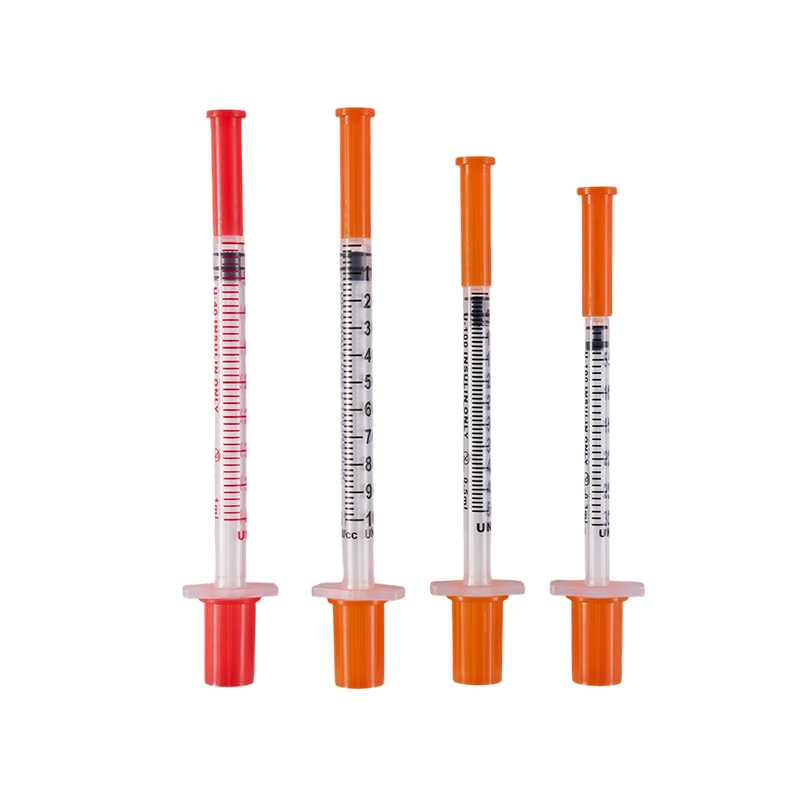
The design and production comply with ISO8537. The plastic parts are moulded by ...
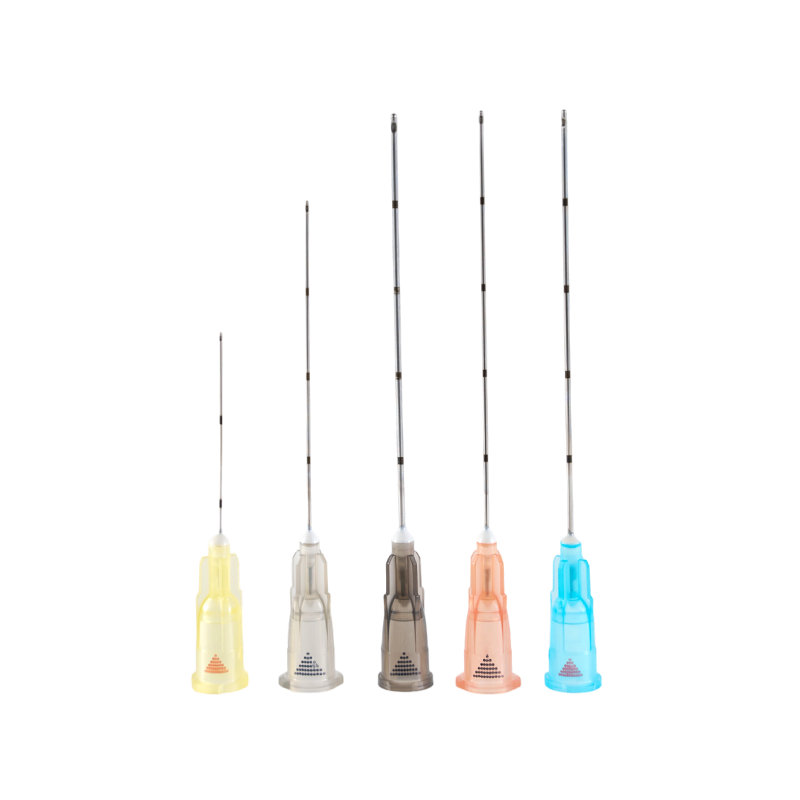
There are three kinds of the tip types, Sealed-circle with 2 side holes, sealed-...
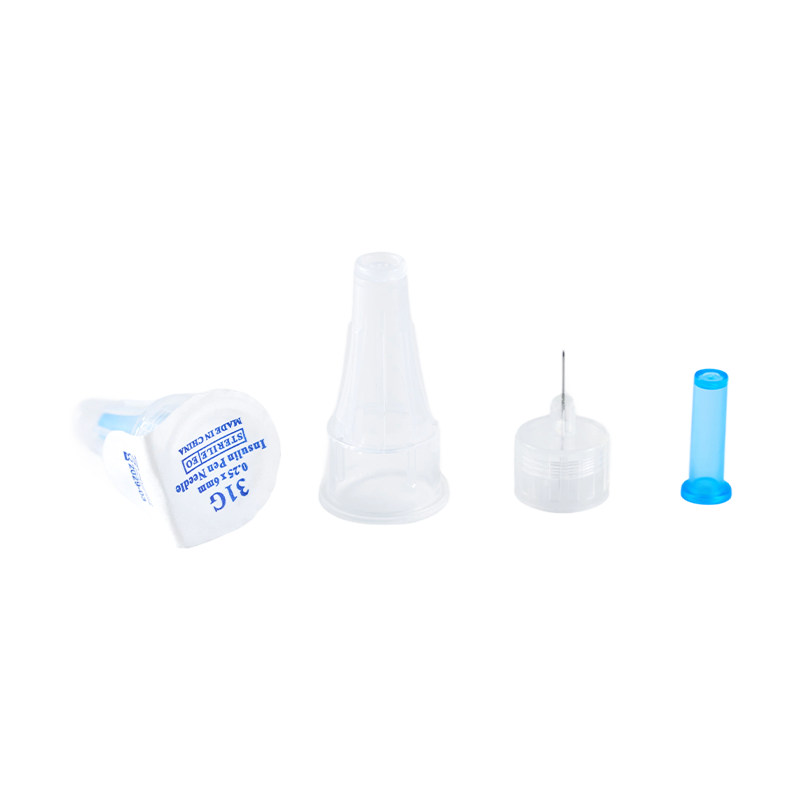
Assembling with insulin pen, for insulin hypodermic injection.The plastic parts ...
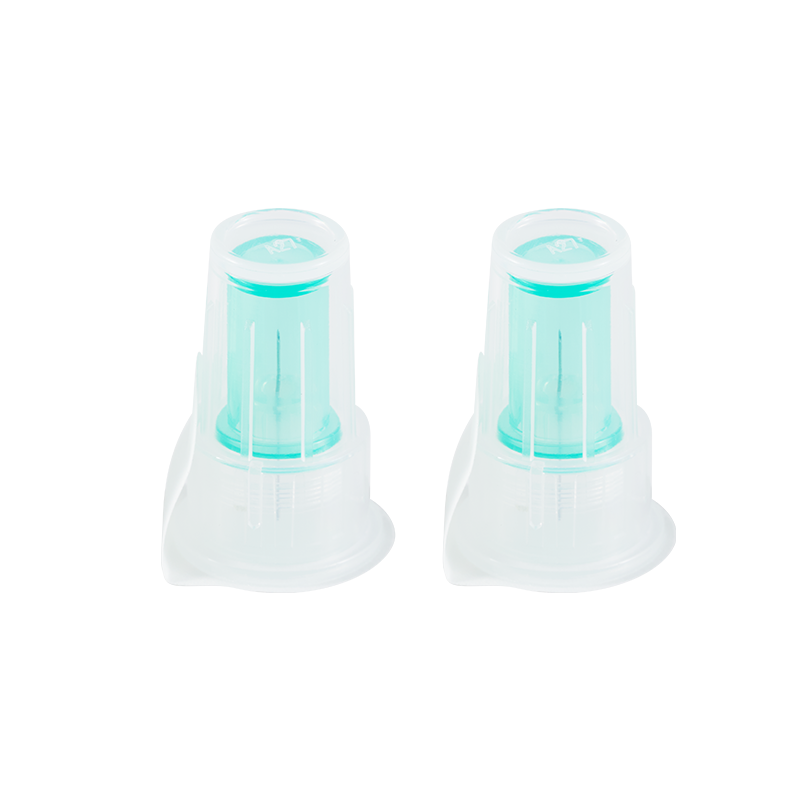
Used in conjunction with an insulin pen, it is used for subcutaneous injection o...

The cannula is made of high quality austenite stainless steel.All the components...
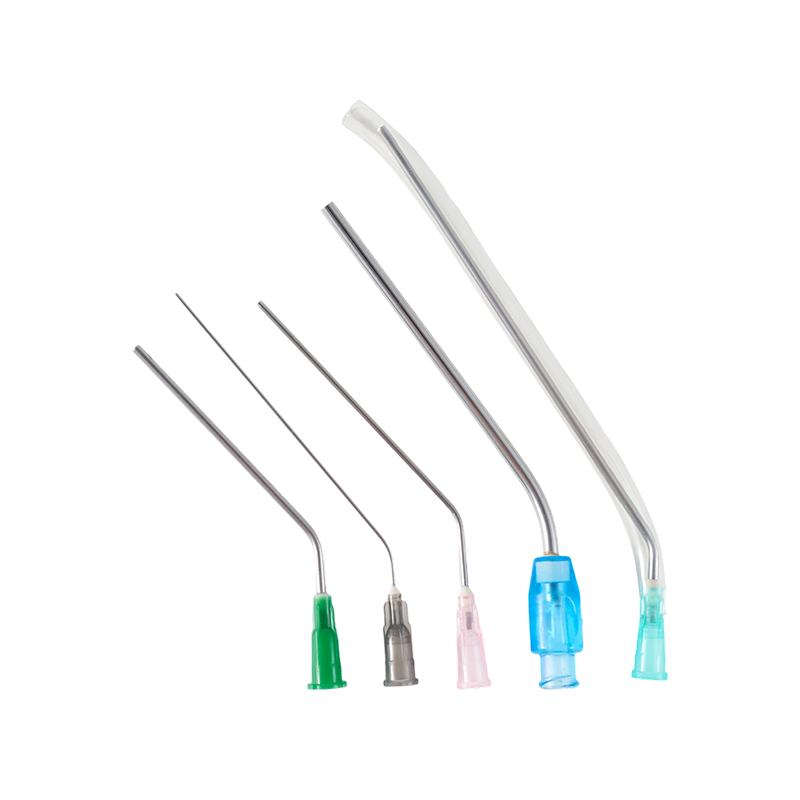
The material of the needle is Medical grade SUS304,which have great stiffness, t...

The barrel is made from high transparent polypropylene(PP),which have a bright a...

The cannula is made of high quality austenite stainless steel.The lancet tip is ...

Copyright© 2025 Zhejiang INI Medical Devices Co., Ltd.
Approval No:20150049
Medical Device Manufacturers
Disposable Medical Syringes Factory
