


 English
 Español
 中文简体
中文简体Don't hesitate to send a message
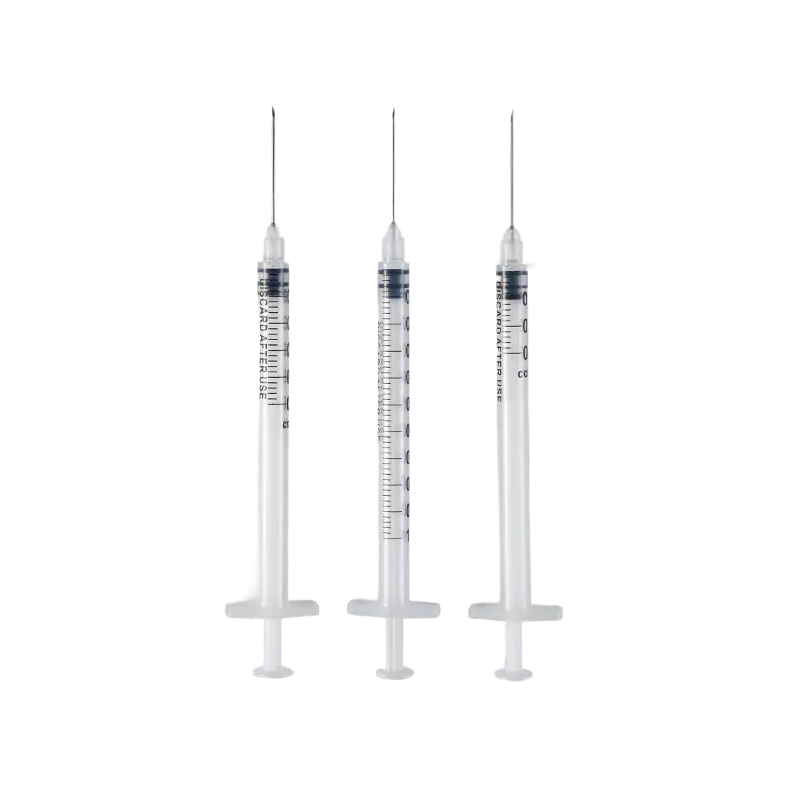
The design and production comply with ISO8537. The plastic parts are moulded by ...
Disposable syringe supplier operate in a market that looks stable from the outside, but feels highly sensitive inside. The product seems simple in structure and function. Yet the global environment around it is not simple at all.
Different regions move at different speeds. Demand does not rise or fall in a straight line. Regulations shift in tone and detail across borders. Logistics routes change with little notice. Even storage conditions can quietly influence how products are received later.
What makes this field interesting is not one single challenge. It is the overlap of many small pressures acting at the same time.
On paper, disposable syringe demand appears steady. Healthcare systems always need supply. But real purchasing behavior is not constant.
Some markets place large orders in short periods. Then activity slows down. Other regions maintain smaller but continuous purchasing patterns. These differences create uneven pressure for suppliers.
Demand is also shaped by local planning cycles. Procurement timing varies widely. Even when total demand is similar across regions, the rhythm is not aligned.
Another layer comes from distribution structure. Some systems rely on centralized purchasing. Others depend on many smaller buyers. This changes order size, timing, and delivery expectations.
There is also an emotional layer in demand behavior. When public attention increases, purchasing can become more active. When attention fades, activity slows again.
So the challenge is not only volume. It is timing unpredictability.
Disposable syringe suppliers often deal with multiple markets at the same time. Each market carries its own expectations.
What is considered acceptable in one region may not be enough in another. Even if the product looks identical, acceptance conditions may differ.
Documentation style is one example. Some regions require detailed records that track every stage. Others focus more on physical inspection and general confirmation.
Packaging expectations also vary. In some places, presentation is closely examined. In others, functionality matters more than appearance.
There are also differences in communication style. Some buyers prefer detailed updates. Others focus only on key milestones.
This creates a situation where suppliers must adapt communication, packaging, and coordination style without changing the core product.
A syringe supplier does not operate in isolation. It depends on many upstream and downstream links.
Raw material availability is one of the first pressure points. Even small disruptions upstream can affect production timing later.
Sometimes materials are available, but arrival timing is not aligned with production schedules. This creates gaps that are difficult to manage smoothly.
There are also variations in material behavior. Even when materials come from similar sources, slight differences can appear. These differences may require small adjustments during processing.
Transport adds another layer. International shipping conditions are not fixed. Routes, timing, and handling conditions may change depending on external factors.
Warehousing adds its own complexity. Products may pass through several storage points before reaching the final buyer. Each stage introduces small environmental differences.
Stability is not only about having supply. It is about keeping timing and conditions aligned.
Logistics is often treated as a background function, but for disposable syringe suppliers, it plays a central role.
Once products leave the production site, control becomes indirect. Movement depends on multiple parties and systems.
Shipping schedules may shift depending on capacity. Even small delays can affect downstream planning.
Customs procedures also vary. Requirements are not identical across regions. Documentation accuracy becomes very important.
Handling during transport introduces physical variation. Even with careful packaging, repeated movement can influence final condition.
Storage conditions during transit are another factor. Temperature and humidity may shift depending on location and timing.
Below is a simplified view of common logistics pressure points:
| Area | What Changes in Practice | Why It Matters |
|---|---|---|
| Transport timing | Schedules shift unexpectedly | Affects delivery planning |
| Customs process | Documentation expectations vary | Can delay clearance |
| Warehousing | Multiple storage stages | Adds environmental variation |
| Handling movement | Repeated transfers | Increases physical influence |
| Route selection | Paths change over time | Impacts stability of flow |
Logistics is not a single step. It is a chain of small transitions.
When production scale increases, small differences become more visible.
At smaller volumes, variation may be hidden. At larger volumes, even small shifts can appear across batches.
Equipment behavior over long production cycles may also change slightly. Not in a visible way, but enough to influence uniformity.
Human activity becomes more noticeable in long runs. Small timing differences or handling variations may appear over time.
Environmental conditions inside production areas may also shift subtly during extended operation.
Consistency is not only about starting conditions. It is about maintaining stability across long periods.
Global buyers do not only evaluate the product. They also evaluate the experience around it.
Response speed matters. Delays in communication may affect trust, even if the product is stable.
Flexibility is another expectation. Buyers may adjust order patterns based on local needs. Suppliers are expected to respond without disrupting flow.
Reliability over time carries more weight than single transactions. One stable delivery is not enough. Repeated stability matters more.
Different markets also interpret reliability differently. Some focus on timing. Others focus on communication clarity.
So supplier behavior is shaped not only by production, but also by relationship patterns.
Even after production is complete, disposable syringes continue to respond to their environment.
Storage stacking may create slow pressure differences. These are not immediate, but they can build over time.
Temperature shifts in warehouses may affect material stability in subtle ways.
Humidity variation may influence surface condition during long storage periods.
Transport between storage points adds movement influence again. Each transfer introduces small physical changes.
These effects are not always visible at the beginning. They appear gradually.
Competition in global syringe supply is not only about price. It is more about stability and adaptability.
Buyers often prioritize consistent supply over short-term advantages.
Suppliers that can adjust production schedules smoothly tend to maintain stronger relationships.
Clear communication also becomes a competitive factor. Misunderstandings can affect trust more than technical differences.
Competition encourages suppliers to improve quietly. Not through dramatic changes, but through steady adjustments in process and coordination.
Disposable syringe manufacturers face a global environment shaped by many overlapping conditions. Demand timing, regional expectations, supply chain stability, logistics variation, production consistency, market behavior, storage influence, and competition all interact continuously.
Each factor may look small on its own. But together, they create a system where precision is not only about production. It is about coordination across time, space, and behavior.
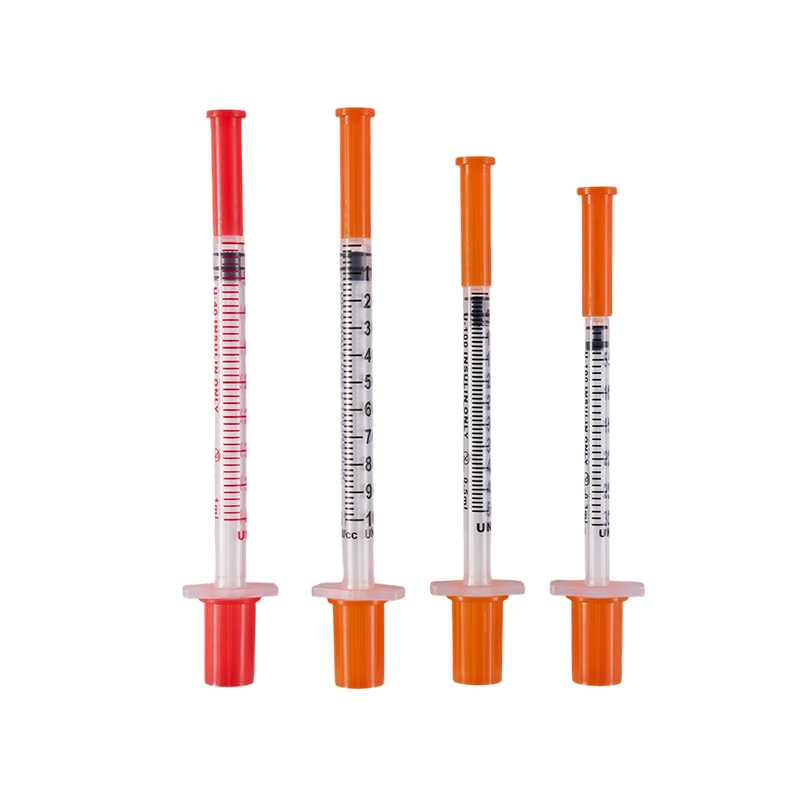
The design and production comply with ISO8537. The plastic parts are moulded by ...
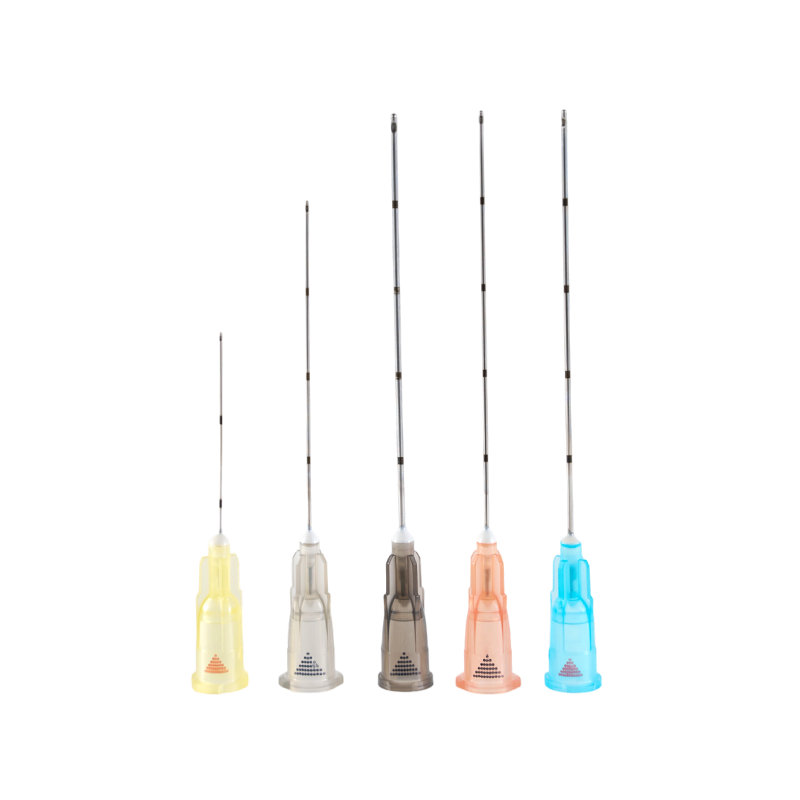
There are three kinds of the tip types, Sealed-circle with 2 side holes, sealed-...
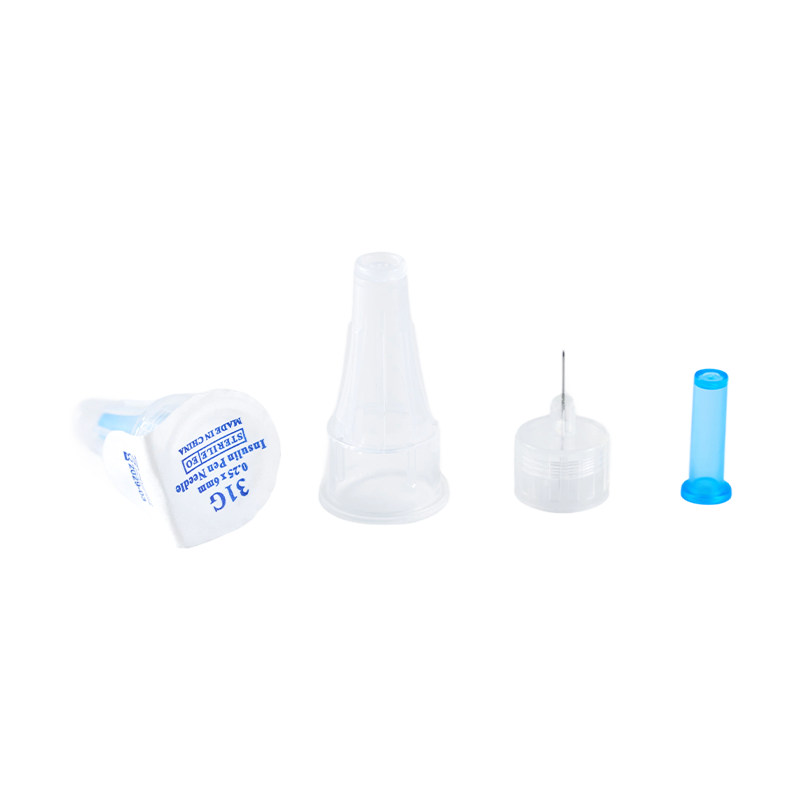
Assembling with insulin pen, for insulin hypodermic injection.The plastic parts ...
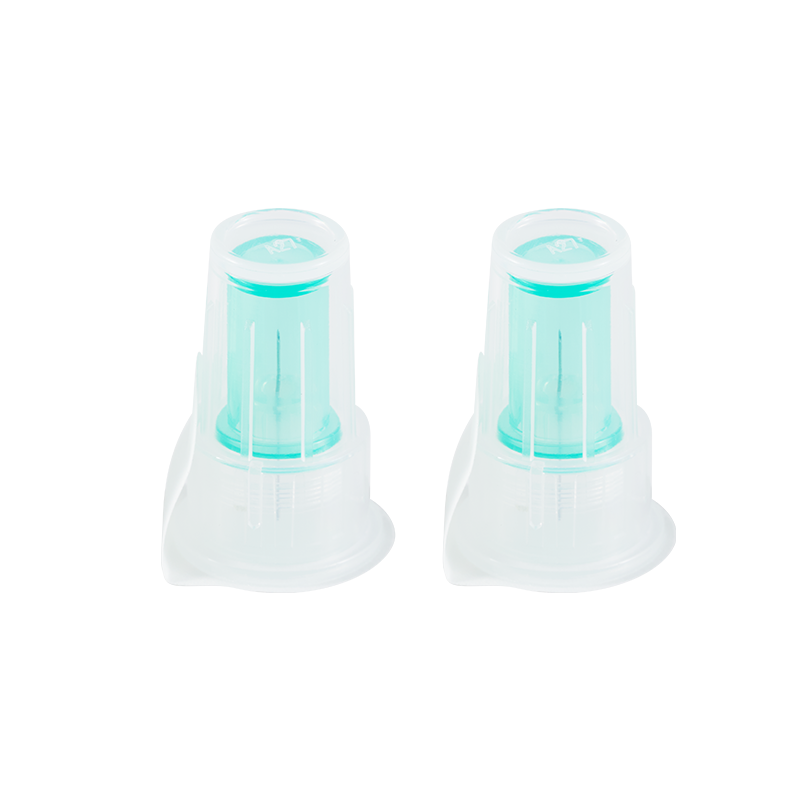
Used in conjunction with an insulin pen, it is used for subcutaneous injection o...
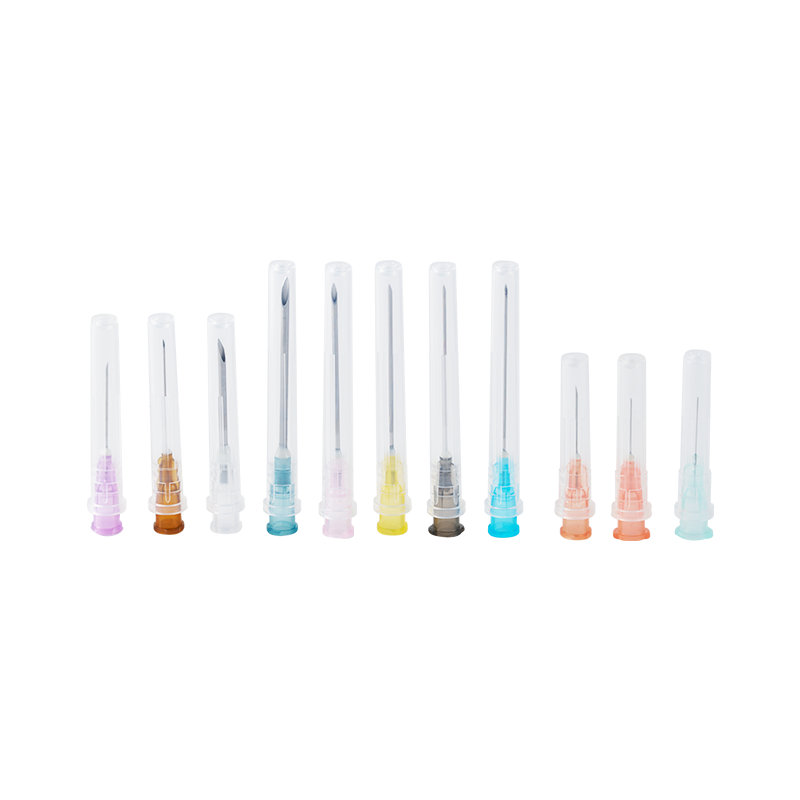
The cannula is made of high quality austenite stainless steel.All the components...
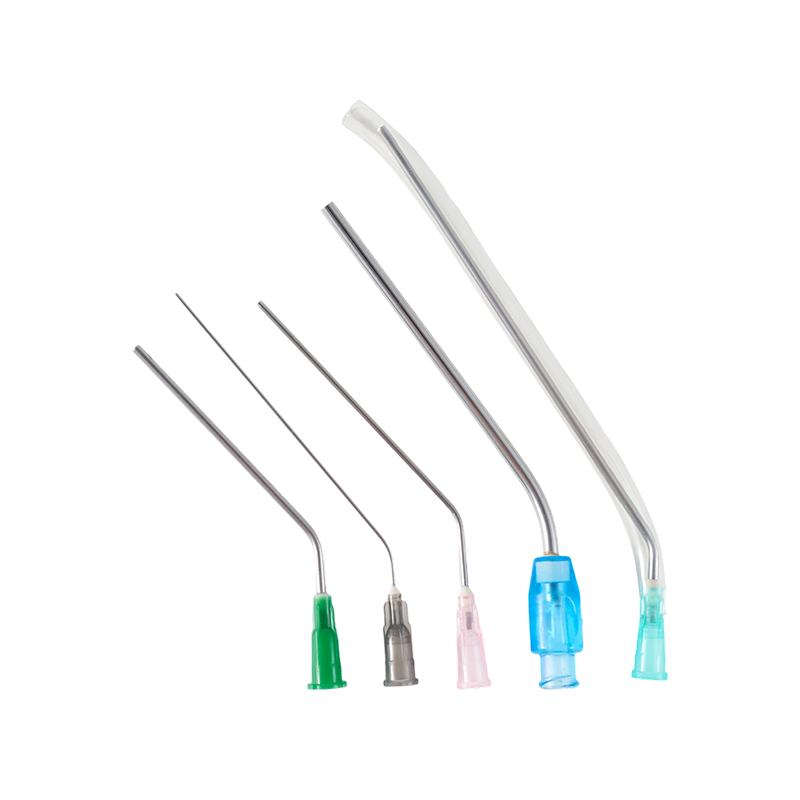
The material of the needle is Medical grade SUS304,which have great stiffness, t...
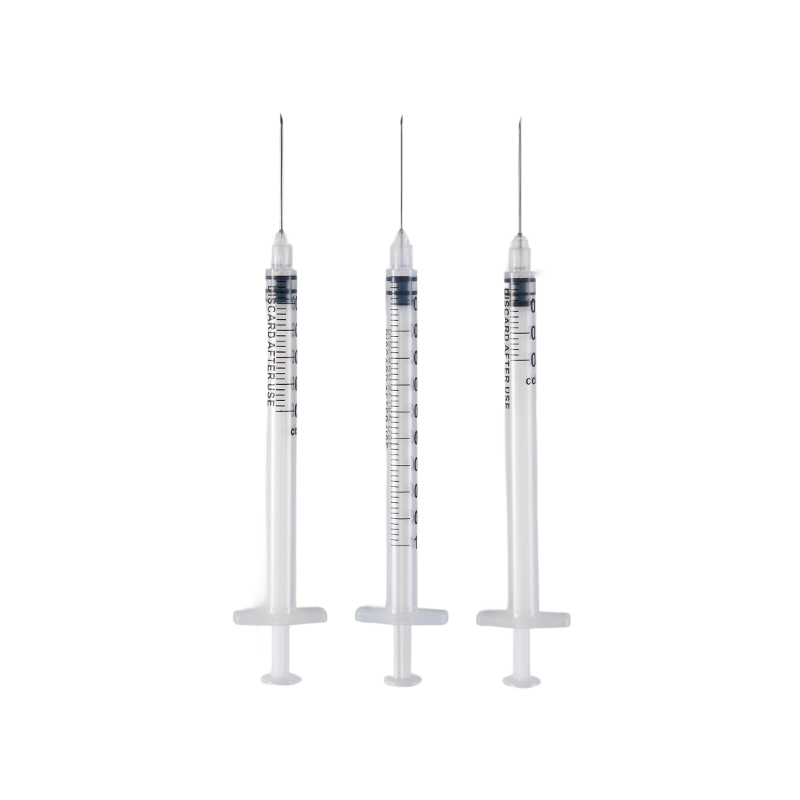
The barrel is made from high transparent polypropylene(PP),which have a bright a...
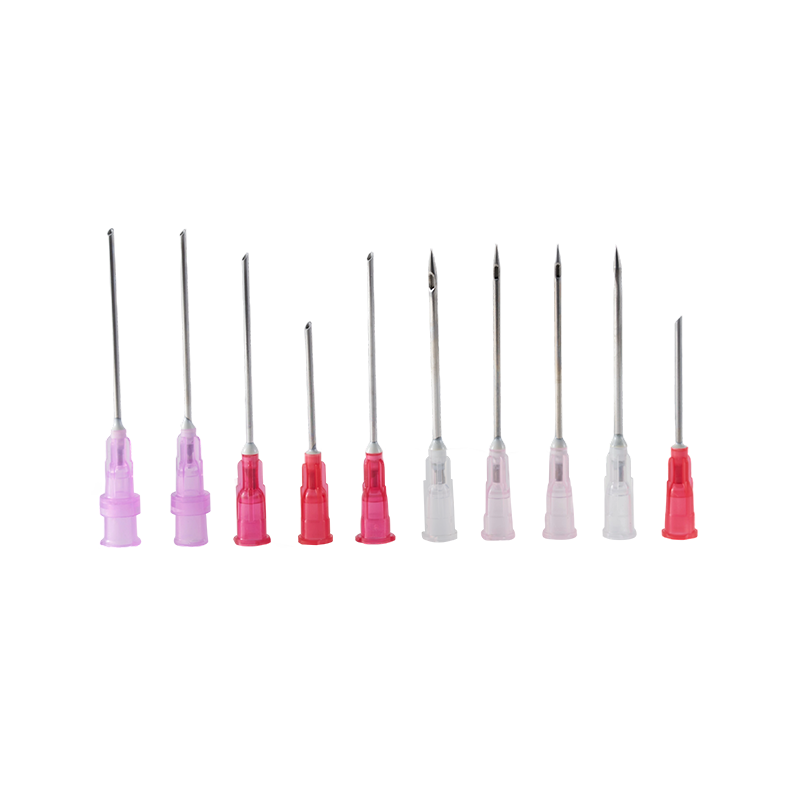
The cannula is made of high quality austenite stainless steel.The lancet tip is ...

Copyright© 2025 Zhejiang INI Medical Devices Co., Ltd.
Approval No:20150049
Medical Device Manufacturers
Disposable Medical Syringes Factory
