


 English
 Español
 中文简体
中文简体Don't hesitate to send a message
The design and production comply with ISO8537. The plastic parts are moulded by ...
Sterility in hypodermic needle production is not a single checkpoint. It is a continuous working condition. Every stage of production is shaped around limiting exposure, reducing contact, and keeping the environment stable. The goal is simple in idea, but detailed in practice. Once a surface or component is exposed in an uncontrolled way, it becomes difficult to restore full consistency later.
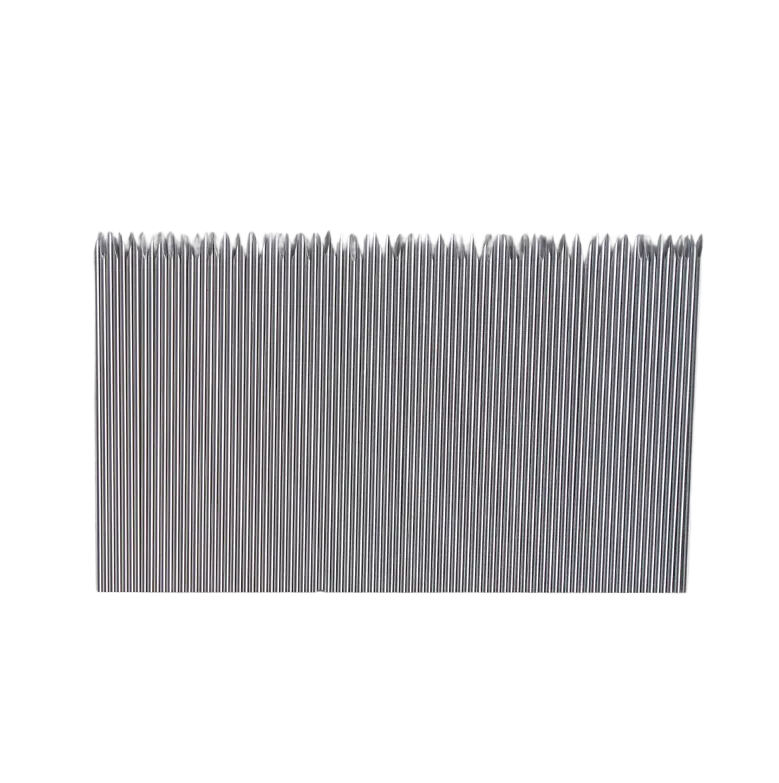
In many Hypodermic Needle Factory discussions today, sterility is treated less like a feature and more like a behavior of the entire system.
Inside a production space, sterility is connected to control rather than appearance. A clean surface is not enough. What matters is how that surface stays unchanged during movement, storage, and handling.
A hypodermic needle goes through several steps before it becomes a finished product. At each step, it may come into contact with air, tools, containers, and human movement. Sterility management focuses on reducing uncertainty in these interactions.
The idea is not to eliminate all contact, but to make contact predictable and limited.
Air and surface conditions influence every part of production. Even when no visible dust or residue is present, tiny variations in airflow or movement can affect stability.
Factories designed for this type of production often rely on structured airflow direction and controlled circulation patterns. Air does not move randomly. It follows a guided path that reduces unwanted movement across sensitive areas.
Temperature and humidity are also kept within a stable range. Not because they define sterility directly, but because they influence how materials behave and how surfaces respond over time.
A simple comparison helps show the difference:
| Condition type | Air movement style | Surface behavior | Stability level |
|---|---|---|---|
| Open environment | Uncontrolled flow | Variable | Low consistency |
| Controlled environment | Directed flow | Stable | Higher consistency |
This structure helps reduce unexpected changes during production.
Human movement is one of the most sensitive factors in maintaining sterility. Even small actions, like turning, reaching, or crossing between zones, can introduce variation if not guided properly.
Production areas are usually divided into zones with clear movement logic. Each zone has a defined purpose, and movement between zones follows a consistent pattern.
Instead of increasing restrictions, the focus is on reducing unnecessary steps. When movement becomes predictable, interaction becomes easier to control.
Even communication inside production areas tends to be structured. Short, task-based interaction replaces open discussion during sensitive stages. This reduces unnecessary movement and keeps attention on workflow stability.
Over time, these patterns become routine rather than forced behavior.
Materials entering a production environment already carry exposure from previous stages. Because of this, handling becomes a key part of sterility control.
Materials are usually introduced through controlled entry points. They do not move freely into production areas. Instead, they follow a guided path from receiving to storage to preparation.
Each movement step is designed to reduce surface contact and limit unnecessary transfer.
| Movement stage | Focus of control | Practical approach |
|---|---|---|
| Entry | Controlled access | Limited handling points |
| Storage | Stable placement | Separation and order |
| Transfer | Guided movement | Reduced exposure time |
| Preparation | Defined steps | Structured handling |
The purpose is to keep material behavior consistent across all stages.
Surface stability depends on reducing repeated contact and keeping handling conditions predictable. Each time a surface is touched or exposed, there is a chance for variation.
For this reason, production tools and surfaces are arranged in a way that reduces unnecessary interaction. Tools are not moved randomly. They follow fixed placement logic so that each item has a known position and usage path.
Work surfaces are designed for easy maintenance and controlled access. The fewer irregular contact points exist, the easier it becomes to maintain stable conditions.
Cleaning routines are present, but they are not the only factor. More important is reducing the need for correction by limiting exposure in the first place.
Air movement influences both surfaces and materials, even when it is not directly noticed. Random airflow can carry small particles across controlled areas.
To reduce this, airflow is guided in a structured direction. Instead of circulating freely, air follows a controlled route that limits cross-interaction between different zones.
Entry points for external air are also managed carefully. Air does not enter directly into production zones without passing through controlled pathways.
Humidity balance is maintained alongside airflow. This supports stable surface behavior and reduces variation caused by environmental shifts.
| Environmental factor | Controlled behavior | Purpose |
|---|---|---|
| Air direction | Guided flow | Reduce random movement |
| Entry points | Restricted access | Limit external influence |
| Humidity level | Stable balance | Support surface consistency |
These elements work together as one system rather than separate controls.
Packaging is not a final step separate from production. It is the stage that preserves all conditions created earlier.
Once a needle reaches the packaging stage, it must be protected from external contact. Even brief exposure can affect overall consistency.
Packaging is handled in a controlled environment. Contact is minimized, and movement is structured to prevent unnecessary handling.
The purpose is not only to cover the product but to maintain the condition it already has at the end of production.
Sterility depends more on repetition than on isolated control points. One well-managed step does not guarantee overall stability if other steps vary.
Factories that maintain steady output focus on aligning all stages of production. Each step supports the next, and no stage is treated as independent.
This alignment reduces unpredictable variation. When every stage follows the same logic, the final outcome becomes more stable across time.
Consistency is built through repetition of controlled behavior rather than occasional correction.
Even with structured systems, production environments are not completely static. Changes in workload, material flow, and internal coordination can influence behavior.
Small shifts in timing or movement can introduce variation if not managed carefully. This is why routines are emphasized over flexible improvisation.
Environmental changes also play a role. Even minor fluctuations in air or surface conditions can accumulate over time if not balanced.
The response is usually adjustment within existing structure rather than redesign. Stability is maintained by reinforcing established patterns.
cc layout influences how easily sterility can be maintained. When movement paths are clear and zones are separated logically, interaction becomes easier to manage.
Simple layout design reduces unnecessary crossing of paths. It also supports predictable movement patterns, which helps maintain consistency.
Design does not replace process control. It supports it by making correct behavior easier to follow without constant instruction.
In many cases, structure encourages stability by limiting unnecessary complexity in movement and handling.
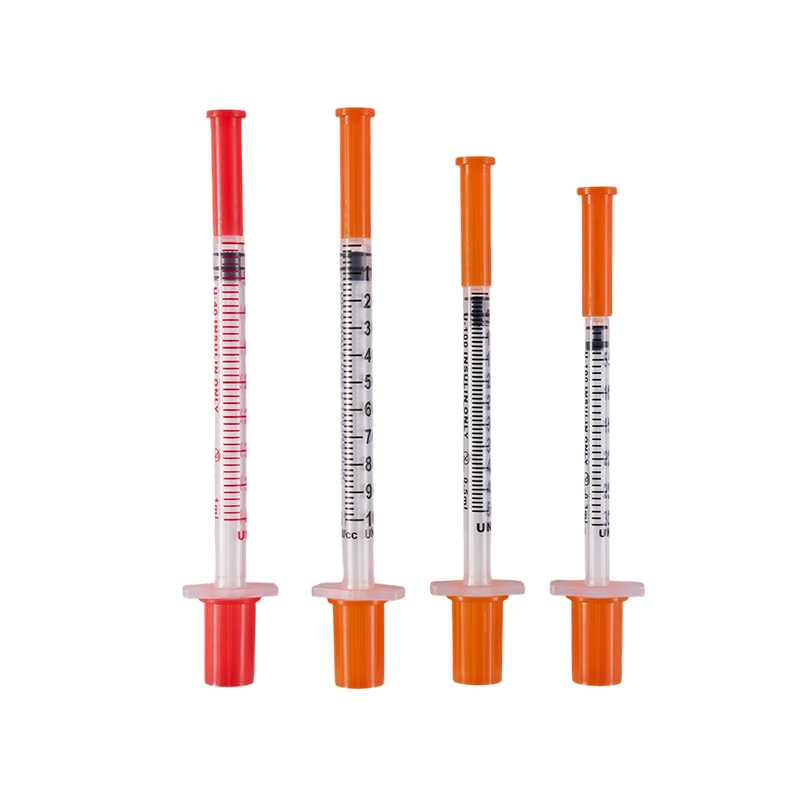
The design and production comply with ISO8537. The plastic parts are moulded by ...
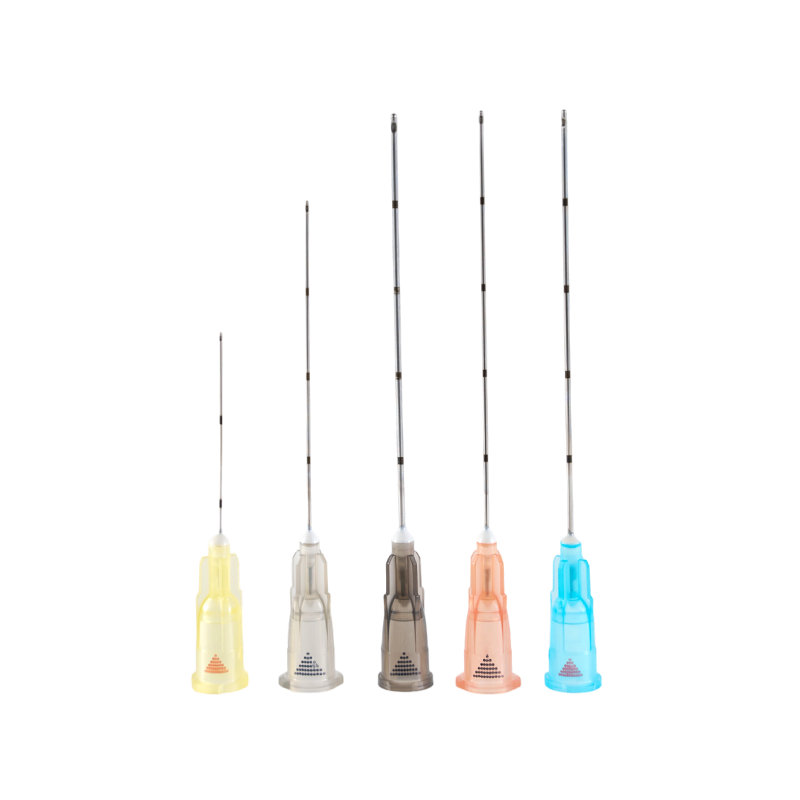
There are three kinds of the tip types, Sealed-circle with 2 side holes, sealed-...
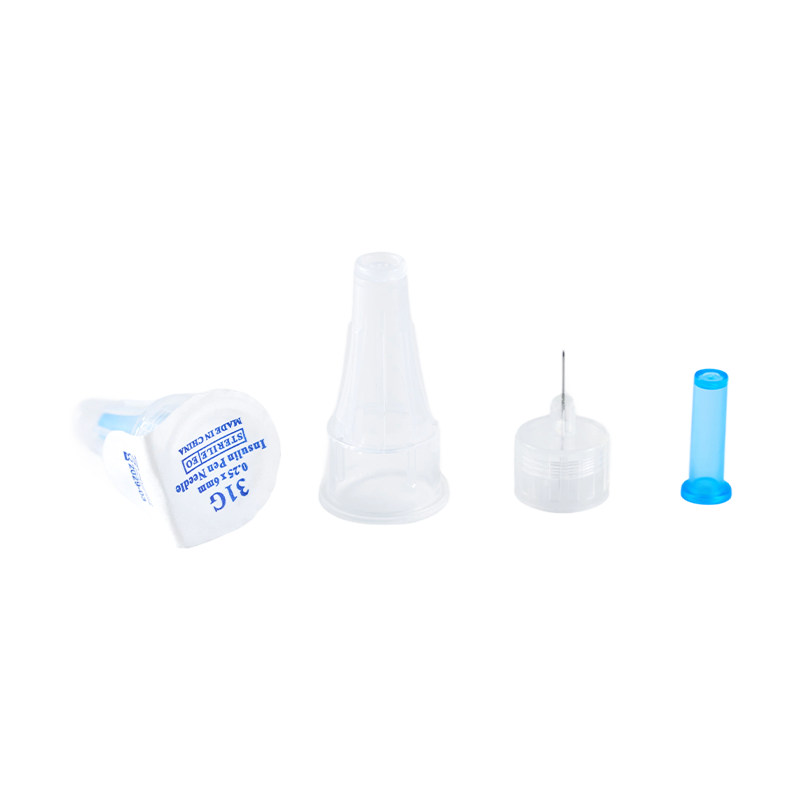
Assembling with insulin pen, for insulin hypodermic injection.The plastic parts ...
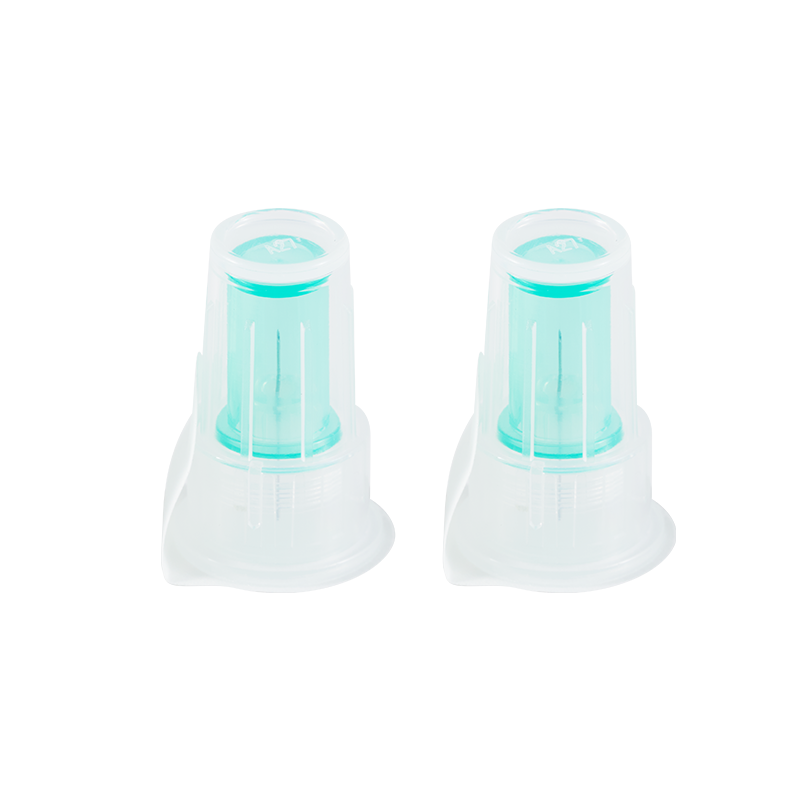
Used in conjunction with an insulin pen, it is used for subcutaneous injection o...
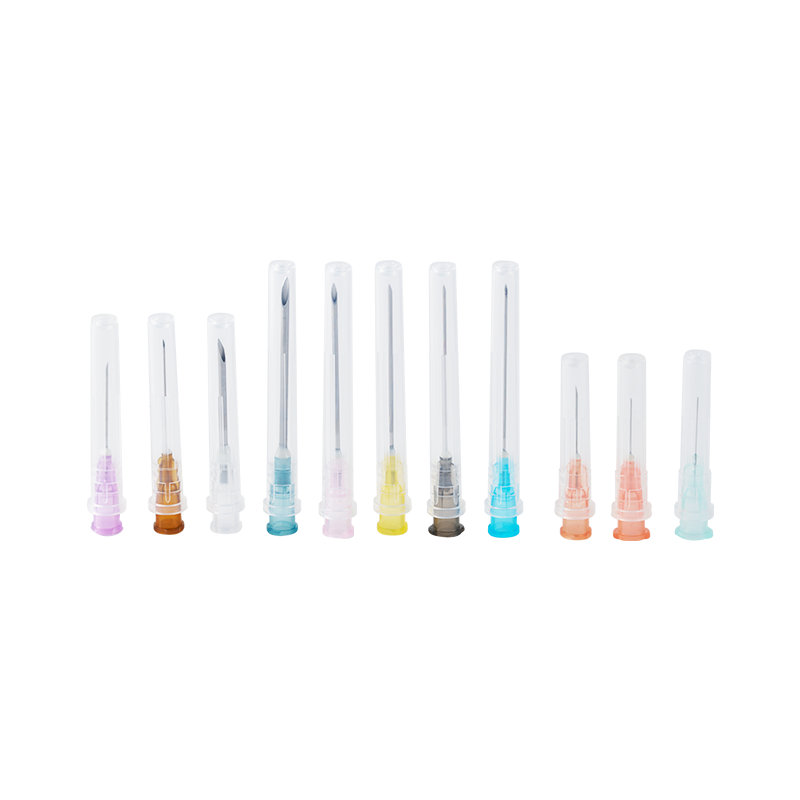
The cannula is made of high quality austenite stainless steel.All the components...
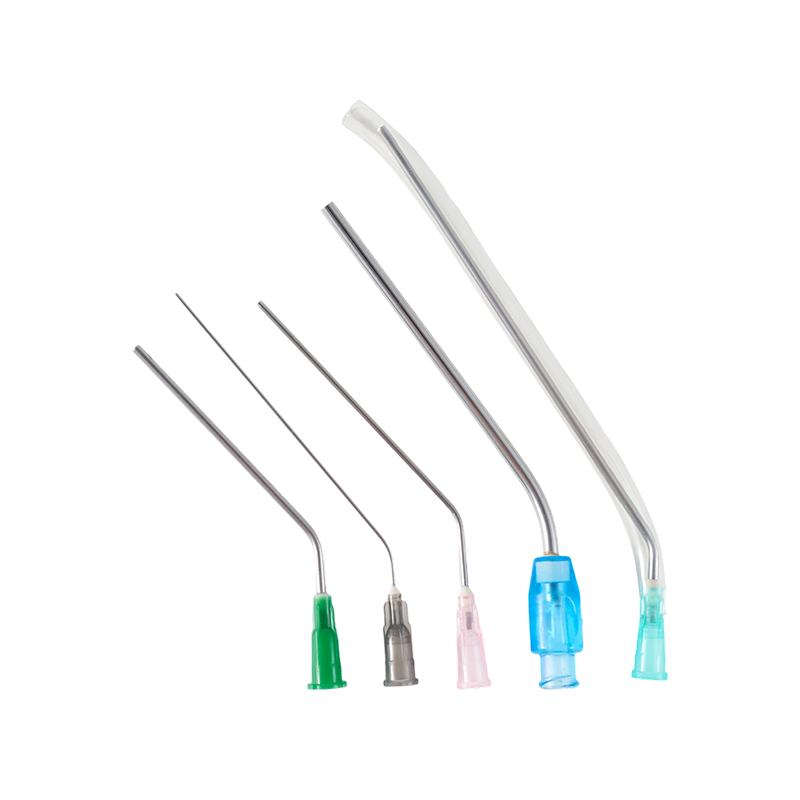
The material of the needle is Medical grade SUS304,which have great stiffness, t...
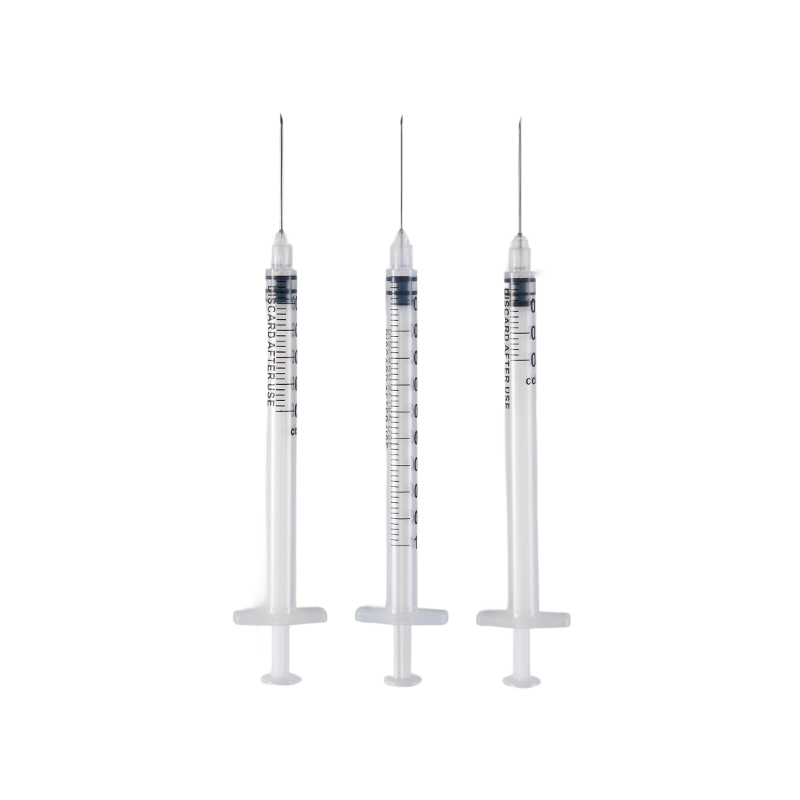
The barrel is made from high transparent polypropylene(PP),which have a bright a...

The cannula is made of high quality austenite stainless steel.The lancet tip is ...

Copyright© 2025 Zhejiang INI Medical Devices Co., Ltd.
Approval No:20150049
Medical Device Manufacturers
Disposable Medical Syringes Factory
