


 English
 Español
 中文简体
中文简体Don't hesitate to send a message
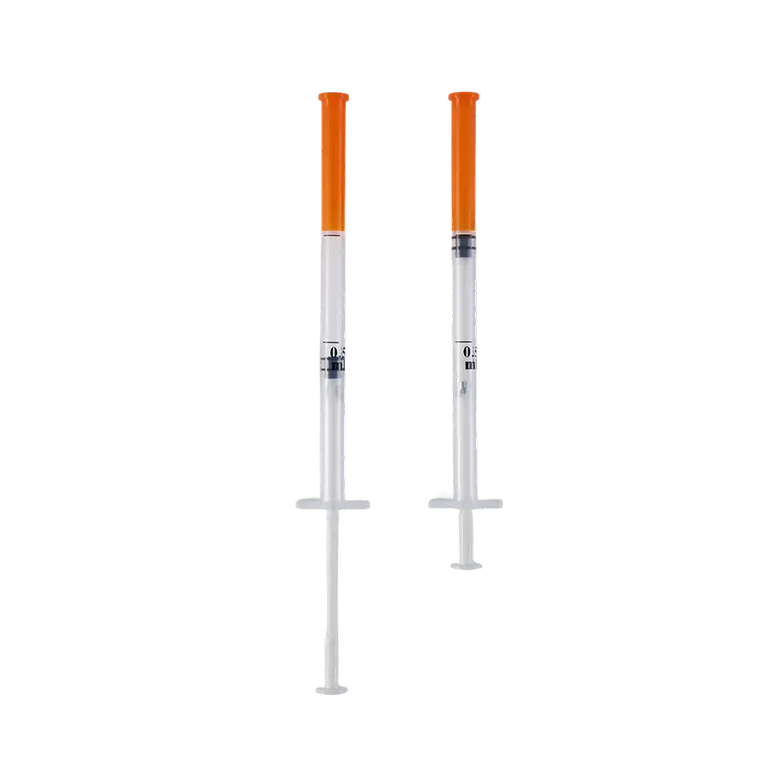
The design and production comply with ISO8537. The plastic parts are moulded by ...
Vaccine syringe manufacturing sits in a space where precision, consistency, and responsibility intersect. The product itself may look simple, yet its role in healthcare systems places it under constant scrutiny. Buyers, distributors, and healthcare organizations often face the same question when sourcing: how to tell whether a vaccine syringe manufacturer can be trusted?
In many cases, the challenge is not the lack of options, but the difficulty of separating stable production capability from surface-level presentation. Trust is not built on appearance. It is built on behavior, structure, and repeatable outcomes across time.
A reliable vaccine syringe maker doesn't just make bold claims. What really counts is steady performance in day-to-day work. Stable production is easy to spot, and clear, consistent replies to all kinds of questions also prove the company has well-organized internal operations.
The way they share information is another good reference. Trustworthy suppliers never give unclear descriptions. They talk plainly about production steps, raw materials and product handling, and keep explanations simple and easy to follow.
Timely communication also plays an important part. Long delays or constantly changed statements usually mean poor teamwork and disorganized management. In comparison, quick replies and complete paperwork show all teams work in sync.
You can't fully trust a manufacturer after just one contact. True confidence comes from long-term observation, seeing how they deal with inquiries and stick to all their commitments.
The production environment is often viewed as a silent indicator of reliability. Even without visiting a facility, certain details can be inferred through documentation, descriptions, and operational transparency.
Clean separation of work areas, controlled material flow, and organized handling procedures usually suggest a structured environment. When these elements are described clearly, it becomes easier to understand how products move through each stage of production.
Manufacturers that emphasize clarity in their production environment often show awareness of consistency. It is not about visual presentation alone, but about whether processes are repeatable and controlled.
A simple comparison helps illustrate this idea:
| Observation area | Stable environment traits | Less clear environment traits |
|---|---|---|
| Material handling | Organized flow | Unclear movement |
| Work structure | Defined steps | Mixed procedures |
| Storage practice | Consistent arrangement | Irregular placement |
| Process description | Clear explanation | General statements |
These patterns do not define quality on their own, but they help form a broader picture.
A single batch or isolated sample rarely tells the full story. What matters more is whether similar results can be achieved repeatedly under the same conditions.
In vaccine syringe manufacturing, consistency is closely tied to controlled processes and stable handling practices. Small variations in production can lead to noticeable differences in performance during use.
Trustworthy manufacturers tend to focus on repeatability rather than one-time outcomes. This includes how materials are stored, how processes are followed, and how final products are checked before release.
When consistency is present, it becomes easier for buyers to predict long-term performance. When it is missing, uncertainty increases even if early samples appear acceptable.
Material handling often reveals more about a manufacturer than final products do. The way raw materials are received, stored, and prepared can influence the entire production chain.
Proper handling usually involves controlled environments, organized storage, and careful separation of different material types. This reduces unnecessary variation during production.
In contrast, unclear handling practices may lead to inconsistency in output. Even when the final product looks similar, internal variation can exist.
A simplified overview:
| Handling stage | Structured approach | Unstructured approach |
|---|---|---|
| Receiving | Checked and recorded | Limited tracking |
| Storage | Organized placement | Mixed storage |
| Preparation | Defined workflow | Ad-hoc handling |
| Transfer | Controlled movement | Irregular flow |
These differences often appear subtle, but they influence reliability over time.
Many people don't pay much attention to daily communication, but it matters a lot when you assess a manufacturer. How they pass along information can truly reveal the real state of their internal operations.
Good communication stays simple and down-to-earth. They explain things plainly and answer questions straight away. This usually means the company has its internal information well arranged.
If their statements keep changing or replies are vague and confusing, it likely means different departments lack proper coordination, and their internal procedures are not well defined.
Response timing is another key detail. Getting replies on a regular basis shows their work runs in a stable order. If messages come at random times, it suggests their work priorities keep changing and the overall management is not solid.
Trust cannot be built merely by words. It comes from staying true to what they say in every actual action.
Compliance awareness reflects how seriously a manufacturer treats regulatory expectations and operational responsibility. Instead of focusing on labels or claims, it is more useful to observe how compliance is described and integrated into daily operations.
Manufacturers with strong awareness tend to incorporate compliance into their workflow rather than treating it as a separate concept. This includes documentation practices, internal checks, and structured reporting.
Less structured manufacturers may mention compliance in general terms without showing how it is applied in practice.
The difference often appears in detail level. Clear integration of compliance into daily operations suggests a stable system. Vague references may indicate surface-level understanding.
Post-production handling is another area that reflects manufacturer reliability. After production, syringes must be stored, packaged, and prepared for distribution.
Careful handling reduces the risk of deformation or contamination during storage and transport. Organized packaging processes also help maintain uniformity.
Manufacturers that pay attention to this stage often show awareness of the product lifecycle beyond production alone. It reflects a broader understanding of responsibility.
In less structured environments, post-production handling may receive less attention, leading to variations in product condition when it reaches the end user.
Long-term cooperation always helps buyers judge a supplier more accurately than one-time observation. A manufacturer may perform well in initial cooperation, but its true stability can only be seen through long-term repeated collaboration.
Truly reliable suppliers can keep stable production and service standards all the time. Their communication efficiency, delivery performance and problem-solving quality remain consistent, even when order demands and market conditions change.
Short-term cooperation is easily affected by accidental individual situations, which cannot represent the supplier's real level. Working with a supplier for a long time helps eliminate judgment errors and exposes stable working patterns that single deals cannot reflect.
This is why most professional buyers choose to evaluate suppliers through multiple rounds of cooperation, instead of making judgments based only on first impressions.
In practical terms, evaluation often involves a combination of observation and comparison. Instead of relying on one indicator, multiple aspects are considered together.
Key areas often include communication clarity, production transparency, handling consistency, and documentation structure. Each of these provides partial insight, but together they form a more complete picture.
A structured comparison may look like this:
| Evaluation area | What to observe | What it may suggest |
|---|---|---|
| Communication | Clarity and consistency | Organizational stability |
| Production flow | Process transparency | Operational control |
| Material handling | Storage and movement | Process discipline |
| Response behavior | Timing and accuracy | Coordination level |
No single factor determines trust on its own. The combination of these elements helps reduce uncertainty during selection.
As demand patterns shift, manufacturers often adjust their internal systems to meet changing expectations. This includes improving transparency, refining communication, and strengthening internal organization.
Industry expectations also encourage more structured documentation and clearer workflow descriptions. These changes are not always visible in product appearance but can be observed in operational behavior.
Manufacturers that adapt to these expectations tend to show more predictable performance patterns. Those that do not may appear inconsistent when evaluated across different criteria.
The relationship between expectations and behavior is ongoing rather than static. It evolves as market requirements change and internal systems respond.
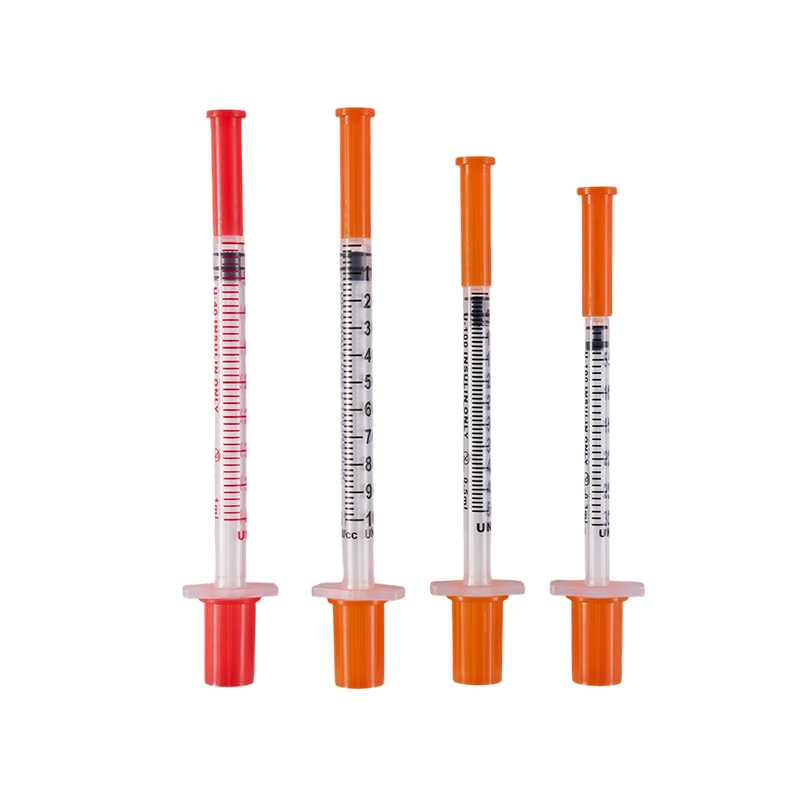
The design and production comply with ISO8537. The plastic parts are moulded by ...
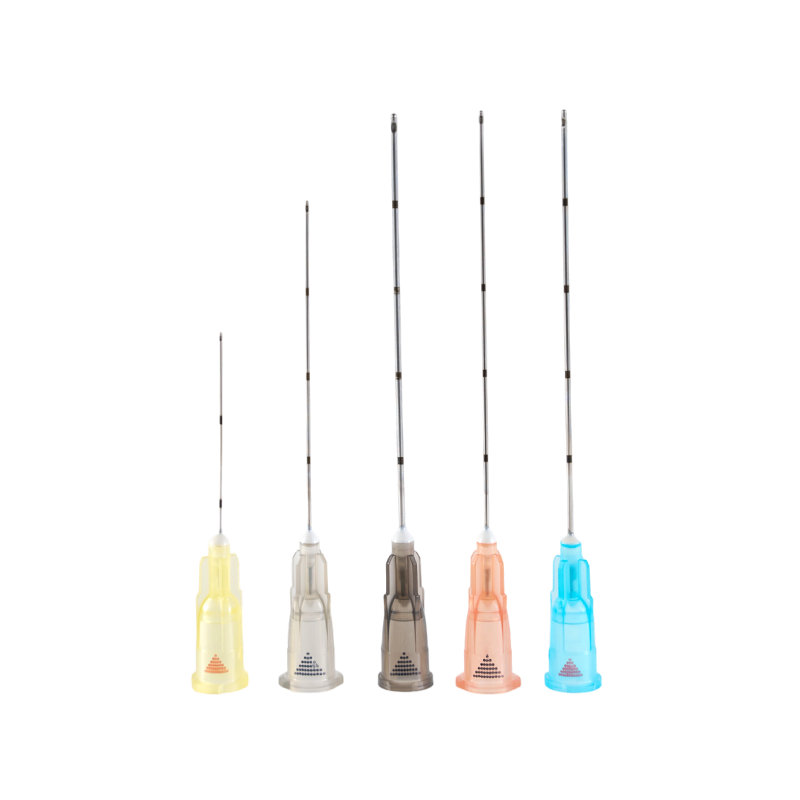
There are three kinds of the tip types, Sealed-circle with 2 side holes, sealed-...
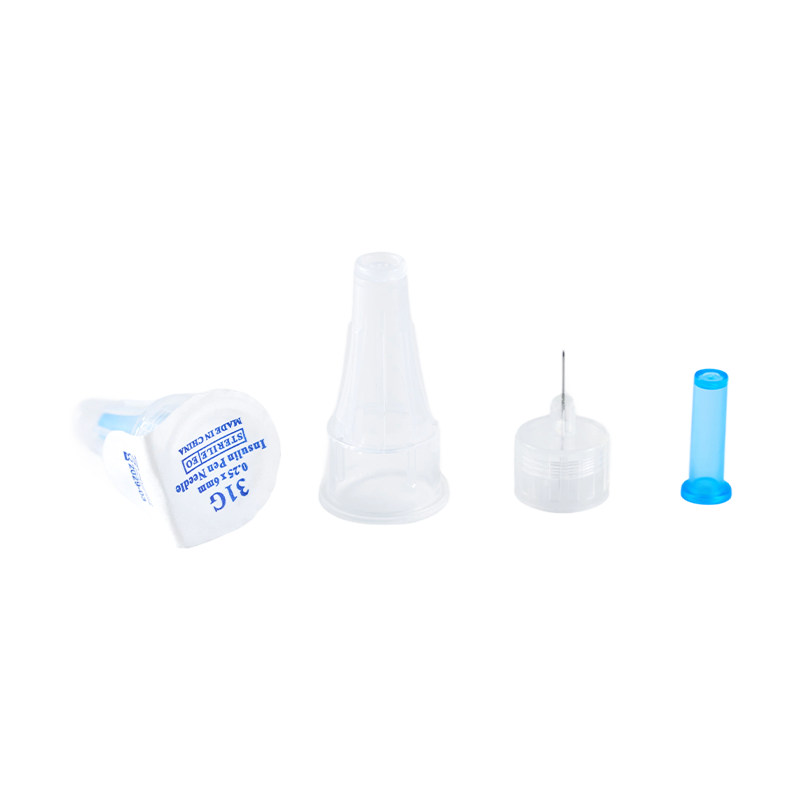
Assembling with insulin pen, for insulin hypodermic injection.The plastic parts ...
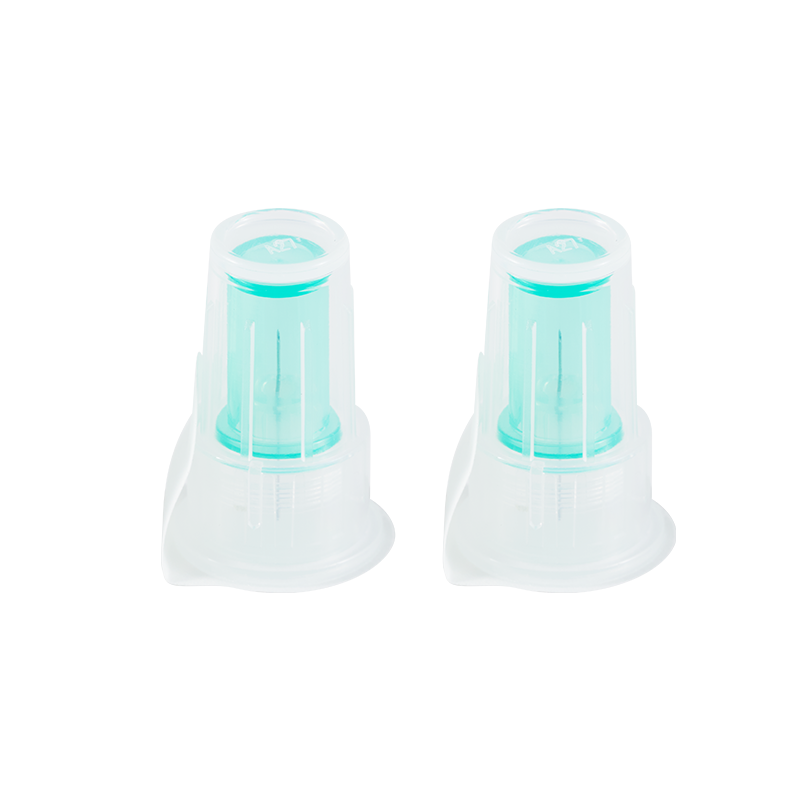
Used in conjunction with an insulin pen, it is used for subcutaneous injection o...

The cannula is made of high quality austenite stainless steel.All the components...
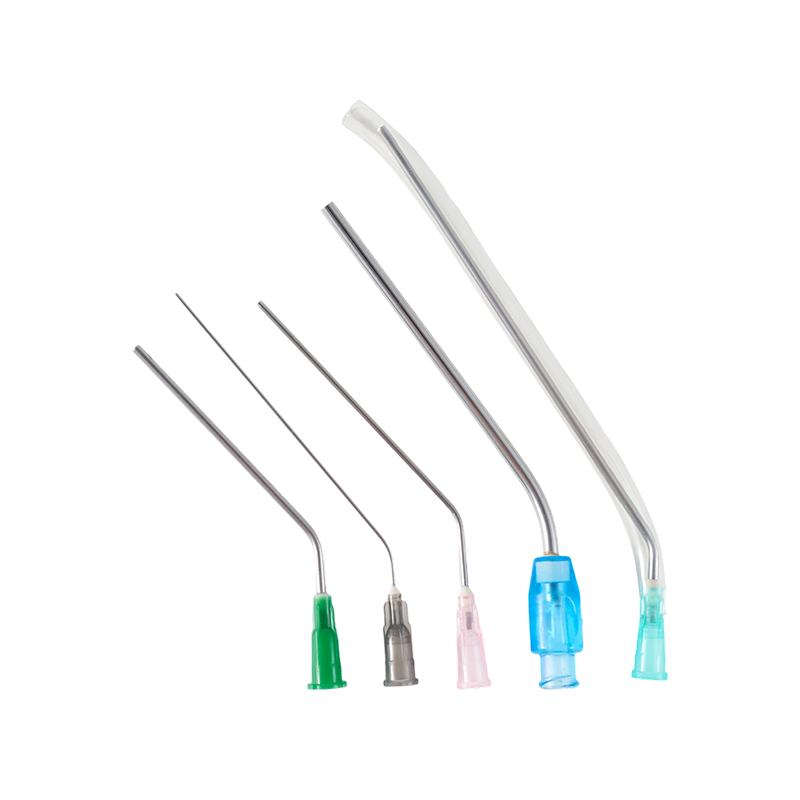
The material of the needle is Medical grade SUS304,which have great stiffness, t...
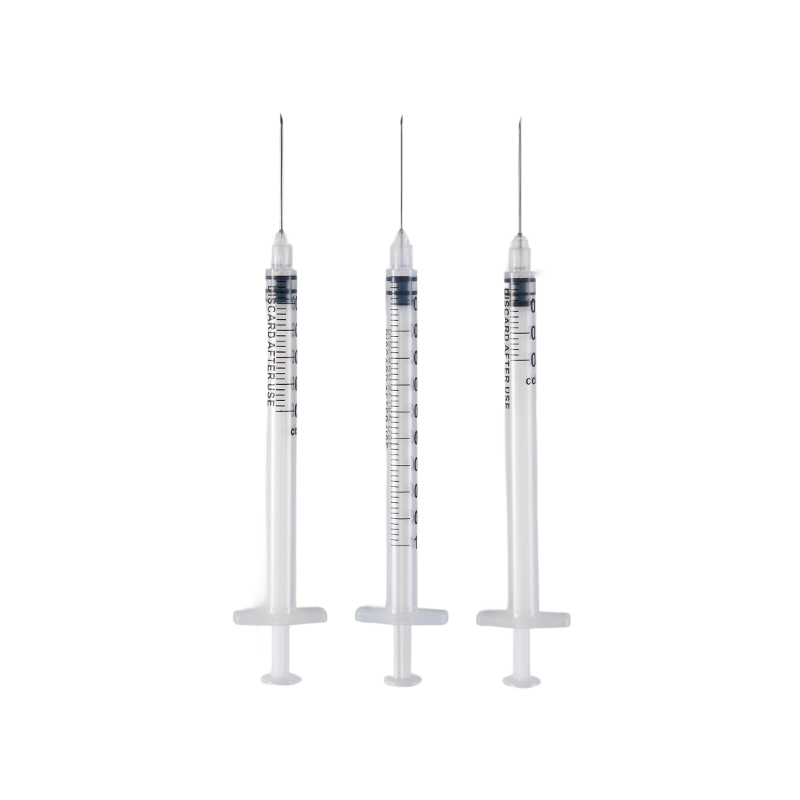
The barrel is made from high transparent polypropylene(PP),which have a bright a...

The cannula is made of high quality austenite stainless steel.The lancet tip is ...

Copyright© 2025 Zhejiang INI Medical Devices Co., Ltd.
Approval No:20150049
Medical Device Manufacturers
Disposable Medical Syringes Factory
