


 English
 Español
 中文简体
中文简体Don't hesitate to send a message
The design and production comply with ISO8537. The plastic parts are moulded by ...
Material selection in hypodermic needle manufacturers is one of those topics that looks simple from the outside but becomes very sensitive once production starts. The final product is small and precise, yet the path from raw material to finished needle involves a series of tightly linked steps. In that chain, the material is always the starting point, and everything that follows depends on how it behaves.
At first glance, many materials may appear similar. They can even belong to the same general category. But once they enter real processing conditions, differences begin to show. Some respond smoothly during forming, while others require repeated adjustment. Some maintain stability across batches, while others shift slightly without clear warning.
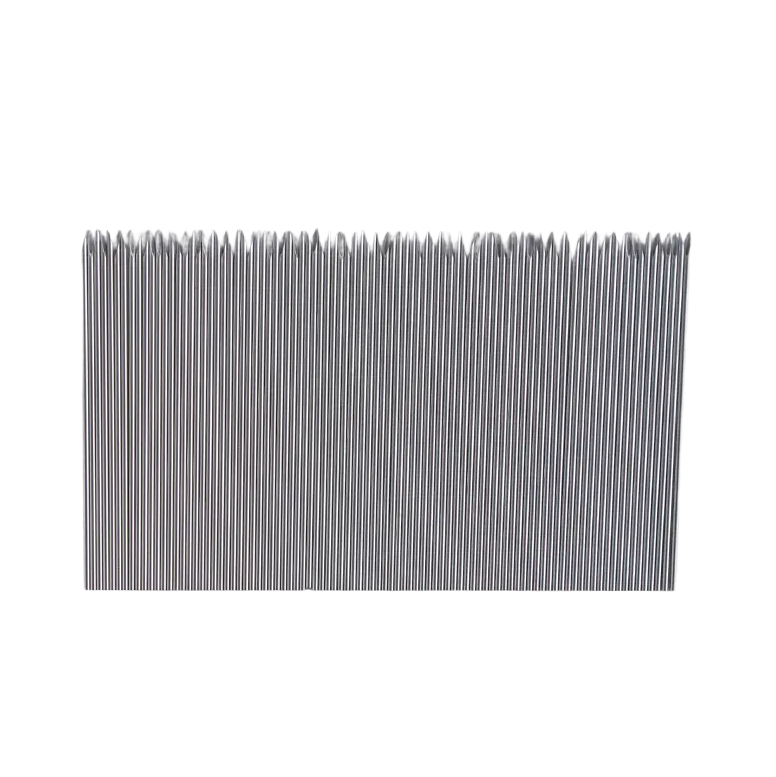
These small differences are not always dramatic. They rarely stop production completely. Instead, they influence rhythm, consistency, and the amount of adjustment needed during operation.
A hypodermic needle has a very simple appearance, but the expectations behind it are not simple at all. It must keep its shape, remain stable during processing, and behave predictably under repeated manufacturing steps.
If the material does not respond consistently, the entire production flow becomes harder to control. Machines may still run, but operators often need to make small corrections along the way. Over time, these corrections affect efficiency and uniformity.
This is why material selection is not treated as a one-time decision. It becomes part of continuous observation during production.
Instead of thinking in terms of a single "perfect" material, manufacturers usually look at behavior under real conditions. A material may perform well in one stage but behave differently in another.
Several practical expectations tend to guide selection:
None of these points stands alone. They interact with each other during production. A material that behaves well in one area but poorly in another may still create instability.
Even when materials come from the same supplier or classification, batch-to-batch variation can still exist. This is not always obvious at the beginning. It usually appears during processing, when materials start reacting to heat, pressure, and movement.
One batch may flow smoothly through the system. Another may require slightly different settings to achieve the same result. The difference might be small, but it changes how operators manage the process.
Over time, these small differences become noticeable in production rhythm. The equipment may not change, but the behavior of the material does.
This is one of the reasons manufacturers tend to monitor material performance continuously instead of relying on initial approval alone.
The internal structure of the material plays a quiet but important role. It affects how the material reacts when it is shaped or refined.
If the structure is stable, processing tends to remain predictable. If there are slight inconsistencies, the material may respond unevenly at different stages.
This does not always show up immediately. Sometimes everything appears normal in early stages, and variation only becomes visible later in the process.
Because of this delay, manufacturers often rely on accumulated production data rather than single observations.
Surface quality in Hypodermic Needle Factory is not created in one step. It is influenced by every stage before finishing.
Material behavior affects how the surface develops during processing. If the response is stable, the surface tends to remain smooth and consistent. If the response fluctuates, small irregularities may appear later.
What makes this interesting is that surface variation is often traced back to early-stage behavior rather than final finishing steps.
In practice, the material sets the baseline, and the rest of the process builds on it.
Visible flaws rarely happen in actual production. Most deviations present in subtle forms.
Common typical deviations are listed below:
Such deviations are generally controllable, yet cannot be ignored. Workers mostly spot these issues based on practical experience, not merely relying on testing data.
These differences seldom stem from one single reason, and usually come from the combined effect of various minor influencing factors.
Raw materials will be stored and transported before being put into production. These preliminary links look unimportant, but exert considerable impact on final product quality.
Storage duration, ambient conditions and carrying ways will quietly alter material processing properties.
Even qualified raw materials may show inconsistent states when formally used.
So choosing suitable materials is not only checking internal composition, but also keeping track of how materials are preserved and transported ahead of production.
Different production systems do not always respond to materials in the same way. A material that performs well in one setup may behave slightly differently in another.
This is not necessarily about quality differences. It is about interaction between material and process conditions.
Machine behavior, timing, and operational rhythm all influence how the material performs during production.
Because of this, material selection is often tested in real production environments rather than relying only on theoretical suitability.
One of the most subtle aspects of material behavior is how small variations accumulate.
A slight change in response may not matter in a single cycle. But over repeated production runs, it can influence consistency.
For example, a minor difference in forming behavior may lead to small adjustments in machine settings. Those adjustments then affect later stages, creating a chain reaction.
This is why long-term observation is often more important than short-term results.
Material selection does not end after approval or initial testing. In real production, materials continue to behave under changing conditions.
Temperature shifts, storage time, and production load can all influence behavior. Even if the material remains the same, its response may not always be identical.
Because of this, manufacturers often revisit material performance during ongoing production. Adjustments are made based on real behavior rather than fixed assumptions.
Long-term stability in manufacturing depends heavily on predictability. When materials behave consistently, production becomes easier to manage.
When variation appears, even at a small level, it introduces additional adjustments into the process. These adjustments do not always disrupt production, but they change its rhythm.
Over time, stability is less about eliminating variation completely and more about keeping it within a manageable range.
Material selection plays a central role in this balance. It does not just affect the start of production. It shapes how stable the entire system remains over time.
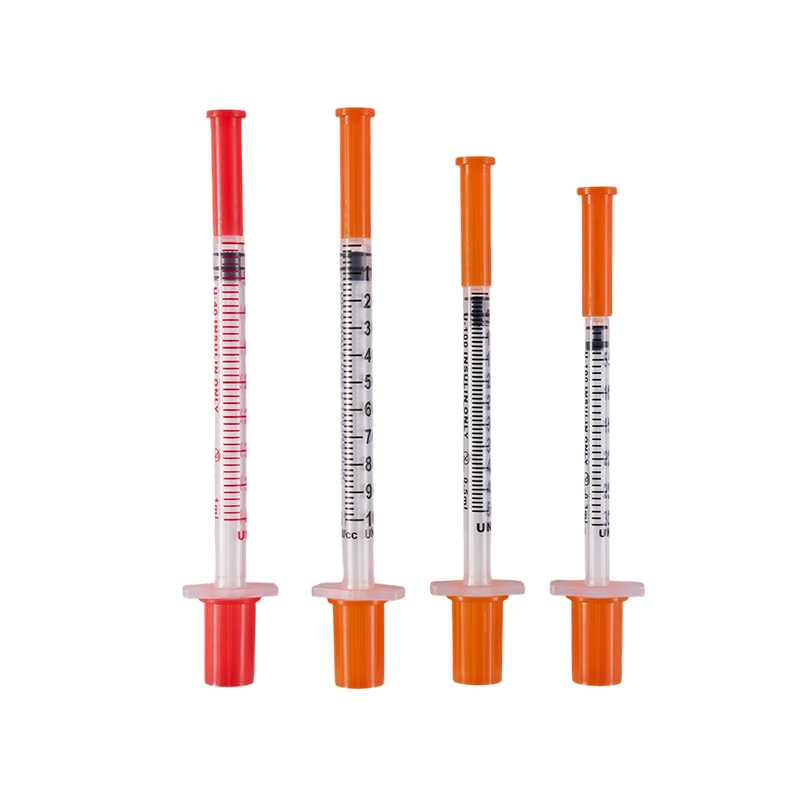
The design and production comply with ISO8537. The plastic parts are moulded by ...
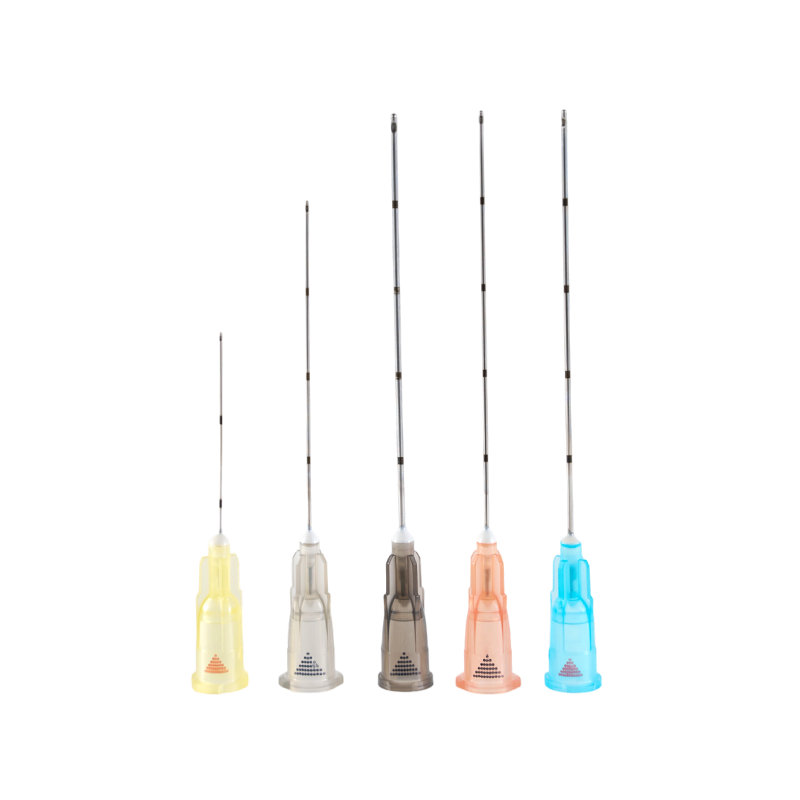
There are three kinds of the tip types, Sealed-circle with 2 side holes, sealed-...
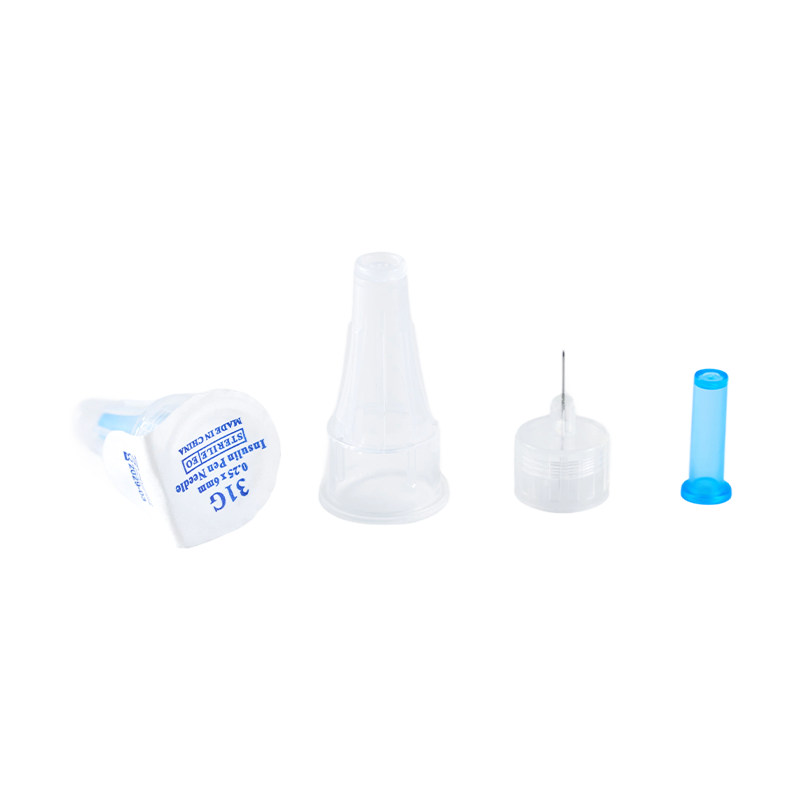
Assembling with insulin pen, for insulin hypodermic injection.The plastic parts ...
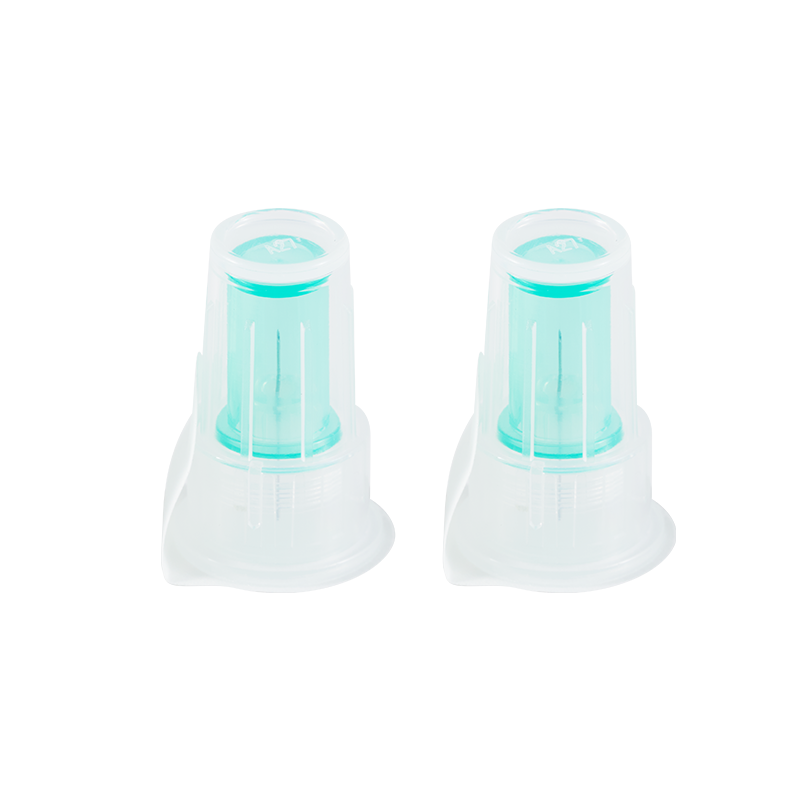
Used in conjunction with an insulin pen, it is used for subcutaneous injection o...
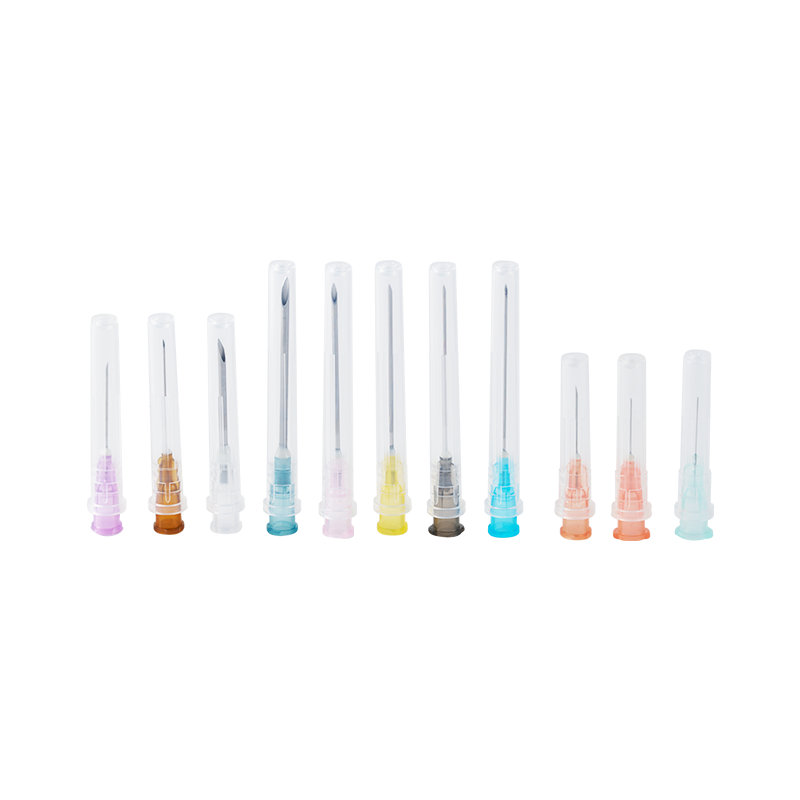
The cannula is made of high quality austenite stainless steel.All the components...
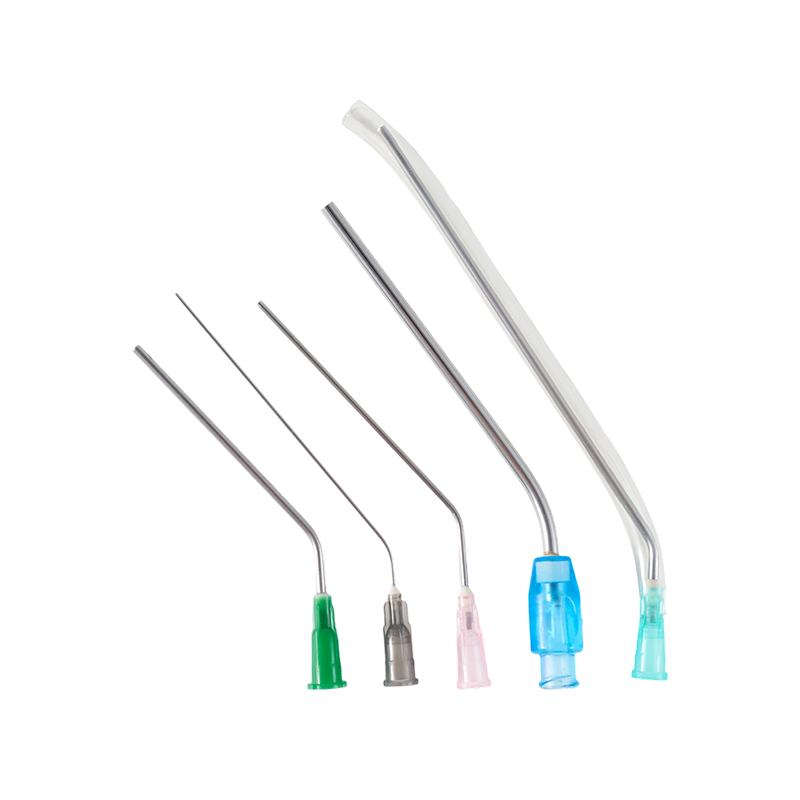
The material of the needle is Medical grade SUS304,which have great stiffness, t...

The barrel is made from high transparent polypropylene(PP),which have a bright a...

The cannula is made of high quality austenite stainless steel.The lancet tip is ...

Copyright© 2025 Zhejiang INI Medical Devices Co., Ltd.
Approval No:20150049
Medical Device Manufacturers
Disposable Medical Syringes Factory
