


 English
 Español
 中文简体
中文简体Don't hesitate to send a message
The design and production comply with ISO8537. The plastic parts are moulded by ...
Insulin Syringe Factory sit in a very specific corner of healthcare manufacturing. The product itself is small and simple in appearance, yet the expectations behind it are not simple at all. Every unit is expected to behave in a predictable way, feel consistent in use, and stay stable from production to final delivery.
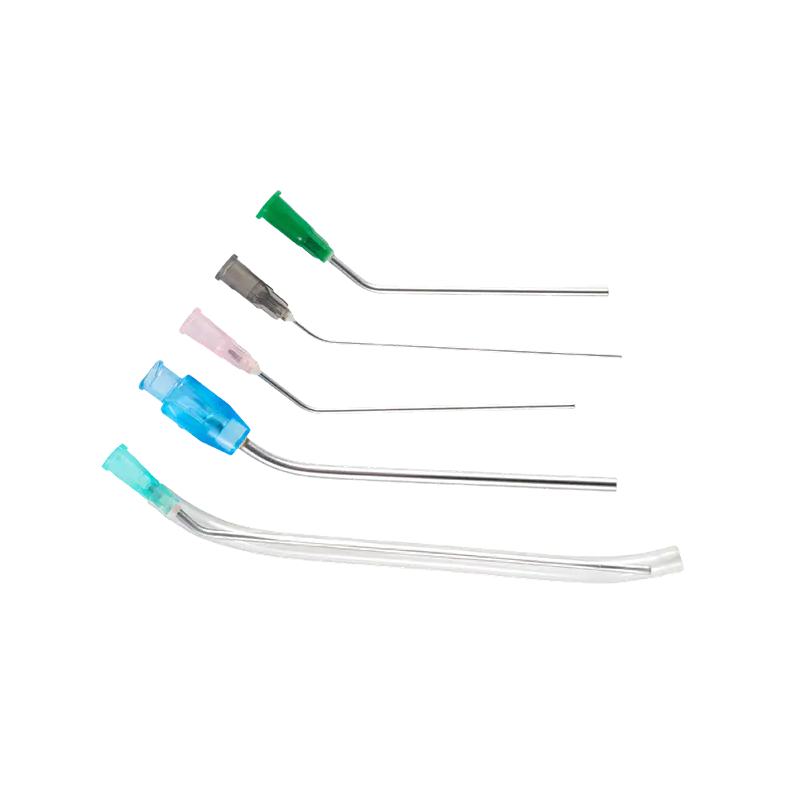
What makes this field interesting is the contrast. The production process looks repetitive from the outside, but the conditions around it are always shifting. Materials change slightly. Supply timing moves. Handling routines evolve. Even user habits in home care influence how factories adjust.
These quiet changes create a set of ongoing challenges that shape daily production work.
Material supply is one of the first points where instability appears. Insulin syringe factories depend on steady input materials for both plastic parts and supporting components.
In reality, material behavior is not always identical from batch to batch. A slight difference in texture, flow, or surface response can affect how parts are formed. These differences are not always obvious at the beginning. They often show up later during assembly or movement testing.
Storage conditions also play a role. Materials kept in different environments may behave differently when processed. Temperature shifts or humidity variation can subtly influence shaping results.
A simple way to view the pressure points:
| Stage | What changes | What it affects |
|---|---|---|
| Incoming materials | Small batch variation | Forming stability |
| Storage period | Environmental exposure | Surface consistency |
| Shaping stage | Flow differences | Dimensional balance |
| Final output | Minor surface shifts | User handling feel |
The challenge is not a single issue. It is the accumulation of small differences across steps that need constant adjustment.
Consistency sounds straightforward, but in syringe production it depends on many small details working together.
A syringe is made of several connected parts. Each part must align well with the next. If the barrel shape is slightly off, the plunger movement may feel different. If the sealing section varies, the pressure feel may change during use.
These changes may be small, but they become noticeable when products are used repeatedly in daily care routines.
Factories often focus on quiet indicators rather than visible defects:
What makes consistency difficult is that these factors interact. A small change in one area can influence several others.
Even with structured production systems, assembly remains a sensitive stage.
Parts coming from different stages must meet at the right moment and in the right condition. If timing is off, or if components are slightly different in size or surface behavior, the final fit may feel uneven.
Another layer of difficulty comes from repeated motion. Assembly lines handle large volumes of similar items. Over time, even small handling differences can influence uniformity.
Human coordination also plays a role. Workers follow structured steps, but small variations in pace or handling style can still appear. These differences are usually subtle, but they can influence the final feel of the product.
A simplified view of coordination issues:
| Area | Common Situation | Resulting Effect |
|---|---|---|
| Part alignment | Slight mismatch | Uneven movement |
| Timing flow | Uneven transfer speed | Line imbalance |
| Handling method | Small variation in grip | Surface differences |
| Inspection rhythm | Irregular checks | Missed variation |
The goal is not only speed. It is keeping movement and assembly rhythm steady across all stages.
Packaging is often seen as the final step, but in syringe manufacturing it is closely connected to safety and stability.
Once a product is assembled, it must be protected from external influence. Packaging is expected to keep shape, prevent unnecessary movement, and reduce exposure.
One challenge comes from internal space control. If the product moves too freely inside packaging, small friction points may affect surface quality over time. If it is too tight, pressure may affect structural stability.
Another challenge is storage stacking. Products are often placed in layers before distribution. Uneven pressure across layers can slowly influence packaging shape.
There is also handling after packaging. Movement between storage areas, loading zones, and transport paths adds additional stress that must be considered during design.
Insulin syringes are not redesigned frequently, but even small adjustments can have wide effects.
A slight change in barrel shape, plunger movement feel, or connection structure may require updates in multiple parts of production. Molds, assembly settings, and inspection standards all need alignment again.
This creates a ripple effect. One adjustment does not stay isolated. It moves through the system.
Factories often face the challenge of running older and newer versions at the same time. This requires careful separation in workflow to avoid mixing or confusion.
It is not a dramatic change, but a steady adjustment process that requires attention at every step.
Demand for insulin syringes is generally stable, but short-term shifts still happen.
These shifts may come from seasonal changes in healthcare usage patterns or adjustments in supply planning. Even small changes in demand can affect production scheduling.
Factories need to respond without disturbing consistency. Scaling output up or down is not just a matter of speed. It also affects material usage, storage planning, and workforce allocation.
A simple breakdown:
The challenge is keeping output stable while adjusting volume in real time.
Inside a factory, products move through different zones. Each zone has a slightly different role, from shaping to inspection to packaging.
Even when conditions are controlled, movement between zones introduces variation risks. Air exposure, surface contact, and timing differences can all affect final consistency.
The goal is to reduce unnecessary exposure while maintaining flow efficiency.
Key attention points include:
These details do not change the product design, but they influence how stable the final output feels.
Most insulin syringe makers are plugged into international supply chains, sourcing raw materials and spare parts from various areas and shipping finished goods across multiple regions.
The whole production schedule hinges on every supply link. Once any section of the supply line hits delays, the whole workshop's output rhythm gets disrupted right away.
Transport brings another set of variables. Raw stock and completed syringes have to stay intact while being shipped. Even short transit holdups or inconsistent cargo handling will mess up pre-planned production timetables.
Different countries also set separate requirements for packaging and printed labels, though the syringe product itself stays the same. These customized specs add extra work to production arrangements.
Factory planners have to balance all these external changes to keep their in-house manufacturing running smoothly.
The challenges in insulin syringe factories rarely appear as single events. They show up as small adjustments that repeat over time.
Material behavior shifts slightly. Assembly alignment needs fine tuning. Packaging stability is reviewed. Demand patterns move up and down.
None of these factors stands alone. They interact quietly in the background of daily production.
The real challenge is maintaining balance across all of them. Not by large changes, but by continuous small corrections that keep production steady and predictable.
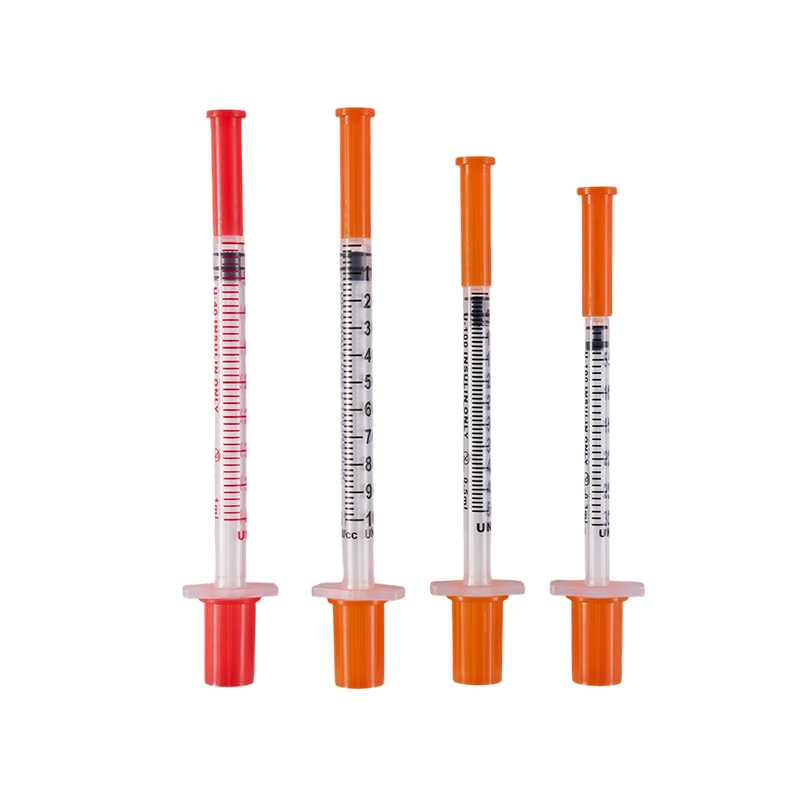
The design and production comply with ISO8537. The plastic parts are moulded by ...
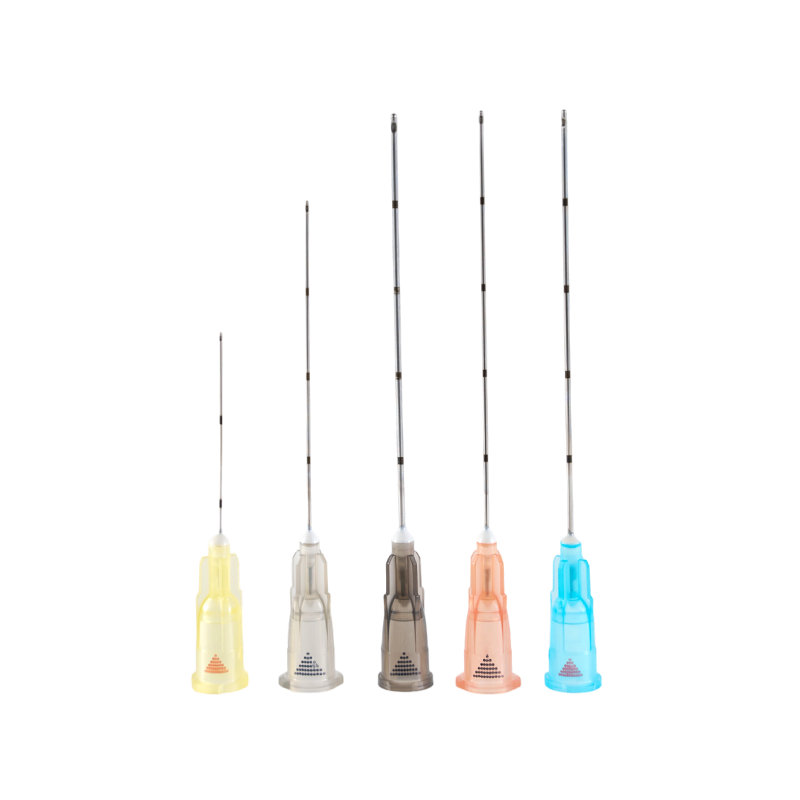
There are three kinds of the tip types, Sealed-circle with 2 side holes, sealed-...
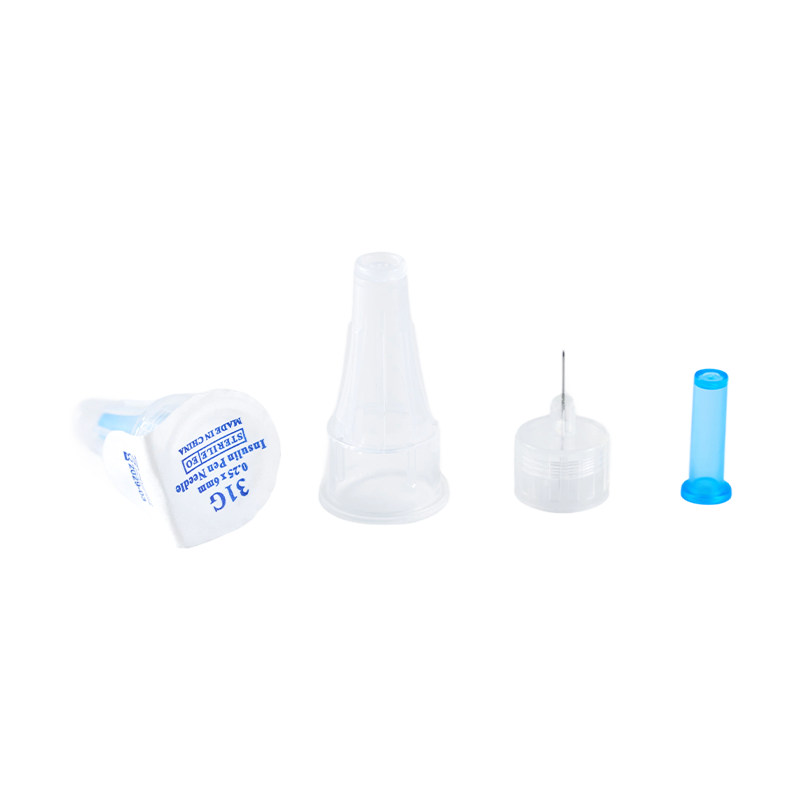
Assembling with insulin pen, for insulin hypodermic injection.The plastic parts ...
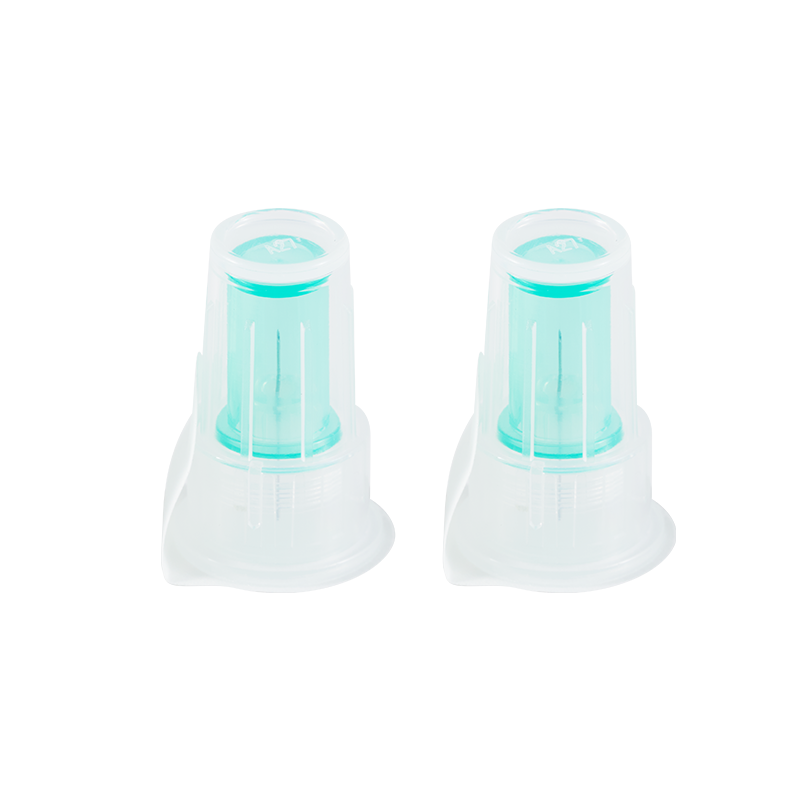
Used in conjunction with an insulin pen, it is used for subcutaneous injection o...
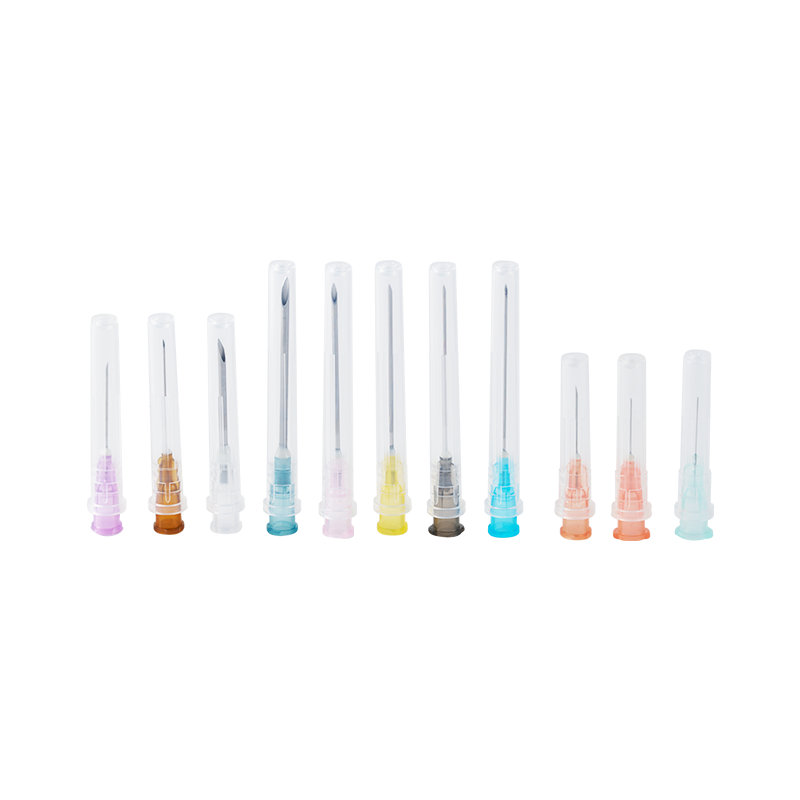
The cannula is made of high quality austenite stainless steel.All the components...
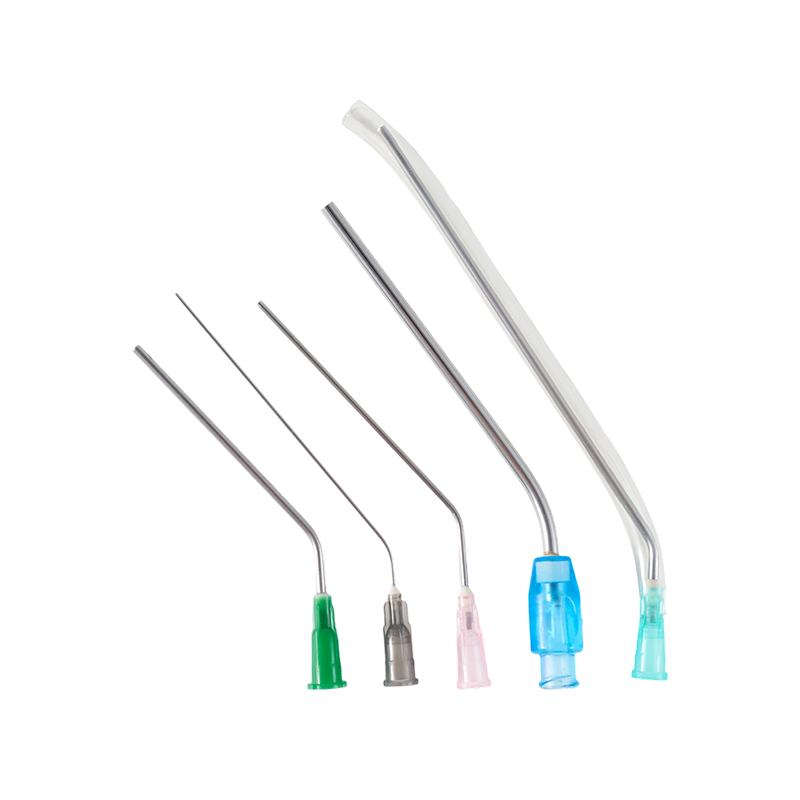
The material of the needle is Medical grade SUS304,which have great stiffness, t...
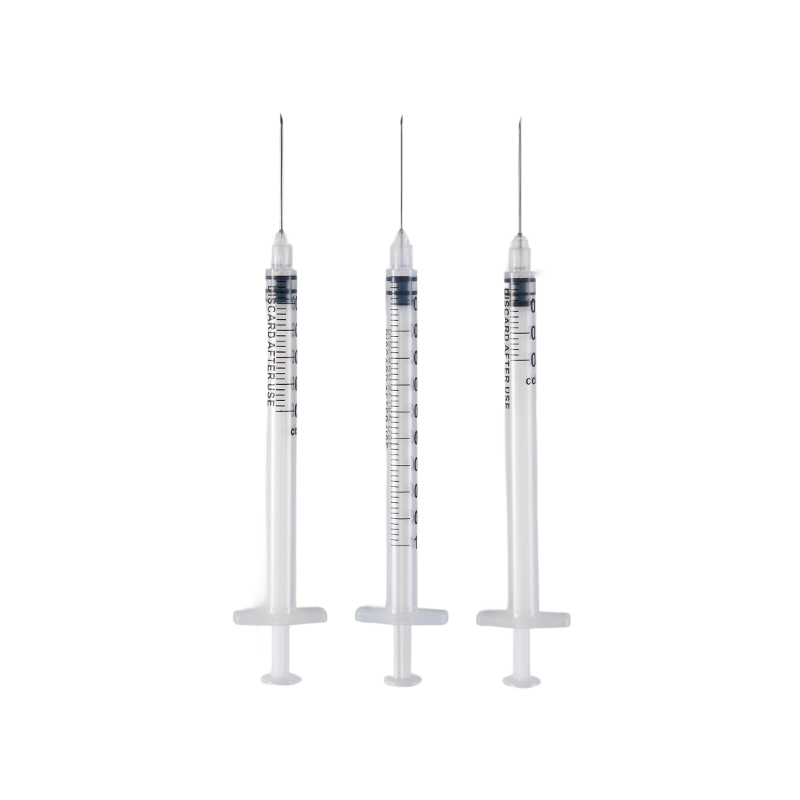
The barrel is made from high transparent polypropylene(PP),which have a bright a...

The cannula is made of high quality austenite stainless steel.The lancet tip is ...

Copyright© 2025 Zhejiang INI Medical Devices Co., Ltd.
Approval No:20150049
Medical Device Manufacturers
Disposable Medical Syringes Factory
