


 English
 Español
 中文简体
中文简体Don't hesitate to send a message
The design and production comply with ISO8537. The plastic parts are moulded by ...
Disposable syringe supply sounds simple on paper, but in real operations it is closely tied to hospital routines, clinic planning, and laboratory workflows. When supply is steady, everything feels predictable. When it shifts even slightly, the effects can spread into storage planning, ordering cycles, and daily usage management.
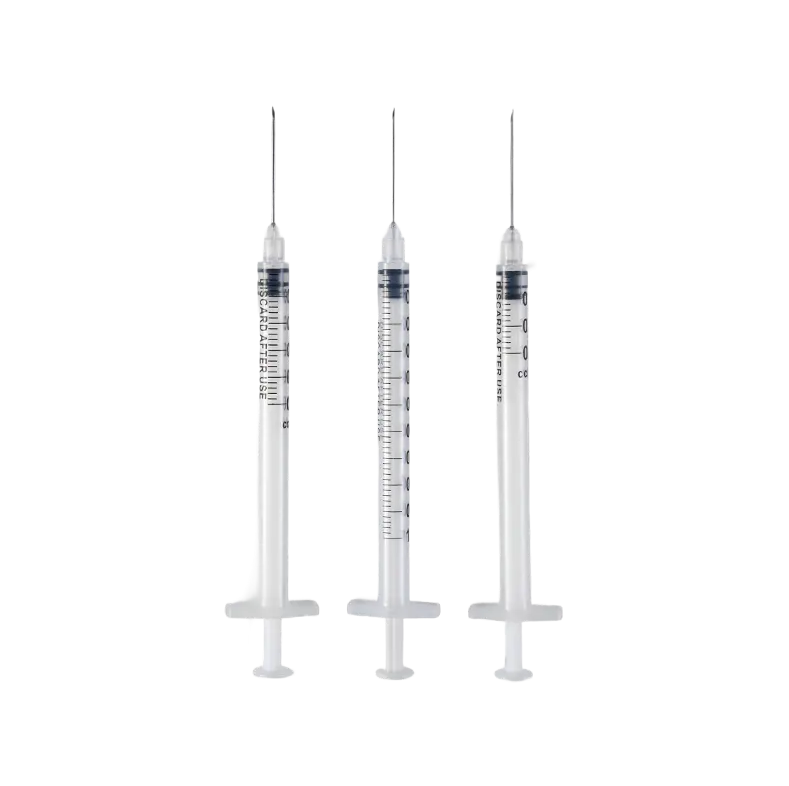
Choosing a supplier is not something that can be judged in a single moment. Early cooperation often looks smooth. The real differences appear later, after repeated orders and long-term interaction. That is usually where reliability becomes clear.
At the beginning of cooperation, most suppliers appear quite similar. Communication is smooth, samples match expectations, and delivery looks organized.
But reliability is not a snapshot. It is more like a pattern that shows itself slowly.
One supplier may perform well for a short period, then start showing small delays. Another may not look impressive at first but remains steady after several cycles. These differences are hard to detect early because nothing "fails" directly. It is more about rhythm and consistency.
Over time, buyers start to notice which supplier feels predictable and which one needs constant adjustment.
Disposable syringe products are used in environments where predictability matters. Even small variation can affect how inventory is managed or how quickly stock can be replenished.
Consistency is not only about appearance. It also relates to how smoothly production batches align with each other.
When production is stable, downstream planning becomes easier. Orders can be scheduled with fewer surprises. When production fluctuates, even slightly, it creates uncertainty in timing and distribution.
What makes this challenging is that instability does not always show up as a visible defect. Sometimes it appears only as timing differences between batches.
Material handling is one of those areas that is easy to overlook from the outside.
Raw materials may look identical, but their behavior during processing can still vary. Storage conditions, handling time, and preparation methods all influence how materials respond later in production.
These differences are not always obvious at the beginning. They usually appear during manufacturing, when materials are already in use.
Suppliers with more controlled material management tend to show fewer unexpected changes during production. This does not necessarily show up in product descriptions, but it becomes noticeable in long-term stability.
Production environments are usually controlled, but not completely static.
Temperature changes, airflow variation, and small shifts in working conditions can influence how materials behave and how equipment responds.
These changes are often slow and easy to ignore. But over time, they can affect output consistency.
A stable environment does not mean a perfect one. It simply means changes are managed in a way that does not disrupt production flow.
Buyers often learn to observe whether a supplier maintains this balance over time.
Communication often reveals more than expected.
A supplier that communicates clearly and consistently tends to have more structured internal coordination. Updates are timely, responses are steady, and information is easy to understand.
When communication becomes irregular, unclear, or delayed, it often reflects internal pressure or lack of coordination.
In long-term cooperation, communication becomes part of operational stability. It is not just about answering questions. It is about reducing uncertainty during planning.
Many procurement teams quietly treat communication behavior as a signal of reliability.
Packaging is not only the final step before delivery. It is also a reflection of how carefully products are managed throughout the process.
Consistent packaging helps maintain product condition during transport and storage. It also makes handling easier on the receiving side.
If packaging changes frequently or lacks structure, it can create confusion in storage and distribution. Small differences may require additional checks or reorganization.
Handling before packaging also matters. Products that are carefully managed during final stages are more likely to remain stable during delivery.
Production runs smoothly doesn't mean the whole supply chain stays steady.
Shipping schedules, warehouse storage and order handling all affect goods delivery from factories to customers.
Any slight hold-up in one link will throw off the overall timetable. Hence supply chain arrangement carries equal weight as production capacity.
Smooth teamwork cuts down sudden breakdowns. Loose management leads to frequent minor hitches that are hard to pre-empt.
Such recurring small troubles end up causing bigger impacts than occasional major faults.
Quality checking is not just one-time sampling, but ongoing management covering production, handling and packing.
Suppliers sticking to strict quality rules deliver steady goods steadily, with standardized checks and fixed working procedures.
Irregular quality management brings hidden discrepancies. Problems rarely show up in a single batch, yet surface gradually amid bulk repeated orders.
For lasting partnerships, steady quality performance outweighs separate inspection outcomes.
Minor delivery delays or tiny packaging changes seem trivial on their own.
Medical supply chains rely heavily on punctuality and stable performance. Constant tiny deviations will mess up overall planning.
Business teams have to tweak stock volume, rearrange storage areas and adjust purchase cycles accordingly.
Seasoned purchasers focus on regular trends instead of single incidents.
Operational stability with minimal adjustments serves as the key standard to judge reliability.
Trust cannot be gained from a single successful deal, but builds up step by step through long-term cooperation.
Timely deliveries build confidence; open communication removes doubts; uniform product quality solidifies mutual recognition.
Gradually both sides reduce redundant verification work and arrange plans more efficiently.
Trust lies in stable performance rather than flawless work. Fewer unexpected issues help sustain long-lasting business ties.
Choosing a disposable syringe supplier is less about finding an ideal option and more about identifying stable behavior across multiple areas.
A practical evaluation usually focuses on:
None of these factors works alone. They interact over time and shape the overall experience.
In real operations, the most suitable supplier is often not the one that stands out in a single area, but the one that remains steady across many small details that matter every day.
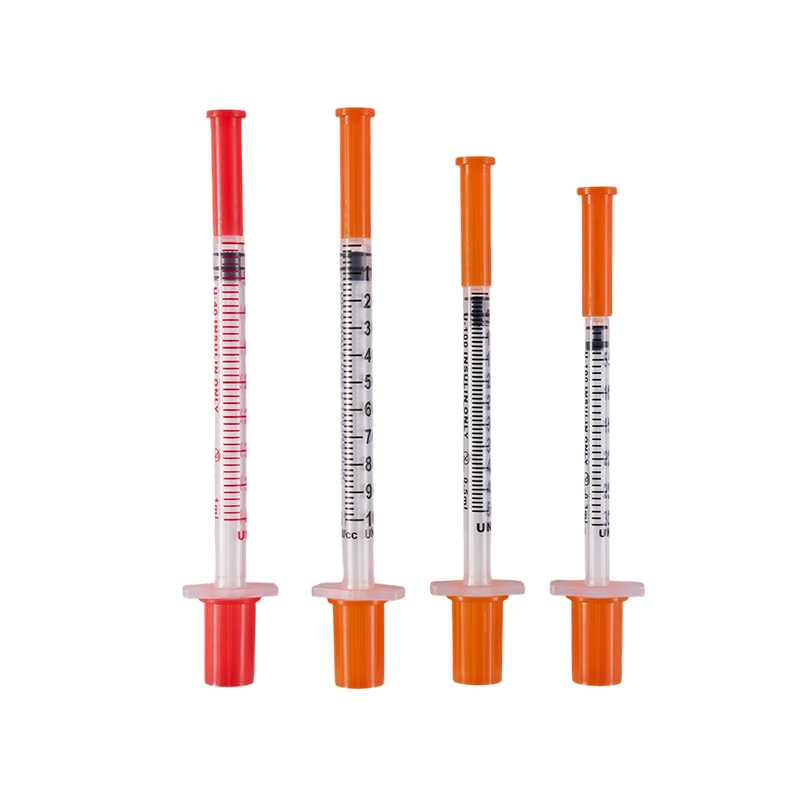
The design and production comply with ISO8537. The plastic parts are moulded by ...
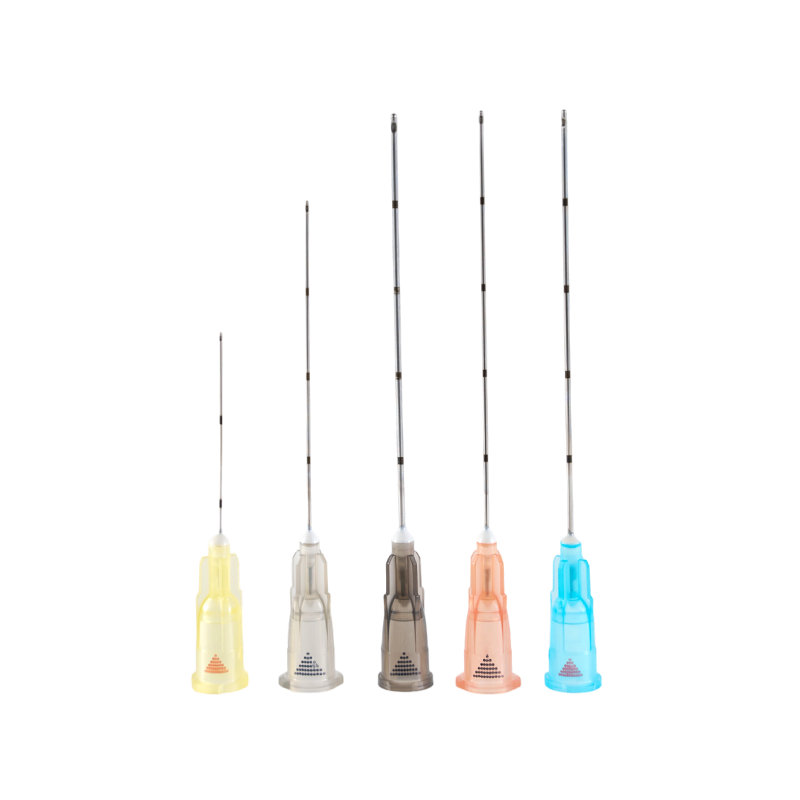
There are three kinds of the tip types, Sealed-circle with 2 side holes, sealed-...
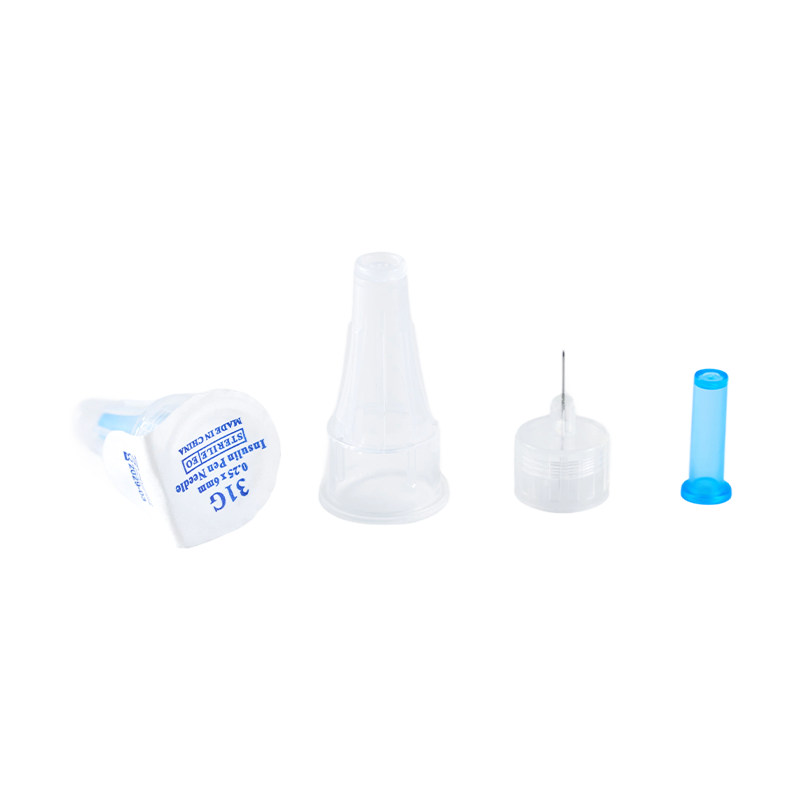
Assembling with insulin pen, for insulin hypodermic injection.The plastic parts ...
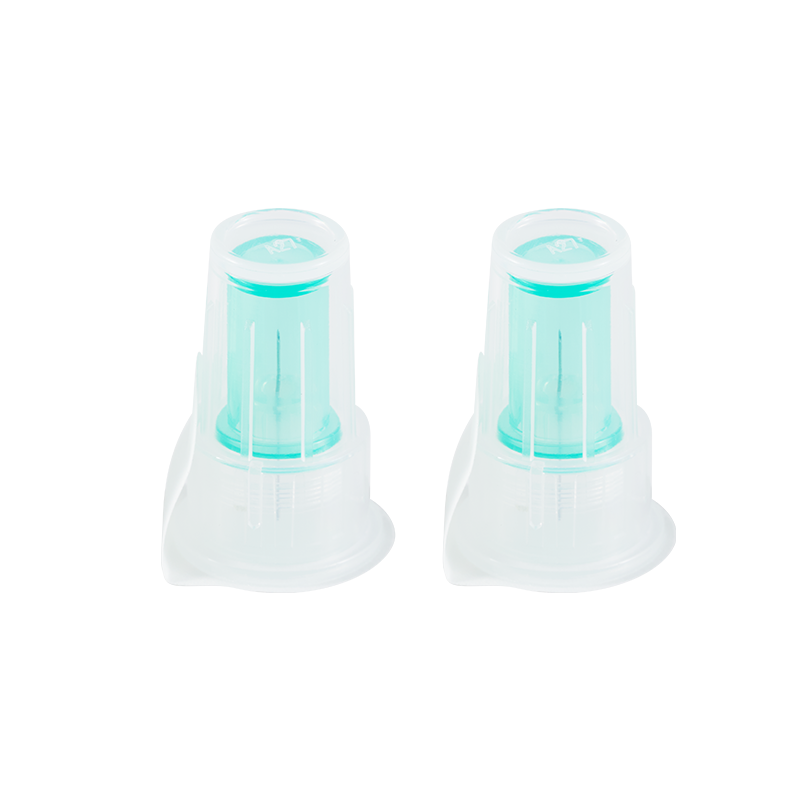
Used in conjunction with an insulin pen, it is used for subcutaneous injection o...

The cannula is made of high quality austenite stainless steel.All the components...
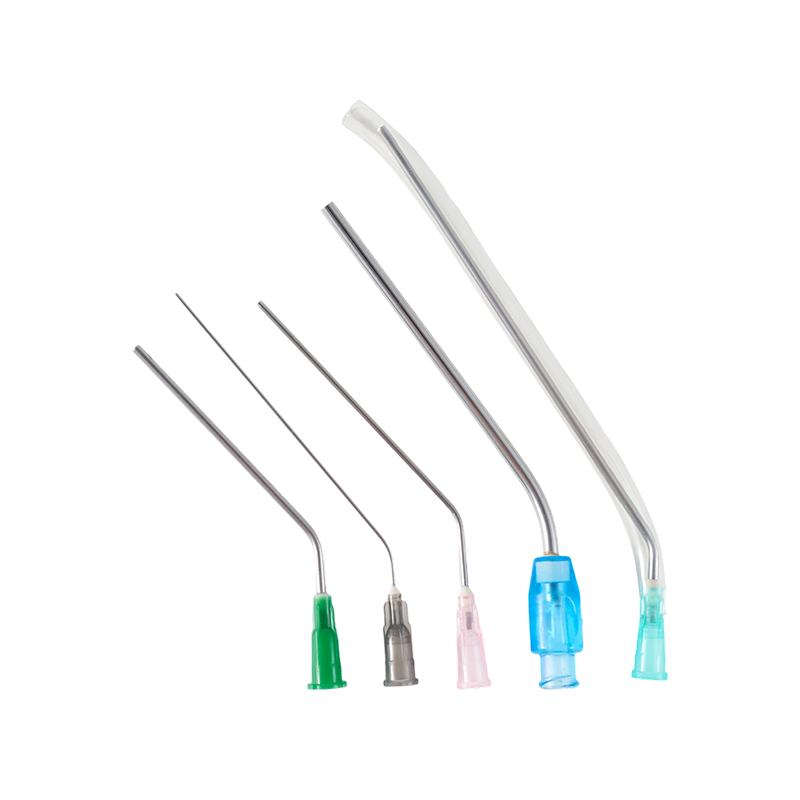
The material of the needle is Medical grade SUS304,which have great stiffness, t...
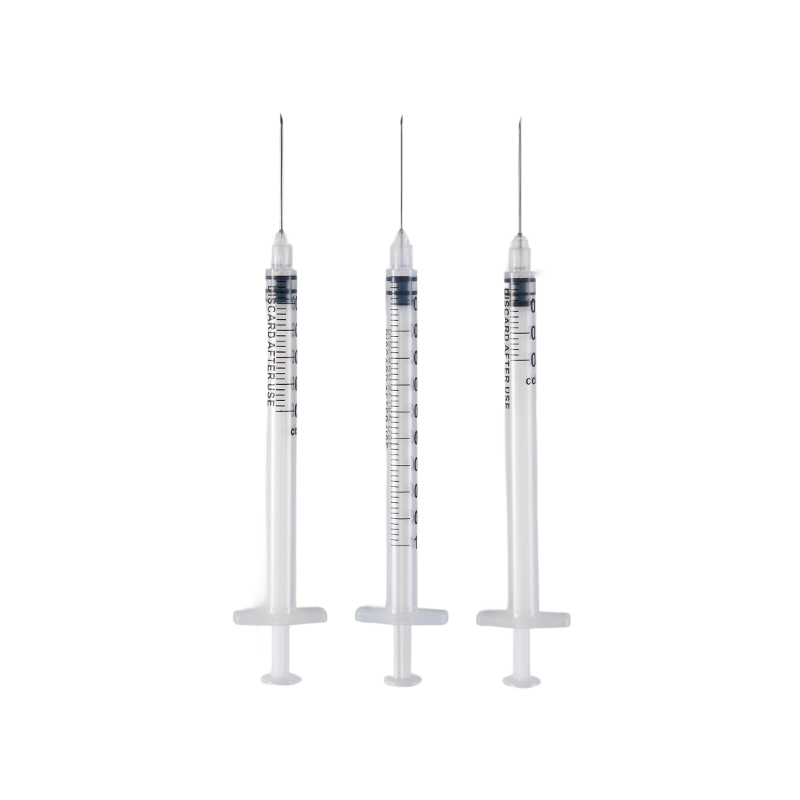
The barrel is made from high transparent polypropylene(PP),which have a bright a...

The cannula is made of high quality austenite stainless steel.The lancet tip is ...

Copyright© 2025 Zhejiang INI Medical Devices Co., Ltd.
Approval No:20150049
Medical Device Manufacturers
Disposable Medical Syringes Factory
