


 English
 Español
 中文简体
中文简体Don't hesitate to send a message
The design and production comply with ISO8537. The plastic parts are moulded by ...
Disposable syringe manufacturers depends on a mix of materials that work together in a very controlled way. A syringe may look simple, but it is built from several parts, and each part has a different material requirement. The barrel needs clarity, the plunger needs movement, the sealing part needs contact, and the needle section needs strength.
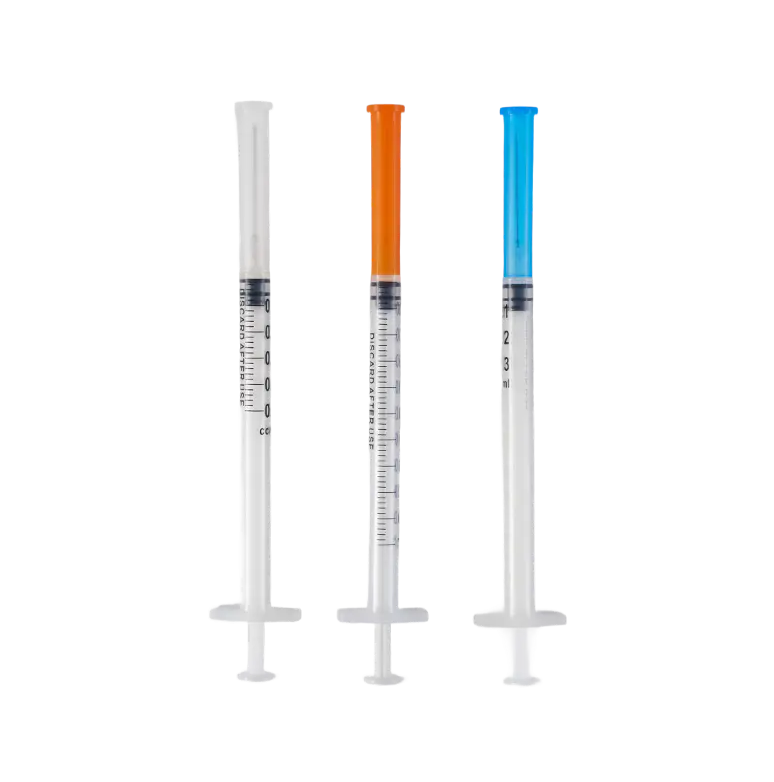
These materials are not chosen only for appearance. They are selected based on how they behave during handling, storage, and everyday medical use. Even small changes in material performance can affect how smoothly a syringe works.
What follows is a closer look at how these materials are used in practice, and why each one has a specific role.
The barrel is the main body of a syringe. It holds liquid and shows measurement marks. Because of this, the material used here is usually clear and stable.
Most manufacturers rely on transparent plastic materials. The goal is simple: users should be able to see the liquid level without effort. In real medical work, this helps reduce hesitation and improves handling speed.
The barrel also needs to stay in shape. If it bends or distorts, the movement inside becomes less predictable. So the material must balance clarity with structure stability.
Another point is the inner surface. It needs to stay smooth so the plunger can move without interruption. If friction is uneven, control becomes harder during use.
A simple breakdown of barrel expectations:
| Barrel Part | Material Behavior Needed | Practical Result |
|---|---|---|
| Inner wall | Smooth contact surface | Steady movement |
| Outer body | Clear visibility | Easy reading |
| Structure | Shape stability | No bending |
| Tip area | Tight fit ability | Secure connection |
In production, even small differences in clarity or surface feel are checked. These details may seem minor, but they affect how the product feels in real use.
The plunger is the moving part inside the barrel. It pushes and pulls liquid, so its material must allow controlled motion.
Manufacturers usually choose flexible plastic materials. These materials are not too hard and not too soft. The aim is balanced movement. If it is too rigid, sliding becomes difficult. If it is too loose, control is reduced.
At the front end of the plunger, there is usually a sealing piece. This part is slightly more elastic. It helps maintain close contact with the inner wall of the barrel.
This contact is important because it keeps movement steady and prevents air gaps during operation. Without it, liquid control would feel uneven.
Plunger material is also tested for repeated motion during production checks. This helps ensure that movement stays consistent across many units.
Even though most of a disposable syringe is made of plastic, metal still has an important job to do.
The most obvious example is the needle. Needles have to be firm, precise, and stay perfectly straight. They need to hold their shape during use so doctors and nurses can control them accurately without any bending or wobbling.
Metal is ideal for this because it can be formed into very thin, strong structures that stay stable. It doesn't easily bend or lose shape during handling, which helps every needle perform consistently.
Another critical part is the connection between the metal needle and the plastic hub. This joint must be rock-solid. If it's even a little weak or loose, the needle could move around or come off during injection, which is obviously dangerous.
Some designs also include small metal pieces in locking mechanisms or reinforcement spots. You might not notice them at first glance, but they help keep the whole syringe stable and dependable.
Before everything gets assembled, these metal components are usually prepared and checked separately to make sure the quality stays consistent.
Sealing materials are small but important. They sit at the end of the plunger and connect directly with the inner wall of the barrel.
Their job is simple: maintain contact and control movement. This contact ensures that liquid moves smoothly without leakage or uneven pressure.
These materials are usually soft and flexible. They must adapt to small differences inside the barrel while still holding a steady shape.
A simple view of their function:
Sealing parts also need to stay stable during storage. If they harden or lose flexibility, performance may be affected before the syringe is even used.
This is why material balance is important here. It is not only about softness, but also long-term stability.
Clear barrel material is a must-have feature for syringes.
Transparent walls let medical staff check liquid volume at a glance when drawing or dispensing medication. Hospitals and clinics stay hectic day in and day out, so fast visual checks cut down operating mistakes and guesswork.
Aside from convenient on-site use, see-through plastic simplifies factory quality checks too. Production staff catch scratches, molding defects and uneven spots straight away, no extra inspection gear needed.
The biggest production headache is keeping the plastic crystal clear long after manufacture. Raw material has to avoid fogging or fading when kept in inventory for months.
For these reasons, consistent transparency is set as a standard baseline, serving real-world clinical use alongside daily factory quality management.
A syringe isn't made from just one material. It's a combination of several different parts that all need to work together smoothly.
Each piece has its own job to do:
The real trick is how well these materials get along with each other. If even one part is slightly off, the whole syringe can feel strange or unreliable when you use it.
For example, if the plunger is too tight, it feels stiff and hard to push. If it's too loose, you lose precision and control. And if the seal isn't consistent, you might notice pressure changes or even tiny leaks during injection.
That's why material selection isn't done in separate little boxes. It's really about making sure all the parts coordinate well so the syringe works reliably in actual medical situations.
Raw plastic has to go through multiple working steps before being turned into finished syringes.
First, raw material gets molded into syringe barrels and plungers. Manufacturers keep molding parameters steady, to stop parts from warping once they cool down and lock into final form.
Molding finished, all separate pieces move on to assembly. The tight tolerance of each piece matters most here; plastic fittings need to slot together smoothly, and embedded metal components must lock in without coming loose.
Workers also inspect surface finish one by one. Fine polished surfaces cut down sliding resistance, letting operators grip and use the syringes more conveniently.
A simple view of production stages:
| Stage | Focus Area | Result Needed |
|---|---|---|
| Shaping | Structural consistency | Stable form |
| Cooling | Dimensional stability | Proper fit |
| Assembly | Material matching | Secure connection |
| Checking | Surface condition | Smooth movement |
Each step affects the next one. Small changes early in the process can influence final performance.
Material choices in syringe production are changing slowly over time, not in big sudden jumps.
Manufacturers are making steady, practical improvements. They're working on clearer and more stable materials for the barrel. At the same time, they're focusing on making the plunger move smoother with better contact against the barrel walls.
There's also more effort to cut down on unnecessary differences between batches. This helps keep the quality steady, especially when producing large volumes.
Long-term stability has become another big priority. Companies are paying closer attention to how well the materials hold up during months of storage, because reliable performance after sitting on the shelf now matters more than just how they perform right after manufacturing.
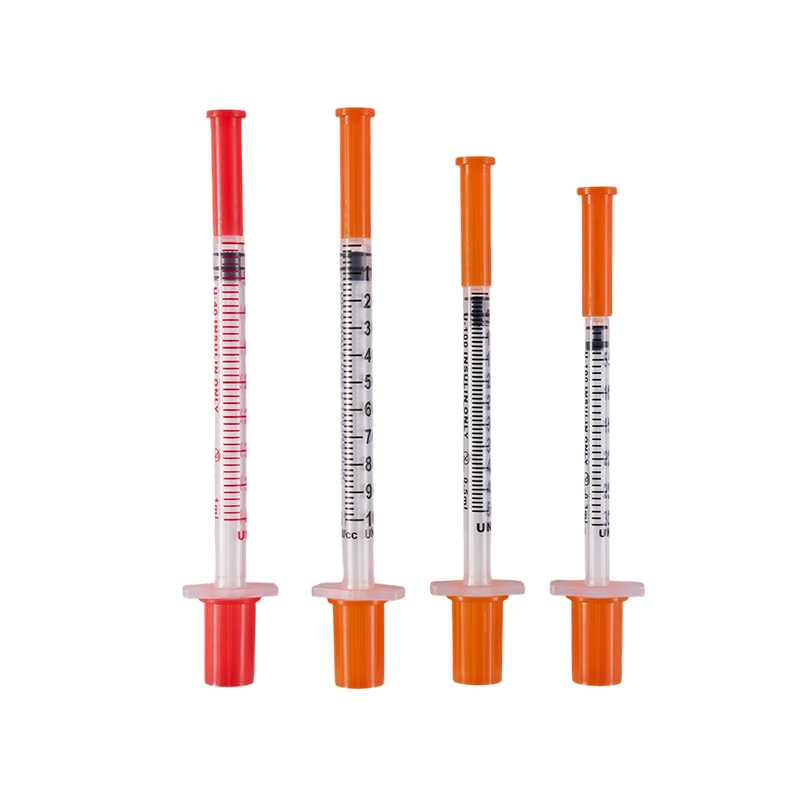
The design and production comply with ISO8537. The plastic parts are moulded by ...
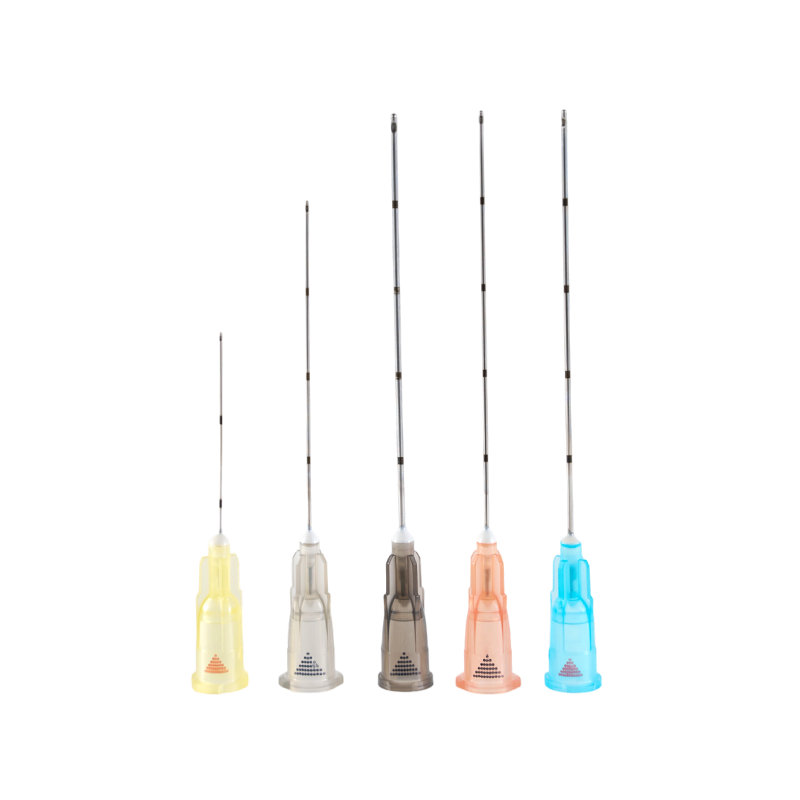
There are three kinds of the tip types, Sealed-circle with 2 side holes, sealed-...
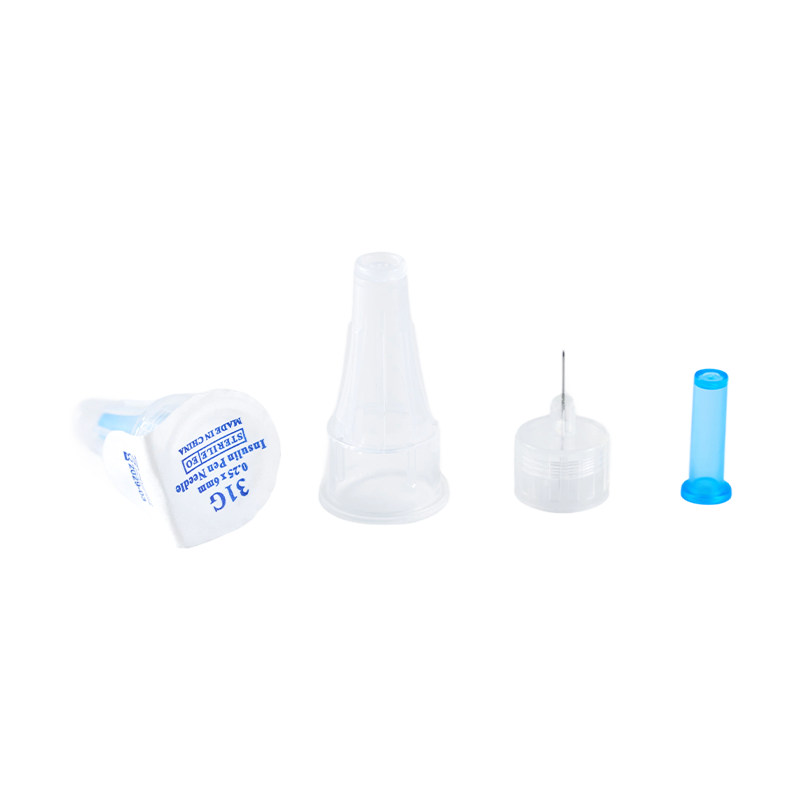
Assembling with insulin pen, for insulin hypodermic injection.The plastic parts ...
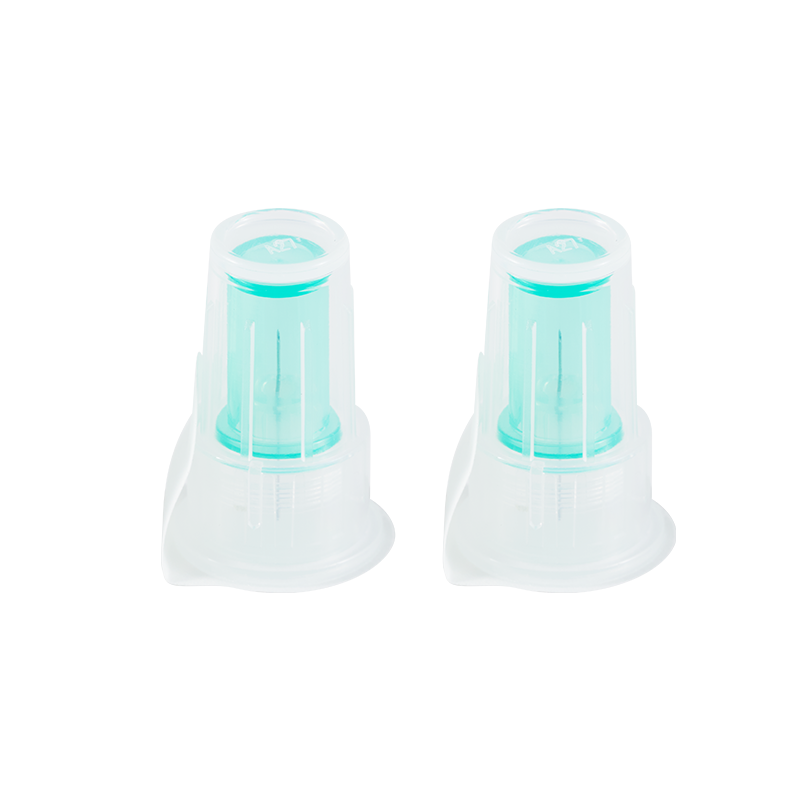
Used in conjunction with an insulin pen, it is used for subcutaneous injection o...
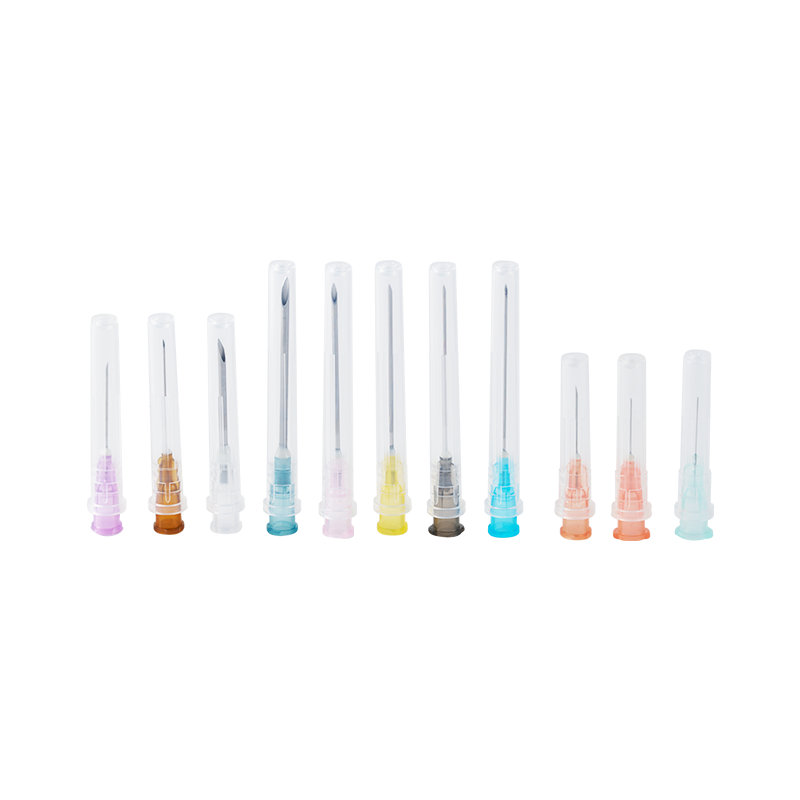
The cannula is made of high quality austenite stainless steel.All the components...
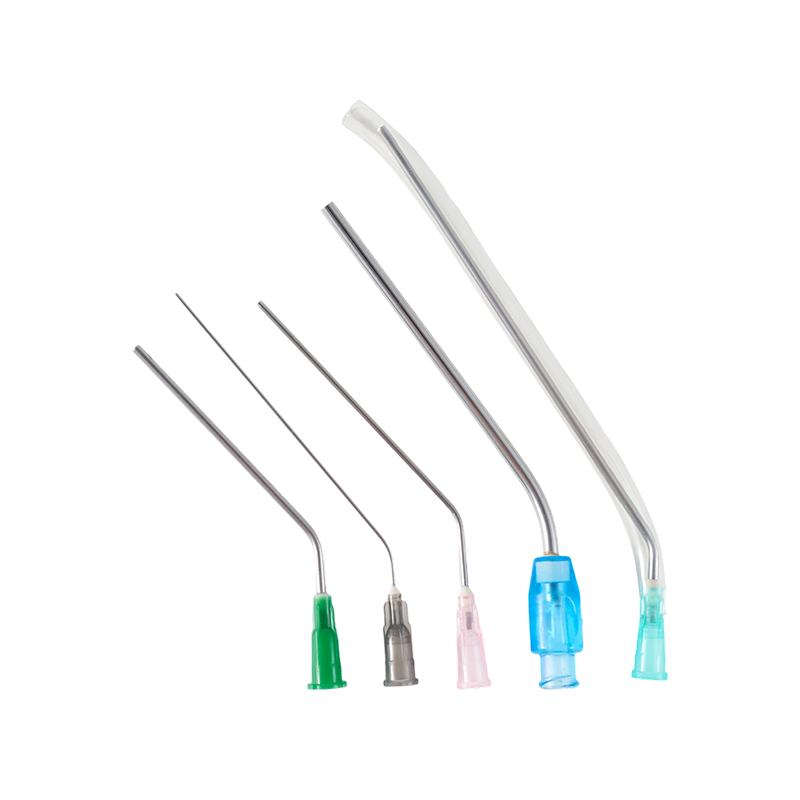
The material of the needle is Medical grade SUS304,which have great stiffness, t...
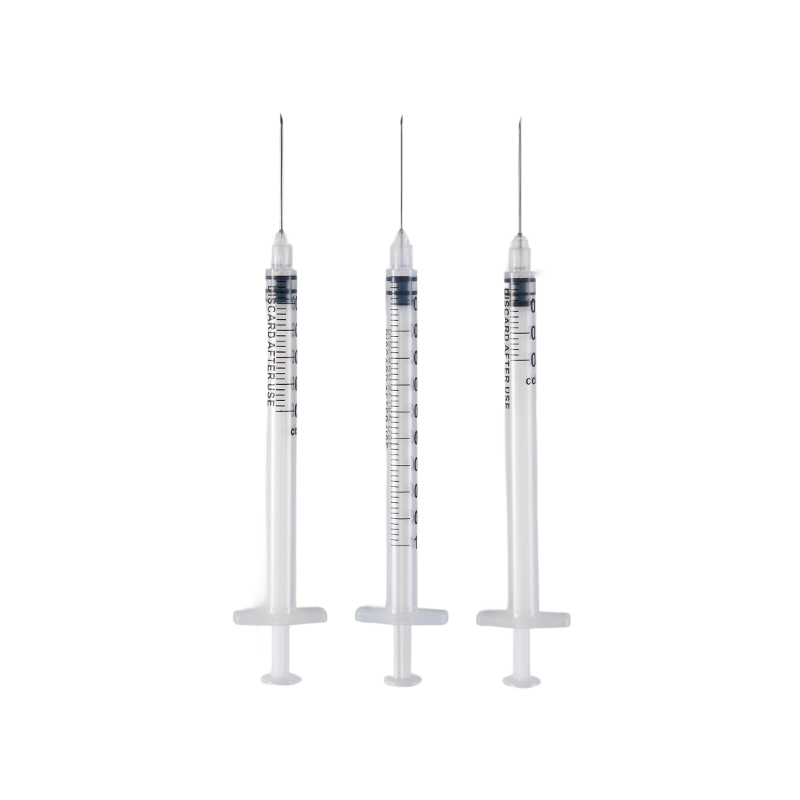
The barrel is made from high transparent polypropylene(PP),which have a bright a...

The cannula is made of high quality austenite stainless steel.The lancet tip is ...

Copyright© 2025 Zhejiang INI Medical Devices Co., Ltd.
Approval No:20150049
Medical Device Manufacturers
Disposable Medical Syringes Factory
