


 English
 Español
 中文简体
中文简体Don't hesitate to send a message
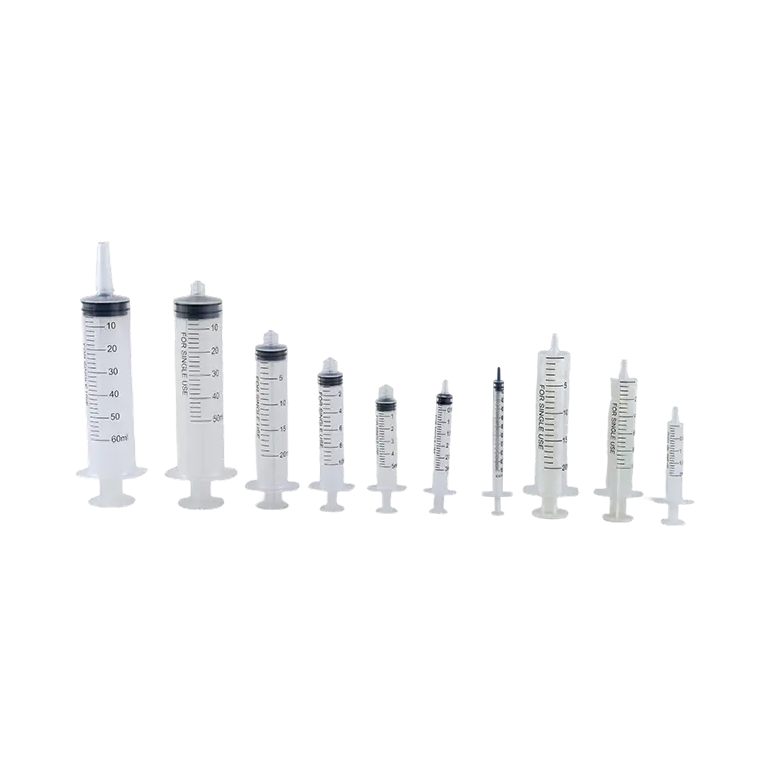
The design and production comply with ISO8537. The plastic parts are moulded by ...
In medical manufacturing, hypodermic tubing suppliers is one of those components that looks simple at first glance but carries a lot of responsibility behind the scenes. It is thin, precise, and often used as a base material for devices that enter controlled clinical environments. Because of this, cleanliness is not treated as a final touch. It is built into the entire production mindset.
Sterilization sits near the end of the production line, but its influence reaches much earlier. Material selection, handling style, even how parts are stored before treatment can all affect the final outcome. Suppliers usually work with more than one method, depending on product structure and usage requirements.
Instead of a single fixed approach, sterilization in this field works more like a set of tools used in different situations.
Hypodermic tubing is used in environments where consistency and safety expectations are very strict. Even a small surface irregularity can influence downstream performance in medical assembly.
What makes sterilization more sensitive here is the balance between cleanliness and precision. The tubing must remain unchanged in shape, surface smoothness, and structural stability. A process that cleans too aggressively can interfere with performance. A process that is too mild may leave unwanted traces behind.
That tension shapes every decision in sterilization planning.
Before any sterilization method is applied, tubing usually goes through a quiet but important preparation stage. This part does not get much attention, yet it influences everything that follows.
Surface particles from cutting or handling are removed first. These are often very small and not always visible, but they can affect how evenly sterilization works.
Tubing is then organized in a way that allows full exposure during treatment. Positioning is not random. Even spacing helps prevent areas from being partially shielded.
At this stage, the focus is less on speed and more on consistency. A well-prepared batch behaves more predictably during sterilization, which reduces variation later on.
Heat-based sterilization is one of the more established approaches in medical production environments. It relies on controlled temperature exposure over a stable time period.
For hypodermic tubing, the key concern is stability. The tubing must not bend, shrink, or change surface behavior under heat. Because of this, the process is carefully adjusted and monitored.
This method is often chosen when material behavior is well understood and consistent across batches.
At the same time, it is not suitable for every situation. Materials that are sensitive to temperature changes may require alternative approaches.
What happens during gas-based sterilization?
Gas-based sterilization follows a different path. Instead of heat, it relies on controlled gas movement through a sealed environment.
Tubing is placed inside enclosed spaces where gas can circulate evenly. Over time, the gas interacts with surfaces and reduces unwanted biological presence.
After exposure, a ventilation stage follows. This step allows remaining gas to dissipate before the tubing moves forward in production.
This method is often selected when a gentler treatment is preferred. It is especially useful for components that must maintain delicate surface characteristics.
One important detail is spacing. If tubing is packed too tightly, gas flow becomes uneven. That can lead to inconsistent treatment across a batch.
Radiation-based sterilization uses controlled energy exposure rather than heat or chemicals. The process is designed to affect microscopic biological structures while leaving the physical shape of the tubing unchanged.
Because it does not rely on temperature, it is often used for packaged materials. Hypodermic tubing can remain sealed during the process, which helps maintain cleanliness after treatment.
This method is valued for its consistency. Once process conditions are set, results tend to remain stable across repeated batches.
However, it requires strict control of handling and positioning. Even distribution of exposure is important to avoid uneven results.
Chemical-based methods exist, but their role is usually more limited compared to other approaches. They rely on liquid interaction with surface areas to reduce unwanted biological presence.
The challenge here is access. Tubing must be fully exposed to the solution, and any trapped air or uneven positioning can reduce effectiveness.
After treatment, thorough rinsing and drying are necessary. Any remaining traces must be carefully removed before the tubing moves forward.
Because of these extra steps, chemical methods are often used in supporting roles rather than as the main sterilization route.
There is no universal choice. Suppliers usually match the method to the material and the final application.
A few practical factors often guide the decision:
In many real production lines, more than one method may appear at different stages. For example, an early cleaning stage might be followed by a final sterilization step using a different approach.
This layered structure helps reduce risk while maintaining efficiency.
Once sterilization is completed, the tubing does not immediately move to final use. It passes through inspection steps designed to confirm stability and consistency.
Surface condition is reviewed first. This includes checking for visible residue or irregular changes. Packaging integrity is also important, since it protects the tubing after treatment.
Some batches are sampled for deeper review. This helps confirm whether sterilization conditions remained stable across the entire process.
These checks are not just formal procedures. They act as a bridge between production and application, ensuring the tubing behaves as expected later in assembly.
Sterilization does not happen in isolation. Surrounding conditions can influence how processes behave.
Temperature shifts, airflow patterns, and humidity levels can all affect consistency. For example, uneven airflow may reduce uniform exposure in gas-based methods. In heat-based processes, surrounding stability can influence how evenly temperature spreads.
Because of this, sterilization environments are usually controlled more tightly than general production areas. Even small variations are monitored carefully.
Storage conditions before sterilization also matter. Tubing that absorbs moisture or collects surface particles may require additional preparation before entering the sterilization stage.
Instead of treating these methods as competing options, it is more accurate to see them as different tools used in different situations.
| Method style | General behavior | Typical use scenario |
|---|---|---|
| Heat-based | Stable temperature exposure | Consistent, heat-resistant materials |
| Gas-based | Controlled diffusion in sealed space | Sensitive surface conditions |
| Radiation-based | Energy exposure without heat | Packaged, high-consistency needs |
| Chemical-based | Surface interaction with solutions | Supporting or early-stage cleaning |
Each approach has its own operating environment. In many facilities, combinations are used rather than a single fixed method.
Sterilization in hypodermic tubing production is not a single action at the end of the line. It is part of a controlled system where material behavior, environmental conditions, and handling methods all interact. Suppliers adjust these methods continuously, aiming to keep both cleanliness and structural stability in balance while maintaining steady production flow.
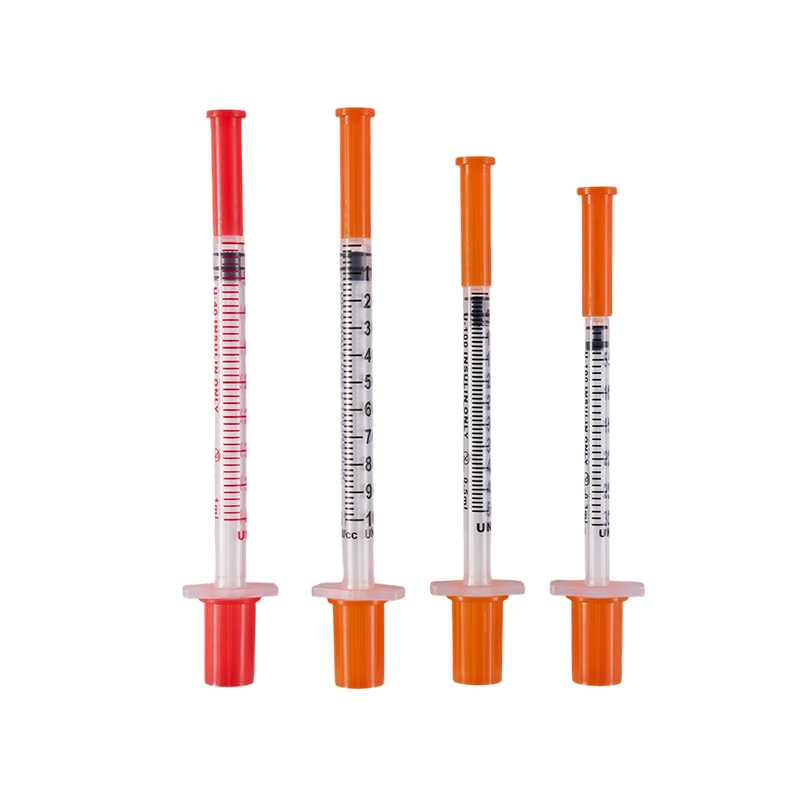
The design and production comply with ISO8537. The plastic parts are moulded by ...
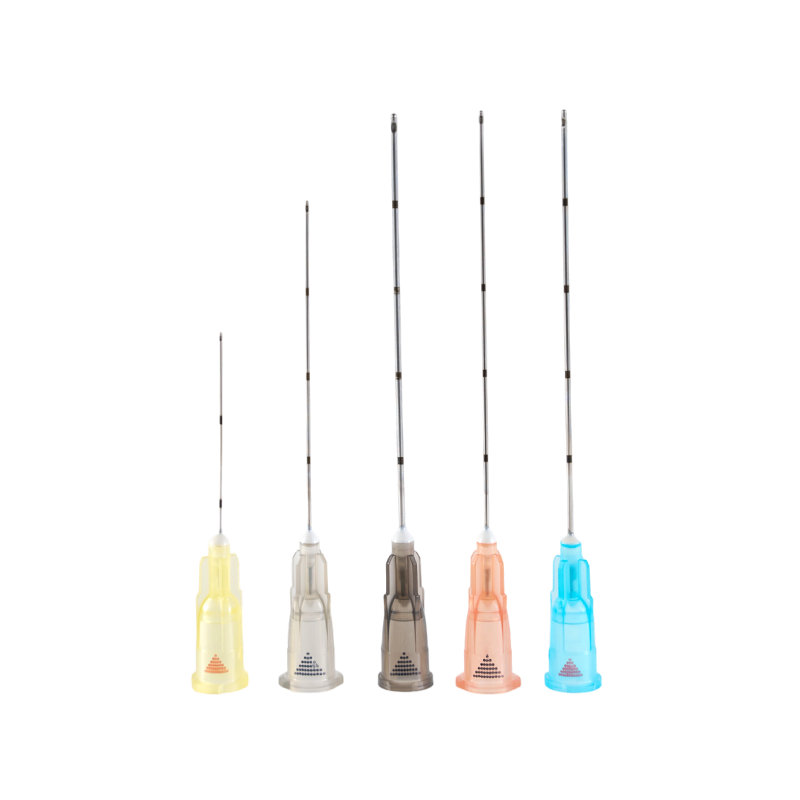
There are three kinds of the tip types, Sealed-circle with 2 side holes, sealed-...
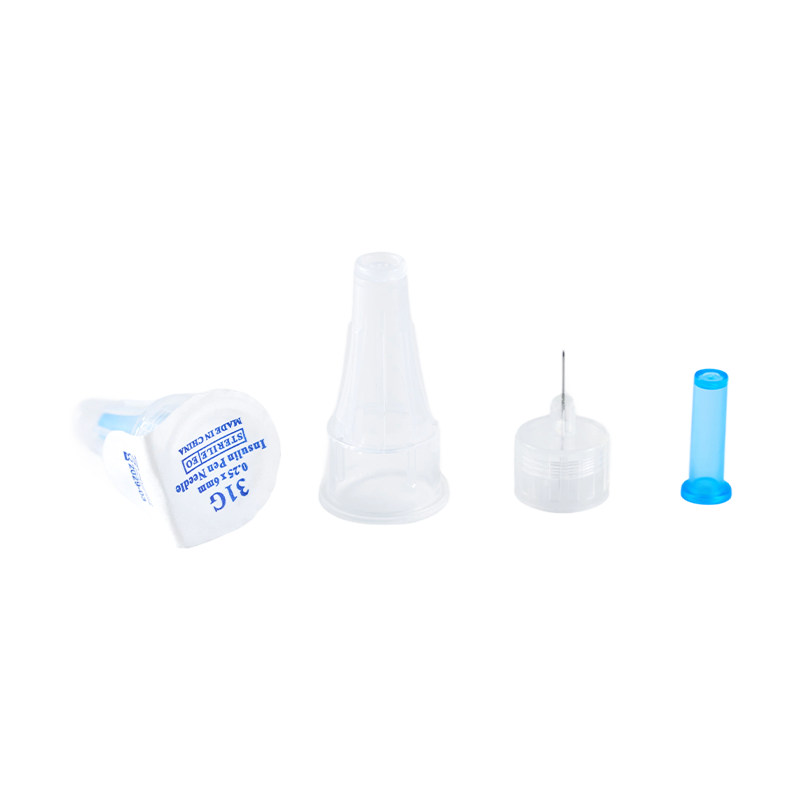
Assembling with insulin pen, for insulin hypodermic injection.The plastic parts ...
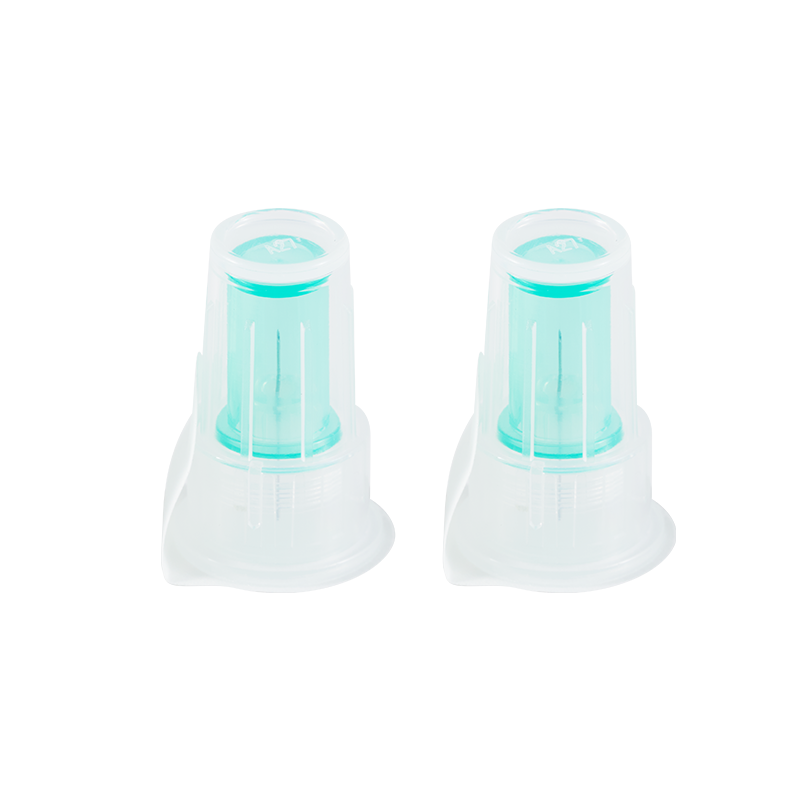
Used in conjunction with an insulin pen, it is used for subcutaneous injection o...

The cannula is made of high quality austenite stainless steel.All the components...
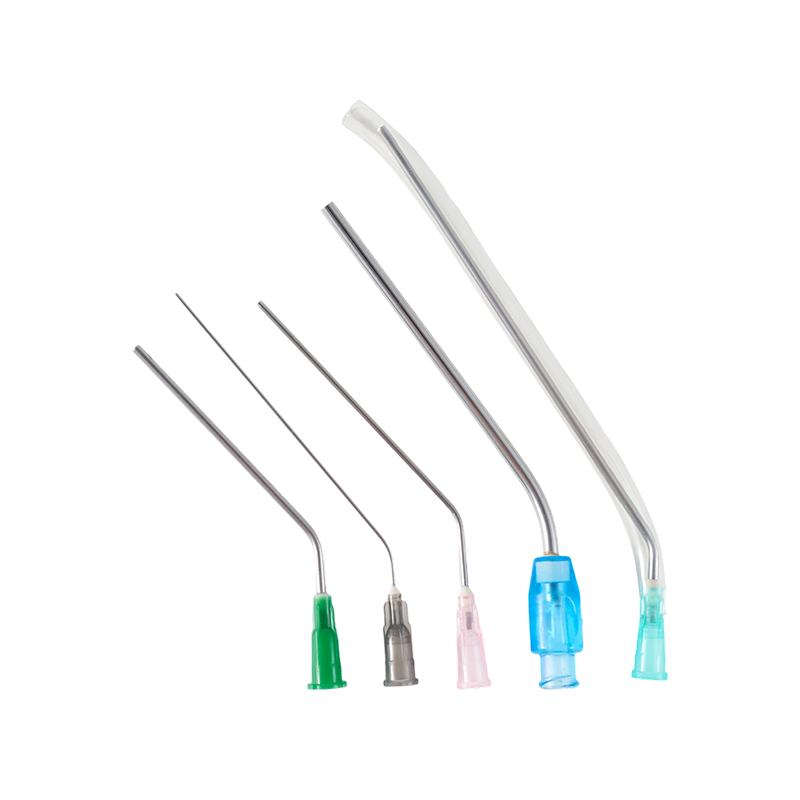
The material of the needle is Medical grade SUS304,which have great stiffness, t...
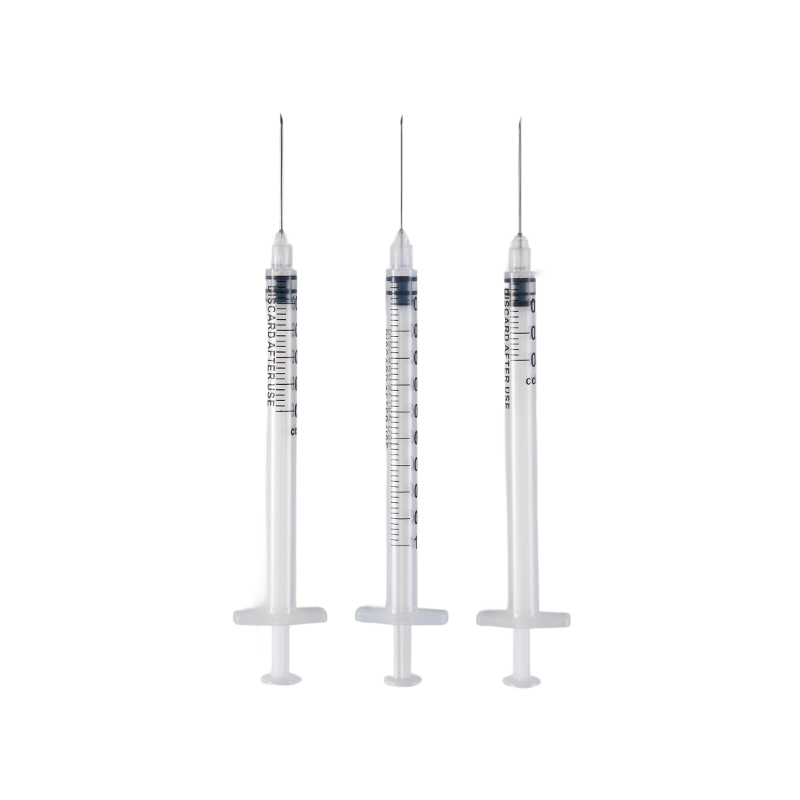
The barrel is made from high transparent polypropylene(PP),which have a bright a...

The cannula is made of high quality austenite stainless steel.The lancet tip is ...

Copyright© 2025 Zhejiang INI Medical Devices Co., Ltd.
Approval No:20150049
Medical Device Manufacturers
Disposable Medical Syringes Factory
