


 English
 Español
 中文简体
中文简体Don't hesitate to send a message
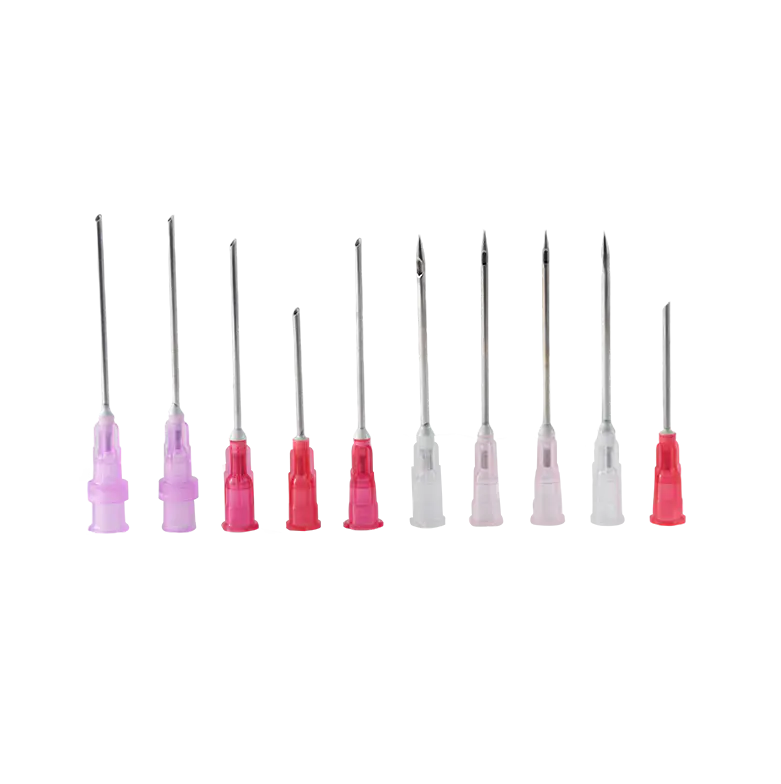
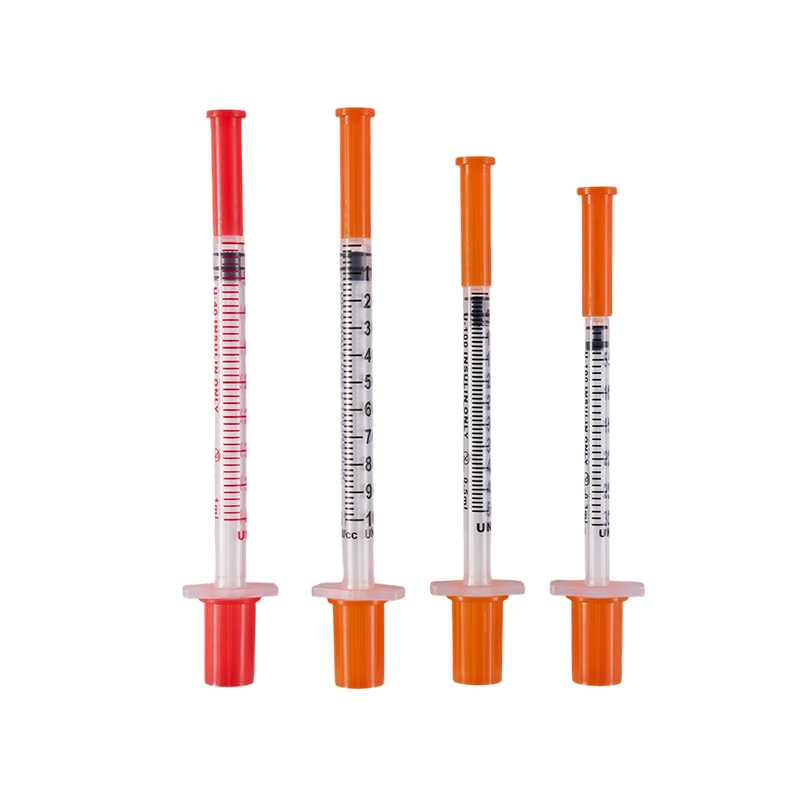
The design and production comply with ISO8537. The plastic parts are moulded by ...
Vet supply sources sit in a practical but often unstable part of global trade. On the surface, it looks like a simple chain. Products are made, shipped, and delivered to clinics or distributors. In reality, the flow rarely stays smooth for long.
What makes this field interesting is the number of small disruptions that can appear at any stage. Some are related to rules. Some come from transport. Others are linked to timing, demand, or communication between partners. None of them work alone. They tend to overlap and build on each other.
One of the first difficulties comes from regulation differences across regions. Veterinary supplies are not treated in the same way everywhere. What is acceptable in one market may need extra approval somewhere else.
This means paperwork is never fully fixed. Labels may need changes. Documents may need updates. Even product descriptions sometimes require adjustment depending on where the goods are going.
What makes it more complicated is that rules are not always applied in the same way. Two shipments with similar content may go through different checks depending on the location or situation.
For suppliers, this becomes part of routine work rather than a one-time task. There is always something that needs checking again.
Moving goods across borders introduces another layer of uncertainty. Even when production is complete, delivery can still shift due to transport conditions.
Delays can happen at different points. A shipment may be held at a checkpoint, slowed during transfer, or affected by scheduling gaps between carriers. None of these are unusual, but they can still disrupt timing.
Some veterinary products also require stable handling conditions. That adds pressure on packaging and route planning. Even a short delay can affect how the product arrives or how usable it feels at the end.
What looks like a single delivery step is often a chain of small movements. If one link slows down, the rest of the chain feels it.
Demand is another area that rarely stays consistent. In some regions, orders remain steady. In others, they rise and fall without a clear pattern.
Seasonal behavior plays a part, but it is not the only factor. Local habits, clinic size, and even changes in animal care practices can influence how much supply is needed.
This makes forecasting difficult. A supplier may prepare stock based on one expectation, then face a different reality when orders arrive.
It is not just about volume either. The type of products requested can shift as well. Some items become more frequently requested in one market while staying stable in another.
Quality is not judged in exactly the same way everywhere. Some buyers focus on how a product performs in daily use. Others pay more attention to packaging, labeling, or documentation.
This creates different layers of expectation for the same item. A product may pass inspection in one region but require adjustments before entering another.
Because of this, suppliers often prepare products with flexibility in mind. The same base product may need small changes depending on where it is going.
It is less about changing the product completely and more about adjusting details so it fits local expectations.
A vet supply chain usually involves several parties. Manufacturers, transport companies, storage points, and buyers all play a role. Each one follows its own timing and system.
The challenge is keeping everything aligned.
Sometimes production finishes earlier than transport is ready. Other times, goods arrive before storage space is available. These gaps are not rare. They are part of normal flow.
Communication helps reduce these gaps, but it does not remove them completely. Information still needs to move between different teams, often across time zones and systems that do not always match.
Even small delays in updates can affect scheduling decisions later on.
Costs in global trade are rarely stable. Transport fees, handling charges, and currency movement can all influence final pricing.
For vet supply source , this means decisions often need flexibility. A pricing structure that works at one moment may not stay suitable later.
The challenge is not only about price increases. It is also about planning ahead when conditions are unclear.
Sometimes costs rise slowly. Other times, changes happen quickly and require immediate adjustment in how orders are handled or distributed.
This constant movement makes long-term planning more complex than it seems from the outside.
Paperwork isn't the flashy part of international trade, but it quietly creates pressure that runs through the whole shipping process. The main hidden issues come down to these practical problems:
Different rules for different areas
Every region has its own set of required documents, with unique formats and wording rules that don't always match up. Even small differences in how details are written can hold up customs checks and cause unexpected delays.
Language and system misunderstandings
Information might be completely correct, but translating it into another language or fitting it into local digital systems often creates confusion. Simple misinterpretations can slow down clearance for shipments.
Small mistakes cause big timeline issues
Most document errors won't stop goods entirely, but they frequently lead to goods being held for extra checks and clarification. These short hold‑ups mess up planned schedules for logistics, storage and final delivery.
Constant ongoing work instead of one‑time tasks
Documentation isn't something you finish once and leave alone. Rules keep changing in different markets, so teams have to keep updating and double‑checking paperwork all the time behind the scenes.
Market demand doesn't always change slowly. Sudden shifts in buyer expectations create real challenges for suppliers, mostly in these ways:
New delivery speed requirements pop up fast
Some markets suddenly start demanding much quicker delivery times. Existing production and shipping routines often can't keep pace right away.
Fast‑changing product needs across regions
Different areas may quickly switch to preferring new styles, sizes or product types. Suppliers have to rethink stock levels and production plans on short notice.
Supply chains take time to adjust
Most supply systems work across many regions and partners. Major changes can't happen overnight, so immediate full responses are rarely possible.
A gap forms between what buyers want and what can be delivered
Quick market changes leave suppliers stuck between rising customer expectations and limited real‑world capacity. Most businesses fix this by making steady small adjustments, rather than risky big overhauls to their whole operation.
When looking at each challenge separately, they may seem manageable. The real difficulty comes from how they overlap.
A delay in transport can affect inventory. A change in regulation can require document updates. A shift in demand can influence shipping schedules. These events often happen at the same time.
Below is a simple view of how these areas interact:
| Area | What Happens In Practice | Result In Supply Flow |
|---|---|---|
| Regulation | Different rules across regions | Repeated adjustments |
| Transport | Delays and route changes | Unstable delivery timing |
| Demand | Unpredictable ordering patterns | Uneven inventory levels |
| Quality | Varying expectations | Adjusted inspection approach |
| Coordination | Multiple partners involved | Timing gaps and misalignment |
| Cost | Changing operational expenses | Flexible pricing decisions |
| Documentation | Regional paperwork differences | Slower clearance at times |
Even with all these difficulties, vet supply networks continue to operate because they adapt continuously.
There is no single fix that solves everything. Instead, adjustments happen step by step. A change in packaging here. A revised schedule there. A clearer communication flow added over time.
It is a system built on response rather than stability. Each part reacts to the others, and the overall structure stays functional through constant small corrections.
The design and production comply with ISO8537. The plastic parts are moulded by ...
There are three kinds of the tip types, Sealed-circle with 2 side holes, sealed-...
Assembling with insulin pen, for insulin hypodermic injection.The plastic parts ...

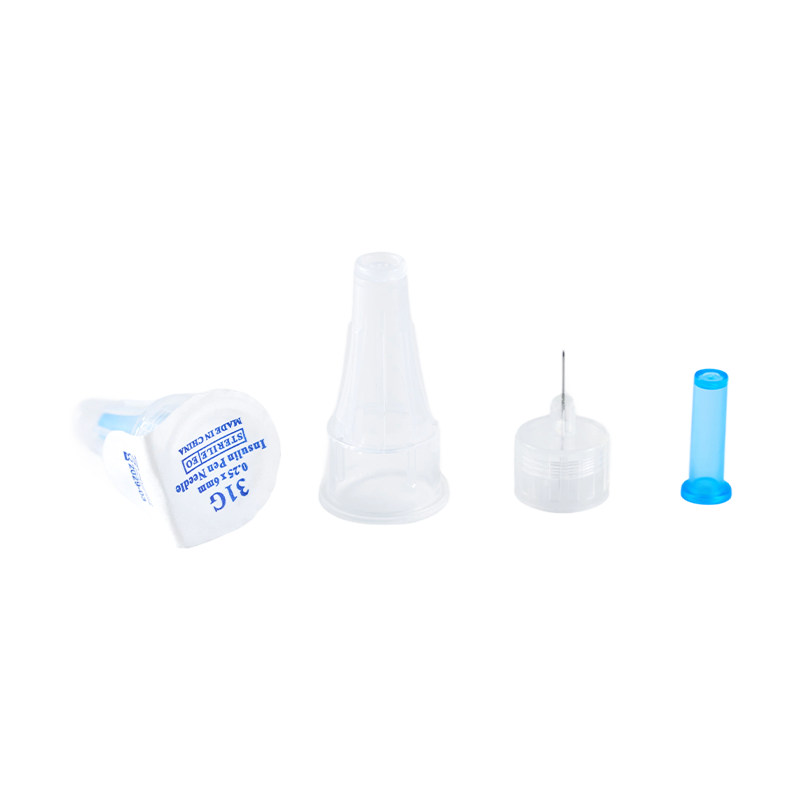
Used in conjunction with an insulin pen, it is used for subcutaneous injection o...

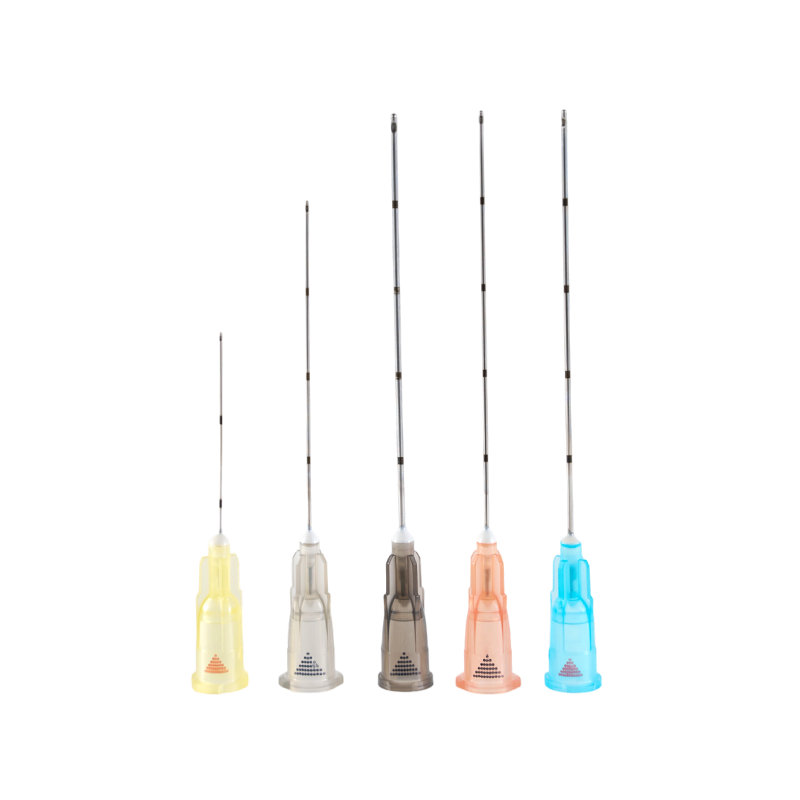
The cannula is made of high quality austenite stainless steel.All the components...
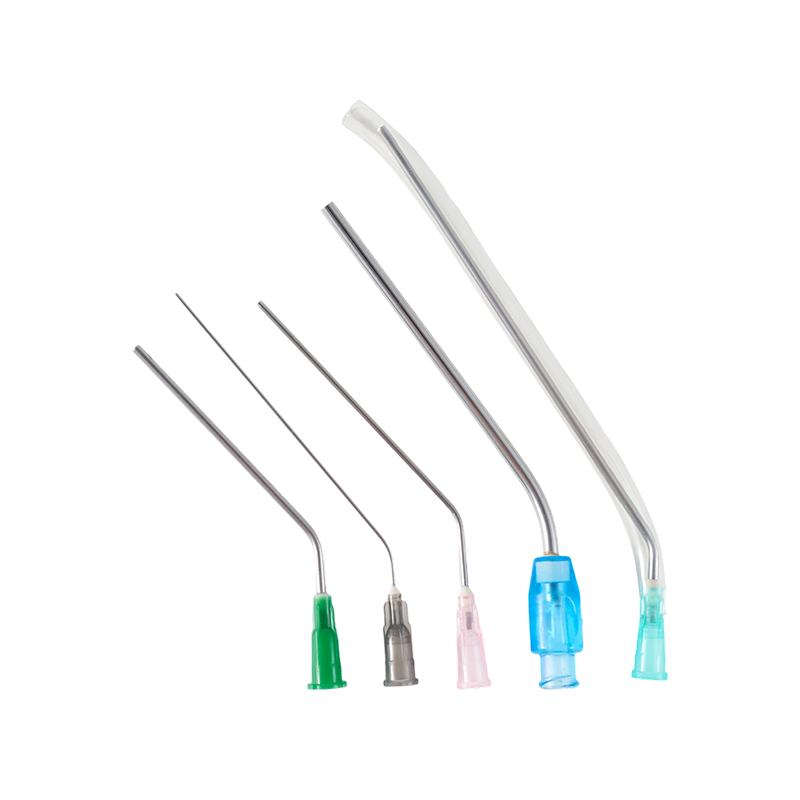
The material of the needle is Medical grade SUS304,which have great stiffness, t...
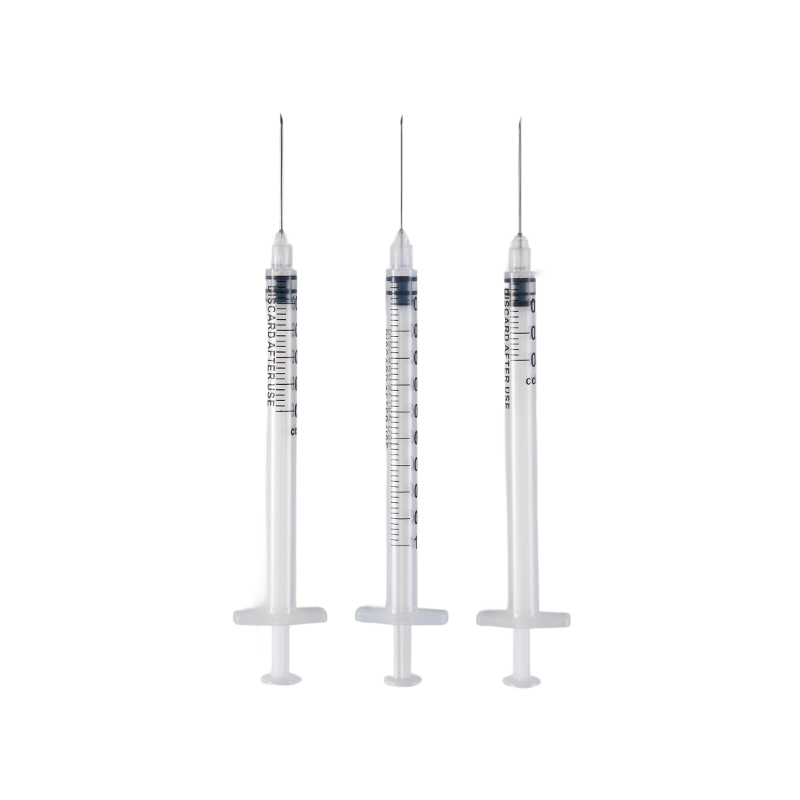
The barrel is made from high transparent polypropylene(PP),which have a bright a...
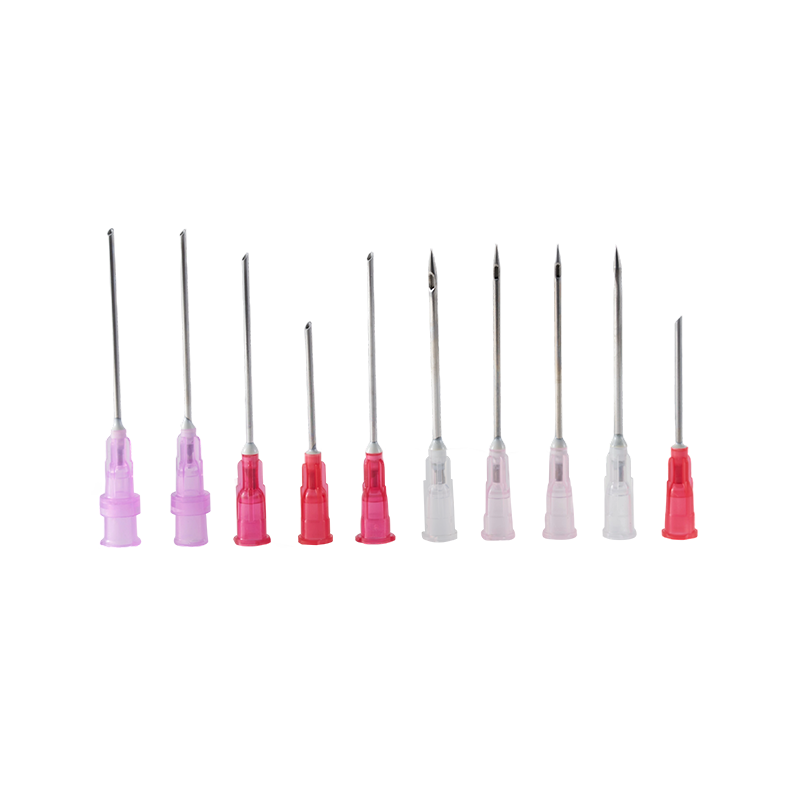
The cannula is made of high quality austenite stainless steel.The lancet tip is ...

Copyright© 2025 Zhejiang INI Medical Devices Co., Ltd.
Approval No:20150049
Medical Device Manufacturers
Disposable Medical Syringes Factory
