


 English
 Español
 中文简体
中文简体Don't hesitate to send a message
The design and production comply with ISO8537. The plastic parts are moulded by ...
In the cosmetic injection supply chain, needles are small components with strict expectations attached to them. Their use is closely linked to hygiene control, handling safety, and user confidence. Because of this, certification is not treated as a formality. It becomes part of how suppliers are evaluated and trusted.
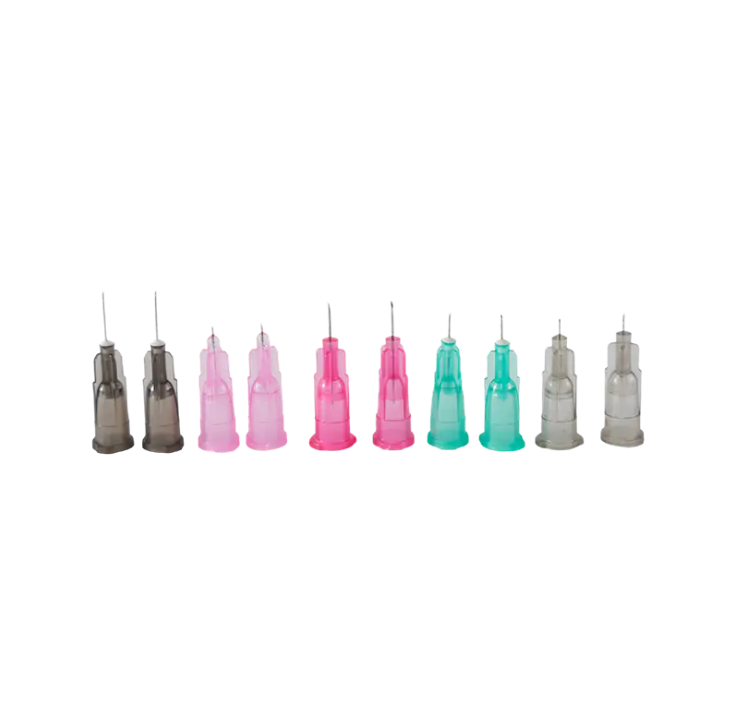
Beauty Injection Needle Suppliers often operate across different regions and serve different regulatory environments. Each market may emphasize slightly different documentation or compliance proof. Still, the overall direction is similar. There is a shared focus on controlled production, traceability, and hygiene assurance.
Certification does not only show permission to operate. It also reflects how a supplier organizes its internal system, how it handles risk, and how it communicates product responsibility.
Certifications act as a reference point in an environment where product appearance alone is not enough to judge quality. Two suppliers may offer similar-looking products, but their internal systems can be very different.
In practice, certification helps answer a simple question. Is the supplier operating under a structured and recognized system, or is it relying mainly on informal processes?
For buyers, this matters because injection-related tools are used in sensitive contexts. Even small inconsistencies can affect user experience and trust. Certifications help reduce uncertainty by showing that certain controls are in place.
They also influence how suppliers interact with partners. A supplier with documented compliance systems often communicates more clearly and follows more stable procedures. This is not about labels alone. It reflects how the organization is built.
One of the most frequently referenced areas is quality management. These certifications are not product-specific, but they define how a supplier manages its overall system.
They usually focus on structure, documentation, and process control. In simple terms, they describe how work is organized rather than what product is made.
Common expectations include:
| Area | What it generally reflects |
|---|---|
| Quality system structure | How internal processes are organized |
| Consistency control | How repeatable production behavior is maintained |
| Documentation practice | How information is recorded and updated |
| Responsibility tracking | How roles and accountability are defined |
These systems are often reviewed during supplier selection because they influence every stage of production. A supplier with clear system organization tends to show more predictable behavior in communication and delivery.
In beauty-related injection tools, hygiene expectations are especially sensitive. Even when products are not directly part of medical treatment, cleanliness and handling conditions remain important.
Hygiene-related certifications generally focus on environment control, contamination prevention, and handling discipline. They indicate how carefully a supplier manages production space and product contact points.
Rather than focusing on technical detail, buyers often look at whether hygiene control is structured and consistently applied.
A simple observation table helps summarize the idea:
| Focus area | What it suggests |
|---|---|
| Clean handling process | Control of product contact environment |
| Controlled workflow | Reduced risk of cross-contact |
| Clean storage practice | Protection before shipment |
| Handling discipline | Staff awareness and routine control |
These elements together form an impression of how seriously hygiene is treated in daily operations.
Traceability is often mentioned in supplier evaluation because it connects product batches with internal records. It does not need to be complex to be meaningful.
In supplier comparison, traceability usually means the ability to follow product history within the supplier's own system. This includes production records, handling steps, and distribution tracking.
When traceability is structured, communication becomes clearer. If questions arise, suppliers can respond with more stable and consistent information.
When it is unclear, small uncertainties can expand into larger coordination issues.
Traceability is also linked with internal discipline. Suppliers that maintain consistent record-keeping tend to show more organized communication behavior as well.
Regulatory-related certifications are often used as a baseline reference in cross-border trade. They show that a supplier is operating within recognized frameworks.
These certifications are not only about permission. They also indicate how a supplier aligns its production behavior with external expectations.
In real comparison work, buyers usually observe:
Regulatory alignment often reduces friction during cooperation. It creates a shared structure for understanding product and process expectations.
However, certification alone is not enough. It must be supported by consistent behavior in communication and delivery.
Certifications are not static. They require ongoing internal checks and updates. This is where internal audit systems become relevant.
An internal audit system is essentially a supplier's way of reviewing itself. It helps identify gaps between intended processes and actual behavior.
In supplier evaluation, the presence of regular internal review practices often shows up indirectly. It can be seen in stable documentation updates, consistent communication, and predictable operational behavior.
A simplified view of audit-related indicators includes:
| Indicator | What it may reflect |
|---|---|
| Regular documentation updates | Active internal monitoring |
| Stable communication response | Process awareness |
| Consistent product handling | Controlled workflow execution |
| Clear issue response patterns | Structured problem handling |
These signs are not always directly stated, but they can be observed through interaction over time.
Different suppliers may hold different sets of certifications depending on their market focus and operational scope. The key is not to treat them as identical checklists.
Instead, comparison works better when focusing on alignment with actual supply needs.
Some suppliers may emphasize production system structure. Others may focus more on hygiene control or documentation clarity. These differences reflect different operational priorities.
A practical comparison approach often includes:
It is also useful to observe how certifications are integrated into daily operations. A certification that exists only on paper may not influence actual behavior. In contrast, structured systems often show themselves through consistency in routine work.
Communication and certification are often connected in indirect ways. Suppliers with structured compliance systems usually develop more consistent communication habits.
This is not a formal rule, but a pattern observed in many supplier relationships.
For example, when systems are well organized, information tends to be easier to retrieve. This leads to clearer responses. When systems are fragmented, communication may require more back-and-forth clarification.
In daily comparison, communication signals often include:
These communication behaviors often reflect the underlying system organization that certifications aim to support.
Certifications are often treated as entry requirements, but their influence continues after initial selection.
Over time, what matters more is how certification-related systems translate into real behavior. This includes product consistency, delivery stability, and communication reliability.
Long-term cooperation tends to reveal whether certification is actively supported by internal discipline or only used as formal documentation.
Suppliers that maintain structured systems usually show more stable behavior across repeated interactions. This includes how information is shared, how issues are handled, and how updates are communicated.
Certification, in this sense, becomes less about a document and more about a reflection of how the supplier operates on a daily basis.
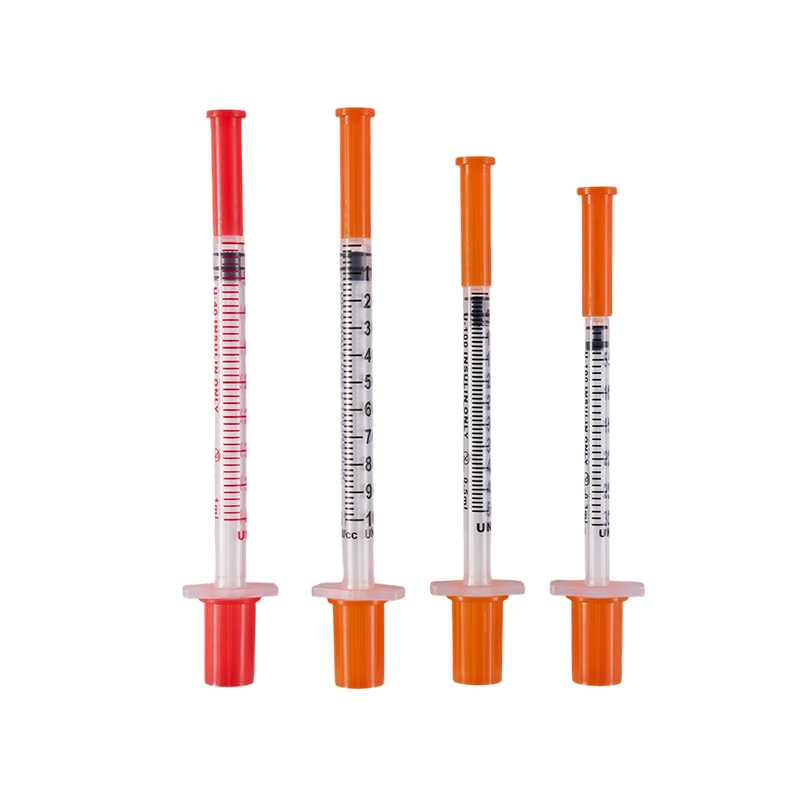
The design and production comply with ISO8537. The plastic parts are moulded by ...
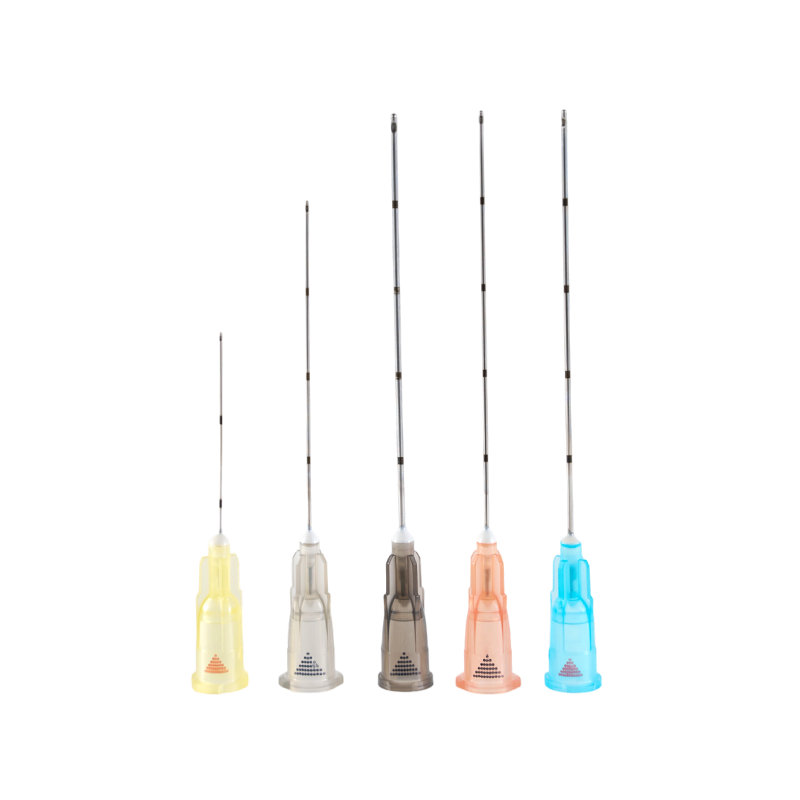
There are three kinds of the tip types, Sealed-circle with 2 side holes, sealed-...
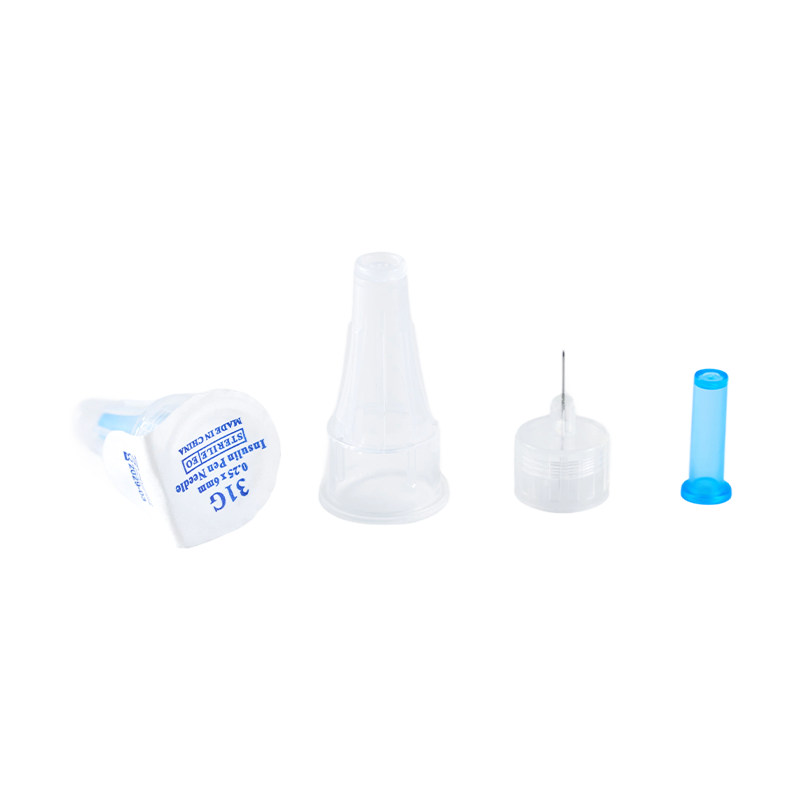
Assembling with insulin pen, for insulin hypodermic injection.The plastic parts ...
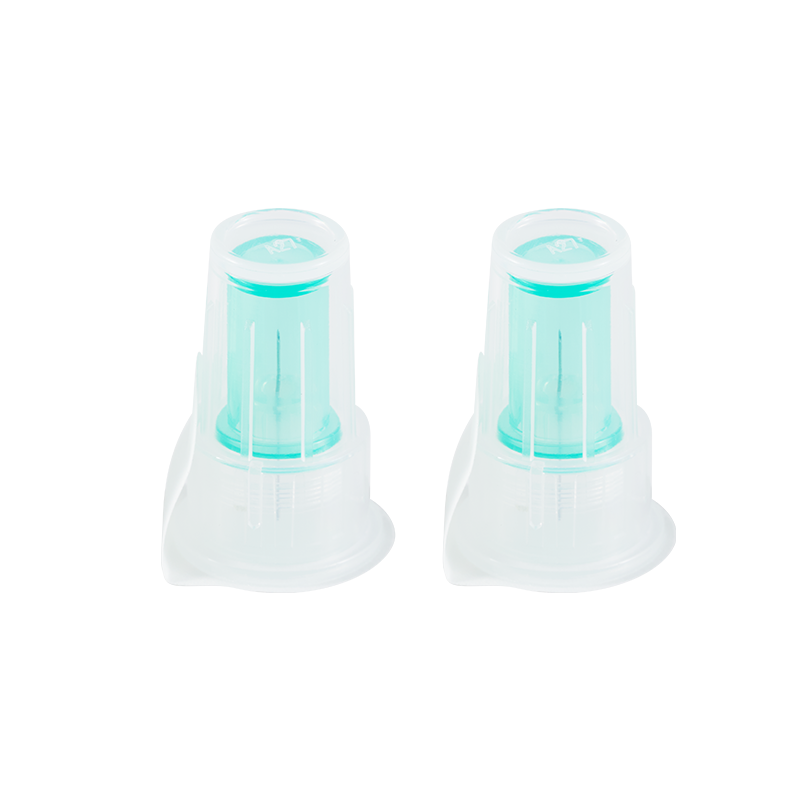
Used in conjunction with an insulin pen, it is used for subcutaneous injection o...

The cannula is made of high quality austenite stainless steel.All the components...
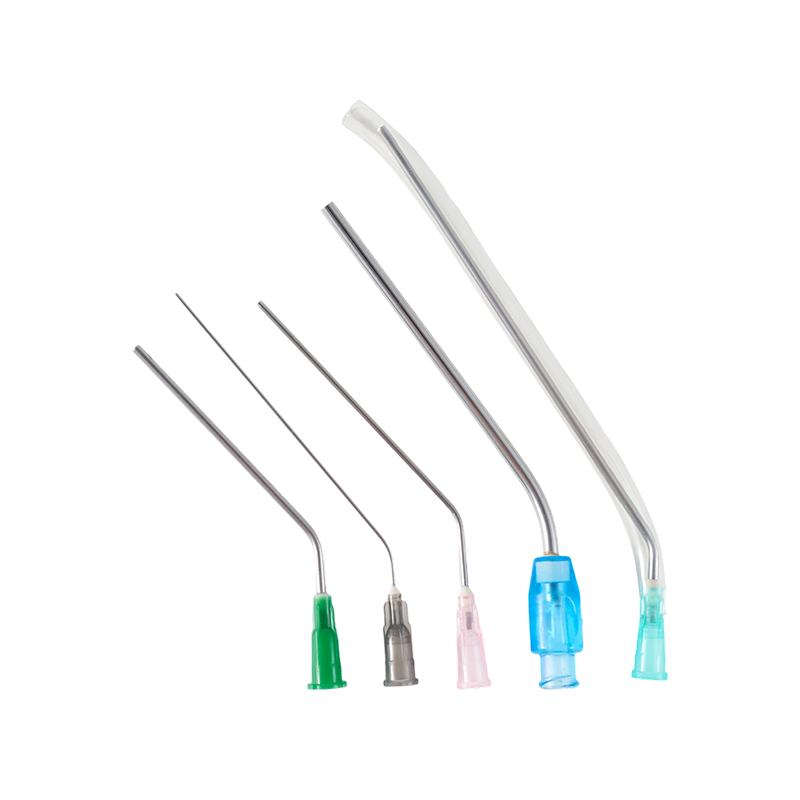
The material of the needle is Medical grade SUS304,which have great stiffness, t...
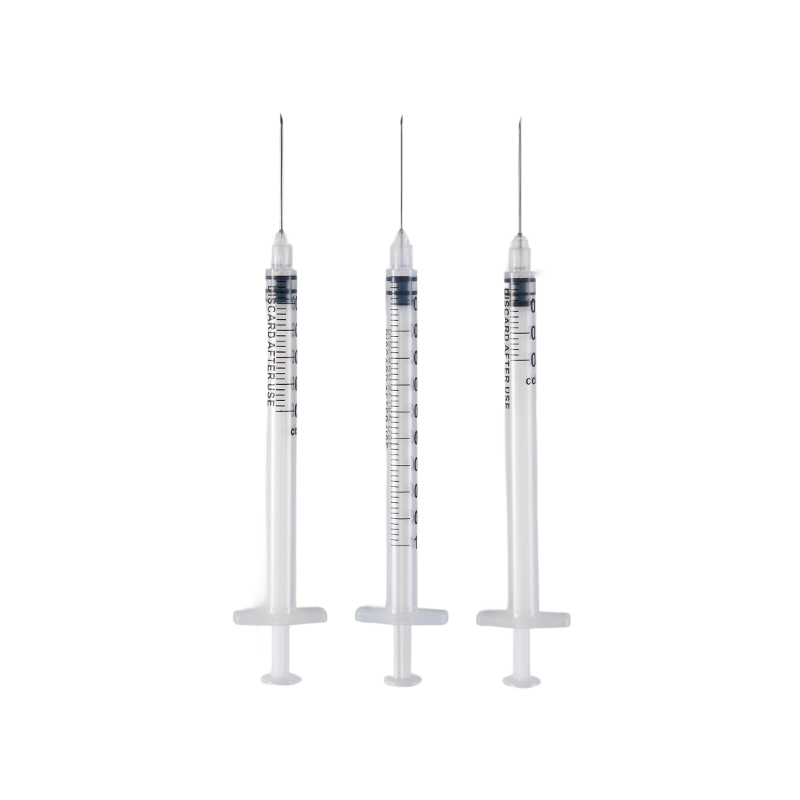
The barrel is made from high transparent polypropylene(PP),which have a bright a...

The cannula is made of high quality austenite stainless steel.The lancet tip is ...

Copyright© 2025 Zhejiang INI Medical Devices Co., Ltd.
Approval No:20150049
Medical Device Manufacturers
Disposable Medical Syringes Factory
