


 English
 Español
 中文简体
中文简体Don't hesitate to send a message
The design and production comply with ISO8537. The plastic parts are moulded by ...
At first glance, Insulin Pen Needle Suppliers may look quite similar. The products appear standardized, the descriptions often overlap, and the core function is the same. Yet, in real purchasing work, differences become noticeable over time.
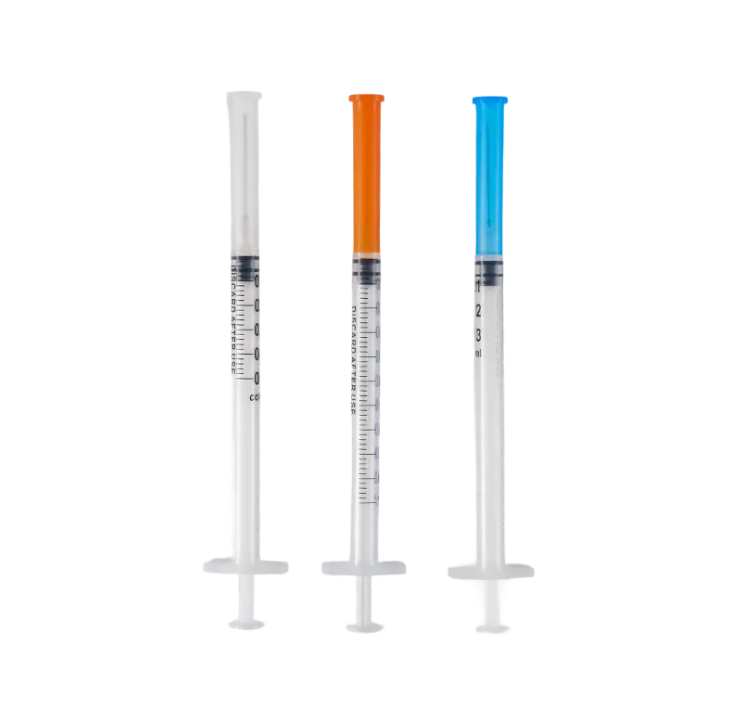
What matters is not only what is promised on paper, but how those promises hold up during repeated orders, communication cycles, and daily use in real environments. Small variations can start to matter when supply becomes continuous rather than occasional.
In practice, supplier comparison is less about ranking and more about understanding behavior patterns. How a supplier acts under normal conditions, and how it responds when conditions shift.
Product descriptions are usually the starting point. They provide a baseline. But they rarely tell the full story.
A more practical comparison often includes several simple observation points:
| Area of focus | What tends to reveal |
|---|---|
| Product behavior | Whether items feel steady across different batches |
| Communication flow | How clear and consistent replies are |
| Order handling | How smoothly requests are processed |
| Information sharing | How easy it is to obtain documents or updates |
| Delivery experience | Whether timing and condition remain steady |
None of these points alone gives a complete answer. But together, they start to form a clearer picture of how a supplier operates.
Some suppliers may look strong in documentation but weaker in communication. Others may be responsive but less consistent in delivery. These differences are not always obvious at the beginning.
Consistency is often discussed, but not always clearly measured in daily work.
One simple way is repeated observation over multiple orders. If products arrive with similar appearance and handling experience each time, it suggests a stable process behind them.
If noticeable variation appears between batches, it may indicate less control in production or changes in internal handling. These changes are not always negative, but they require attention.
Another useful source of information is feedback from end users. People who directly handle the product often notice small differences that are easy to miss in procurement reviews.
Consistency is not only about physical appearance. It also includes how predictable the supply process feels. A supplier that behaves in a steady way reduces uncertainty in planning.
Communication is often the first real interaction with a supplier. It also becomes the most frequent point of contact later on.
A supplier does not need to respond instantly, but the clarity of response is important. Clear answers reduce repeated clarification and help avoid misunderstandings.
In daily comparison work, a few practical signals are usually noticed:
When communication feels scattered or inconsistent, coordination usually takes more effort. When communication is steady, even complex orders become easier to manage.
It is also worth paying attention to how communication behaves during busy periods. That is often when structure becomes more visible.
Documentation is not only a formal requirement. It also reflects how a supplier organizes its internal systems.
Some suppliers can provide information quickly and in a clear structure. Others may take longer or provide fragmented responses. This difference often reflects how organized their internal processes are.
In comparison work, documentation is usually checked for:
A useful observation is how consistent the information remains. If details shift frequently without explanation, it can create uncertainty. Stable documentation, on the other hand, helps build confidence in long-term cooperation.
Delivery is one of the most visible parts of the supplier relationship. It is also one of the easiest to evaluate without technical interpretation.
What usually matters is not only timing, but overall handling experience. Products arriving in a stable condition, without unexpected variation in packaging or logistics behavior, often suggest controlled processes.
A simple way to observe delivery patterns includes:
| Observation point | What it may indicate |
|---|---|
| Timing regularity | Level of planning stability |
| Condition on arrival | Handling consistency |
| Packaging uniformity | Process control strength |
| Communication during shipping | Coordination quality |
Delivery performance over time tends to reveal more than a single shipment. One delay or variation may not be meaningful on its own, but repeated patterns often are.
Order changes happen in most supply relationships. What matters is how they are handled.
Some suppliers adjust smoothly, confirming changes clearly and updating processes without confusion. Others may require multiple steps of clarification or show inconsistent responses.
This difference is often linked to internal structure. Suppliers with clearer systems tend to handle adjustments in a more predictable way.
In real comparisons, it is useful to observe:
Handling change is often more revealing than routine operations, because it shows how flexible and organized the system really is.
Short-term impressions can be useful, but they rarely tell the full story. Supplier behavior becomes clearer over time.
With repeated interaction, patterns start to appear. Communication style becomes more predictable. Delivery behavior either stabilizes or shows variation. Documentation becomes easier or harder to access.
Long-term evaluation often focuses on whether uncertainty decreases or increases over time.
A simple observation approach is to ask:
If the answer trends toward stability, the cooperation usually becomes smoother.
If the opposite happens, even if early impressions were positive, extra attention may be needed.
Comparing suppliers is not about finding a perfect match. It is more about understanding which supplier fits a specific working rhythm.
Some suppliers are structured and steady. Others are flexible but less predictable. Both types may be useful depending on the situation.
What matters most is alignment between expectations and actual behavior over time. When that alignment is strong, coordination tends to feel more natural.
Instead of focusing on a single evaluation point, it is often more practical to observe patterns across communication, delivery, documentation, and consistency together.
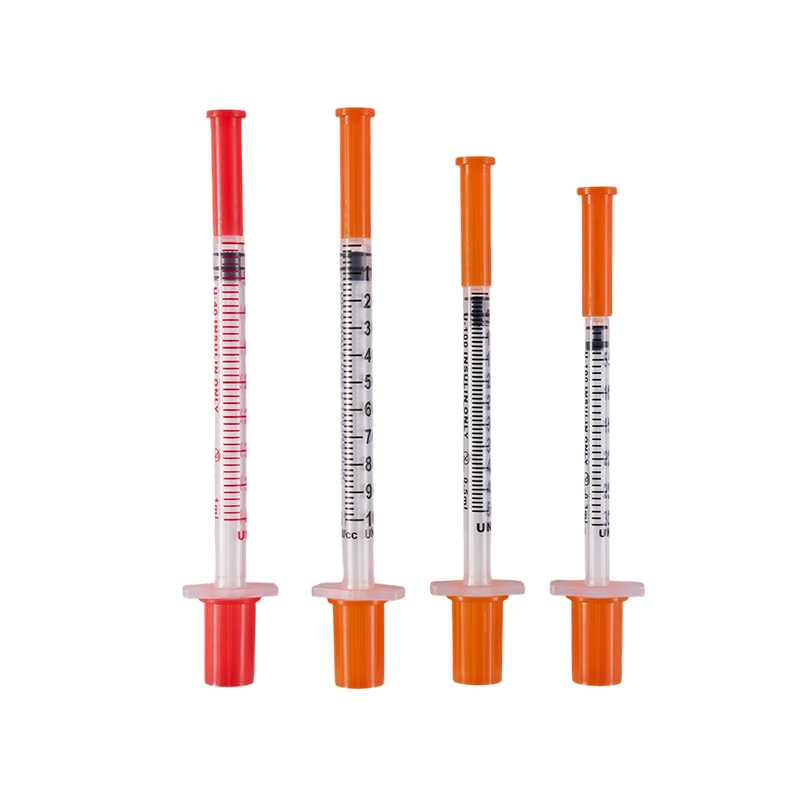
The design and production comply with ISO8537. The plastic parts are moulded by ...
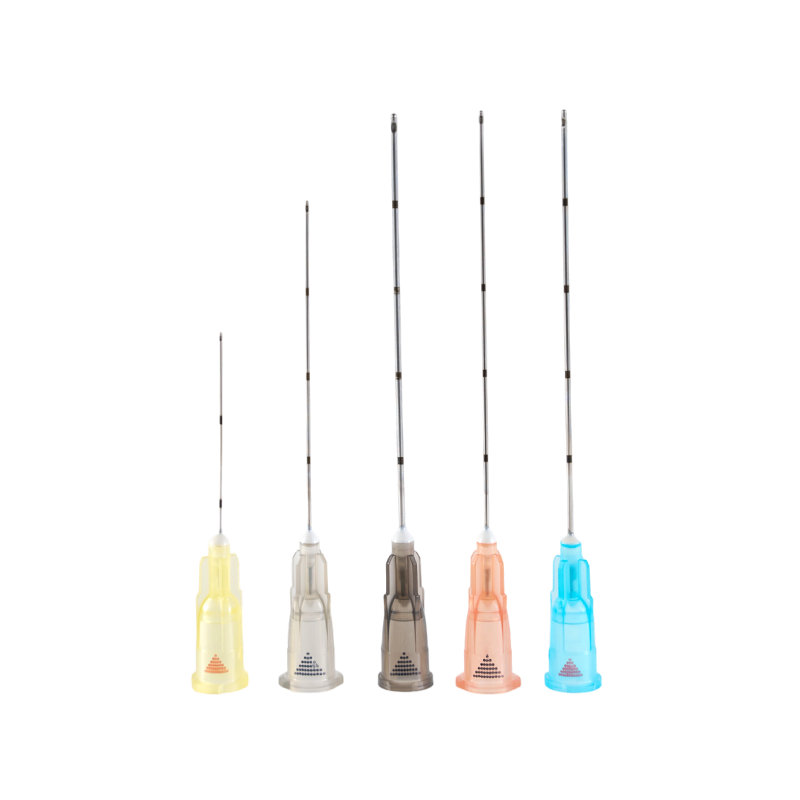
There are three kinds of the tip types, Sealed-circle with 2 side holes, sealed-...
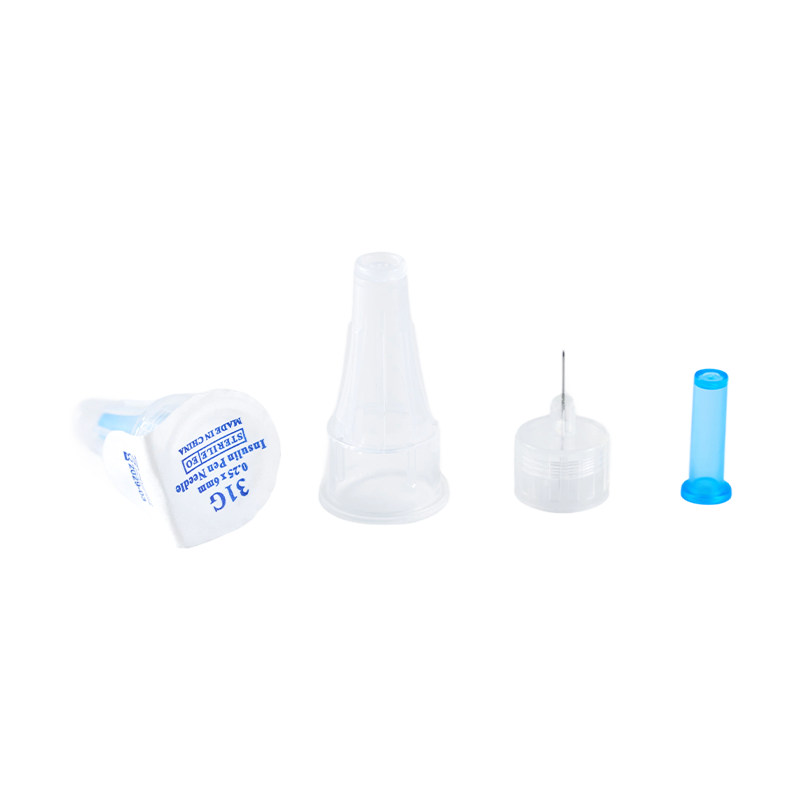
Assembling with insulin pen, for insulin hypodermic injection.The plastic parts ...
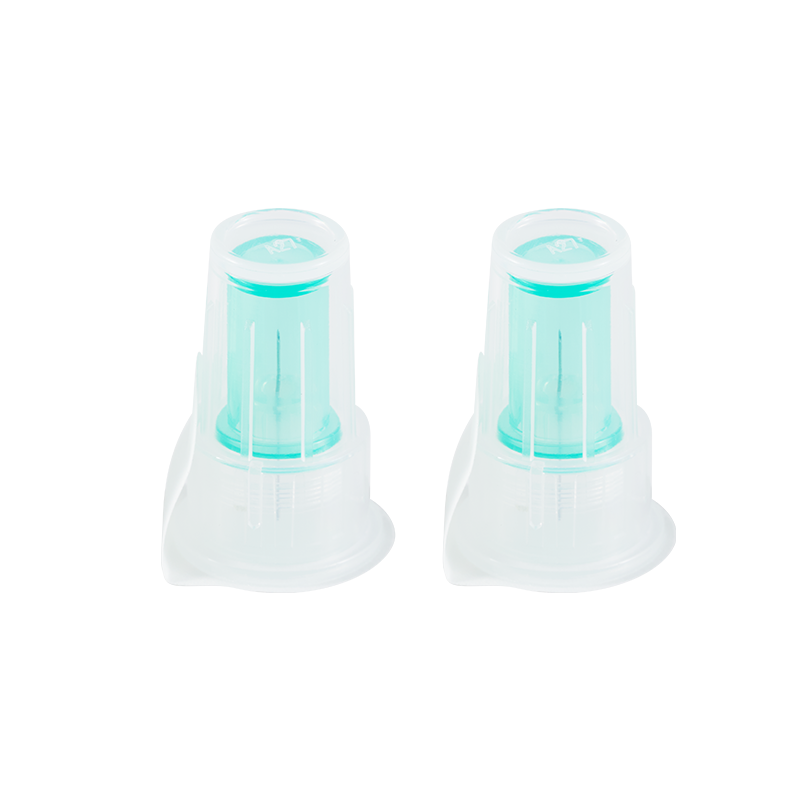
Used in conjunction with an insulin pen, it is used for subcutaneous injection o...

The cannula is made of high quality austenite stainless steel.All the components...
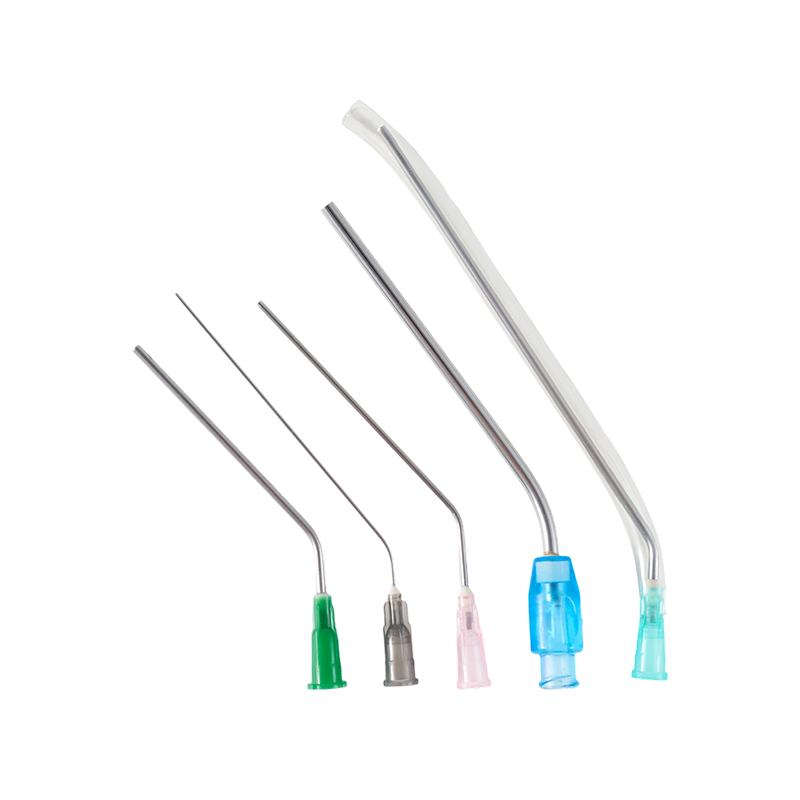
The material of the needle is Medical grade SUS304,which have great stiffness, t...

The barrel is made from high transparent polypropylene(PP),which have a bright a...
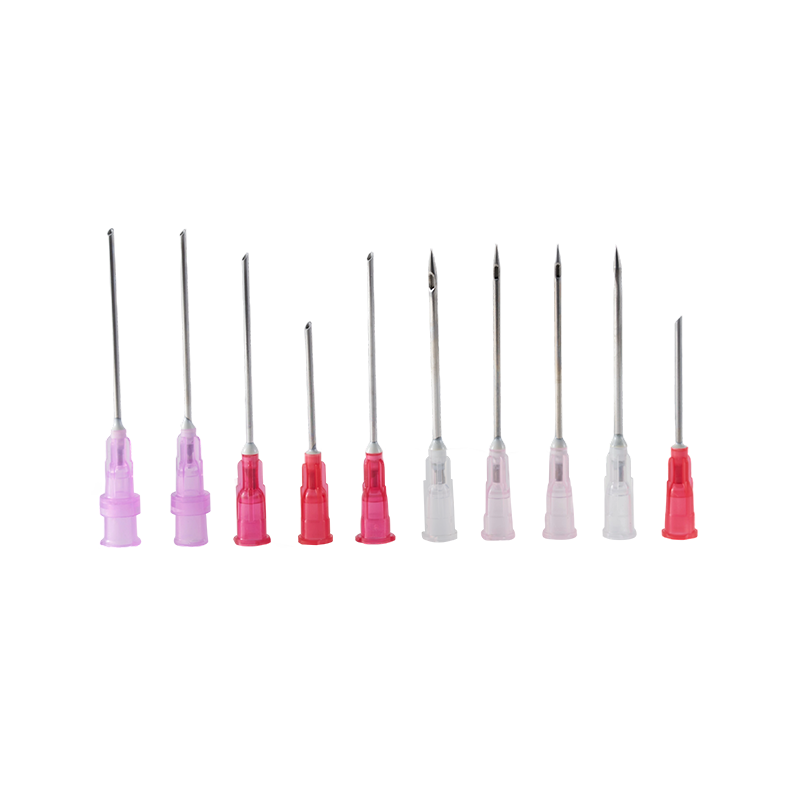
The cannula is made of high quality austenite stainless steel.The lancet tip is ...

Copyright© 2025 Zhejiang INI Medical Devices Co., Ltd.
Approval No:20150049
Medical Device Manufacturers
Disposable Medical Syringes Factory
