


 English
 Español
 中文简体
中文简体Don't hesitate to send a message
The design and production comply with ISO8537. The plastic parts are moulded by ...
Syringe And Needle Producer are small tools, yet they carry a high level of responsibility in many environments. Their quality is not decided by a single stage or a single material. It is shaped through a long chain of conditions that work together from raw input to final handling.
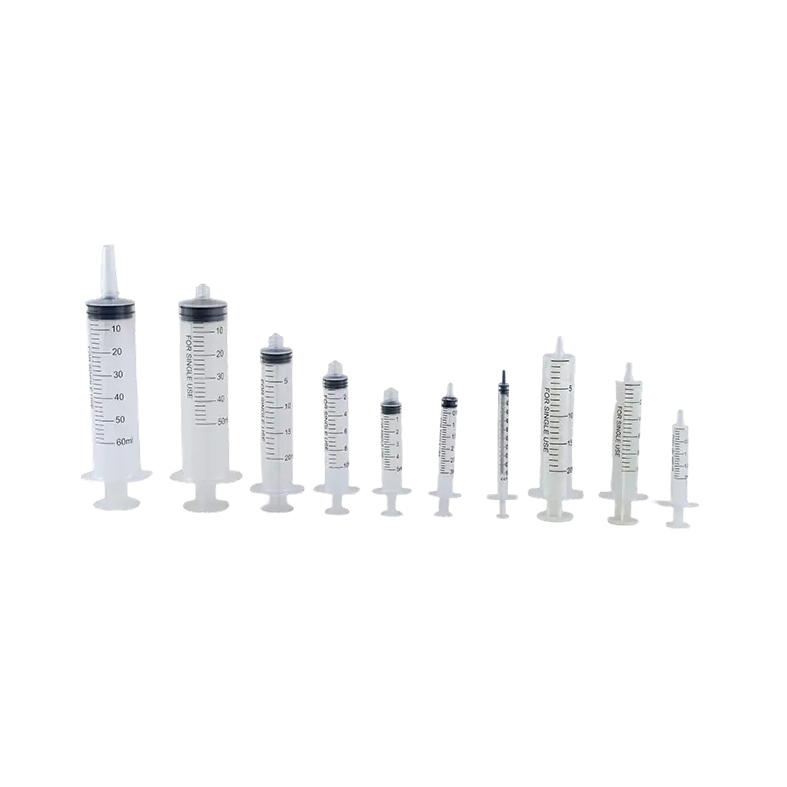
Each stage adds a small influence. These influences may seem minor alone, but together they define how stable, smooth, and consistent the final product becomes.
Raw materials form the foundation of every syringe and needle. Even before shaping begins, the stability of materials already determines many later outcomes.
Materials must stay consistent in structure and behavior. If there are small variations, these differences can appear later as uneven movement or surface inconsistency.
Different components require different material characteristics. The barrel needs clarity and stability. The plunger needs smooth interaction. The needle section requires strength combined with fine structure control.
Even slight inconsistency in material behavior can affect how parts interact during use.
The environment where syringes and needles are produced has a quiet but continuous impact on quality.
Air conditions, temperature stability, and surface cleanliness all influence how materials behave during processing. Small particles in the environment may affect surface smoothness. Temperature shifts may change how materials respond during shaping.
A stable environment helps reduce unexpected variation. A less controlled environment may introduce small inconsistencies that become noticeable later in performance.
Quality is not shaped by one factor alone. It is the result of multiple connected elements working at the same time.
| Factor Area | What It Influences | Result on Final Product |
|---|---|---|
| Raw material stability | Base structural behavior | Consistent or uneven product feel |
| Environmental control | Surface and forming consistency | Smooth or irregular finishing |
| Shaping process | Component alignment | Flow resistance or smooth movement |
| Surface finishing | Interaction quality | Comfort during use |
| Assembly precision | Structural fit | Stability and reliability |
| Handling conditions | Post-production condition | Surface or shape variation |
| Storage environment | Long-term stability | Preservation of product quality |
Each factor connects with others. A small change in one area can influence several others at the same time.
Shaping is one of the most sensitive parts of production. Syringes and needles require consistent geometry at a very small scale.
If shaping is not stable, components may not align smoothly. Even minor differences can influence how parts move together.
The barrel must allow smooth internal movement. The needle structure must maintain balance between thinness and strength.
Precision is not only about shape accuracy. It is also about maintaining consistent behavior across multiple units.
Surface condition plays a direct role in how the product feels during use.
A smooth surface reduces resistance and supports steady movement. If the surface is uneven, friction may increase and movement may feel less consistent.
Surface condition also affects cleanliness behavior. A smoother surface tends to resist unwanted buildup more effectively.
Even small surface changes can influence comfort and performance.
Syringes and needles consist of multiple parts that must work together in a stable way.
If parts are not aligned properly, movement may feel uneven. Small gaps or shifts can affect how smoothly the product operates.
Assembly requires consistent positioning. Each component must match the intended structure without deviation.
Even when parts are individually correct, poor alignment can affect overall performance.
After production, syringes and needles still require careful handling. Their condition can change if exposed to unstable environments.
Pressure, movement, or improper stacking may cause small structural changes. Surface quality may also be affected during transport.
Storage conditions help maintain stability. A controlled environment helps preserve both structure and surface quality.
Even after production ends, quality can still be influenced by external factors.
Long-term quality is not only about initial production. It is also shaped by how products behave over time in storage and handling environments.
Some factors may gradually influence condition:
These influences are usually slow and subtle. However, they can affect final product consistency if not managed properly.
In syringe and needle production, even small differences can create noticeable effects.
A slight surface change may affect movement. A minor alignment shift may influence usability. Small variations can interact and create larger differences in overall performance.
This is why consistency across all stages is important. It is not one major factor that defines quality, but the accumulation of many small details.
Modern production systems rely on repeatable processes. Stability comes from controlling variation at each stage.
Monitoring helps detect small changes early. Adjustments can then be made before variation spreads further.
Consistency is maintained through repetition, observation, and controlled adjustment.
The goal is not only to produce items, but to maintain uniform behavior across all units.
All quality factors are connected in a chain. Raw materials influence shaping. Shaping affects assembly. Assembly influences surface behavior. Surface behavior affects final performance.
Even storage and handling become part of this chain.
When one part changes, others may respond indirectly. This connection is what makes quality control a continuous process rather than a single step.
Syringe and needle quality is shaped through a combination of material stability, environmental control, shaping precision, assembly accuracy, and handling conditions. Each factor contributes quietly, and together they define how consistent and stable the final product becomes in real use environments.
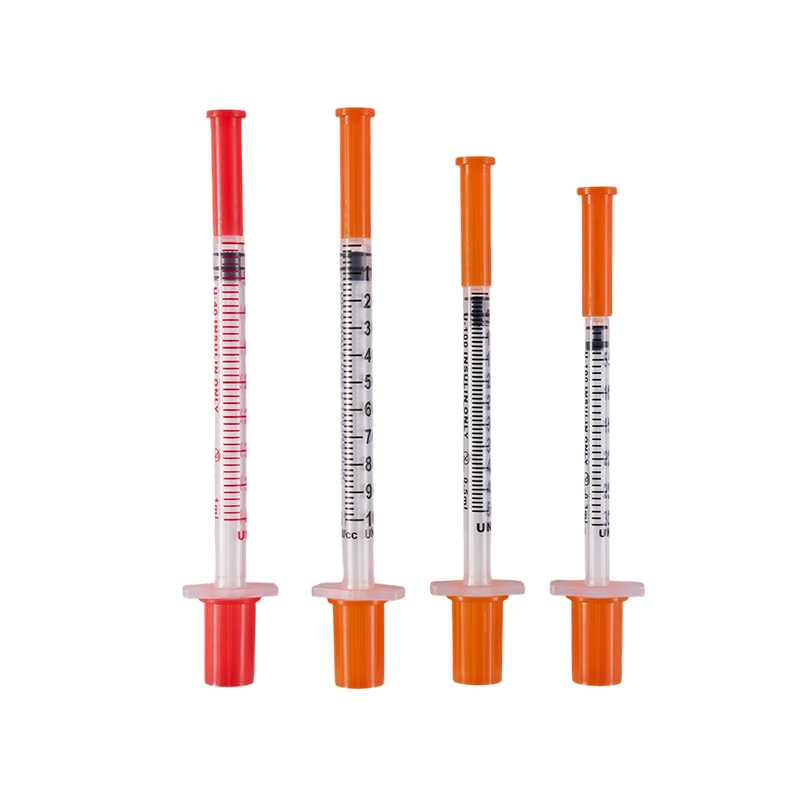
The design and production comply with ISO8537. The plastic parts are moulded by ...
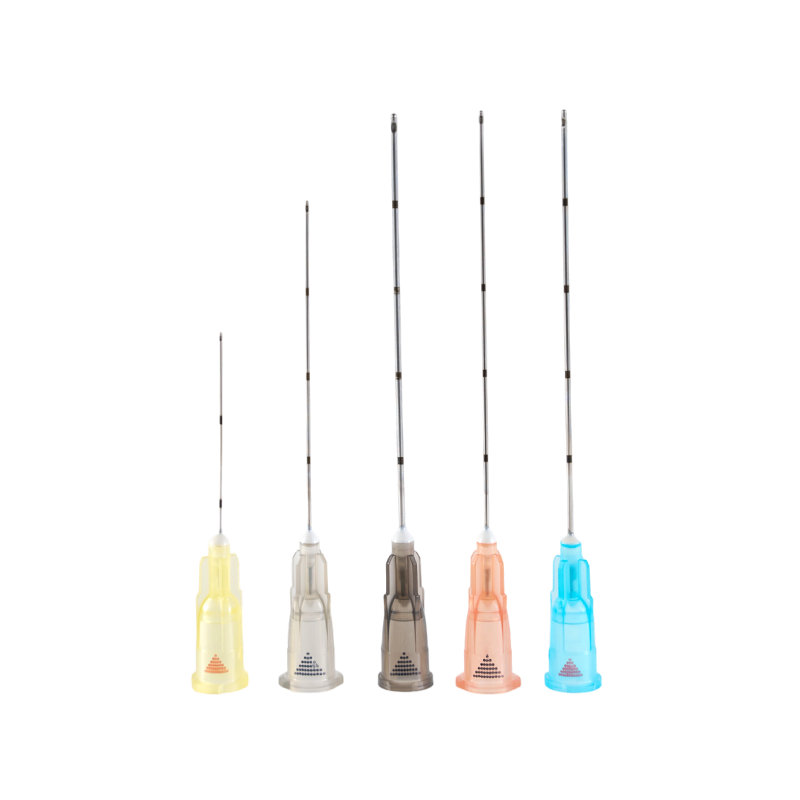
There are three kinds of the tip types, Sealed-circle with 2 side holes, sealed-...
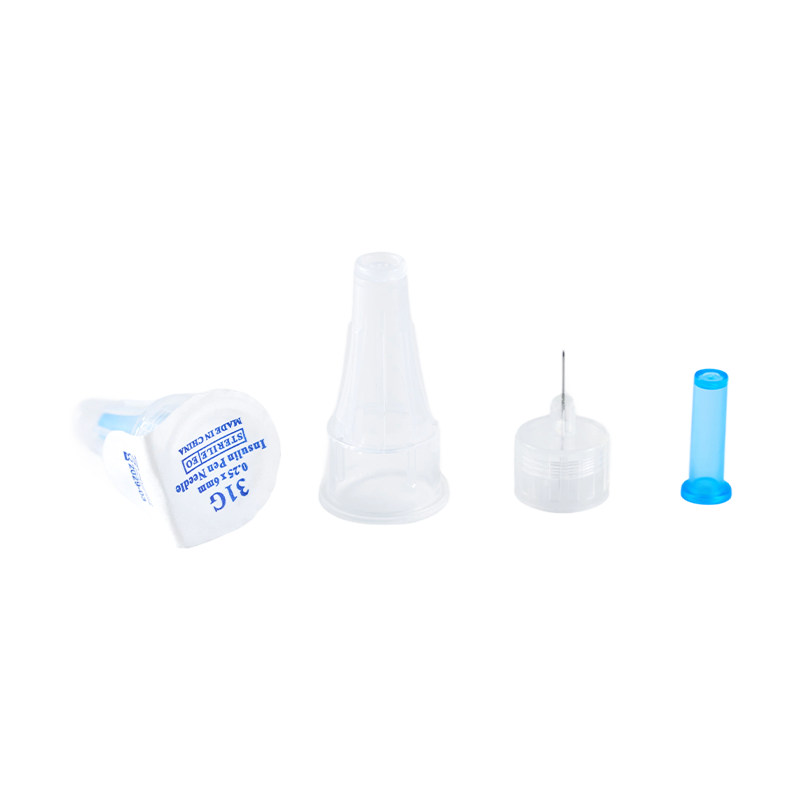
Assembling with insulin pen, for insulin hypodermic injection.The plastic parts ...
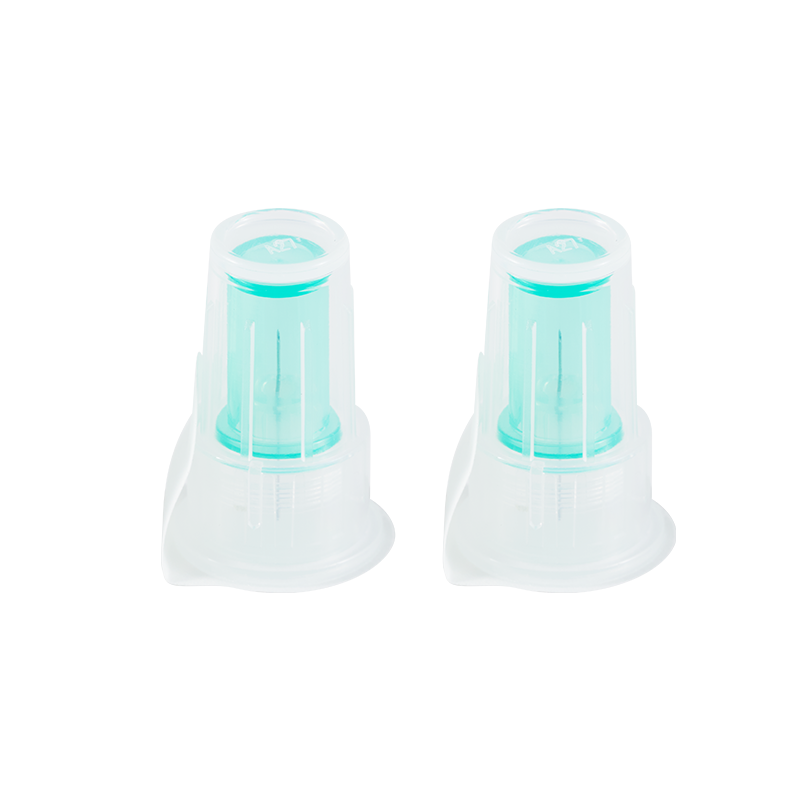
Used in conjunction with an insulin pen, it is used for subcutaneous injection o...
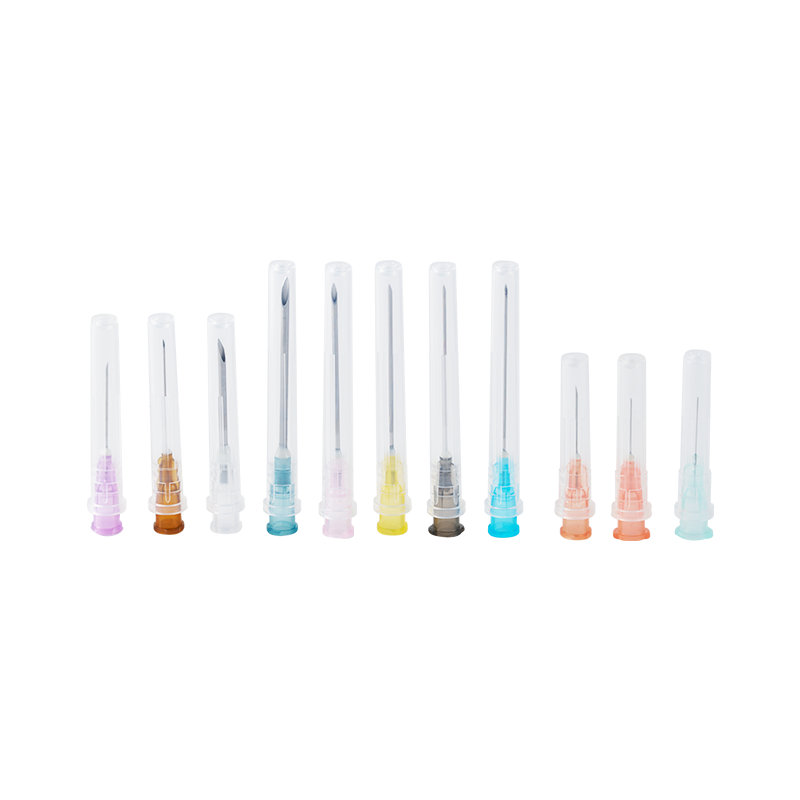
The cannula is made of high quality austenite stainless steel.All the components...
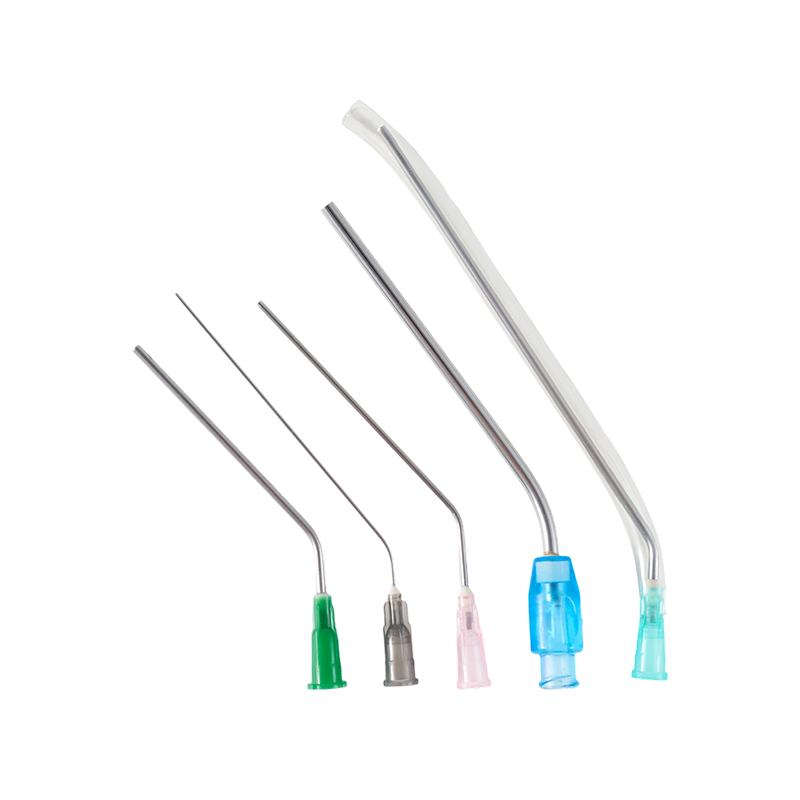
The material of the needle is Medical grade SUS304,which have great stiffness, t...
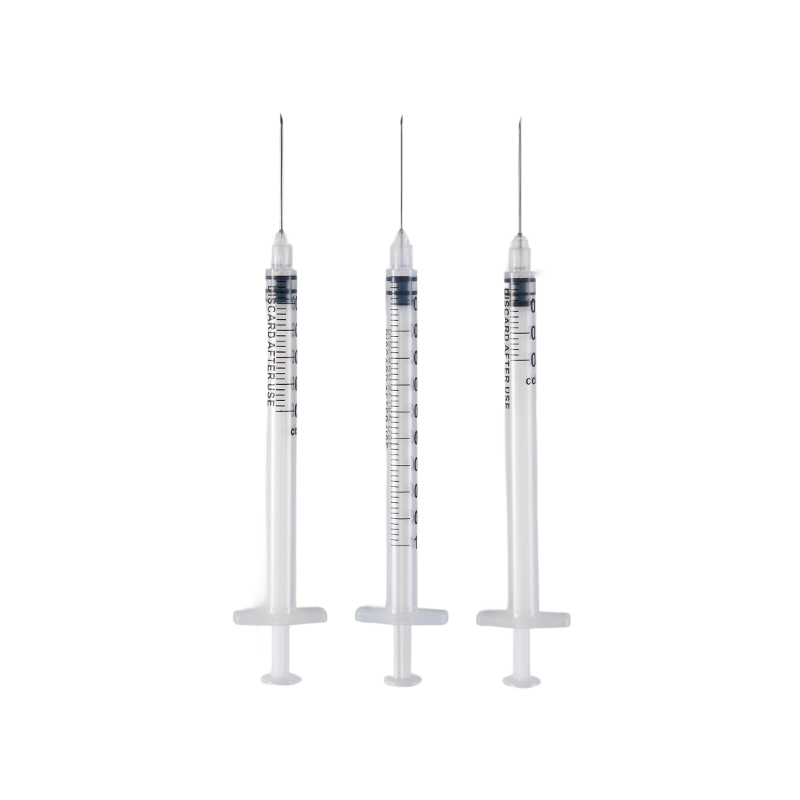
The barrel is made from high transparent polypropylene(PP),which have a bright a...

The cannula is made of high quality austenite stainless steel.The lancet tip is ...

Copyright© 2025 Zhejiang INI Medical Devices Co., Ltd.
Approval No:20150049
Medical Device Manufacturers
Disposable Medical Syringes Factory
