


 English
 Español
 中文简体
中文简体Don't hesitate to send a message
The design and production comply with ISO8537. The plastic parts are moulded by ...
In most hospitals, attention is naturally drawn to large medical equipment, monitors, and surgical systems. Those are easy to notice because they define the clinical environment visually. But in actual daily operations, a lot of small consumable tools appear in almost every department, quietly supporting routine work.
A disposable irrigation needle is one of those tools. It does not stand out in appearance or complexity, and it is rarely discussed outside clinical circles. Still, it shows up in many different hospital areas where cleaning, flushing, or controlled fluid application is part of the workflow.
What makes it interesting is not just where it is used, but how differently it is used depending on the department. The same basic tool can support very different working styles, from fast emergency care to slow and precise surgical procedures.
Looking at its application across hospitals gives a clearer sense of how small tools contribute to overall clinical flow.
A disposable irrigation needle is designed for controlled delivery of fluid during medical procedures. It is typically single use, which helps simplify handling and avoids additional processing after use.
In real hospital settings, it is not treated as a standalone device. Instead, it is used as part of routine clinical steps.
Across departments, its role usually involves:
Even though the function sounds simple, its importance becomes clearer when looking at how often small interruptions happen in clinical environments.
Dental departments are one of the most frequent users of irrigation needles. The working area in dentistry is small, sensitive, and often requires repeated cleaning during procedures.
In daily dental practice, the tool is commonly used for:
Dental work often involves continuous short steps rather than long procedures. This creates repeated moments where quick cleaning becomes necessary.
In that environment, the irrigation needle becomes part of the natural rhythm of treatment rather than an occasional tool.
What is often noticed in practice is that without proper irrigation support, even simple procedures can feel more interrupted, especially when visibility becomes unclear inside the oral cavity.
Oral surgery sits slightly higher in complexity compared to routine dental work. Procedures are more structured and may involve deeper intervention inside the oral or jaw area.
Here, irrigation tools are used more deliberately.
Common usage includes:
In these procedures, visibility is not just about comfort. It directly affects precision.
In real operating rooms, even small accumulation of fluid can slow down decision making or require temporary pauses. Irrigation helps reduce these interruptions by allowing quick correction without breaking workflow.
In general surgery, conditions are more controlled, but also more variable depending on the procedure type.
The irrigation needle is used in different ways depending on the stage of operation.
Typical applications include:
One thing often observed in surgical environments is that workflow stability depends on how few times the team needs to stop and reset.
Even small interruptions can affect rhythm, especially when procedures last longer or involve multiple steps.
The irrigation needle helps reduce the need for full pauses during cleaning moments.
Emergency departments operate under very different conditions compared to planned procedures. Everything is faster, more reactive, and less predictable.
In this environment, tools need to be simple and quick to use without preparation delays.
Disposable irrigation needles are commonly used for:
In emergency care, there is rarely time for complex setup. The value of a tool here is how quickly it can be used without interrupting the response flow.
In many cases, irrigation is not planned in detail. It is used when the situation requires immediate cleaning support.
Wound care departments rely heavily on repeated cleaning processes. Patients may return multiple times for follow-up treatment, and each session involves similar steps.
Irrigation needles are often used for:
What makes wound care different is repetition. The same process is repeated across many patients and sessions.
Because of that repetition, tools that are simple, consistent, and easy to use become preferred in daily routines.
Operating rooms are where irrigation tools are used in a more structured and controlled way.
Even though advanced surgical systems handle most of the procedure, small consumable tools still play a role in maintaining smooth workflow.
In this setting, irrigation needles are commonly used for:
In many cases, the irrigation step is not separate from surgery. It is embedded into the flow of operation.
Surgeons and assistants often use it quickly between steps without breaking concentration or changing instruments completely.
Minimally invasive procedures rely heavily on clear visibility through narrow working channels or camera systems.
Even small obstructions can affect the entire procedure.
In these cases, irrigation is used for:
In this type of surgery, small changes in clarity can have a noticeable impact on how smoothly the procedure continues.
Because of that, irrigation tools are used carefully but frequently when needed.
Comparison Across Hospital Departments
| Department | Main Use Focus | Workflow Style |
|---|---|---|
| Dental clinic | Cleaning and visibility | Repetitive short actions |
| Oral surgery | Controlled flushing during procedures | Semi-structured workflow |
| General surgery | Field maintenance | Continuous operation |
| Emergency care | Rapid cleaning support | Fast response environment |
| Wound care | Routine cleaning | Repetitive treatment cycles |
| Operating room | Surgical field support | Structured procedures |
| Endoscopy | Internal visibility support | Precision-focused workflow |
Although the tool itself does not change, its role is shaped by environment.
Different departments prioritize different things:
Because of these differences, the irrigation needle adapts naturally to each workflow instead of forcing a fixed usage pattern.
In real hospital procurement and usage decisions, focus is rarely on technical complexity.
More attention is given to:
Over time, tools that integrate smoothly into daily routines tend to stay in use longer.
In daily hospital operation, changes are not always obvious immediately. But over time, certain patterns become clear.
With irrigation tools, teams often notice:
These effects are not dramatic individually, but they accumulate during repeated use across many cases.
A disposable irrigation needle is used in many hospital departments, but its role is not defined by complexity or visibility. It is defined by how consistently it supports small but necessary actions during medical procedures.
From dental clinics and oral surgery to emergency care, wound treatment, operating rooms, and endoscopy, the tool appears in different forms of use depending on workflow needs.
What makes it widely applied is not a single function, but its ability to fit into different clinical environments without disrupting existing procedures.
In real hospital practice, that kind of adaptability is often more important than technical complexity.
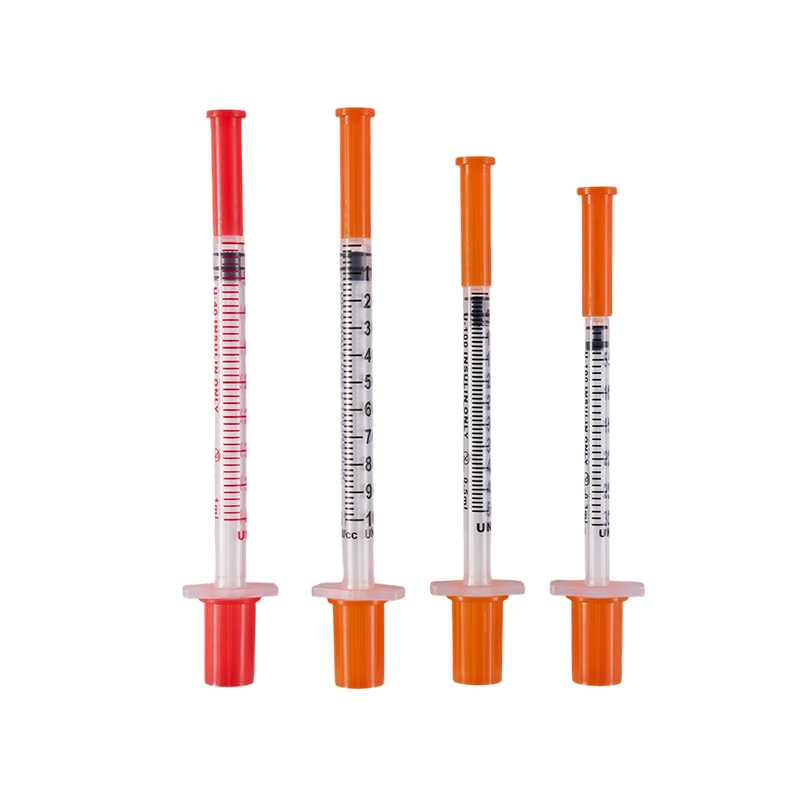
The design and production comply with ISO8537. The plastic parts are moulded by ...
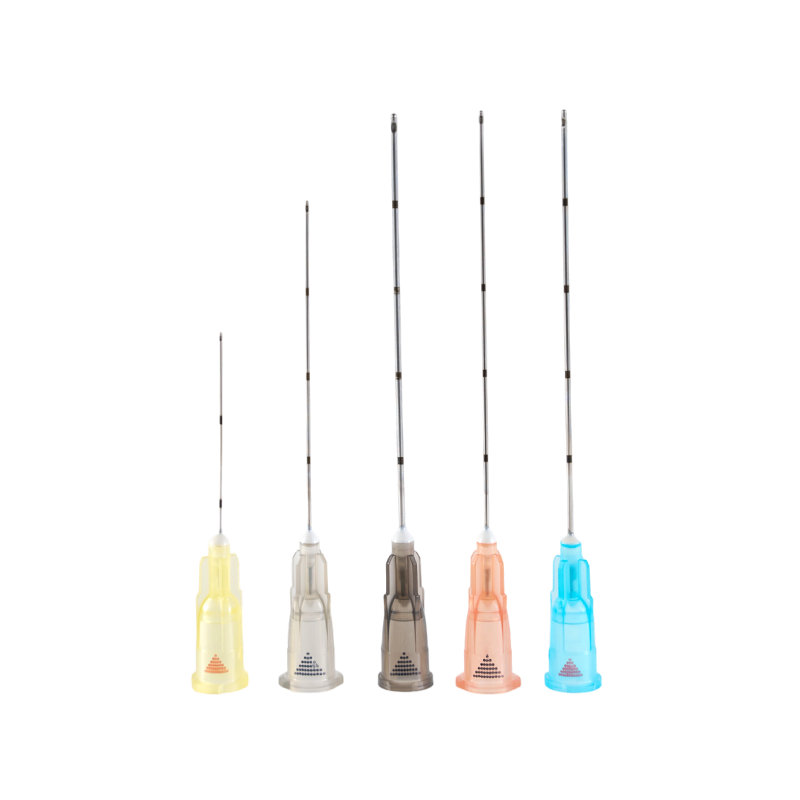
There are three kinds of the tip types, Sealed-circle with 2 side holes, sealed-...
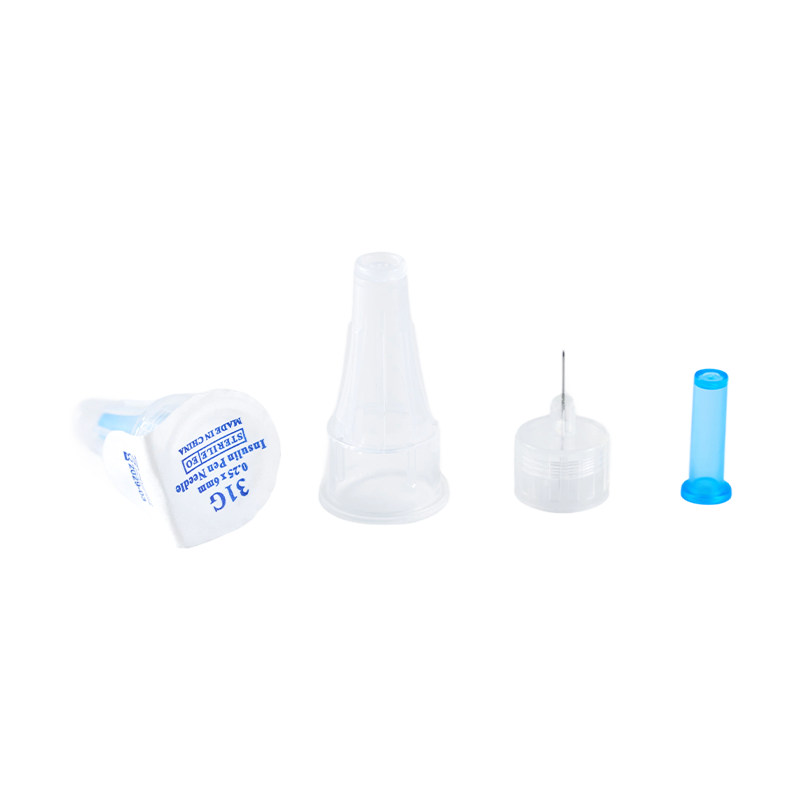
Assembling with insulin pen, for insulin hypodermic injection.The plastic parts ...
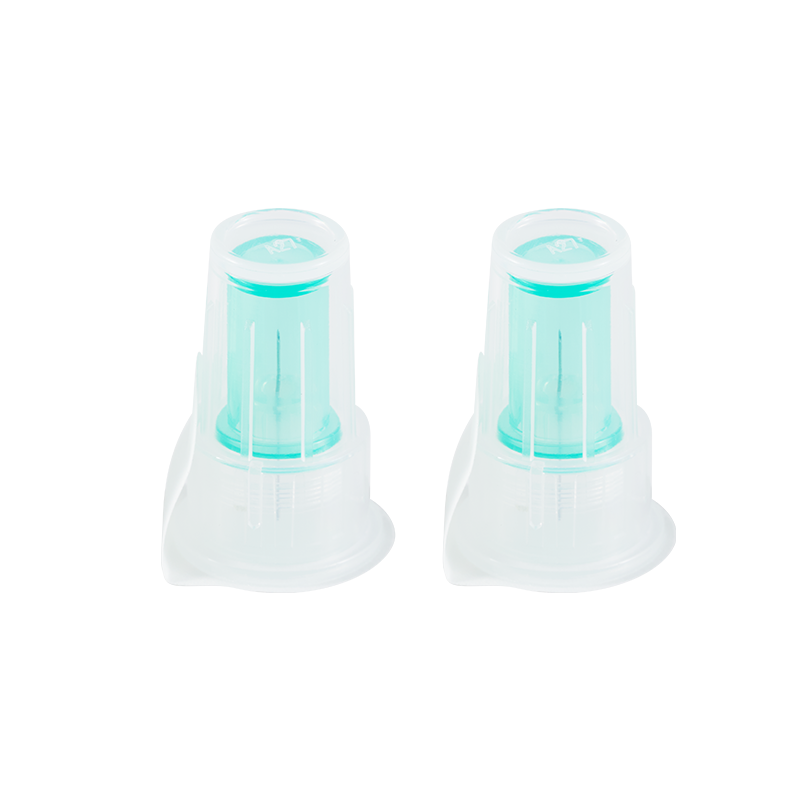
Used in conjunction with an insulin pen, it is used for subcutaneous injection o...
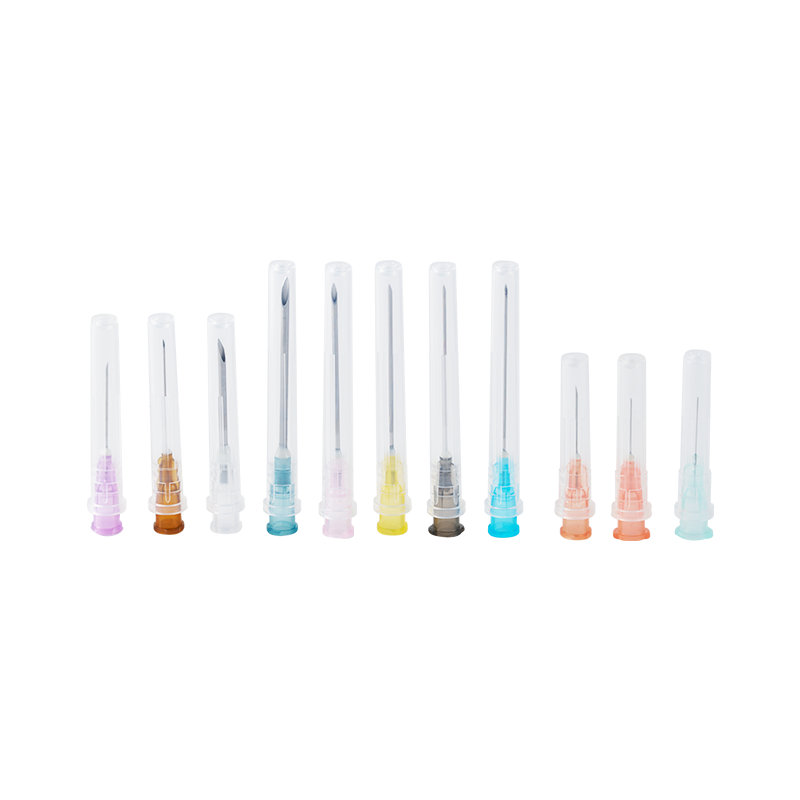
The cannula is made of high quality austenite stainless steel.All the components...
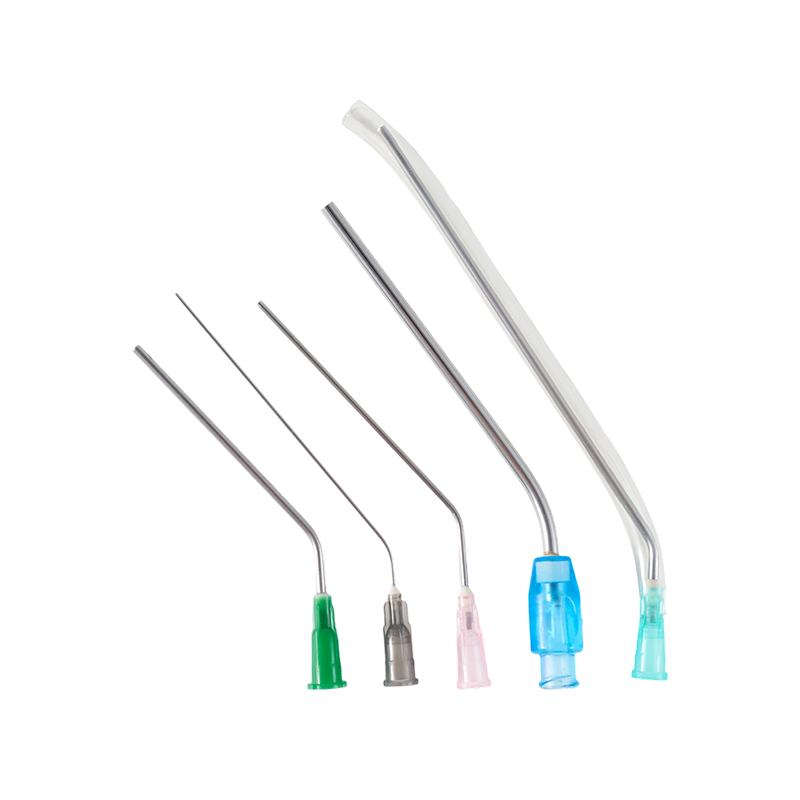
The material of the needle is Medical grade SUS304,which have great stiffness, t...
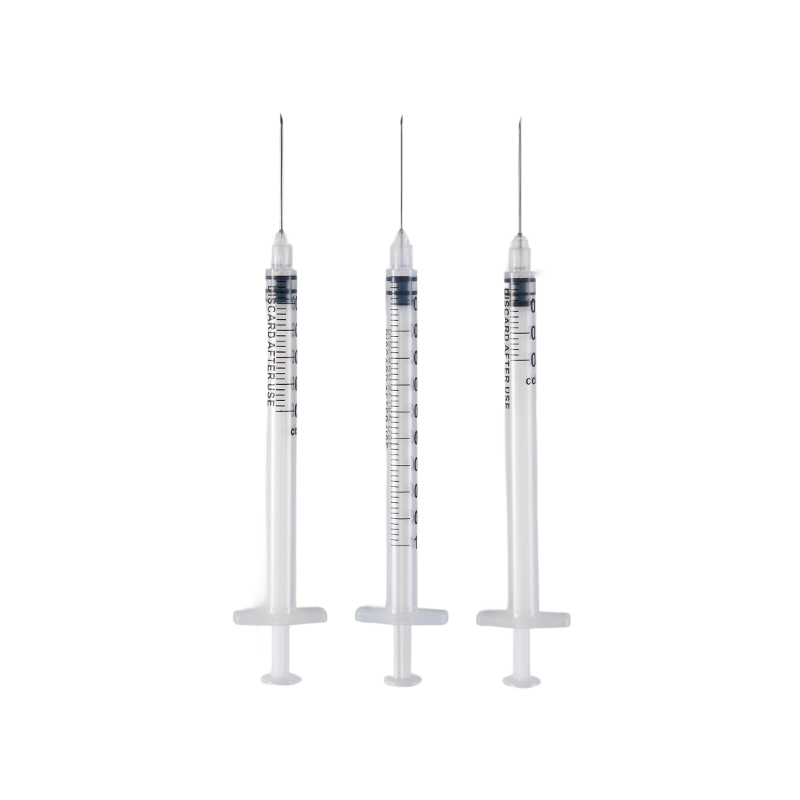
The barrel is made from high transparent polypropylene(PP),which have a bright a...
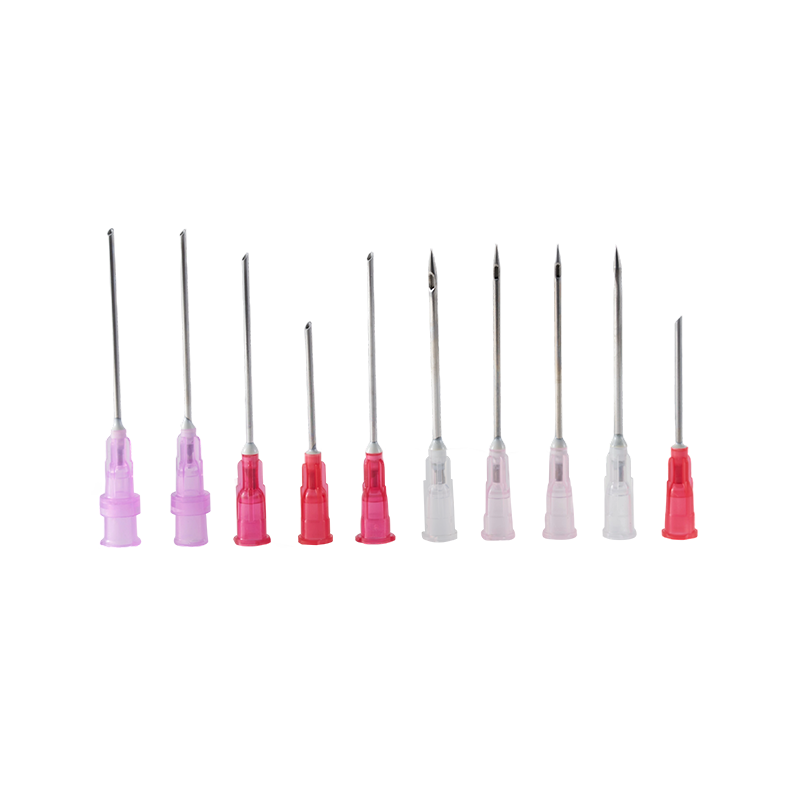
The cannula is made of high quality austenite stainless steel.The lancet tip is ...

Copyright© 2025 Zhejiang INI Medical Devices Co., Ltd.
Approval No:20150049
Medical Device Manufacturers
Disposable Medical Syringes Factory
