


 English
 Español
 中文简体
中文简体Don't hesitate to send a message
The design and production comply with ISO8537. The plastic parts are moulded by ...
In surgical work, attention usually goes to the main instruments and the actual procedure steps. But anyone who has spent time in an operating room knows that smaller tools often decide how smooth everything feels.
A disposable irrigation needle is one of those tools. It does not look complicated, and it is not the center of the operation, but it appears repeatedly during different stages of surgery.
Its job is simple: guide fluid to where it is needed for cleaning or visibility support. In real use, though, it is less about the tool itself and more about what it helps avoid during surgery.
Most surgical teams do not talk about it directly. They just notice when things flow better, or when interruptions feel fewer.
On paper, it is just a single use irrigation component. In practice, it is used whenever the surgical field needs quick clearing or controlled flushing.
In real operating rooms, it is commonly used for:
It is not something that defines the surgery, but it supports how the surgery moves forward.
Surgery is rarely interrupted by big problems. More often, it is slowed down by small repeated ones.
Anyone who has observed procedures closely will recognize situations like:
None of these stop the procedure. But together, they change the feeling of how smooth the operation is.
That is usually where irrigation tools quietly come in.
One of the most common issues is visibility getting worse during operation.
This does not usually happen suddenly. It builds up slowly as fluid or small particles accumulate in the working area.
When that happens, even experienced surgeons may need to pause for a moment just to clear the view.
The irrigation needle helps here in a very direct way. It allows fluid to be directed exactly where it is needed, without disturbing the rest of the area too much.
In practice, that means:
It does not solve visibility issues completely, but it makes recovery faster and less disruptive.
In many procedures, cleaning is not a single step. It appears multiple times throughout the operation.
Without a simple irrigation tool, cleaning often turns into a separate action:
Each time this happens, the rhythm breaks slightly.
One interruption does not matter much. But when it repeats, the flow of the surgery feels less stable.
A disposable irrigation needle reduces the need for these full stops. Cleaning becomes something that happens inside the workflow instead of outside it.
Fluid is always present in surgical environments. It is part of the process. The issue is not the presence itself, but the accumulation.
When fluid is not controlled well, it starts to affect:
The irrigation needle helps by giving more control over where fluid goes and how it is cleared.
Instead of spreading across the whole field, it can be managed in smaller, targeted ways.
Anyone who has seen surgery closely knows space is always tight.
There are multiple tools, hands, angles, and movements happening at the same time.
When more tools are added, the space becomes even more sensitive.
In that kind of environment, a tool that is simple and does not stay in the way becomes useful.
A disposable irrigation needle fits that pattern. It can be used quickly, removed easily, and does not require extra setup that adds clutter to the field.
Without controlled irrigation, cleaning depends more on manual handling.
That naturally creates variation. Different people may clean slightly differently, and even the same person may not repeat the exact same motion every time.
In surgery, that variation can lead to:
The irrigation needle helps reduce that variation by making fluid direction more predictable.
It does not remove human input, but it makes the outcome more stable.
One thing that often goes unnoticed in surgery is how many small adjustments happen.
Moving a tool slightly, changing angle, repositioning hand position, adjusting visibility — these are normal.
But when it happens too often, it starts to break rhythm.
The goal is not to remove adjustments completely, but to reduce unnecessary ones.
A simple irrigation tool helps by reducing the number of times the team needs to stop and reset just for cleaning or visibility.
In some environments, reusable irrigation systems are still used. They require cleaning and preparation between procedures.
That adds extra steps outside the surgery itself.
Disposable tools remove that part completely. Once used, they are discarded, and nothing needs to be processed again.
This simplifies the workflow and reduces back-and-forth handling between procedures.
The irrigation needle is not a central instrument. It does not define the operation.
Instead, it appears in small moments:
It is more like a supporting tool that appears when needed and disappears when not.
In real surgical environments, the effect is usually not dramatic. It is subtle.
But over time, teams notice:
It is not about doing more. It is about reducing small interruptions that add up.
A disposable irrigation needle does not change surgery itself. What it changes is how smoothly small supporting actions fit into the process.
By helping manage visibility, fluid control, and cleaning steps, it reduces small disruptions that tend to appear repeatedly during procedures.
In real surgical work, that kind of stability matters more than it looks on paper.
It is not a major instrument, but it plays a steady role in keeping the workflow from breaking into small interruptions.
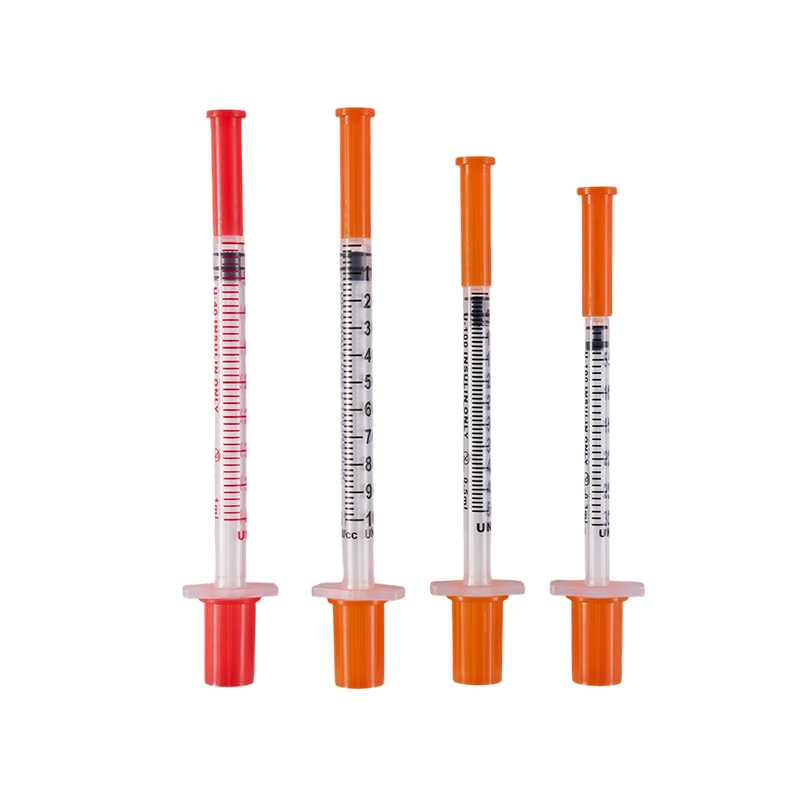
The design and production comply with ISO8537. The plastic parts are moulded by ...
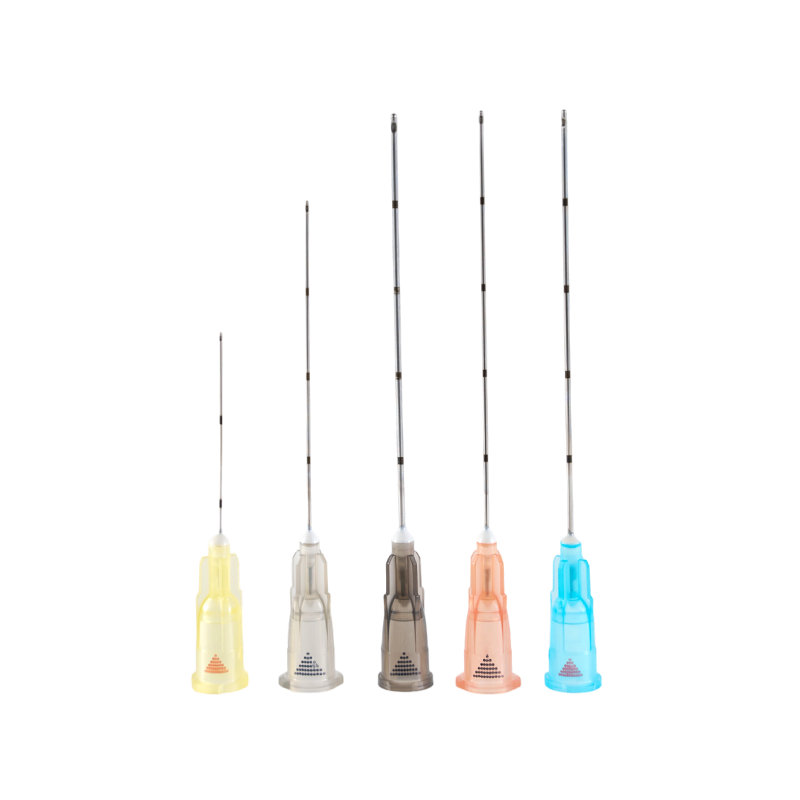
There are three kinds of the tip types, Sealed-circle with 2 side holes, sealed-...
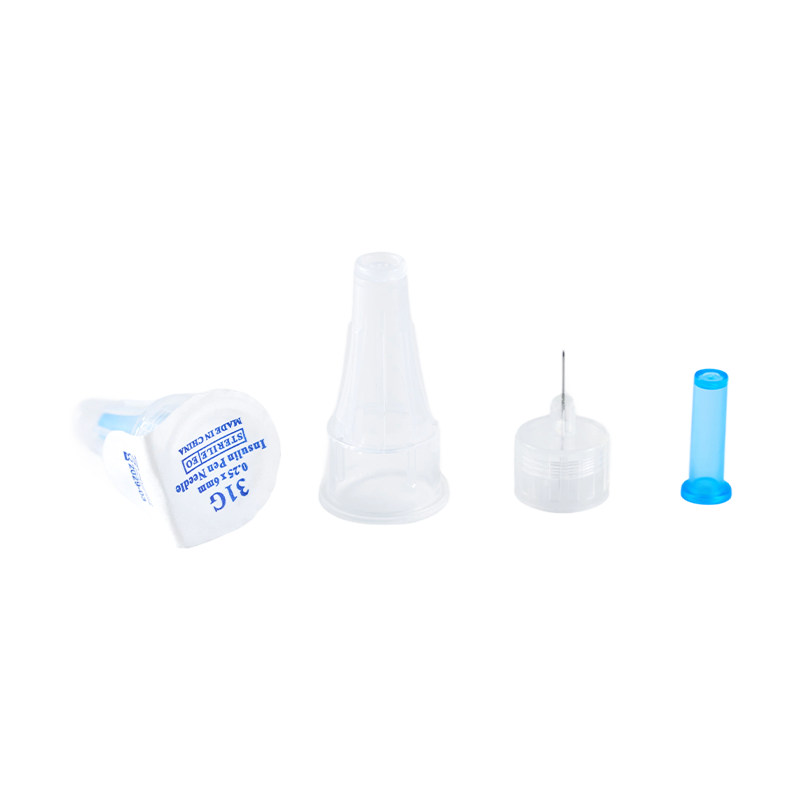
Assembling with insulin pen, for insulin hypodermic injection.The plastic parts ...
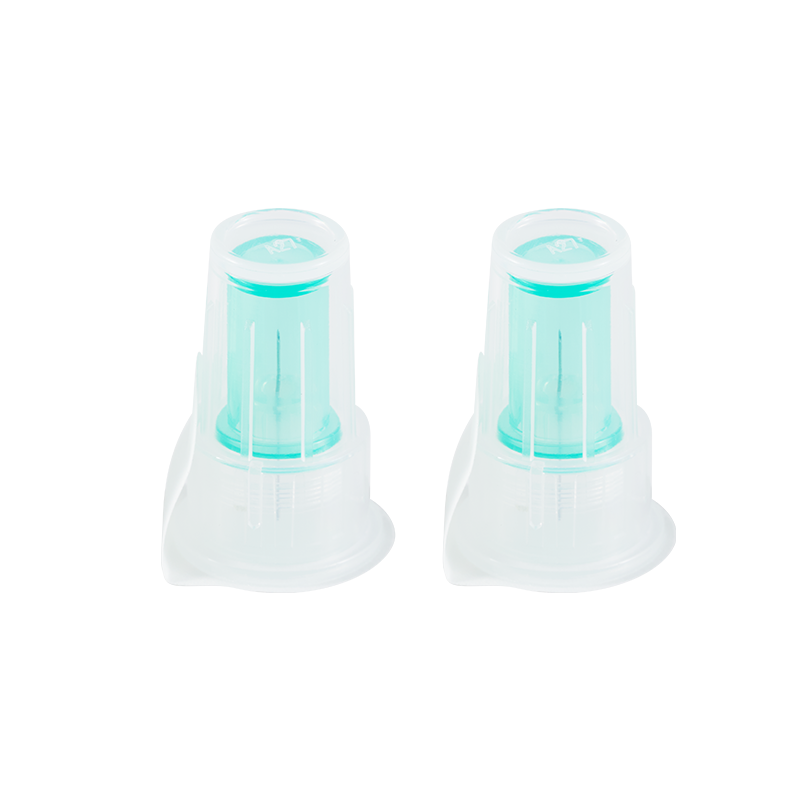
Used in conjunction with an insulin pen, it is used for subcutaneous injection o...
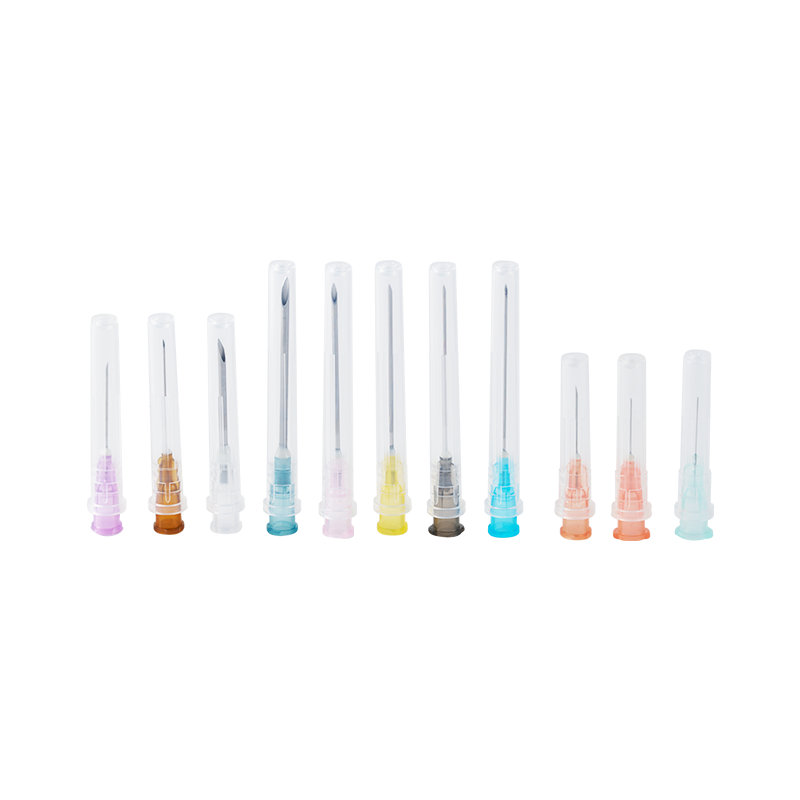
The cannula is made of high quality austenite stainless steel.All the components...
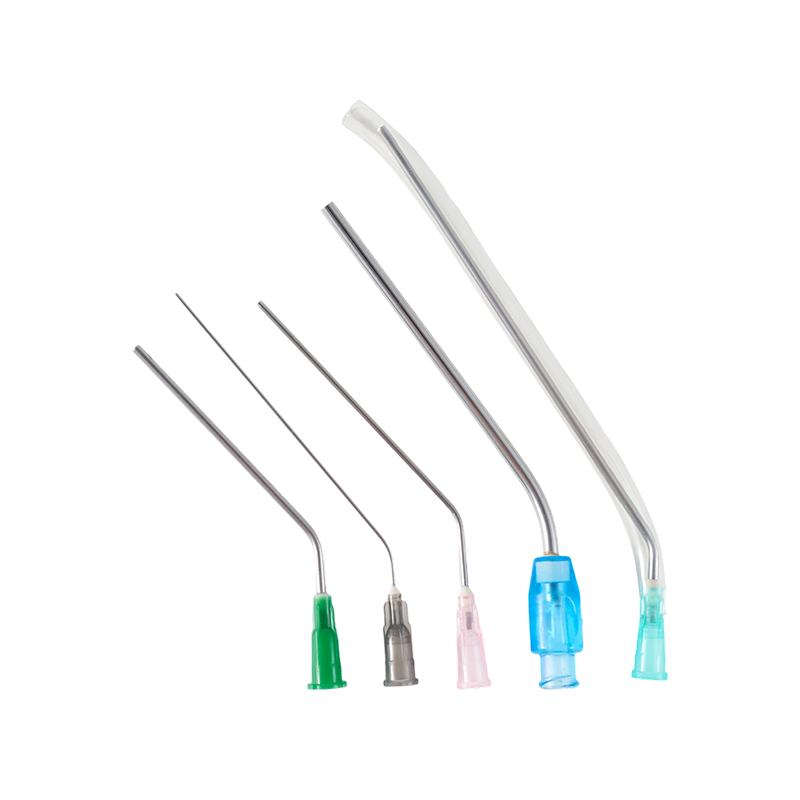
The material of the needle is Medical grade SUS304,which have great stiffness, t...
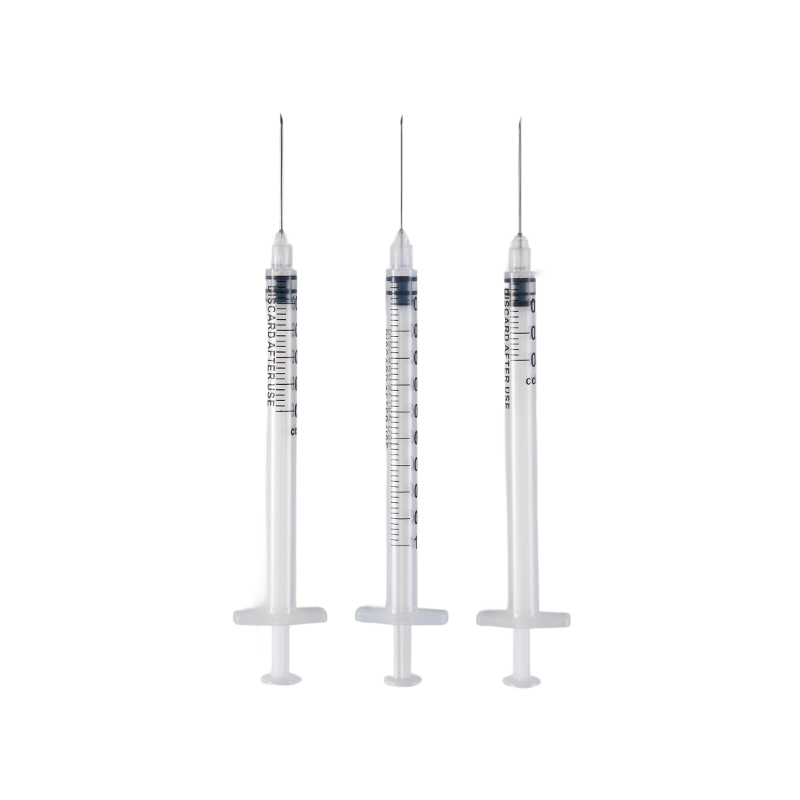
The barrel is made from high transparent polypropylene(PP),which have a bright a...
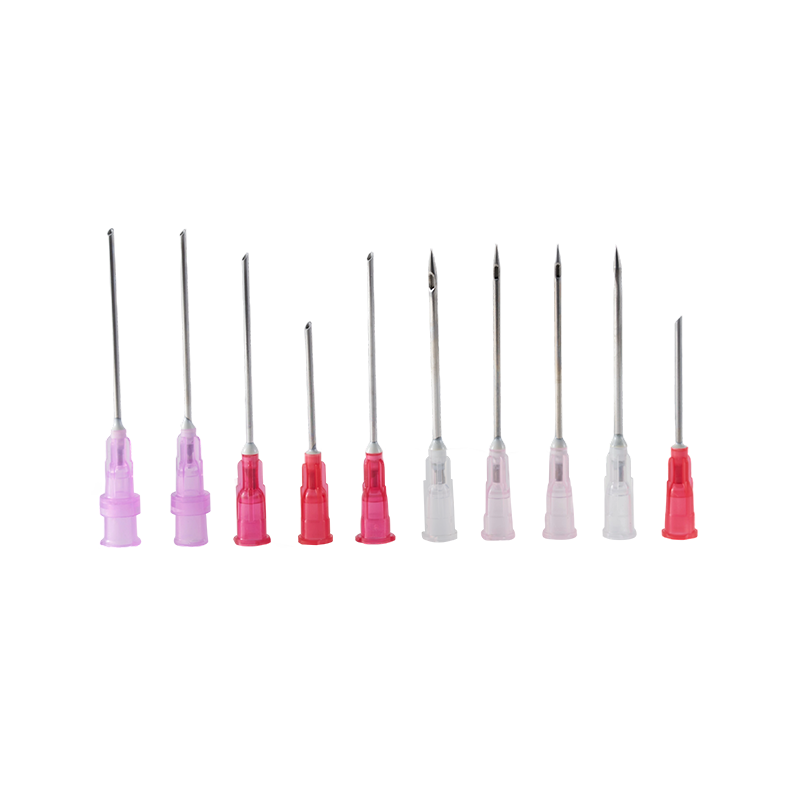
The cannula is made of high quality austenite stainless steel.The lancet tip is ...

Copyright© 2025 Zhejiang INI Medical Devices Co., Ltd.
Approval No:20150049
Medical Device Manufacturers
Disposable Medical Syringes Factory
