


 English
 Español
 中文简体
中文简体Don't hesitate to send a message
The design and production comply with ISO8537. The plastic parts are moulded by ...
In medical environments, many tools are small in appearance but play an important role in daily clinical workflow. A disposable irrigation needle belongs to this category. It is widely used in dental procedures, surgical support tasks, wound care, and general clinical cleaning processes.
Although the structure is simple, the way it is selected can affect how smoothly procedures are performed. In real clinical practice, even small differences in handling experience or flow control can influence workflow efficiency.
This is why selection is not just a purchasing decision. It is closely connected to usage behavior, staff experience, and procedural requirements across different medical departments.
A disposable irrigation needle is a single use medical accessory designed to guide irrigation fluid into a targeted area. It is used when controlled cleaning or flushing is required during a medical procedure.
In practice, it is not only about delivering liquid. It also supports precision and control during treatment steps.
In daily hospital or clinic environments, this tool is commonly used for:
Each usage scenario has slightly different expectations, even though the basic function remains the same.
At first glance, it may look like a simple consumable item. However, in real operation, it directly affects:
Because of this, selection cannot be random or based only on appearance.
Many clinics assume disposable irrigation needles are interchangeable. In practice, this is not always the case.
A dental procedure may require precise and localized irrigation. A surgical procedure may require more stable and continuous flow. A general clinic may need flexibility across different tasks.
Because of this variation, a single type may not fit all environments.
If the tool does not match the procedure style, it may lead to:
These effects are not immediate failures, but they accumulate during repeated use.
To understand selection properly, it is necessary to look at how the tool is used in different environments.
In dental care, irrigation is usually applied during cleaning or treatment procedures. The working space is small, and precision is important.
Key expectations include:
Even small inconsistencies in handling can affect procedural comfort.
In surgical use, irrigation supports cleaning and visibility. The environment is more sensitive, and stability becomes more important than speed.
Important considerations include:
Here, consistency is often valued more than flexibility.
In outpatient settings, the tool may be used across different types of procedures in a single day.
This creates different expectations:
Instead of focusing on technical descriptions, practical usage factors are more important.
Different procedures require different handling behavior. Understanding the clinical application is the first step.
For example:
Medical staff often perform multiple procedures in a row. If a tool feels slightly uncomfortable, it becomes more noticeable over time.
Comfort factors include:
Fluid delivery is a core function. If flow is inconsistent, it can interrupt procedural rhythm.
In real use, staff prefer tools that behave predictably rather than those that require adjustment.
Since the product is disposable, consistency between units is important. If performance varies, workflow becomes less predictable.
Even though the structure looks simple, design differences can influence real usage experience.
Flow control behavior
In clinical practice, fluid control must feel stable. If the flow changes unexpectedly, it can affect precision during procedures.
Connection stability
The way the needle connects with equipment must feel secure. Loose or inconsistent connection can interrupt workflow.
Handling balance
Balanced structure helps reduce fatigue during repeated use. If the tool feels uneven, it may affect control during longer procedures.
Dental departments
Dental procedures usually involve repeated short applications. The focus is on precision and control in a small working area.
Surgical departments
Surgical use focuses more on stability and predictable behavior. Interruptions during operation are less acceptable.
General clinics
General clinics require flexibility. Tools must adapt to different types of procedures without complex handling.
In busy medical settings:
In smaller clinics:
In most cases, incorrect selection does not cause immediate problems. Instead, it creates gradual workflow issues.
These effects become more visible over time.
Experienced staff
Less experienced staff
In procurement environments, consistency is a key consideration.
Important aspects include:
Even small variations can affect user experience in repeated use.
Although often overlooked, packaging design influences workflow efficiency.
Practical factors include:
Training and experience influence how tools are perceived.
This is why selection is often based on group feedback.
| Application | Main Requirement | Focus in Selection |
|---|---|---|
| Dental use | Precision control | Stable fluid direction |
| Surgical use | Workflow stability | Predictable performance |
| Wound care | Gentle handling | Safe application behavior |
| General clinic | Flexibility | Easy adaptation |
Connection stability
Stable connection ensures smooth workflow without interruption.
System integration
Good compatibility reduces adjustment during procedures.
Tool switching
Easy switching supports faster clinical operation flow.
Products may look similar but behave differently in real use.
These differences usually appear during repeated use.
Evaluation is not immediate. It happens over time through repeated use.
Key observation points include:
Procurement decisions are usually based on structured evaluation.
Choosing the right disposable irrigation needle for medical use is a practical decision based on real clinical workflow rather than surface-level description.
Different medical environments require different handling behavior. Dental, surgical, and general clinical applications all have unique expectations.
A suitable option is one that integrates smoothly into daily workflow, maintains consistent performance during repeated use, and supports staff without requiring unnecessary adjustment.
When selection matches real usage conditions, it improves efficiency, stabilizes workflow, and supports long term clinical operation.
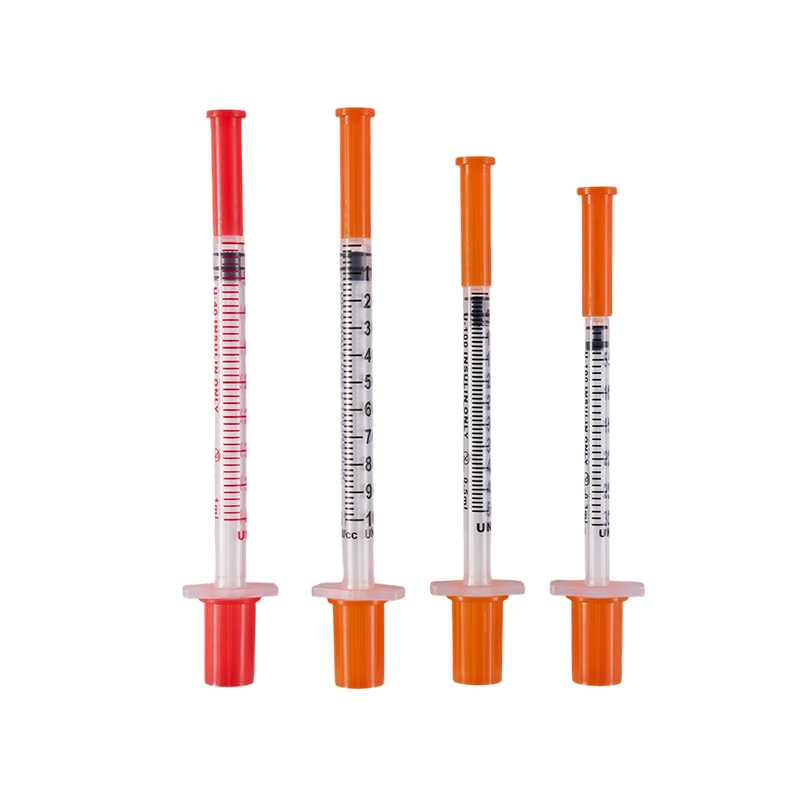
The design and production comply with ISO8537. The plastic parts are moulded by ...
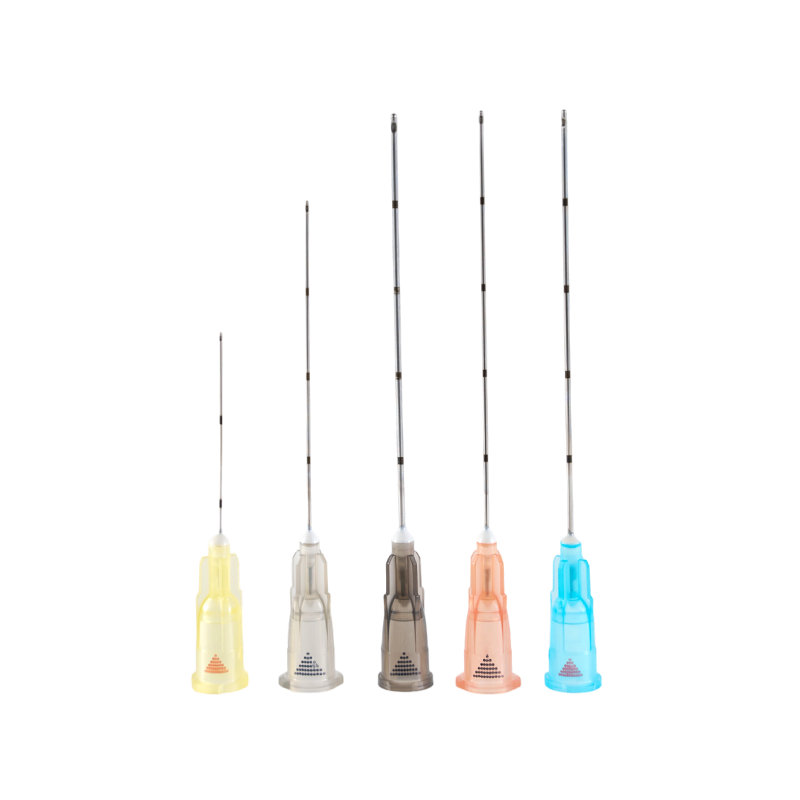
There are three kinds of the tip types, Sealed-circle with 2 side holes, sealed-...
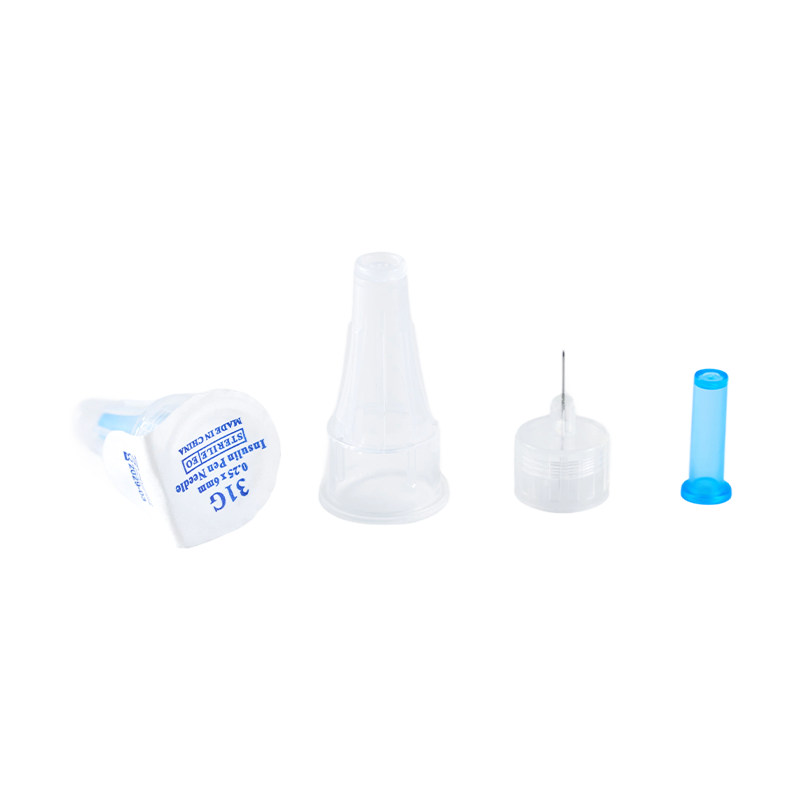
Assembling with insulin pen, for insulin hypodermic injection.The plastic parts ...
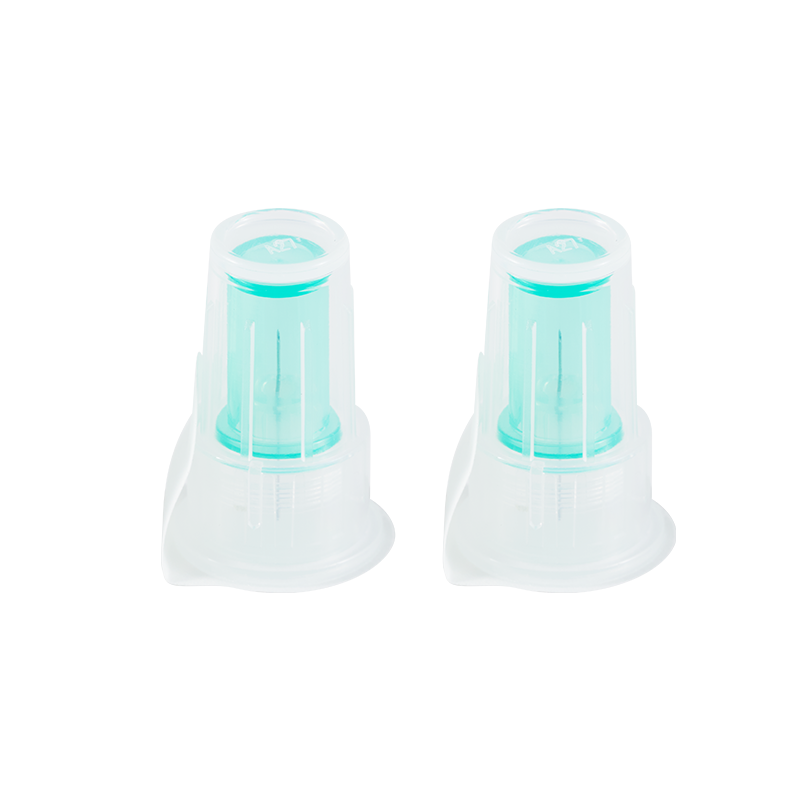
Used in conjunction with an insulin pen, it is used for subcutaneous injection o...
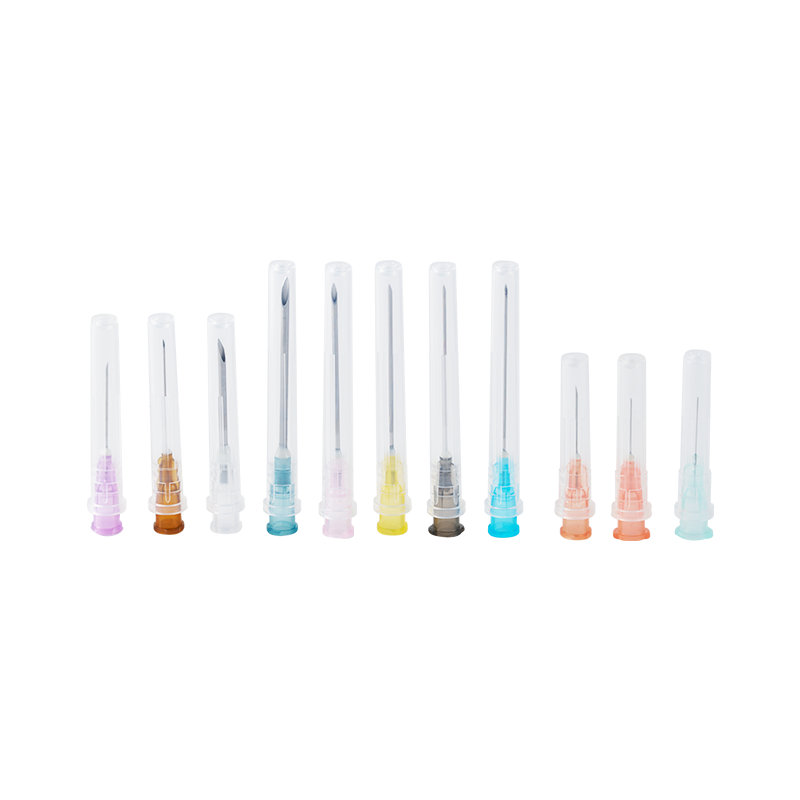
The cannula is made of high quality austenite stainless steel.All the components...
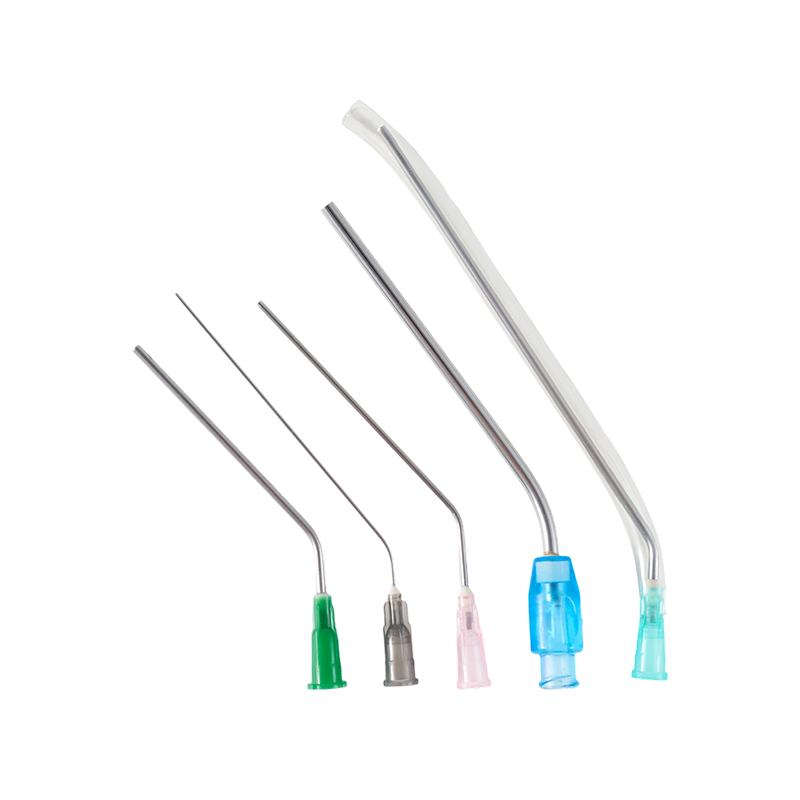
The material of the needle is Medical grade SUS304,which have great stiffness, t...
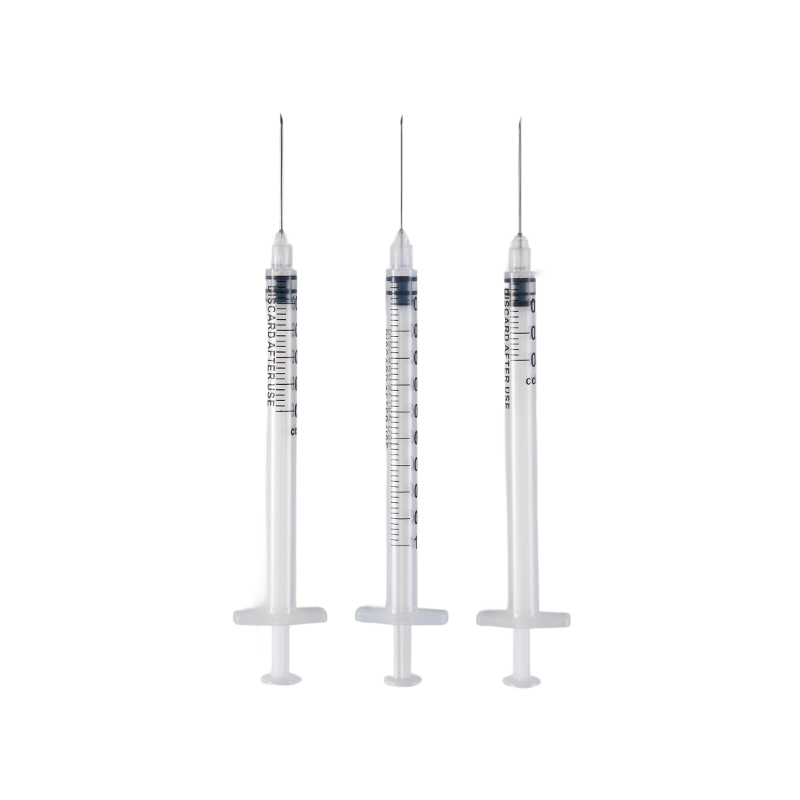
The barrel is made from high transparent polypropylene(PP),which have a bright a...

The cannula is made of high quality austenite stainless steel.The lancet tip is ...

Copyright© 2025 Zhejiang INI Medical Devices Co., Ltd.
Approval No:20150049
Medical Device Manufacturers
Disposable Medical Syringes Factory
