


 English
 Español
 中文简体
中文简体Don't hesitate to send a message
The design and production comply with ISO8537. The plastic parts are moulded by ...
The healthcare industry never really stops chasing better ways to produce the devices that keep daily medical work running. Hypodermic needles sit right in the middle of that effort — small products, sure, but making them well takes real coordination, tight quality control, and a lot of attention to detail most people never think about.
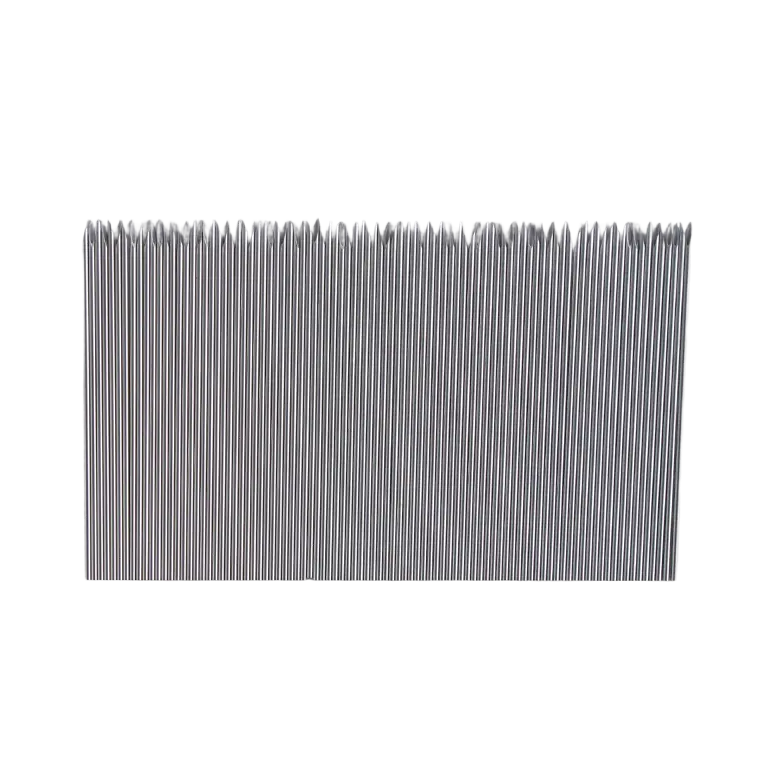
Manufacturers in this space keep tweaking how they build these things. Better organization on the factory floor means a smoother path from raw material to finished product, and that shows up in areas like production planning, quality checks, material handling, and how well different teams stay in sync.
Medical needs keep shifting, too. So manufacturers are under pressure to stay flexible without sacrificing the reliability that healthcare products absolutely require.
Making a hypodermic needle isn't a one-step job. Material prep, assembly, inspection, packaging — each stage has to line up with the next, or things start to slip.
A lot of manufacturers tackle this by rethinking how their workflows connect. Better planning means fewer bottlenecks and less time wasted waiting on the next step.
A few areas tend to get the most attention:
| Production Focus | Improvement Direction |
|---|---|
| Workflow organization | Creates smoother connections between production steps |
| Manufacturing management | Helps teams monitor and manage daily operations |
| Product consistency | Supports more stable production results |
| Process improvement | Encourages continuous development of production methods |
None of this is just about pumping out higher volumes. It's really about tightening control at every stage so nothing slips through the cracks.
Healthcare products don't leave much room for error, and manufacturers know it. A tighter production system is really what backs up the people relying on these needles every day — nurses, doctors, patients.
Medical devices have to hit certain marks for safety and reliability, full stop. And a lot of that comes down to how they're actually made.
These needles look simple, but there's a surprising amount going on behind the scenes — materials, assembly steps, inspections, packaging, all of it needs a steady hand.
A well-run manufacturing process tends to pay off in a few ways:
It also helps companies roll with the punches as the industry shifts. Healthcare doesn't stand still, so production methods can't either.
At the end of the day, a solid process is what lets a manufacturer handle today's orders while still having room to grow into whatever comes next.
Technology's become a pretty central piece of this puzzle. Manufacturers lean on different tools to keep workflows organized and production running smoothly.
Automation gets a lot of the spotlight these days. Machines handling repetitive tasks tend to produce more consistent results than manual labor alone ever could.
Digital tracking systems help too — giving teams a clearer window into what's actually happening on the floor and making communication between departments a lot less painful.
Some of what shows up on the tech side:
None of this is really about swapping people out for machines. It's more about freeing workers up to focus on the parts of the job that actually need judgment and experience.
Pair human know-how with the right tools, and you get production floors that just run a lot smoother.
Hypodermic needles turn up basically everywhere healthcare happens. A few places worth mentioning:
Hospitals and medical facilities
Hospitals lean on these constantly for routine procedures, so having a steady, reliable supply matters a lot. Manufacturers keep production humming to meet that ongoing demand.
Pharmaceutical applications
Injection-based medication delivery depends on these needles too, and manufacturers work to keep pace with what pharma companies actually need.
Medical device supply companies
Suppliers need manufacturers they can count on. When production runs efficiently, the whole supply chain moves a lot more smoothly.
Research and healthcare development
Research teams sometimes need specialized products for niche projects, and flexible manufacturing lets producers meet those one-off requirements without much trouble.
Given how widely these needles get used, it's not surprising manufacturing quality stays such a big deal across the board.
Quality control isn't optional in this business — it's baked into everything.
| Quality Area | Manufacturing Focus |
|---|---|
| Material control | Managing suitable materials during production |
| Process organization | Keeping production steps structured |
| Product inspection | Checking products during manufacturing |
| Packaging management | Supporting safe product handling |
It's not just about catching bad products at the end, either. Good quality management runs through the whole process, start to finish.
When teams keep close tabs on every stage, problems tend to surface early — before they turn into bigger headaches down the line.
And the work never really stops. Manufacturers keep circling back to their own processes, looking for small ways to tighten things up further.
Demand for these products doesn't stay flat. Manufacturers need systems flexible enough to handle the ups and downs without falling apart.
Efficiency, at its core, is about using resources well — people, materials, equipment, all working together instead of against each other.
A few things that tend to move the needle:
Run things efficiently, and a company can respond a lot faster when customer needs shift.
But speed alone isn't the whole story. Real efficiency means quality and workflow improvements moving forward together, not one at the expense of the other.
This isn't an industry where you fix things once and move on. Manufacturers keep running into new hurdles as they refine their processes.
Keeping things consistent across every production stage is one big one — medical products just don't tolerate sloppy handling. Strong process management is really the only way around that.
Then there's the constant need to adapt. Different markets want different things, and that pushes manufacturers toward more flexible production setups.
Common sticking points:
The response, more often than not, comes down to refining internal processes and building more adaptable strategies over time.
Being able to adjust on the fly has basically become table stakes in modern medical device manufacturing.
Where this industry heads next really comes down to how well manufacturers keep improving what they do. Hypodermic needle producers have a real hand in that, refining processes and tightening up workflow management along the way.
Looking ahead, expect more flexible production systems, deeper automation, and stronger coordination between teams. Manufacturers are actively looking for ways to make their operations easier to manage and quicker to adapt.
Healthcare keeps demanding products that are safe and convenient to use, and manufacturing improvements are really how companies keep meeting that bar.
Sustainability's crept into the conversation too. Smarter resource use and cleaner processes are becoming part of what "good manufacturing" actually means now.
As healthcare keeps changing, so will the way these products get made. Hypodermic needle manufacturers, by continuing to sharpen their production methods, are helping carry that whole industry forward.
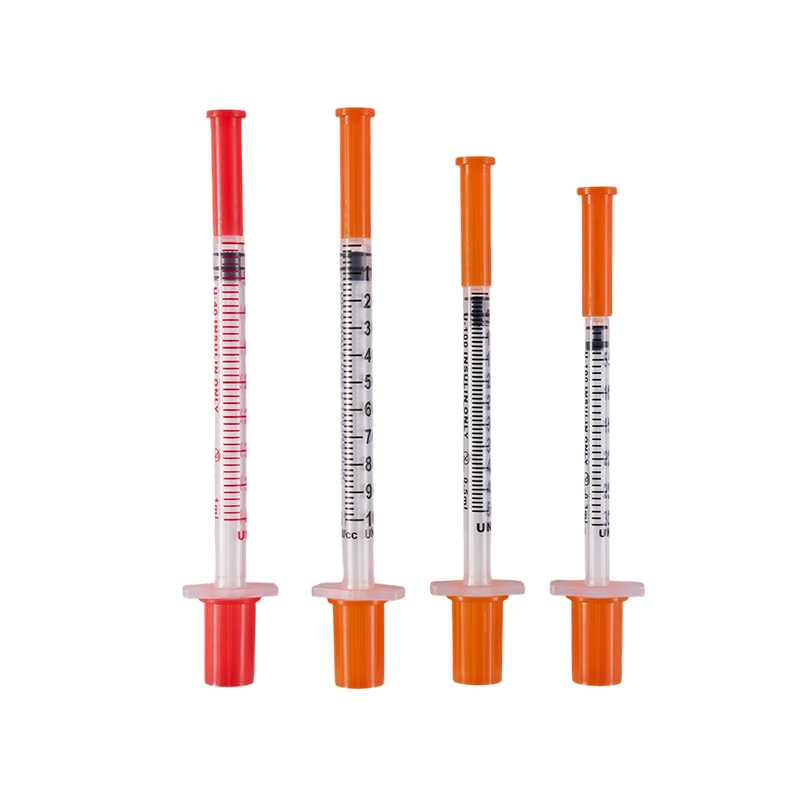
The design and production comply with ISO8537. The plastic parts are moulded by ...
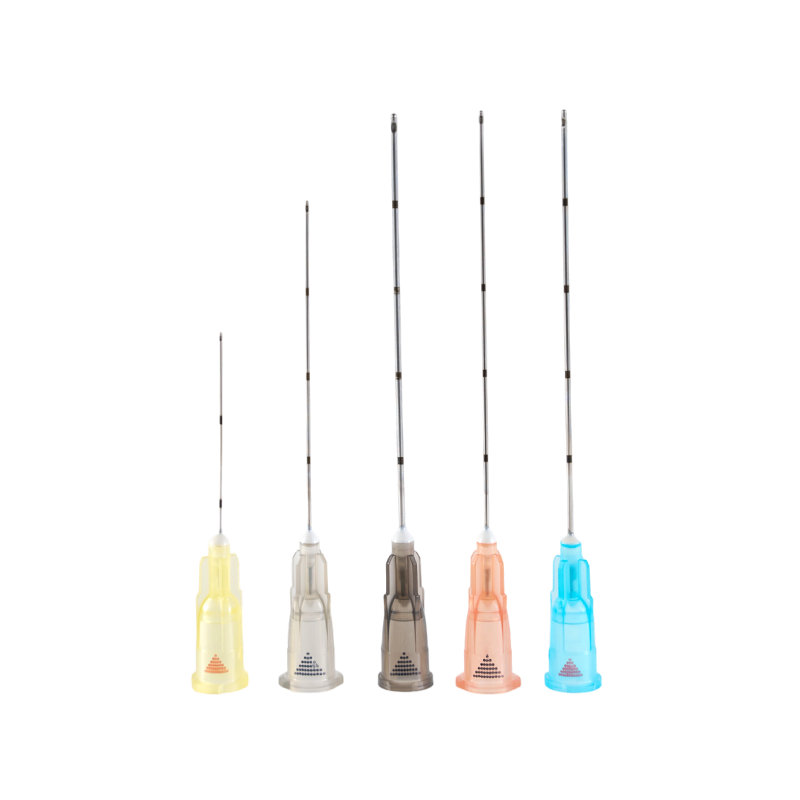
There are three kinds of the tip types, Sealed-circle with 2 side holes, sealed-...
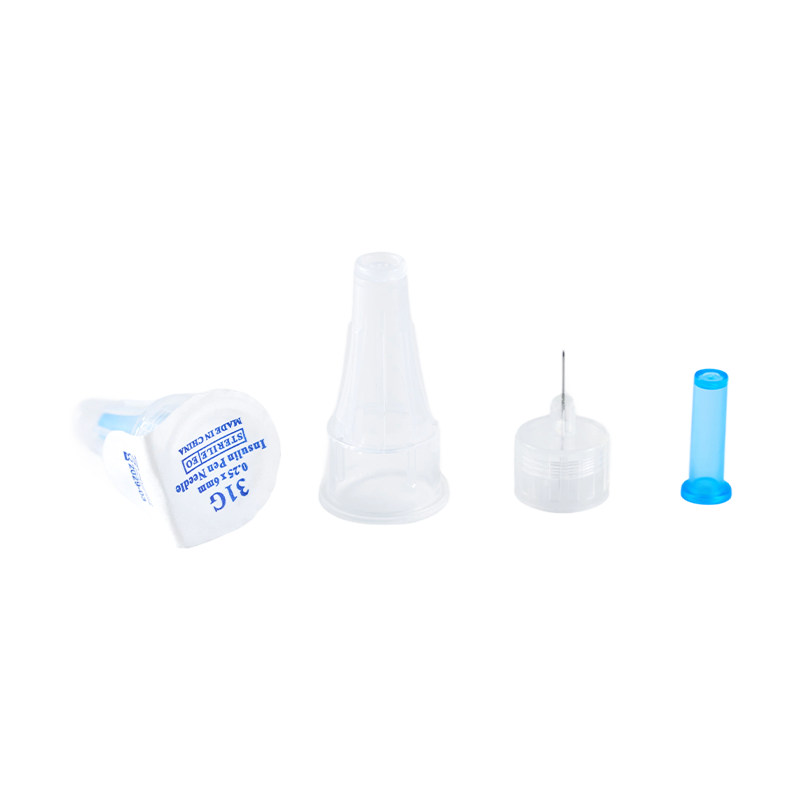
Assembling with insulin pen, for insulin hypodermic injection.The plastic parts ...
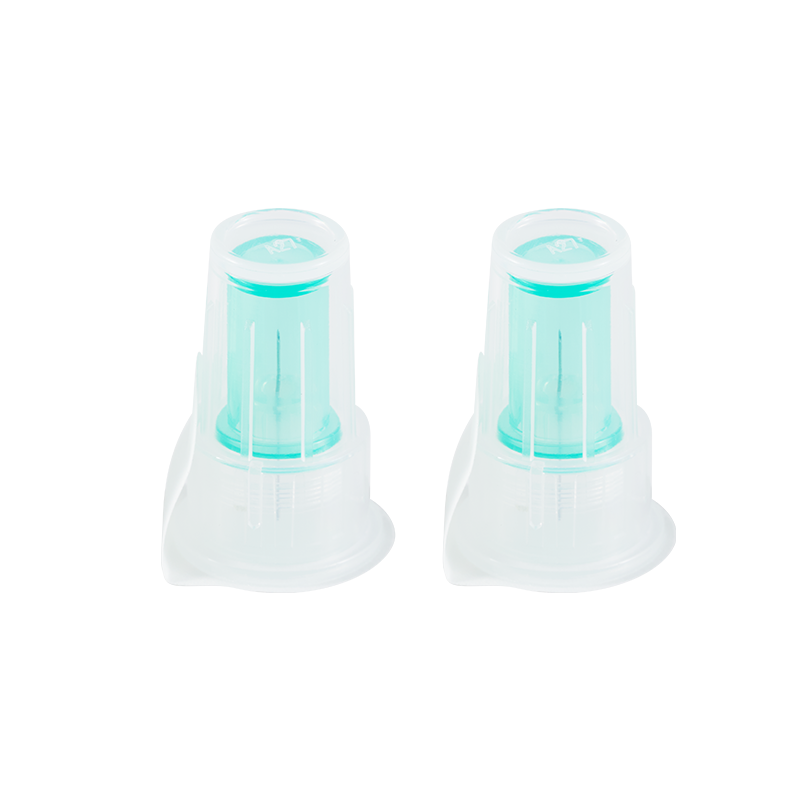
Used in conjunction with an insulin pen, it is used for subcutaneous injection o...
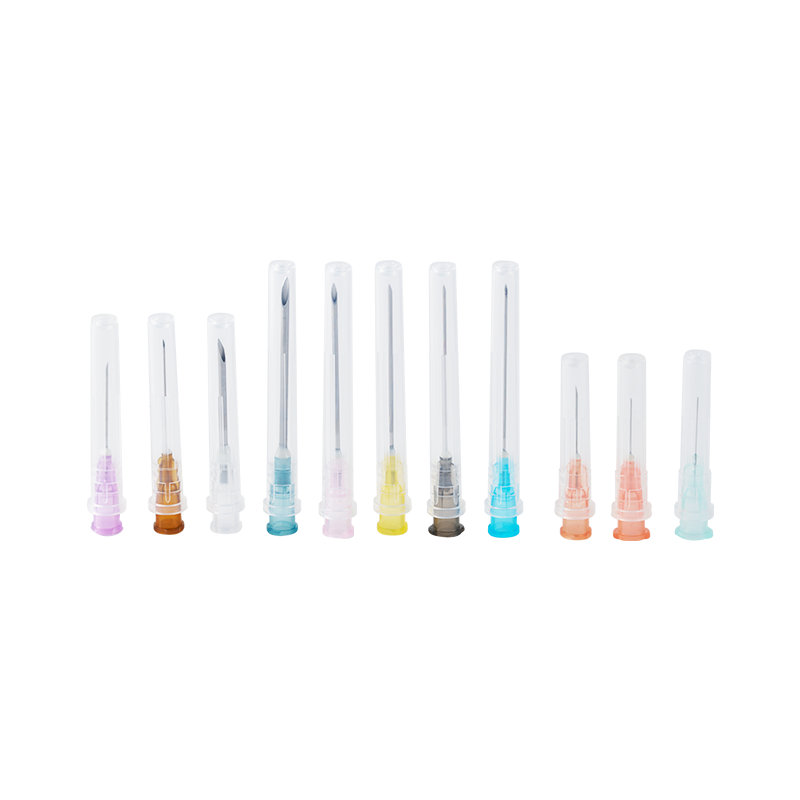
The cannula is made of high quality austenite stainless steel.All the components...
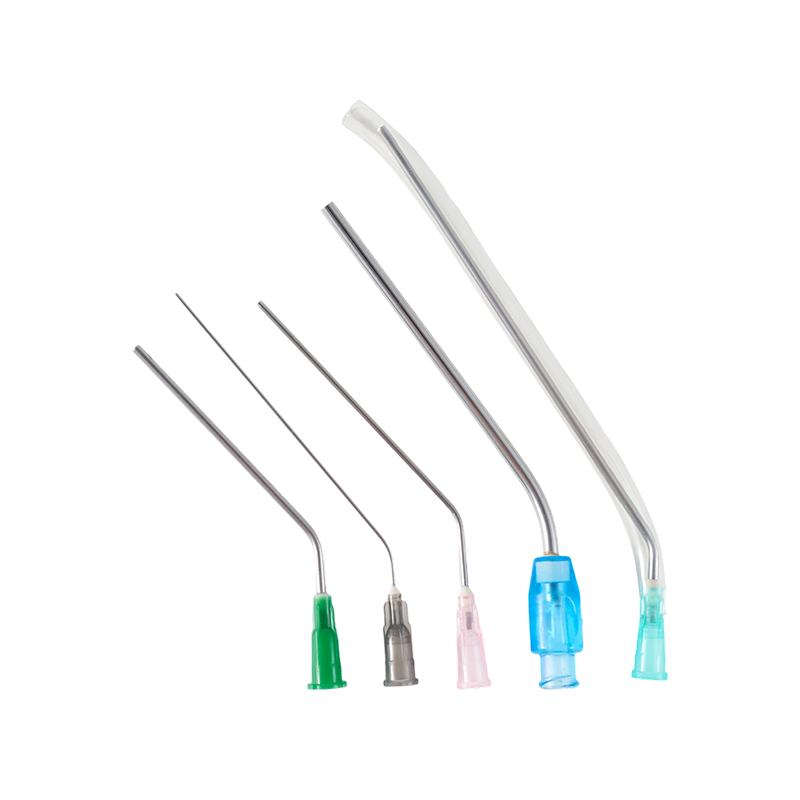
The material of the needle is Medical grade SUS304,which have great stiffness, t...
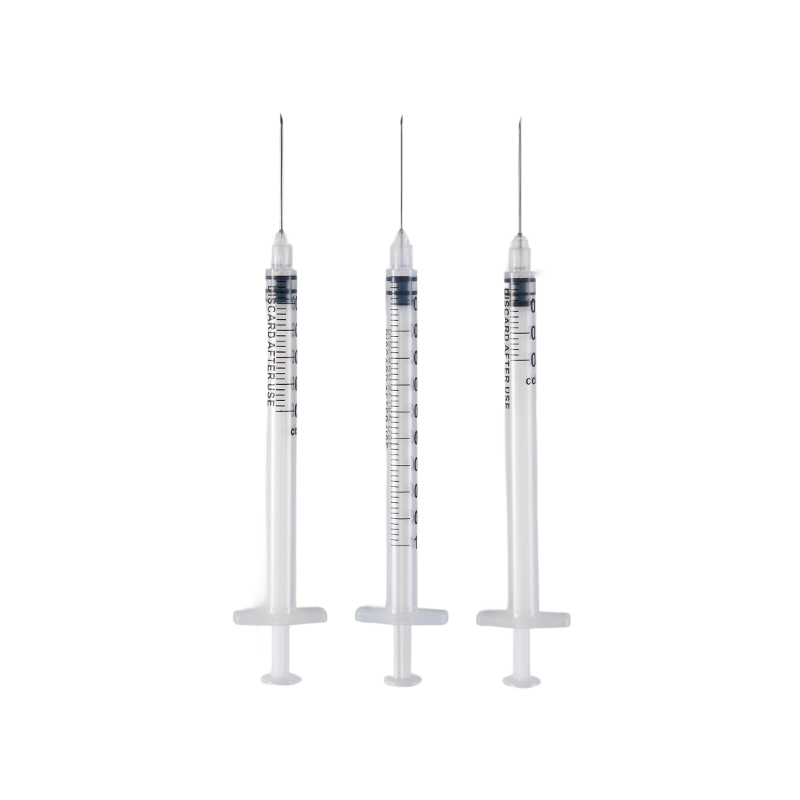
The barrel is made from high transparent polypropylene(PP),which have a bright a...

The cannula is made of high quality austenite stainless steel.The lancet tip is ...

Copyright© 2025 Zhejiang INI Medical Devices Co., Ltd.
Approval No:20150049
Medical Device Manufacturers
Disposable Medical Syringes Factory
