


 English
 Español
 中文简体
中文简体Don't hesitate to send a message
The design and production comply with ISO8537. The plastic parts are moulded by ...
Healthcare systems run on a steady, uninterrupted flow of medical supplies, and disposable syringes sit right at the core of that daily necessity. Hospitals, clinics, laboratories, and countless other healthcare organizations all need dependable access to these products just to keep routine services running without a hitch.
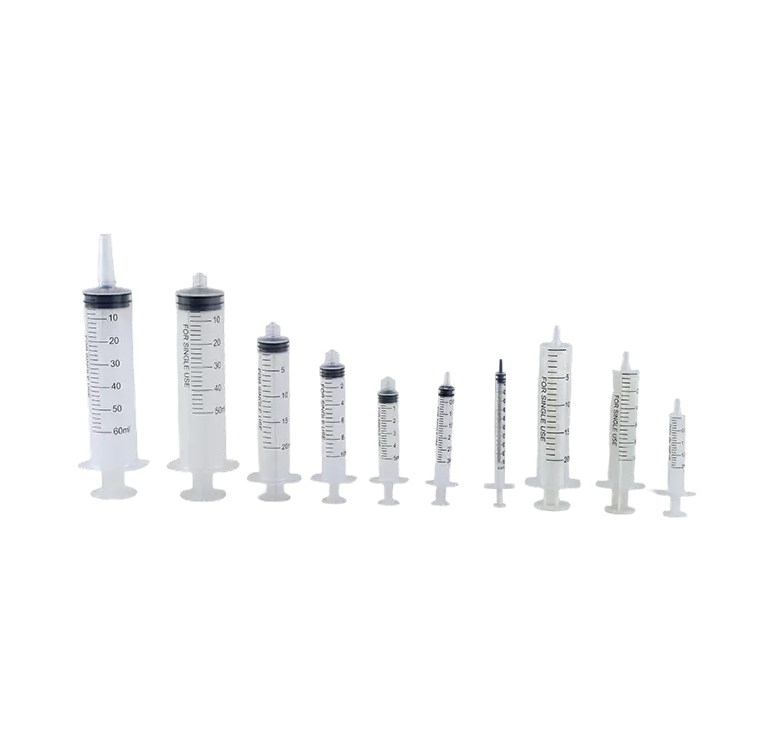
Disposable syringe wholesale suppliers do a lot more than just move product from point A to point B. They connect manufacturers with healthcare buyers, help manage the messier parts of the supply process, and back up organizations that need regular, reliable access to medical consumables month after month.
As healthcare demand keeps shifting, supply management has turned into a genuinely important topic in its own right. A lot of buyers are actively hunting for suppliers who can offer stable sourcing and back up their broader operational needs at the same time.
Healthcare facilities need medical supplies flowing in consistently. Run short on something as basic as syringes, and daily workflows can grind to a halt fast, creating real headaches for the staff trying to do their jobs.
Wholesale suppliers smooth this whole process out by acting as the connective tissue between production and end use. Rather than chasing down multiple sources separately, healthcare buyers can lean on suppliers who've already organized product availability and distribution into something manageable.
For disposable syringes specifically, wholesale suppliers tend to support healthcare systems through:
| Support Area | Role in Healthcare Supply |
|---|---|
| Product sourcing | Connects buyers with manufacturing resources |
| Inventory support | Helps maintain product availability |
| Distribution services | Delivers supplies to different facilities |
| Procurement assistance | Simplifies purchasing processes |
That supply chain link is really what frees healthcare organizations up to focus more on actual patient care, while still keeping medical supply needs handled efficiently in the background.
Hospitals juggle a huge range of medical activity every single day, and plenty of departments need disposable syringes for wildly different purposes. That's exactly why supply planning becomes such a central part of hospital management rather than an afterthought.
Wholesale suppliers back hospitals up by offering organized purchasing channels. Instead of firing off frequent small orders piecemeal, hospitals can build genuine relationships with suppliers who actually understand their recurring needs.
That kind of support tends to include:
A reliable supply relationship cuts down on unnecessary interruptions considerably. It also frees purchasing teams up to manage resources far more effectively than they could juggling scattered vendors.
Not every healthcare provider operates at hospital scale. Small clinics and private practices tend to have purchasing needs that look pretty different from a large hospital system's.
For these smaller organizations, wholesale suppliers offer a way to access disposable syringes without needing to build direct relationships with a whole roster of manufacturers.
Wholesale supply services tend to help smaller facilities by:
Clinics generally want simple, practical solutions above anything fancy. The right supplier relationship makes routine purchasing feel a lot more organized and a lot less like a chore.
Medical supply networks routinely stretch across multiple regions at once. A manufacturer might produce in one part of the world while healthcare providers end up using that same product somewhere else entirely.
Disposable syringe wholesale suppliers act as the bridge holding that whole process together. They move products through distribution channels and link up different corners of the healthcare market that would otherwise struggle to connect directly.
Their responsibilities tend to involve:
That role matters especially for international buyers who need a genuinely dependable connection between supply sources and the facilities relying on them.
Purchasing medical supplies goes well beyond just picking products off a list. Buyers have to weigh availability, delivery coordination, and how well communication actually flows with a given supplier.
Wholesale suppliers support these decisions by laying out what's available and helping buyers land on solutions that genuinely fit their needs.
Supply consistency. Healthcare providers need suppliers who can keep product access steady over time. Consistent communication makes it a lot easier for buyers to plan their own operations around that reliability.
Product variety. Different healthcare environments come with different requirements, and suppliers offering a genuine range of syringe options end up supporting a much wider set of applications.
Order flexibility. Healthcare demand shifts constantly. Flexible purchasing arrangements let organizations actually respond when situations change instead of getting stuck with rigid contracts.
Service support. Clear, ongoing communication between supplier and buyer cuts down considerably on misunderstandings during procurement.
All of these factors together shape how healthcare organizations end up evaluating one wholesale supplier against another.
Managing healthcare expenses takes real, careful planning. Medical supplies represent an ongoing operational cost that never really goes away for most organizations.
Wholesale purchasing helps healthcare providers get their spending organized. Working with a solid supplier tends to simplify procurement activity and cut down the sheer effort involved in juggling multiple separate orders.
Cost management benefits tend to show up through:
The goal was never just buying product cheaply. It's building a supply system that's genuinely easier to manage day to day.
Disposable syringes get used across a genuinely wide range of healthcare settings, and each one comes with its own workflow and its own expectations.
| Healthcare Environment | Supply Support Needs |
|---|---|
| Hospitals | Regular supply for multiple departments |
| Clinics | Convenient ordering and restocking |
| Laboratories | Suitable supplies for testing activities |
| Healthcare centers | Stable access to routine medical items |
Wholesale suppliers need to genuinely understand these differences rather than treating every buyer the same way. What works for a hospital rarely maps cleanly onto a small clinic or a research lab.
Recognizing those distinct needs is really what lets suppliers offer support that actually fits.
Picking a supplier is a genuinely important decision for any healthcare organization. The right choice comes down to several factors tied to supply reliability and overall service quality.
Buyers tend to weigh:
Communication ability. A supplier should offer clear information and respond quickly and usefully when questions come up.
Supply experience. Real experience in medical supply distribution helps a supplier understand healthcare purchasing in ways a generalist vendor simply won't.
Delivery management. Organized logistics are what actually gets products to buyers smoothly, without last-minute surprises.
Market understanding. Suppliers who genuinely know healthcare requirements end up serving different customer groups far more effectively.
Weighing all of this carefully is what helps buyers build supplier relationships that actually last.
Healthcare supply systems keep evolving, and organizations are paying closer attention than ever to efficiency, flexibility, and genuine supply reliability.
Wholesale suppliers look set to get more deeply involved in helping healthcare providers manage resources going forward. Their role is clearly shifting from pure product delivery toward something closer to broader supply partnership.
Future supply models seem likely to focus on:
As healthcare needs keep shifting, suppliers who genuinely understand market demand are the ones positioned to offer real, lasting value.
The path from manufacturer to healthcare provider usually runs through several steps, and wholesale suppliers are what makes that whole connection actually work smoothly.
They help disposable syringe manufacturers reach a wider range of buyer groups, while simultaneously giving healthcare organizations access to products through channels that are already well-established.
That creates a much more structured overall process:
This structure is really what lets different parts of the healthcare system work together without constant friction.
Disposable syringe wholesale suppliers contribute to healthcare operations in a lot of ways that go well beyond simple product delivery — sourcing, distribution coordination, purchasing support, and keeping communication flowing between everyone involved in the market.
Healthcare organizations need supply partners who genuinely understand why regular, reliable access to medical consumables matters so much. As demand keeps shifting, that kind of supplier support becomes an increasingly central piece of keeping healthcare supply systems running effectively.
Through organized service and dependable connections, disposable syringe wholesale suppliers keep backing up hospitals, clinics, laboratories, and healthcare facilities of every size around the world.
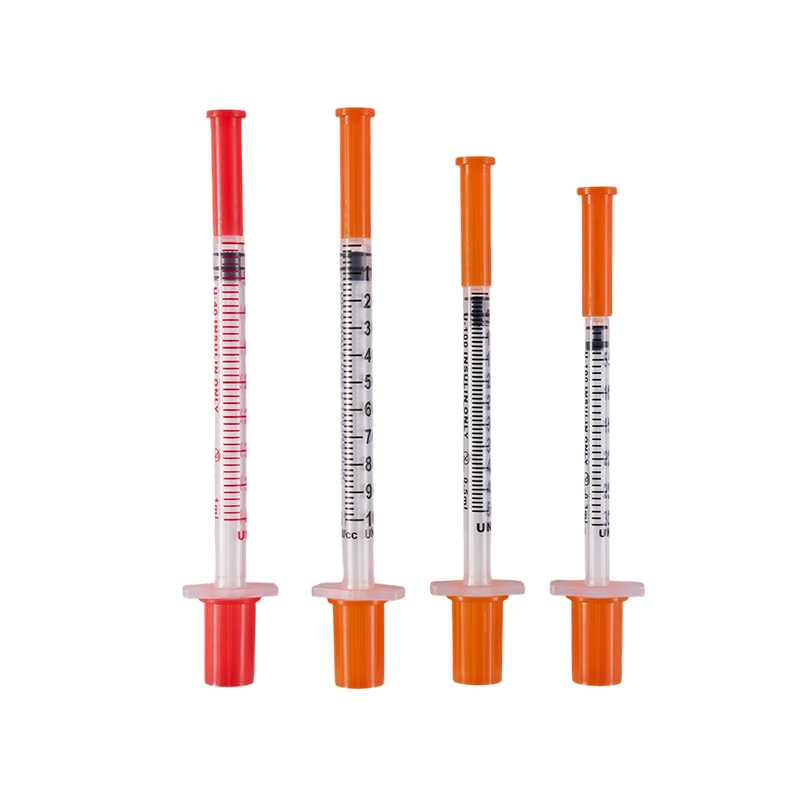
The design and production comply with ISO8537. The plastic parts are moulded by ...
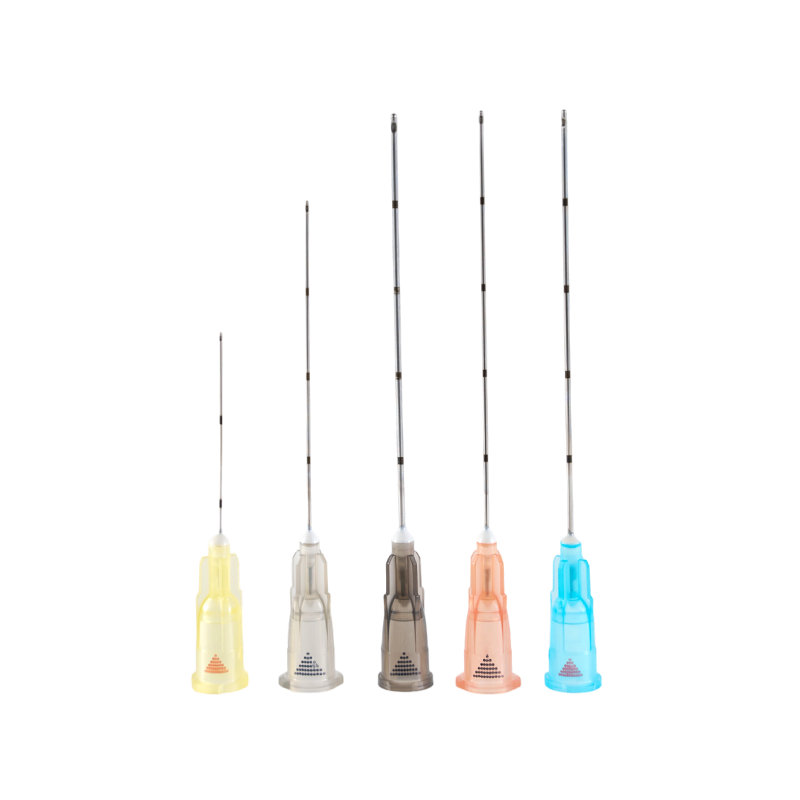
There are three kinds of the tip types, Sealed-circle with 2 side holes, sealed-...
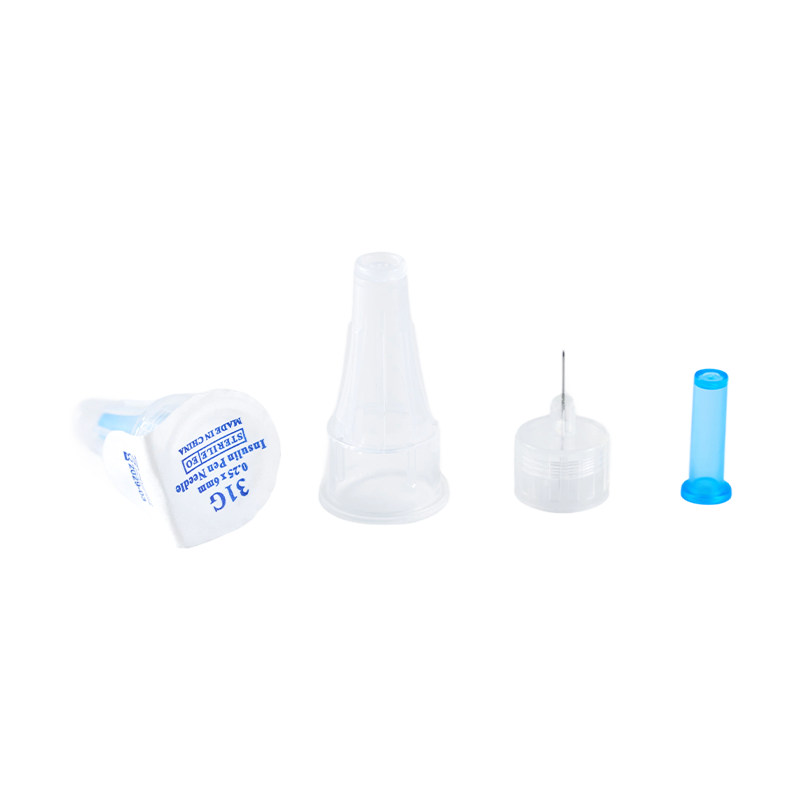
Assembling with insulin pen, for insulin hypodermic injection.The plastic parts ...
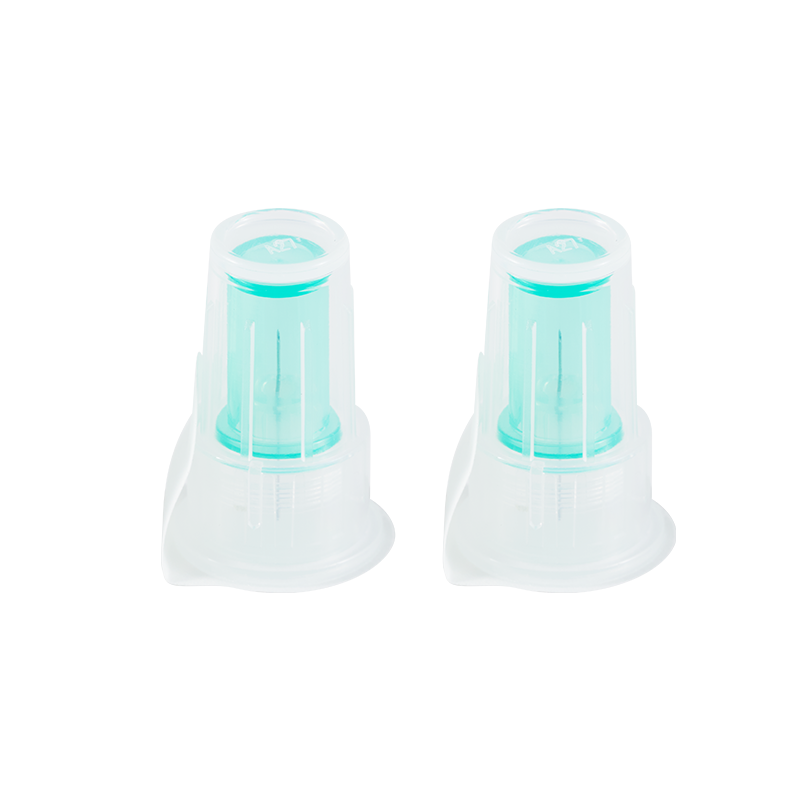
Used in conjunction with an insulin pen, it is used for subcutaneous injection o...
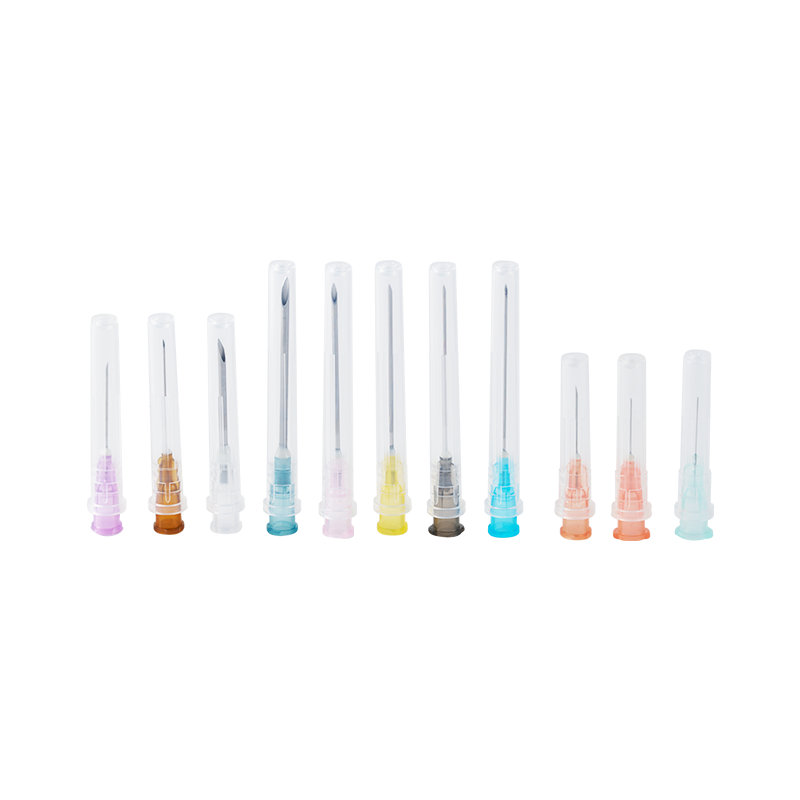
The cannula is made of high quality austenite stainless steel.All the components...
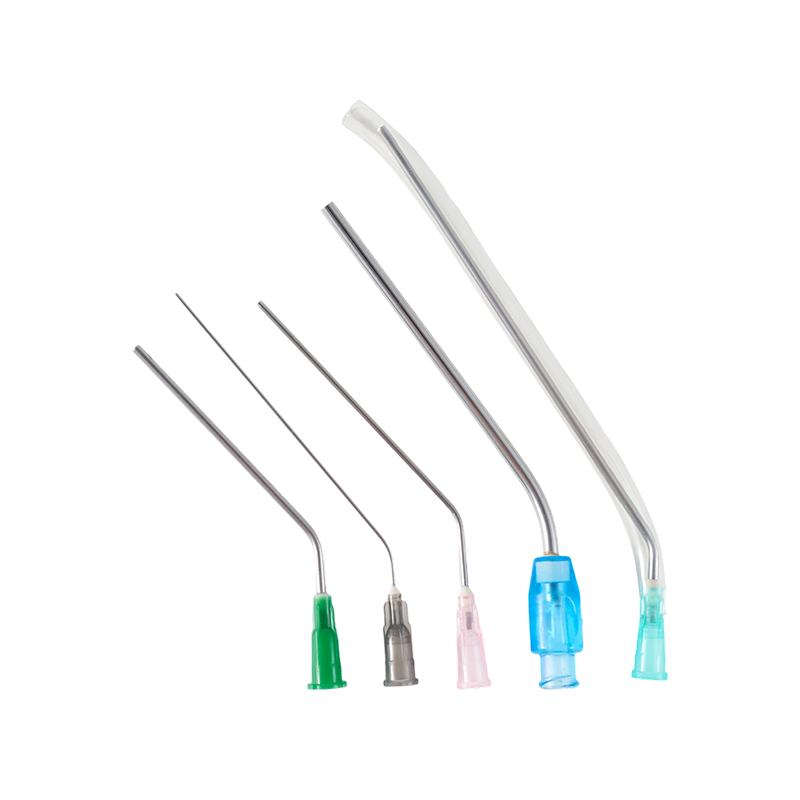
The material of the needle is Medical grade SUS304,which have great stiffness, t...
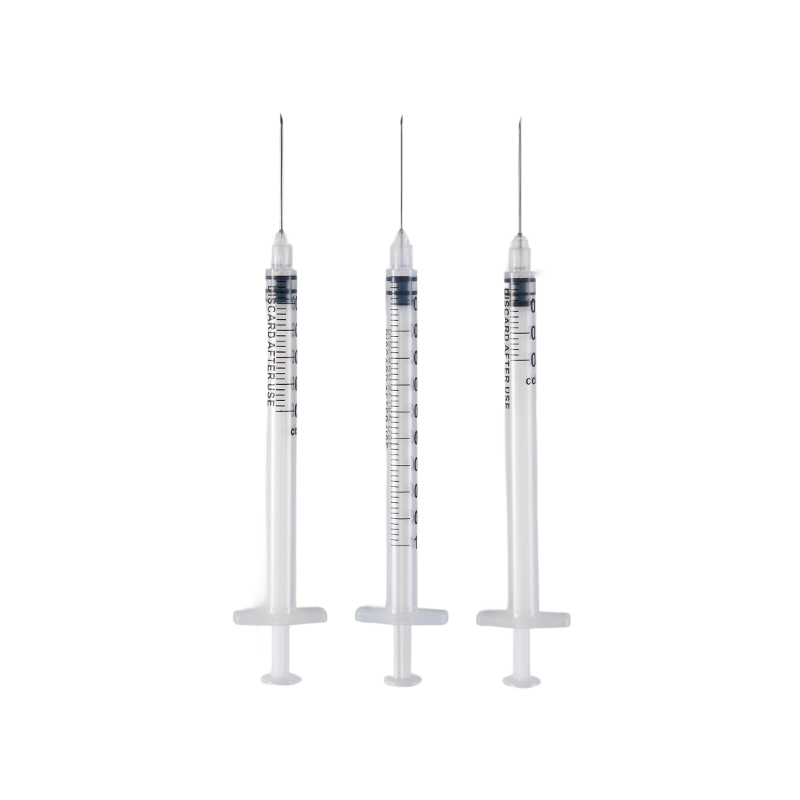
The barrel is made from high transparent polypropylene(PP),which have a bright a...

The cannula is made of high quality austenite stainless steel.The lancet tip is ...

Copyright© 2025 Zhejiang INI Medical Devices Co., Ltd.
Approval No:20150049
Medical Device Manufacturers
Disposable Medical Syringes Factory
