


 English
 Español
 中文简体
中文简体Don't hesitate to send a message
The design and production comply with ISO8537. The plastic parts are moulded by ...
The global movement of medical supplies has become more visible in recent years. Among these supplies, disposable syringes remain a basic but essential item. They are used in routine care, diagnostic work, and research environments. Many of these products are manufactured in China and distributed across different regions.
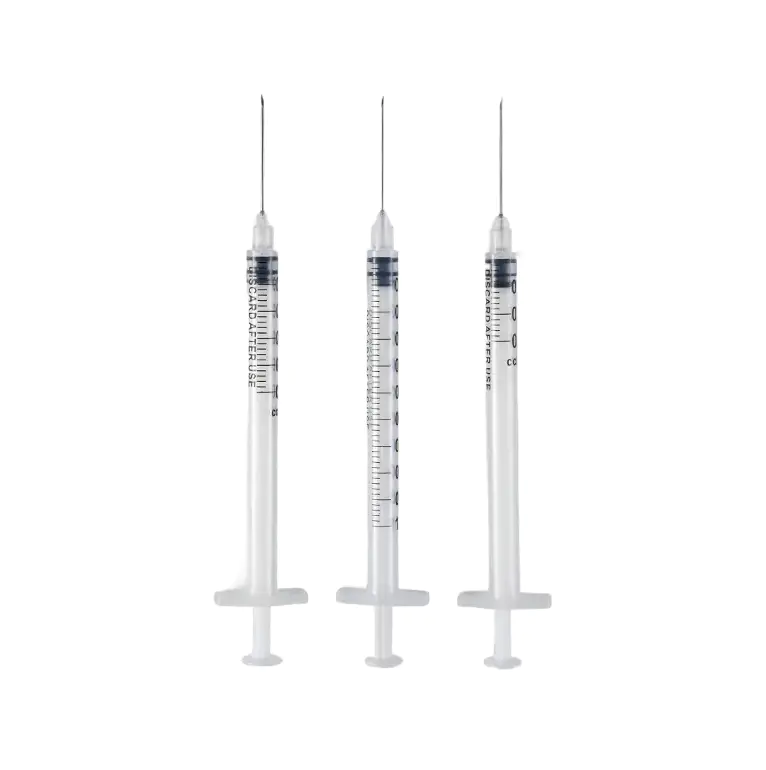
Healthcare providers often look for reliable supply channels. China has become one of the sources considered in this process. Questions still come up about where these syringes are used and how they fit into different medical settings.
The answer is not limited to one type of facility. Disposable syringes from China appear in hospitals, clinics, and laboratories, each with its own expectations and usage patterns.
Disposable syringes are baked into everyday medical activity at this point. They support safe injection practices and cut down on cross-use risk, and their single-use design lines up naturally with hygiene standards across healthcare environments generally.
Across a lot of facilities, syringes handle jobs like:
Since these tasks happen constantly, demand stays steady rather than spiking and dipping. Facilities need a reliable ongoing supply, not occasional shipments arriving whenever convenient.
China's manufacturing sector has built up genuine capacity to produce medical consumables at real scale, and that's exactly what's made its products so visible across supply chains serving healthcare systems worldwide.
Hospitals sit among the most demanding environments for medical supplies, full stop. A huge range of procedures happens under one roof — everything from basic care up through genuinely complex treatment.
Disposable syringes get used across departments, including:
In environments like this, supply continuity really matters. Hospitals tend to source through established distributors, and China-manufactured syringes turn up in those supply networks across a lot of regions.
Whether these products show up in a given hospital was never down to a single factor, either. Procurement policy, local regulation, and existing supply agreements all shape the purchasing decision together.
Healthcare institutions typically weigh:
These considerations are really what decides whether a given product actually fits into hospital operations day to day.
Clinics run on a much smaller scale than hospitals, but their need for disposable syringes stays genuinely significant. A lot of routine medical services depend on nothing more than simple injection tools to get the job done.
Common clinic uses include:
Clinics tend to gravitate toward straightforward supply solutions, often leaning on distributors who deliver ready-to-use consumables without much complexity attached.
China disposable syringes show up in these supply channels across a range of markets, with their role tied closely to availability and how well they fit into existing clinic workflows.
Unlike large hospitals, clinics often care more about ease of ordering and storage space than anything else. Packaging size and delivery frequency tend to shape their choices more than brand or origin alone.
Laboratories put disposable syringes to work in a genuinely different way compared to clinical settings. The focus shifts away from patient care entirely, landing instead on controlled handling of samples and substances.
In lab environments, syringes typically support:
These tasks demand real accuracy and consistency. The context looks nothing like a hospital ward, but the underlying need for single-use tools stays remarkably similar.
China-manufactured syringes turn up in laboratory supply systems as part of general consumable sourcing, with actual use hinging on whether they meet the specific demands of a given lab process.
Laboratories often work with specialized suppliers who stock a whole range of disposable tools, and syringes sit right alongside the other basics in that mix.
Disposable syringe use shifts noticeably depending on the type of facility involved. Each setting brings its own priorities and its own rhythm of daily work.
| Healthcare Setting | Typical Use | Key Consideration |
|---|---|---|
| Hospitals | Wide range of procedures | Supply stability |
| Clinics | Routine care and vaccination | Ease of use |
| Laboratories | Sample handling and testing | Consistency |
Despite those real differences, all three settings lean on disposable tools to keep daily operations running smoothly. The shared thread running through all of them is safe, efficient handling above everything else.
Disposable syringes fit into these environments through supply chains rather than any kind of direct placement. Distributors, importers, and procurement systems are really what connects manufacturers to the people actually using these products.
Whether any medical product shows up in a healthcare setting comes down to a handful of conditions working together, and disposable syringes from China are no exception to that rule.
Supply chain access. Healthcare providers generally work with established suppliers, and if those Disposable Syringe Suppliers happen to carry China-manufactured products, they naturally become part of the available options.
Regulatory alignment. Medical products have to clear local requirements before they can even be distributed, and that shapes both how and where they end up being used.
Procurement preferences. Different institutions run very different purchasing strategies — some lock in long-term supply agreements, others prioritize staying flexible and sourcing as needed.
Operational needs. The specific tasks happening inside a given facility shape product selection directly. Hospitals, clinics, and labs simply don't expect the same things from a syringe.
Together, these factors shape the whole path a disposable syringe takes from the factory floor to actual use.
Medical supply chains routinely span multiple regions at once. Manufacturing, distribution, and final use rarely happen in the same place.
China plays its part heavily at the production stage, with its manufacturing capacity supporting genuinely large-scale output of medical consumables across the board.
From there, these products move into global distribution systems, where importers and distributors take over logistics, storage, and delivery.
Eventually, syringes reach:
That whole movement depends on coordination running smoothly across every stage of the supply chain, with each stage adding its own checks and requirements along the way.
Sourcing decisions are almost never boiled down to a single factor. Healthcare providers weigh several things at once before actually settling on a supplier.
Common considerations include:
Some institutions run centralized procurement systems that handle everything top-down. Others let individual departments manage their own ordering entirely.
China disposable syringes often show up as part of broader product portfolios that distributors offer, with actual selection depending on whether they clear the criteria a given healthcare provider has already set.
Healthcare environments continue to evolve. Changes in service models, patient needs, and operational strategies can influence how supplies are used.
For example:
These shifts can affect the demand for disposable syringes. They may also influence sourcing patterns and supplier relationships.
China disposable syringes remain part of the broader conversation about medical supply availability. Their role is shaped by how healthcare systems adapt to changing conditions.
In practice, their presence across hospitals, clinics, and laboratories reflects how global supply networks connect production with everyday medical use.
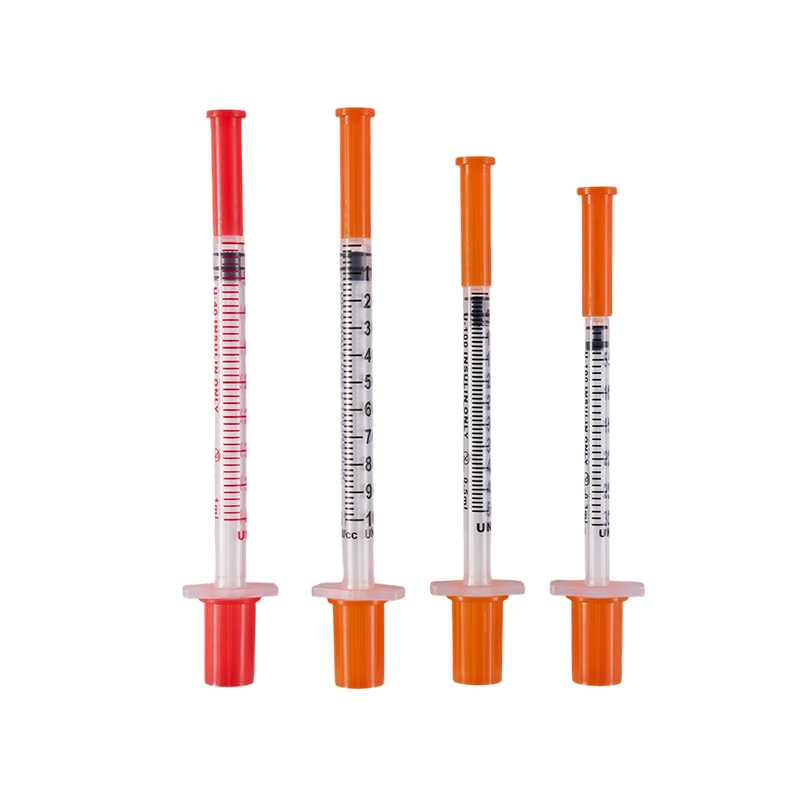
The design and production comply with ISO8537. The plastic parts are moulded by ...
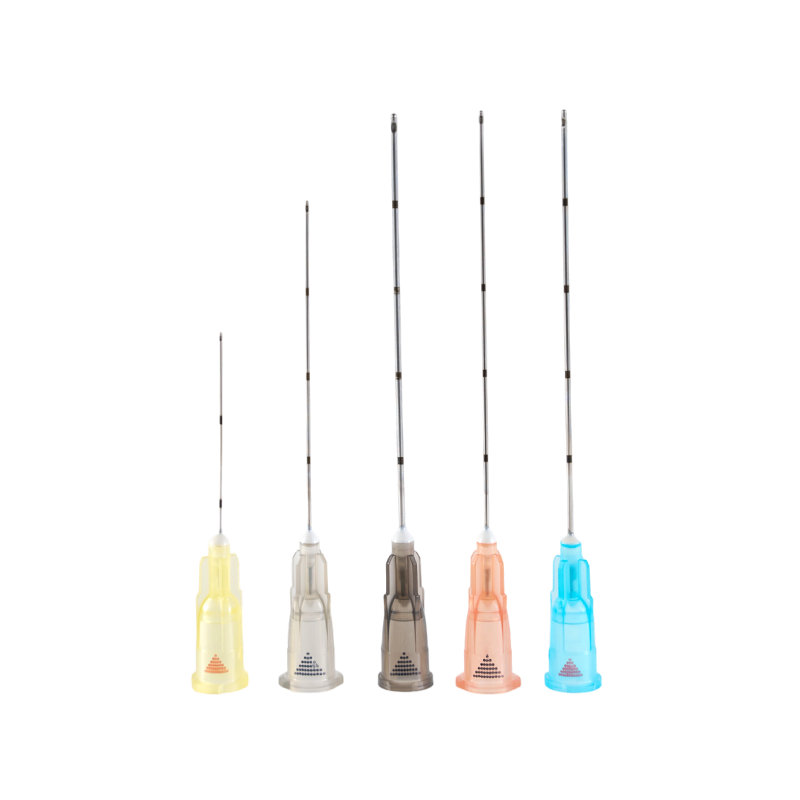
There are three kinds of the tip types, Sealed-circle with 2 side holes, sealed-...
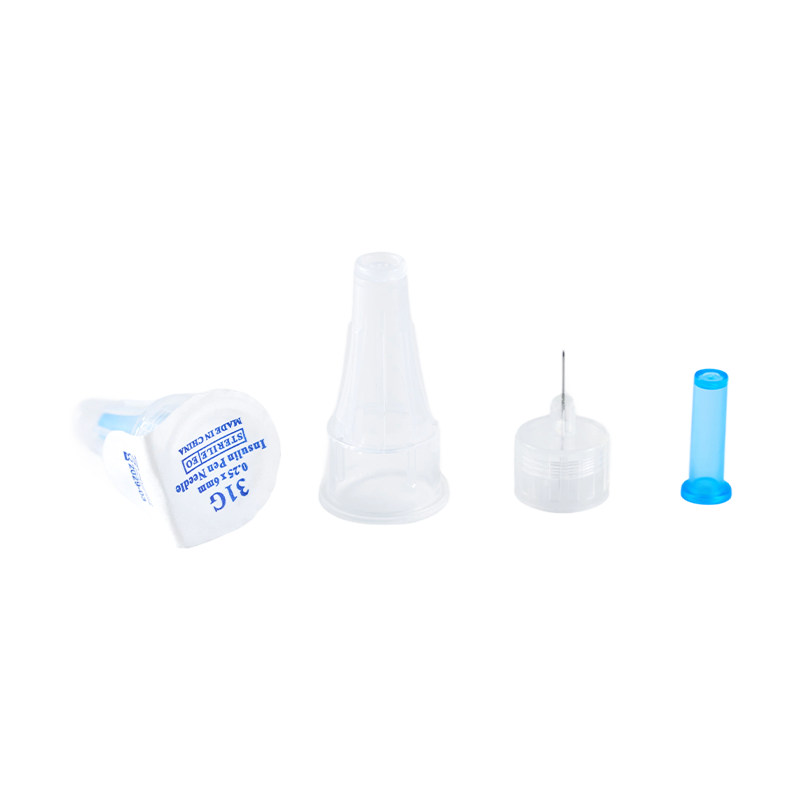
Assembling with insulin pen, for insulin hypodermic injection.The plastic parts ...
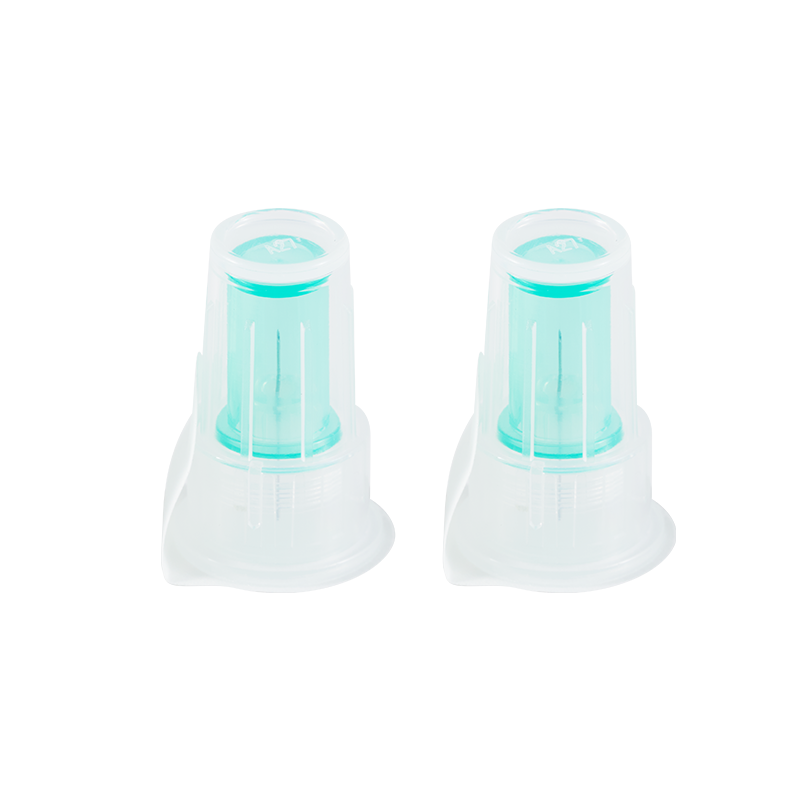
Used in conjunction with an insulin pen, it is used for subcutaneous injection o...
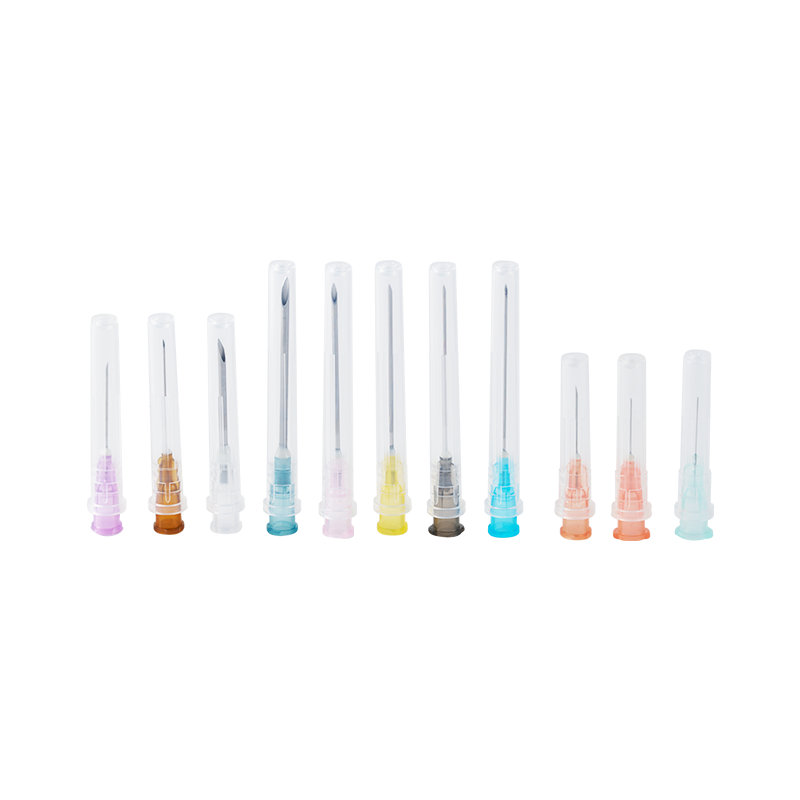
The cannula is made of high quality austenite stainless steel.All the components...
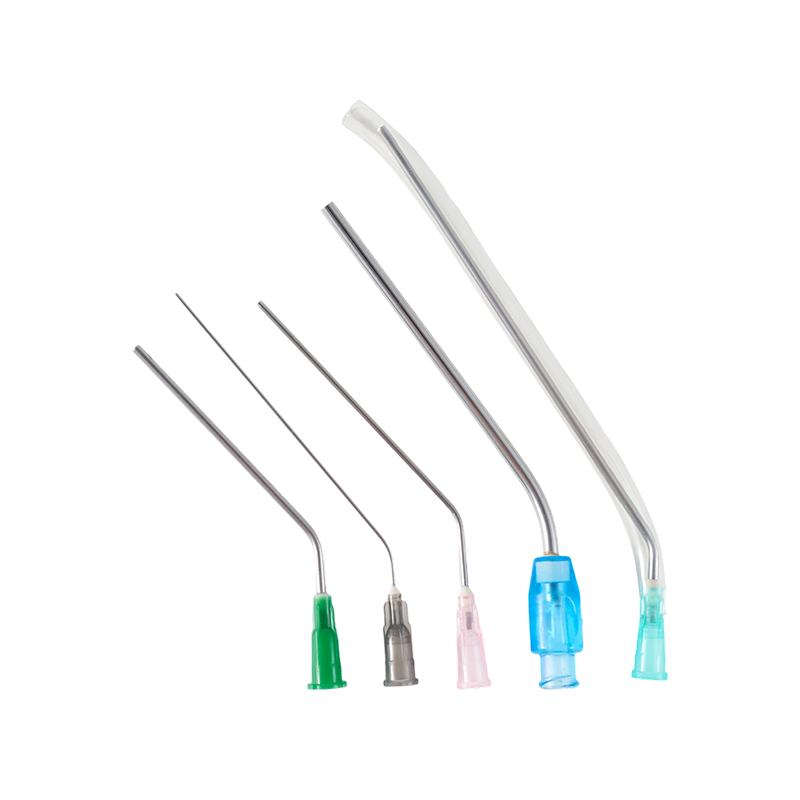
The material of the needle is Medical grade SUS304,which have great stiffness, t...
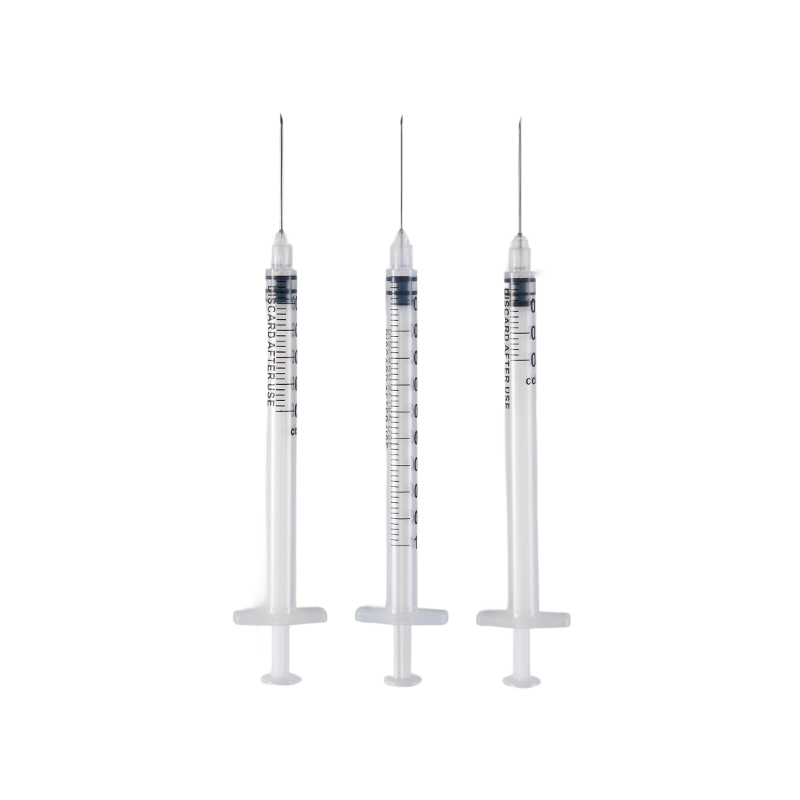
The barrel is made from high transparent polypropylene(PP),which have a bright a...
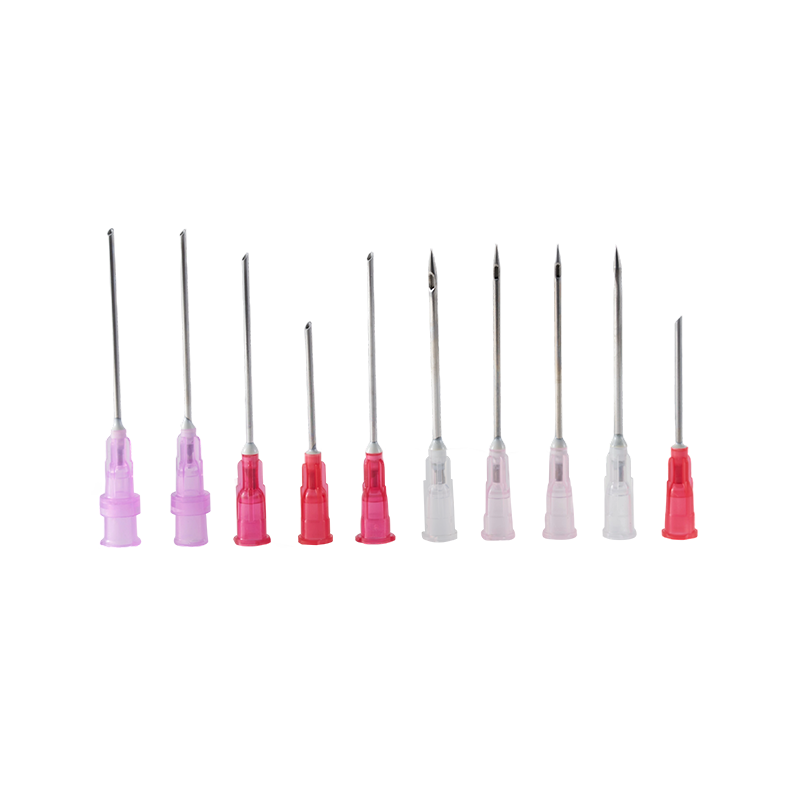
The cannula is made of high quality austenite stainless steel.The lancet tip is ...

Copyright© 2025 Zhejiang INI Medical Devices Co., Ltd.
Approval No:20150049
Medical Device Manufacturers
Disposable Medical Syringes Factory
